
Ever wonder if your pet might be behind those sneezes or itchy eyes? Many of us have paused to wonder, especially when we see our furry pals nuzzling us with love.
Tiny proteins in your pet’s skin flakes (called dander) can really stir up allergies. Imagine your cozy home suddenly full of sneezes, yikes! But don’t worry, simple changes can help.
In this chat, we’re sharing friendly tips to manage pet allergies and make your home comfy again. With just a few adjustments, you can breathe easier and spend more quality time with your loyal friend.
Remember, a little tweak here and there can bring big relief, so give it a try and enjoy those heartwarming moments with your pet.
Comprehensive Pet Allergy Management Strategies
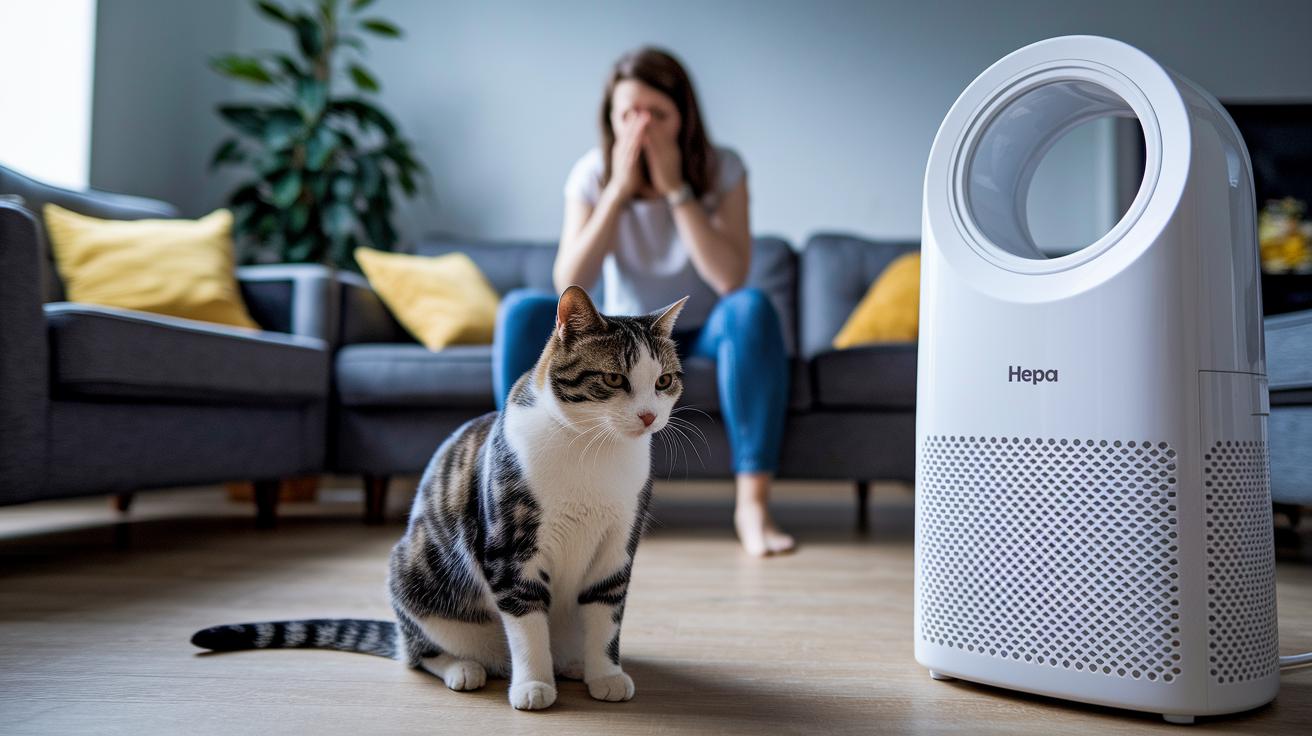
Pet allergies happen when tiny proteins in your pet’s dander (shed skin), saliva, or urine spark an immune response. This reaction releases histamine, which can lead to sneezing, itching, or even wheezing. Cats, dogs, rabbits, hamsters, guinea pigs, and ferrets all have these proteins. Recognizing what sets off your symptoms is the first step in finding relief, and it helps you choose the right pet allergy tips to feel better.
Try to restrict your pet’s access to high-traffic zones, especially your bedroom where you sleep. I once kept my furry friend out of my sleeping area, and I noticed fewer sneezes in the morning. It might sound simple, but little changes like this can make a big difference in managing your allergies.
Consider using HEPA air purifiers in the living room and your bedroom to trap those tiny allergen particles floating in the air. Also, set a cleaning routine that fits with your life. For instance, vacuum regularly using a HEPA-equipped machine, dust surfaces with a damp cloth, and wash pet bedding in hot water (around 130°F) each week. Regular grooming is just as important, brushing your pet outside helps keep loose dander from spreading indoors. And if over-the-counter remedies don’t do the trick, it might be worth talking to your healthcare provider about options such as prescription antihistamines, corticosteroids (medications that help reduce swelling), or even allergy shots that build tolerance slowly over time.
Recognizing Pet Allergy Triggers and Symptoms

Did you know that pet allergy proteins often stick to your clothes, furniture, and carpets instead of just your pet’s fur? Many pet lovers with sensitivities, about three in ten, find that these pesky particles can trigger sneezing, a runny or stuffy nose, and watery eyes. Sometimes, you might even notice coughs, wheezes, or asthma flare-ups. Ever notice how a sudden sneeze can pause a peaceful moment?
One easy way to figure out your triggers is by keeping a daily log. Jot down when you start sneezing or feel that tickle in your eyes, and think about where you’ve been hanging out, maybe on your favorite chair or the bed where your pet likes to snooze. Recognizing these little signals helps you act fast. For instance, you might decide to clean these spots more regularly or adjust where your furry friend spends time indoors. This way, you can keep enjoying your pet’s company while keeping your surroundings a bit more allergy-friendly.
pet allergy management tips: Enjoy a Fresh Start
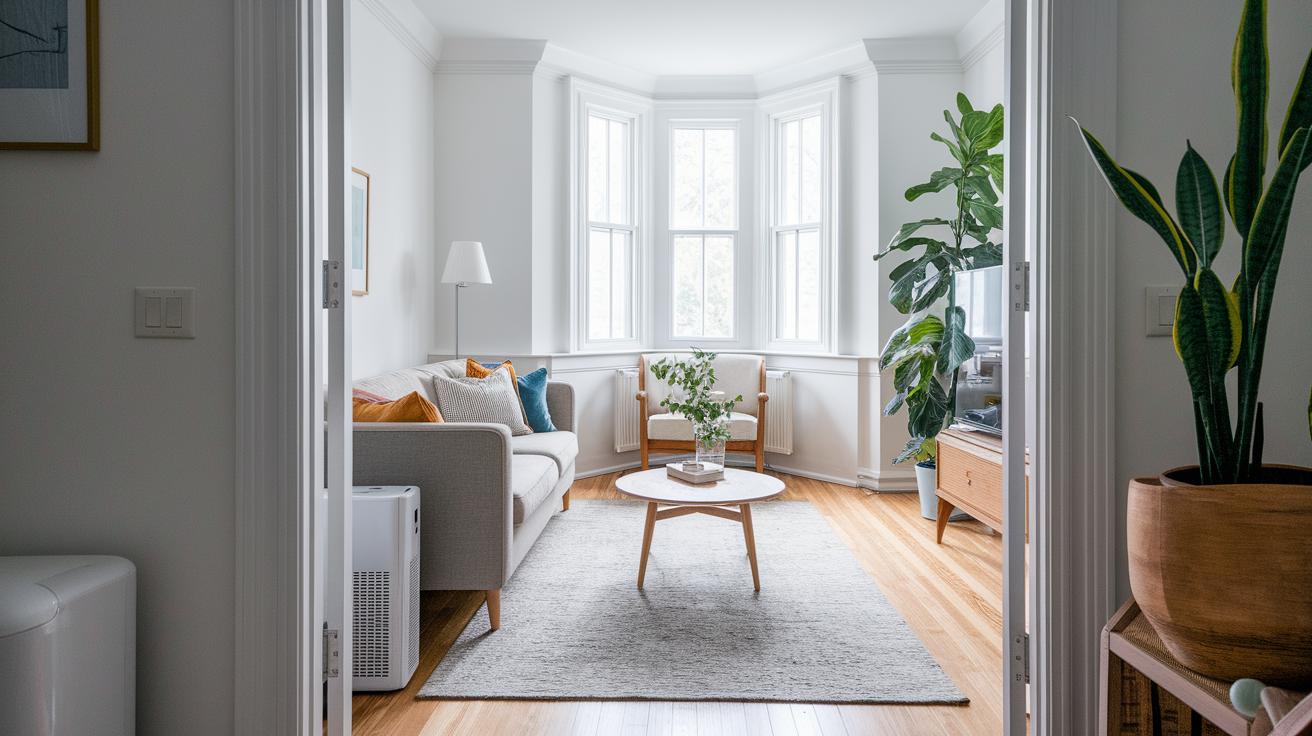
Pet allergens love to settle on soft surfaces like carpets and furniture. These tiny particles can build up over time and make you sneeze or give you watery eyes when they get kicked up. The room where your pet hangs out might end up filled with these irritants, which can lower the quality of your indoor air. Simple tweaks around your home can help clear the air and give your space a fresh, clean feel.
Think about the floors and bedding first. Replacing wall-to-wall carpeting with hard floors or washable rugs makes cleaning a breeze. Setting up pet-free zones, especially in the bedroom where a good sleep matters most, can really boost your comfort. When your home is organized this way, both you and your pet enjoy a cleaner, healthier space.
Here are a few easy ideas to try:
- Use HEPA air purifiers (devices that trap tiny particles) in your living room and bedroom.
- Choose hard-surface flooring or washable rugs over carpets.
- Keep certain rooms, like the bedroom, off-limits to your pet by closing the door.
- Cover mattresses and pillows with allergen-proof covers.
- Wash pet bedding, blankets, and removable covers every week in water heated to 130°F or above.
- Change or clean your HVAC filters every 1–3 months.
Imagine the gentle hum of an air purifier and the feeling of a freshly swept floor. Each of these simple changes can help reduce allergens, leaving your home cleaner and more comfortable for everyone.
Grooming and Cleaning for Pet Allergy Relief
Weekly baths with a gentle, pet-friendly shampoo can lower dander by as much as 50%. When you give your pet a bath, think of it as a soothing spa time that cleans them up and helps calm them down. It really makes a difference over time.
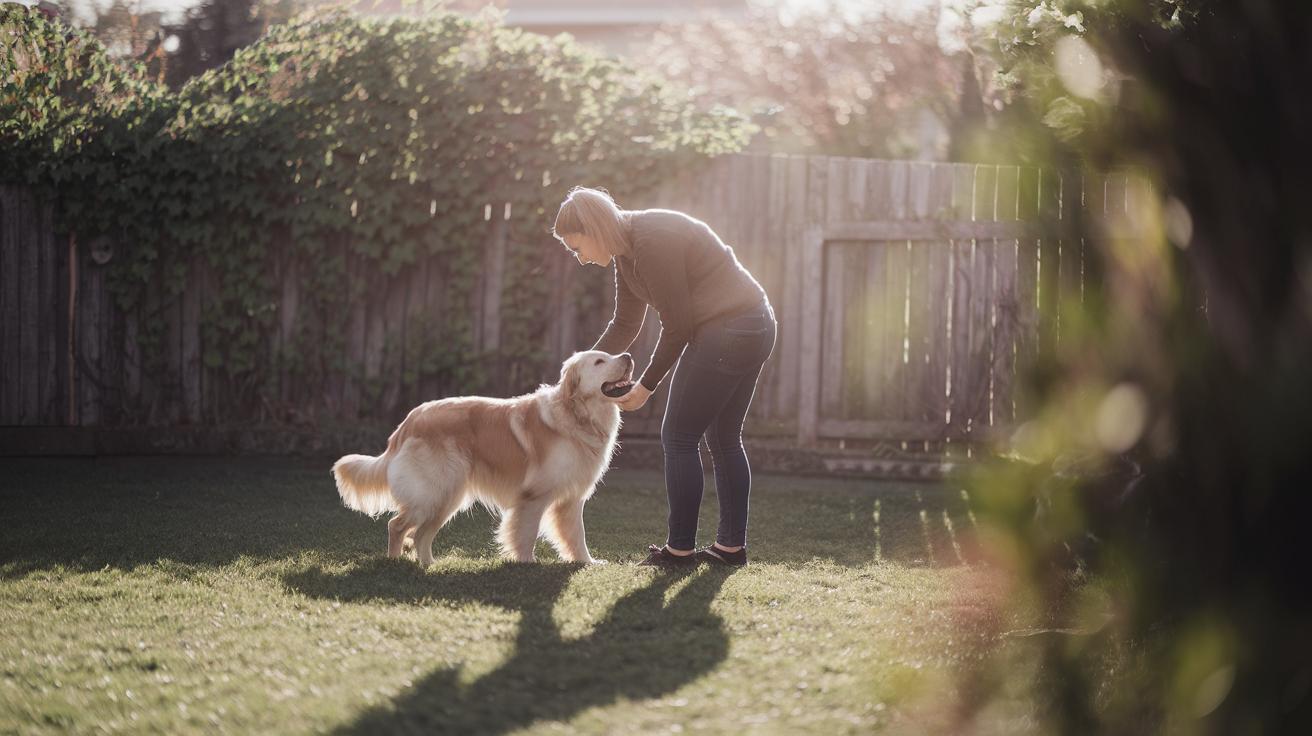
Brushing your pet outside is another great trick. It keeps loose hair and dander from spreading into your home. I remember one day spending a few extra minutes outside brushing my dog, and later the house felt much cleaner.
Vacuuming is also super important. Use a HEPA vacuum (a special filter that traps even the smallest particles) for your floors, couches, and pet bedding. It really catches those tiny bits that could trigger allergies.
If you find allergens sticking to your furniture or clothes, try using a lint roller or a slightly damp microfiber cloth. A quick swipe can remove those annoying particles, leaving your surfaces almost allergen-free.
| Practice | Benefit |
|---|---|
| Weekly Pet Bath | Cleans pet dander and oils |
| Outdoor Brushing | Keeps loose hair and dander outside |
| HEPA Vacuuming | Traps tiny allergens from floors and upholstery |
| Bedding Laundering | Removes allergens from pet linens |
Dietary and Natural Support in Pet Allergy Management
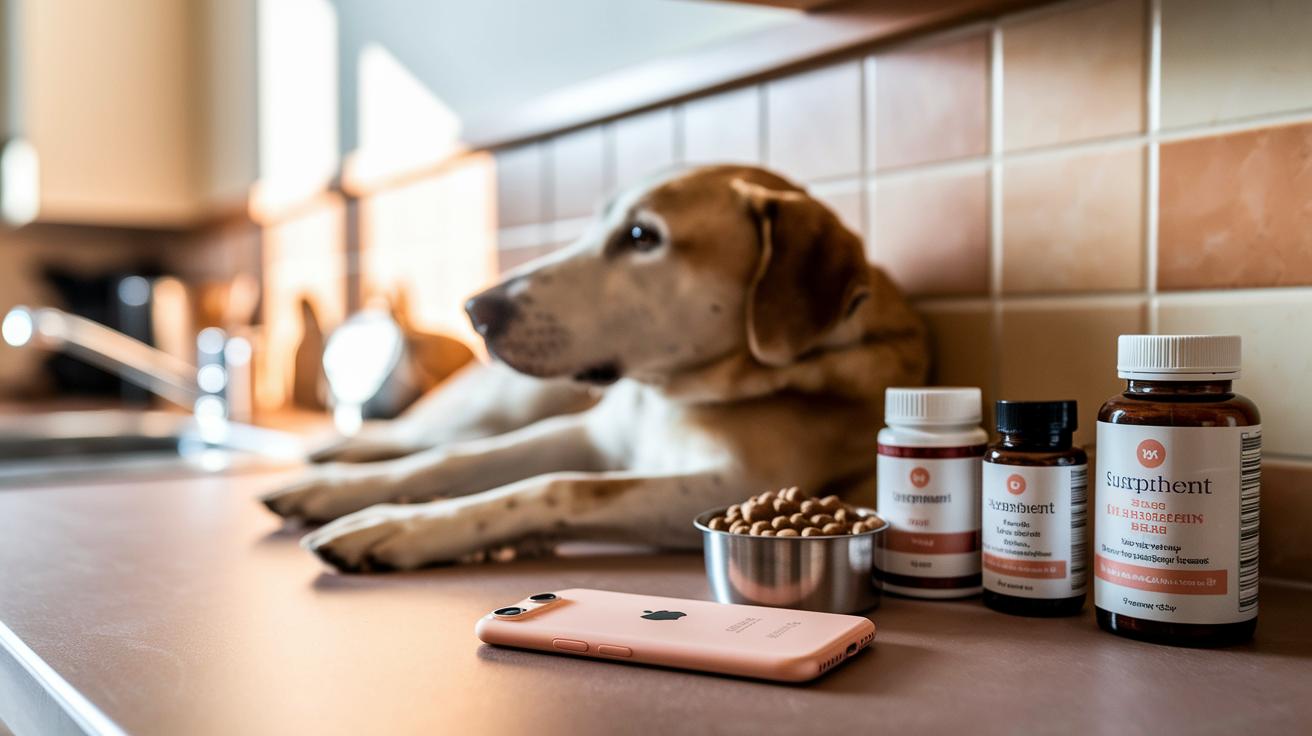
Have you ever thought about giving your pet a little natural boost? Adding natural supplements to your pet’s diet can help calm their immune system and keep allergy triggers in check. Supplements like quercetin, vitamin C, and omega-3 fatty acids (fats that help lower swelling) work by calming the mast cells that release histamine, the pesky chemical often behind allergy symptoms. Think of these supplements as tiny helpers keeping your pet’s defenses strong.
A simple, limited-ingredient or novel-protein diet can also be a smart move. By trying an elimination diet, one where you remove foods that might trigger a reaction, you can pinpoint and fix any dietary issues. You might check out options like dog food for dogs with allergies or find more ideas in an organic pet nutrition guide. Even if your pet belongs to a hypoallergenic breed, they can still produce allergens through saliva and urine. So, choosing low-shedding pets and feeding them high-quality meals really makes a difference.
All in all, combining nutrient-rich food with natural supplements becomes a powerful way to support your pet’s health while reducing irritating allergens. It’s a natural, practical step to help you enjoy more happy, relaxed moments with your furry friend.
Medication and Allergy Treatments for Pet Dander

If you’re just dealing with a few sneezes or mild itching, you might find over-the-counter antihistamines like cetirizine or loratadine and decongestants work pretty quickly. These simple medicines help block histamine (that’s the chemical that makes you sneeze and itch), so you feel better fast when pet dander sets off your allergies. But if those pesky symptoms stick around or get worse, your doctor might recommend prescription corticosteroids or stronger antihistamines to calm down your body’s extra response.
Another route to consider is allergy shots, also known as subcutaneous immunotherapy. With this treatment, tiny doses of pet allergens are slowly introduced over three to five years so your immune system can learn to handle them better. Many pet owners see amazing results, up to 85% improvement in some cases! And if these methods don’t fully ease your symptoms, there are advanced drugs called biologics (like omalizumab) that can help when other treatments haven’t quite done the trick. Chatting with your healthcare provider will help you figure out the best plan to keep you comfortable around your furry friends.
Professional Guidance and Long-Term Pet Allergy Plans
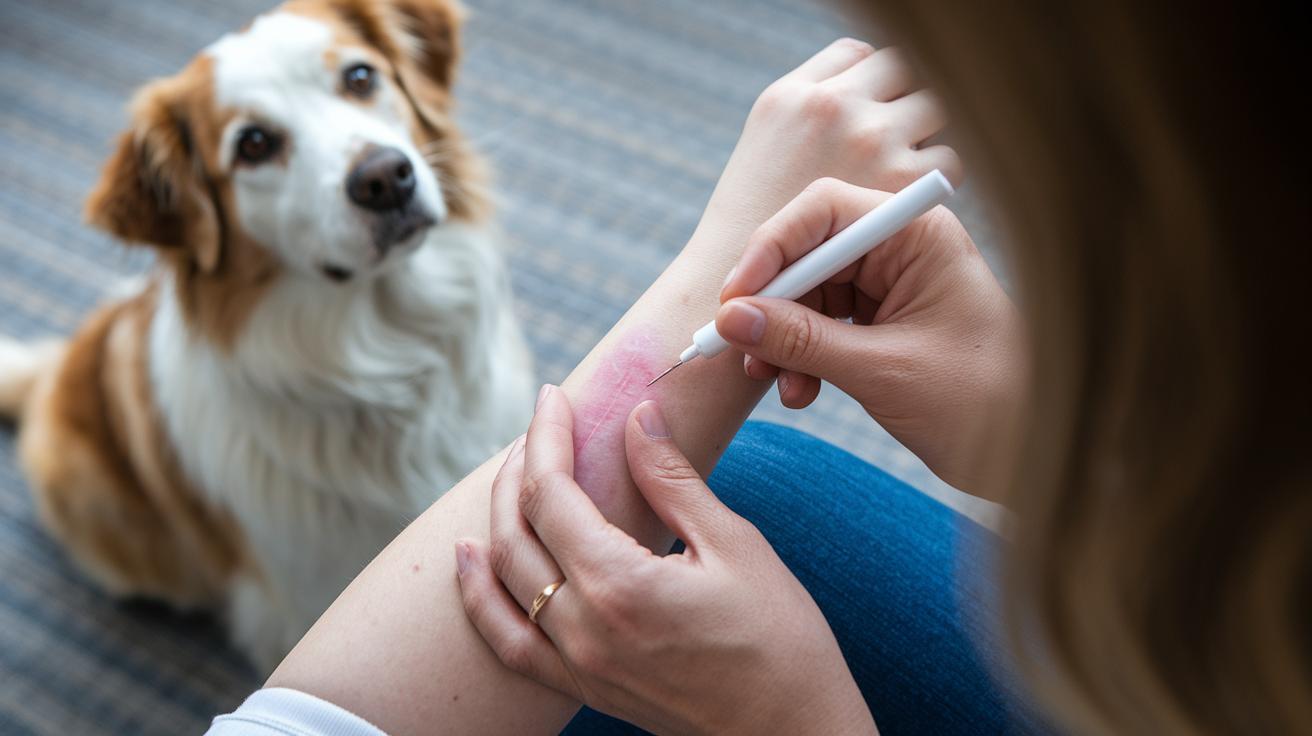
Sometimes little fixes at home just don’t cut it. When that happens, chatting with a pro can really make a difference. An allergist might use a skin-prick test (a small test where a bit of allergen touches your skin to see if it reacts) or a specific IgE test (a simple blood test that shows which pet proteins cause trouble) to figure out your exact sensitivities. This kind of check-up not only shows what you're allergic to but also helps tailor a long-term plan that fits your family’s daily life. And honestly, wouldn’t it be great to know exactly what’s coming at your appointment? There’s even a handy guide on what to expect during a pet’s annual checkup that can boost your confidence.
Regular visits are key because they keep your plan updated as your home or your pet’s routine changes. Yearly follow-ups let experts adjust things like immunotherapy doses or your medication schedule, making sure everything stays effective. In homes with lots of pets, professionals may suggest using barrier methods or even rotating pet access to cut down on exposure. And in rarer cases, if things get really challenging, limiting indoor contact might be the best way to keep everyone safe. With a family-focused plan like this, you stay ready and proactive while enjoying all the lovely moments with your pet.
Final Words
in the action of pet allergy management, we explored simple ways to spot triggers, clean surfaces, and adjust the home to reduce unwanted allergens. We also talked about grooming routines and dietary supports that help keep your pet happy and your space comfortable. Using these pet allergy management tips can boost your confidence when caring for your furry friend. Small changes can make a big difference, keeping you and your pet healthier and more comfortable every day.
FAQ
I’m allergic to my dog; is there anything I can do?
The statement “I’m allergic to my dog” suggests you can ease symptoms by setting up pet-free zones, using HEPA air filters, keeping a regular cleaning routine, and discussing options like allergy shots with your doctor.
What is the best way to deal with pet allergies?
You can reduce allergens by keeping pets well-groomed, enforcing pet-free zones, using air purifiers, and cleaning frequently—all alongside professional medical advice.
What are common pet allergy treatments and medicines for humans?
The inquiry “What are common pet allergy treatments and medicines for humans?” points to over-the-counter antihistamines, decongestants, and sometimes prescription medication or allergy shots to relieve symptoms, after discussing with your doctor.
How can I get rid of cat allergies naturally?
The question “How can I get rid of cat allergies naturally?” shows that minimizing exposure—by keeping cats out of sleeping areas, using HEPA filters, cleaning surfaces regularly, and bathing your cat outdoors—can help reduce allergens.