
Ever see your pet’s eyes sparkle when they hear a click? In this chat, we share two fun clicker training tricks that transform a simple sound into a mini celebration for your furry pal.
With careful timing and clear signals, every click feels like a little high-five. It’s a fresh take on an old trick that builds trust and makes training a blast.
Stick around as we share heartfelt tips that strengthen the bond with your pet and add a little extra joy to each session.
Foundational Principles of Advanced Clicker Training Techniques
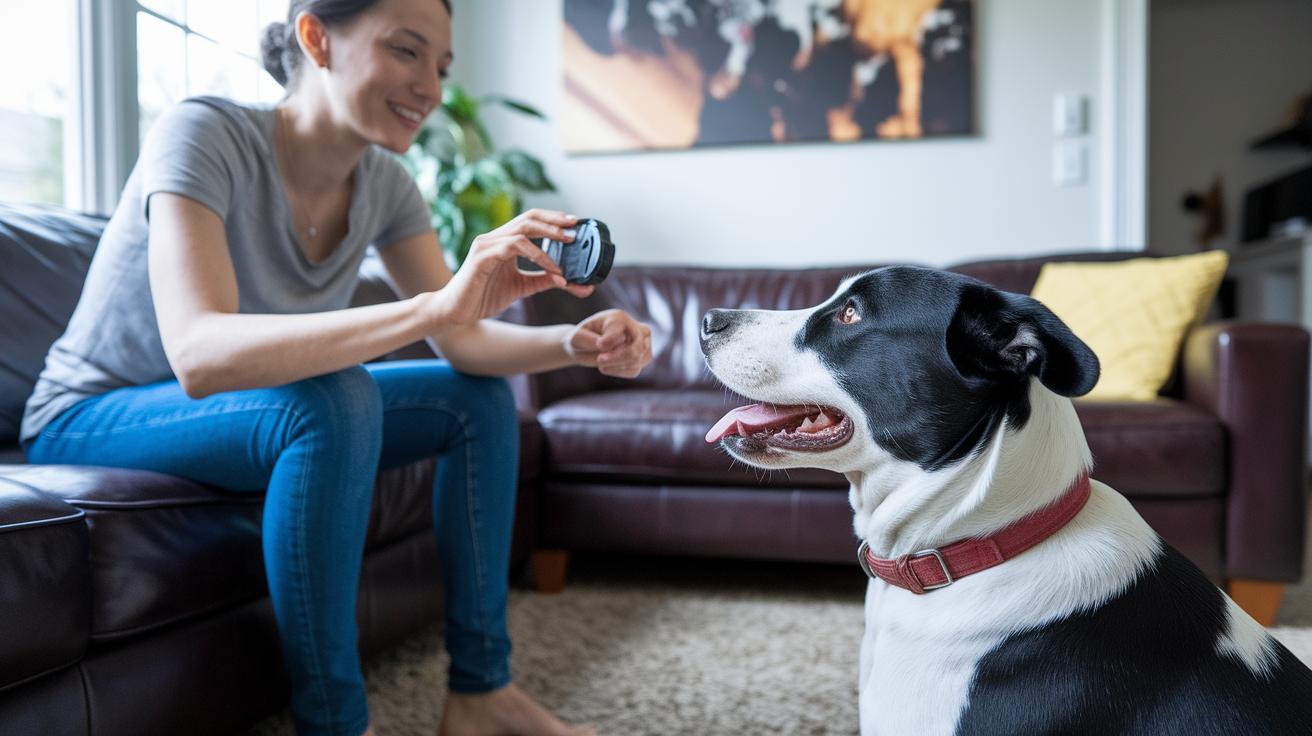
When it comes to training our furry friends using clicks, we’re tapping into a learning approach called operant conditioning (a way to help animals learn through rewards). A simple click right when your pet does something great, like a quick “click” when Bella runs, alerts them that a treat is coming. It’s like giving them a high-five, and soon they learn which behaviors bring that happy reward.
Timing is everything. The click should come almost immediately before the treat, so your pet easily connects the two. For instance, if your pet jumps and you click right away, they start understanding that the sound means “Good job!” This clear and consistent cue builds a strong learning bond, making training smooth and fun.
Building a strong bond with your pet is key, too. When you use those clear signals and follow up with treats, your pet starts to trust you even more. Every click feels like a mini celebration, encouraging them to give their best effort. In truth, training becomes a fun, shared adventure, one where trust and progress bring joy every step of the way.
Precision and Timing in Advanced Clicker Training Techniques
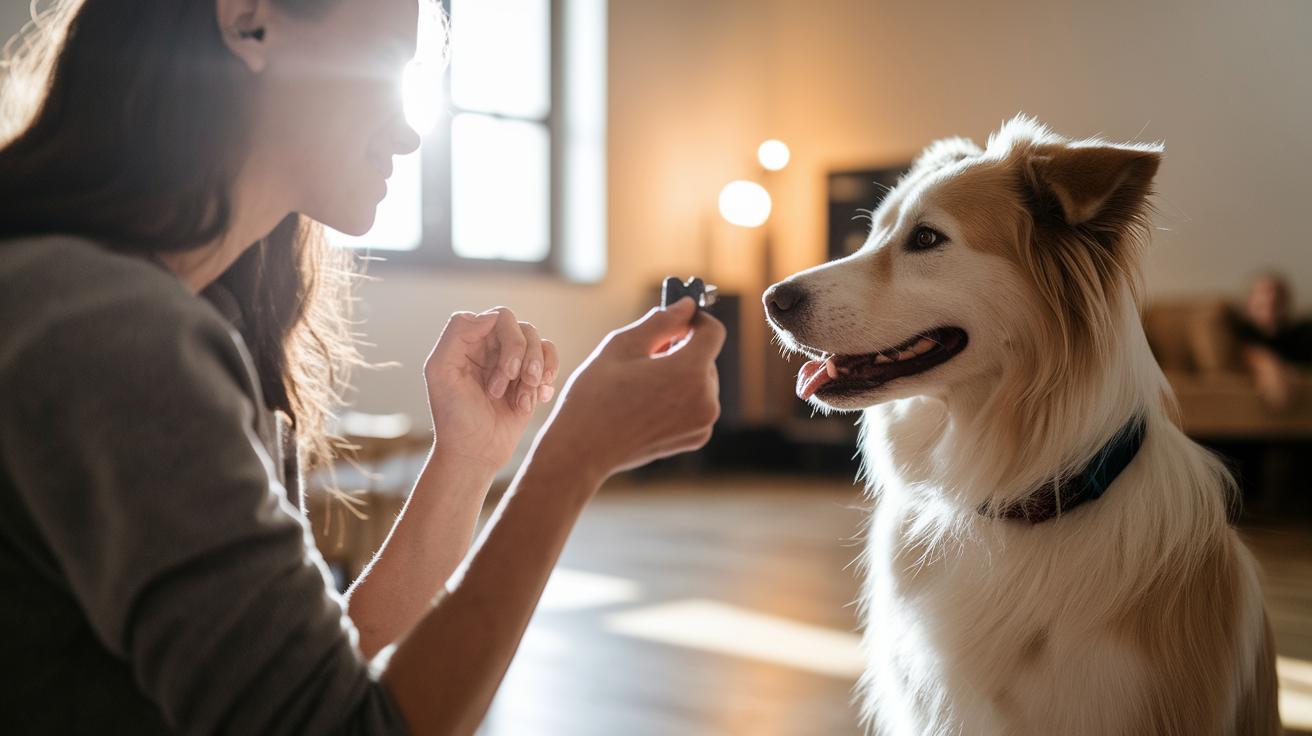
Getting the timing just right is key in clicker training. When you click exactly when your pet shows the behavior you want, they quickly learn that the little sound means a treat is coming. It’s like when a playful pup hears the cue and wags its tail in anticipation, the connection is clear and builds their confidence.
The trick is to click right at the moment your pet completes the action. Research tells us that if you wait more than half a second, it can confuse your pet, making it harder for them to understand what got them the reward. Keeping that click consistent lays the groundwork for smooth, effective training.
Here are some simple tips:
- Use the click as soon as your pet finishes the desired action.
- Keep the time between the click and the treat the same every time.
- Slowly reduce the use of lures once the behavior is learned.
- Avoid any distractions that could delay your click.
- Practice in a calm spot to really nail your timing.
Following these friendly steps turns training into a fun, clear way to bond with your pet, just like setting the perfect rhythm for a happy dance together.
Enhanced Positive Reinforcement and Auditory Conditioning in Advanced Clicker Training Techniques
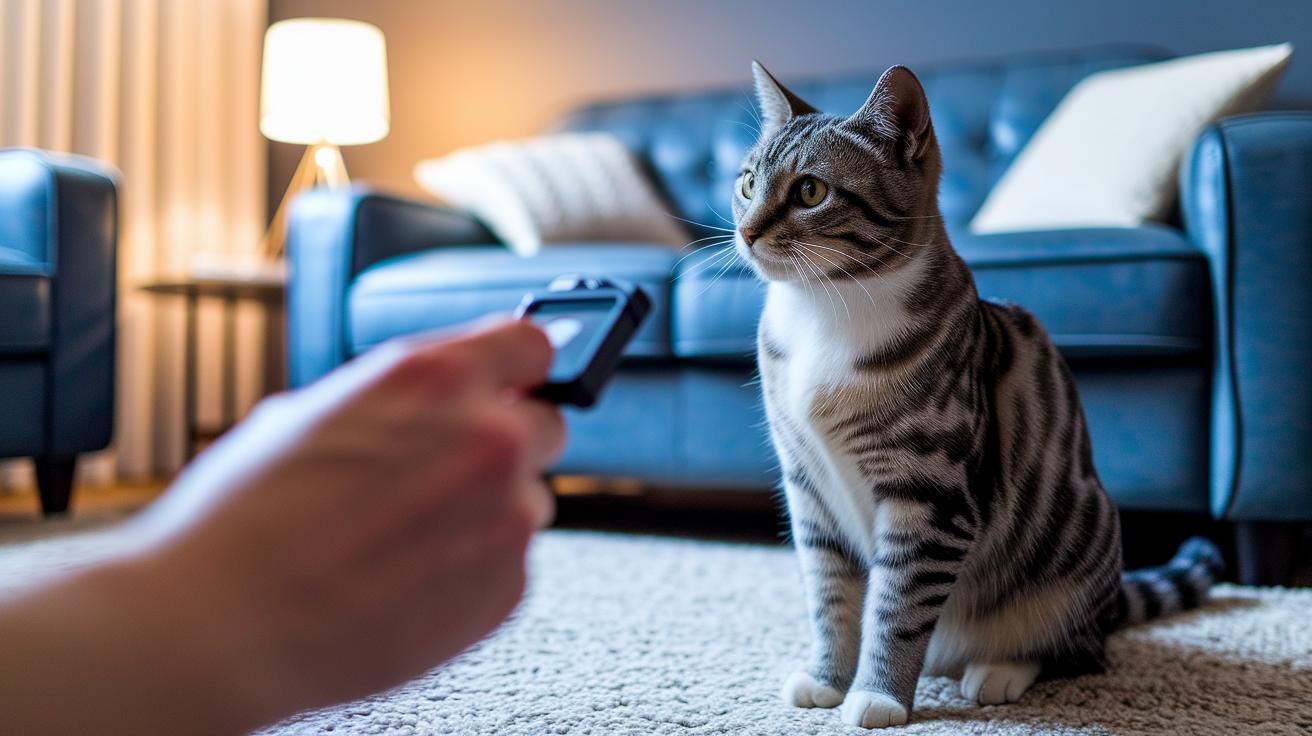
When you're teaching your furry friend new tricks, mixing up treat rewards can really make a difference. Try switching between a yummy, top-notch treat and a simpler one. For example, when your cat quickly responds to a click, hand over a small piece of premium food to boost its excitement, but on regular practice days, a simpler bite will do just fine. This way, your pet stays interested and knows that every click means something tasty is coming up.
Using different treats not only stops overdoing it with one snack but also keeps each click fresh and fun, like rotating through a few favorite meals to keep things exciting. Over time, your pet starts to understand that the click sound always promises a delightful reward, making every training session fun and effective.
Training with sounds is equally important. When you pair that distinctive click with a treat over and over, your pet learns to treat the sound as a signal to do something good. Adding in other sounds now and then can even keep your pet from getting too used to one tone. In truth, this regular click-and-treat routine builds a simple but clear line of communication between you and your companion.
In simple terms, every time you click and treat, you're not just teaching a trick, you're creating a joyful routine that both of you can enjoy.
Chaining Behaviors and Multi-Step Routines in Advanced Clicker Training Techniques
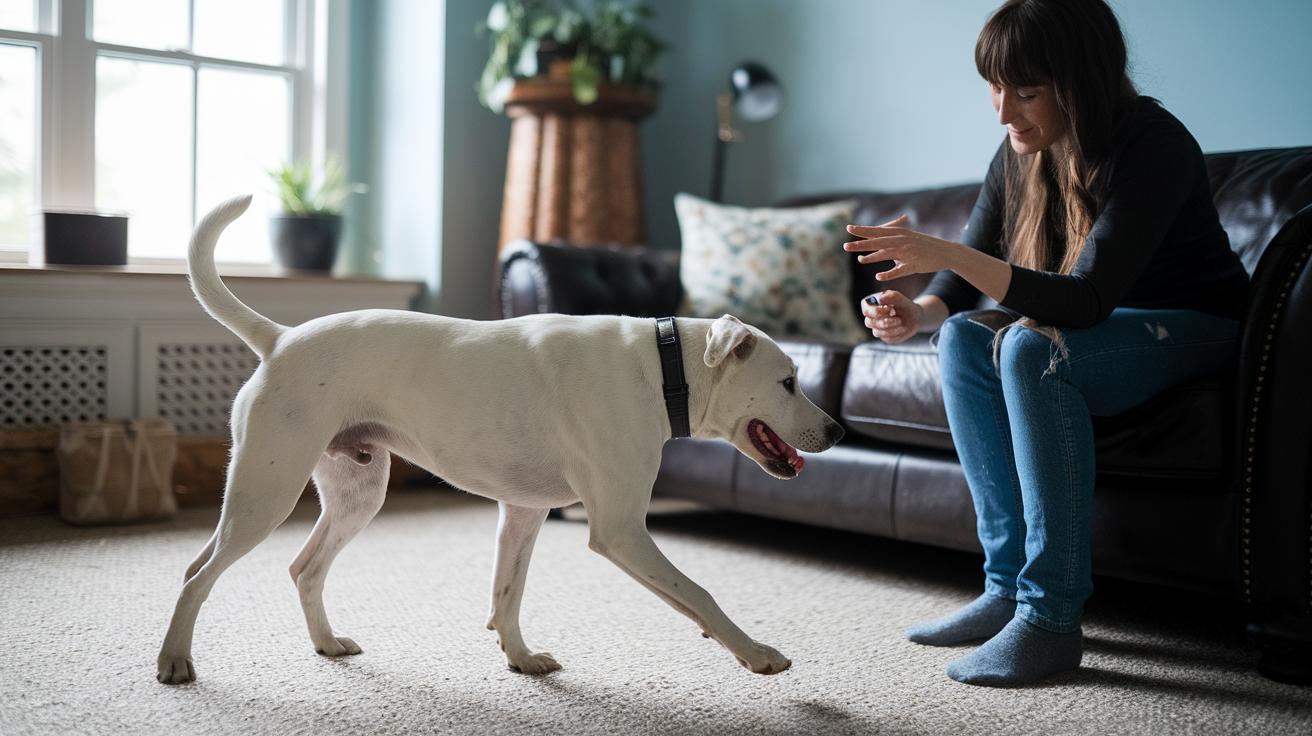
Chaining is like linking together small building blocks of behavior. When each click is paired with a new step, your pet learns to follow along naturally. It’s a bit like recognizing a familiar hum that leads to a fun surprise at the end. This method builds a clear understanding, making the routine smooth and easy to follow.
| Phase | Key Behavior | Criteria for Click |
|---|---|---|
| Foundation | Simple response to a click | Immediate, clear action |
| Intermediate | Adding a new movement | Steady, consistent performance |
| Advanced | Smoothly connecting actions | Natural transition between steps |
| Maintenance | Strong routine reinforcement | Reliable repetition even with distractions |
The table shows a step-by-step plan where each phase builds on the one before it. At the Foundation level, you start by teaching your pet to link a simple click to an action. Next, you introduce a new cue so that the actions begin to flow together. Then, you focus on getting the steps to connect naturally, almost like pieces of a puzzle clicking into place. Finally, the Maintenance stage keeps everything consistent, even when there are distractions. This friendly, gradual approach makes advanced clicker training both fun and effective for you and your furry friend.
Troubleshooting and Overcoming Challenges in Advanced Clicker Training Techniques
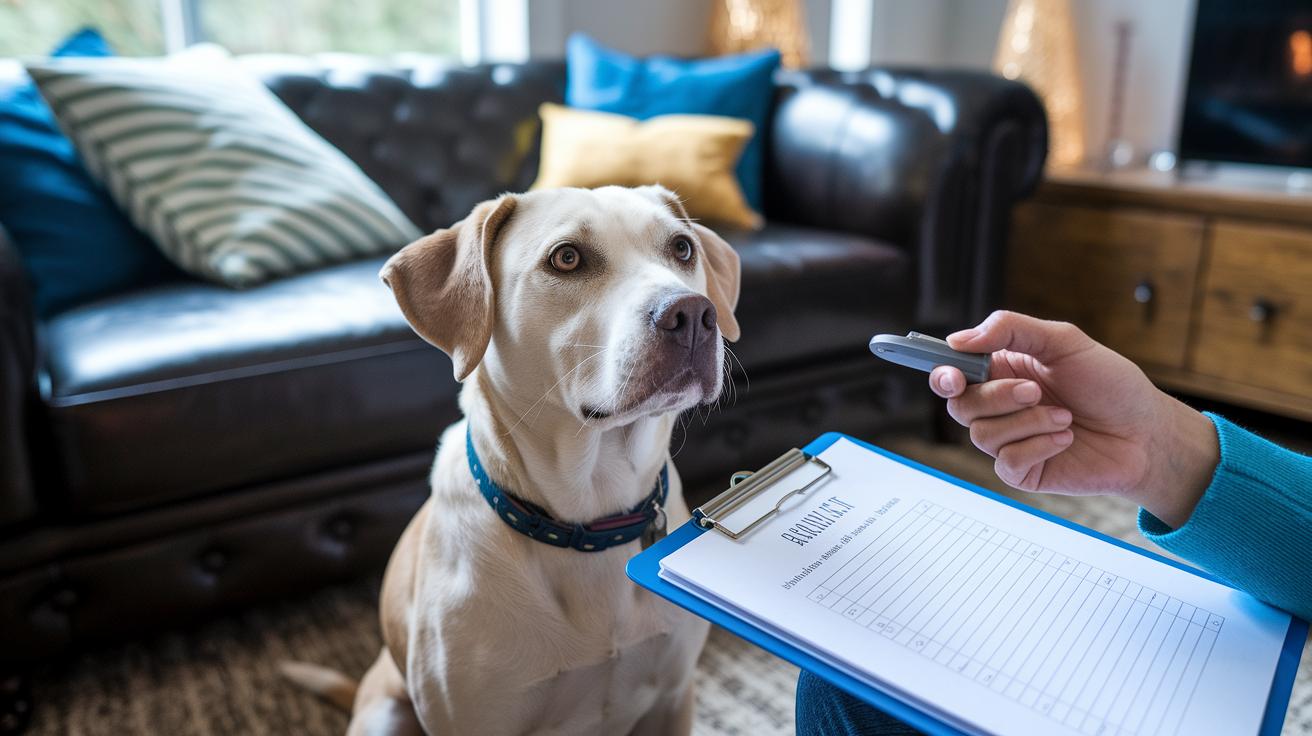
Sometimes, advanced clicker training feels a bit like solving a tricky puzzle. You might notice your pet gets distracted by the buzzing world around them, or your quick clicks start to lose their meaning if done too often. And when the timing between a click and a treat isn’t just right, your pet might feel unsure about what got them that reward.
Tools like a handy behavior checklist can really clear things up. By jotting down little details during each session, like a missed click or a pause before a response, you can spot patterns that need a tweak. Maybe it’s time to change how you present a cue or how you give out a treat. These small updates can turn a frustrating moment into a stepping stone for better training.
Imagine a simple 10-day, 10-minute challenge where each day you focus on one stubborn behavior. With these short sessions, you create little wins that help your pet overcome mental blocks. Step by step, your pet learns that every click means a happy treat, and before you know it, training becomes a series of joyful breakthroughs.
Case Studies and Resources for Implementing Advanced Clicker Training Techniques
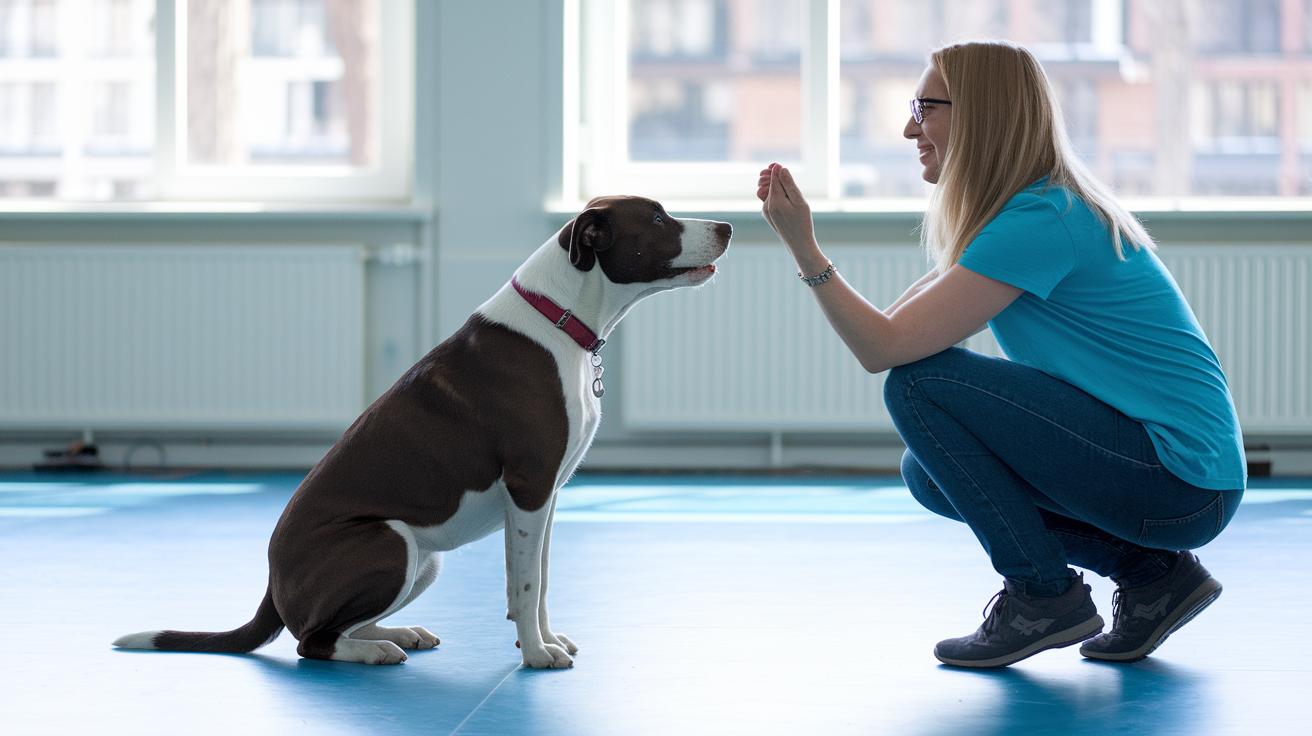
Case studies bring real, hands-on experience to pet training sessions. They show how different clicker methods can brighten your pet's day and help build better manners.
One webinar (recorded on September 9, 2014) offered a neat look at shaping and targeting for dogs. It revealed how a well-timed click can really boost a dog's everyday behavior. Another neat trick is a short, 10-minute daily challenge for horses. This simple routine helps clear mental blocks, especially those tied to weight issues.
You'll also find helpful video walkthroughs that break down complex cues into clear, step-by-step plans. Watching these videos is like seeing small, steady actions turn into smooth, confident behaviors. They prove that advanced clicker training is smart and practical when done with care and precision.
If you're a trainer looking for more tips and clear guidance, there are plenty of resources to explore. Check out dog training resources for deep dives into modern pet training ideas. For advice on managing behavior in trickier settings, head over to dog obedience training. And if you’re after extra course options and video demos, visit dog training classes. These resources give you real-life examples and simple, step-by-step tips that bring advanced clicker training techniques to life.
Final Words
In the action, this post walked through the basics of shaping behavior with operant conditioning and precise cue timing. It highlighted the sweet spot of matching clicks with rewards, building trust, and linking steps into clear routines. We also touched on troubleshooting common training challenges and shared real-life case studies to guide your practice. Each tip shows how small changes can lead to big improvements. Embracing advanced clicker training techniques can make pet care more rewarding and fun for both you and your furry friend.
FAQ
Free advanced clicker training techniques
The free advanced clicker training techniques involve using precise timing, clear cues, and immediate rewards. They’re often found in online forums, video tutorials, and community groups offering cost-effective methods.
Advanced clicker training techniques reddit
The advanced clicker training techniques on Reddit mix detailed timing with creative behavior chaining. Community members share tips, success stories, and real-life examples to help improve training strategies for pets.
Advanced clicker training techniques for dogs
The advanced clicker training techniques for dogs combine precise cue timing, immediate click marking, and positive reinforcement. This method enhances obedience and builds stronger, trusting bonds between dogs and their trainers.
What are some advanced clicker training techniques?
The advanced clicker training techniques include behavior chaining, precise cue sequencing, and varying reinforcement levels. These methods use operant conditioning to shape complex behaviors while keeping training engaging.
What is the hardest command to teach a dog?
The hardest command to teach a dog is often one that requires sustained focus and multiple steps. It challenges both trainer and pet, needing sharp timing and consistent rewards to build clear, reliable behavior.
What are the 5 D’s of dog training?
The 5 D’s of dog training mean a directive, demonstration, delivery, duration, and decisiveness. This framework helps in offering clear commands and reinforcing behaviors efficiently, making training more structured.
What are the downsides of clicker training?
The downsides of clicker training can be timing errors and reliance on the sound. If the click isn’t coupled with immediate rewards, pets might get confused, reducing the method’s overall effectiveness.