
Ever wonder why so many pet parents insist on vaccinating their furry friends? Vaccines aren’t just simple shots; they create a safe barrier around your pet, almost like a shield against nasty diseases. Think of each vaccine as one little brick building your pet’s fortress against illness. In this chat, we’ll go over the must-have vaccinations and explain in plain terms how each one helps keep your pet healthy. Keeping up with these shots can set the stage for a long, happy life with plenty of tail wags and gentle purrs.
Core Dog Vaccinations: Quick Overview & Detailed Breakdown
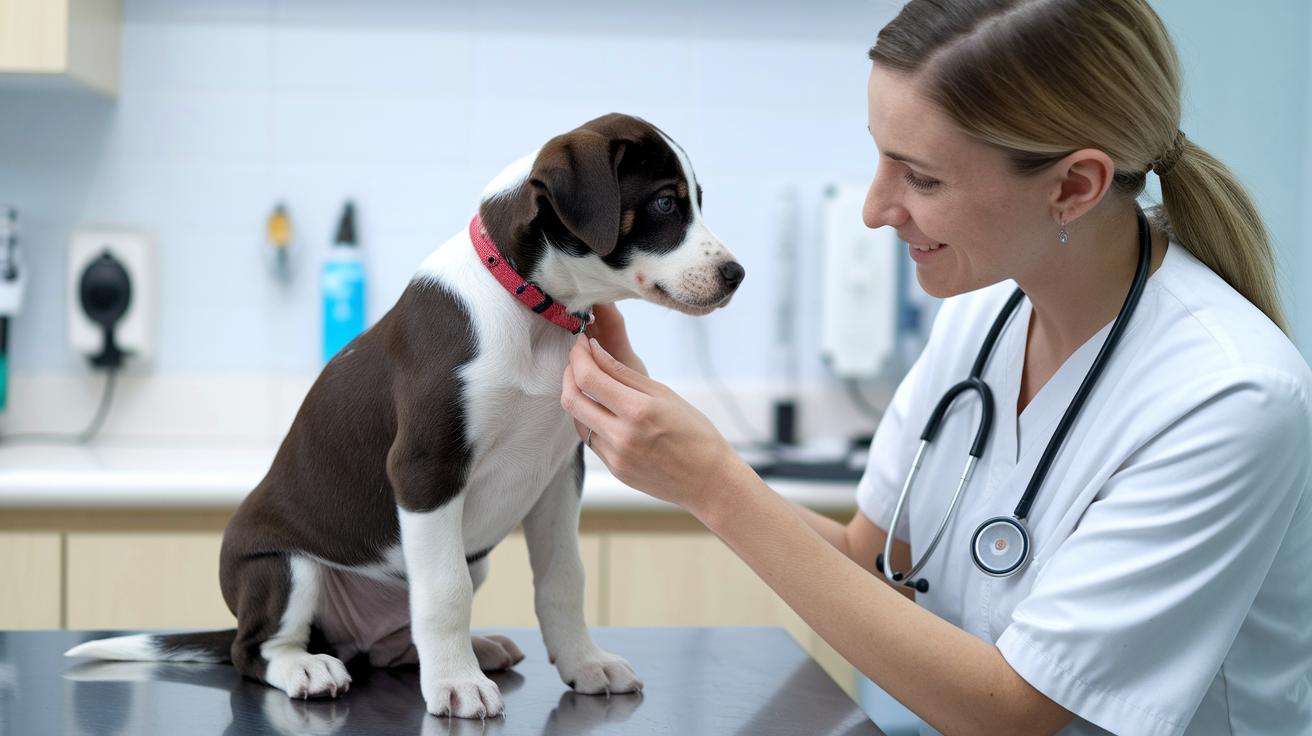
Core dog vaccinations are like a safety net for your furry friend. They protect your pet from dangerous illnesses by helping their body’s natural defenses (the immune system) make the right antibodies. When you visit your vet, they set up a plan that grows with your dog, ensuring they stay safe at every stage.
Rabies Vaccine
The rabies vaccine is required by law in many places. It teaches your dog’s immune system to fight off rabies, a deadly disease that affects the brain and nerves. Puppies usually get their first shot between 12 and 16 weeks old, with a booster a year later and then boosters every one to three years, depending on local rules. Imagine your little pup at 14 weeks old getting that important shot, ensuring they’re both following the law and staying protected as they explore the world.
Distemper (DHPP/DHLPP)
The distemper shot comes as part of a combined vaccine called DHPP or DHLPP. This vaccine protects your dog’s breathing, tummy, and sometimes even their nerves from harmful viruses like distemper, parvovirus, parainfluenza, and hepatitis (a virus affecting the liver). In some mixes, it also guards against leptospirosis (a type of bacterial infection). Think of it as a strong shield that blocks several dangers at once, helping your pet stay lively and healthy.
Parvovirus Series
The parvovirus vaccine is made just for puppies. It starts around 6 to 8 weeks old so their young immune systems can build a defense against a virus known for causing severe stomach problems. Boosters come every 2 to 4 weeks until the puppy is about 16 weeks old. After that, another booster is given one year later, with additional boosters every three years. Picture building a strong wall brick by brick , each shot helps create a foundation of protection as your pup grows.
Adenovirus (CAV-2)
The CAV-2 vaccine, often included in the DHLPP shot, covers two big concerns at once. It shields against canine hepatitis, which can harm the liver, and also helps protect against kennel cough, a common infection in the airways. Think of it as a double-duty hero, one vaccination standing guard on two fronts, keeping your pet robust and ready for life’s adventures.
Every part of these core vaccines plays its role in building a strong immunity plan. Your vet will check and update the schedule during routine exams, ensuring your best friend has the protection they need for a long, happy life.
Non-Core Dog Vaccines: Customizing Protection
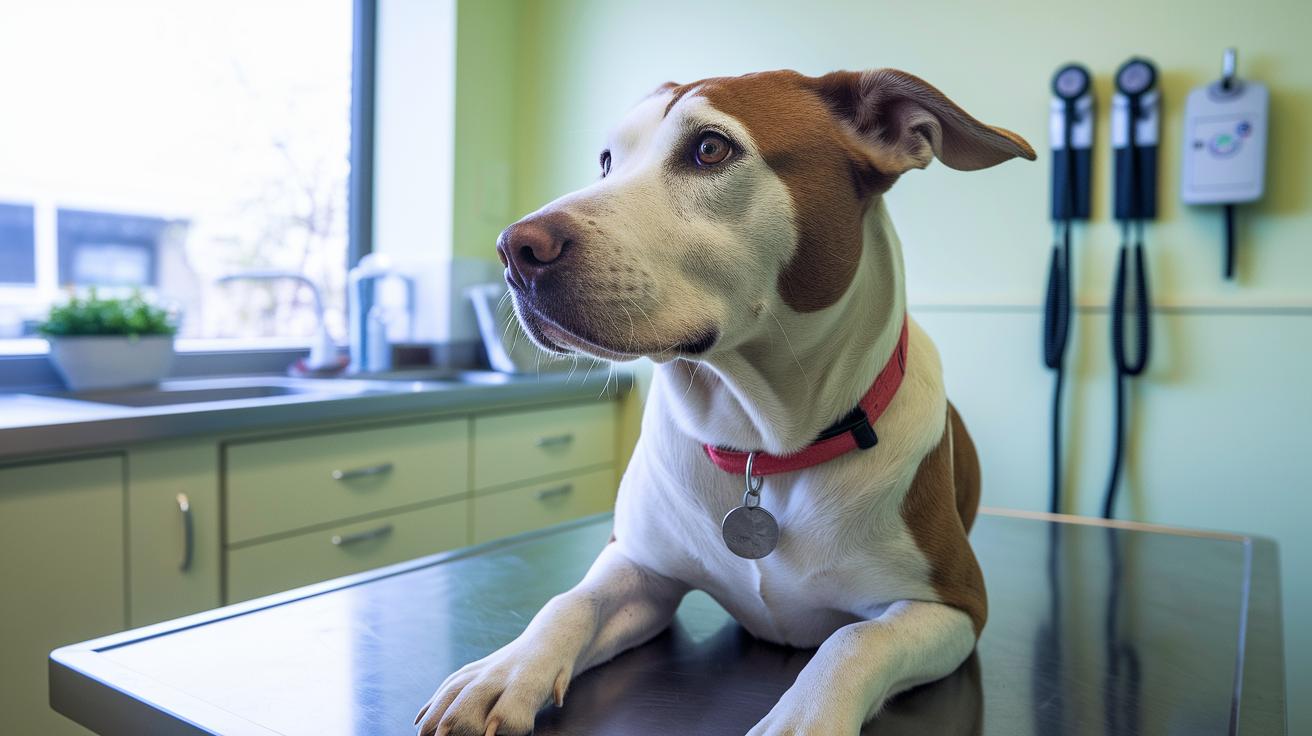
Non-core vaccines are extra shots that give your dog added protection based on what they do and where they go. They aren’t needed for every dog, but if your pup loves playing in the park, visiting a boarding facility, or going on outdoor adventures, these vaccines can really help keep them safe.
Take the Bordetella vaccine, for example. This shot helps fight off kennel cough, a pesky bug that spreads easily when dogs hang out together. It’s usually given every 6 to 12 months, which is great if your dog loves meeting other furry friends.
Then there’s the leptospirosis vaccine. If your dog enjoys splashing around outdoors or exploring near water, this shot protects against a bacterial infection that can come from dirty water or wild animals. It comes with an annual booster so your dog stays guarded all year.
For those dogs in tick-prone areas, the Lyme vaccine is a smart choice. It starts with two doses given about 2 to 4 weeks apart, and then you give yearly boosters to keep Lyme disease at bay. Each of these vaccines works like an extra shield, adding to the basic shots your dog needs and tailoring protection to your pet’s lifestyle and local risks.
| Vaccine | Disease | Recommended For | Schedule |
|---|---|---|---|
| Bordetella | Kennel Cough | Dogs that mix a lot with other pets | Every 6-12 months |
| Leptospirosis | Leptospirosis | Dogs who love outdoor play | Annual booster |
| Lyme | Lyme Disease | Dogs in tick-prone areas | Two doses, then yearly booster |
Vaccination Timing & Booster Guidelines for Dogs

Puppies usually get their first vaccines when they are 6 to 8 weeks old since the natural protection from their mom fades away. Then, every 2 to 4 weeks until they hit 16 weeks, they get booster shots to help build a strong defense against diseases.
When a dog turns one, they receive their first adult booster to recharge their protection, with further boosters every 1 to 3 years depending on the vaccine and local rules.
Routine checkups at the vet help adjust the schedule to match your dog's breed, health, and lifestyle. It’s like giving them a quick tune-up to keep them feeling their best.
| Age | Shot Details |
|---|---|
| 6-8 Weeks | Start vaccine series |
| Every 2-4 Weeks until 16 Weeks | Booster shots to build protection |
| 1 Year | First adult booster |
| Every 1-3 Years | Booster updates (based on vaccine type) |
Safety, Side Effects, and Myth Busting in Dog Vaccinations

Vaccines are a key part of keeping your dog healthy. Each vaccine is given based on your dog’s weight to ensure just the right amount of antigen (the substance that sparks your dog's immune system) is used. Most reactions are mild and pass quickly, and your vet will check for anything unusual, giving you extra peace of mind.
There’s a popular myth that too many shots can overwhelm a dog’s immune system. But in truth, every vaccine is carefully planned and scheduled so your dog builds strong defenses without any extra strain. Routine checks show that these vaccination plans are safe and effective at protecting your pet from serious diseases.
Mild side effects you might notice include:
- A bit of soreness at the injection spot
- A low-grade fever
- Some brief tiredness
- A slight, temporary swelling where the shot was given
These reactions usually don’t last long, and serious allergies are very rare. Every dose follows strict guidelines to keep preventive care both safe and effective against dangerous illnesses.
Partnering with Your Vet for Comprehensive Vaccine Planning

Working together with your vet means you and your pet’s health are a top team. Your veterinarian might use things like a serologic test (a simple blood test that looks for protective antibodies) or digital records to keep an eye on your pet’s immune system. This way, your pet gets the right vaccine when they need it most, so they stay happy and healthy.
Your vet will also chat with you about your pet’s home life, upcoming travels, or any local outbreaks. By considering these details, you can keep the vaccine schedule just right for your pet’s current needs. It’s a careful balance that helps keep not only your pet safe but also lowers the chance of disease spreading around your community.
You might even want to try pet wellness plans during yearly vet visits. These plans mix digital tracking with expert advice, ensuring that you and your vet work as a team for your pet’s lifelong well-being.
Final Words
In the action, we reviewed core vaccine details and optional immunization options while covering safety and booster guidance. The breakdown helped highlight how each vaccine protects your dog’s health, from multi-pathogen coverage to the right timing for boosters.
We touched on key points like the parvovirus series and rabies injections to support your pet’s wellbeing. Embrace these essential vaccinations for pets and feel confident about giving your furry friend a better, protected life.