
Have you ever noticed your usually bouncy pet suddenly becoming quiet or acting a bit off? Sometimes our furry pals hide their pain until it’s really hard to miss. A missed step when climbing the stairs, a gentle, softer purr, or even a quick pause during play can be clues that something isn’t quite right.
Next, think of these little hints as whispers from your furry friend, letting you know they might be feeling a bit under the weather. In this chat, we’ll share easy tips to spot these subtle changes early on so you can help your pet feel better sooner.
Even small signs matter, a small shift today might mean a big difference in keeping your pet comfy and happy tomorrow.
Key Behavioral and Physical Indicators of Pet Pain

Noticing your pet's pain is like decoding a secret language. Pets often hide their discomfort until it becomes too much to ignore. If your usually chatty dog suddenly goes quiet or your cat loses its purr, there might be trouble. Unusual sounds like whining, whimpering, yelping, or even howling are gentle hints that something is off.
Watch how your pet moves. Maybe your dog hesitates at the stairs or your cat walks with a slight limp. Imagine a playful pup suddenly avoiding jumps or a curious kitty staying away from its favorite perch. These small changes in how they move can be signs they’re hurting.
Sometimes, your pet might act differently with you and with other pets. If your friendly companion becomes withdrawn or even a bit aggressive during play, that might be its way of saying it’s in discomfort. Take note when the pet that once greeted you with a wagging tail now prefers to be alone.
Keep an eye on mealtime and grooming as well. A pet with a reduced appetite or difficulty chewing can be quietly complaining about pain. They might also lick or chew the same spot over and over, especially near a joint. Other clues include changes in their sleep, heavier breathing, panting, a faster heart rate, swelling, or noticeable weight shifts.
If these signs last or get worse, it could be time to visit your veterinarian. Keeping track of these signals helps ensure your furry friend gets the care they need.
Recognizing Pet Pain in Dogs vs Cats

Dogs often show that something's not right in ways that you might first miss. You might see your pup pausing on stairs or limping a bit, and sometimes even a little change in its face can give it away. Their ears may go flat or their eyes might squint, hinting at discomfort, even if they're still trying to play. Ever notice a dog who usually follows you eagerly suddenly avoiding eye contact? That quiet shift can be a gentle signal they're hurting.
Cats, on the other hand, express their pain in softer, quieter ways. They might hide more often or even skip using their litter box. Look closely, and you might see tiny changes like a slight narrowing of the eyes or a little twitch in the whiskers. A cat that used to lean in for soft strokes might now quickly turn its head away, clearly showing that something doesn't feel right.
- A dog might keep a guarded stance with tight facial muscles, signaling pain long before more obvious signs show up.
- A cat’s small shifts, like a brief ear move or a pensive glance instead of a soft purr, can hint at its discomfort.
| Species | Unique Pain Indicators |
|---|---|
| Dog | Flat ears, squinted eyes, guarded body language during play |
| Cat | Narrowed eyes, twitching whiskers, sudden avoidance of gentle touch |
Spotting Subtle Body Language Cues of Pet Pain
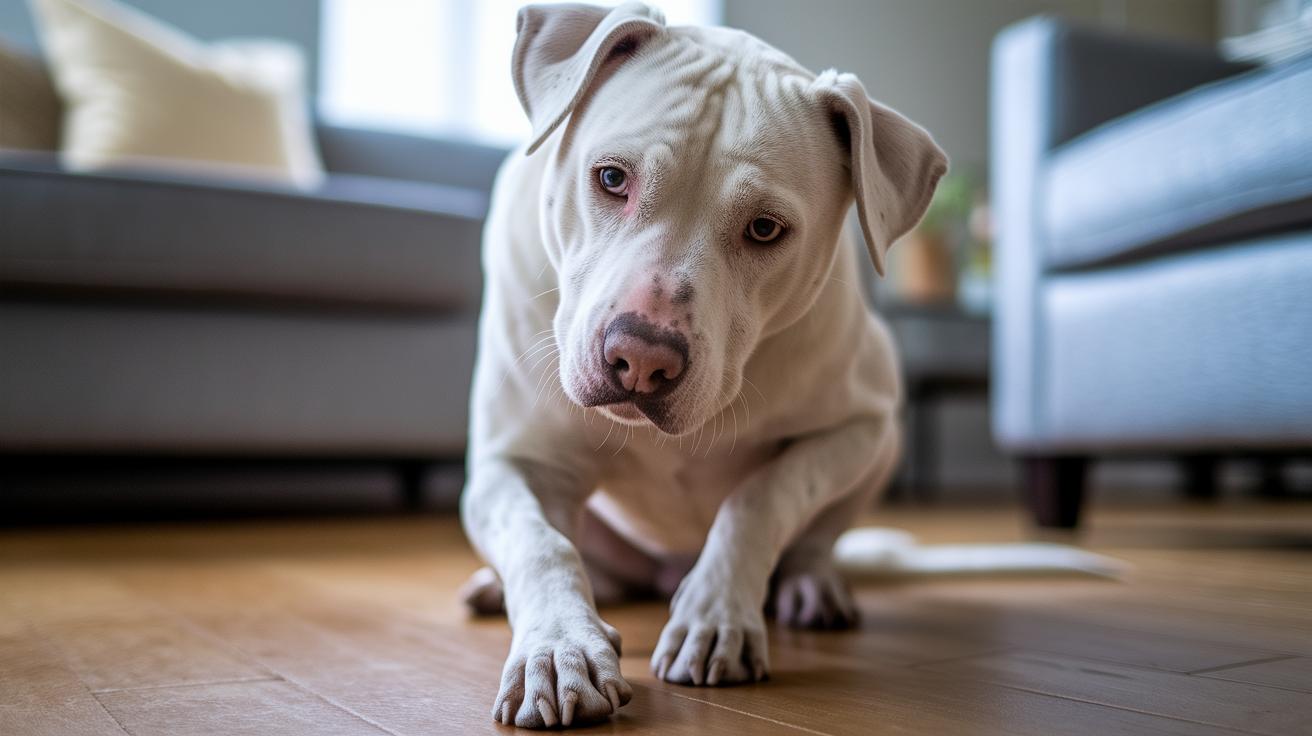
Keep an eye on your pet if they suddenly seem less excited to jump or climb. A pet that hesitates might be feeling off. Imagine your usually bouncy dog now moving with a slow, shuffling step. That quiet change can mean something isn’t right.
Watch for moments when your pet puts more weight on one leg than the others. This shifting might show that one spot is hurting. Also, if you notice one muscle looking a bit smaller or weaker, it might be a sign pain is setting in.
Sometimes a tucked tail or a little head tilt tells you your pet is trying to ease some discomfort. And if your furry friend keeps licking or chewing one spot, that's another small clue. Tools like the Pet health app can really help you track these subtle changes.
Listening to these gentle cues means you can spot pain early and quickly help your pet feel better.
Assessing Pet Pain Severity and Veterinary Evaluation
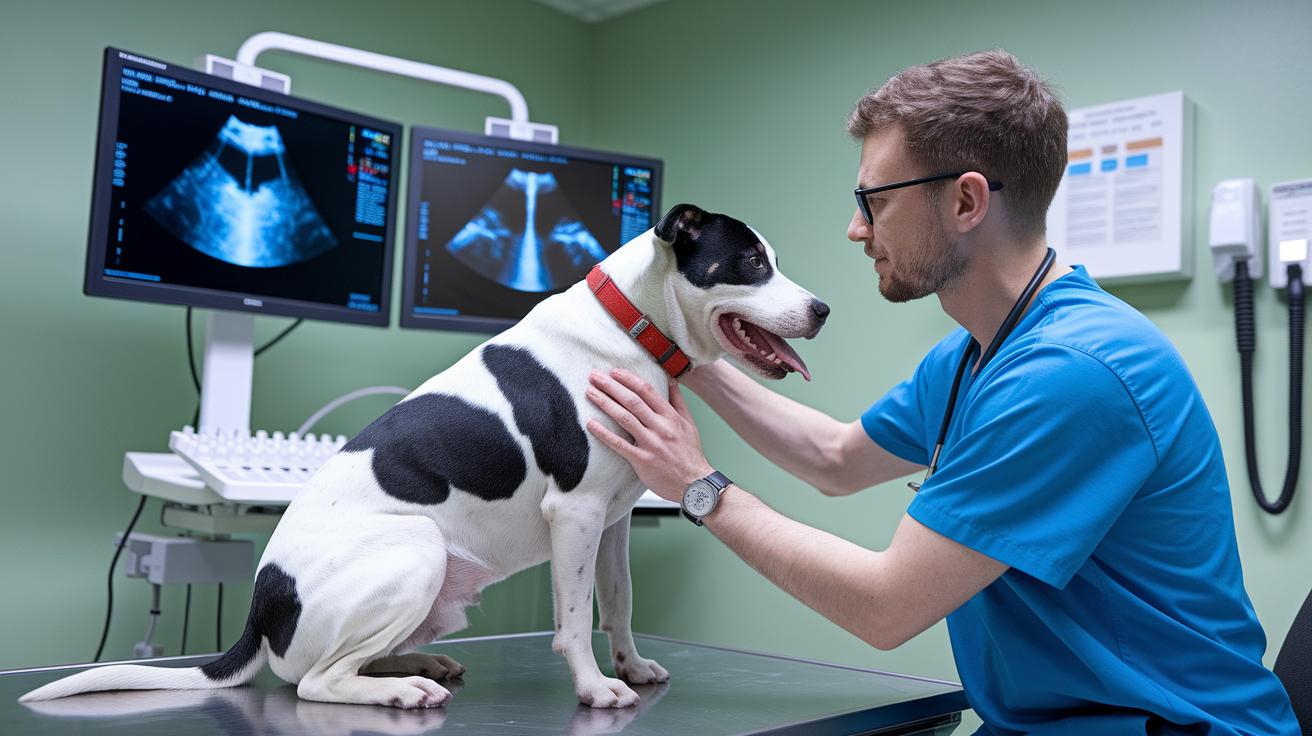
When your pet isn’t acting like their usual self, it can be hard to tell if they’re in serious pain or just feeling a bit off. A visit to the vet usually begins with a few gentle checks. They might watch how your pet moves, checking for a limp or any stiffness. Often, the vet will press softly on your pet’s joints (this is called joint palpation) to see if there’s any pain, and they might feel the muscles to be sure everything seems normal. They also like to check reflexes, just a quick test of how your pet’s legs or body respond. Along with that, they usually take the temperature and check the heart and breathing rates, looking for signs that your buddy is under stress.
Sometimes, you could notice that your dog has trouble walking or your cat isn’t as playful as usual. These clues could mean more serious issues like fractures, arthritis, or even tumors. Catching these problems early with a vet’s help can make a big difference before the pain gets worse.
Vets also use special tools to get a clear picture of what’s going on. For example, digital radiology (like taking an x-ray) shows any breaks or problems with bones and joints. Ultrasound gives a look inside at organs and other tissues, helping spot issues that you can’t see on the outside. These tools are super handy for starting treatment early and keeping your pet comfortable.
If you ever see signs like bleeding, your pet passing out, deep lethargy, or really labored breathing, call your vet right away. And remember, never give your pet medications meant for people, they can actually make things worse instead of helping. A professional evaluation is key to figuring out the best way to ease your pet’s pain and help them feel better fast.
Detecting Chronic and Orthopedic Pet Pain in Senior Companions

Our older pets can sometimes show gentle hints of arthritis and joint wear, even if it’s hard to spot at first. You might notice their joints feel stiff or a bit swollen after a nap, much like a pet pausing before its next playful move.
As our furry friends age, they may move at a slower pace or hesitate when jumping and climbing. Imagine your dog slowly approaching a favorite flight of stairs instead of racing up, it could be a sign they’re feeling discomfort. Muscle loss and low energy levels are other clues; a pet who loved to romp might now seek out a quiet, cozy spot.
Watch for little changes in your pet’s behavior. If they seem to avoid their usual activities or move slower than normal, it might be time for a checkup. Regular visits to the vet and preventive care can really help keep your senior companion comfortable. For more guidance on caring for your aging friend, check out Preventative pet health at https://bonsiaai.com?p=356.
Home Monitoring and Early Detection of Pet Pain

At home, you can look for early signs that your pet might be hurting. I like to think of it as having a quiet chat with your pet through everyday clues. Notice the amount of food and water they have each day. If something suddenly changes, that might be a little red flag, just like when a usually peppy friend seems a bit off.
Sometimes, recording a short video of your pet while they move can reveal subtle changes. Have you ever seen your pet’s usual happy trot slow down or their step become a bit stiff? Those gentle hints might mean your pet isn’t feeling their best. And don’t forget to listen closely. If a normally playful pet starts to let out soft whimpers or quiet groans when they move, it’s worth paying attention to that little sound.
A handy checklist can help you keep track:
| What to Watch | What It Means |
|---|---|
| Daily food and water | Changes might mean discomfort |
| Unusual sounds | Whimpers or groans can hint at pain |
| Short video clips | Differences in movement or posture |
| Litter box or grooming | Variations may signal a shift in wellness |
By keeping an eye on these small details, you can notice patterns over time and share them with your vet. It’s like having a friendly conversation about your pet’s health, making sure they feel their best every day.
Final Words
In the action, we looked at key ways to spot pet pain through changes in behavior, posture, and vocal signals. We compared signs in dogs and cats, shared how subtle cues can signal discomfort, and showed ways to assess severity with a vet's help. We also covered how to recognize signs of pet pain in senior companions and practical monitoring tips at home. Each step offers a clear guide for keeping pets happy and healthy, making it easier to catch discomfort early and respond with care.
FAQ
What are 7 signs your dog is in pain?
The seven signs your dog is in pain include changes in posture, increased vocalizations, withdrawn behavior, limping, reduced appetite, altered sleep patterns, and reluctance to play. These cues mean it’s time for a vet check.
How can I tell if my pet is in pain?
Your pet’s pain might show through unusual behavior such as limping, hiding, over-grooming, or sudden vocal changes. Noticing these signs early can help you decide when veterinary care is needed.
What are signs a dog is dying due to pain?
Signs a dog is dying due to pain include severe lethargy, loss of appetite, unsteady movement, and withdrawal from familiar activities. Recognizing these signs can prompt urgent veterinary evaluation.
What signs indicate a dog might be experiencing pain from cancer?
Signs a dog is in pain from cancer include persistent lethargy, abnormal swelling, changes in behavior, and reduced mobility. Observing these symptoms should encourage an immediate consultation with a veterinarian.
How do I spot signs of abdominal pain in my dog?
Signs of abdominal pain in dogs include restlessness, guarding the belly, reduced appetite, and unusual posturing. These indicators help you determine when to schedule a vet appointment for further evaluation.
Why might my dog suddenly seem in pain?
When your dog suddenly seems in pain, it may be due to injury, strain, or underlying illness. Noticeable changes in behavior, mobility, or routine can signal that a veterinary consultation is necessary.
How can I identify if arthritis is causing my dog’s pain?
Signs of arthritis in dogs include stiffness, difficulty climbing stairs, reluctance to jump, and a shuffling gait. These common indicators suggest that arthritis pain may be affecting your dog’s movement.
How can I comfort and help a dog in pain at home?
Comforting a dog in pain at home may involve providing a calm space, gentle petting, and keeping a daily log of symptoms. This care supports your pet while helping your vet understand their condition.
What is silent pain in dogs, and how do I detect it?
Silent pain in dogs shows up as quiet, subtle changes like decreased activity and hidden discomfort. Careful daily observation is key to detecting these less obvious signs so you can seek early help.
Will a dog still eat if they are in pain?
A dog may eat less or lose interest in food when they’re in pain. Monitoring their eating habits can alert you to discomfort that might require a visit to the veterinarian.
Do dogs let you know when they’re in pain?
Dogs communicate pain through actions like whining, avoiding contact, or reduced playfulness. Noticing these behavior changes helps you catch and address your pet’s discomfort sooner.