
Have you ever wondered if mixing modern vet visits with gentle, natural treatments could help your pet feel better? Integrative veterinary medicine combines trusted animal care with options like acupuncture (tiny needle treatments) and herbal remedies rooted in tradition. Imagine your older cat becoming more playful after a simple session.
This blend of care looks after your pet as a whole, body, mind, and even that little spark of spirit. In this post, we’ll explore how pairing regular check-ups with extra gentle therapies can bring a happier, more balanced life to your furry friend.
Integrative Veterinary Medicine: Elevating Animal Health
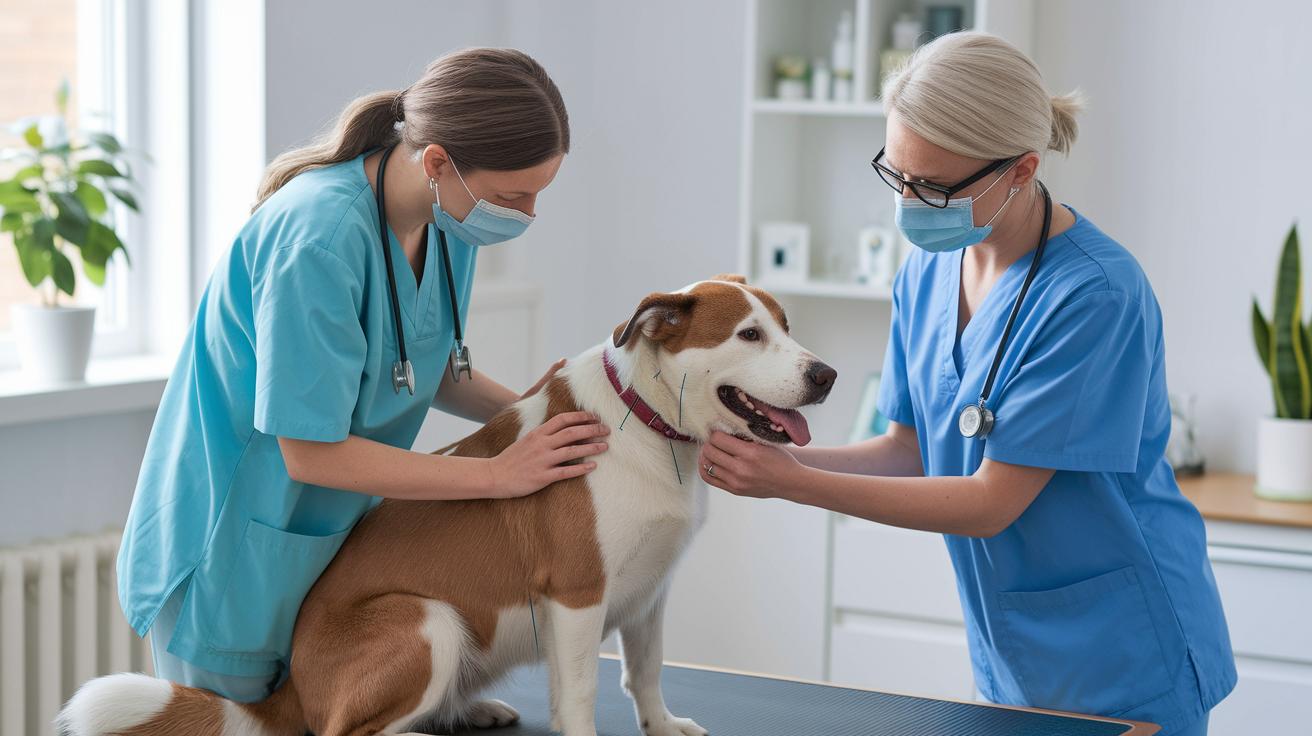
Integrative veterinary medicine is all about mixing the best of both worlds. It brings together everyday vet care with gentle, alternative therapies to boost your pet’s health. Think of it like combining your trusted vet’s advice with tips from Eastern traditions, such as Traditional Chinese Veterinary Medicine (TCVM, which focuses on balancing your pet’s energy). Imagine a 12-year-old dog feeling calmer after a well-placed acupuncture session, almost like a wave of peaceful energy washing over them.
This approach sees your pet as a whole being, not just a list of symptoms. Vets and pet parents work hand in hand, sharing little details about your pet’s daily habits and surroundings. Ever notice how a chat about your pet’s favorite napping spot can lead to a better care plan? For example, a senior cat might regain its playful spirit with the help of some gentle physical therapy mixed with herbal remedies.
Here, both Western diagnostics and alternative options come together in a warm, balanced way. Think of strategies like non-invasive physical rehab exercises, herbal treatments, and even special TCVM food therapies (diet plans that help balance energy naturally). These methods work together to ease pain, boost movement, and nourish your pet’s overall well-being.
Key parts of this care include:
- Looking after the body, mind, and spirit of your pet
- Creating treatment plans through honest, caring conversations between you and your vet
- Blending traditional Eastern ideas with everyday Western practices
By coming together in this way, integrative veterinary medicine gives every pet the chance to live a happier, more balanced, and healthier life.
Integrative Veterinary Medicine Treatment Modalities
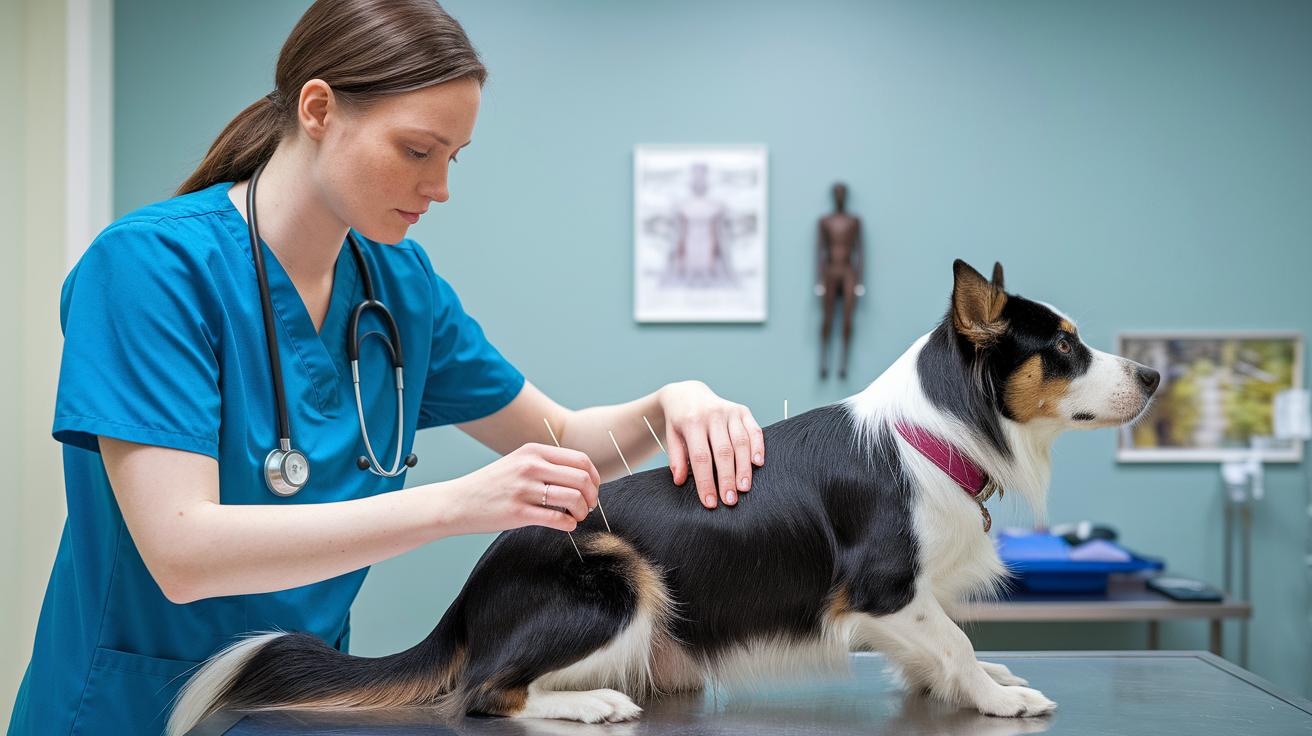
Integrative veterinary care mixes regular treatments with alternative therapies to help your pet feel great. This gentle approach doesn’t stress your pet out, it’s made to be soft on them. It works well for animals with long-term health issues, older pets, busy canine athletes, or even those healing after surgery. These strategies support movement, ease pain, and boost overall energy. Picture your pet, once tired, finding new pep after a calming session, like watching a gentle dance that brings both relief and renewed spirit.
Here are some key treatment methods used in integrative care:
- Acupuncture: Tiny needles are placed on special spots to help ease tension and manage pain. Many pet owners see a big difference after just one session.
- Herbal Therapies: Natural, plant-based remedies help reduce inflammation and support organ health. Think of it as nature’s own medicine kit.
- TCVM Food Therapy: Diet plans built on Traditional Chinese Veterinary Medicine (a way to balance energy with food) work hand in hand with nutrition. It’s like serving up meals designed to give your pet a steady burst of energy.
- Regenerative Medicine: This method encourages your pet’s body to repair itself, helping tissues heal and easing long-term issues.
- Veterinary Chiropractic: Gentle spinal adjustments can improve mobility and lower pain, much like a well-timed stretch on a cool morning.
- Physical Rehabilitation: Tailored exercises and therapy sessions help rebuild strength and flexibility, so your pet can bounce back quickly after an injury.
Each of these methods is picked to meet your pet’s unique needs, ensuring a warm, caring approach that touches every part of their well-being.
Scientific Evidence and Practitioner Qualifications in Integrative Veterinary Medicine
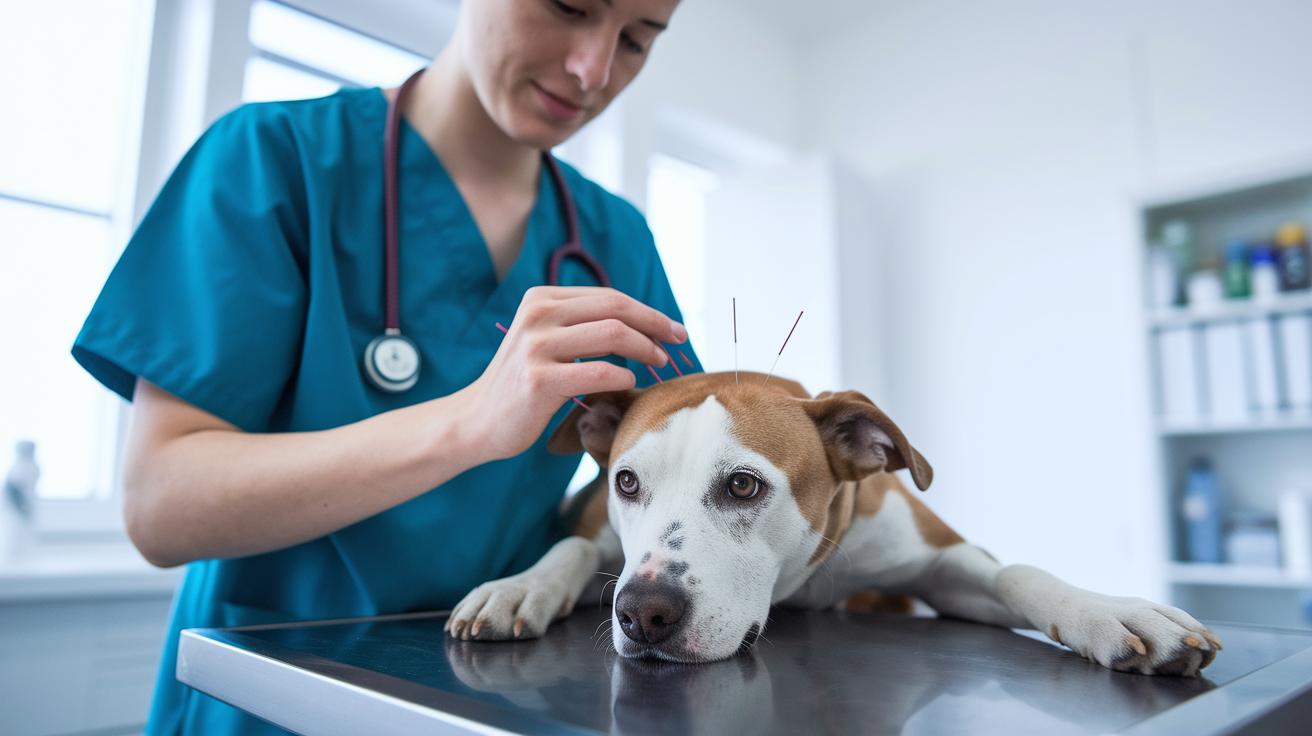
Research tells us that integrative veterinary medicine stands on a firm foundation of science and experienced care. Vets in this field have put in the hard work, earning certificates in acupuncture (using tiny needles to ease pain), chiropractic care (hands-on adjustments for better movement), herbal medicine (natural remedies), and physical rehabilitation (exercises to help pets recover). They use these gentle, non-invasive treatments to help our furry friends heal, and studies from places like the Massachusetts Veterinary Referral Hospital and Ethos back up these methods with real pet stories. For example, one study showed a pet felt a big boost in comfort after several acupuncture sessions. Isn't it wonderful when a little care brings so much relief?
This approach mixes techniques that are soft on pets yet aim for clear, measurable benefits. Clinical research has found improvements in mobility and overall ease when pets receive both traditional diagnostic tests and alternative therapies. Think of it as a warm blanket of scientific insight and caring hands, reducing stress and speeding up recovery.
Some key points include:
- Evidence-based practices supported by detailed clinical studies
- Extensive training in various integrative care methods
- Consistent research backing from respected veterinary institutions
Each of these points shows that integrative veterinary medicine is all about blending solid science with compassionate care to brighten the lives of our beloved animal companions.
Customizing Integrative Veterinary Medicine Plans for Diverse Patient Needs
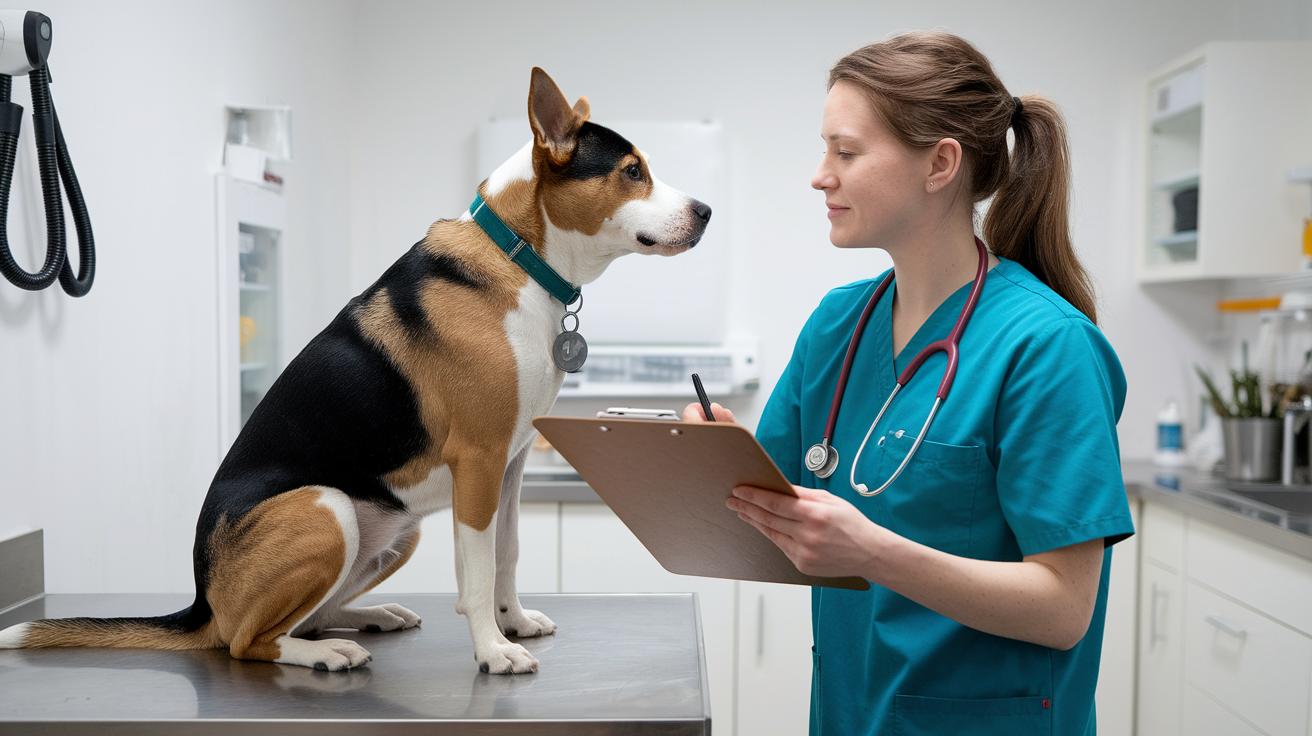
Every pet comes with its own little story and special needs. That’s why creating a care plan just for them is so important. In integrative veterinary care (a mix of conventional and alternative treatments), vets carefully check out a pet’s daily habits, home environment, and overall lifestyle. This helps set clear, simple goals that guide how we take care of our furry friends. Pet parents and vets team up to choose gentle therapies that not only ease pain but also boost energy.
A personalized care plan might mix physical therapy, acupuncture (tiny needles used to help relieve discomfort), healthy eating tips, and herbal remedies. For example, a speedy racing dog might need a plan that focuses on fast muscle recovery after a hard run. Meanwhile, a senior pet might enjoy calmer exercises and gentle pain relief tricks. Overweight pets can benefit from a blend of smart feeding advice and fun, short walks, and pets coming off surgery gradually start moving to build strength again. Vets also share handy advice on regular checkups and small lifestyle tweaks to keep our pals healthy.
Every pet is unique, so the best care matches exactly what they need. Pet parents and vets stay in touch and adjust the plan as little changes pop up. This way, every routine stays practical, flexible, and full of heartfelt care that helps our pets thrive.
Diagnostic and Assessment Protocols in Integrative Veterinary Medicine
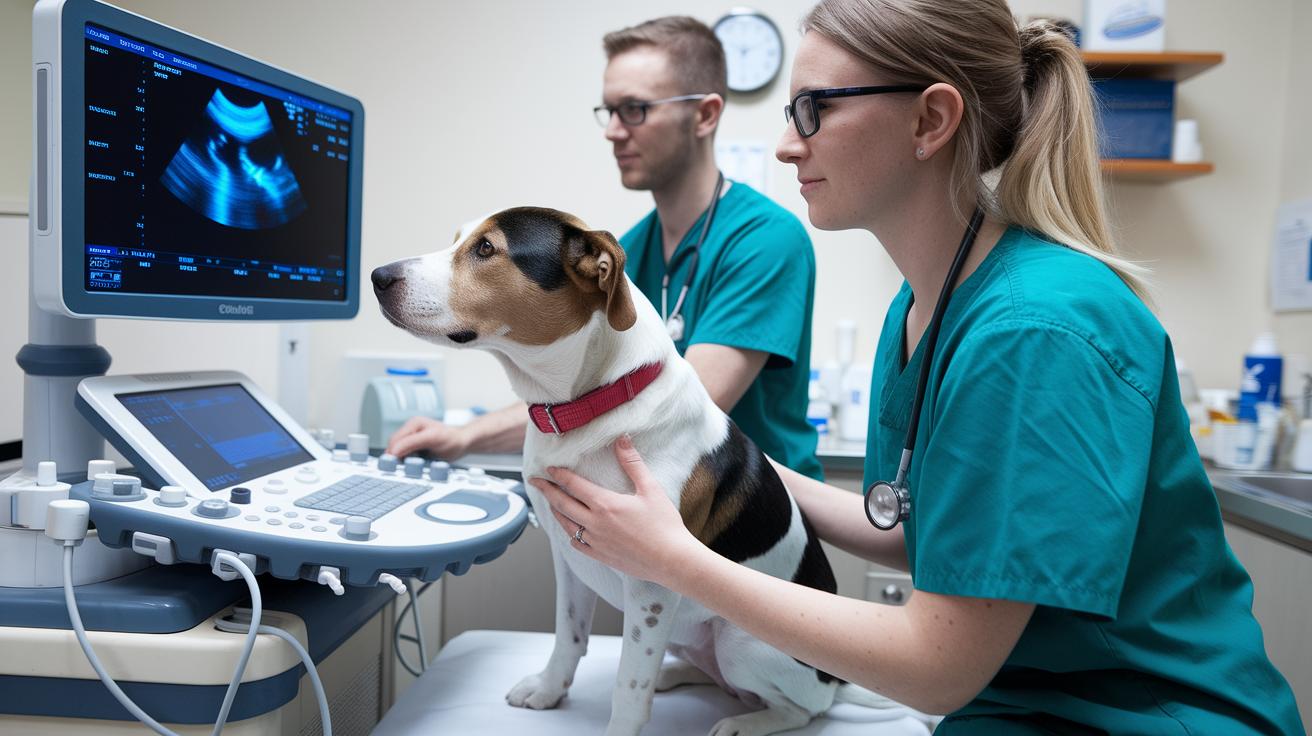
When you're caring for your pet, good tests are the heart of balanced care. Experts mix simple tests with keen observation to gather every bit of information needed for proper treatment. Blood tests check how your pet’s organs work and spot any signs of swelling. Ultrasounds let us peek at soft tissues, and radiographs (x-ray pictures) show the condition of bones and joints. Scoring pain and illness gives a clear picture of discomfort, which helps us plan ways to ease pain and boost mobility. Even looking at your pet's home and daily routines adds extra clues.
Every test is part of a thoughtful process. A team of veterinarians, technicians, and even alternative care experts work together, sharing insights every step of the way. This teamwork means the details from each test blend into a fuller picture of your pet’s overall health. With accurate data from all sources, we can choose gentle, effective treatments that keep your pet comfortable and thriving.
This approach is all about clear, measurable details from many angles. We collect everything from lab results to everyday observations, ensuring that every little piece of evidence helps shape a care plan that’s truly suited to your pet.
| Diagnostic Tool | Purpose | Use Case |
|---|---|---|
| Blood Tests | Check organ function, spot swelling | Baseline health, track therapy |
| Ultrasound | View soft tissues | Examine organ health, find issues |
| Radiographs | Show bones and joints | Assess pain, check orthopedics |
| Pain/Disease Scoring | Measure discomfort | Monitor recovery progress |
Case Studies Illustrating Integrative Veterinary Medicine Success
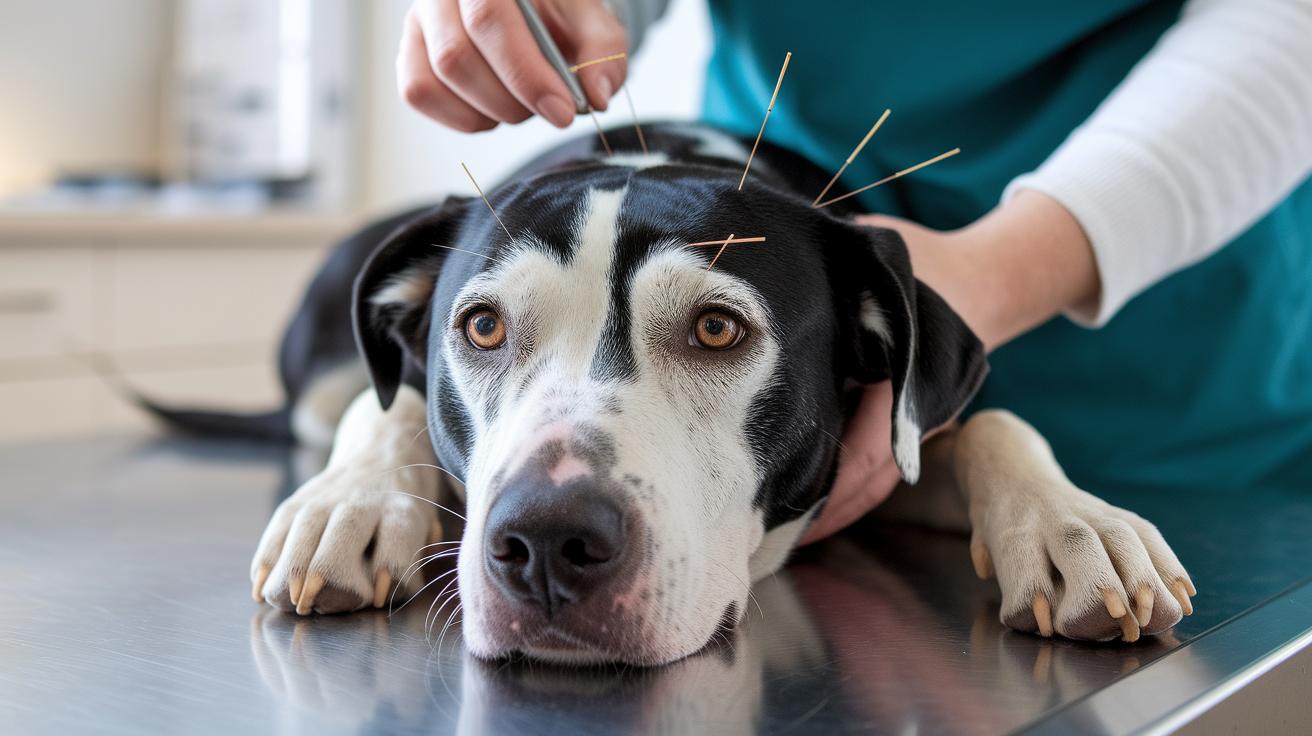
One story features a 12-year-old dog who felt much better after an acupuncture session. After the treatment, it was noticeably calmer and moved with greater ease. You could see the difference in its soft, gentle eyes and lighter steps, much like a pet rediscovering its spark.
Another tale comes from a senior cat that received chiropractic adjustments along with some gentle physical therapy. This cat, once stiff and shy about playing, gradually started moving its joints more freely. Even a quieter purr and a more confident step showed how this care helped bring back its playful side. The owner said the improvement in comfort was clear as the weeks went by.
There was also a spirited canine athlete who made a rapid recovery thanks to a thoughtful regenerative medicine plan. Its eager energy began shining through as it dashed around during each recovery session. Each visit added a dash of renewed vitality to its steps, lifting everyone's spirits.
Weight management is yet another success story. With a mix of nutritional counseling (simple advice to help pets eat right) and herbal support, several pets managed to achieve a healthier weight. Their newfound energy and balanced appetites were clear signs of improved overall well-being.
Comparing Integrative Veterinary Medicine to Traditional Veterinary Care
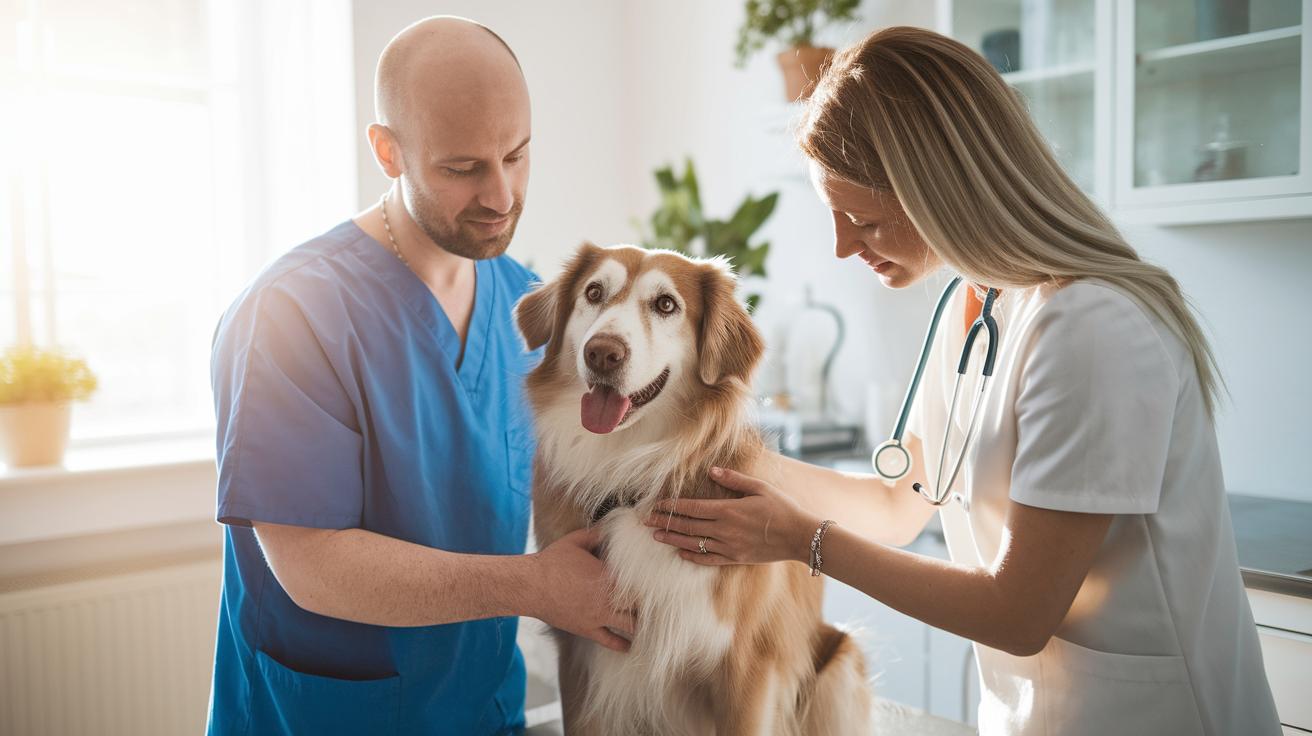
Integrative veterinary medicine cares for your pet as a whole buddy. It’s not just about fixing one problem; it looks at everything, from daily routines and eating habits to playtime and rest, so your furry friend can thrive in the long run. And it feels like a friendly chat where your insights truly matter.
Traditional veterinary care, however, usually zooms in on the main problem. It tends to follow a set plan, often using meds or even surgery to deal with an immediate issue. That approach might not always consider your pet’s diet or everyday activities, which can be just as important for keeping them happy.
One major difference is that integrative care works with you. You share little details about your pet’s habits, and together you create a plan that helps your pet feel better over time. With standard care, the vet mainly directs the treatment without much input on daily life, which sometimes leaves out the big picture.
Integrative methods also bring in gentle fixes like light exercise and mindful nutrition (which means giving your pet good, balanced food) to help keep them active and content. Traditional care, by contrast, is more about quick solutions for immediate issues.
| Focus | Integrative | Traditional |
|---|---|---|
| Care Approach | Looks at the whole pet | Targets one main symptom |
| Role of Owner | You’re a partner in care | Vet-directed treatment |
| Treatment Style | Gentle, preventive, and non-invasive | Quick fixes like meds or surgery |
Both approaches care deeply for your pet, but integrative veterinary medicine offers a warm, long-term way to help your pet feel their best, like a cozy chat with a friend who understands every little purr and playful bark.
Final Words
In the action, we explored how integrative veterinary medicine blends conventional methods with gentle alternative therapies to support complete pet well-being. We reviewed key treatment options like acupuncture and herbal support, and saw how precise diagnostics and real case studies confirm true pet care success. Each section showed that combining owner insight with expert veterinary guidance can make all the difference. By embracing this approach, you can help your pet thrive with comfort and renewed energy. Isn't that a bright prospect for every pet at home?
FAQ
Integrative veterinary medicine near me
The phrase “integrative veterinary medicine near me” means local pet care centers that combine modern treatments with alternative therapies. You can search online or ask for pet owner referrals to connect with these experts near you.
Integrative veterinary medicine reviews
Integrative veterinary medicine reviews point to positive feedback on whole-pet care that benefits overall wellness. Many pet owners appreciate the blend of traditional methods and natural therapies in managing chronic conditions.
Holistic veterinary care
Holistic veterinary care refers to treatment that looks at your pet’s overall health, merging standard medicine with natural therapies. This approach supports improved quality of life through balanced care for the mind and body.
Naturopathic veterinary medicine
Naturopathic veterinary medicine focuses on natural healing. It uses herbal remedies, diet changes, and gentle therapies to help your pet heal in a way that minimizes drugs and emphasizes wellness.
Functional veterinary medicine
Functional veterinary medicine identifies the root causes of pet health issues. It blends dietary, lifestyle, and complementary therapies to support your pet’s overall vitality while addressing underlying imbalances.
Holistic Veterinary Medicine School
A holistic veterinary medicine school trains pet care professionals to use both conventional treatments and natural therapies. This extra study helps vets develop a balanced, whole-animal approach for improved pet health.
Best holistic vet near me
The best holistic vet near you can be found by looking up local pet wellness centers and reading online reviews. Certified professionals who practice integrative care ensure your pet benefits from a mix of standard and alternative treatments.
Integrative Veterinary Wellness
Integrative veterinary wellness combines modern medicine with complementary therapies to support overall pet health. This approach emphasizes tailored care that boosts energy, mobility, and long-term quality-of-life for your pet.
What is integrative veterinary medicine?
Integrative veterinary medicine is a practice that fuses Western medical treatments with alternative therapies like acupuncture and herbal remedies. It focuses on personalized, whole-body care that enhances your pet’s overall well-being.
What is the highest paying veterinary specialty?
The highest paying veterinary specialty tends to be in focused areas such as surgery or internal medicine. These fields require advanced training and skills due to the complex nature of care and the expertise involved.
Why are so many veterinarians quitting?
Many veterinarians are quitting due to high work pressures and stress. The demanding schedule and emotional toll can lead to burnout, driving some to seek better work-life balance or different roles within pet care.
Are holistic vets licensed?
Holistic vets are licensed professionals who complete standard veterinary training. Many also pursue extra education in natural therapies, ensuring they meet conventional standards while offering complementary pet care techniques.