
Ever wonder if a simple vet visit might be the secret to a long, happy life for your pet? Regular checkups work like a gentle safety net, catching tiny changes before they become big issues.
Each lab test or dental cleaning is a little step toward a brighter future, imagine the soft purr of a cat or the joyful bounce of a puppy's step after a good visit. This proactive care not only spots problems early but helps your furry friend stay full of life every day.
In short, happy pet health starts with smart, routine checkups that keep illness at bay right from the start.
Core Principles of Preventive Veterinary Medicine
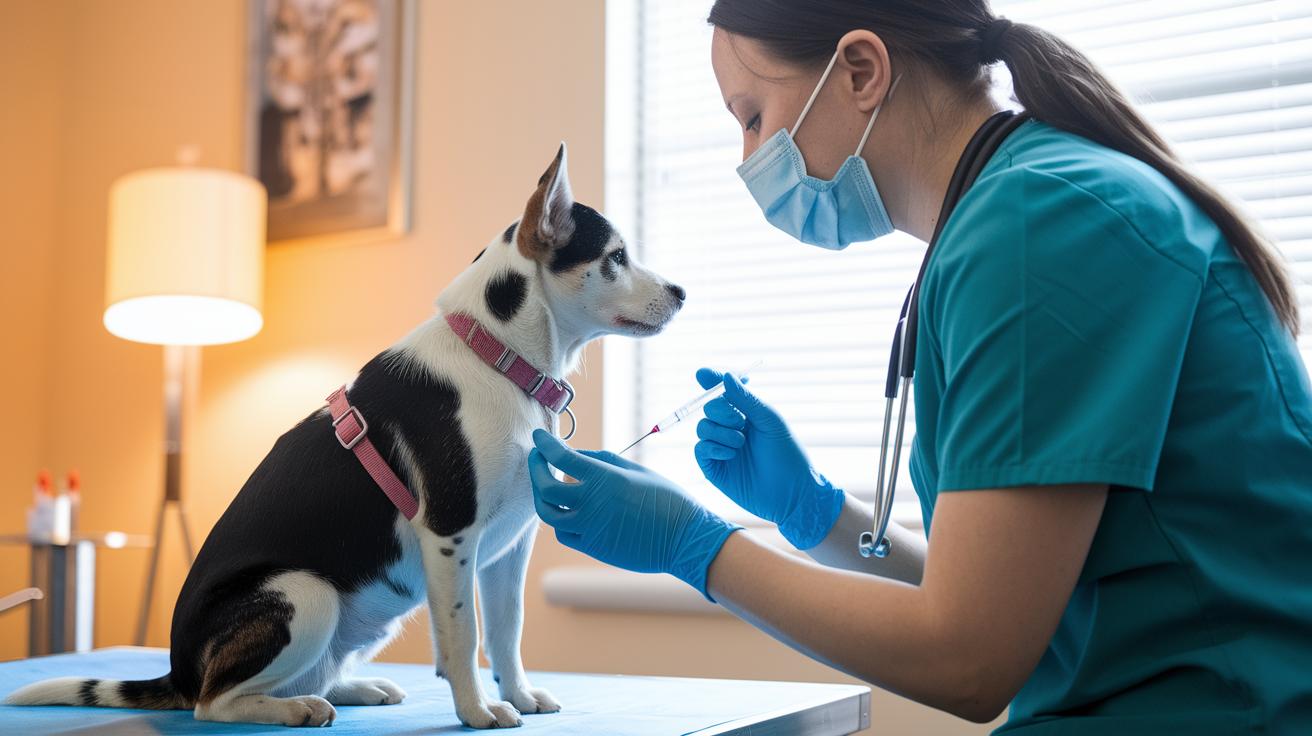
Preventive veterinary medicine is all about keeping our furry friends healthy long before any issues pop up. It focuses on regular checkups, simple lab tests, and dental care to catch small problems before they turn into big ones. Clinics have been using these methods since 1983, helping many pets live happier, longer lives while supporting overall well-being.
Routine visits play a big part in this care. They help us notice little changes, like a shift in appetite or behavior, that might signal a developing issue before it becomes serious. Whether it’s a quick blood test or a dental cleaning, these visits act like an early warning system for pet illnesses, making sure our companions get the care they need right away.
Vaccines and parasite treatments are also key. Immunizations protect against common infections, while regular deworming and flea treatments keep both pets and their owners safe from harmful bugs. Plus, spay and neuter surgeries not only prevent unexpected litters but also boost a pet’s overall health, making them another piece of the proactive care puzzle.
Extra screenings, like X-rays and ultrasounds, help spot hidden problems such as fractures or internal issues before they worsen. Together, these steps create a reliable shield against disease and even help reduce the risk of illnesses spreading between pets and people. With such thoughtful and thorough care, preventive veterinary medicine helps our pets enjoy a bright, energetic life every day.
Strategic Immunization Scheduling & Vaccine Administration Programs

Making a plan for when your pet gets its shots is really important for keeping them healthy. Think of it like planning a family meal, everything is set up with care and done on time. When you have a clear plan, your pet is ready to fight off common illnesses, just like how a well-timed meal gives you energy for the day. Experts at places like UC Davis base their advice on solid research to keep these plans effective.
Research shows that these vaccine programs help pet doctors fine-tune when each pet should get its shots. They look at local patterns of disease, essentially, what bugs are around, and adjust the schedule to match. This careful planning means that each vaccine works as best as it can, similar to making sure all the ingredients in your pet’s meal are fresh and balanced.
Your vet uses immunization schedules to create a timeline that fits every stage of your pet’s life. They then update these plans during checkups to stay on track with seasonal risks. In truth, planning around local outbreaks and trends means your pet gets the best defense possible, leaving you with less worry and more time for belly rubs.
All in all, a smart schedule for shots and well-organized vaccination programs work together to keep your pet’s immune system strong. When the plan is followed, you can see clear improvements in your pet's health, much like watching your furry friend bounce happily after a good meal.
Effective Parasite Control Protocols for Comprehensive Health
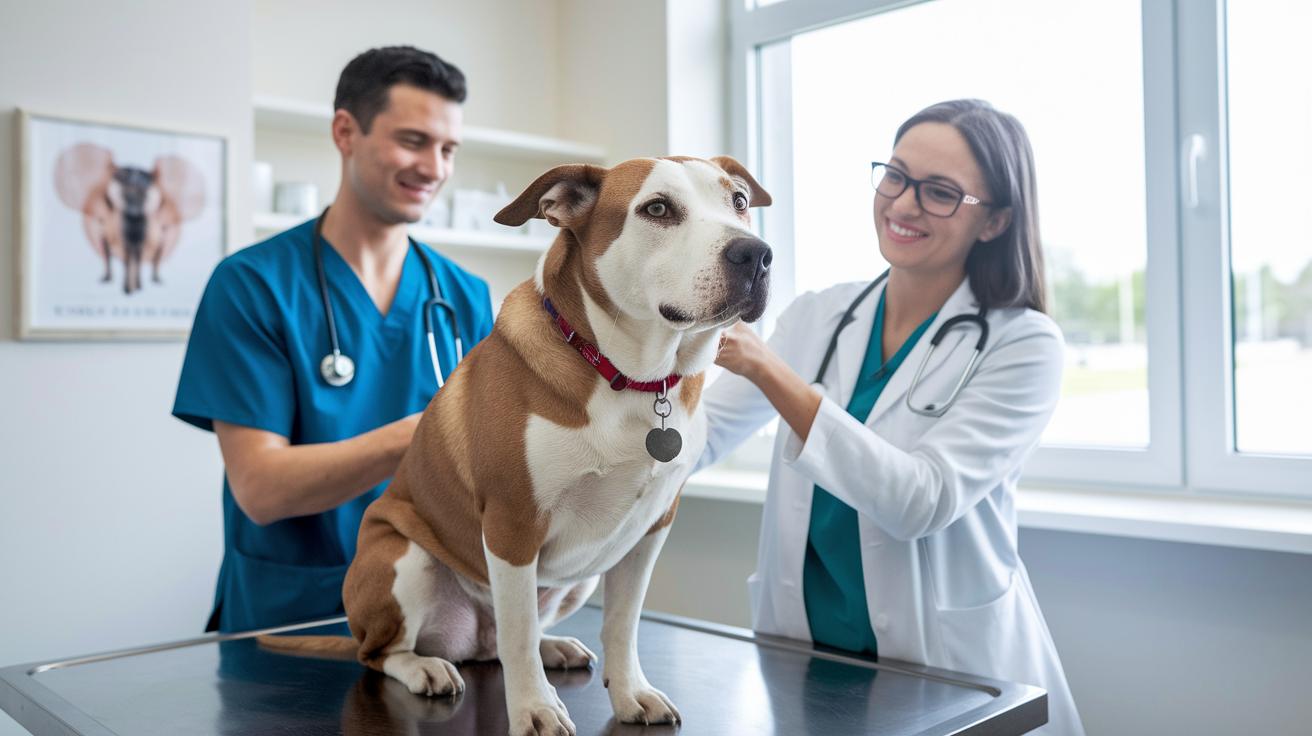
Keeping your pet safe means dealing with pesky parasites before they can cause any trouble. When you use smart parasite control methods, you help stop harmful bugs like fleas, ticks, and heartworm from causing illness. These tiny pests can be a real nuisance, and by taking care of them, you lower the risk of germs spreading between your pet and family.
There are a few simple ways to keep these critters at bay. You might choose a skin treatment that wipes out fleas and ticks right from the start. Or, you could try an oral medicine that works on the inside out. Some pet owners even use injections that offer long-lasting protection. Every option plays a part in a bigger plan for keeping your pet healthy (these are simple steps to help stop diseases), and they also help reduce the risk of spreading sickness.
The changing seasons can mean different needs for your pet. In spring and summer, when bugs are buzzing around more, you might need to treat your pet more often. Think of it like adding an extra layer of sunscreen on a bright day. Even in cooler months, sticking to a routine is important to keep your furry friend safe.
Here are a few tips to remember:
- Combine different treatments for extra defense.
- Follow your veterinarian’s advice and make time for regular checkups.
- Keep an eye on your local area, since the weather and surroundings can change how parasites behave.
With the right mix of treatments and a clear schedule, you can keep those pesky parasites away and help your pet live a happy, healthy life.
Routine Pet Examinations & Wellness Screening Protocols
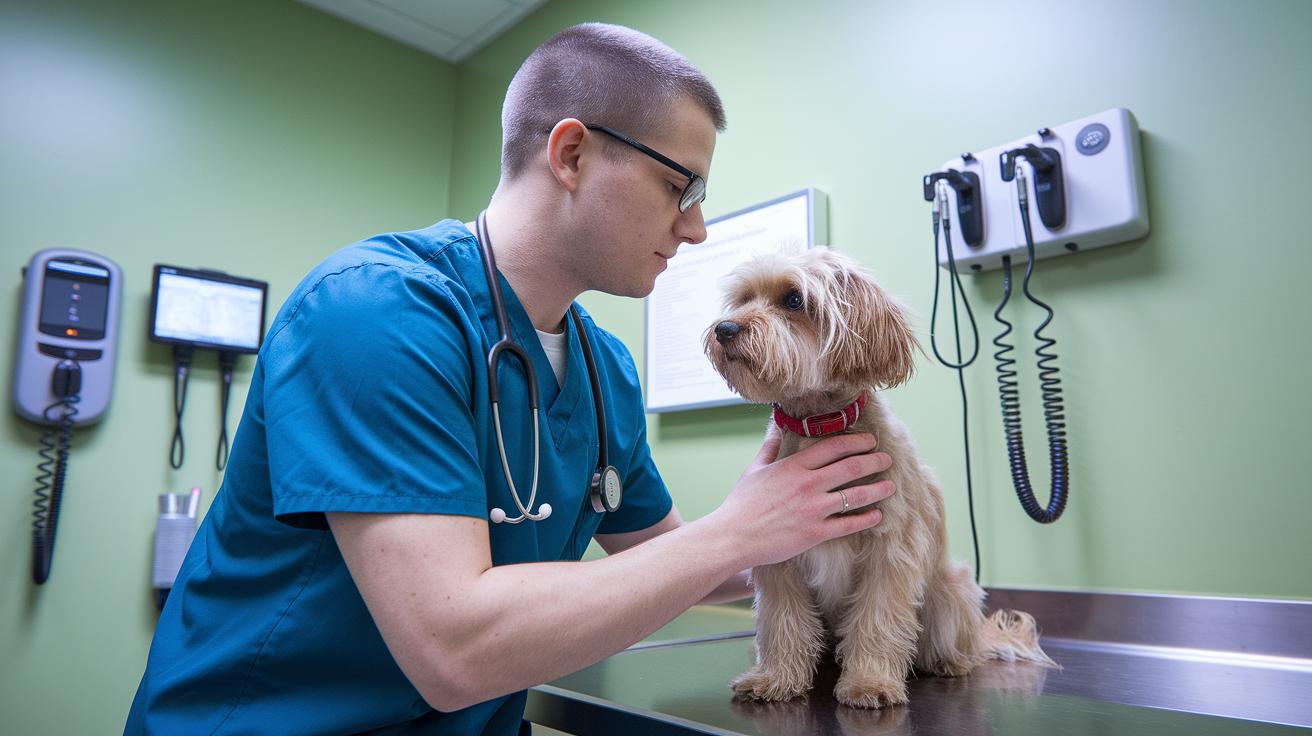
Routine checkups are essential for keeping your furry friend feeling their best. Most clinics recommend visiting the vet every year or even twice a year to catch any problems early. Each visit typically begins with a gentle physical exam. Your vet will look at things like your pet's heart rate, body temperature, and overall appearance. Even something as simple as a soft paw squeeze or a quick look into their eyes can hint at hidden issues.
Blood tests are another important part of these exams. They help spot small changes in your pet's inner health (meaning any shifts in how their body is working). A basic blood test might reveal small changes in cell counts or enzyme levels, allowing for quick action. Tools like X-rays or ultrasounds give a closer look inside, sometimes detecting a tiny hairline fracture long before your pet shows any discomfort.
Vets also use regular health risk checks during these visits. They review current findings with past records to notice any early signs of trouble. This might include questions about changes in your pet's energy or appetite and sometimes even a checklist to see the full picture of their health. By finding issues early, treatments can start before problems become serious.
Sometimes extra tests are added, especially for pets in high-risk groups. Regular checkups, thorough screening, and detailed risk assessments help vets tailor care plans that keep your pet energetic and happy. This proactive approach not only supports a long, healthy life but also gives you peace of mind.
For more tips on keeping your pet healthy, check out the resource on preventative pet health.
Nutritional Counseling & Oral Hygiene in Preventive Care

When you choose high-quality diets crafted by a veterinary nutritionist, you’re not just filling a bowl, you’re boosting your pet’s immune system and keeping them at a healthy weight. Nutritional counseling helps you pick balanced meals made with fresh ingredients that truly nourish your furry friend. For example, you might hear, "Mix lean protein with seasonal veggies for a balanced meal," a tip many pet owners find really useful. You can also explore resources like holistic pet nutrition for more ideas on planning nutritious meals.
Daily routines include caring for your pet’s teeth, too. Regular dental care, whether at the clinic or at home, can cut the chance of gum problems by a large margin. A simple suggestion is, "After feeding, gently brush your pet's teeth for two minutes." This small step not only keeps their teeth healthy but also adds to their overall well-being.
Vets often recommend nutritional counseling to create special meal plans tailored to your pet’s unique needs. Along with consistent oral care, these practices help fend off both metabolic and dental issues, keeping your pet lively, comfortable, and happy.
Behavioral Evaluation & Client Education Workshops

Understanding your pet’s behavior starts with simple observational tools. Using checklists and basic observation tips helps you notice small hints like a slight growl during mealtime that might show anxiety or discomfort. These little signals make it easier to have meaningful discussions about what your pet could be feeling.
Next, education workshops bring pet owners together in a friendly setting. Imagine a cozy room where you and other pet lovers learn to read body language, like the way a trembling tail can tell you a story or how a hesitant step might mean a pet is feeling uneasy. These sessions break complex ideas into clear, everyday language that’s easy to follow.
During these workshops, hands-on activities and role-playing make learning fun and practical. You get to practice what you’ve learned with case studies that show common pet behavior challenges. With simple strategies shared in group discussions, you’ll feel more confident in creating a caring, safe space at home for your furry friend.
Digital Health Monitoring & Data-Driven Preventive Strategies

These days, vet clinics are making pet care super simple. They use easy online portals, pet health apps on your phone, and cloud records (online files) to keep track of everything. They set up schedules, send you reminders for checkups, and even let you know when it's time for shots or tests. Imagine getting a friendly nudge on your phone saying it's time for your pet's annual exam, it's like a little tap on the shoulder to keep your buddy healthy.
Many vets now use smart systems that bring together all your pet’s visit details, treatments, and test results. This means less paperwork and more clear, data-driven insights to fine-tune care. When plans are backed by real-time information, you stick to treatment guidelines much more easily, sometimes by around 30%.
New gadgets like wearable monitors keep an eye on your pet’s daily game and behavior changes. They give early hints if something feels off, making it easier for your vet to jump in quickly. For example, check out a pet health app like this one: pet health app. It helps you track your furry friend with a simple, personalized interface.
- Automatic reminders and updates.
- Easy-to-access records of all pet visits.
- Real-time info from wearable monitors.
Thanks to these digital tools, caring for your pet becomes more efficient and perfectly tuned to their unique needs.
Clinical Care Guidelines & Evidence from Epidemiological Research
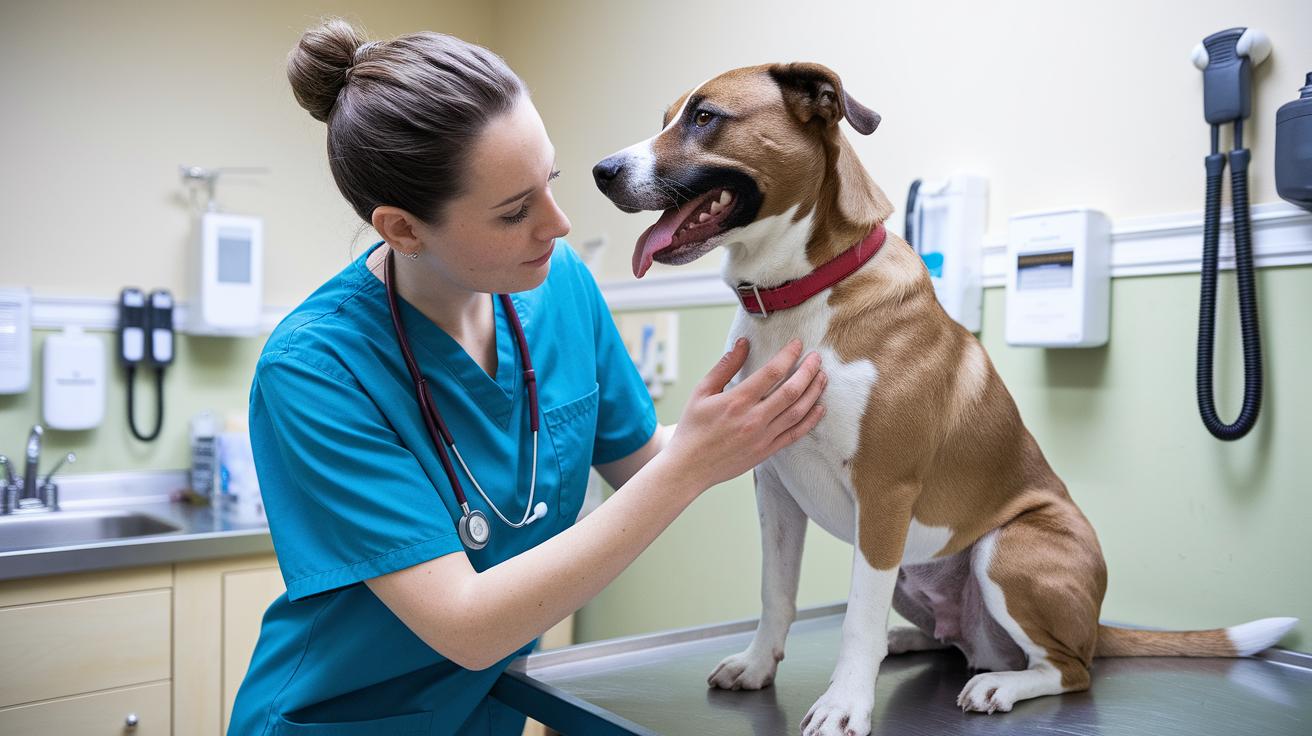
Veterinarians follow trusted steps when caring for our pets. They use regular check-ups, vaccination routines, and simple screenings to spot issues early. These guidelines give pet doctors a clear plan so every pet gets consistent and thoughtful care.
Researchers track pet health trends in everyday settings. Studies show that pets who stick to regular wellness visits have a lower chance of falling seriously ill. Think of it like a teacher noting a student's progress, routine check-ups help catch problems before they grow.
Other research compares different care plans to see what works best. Even small changes in routine can make a big difference. For example, one study found that pets on a steady, planned schedule had fewer outbreaks than those who didn’t follow the same plan.
All in all, both our guidelines and research agree: sticking to proven care routines helps our pets live healthier, happier lives.
Final Words
In the action, we explored how regular wellness exams, vaccine schedules, and parasite control protocols work hand in hand with nutritional care and behavioral evaluations to keep pets healthy. Digital health tools and clinical research offer smart, up-to-date insights that support everyday pet care. These combined strategies make it easier to spot early warning signs and adjust care routines. With a focus on preventive veterinary medicine, every step aims to make our pets’ lives happier and healthier.
FAQ
What is preventive veterinary medicine?
The term preventive veterinary medicine refers to keeping pets healthy through early detection, regular exams, immunizations, and routine screenings that help catch issues before they become serious.
What is the impact factor and ranking of the Preventive Veterinary Medicine Journal as seen on platforms like Scimago?
The impact factor shows how often articles are cited, and the journal’s ranking on sources like Scimago reflects its influence within the pet care field, offering a quick quality check.
What degree and program options are available for preventive veterinary medicine, including master programs and certifications?
The academic options in preventive veterinary medicine include master’s degrees, certification courses, and specialized programs that prepare professionals to practice well-rounded, modern pet care.
What does a Preventive Veterinary Medicine Clinic offer?
The clinic provides wellness exams, lab tests, immunizations, and parasite control services, aiming to spot early signs of disease and promote overall animal well-being.
What are the author guidelines for the Preventive Veterinary Medicine Journal?
The author guidelines outline submission standards, manuscript formatting, and citation details, ensuring that research findings are presented clearly and consistently for the pet care community.
What is the abbreviation for preventive veterinary medicine?
The abbreviation used is typically “Prev Vet Med,” which helps maintain brevity in academic writings and clinical documentation.