
Have you ever thought about how one simple test could unlock your pet’s secret health story? Vets now use neat tests like blood work (a check-up on the fuel your pet gets from food) and imaging (taking clear pictures of bones and organs) to peek inside your pet. It’s a bit like having a tiny window into their little world.
This smart mix of tools helps vets act fast when your furry friend isn’t feeling well, and it makes you feel a lot better knowing someone is watching over them. Let’s take a closer look at how these tests are making pet care clearer and quicker for everyone.
Understanding Veterinary Diagnostics: Scope and Significance
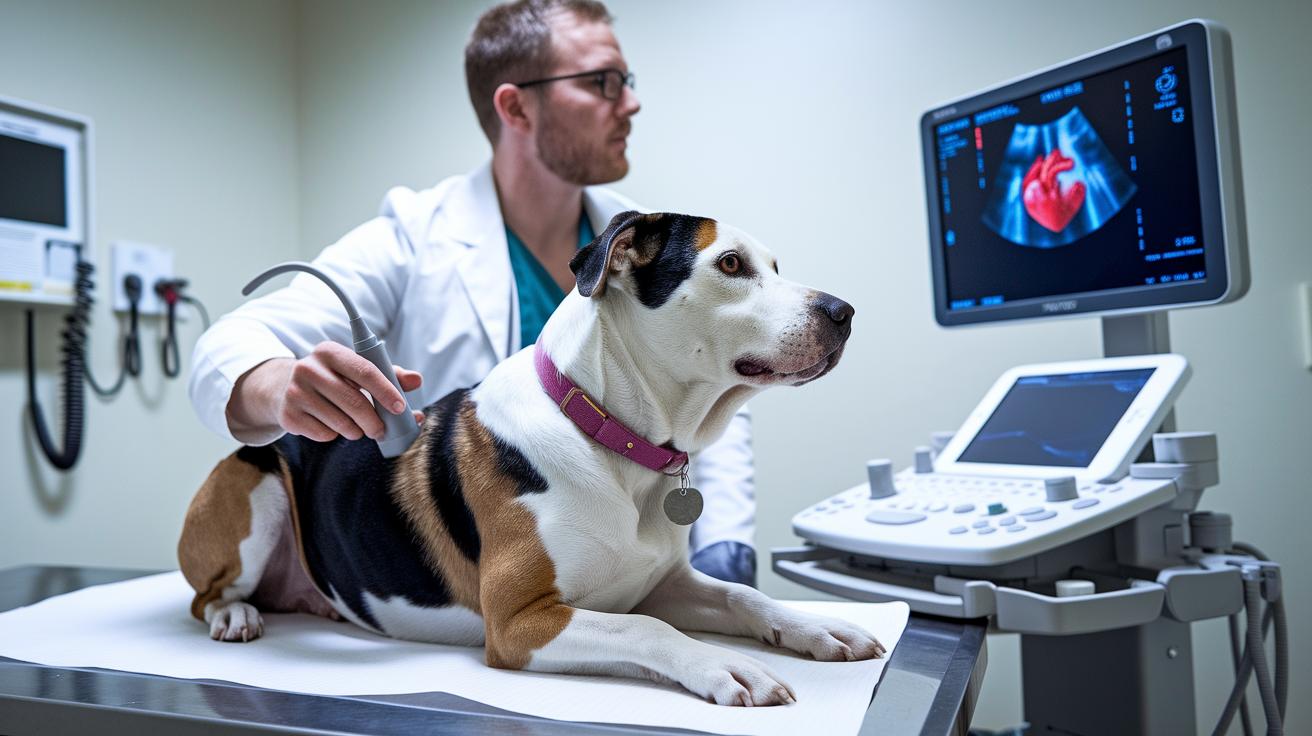
Veterinary diagnostics is all about checking on our pets to catch sickness before it gets too serious. Think of it like reading a health report for your furry friend. Your vet uses tests ranging from simple blood work to advanced imaging to show how well your pet's heart, liver, or other organs are doing. Imagine a little test that tells you a big secret about your pet's health, pretty cool, right?
Your vet will often mix different tests together. For example, a blood test might reveal tiny changes in a pet’s tissue, while an ultrasound gives a clear picture of what’s happening inside, often done quickly and without bothering your pet too much. Other tests, like checking for infections with special panels, add another clue to the overall picture of your pet’s health.
These simple yet powerful tools help both veterinarians and pet owners take the best action when needed. With clear test results, your vet can decide on treatments that are safe and effective, and you get an easy-to-understand view of your pet's well-being. In the end, catching any illness early means a happier, healthier life for your beloved companion every day.
Clinical Pathology in Veterinary Diagnostics
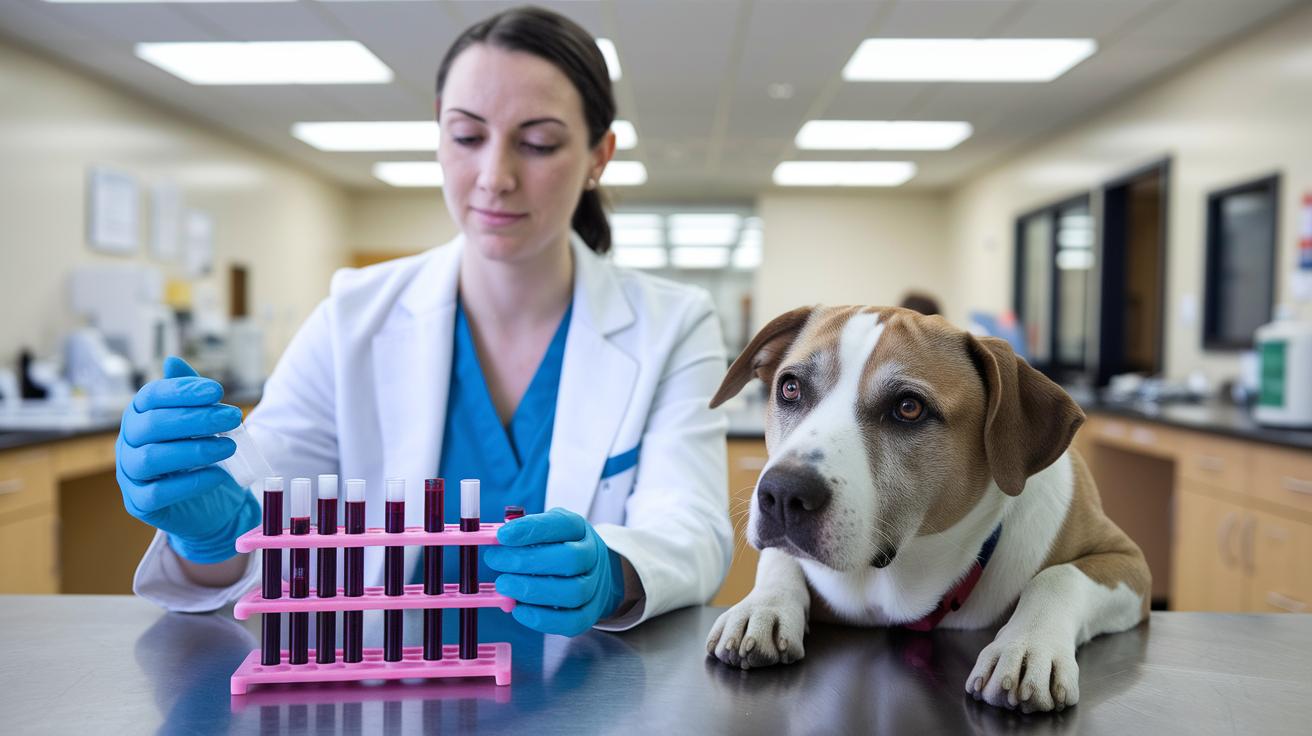
When it comes to testing your pet’s health, taking care of the sample is key. Lab techs pick the right collection tubes and follow clear, strict steps to keep the sample clean and safe. This careful handling helps stop any mix-ups and makes sure the sample stays true to what’s happening inside your pet. For instance, a nicely handled blood sample can give a very accurate Complete Blood Count (CBC), showing your vet a clear picture of your pet’s red and white blood cells shortly after it’s collected.
- Complete Blood Count (CBC) – Checks overall blood cell levels to spot things like infections or signs of inflammation.
- Serum Chemistry Profiles – Looks at how well your pet’s organs work by checking the balance of minerals and enzymes (the body’s building blocks).
- Urinalysis – Helps find kidney issues, urinary tract troubles, or other metabolism problems.
- Cytology – Studies cells from various body fluids to spot infections or unexpected cell changes.
- Fungal Diagnostics – Uses tests like Histoplasma antigen EIA and antibody IgG EIA (these are tests that search for fungal infections) to check for problems in dogs and cats.
- Syndromic Fungal Panels – Scans for several fungi, including Aspergillus, Blastomyces, and Cryptococcus, to give a broad overview of possible issues.
Looking at these test results means matching each outcome with how your pet is doing. Lab experts compare the numbers to normal ranges and might run a test again if something seems off. This careful check helps prevent errors and gives clear next steps for the vet. Regular quality checks and tool calibrations keep everything reliable, whether it’s a quick CBC or a more detailed test like an immunodiffusion antibody test (a method to see how your pet’s body reacts) that can take a couple of days.
Sample Collection and Quality Control
The choice of tube depends on what test your pet needs, and techs make sure the sample stays at just the right temperature during transport. They also use built-in control checks, like running duplicate samples and using standard reagents (consistent testing chemicals), to catch any issues early. This way, every test remains dependable and gives your vet the clear information needed to help your pet.
Diagnostic Imaging for Animals: Techniques and Applications
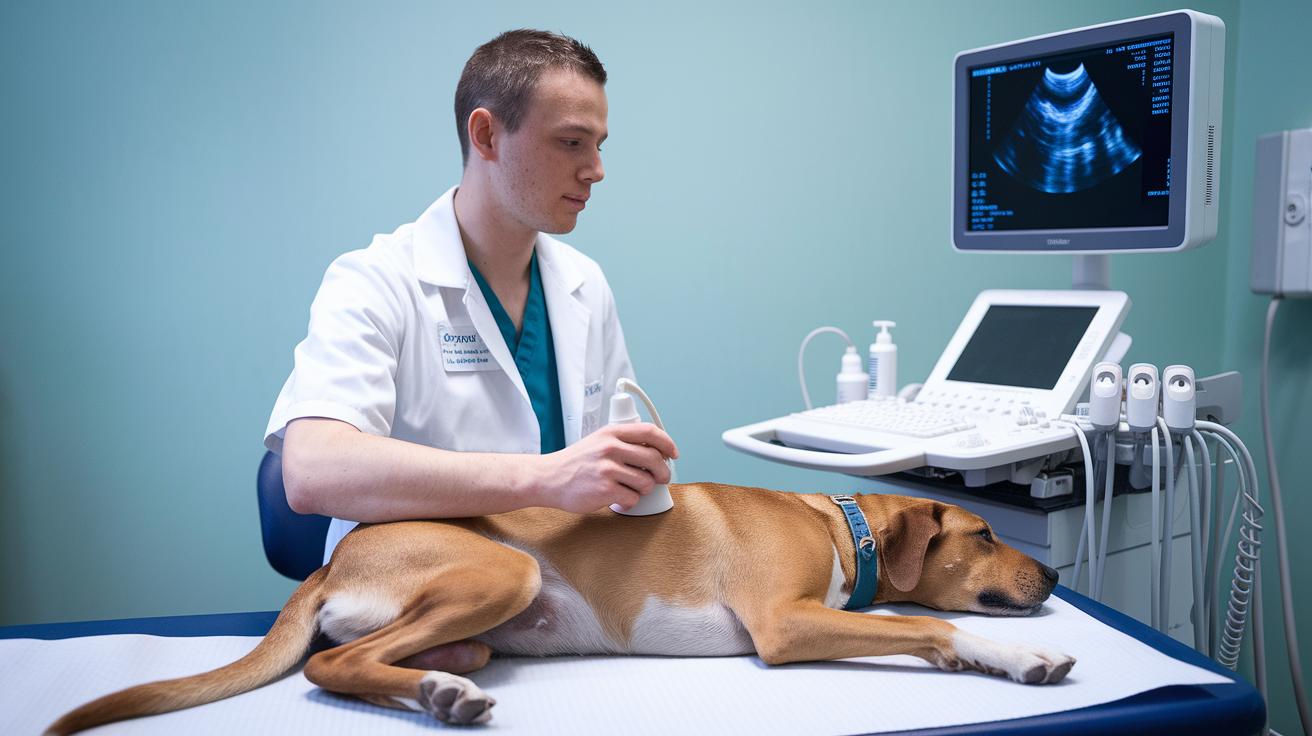
Imaging gives vets a close look at what’s happening inside your pet. Modern digital images and clinic equipment capture clear, high-quality pictures fast and with little stress for your furry friend. This quick peek inside helps vets make the right call when it comes to keeping your pet in tip-top shape.
Ultrasound exams for the tummy are friendly and last about 45 to 60 minutes. They don’t usually need any sedation, so your pet stays relaxed. The exam shows real-time images of organs and tissues, which helps vets spot things like fluid build-ups or small lumps before they turn into big problems.
Echocardiograms, basically a special ultrasound for the heart, give vets a clear view of the heart’s rhythm and structure. It lets them check heartbeats and blood flow closely, so they can catch early signs of irregular beats or structural heart issues.
X-rays, or radiography, are great for looking at bones and the chest area. With a simple image, vets can see if there are fractures, lung troubles, or other skeletal concerns that need attention.
For even more detail, advanced CT and MRI scans are used. They show soft tissues in great detail by taking still or sequential images. This technology helps vets pick up on tiny changes that might be key for diagnosing more complex issues, without any invasive steps.
Then there’s ECG and digital auscultation. These tests record your pet’s heart electrical activity and listen to the heartbeat. This combo makes it easier for vets to hear subtle differences, ensuring that even small heart murmurs don’t slip by unnoticed.
All these imaging tools are used with your pet’s safety as the top priority. Vets work with your pet’s primary care team to get a full picture of health, so they can plan smart and safe treatments. In the end, this teamwork catches problems early and helps keep our beloved pets happy and thriving.
Molecular and Genetic Testing in Pet Diagnostics
Molecular tests, such as PCR assays (tests that amplify DNA to detect germs), help find viruses, bacteria, and fungi quickly and accurately. Imagine your pet coughing, and a simple test revealing if a virus is the cause, just like a home test that uncovers hidden clues.
Vets also use antigen assays like the MVista® Pythium antibody IgG EIA to spot fungal infections. Beta-D-Glucan tests are handy too; they check for widespread fungal issues. And best of all, results usually come back in 24 to 48 hours, giving your vet a fast look at your pet’s health.
Then there are next-generation sequencing panels. They find genetic changes that can lead to inherited conditions. This type of screening helps pinpoint if your pet might be prone to certain disorders, so the vet can plan preventive care just right.
Advanced biomarker panels go even further. They measure key markers in your pet's blood to see how well the body is fighting off infections or responding to treatments. It’s almost like having a scorecard that tracks small changes in your pet’s health.
Using these test results is like having a clear map for your pet's care. When your vet gets trusted data fast, they can match the right treatment to your pet's unique needs. If a test shows the first hint of an infection, the vet can quickly adjust the medicine or change the care plan. This smart approach turns treatment from guessing work into careful, informed action that truly benefits our furry friends.
Innovations and Emerging Technologies in Veterinary Diagnostics
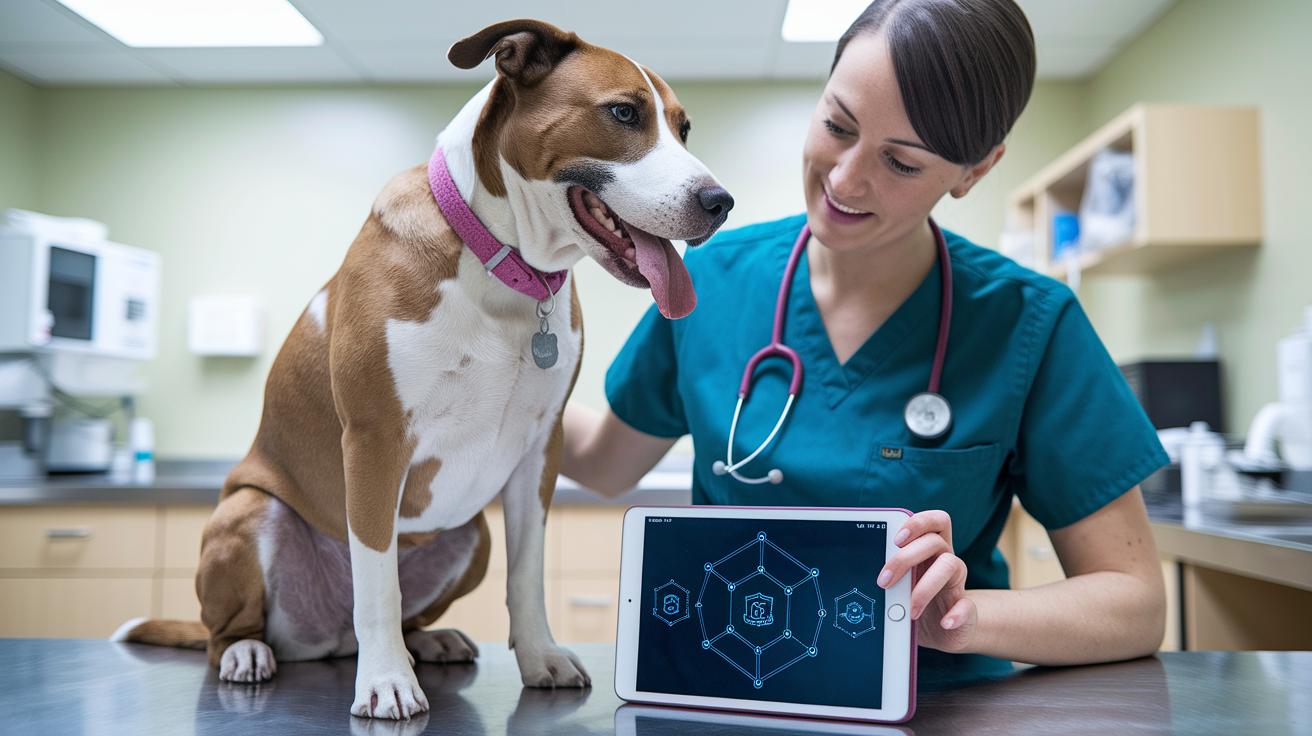
Lately, pet care has gotten a high-tech makeover with smart automation and AI. These cool tools are changing how we check our pets' health. Clinics now use systems that speed up tests and give clear results, saving time for both vets and pet owners. It’s like having a friendly, digital helper on duty!
Recent advancements mean that routine screenings are smoother than ever. Automated test systems handle the busy work, while digital diagnostics powered by AI (a tool that lets computers learn and solve problems) quickly checks ultrasound images. This mix of tech and hands-on care modernizes pet health, cuts down on wait times, and makes it easier for everyone to understand the results.
- Mobile point-of-care testing units let clinics process samples quickly, whether they’re at the clinic or in the field.
- AI algorithms (computer programs that spot hidden details) automatically scan imaging data to catch small changes that might slip by human eyes.
- Rapid in-clinic PCR devices give fast results by boosting specific DNA signals (PCR stands for Polymerase Chain Reaction, a method to multiply DNA snippets).
- Digital pathology platforms convert tissue samples into high-resolution images so experts can review them from anywhere.
- Cloud dashboards provide remote access to test results, making it simple for vets and specialists to work together.
By using these clever tools, veterinary practices can cut processing times and boost test accuracy. This smart technology catches even the tiniest health changes early, paving the way for vets to craft spot-on treatment plans that keep our furry pals happy and healthy.
Choosing Veterinary Diagnostic Service Providers
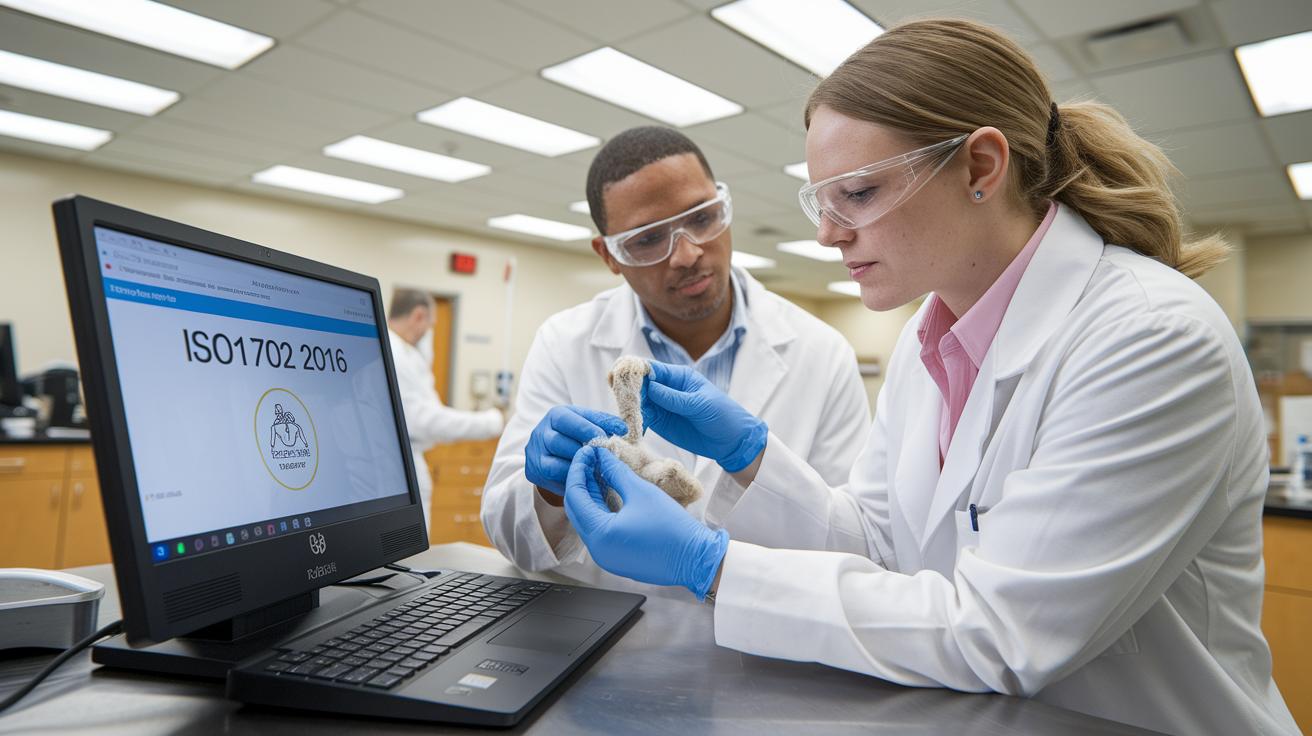
When it comes to picking a pet lab service, it’s important to check if the lab is properly accredited and certified. Look for labs that follow standards like ISO/IEC 17025 (this means they meet strict testing protocols). Accredited labs have a detailed checklist to ensure every test is done right. They also offer extra goodies like referral forms and ongoing training for vets, so you and your vet can feel confident about the test results.
Besides credentials, think about how the lab handles operations. Providers that promise quick turnaround times help you get answers faster when your pet is not feeling its best. They carefully manage the journey of your pet’s sample from collection all the way through to analysis. And thanks to secure online portals, you can check results safely. Plus, clear, organized communication with your vet makes understanding the results a breeze.
It’s also a good idea to weigh up cost, quality, and service features. Find a provider that mixes top-notch lab work with clear, honest pricing. When you get accurate results and a wide range of tests backed by solid support, both pet owners and veterinarians can plan the best treatment for our furry friends.
Final Words
In the action, we explored veterinary diagnostics, diving into clinical pathology tests, advanced imaging techniques, and molecular testing while spotting emerging tech trends that add speed and accuracy. This overview touched on everything from sample collection and quality control to picking the right service providers for your pet’s needs.
Our discussion shows how modern veterinary diagnostics not only detect issues early but also ensure pet care is both informed and compassionate. Here’s to optimized pet care and bright, healthy days ahead.
FAQ
What is a veterinary diagnostic?
The term veterinary diagnostic means tests done to spot pet health issues. These tests, like blood work and imaging, help vets plan the best care for your furry friend.
What are common veterinary diagnostic tests and what do they include?
Common tests include complete blood counts, urinalysis, and imaging like ultrasounds and radiographs. These tests help detect infections and guide pet treatment quickly.
What are some well-known veterinary diagnostics companies and which is the largest veterinary laboratory?
Major companies, including IDEXX Laboratories, often lead the field. They offer extensive diagnostic services with advanced technology, making them a top choice for pet care.
What is Antech Diagnostics?
Antech Diagnostics is a pet laboratory that uses modern technology to provide quality tests. Their services help vets identify and treat pet health issues effectively.
Are free veterinary diagnostics available?
Free veterinary diagnostics may be available through certain community programs or shelters. These services aim to help pet owners, although they are not common in standard practices.
How is the veterinary diagnostics market evolving?
The veterinary diagnostics market is growing with the use of automated systems and digital tools. These innovations improve test speed and accuracy, benefiting both pets and their owners.
What opportunities exist in veterinary diagnostics jobs?
Veterinary diagnostics jobs range from lab technicians to clinical pathologists. These roles support pet care by ensuring accurate test results and effective disease detection.
What services can one expect at a veterinary diagnostic center in Mokena?
A diagnostic center in Mokena offers comprehensive pet testing, combining modern technology with quality care. They provide quick and accurate results to help vets treat pets safely.
Why is vet bloodwork so expensive?
Vet bloodwork is expensive due to the use of precise testing methods, advanced equipment, and the specialized expertise needed to ensure accurate results for your pet’s health.
Can a vet make 200k a year?
Yes, some vets can earn around 200k a year. Earnings depend on factors like specialization, location, and experience, all of which can boost income in veterinary diagnostics.