
Have you ever wondered if mapping out your classes could kickstart a rewarding journey in animal care? In pre-veterinary studies, every class, from biology to math, acts like a stepping stone, much like a puppy learning a new trick with every practice session.
Each course you take builds the foundation for a future filled with compassion for our furry friends. It’s like watching a playful pet pick up a new game; every lesson brings you closer to becoming the caring vet you aspire to be.
With a strong base in science and some smart study habits, your dream of helping animals isn't just a wish, it can become your reality.
Pre-Veterinary Foundations: Required Prerequisites and Coursework

If you’re dreaming about a career in veterinary care, starting with the basics is key. Courses in biology, chemistry, physics, and math help you build a strong science foundation for all the exciting challenges ahead.
A good plan might be to begin with general biology. This class introduces you to how living things work, almost like learning how a puppy’s playful energy gets sparked by a good meal. After that, jump into chemistry where you’ll discover the reactions that keep life moving, much like finding out what makes your pet’s tail wag.
You’ll also encounter placement or standardized tests along this journey. Think of these tests as small hurdles, just like the steps your pet takes learning a new trick. And here’s a fun fact: Before she became a famous scientist, Marie Curie used to carry test tubes in her pockets. This reminds us that even the smallest steps in learning can lead to big discoveries later on.
Most vet schools expect you to keep a steady record of good grades, so maintaining solid study habits is important. Make sure you finish these foundational courses well before your vet school applications open. Planning ahead helps you focus on what matters most, building your skills to care for animals.
One way to organize your studies might look like this:
| Semester | Courses |
|---|---|
| Semester 1 | General Biology, Introductory Chemistry, College Algebra |
| Semester 2 | General Chemistry, Physics I, English Composition |
Each course adds to your understanding of animal science and brings you one step closer to your dream of working with animals every day. Keep checking your course catalogs and stick to your plan, you’re on your way to a rewarding veterinary career.
Pre-Veterinary Program Options: Choosing the Right Undergraduate Path
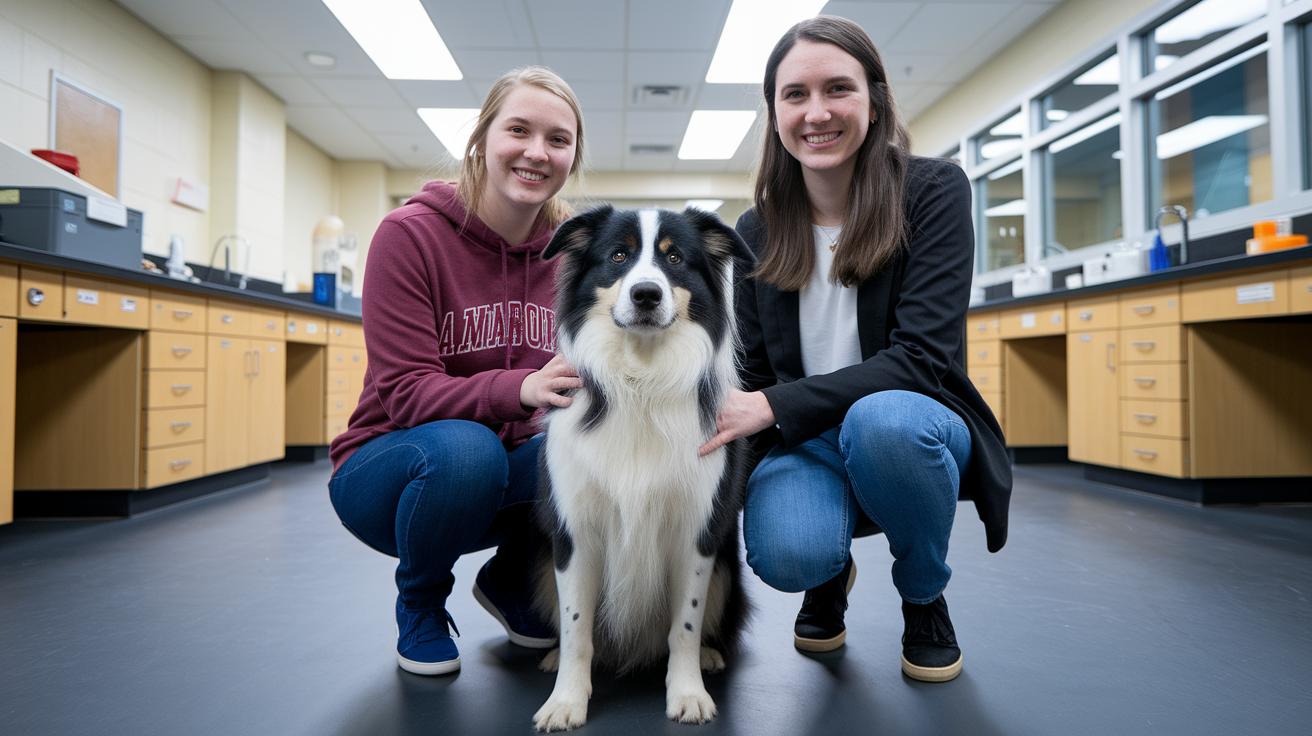
College animal studies programs open up many paths to learn about pet health. One favorite route is a BS in Animal Science. This degree lets you spend time in labs, use modern campus facilities, and take classes that feel like real-world vet work. You might also go for a BS in Biology with a pre-vet focus, which mixes general science classes with animal health topics. Either option sets you up nicely for the next chapter in caring for animals.
Local programs are pretty appealing too. They offer smaller classes and labs that buzz like a playful puppy exploring a new park. Each campus provides its own research opportunities that can spark ideas and keep you motivated.
Community college tracks provide a flexible, cost-friendly start. They let you build a solid foundation with key courses before transferring to a four-year program. Plus, you often get one-on-one academic advising in animal health, which makes planning your course map much easier.
Good academic advising in animal health makes a world of difference. It guides you on whether a BS in Animal Science or a BS in Biology with a pre-vet twist fits your dreams. No matter if you start at a community college or dive into a four-year program, your path in animal studies sets the stage for future success.
Pre-Veterinary Blueprint for Academic Triumph

Start by planning a schedule that pairs essential classes with smart study habits, much like planning a fun playdate for your furry friend. Begin with core courses such as general biology (the study of living things) and organic chemistry, so you can build both a strong theory base and practical skills right away.
Keep your study habits simple and effective. Review your notes soon after class, and get together with peers to discuss any tricky ideas. When setting lab times, try to schedule them right after your lectures, kind of like watching a pet perform a neat trick and then immediately rewarding it. This keeps the connection between the lesson and the hands-on experience fresh in your mind.
Here's an example of a possible schedule:
| Semester | Primary Courses |
|---|---|
| Semester 1 | General Biology, English Composition, Introductory Lab Techniques |
| Semester 2 | Organic Chemistry, Statistics, Basics of Animal Anatomy |
Tailor your course plan to match your goals in veterinary medicine. If you're leaning toward clinical fields like pet surgery, consider adding electives that focus on that area after you've nailed the basics. Mixing core electives like animal physiology and genetics with extra courses can boost both your scientific know-how and communication skills.
One handy tip: after your organic chemistry lecture, head straight to the lab to see the concepts in action. Choose your classes thoughtfully and keep an eye on your course catalogs so you can adjust your plan as needed.
Pre-Veterinary Experience: Extracurricular Activities, Internships, and Research

Getting hands-on experience is a key part of your pre-vet journey. Volunteering at animal shelters lets you get close and care for pets while experiencing how little acts of kindness, like a gentle pat or kind word, can help calm even the most anxious pup.
Many students also choose to spend time with real vets by shadowing them in busy clinics or cozy practices. This gives you a window into how science and care work together every day. It’s a chance to see how vets handle emergencies and chat with pet owners. Don’t be shy about asking questions, every detail is a little lesson in practical pet care.
Joining undergraduate research in veterinary science is another smart step. Whether you’re working on projects about animal biology or watching disease patterns, you’re not only boosting your resume but also learning more about the science behind pet care. I like to think of it like keeping a diary of a pet’s unique habits, it helps you notice all those little details.
Getting involved in student organizations related to animal health is a great way to meet other pre-vet friends. These groups often offer fun projects, seminars, and even mini-internships with local clinics.
- Volunteering at shelters
- Shadowing in clinics
- Participating in lab research
- Joining pre-vet clubs
All these activities build your skills and show future schools that you truly care and learn from every hands-on experience.
Pre-Veterinary Admission Advice: Preparing a Competitive Application

Applying to vet school is a lot like preparing your pet’s favorite meal, it takes time, care, and the right mix of ingredients. Start by collecting recommendation letters from professors, volunteer leaders, or supervisors who have seen your passion for helping animals up close. These letters are like little love notes that show you’re ready for a career in animal care.
When you write your personal statement, share your real-life experiences. Talk about your time at an animal shelter, a pet clinic, or even when you shadowed a veterinarian. For example, you might say, "While volunteering at a local clinic, I learned that a small act of kindness can calm a nervous pet." Little stories like that help your application feel genuine and easy to relate to.
Begin preparing early for your Veterinary College Admission Test (VCAT/DAT). Try taking practice tests, join a study group, and make sure to take breaks, just like you’d let your pet rest during a busy play day. This balance will help keep both your mind and spirit refreshed.
For interviews, practice common questions with a friend or someone who cares about you. Think about answers that show your experience and love for animals, such as, "My time in the lab and shelter has taught me that every pet deserves kind, attentive care." This way, you’ll feel more confident when the time comes.
Finally, review every detail of your application. Ask trusted people for feedback on your essays and interview style. Keep tweaking and polishing each part until your application truly reflects your dedication to a future in veterinary medicine.
Pre-Veterinary Career Guidance: Goal Setting and Professional Growth
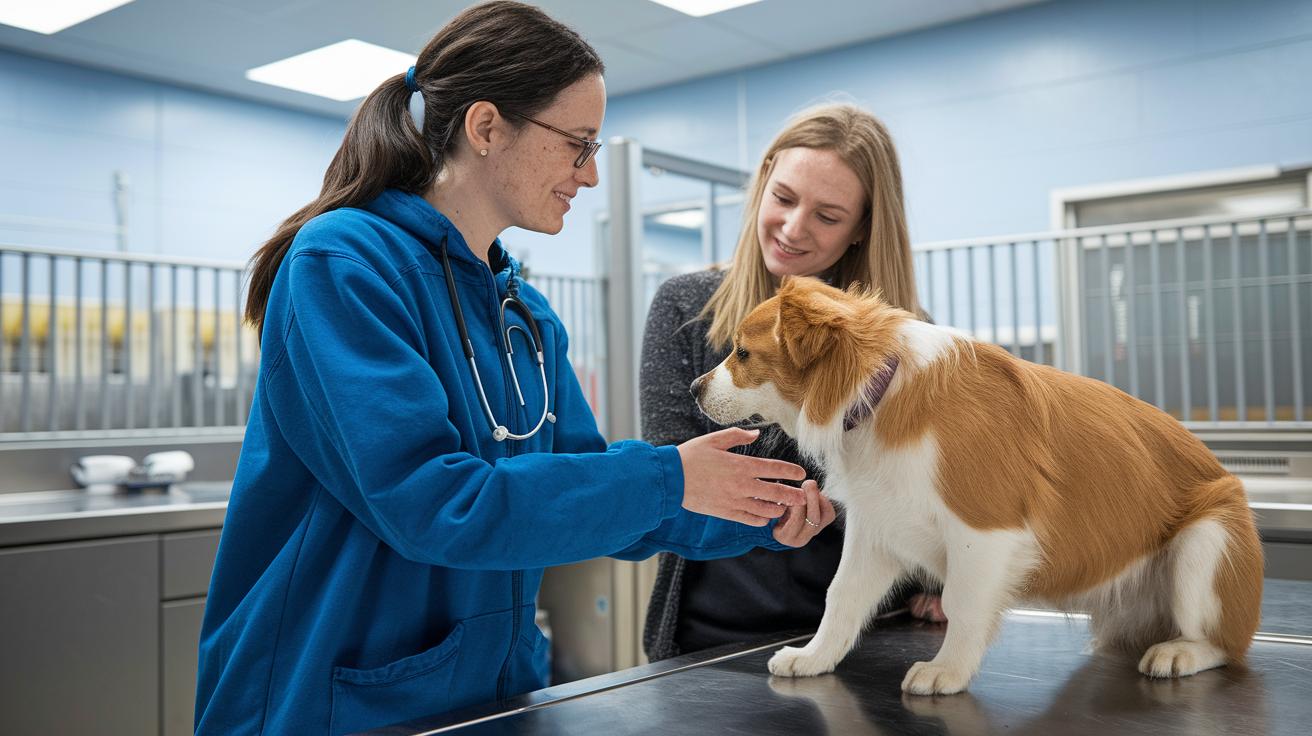
Setting goals for your studies and future career is a lot like planning a fun day out with your pet. It gives you a clear path to becoming a caring, skilled animal doctor. Start by jotting down goals that you can reach soon, maybe finishing a tough course or landing an internship, and those big dreams like getting involved in research or joining animal care groups.
Have you thought about finding a mentor? A good mentor is like a wise friend who’s been there before. They can share personal tips, help refine your study habits, and guide your career plans. It might be fun and helpful to attend local sessions where practicing veterinarians chat about their journeys. For instance:
| What to Do | How It Helps |
|---|---|
| Attend campus talks or small workshops | Learn fresh ideas and practical advice |
| Book one-on-one meetings with faculty mentors | Get tailored guidance just for you |
| Join groups with peers sharing similar career goals | Build a supportive network |
Laying out these plans early can be as rewarding as organizing your pet’s favorite play routine. Plus, you’ll get to local and national conferences where veteran animal care experts share the latest tips and tricks. These gatherings are also a great place to meet new friends and professionals who can widen your network.
Don’t forget to join professional organizations too. They’re like community clubs that help you grow both academically and professionally. Keep an eye on upcoming events and be ready to chat about your love for animals with others who share your passion.
Pre-Veterinary Resources: Workshops, Online Modules, and Study Abroad
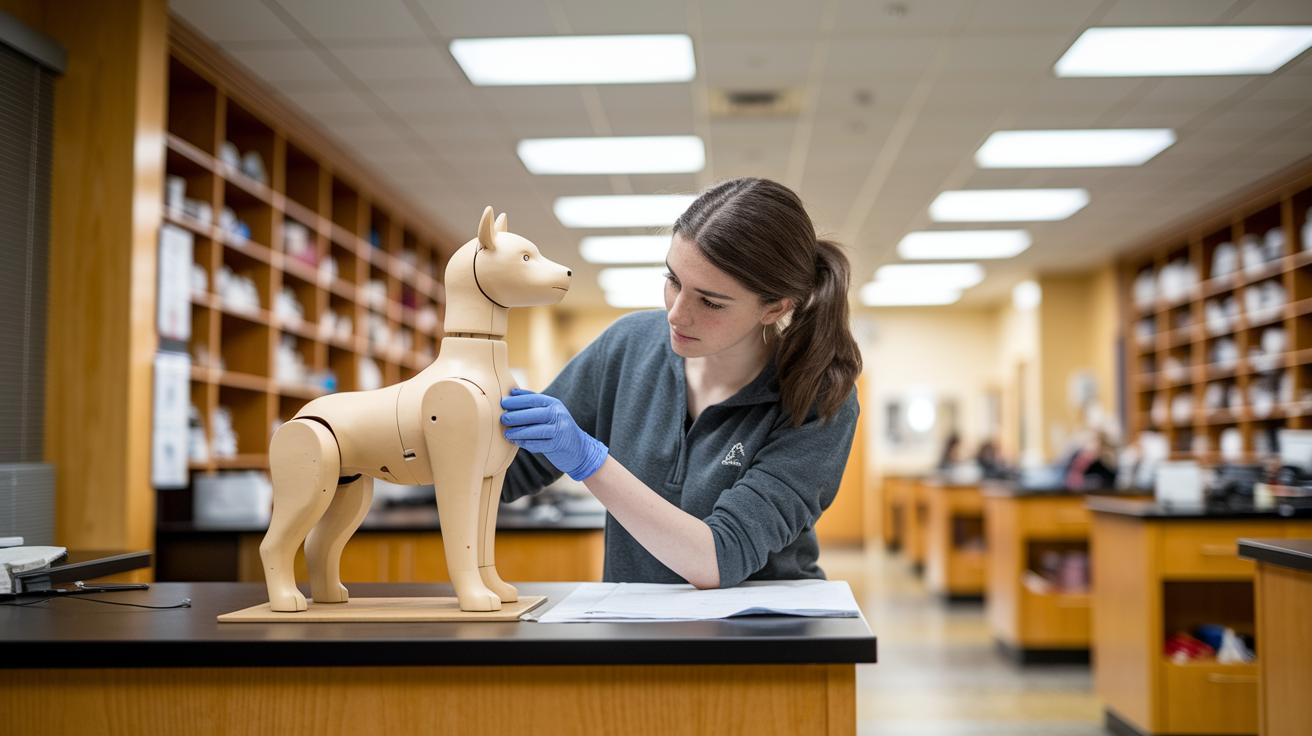
Extra learning choices can really boost your pre-veterinary skills while giving you a hands-on feel for animal care. Summer workshops let you jump right in with real practice and fun simulations. They usually come with friendly fees and might even count for credits on your degree. Imagine attending a session where you learn clinical care techniques by taking part in realistic scenarios.
Online courses, like MOOCs in animal physiology (that’s a free or low-cost online class about how animals work), offer a flexible way to learn. Video demos and fun quizzes bring animal biology to life, making it easy for you to follow along. These distance learning sessions let you set your own pace, so you can study when it fits your busy life. Just be sure to check registration dates because many courses have firm deadlines.
Study abroad programs in animal sciences give you a unique chance to see how animal care works in different parts of the world. When you join an international exchange, you explore diverse care methods and earn credits for your graduation. It’s a good idea to compare costs, factor in travel expenses, and note those important deadlines for applications.
Take time to review each program and mark your calendar for upcoming deadlines. Compare fees and the credit options to pick the best choice for adding to your pet care knowledge and skills.
| Resource | Cost | Credits |
|---|---|---|
| Workshop | $300-$600 | Possible |
| Online Course | Free-$100 | Yes |
| Study Abroad | $1000-$3000 | Varies |
Final Words
In the action, this post breaks down the essentials of a pre-veterinary path, from must-have coursework to hands-on experiences and strong vet school applications. It covers everything from planning your classes to joining clubs and setting future goals.
Each section gives clear steps to help you build a solid foundation fast. The advice here makes it easy to see how your hard work leads to a bright future in pet care. Enjoy putting these tips to work!
FAQ
Q: What is a pre-veterinary program?
A: A pre-veterinary program means you study subjects like biology, chemistry, physics, and mathematics to build a strong base for vet school applications.
Q: Which major is best for pre-vet students?
A: The major best for pre-vet students is often animal science or biology with a pre-vet focus, as they cover essential science courses needed for veterinary studies.
Q: Are there pre-vet programs near me, especially in New York?
A: Pre-vet programs near you include options like Hunter College pre vet and various pre vet colleges in New York, offering practical experience and academic advice on becoming a veterinarian.
Q: How challenging is pre-vet school?
A: Pre-vet school can be challenging due to rigorous science courses and hands-on requirements, but careful course planning and practical experiences make the workload manageable.
Q: Which schools offer strong pre-vet programs?
A: Well-known programs include Stony Brook pre vet, Maryville University, Purdue University, Northwest Missouri State University, Arizona State University Tempe Campus, University of Missouri-St. Louis, and Southern New Hampshire University, each with unique strengths.
Q: What is a pre-vet camp?
A: A pre-vet camp provides intensive, hands-on animal care experiences, giving aspiring veterinarians a chance to work directly with animals to gain practical skills and confidence.
Q: What degree is required to become a veterinarian?
A: The lowest degree you need for a veterinary career starts with a bachelor’s degree in a related field, followed by earning a Doctor of Veterinary Medicine degree for advanced clinical training.