
Ever wonder if your backyard is really safe for your playful pup? A safe space is more than just a fence, it’s a special spot where your dog can run, nap, and feel truly cared for.
In this guide, we look at simple pre-made options and fun DIY projects that help create the perfect space. Whether you choose a ready-to-use kennel or decide to build one yourself, you know you’re giving your furry friend a happy, secure area while you enjoy peace of mind.
Dog Enclosure Options: Pre-Made and DIY Solutions
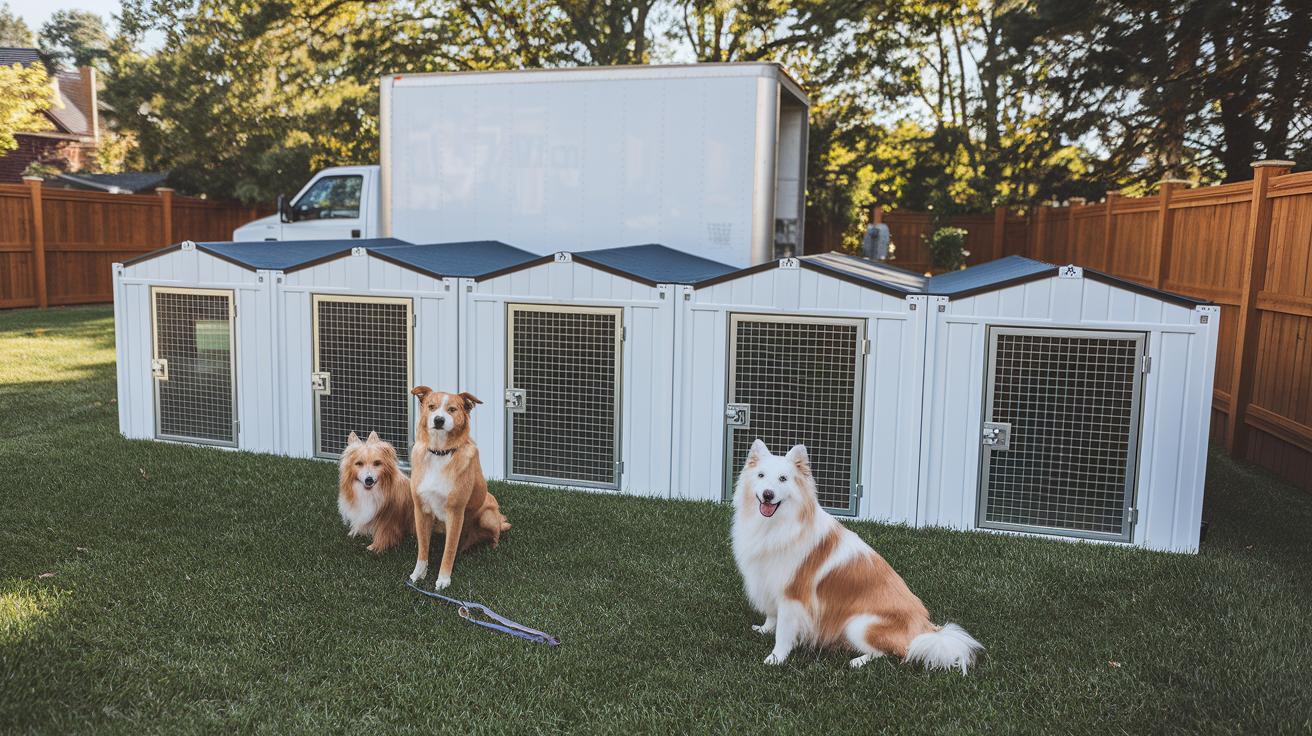
Pre-made dog enclosures give you an easy and trustworthy way to keep your pups safe. They come in different sizes, from a small 4×8 spot to a larger 10×24 area, and each unit fits up to three dogs. These kennels can be arranged in different ways and finished to match your style. Plus, you can even use bitcoin for payment! They are delivered by an F550 truck for structures under 40 feet or by a tractor trailer for ones up to 60 feet. Their simple setup and clear dimensions make them a great pick if you want a secure spot in your backyard.
- Fast shipping on special trucks, so you don’t have to wait long.
- Fixed sizes that make planning your space easier.
- They come with warranties and quality checks that help you feel sure about your purchase.
- Affordable ideas from the community, like using a tin box base to save money.
- Full customization lets you design a portable spot that fits just right.
- A fun, hands-on project that leaves you feeling proud and teaches you new skills.
In truth, whether you choose a pre-made option or build your own depends on what you need. If you like the idea of a ready-to-go solution with steady quality and quick delivery, a pre-built kennel is ideal. But if you enjoy a creative project, want to save a bit more, and build exactly what you imagine, then a DIY dog enclosure plan can be a fun and rewarding project. Either way, you'll end up with a safe place where your dogs can play, relax, and feel right at home.
DIY Dog Enclosure Construction Plans

Starting your DIY dog enclosure project? It all begins with a handy list of tools and supplies. You'll need treated wood for a solid frame, chain-link panels for keeping your dog safe, sturdy gate hardware for secure access, and a simple roof to keep your furry friend comfy. A fun tip is to use a tin box as a ground anchor; it’s a clever trick the community loves.
Before you build, clear and level the area where your enclosure will go. Mark out its shape with a clear size guide and take a quick look for any buried pipes or wires. This not only keeps your workspace safe but helps you get the measurements just right. It’s like setting up a play area for your pup from the very start.
Next, cut and put together your treated wood pieces to form a strong frame. Then, attach your chain-link or metal panels firmly to this structure and install a gate with a latch to keep things secure. Be sure to measure carefully so that everything lines up perfectly and your pet stays safe and happy.
After the framing, it’s time to add the roof. Choose a material like corrugated metal or clear polycarbonate panels, whichever suits your style. Secure them tightly on top and seal all the joints with good quality caulk to keep out wind and rain. This extra step means your dog’s shelter will be cozy, even when the weather turns.
You’ll need basic tools like a saw, drill, level, and hammer, and most of these materials are available at your local hardware store. Expect one day for site preparation, two days for framing and panel installation, and one more day for installing the roof and adding finishing touches. Enjoy the process, and don’t you just love the feeling of creating a safe space for your best friend?
Dog Enclosure Material Comparison: Wood, Metal, and More

When you're setting up a safe spot for your dog, choosing the right material can make all the difference. Pressure-treated wood feels natural and helps keep costs low. Galvanized steel panels are tough and won't rust easily, while PVC panels are lightweight and simple to care for. Recycled plastic composites beat the hassle with almost no upkeep and an eco-friendly twist.
| Material | Durability Rating | Average Cost | Maintenance Level |
|---|---|---|---|
| Wood | Moderate | $5–$8 per linear foot | Moderate |
| Steel | High | $10–$15 each | Low |
| PVC | Moderate | $3–$6 per sq ft | Low |
| Recycled Plastic | High | 20% higher than lumber | Minimal |
Choosing the perfect material really depends on your local weather, your budget, and the look you want. Do you lean towards the warm charm of wood, the rock-solid strength of steel, the lightweight ease of PVC, or the green benefits of recycled plastic? Matching these features with your needs will help you create an enclosure that’s both secure and welcoming for your dog.
Dog Enclosure: Secure Spot for Blissful Dogs

When setting up a home for your furry pal, start by choosing a space that fits your dog’s size. For a small pup, a snug spot of about 4×4 feet is just right. Medium breeds love a 6×8 feet area to roam, while larger dogs usually need an 8×10 feet space at the very least. If your dog is extra big, aim for around 10×12 feet or even more if you can manage it. You might see pre-built enclosures in sizes like 4×8, 6×8, 8×10, 8×12, and beyond. Pick a size that works with your yard and keeps your pet safe and cozy.
It’s not just about the space size, it’s also about the layout. Leave about 3 feet clear around the edges so your dog can move without bumping into walls. A raised area can give your pet a cool spot to chill on sunny days. And if your dog loves to run, include a connected run of at least 10 feet to let them stretch their legs and play. This way, you create a balanced space that meets both resting needs and the joy of active play.
Dog Enclosure Installation and Safety Features

When you're setting up a new dog enclosure, start by getting your space ready. Clear out the area and level the ground where the pen will go. Mark the layout to fit your measurements exactly, this planning step makes sure your build is both stable and secure.
Anchoring and Stability
For anchoring, you have two simple options: concrete footings or drive-in spikes. Concrete footings create a rock-solid base, which is especially handy in chilly areas where you might need an 18-inch depth. If you're working on a smaller project, drive-in spikes work just fine. Just take a moment to level the ground well and double-check that everything lines up with your marks.
Safety Enhancements
Next, boost safety by using heavy-duty gate latches, tops on panels that keep your dog from climbing, and extra-strong corner posts. The pest-proof skirting helps keep unwanted critters out, and quality weather seals around the doors can stop drafts and moisture. You might also add ventilation panels and lockable service doors to give your furry friend even more protection.
It’s wise to do routine checks to catch little issues before they grow. Regularly inspect the anchors and make sure the panels are lining up correctly. Check that gate latches and weather seals are secure, and repair any signs of wear quickly. After each storm, take a quick look at all the connections and securing points. And don’t forget to do a full seasonal inspection to replace any worn parts and ensure all safety features are in tip-top shape.
Dog Enclosure Cost and Pricing Options
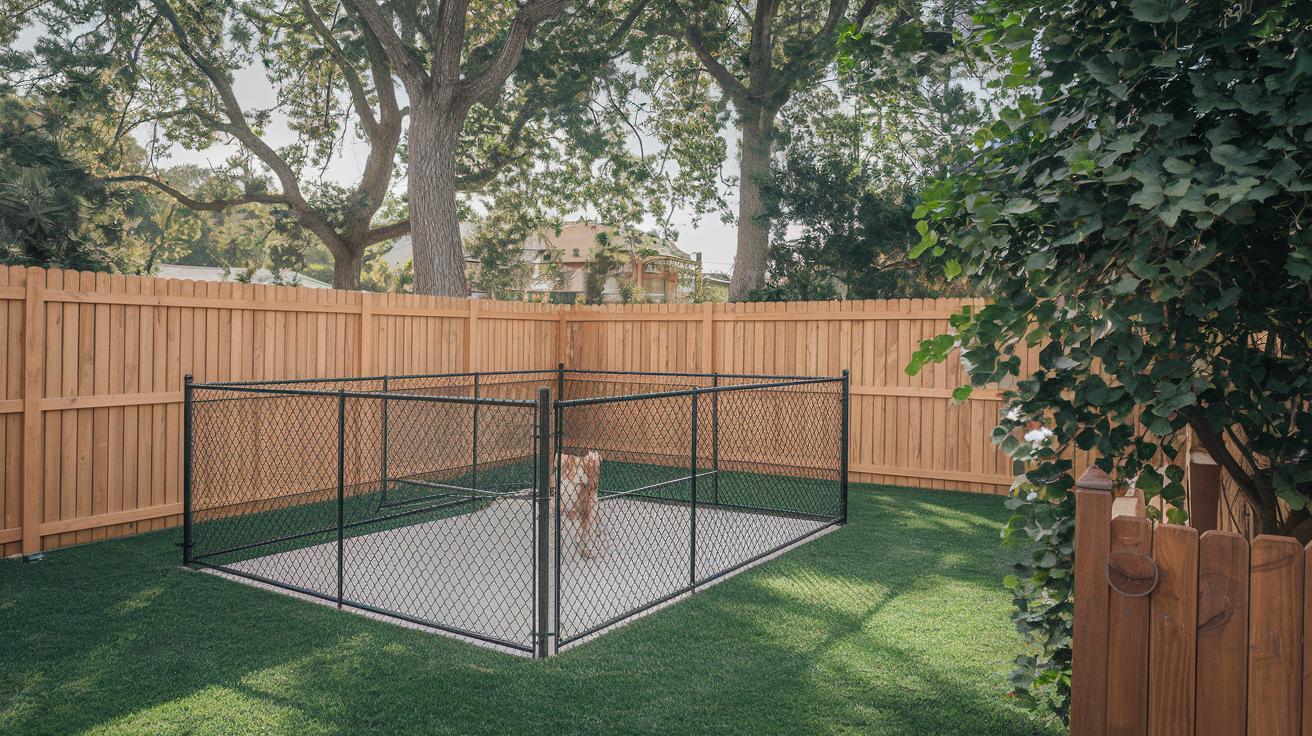
When choosing a dog enclosure, the cost really matters. Ready-made options give you an easy, reliable setup. For example, a basic chain-link kennel that's about 4×8 feet starts at around $300. If you want something fancier, like a 10×24 wooden enclosure, it might run up to about $3,500.
Building your own can be just as fun and lets you control each detail. You might spend around $200–$400 on lumber, another $150–$300 for panels, and about $100–$200 on hardware and roofing. Many pet parents check their local pet supply stores to find the best prices on these items.
| Item | Cost Estimate |
|---|---|
| Pre-made chain-link kennel (4×8 ft) | ~$300 |
| High-end wooden kennel (10×24 ft) | ~$3,500 |
| DIY lumber materials | ~$200–$400 |
| DIY panel costs | ~$150–$300 |
| DIY hardware & roofing | ~$100–$200 |
| Optional upgrades (custom paint, shade roof, insulation kit) | ~$150–$350 |
Your best choice depends on what feels right for you. If you need something quick and trusted, a pre-built option might be best. But if you love getting hands-on and making every detail your own, a DIY project can be really rewarding. Both ways help keep your furry friend safe and happy.
Dog Enclosure Maintenance and Upkeep Tips
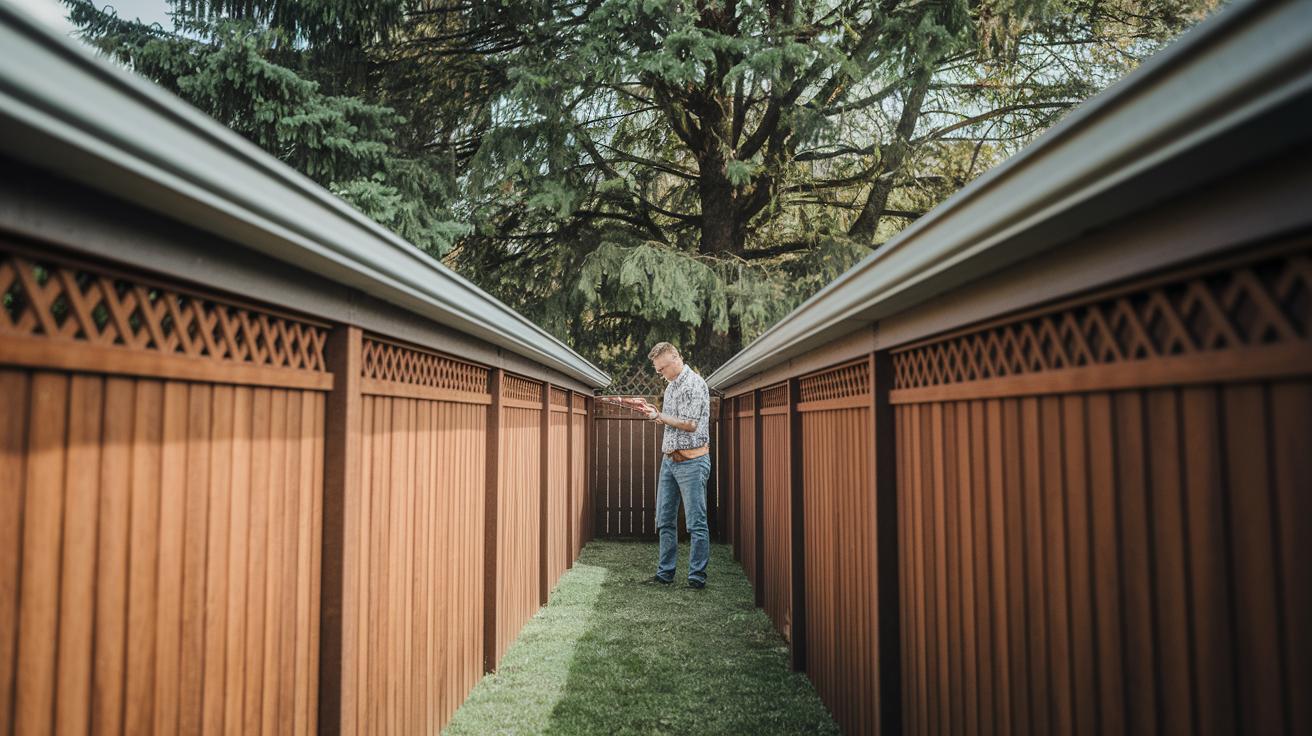
Every month, take a stroll around your dog's play area and check that all latches work smoothly and are well-oiled. Give the chain-link fences a gentle tug to make sure they’re still tight, and keep an eye on any spots where the wood looks worn. This little monthly walk helps you catch tiny issues before they grow into big headaches.
As the seasons change, set aside some time to clear out gutters and roof panels. Removing leaves and dirt stops debris from pooling and causing rust, keeping your dog's area safe and dry. This simple seasonal check keeps the whole structure in good shape, no matter the weather.
If you notice any wear, treat rust spots on metal parts with an inhibitor primer (a special type of paint that stops rust) and swap out any damaged slats or panels right away. Keeping a small repair kit around, from sealants to spare panels (find these at your local pet supply store), makes it super easy to fix problems quickly and keep your enclosure in tip-top shape.
Final Words
In the action, you explored pre-made and DIY options, learned about building plans and material choices, checked out size and layout guides, and discovered installation, cost, and upkeep tips. Each section offered clear steps and practical ideas to help you build the perfect safe, fun space for your pet. Use these insights as a roadmap to create a secure dog enclosure that meets your pet’s needs and enhances its well-being. Enjoy putting these plans into practice and watching your furry friend thrive.
FAQ
What defines an outdoor dog enclosure and heavy-duty kennel options?
An outdoor dog enclosure and heavy-duty kennel offer secure, sheltered spaces with features like roofs, floors, and runs. They come in various sizes, including options from retailers such as Lowe’s, to suit different dog needs.
What do dog enclosure kits and indoor dog enclosures offer?
Dog enclosure kits and indoor options provide ready-made or DIY plans with pre-measured parts and design ideas that let you create a safe, customized space for your dog right at home.
What does the 3 3 3 rule for dog training mean?
The 3 3 3 rule in dog training usually means holding three short training sessions daily, each lasting three minutes, and focusing on three key commands to build consistency and focus.
What is the idea behind the 7 second and 7 7 7 rules for dogs?
The 7 second and 7 7 7 rules advise pausing for about seven seconds before rewarding a dog and structuring training with seven repetitions or elements to reinforce good behaviors effectively.
Is it cruel to leave a dog in a cage?
Leaving a dog in a spacious, comfortable cage for short periods, with proper care and breaks, is generally safe, though extended confinement without interaction can be stressful for your pet.