
Ever wonder if working in pet care could be more exciting than just the usual day-to-day tasks? A pet care career lets you explore specialties like emergency care and diagnostic imaging (taking detailed pictures inside a pet to see what’s wrong).
Experts say these sorts of roles could grow by nearly 20% over the next decade. That means more chances to work side-by-side with veterinarians and make a real difference when a pet really needs help.
If you’re looking to mix heart and skill and want to see those happy purrs and wagging tails even more often, a career as a veterinary technician might be just the thing for you.
Veterinary Technician Specialties: Overview of In-Demand Roles and Growth

Veterinary technician careers are booming. The Bureau of Labor Statistics says these jobs will grow by 19% from 2023 to 2033, adding about 24,300 new positions. This surge comes as more pet lovers look for skilled helpers to work closely with veterinarians, whether at animal hospitals or small clinics. New technicians can expect to earn between $40,000 and $60,000 a year, pretty appealing for anyone just starting out.
NAVTA has identified 16 unique specialties that cover many areas of pet care. Think about working in emergency care when a pet really needs help, or in diagnostic imaging where you help capture x-rays and MRIs (advanced pictures of a pet’s insides). You might find yourself assisting in the operating room or caring for animals used in research labs. Each field brings its own challenges and rewards, giving you many ways to share your love for animals every day.
| Specialty | Description | Projected Growth (2023–33) | Entry-Level Salary |
|---|---|---|---|
| Emergency & Critical Care | Helps with urgent and life-threatening cases | High | $40,000–$60,000 |
| Anesthesia & Analgesia | Manages sedation and pain relief for pets | High | $40,000–$60,000 |
| Diagnostic Imaging | Operates x-rays, CT scans, MRIs, and more | High | $40,000–$60,000 |
| Surgical Assistance | Supports the team during surgeries | High | $40,000–$60,000 |
| Clinical Practice | Works directly with patients in day-to-day care | High | $40,000–$60,000 |
| Laboratory Animal | Takes care of animals in research settings | High | $40,000–$60,000 |
The growing need for these skilled technicians means lots of career opportunities. If you’re passionate about animal care and ready to put in hands-on work, any of these specialties can lead to a rewarding job that balances your love for animals with financial security. Ever notice how a gentle paw tap or a happy wag can brighten your day? That’s the kind of joy these careers promise.
Educational Pathways for Veterinary Technician Specialties

For many aspiring veterinary techs, the journey starts with a two-year associate degree from an AVMA-accredited program (AVMA stands for American Veterinary Medical Association). In these programs, you mix classroom lessons with hands-on lab work to learn the basics of caring for animals. For instance, one class might show you how to calculate a pet’s nutrient needs, kind of like mixing the right ingredients for your favorite family recipe.
Some paths require a little extra schooling. Earning a four-year bachelor’s degree or an advanced certificate can give you that extra boost. These options dive deeper into specialized topics and offer more chances to practice in real clinical settings. It’s a bit like moving from beginner tutorials to advanced workshops.
There are also many accredited online and distance-learning programs that let you study from home. Whether you’re in New Hampshire, New Jersey, New Mexico, New York, North Carolina, North Dakota, Rhode Island, South Carolina, South Dakota, Washington, DC, or West Virginia, you can find a course that fits your busy pet-loving life. This flexibility helps you keep up with your studies while still making time for your furry friends.
Certification Requirements across Veterinary Technician Specialties

If you're thinking about becoming a Veterinary Technician Specialist, here's what you need to know. First off, you have to hold a veterinary technician license and work in the field for at least three years. During this time, you must complete around 1,000 hours of supervised practice, kind of like keeping a diary of your daily pet care routines. Plus, you'll need to record detailed case logs and reports to show you’ve been practicing well.
NAVTA Credentialing Exams
Next, you’ll have to pass the NAVTA exams. These tests check both your hands-on skills and your knowledge. They’re designed to see how well you can apply real-life techniques in your work with animals. The exam formats and fee schedules are updated regularly, so it helps to keep an eye on those details.
Specialty Academy Prerequisites
Before you can take these tests, you need to meet some extra requirements from your specialty academy. This means gathering records of your work hours, submitting detailed case reports about your experiences, and usually providing reference letters from supervisors who can attest to your skills. This extra paperwork shows your deep commitment to animal care and your technical abilities.
Continuing Education and Recertification
Even after you become certified, your learning journey continues. You’ll need to earn ongoing education credits to keep your certification up to date. This process can involve completing specific credit hours, going through scheduled reviews, and sometimes even retaking parts of the exam if the guidelines change. All of this helps ensure you’re always ready to provide the best care for our animal friends.
Veterinary Technician Specialties: Thriving Career Options

Veterinary technician jobs can offer a range of salaries that depend a lot on your experience and where you work. If you're just starting out, you might earn between $40,000 and $60,000. With a bit more experience or extra skills, you could see your salary bump up to between $50,000 and $70,000. And if you’re a senior technician or have a special focus, salaries might reach from $70,000 to $90,000. It’s pretty neat to see how the numbers grow as you build your career.
Where you work really matters too. In places like the Northeast or on the West Coast, where living expenses are higher and competition is stiffer, wages tend to be on the higher side. But even rural areas or spots where there aren’t many technicians might offer extra incentives, such as bonus pay, to lure in skilled workers.
| Region | Average Salary |
|---|---|
| Northeast | $55,000 |
| Midwest | $50,000 |
| South | $48,000 |
| West | $60,000 |
These differences in pay can come from local job demand, how much it costs to live in an area, and the type of clinic or hospital where you work. In high-cost areas, clinics might pay more so your salary keeps up with expenses. On the other hand, smaller towns may offer extra bonuses to balance out a lower base pay. So, when you’re planning your career, it’s smart to check out the local market conditions firsthand.
Top Veterinary Technician Specialties Explained
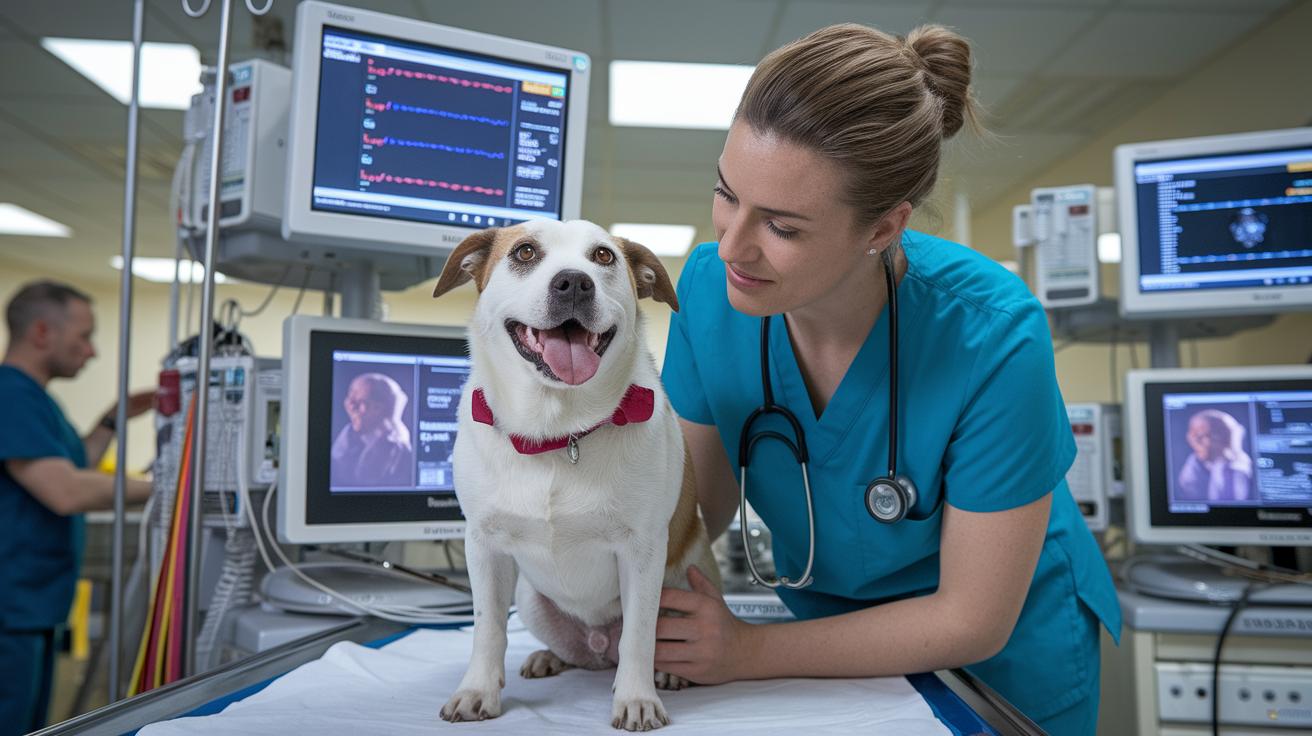
Veterinary Technician Specialists are experts who work in a bunch of different areas, all while showing a deep love for animal care. They support veterinarians in busy settings, whether it's rushing to help in an emergency or planning the perfect diet for a furry friend.
Emergency & Critical Care
These specialists jump into action when a pet faces a life-threatening moment. They quickly check vital signs and give the right treatments to keep pets safe. It’s a bit like a fast, caring response when your buddy really needs help.
Anesthesia & Analgesia
Here, the focus is on keeping pets comfortable before, during, and after surgery. These team members use safe sedation techniques and closely watch a pet’s heartbeat and breathing. Their careful work helps pets stay relaxed and secure every step of the way.
Diagnostic Imaging
These technicians work with cool machines like x-rays, CT scans, and MRIs (big machines that take detailed pictures of what’s inside an animal). By capturing clear images, they help veterinarians understand what’s going on with a pet’s health so they can plan the right treatment.
Surgical Assistance
In the operating room, these specialists make sure everything is set up perfectly. They prepare a clean, sterile area, handle tools, and assist during unexpected moments in surgery. Their supportive work helps keep the whole process smooth and safe for the pet.
Nutrition and Dietetics
These pros craft meal plans designed to meet each pet’s special needs. Whether in a clinic or a research lab, they blend scientific know-how with a heartfelt care for animals. Their guidance on balanced diets helps pets regain strength and stay healthy.
Choosing the Right Veterinary Technician Specialty
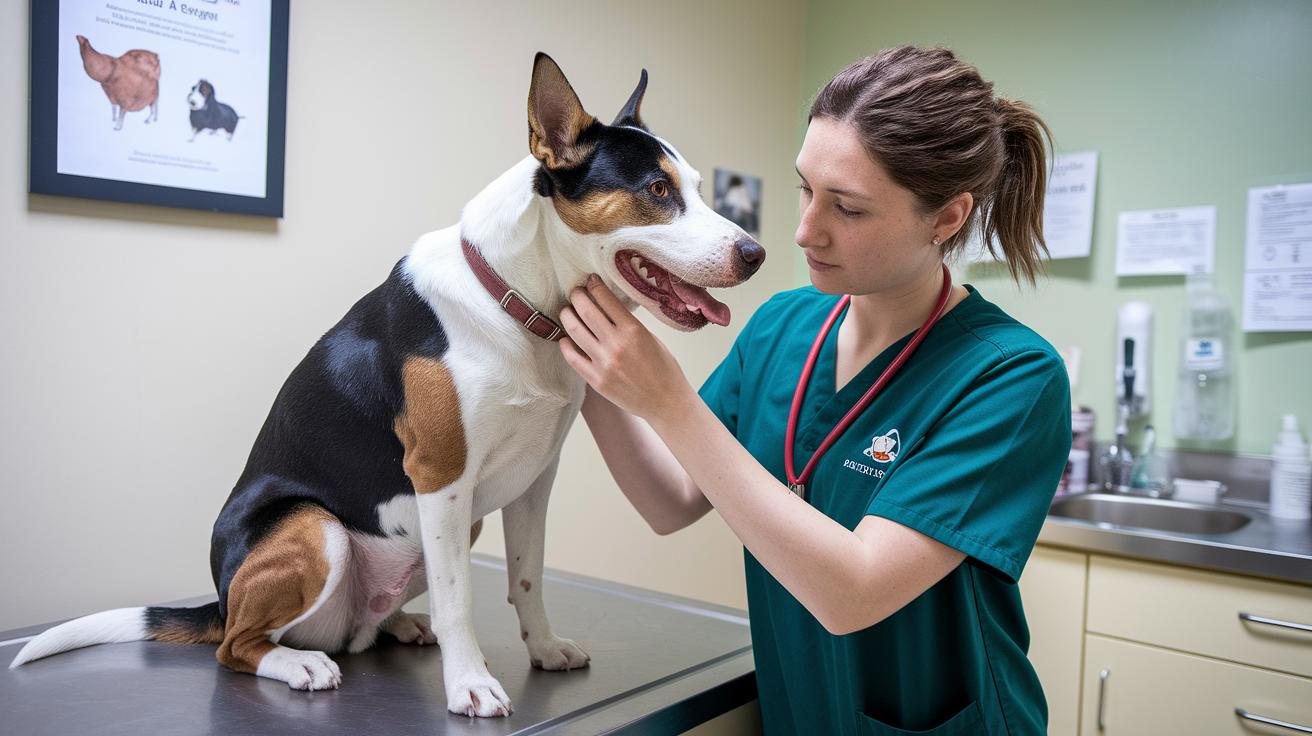
When picking a specialty, start by thinking about what you love. Maybe you enjoy caring for certain animals or you thrive in busy, hands-on environments. If playful pups get your tail wagging, you might want to work in clinical practice. But if you prefer staying behind the scenes, diagnostic imaging could be the perfect fit. Consider whether you enjoy routine care or the fast pace of emergencies and let that guide your choice.
Also, check what your local community needs and how these roles might grow in the future. It helps to look up salary ranges and what kind of training each specialty requires. Some paths might need a shorter study period and cost less to get started. Others may demand more certification and hands-on practice. Weighing these details alongside your financial goals and career timeline is a smart way to chart your path in advanced animal health work.
Connecting with experienced professionals can make a big difference, too. Try joining specialty associations where you can talk to folks who have been in the field. They often share useful tips and advice for those interested in caring for cats, dogs, and other animals. This kind of support can boost your confidence and help you make a well-informed decision about your veterinary technician specialty.
Future Trends and Professional Development in Vet Tech Specialties

Veterinary tech jobs are changing fast. New roles in bird care and marine & aquatic work are catching on, with special groups offering a lot of support. There’s a growing focus on physical rehab and behavior specialties, where techs help our pets bounce back and feel better. Many clinics are now using telemedicine and artificial intelligence (tools that quickly sort through health info) to speed up the diagnosis. These smart tech changes mean plenty of opportunities for techs, with job numbers expected to climb by about 19% over the next ten years.
At the same time, fresh ways to learn are shaking up how techs keep their skills up to date. Interactive simulation modules give hands-on training in advanced clinical skills, so professionals can safely practice in a virtual setting. This new approach not only builds up confidence but also makes day-to-day pet care even better by mixing in the latest tools.
Switching to simulation-based learning is a smart way to keep skills sharp and move ahead in this fast-evolving field.
Final Words
In the action, this article shared a quick snapshot of veterinary technician specialties, from exciting growth stats and distinct specializations to practical education paths and clear certification steps. We broke down salary variations, compared in-demand roles, and offered insight into modern pet care strategies. These insights make it easier to consider career shifts or advancement, showing that every pet professional has exciting options ahead. Embrace this helpful guide, and feel confident navigating your next step in the world of veterinary technician specialties.
FAQ
What is vet tech specialties salary?
The vet tech specialties salary typically starts around $40,000 for entry-level roles and can reach up to $90,000 for experienced professionals in high-demand fields like emergency care.
What is the highest paying veterinary tech specialty?
The highest paying specialties are usually in emergency and critical care or anesthesia, where the advanced skills needed lead to higher pay due to the intensity and demands of the role.
What kind of jobs do veterinary technician specialties offer?
Veterinary technician specialties offer roles in diagnostic imaging, surgical assistance, clinical practice, and more, allowing techs to work within a focused field that matches their skills and interests.
What veterinary technician specialties programs are available?
Veterinary tech programs include accredited associate degrees and bachelor’s pathways that prepare you for specialties such as diagnostic imaging or anesthesia with hands-on training and targeted coursework.
What does Veterinary Technician Specialist certification involve?
The certification involves holding a current license, completing at least three years of specialty practice with over 1,000 supervised hours, maintaining detailed case logs, and passing a specialized exam.
How can someone become a veterinary technician specialist?
To become a specialist, complete an AVMA-accredited program, gain practical field experience, obtain the necessary certification, and commit to ongoing education in your chosen specialty.
What is the Academy of Veterinary Technicians in Diagnostic Imaging?
This academy supports vet techs who specialize in diagnostic imaging by providing targeted training, resources, and certification standards, helping professionals stay current in their field.
What is the Academy of Veterinary Zoological Medicine Technicians?
The academy is a group dedicated to vet techs focusing on zoological medicine, offering training, certification guidelines, and networking opportunities for those who work with exotic and wild animals.
In what areas can veterinary technicians specialize?
Veterinary technicians can specialize in fields such as emergency care, anesthesia, diagnostic imaging, surgical assistance, nutrition, and laboratory animal care, among others recognized in the industry.
Can a vet tech earn a six-figure salary?
While entry-level salaries start lower, experienced vet techs in specialized roles, particularly in high-demand regions, can earn six figures through advanced certification and skill development.