
Ever think that the way we care for our pets now might spark tomorrow’s big health breakthroughs? At Cornell’s College of Veterinary Medicine, friendly experts study all kinds of animals, from tiny pets to big horses. They use cool tools like genomics (the study of genes) and smart computer programs that work a bit like human thinking.
In busy labs, scientists team up to test ideas that might change the way we look after both animals and our own health. This article shows how veterinary research is laying the groundwork for safer, healthier communities for everyone.
Veterinary Research Foundations: Academic Framework and Scope
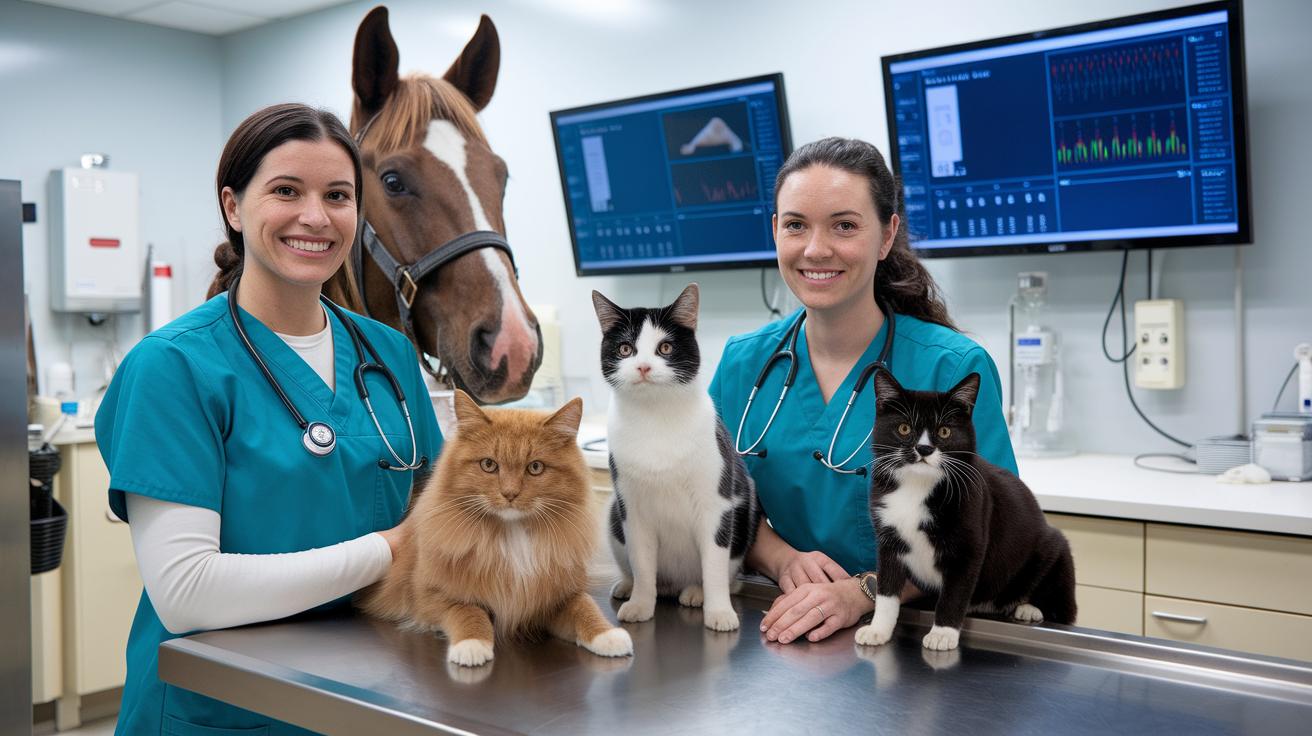
At Cornell’s College of Veterinary Medicine in Ithaca, NY, caring for pets is serious business. They look after many animals, cats, dogs, exotics, wildlife, horses, and farm animals, from a 30-mile area. This mix of animals gives researchers a real chance to study animal health, public health, cancer, and infections. They even use recent tools like genomics (the study of genes) and artificial intelligence (computer programs that mimic human thinking) to solve tricky health puzzles.
Key research centers, like the Animal Health Diagnostic Center and the New York State Veterinary Diagnostic Laboratory, form the heart of these studies. These labs do both testing and research, offering a friendly space for experts to run tests and gather clear data. They stick to strict rules and follow detailed steps in every experiment. So, whether it’s about isolating a germ or checking out a new treatment, every test stays precise and safe.
Teamwork is a big deal here, too. Scientists, vets, and technicians work side by side, sharing ideas and methods to make pet care even better. They often go over past research very carefully to build a complete picture of what we already know. This way of working together means every piece of research helps us learn more about animal and public health.
Breakthroughs in Veterinary Science: Genomic and Diagnostic Innovations

Genomic and molecular tests are changing pet care by letting scientists see illnesses at a very small scale. These new methods help spot troubles early so that treatment can begin sooner, much like noticing a slight change in your pet’s behavior and checking it out right away.
Molecular testing tools are advancing rapidly. For instance, CRISPR-based tests (a way to quickly check genetic material) find disease-causing bugs almost instantly. There’s even a special lab, supported by an NSF grant, that uses smart computer programs (AI, which means computers that can think through data) to analyze pet genetics. This progress makes difficult lab work simpler and more dependable.
| Innovation | Description |
|---|---|
| CRISPR diagnostics | A fast test that catches germs almost immediately. |
| AI-driven genomics | Smart software that digs through genetic data with ease. |
| High-throughput sequencing | A method to quickly read the complete genetic code of pets. |
| Immunoassay refinements | More precise tests to find signs of infection. |
| Targeted therapy development | Creating treatments that focus on specific pet health issues. |
This progress means that detecting diseases early is much easier now. With these refined tests, potential health issues are caught quickly, so vets can act fast, keeping our pets vibrant and joyful every day.
Veterinary Clinical Trial Innovations: Design and Efficacy Evaluations

Veterinary clinical trials enjoy well-organized setups that blend creative design with a strong commitment to doing things the right way. The Blue Buffalo Clinical Trials Office takes care of everything from planning and budgeting to managing tricky rules, ensuring that every trial stays safe, fair, and produces trustworthy results.
Early studies, like the ones led by Dr. Autumn Harris, have already shown promising signs of treatment effectiveness. And antimicrobial stewardship programs add extra value by guiding trial designs that prevent medicine overuse and help keep resistance risks in check.
Today’s trial methods focus on clear, simple steps that boost treatment effectiveness and make the results repeatable. Check out these six key best practices:
- Protocol standardization – setting clear, consistent steps so everything is done the same way.
- Welfare monitoring – keeping a close eye on the well-being of animal participants.
- Data management – organizing, storing, and analyzing results in an easy-to-understand way.
- Regulatory alignment – meeting all legal and ethical guidelines without cutting corners.
- Budgeting strategies – planning financial resources smartly to support strong research.
- Endpoints selection – picking clear, measurable outcomes that show what the study needs to prove.
By using these practices, trials run more smoothly and produce solid data that lays the groundwork for future research. These thoughtful methods help improve tests for drugs, stem cell treatments, vaccines, and pain management strategies, ultimately supporting better health for our cherished animal friends.
Comparative and Epidemiological Veterinary Studies: Patterns and Surveillance

Scientists study diseases by comparing how they appear in different animals, much like putting together a fun puzzle where every pet offers unique clues. They gather details from vet checkups, lab tests, and observations in nature to create a full picture of each animal's health.
They also count how often certain germs show up in animals. For example, the Animal Influenza Ecology and Epidemiology Research Program watches for germ trends over long periods. And the Infectious Diseases Molecular Epidemiology Laboratory looks closely at germs found in food and hospitals, checking how these bugs learn to beat medicines. When an outbreak happens, researchers follow step-by-step plans to quickly find where the germs are coming from and note how they spread differently in various species.
All this careful work helps shape easy-to-follow advice that keeps both our furry friends and us safe. By joining information from many studies, scientists suggest smart steps to stop infections, making their recommendations clear and helpful for everyone who cares for pets.
Advanced Laboratory Techniques and Data Analytics in Veterinary Research

Modern lab machines have really changed how we take care of our pets. In places like the Animal Health Diagnostic Center and the New York State Veterinary Diagnostic Lab, tests using advanced molecular methods and techniques to isolate germs are a normal part of the process. These labs can quickly check many samples and give us key clues about our pet’s health. Imagine being able to spot a tiny germ almost as soon as you notice your pet acting a bit differently.
Automation helps make these tests run smoothly. Automated systems handle many of the routine tasks behind the scenes, which cuts down on mistakes and speeds up the way results are shared. Shared lab spaces even let experts use next-generation sequencing (determining the order of genetic material) and proteomic fingerprinting (mapping out proteins) to get a closer look at the details of genes and proteins. It feels like the lab is performing a well-practiced routine where every step plays an important part.
Big data analytics add another helpful layer to this work. By looking at huge amounts of lab data, smart tools pick up on patterns that might otherwise go unnoticed and come up with fresh ideas for treatments. These tools help find connections between tiny genetic markers and disease traits, allowing researchers to test their ideas quickly. Thanks to this approach, problems can be spotted faster and new solutions can be found.
Veterinary Research Training and Professional Development Pathways

Graduate and DVM research programs help drive better pet care by keeping us up-to-date with the latest discoveries. Programs like Comparative Biomedical Sciences M.S. and Ph.D. mix classroom learning with hands-on lab work, much like a pet owner learning by watching a playful pup explore. Eleven DVM students have already shown us the value of practical training through the Linda F. Hayward Florida Veterinary Scholars Program and VEM 5991. Their experiences remind us that mixing real-life skills with study makes all the difference.
Degree Programs and Curriculum
The master’s and doctoral tracks, plus extra research options within the DVM curriculum, offer a blend of class lessons and lab adventures. Students learn methods for experiments, pick up on problem-solving skills, and practice ethical research (meaning they treat every pet with care). This mix of everyday subjects with special research projects helps keep pet care experts ready for the unexpected. In short, this balanced approach builds strong knowledge and practical skills that work well in busy, changing environments.
Funding and Mentorship
There’s plenty of help available to fuel these big dreams. For example, the UF CVM Competitive Block Grant Awards support new PhD students for the 2026–2027 cycle, making it easier for them to dive into research. Online portals make even the grant application process clear and straightforward. Plus, mentorship networks connect students with seasoned professionals who lead workshops and training sessions. These programs boost confidence and sharpen skills, much like a caring pet trainer lifts both the pet’s and owner’s spirits.
Collaborative Networks and One Health Partnerships in Veterinary Research
One Health is all about understanding that the well-being of our pets, our families, and our planet is one big, connected circle. Experts from around the globe join forces, sharing insights just like friends chatting while walking their dogs. Imagine a scientist in one country passing on weather details to a peer overseas, each learning how local conditions affect pet health. This friendly sharing speeds up finding solutions that work on many levels.
Key programs focus on infectious diseases, cancer research, and muscle and nerve studies. They mix hands-on care with laboratory work in a way that feels like pet lovers gathering to swap tips. Each project thrives on a spirit of teamwork that makes sharing ideas and boosting pet well-being a natural part of the process.
Experts also keep a close eye on national policies and local ecosystems to guide future research. By checking on rules and watching over environmental health, they set clear goals for what needs more attention, much like keeping an eye on your pet’s routine to catch any issues early. This blend of local observation and global standards ensures that our pets, families, and nature all benefit together.
Final Words
In the action, this article took you through academic foundations, breakthroughs in diagnostics, modern trial methods, comparative studies, advanced lab techniques, education paths, and global pet care collaborations. Each section gave a closer look at how detailed steps and practical examples uplift pet health.
These insights tie together robust, AI-powered veterinary research and everyday pet care tips. Enjoy the fresh take on improving well-being while feeling confident in making smart choices for your pet's care.
FAQ
What does the Veterinary Research Impact Factor indicate?
The Veterinary Research Impact Factor indicates how often a journal’s articles are cited, helping researchers gauge the influence and quality of published findings in animal health studies.
What are veterinary research opportunities?
Veterinary research opportunities include study and work roles in animal health studies. They range from lab experiments to field studies that advance our understanding of diseases and treatments.
What is the Veterinary Research journal?
The Veterinary Research journal is a publication that shares peer-reviewed studies in animal health science. It covers diagnostics, treatment methods, and prevention strategies to improve care.
What is BMC Veterinary Research?
BMC Veterinary Research is an open-access publication that shares scientific studies on animal diseases and treatment breakthroughs, connecting researchers worldwide with valuable findings.
What does the BMC Veterinary Research Impact Factor reflect?
The BMC Veterinary Research Impact Factor reflects how frequently articles in the journal are cited. It offers researchers insight into the quality and reach of the studies published.
What are veterinary research articles about?
Veterinary research articles report on studies covering genetics, disease control, clinical trials, and other topics. They provide new insights that help improve animal care practices.
What can I expect from a veterinary research salary?
A veterinary research salary is competitive and varies with education, experience, and position. Professionals use their skills to advance animal health, contributing valuable research findings.
What topics are covered in veterinary research?
Veterinary research topics range from genetic studies and disease control to clinical trial innovations. These studies drive improvements in diagnostics, treatments, and overall animal care.
What does a veterinary researcher do?
A veterinary researcher designs and conducts experiments to study animal health, diseases, and treatments. They gather and analyze data to develop new diagnostic methods and therapies.
What is veterinary research?
Veterinary research involves studying animal health, diseases, and treatments using scientific methods. It answers important questions that help improve care for our animal friends.
How do I go into veterinary research?
To enter veterinary research, pursue veterinary education, gain hands-on experience with research projects, and consider advanced degrees or specialized programs in animal health science.
What are the different types of veterinary research?
Different types of veterinary research include laboratory experiments, clinical trials, epidemiological studies, and comparative studies across species, each offering unique insights into animal health.