
Have you ever wondered why some vets seem to work magic with your pet? They start with a basic degree and then get extra hands-on training in areas like x-ray work (radiology), surgeries, and nutrition. Every vet builds on a solid foundation, polishing their skills through internships and residencies. This post shows how 41 different specialties come together like pieces of a puzzle to offer each pet precise and heartfelt care. Dive in and discover how these skills make a real difference in your furry friend's health.
Comprehensive Overview of Veterinary Specialties
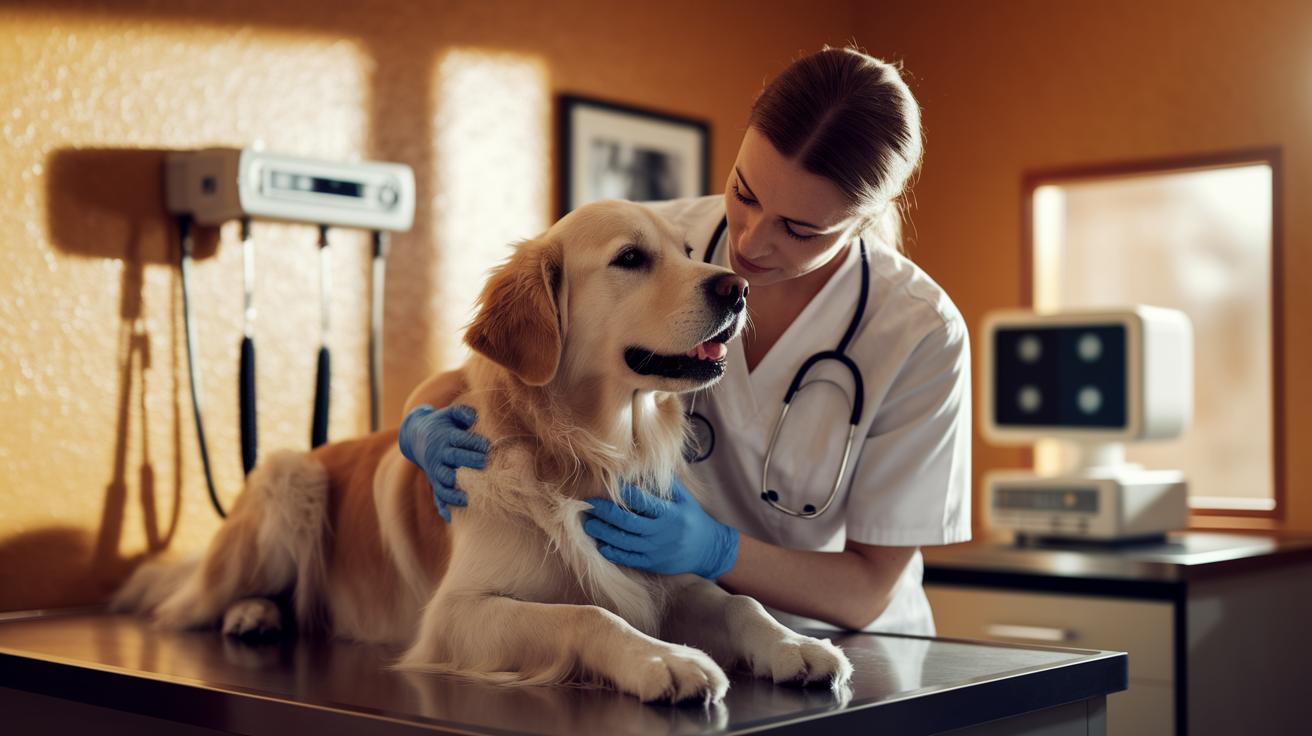
Veterinary medicine offers 41 unique specialties spread across 22 different organizations. Every veterinarian starts with a basic DVM degree and then gears up with a one-year internship and a two- to three-year residency. This extra training helps them become really skilled at meeting the many different health needs of our pets.
These specialties cover a broad range of care. Some are all about diagnosis, like radiology (using X-rays and similar tools to see inside the body) and pathology (studying disease). Others focus on treatment, with experts in surgery, cancer care, and more. There are also areas dedicated to preventive care, things like helping pets eat right and stay healthy, and even specialties for treating exotic or wild animals.
- Anesthesia and pain management
- Dentistry
- Skin care (Dermatology)
- Emergency and Critical Care
- Internal Medicine
- Medical imaging (Radiology)
- Surgery (both bone and soft tissue)
- Cancer care (Oncology)
- Nutrition and Preventive Medicine
- Exotic and Wildlife Medicine
For pet families, this wide range of specialties means that every pet can receive care that fits its unique needs, from routine visits to more complex treatments. For professionals, specializing opens the door to focused practices, research, and even teaching roles. With all this dedicated, hands-on training, veterinarians can deliver care that feels both expert and heartfelt, ensuring our furry friends get the very best support throughout their lives.
Veterinary Specialty Certification and Training Requirements
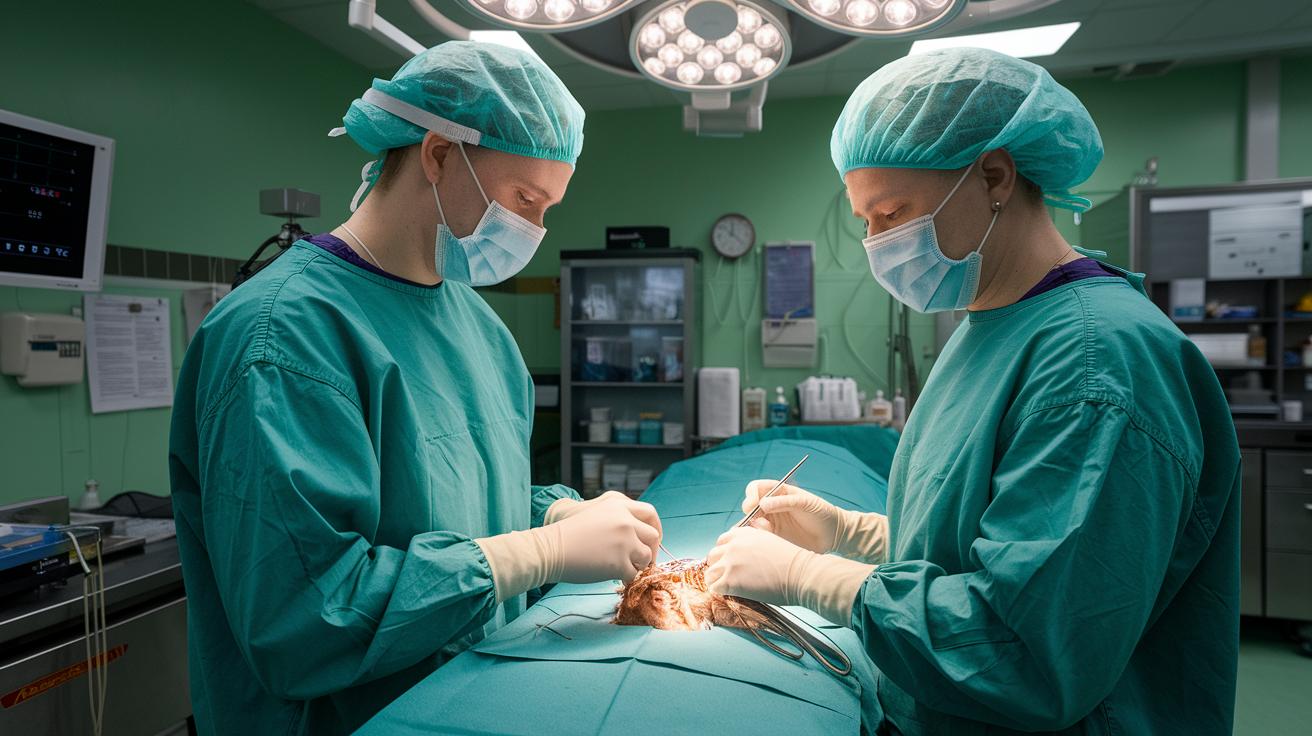
After earning a DVM, veterinarians start a challenging journey that includes a one-year rotating internship followed by a two- to three-year residency in the specialty they choose. This hands-on training helps them build solid skills to care for your pets. They learn by working side-by-side with experienced specialists, practicing real-world techniques, and understanding the theory behind every treatment. And to prove their expertise, they pass tough board exams from bodies like the American College of Veterinary Surgeons, American College of Veterinary Radiologists, American College of Veterinary Dermatology, American Veterinary Dental College, and American College of Veterinary Internal Medicine.
| Specialty | Certifying Board | Training Duration |
|---|---|---|
| Surgery | ACVS | 2-3 years |
| Radiology | ACVR | 2-3 years |
| Dermatology | ACVD | 2-3 years |
| Dentistry | AVDC | 2-3 years |
| Internal Medicine | ACVIM | 2-3 years |
| Emergency and Critical Care | ACVECC | 2-3 years |
Board exams require vets to show both a deep understanding of pet care theory and strong hands-on skills with real case studies and practical tasks. They need to nail these rigorous exams, which test everything from careful surgical work to thorough diagnostic procedures. Plus, learning doesn’t stop there. Many specialists join regular workshops, seminars, and hands-on training sessions to update their skills and explore new treatments and technology. This dedication to continuous learning helps board-certified veterinarians stay current and ensures they provide the most effective and caring treatment for your beloved pets.
In-Depth Look at Clinical Veterinary Specialties
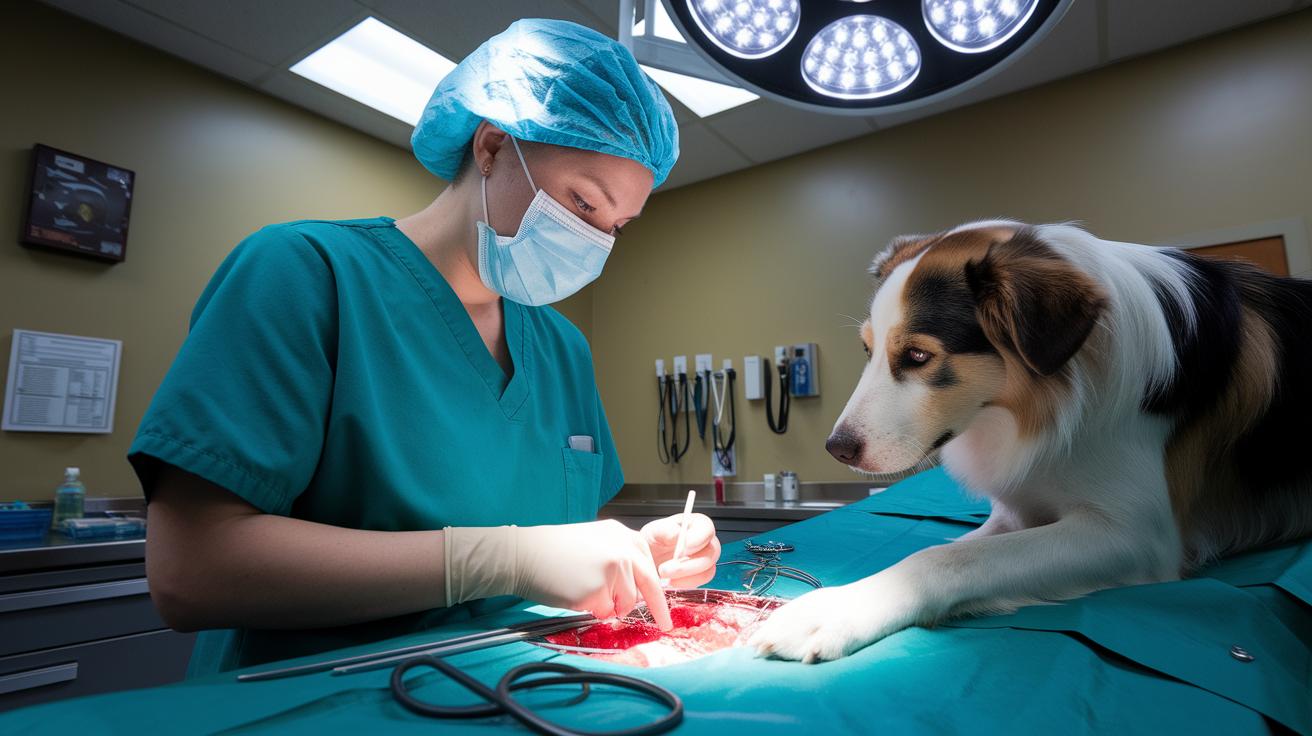
Veterinary surgeons certified by ACVS are true lifesavers for our pets. They use up-to-date surgical tools and careful techniques to fix broken bones or torn ligaments. Imagine a gentle doctor carefully realigning a broken limb so your furry friend can be playful again.
Veterinary dermatologists, recognized by ACVD, are the experts when it comes to pet skin. They treat allergies, infections, and other skin problems. You might picture a calm exam room where a caring specialist soothes your pet’s itchy or red skin with a gentle touch.
Veterinary oncologists under ACVIM Oncology focus on fighting cancer with treatments like chemotherapy, radiation, and surgery. They create detailed plans to manage tumors while keeping your pet’s overall health in mind. It’s heartwarming to see a dedicated team working hard to offer hope.
Veterinary cardiologists take care of your pet’s heart with tests such as echocardiograms (heart ultrasounds). They check for murmurs and irregular beats by listening closely to your pet’s heartbeat. Hearing that steady rhythm can really ease a pet owner’s mind.
Veterinary internal medicine specialists work on more complicated issues affecting multiple organs. They rely on blood tests and ultrasounds, among other tools, to shape long-term care plans. Think of a careful check-up where every test result guides your pet toward better health.
Veterinary radiologists, certified by ACVR, use X-rays, CT scans, and MRIs (Magnetic Resonance Imaging) to capture clear images of what’s happening inside your pet’s body. Their work is like looking at a detailed map that shows hidden details, helping pinpoint injuries or illnesses.
Veterinary gastroenterologists, part of ACVIM Gastroenterology, specialize in digestive troubles such as inflammatory bowel disease and liver issues. They combine thorough exams with careful monitoring to ensure your pet gets the best diet and medical care for a healthy gut.
Specialized Roles in Animal Care and Species-Specific Veterinary Specialties
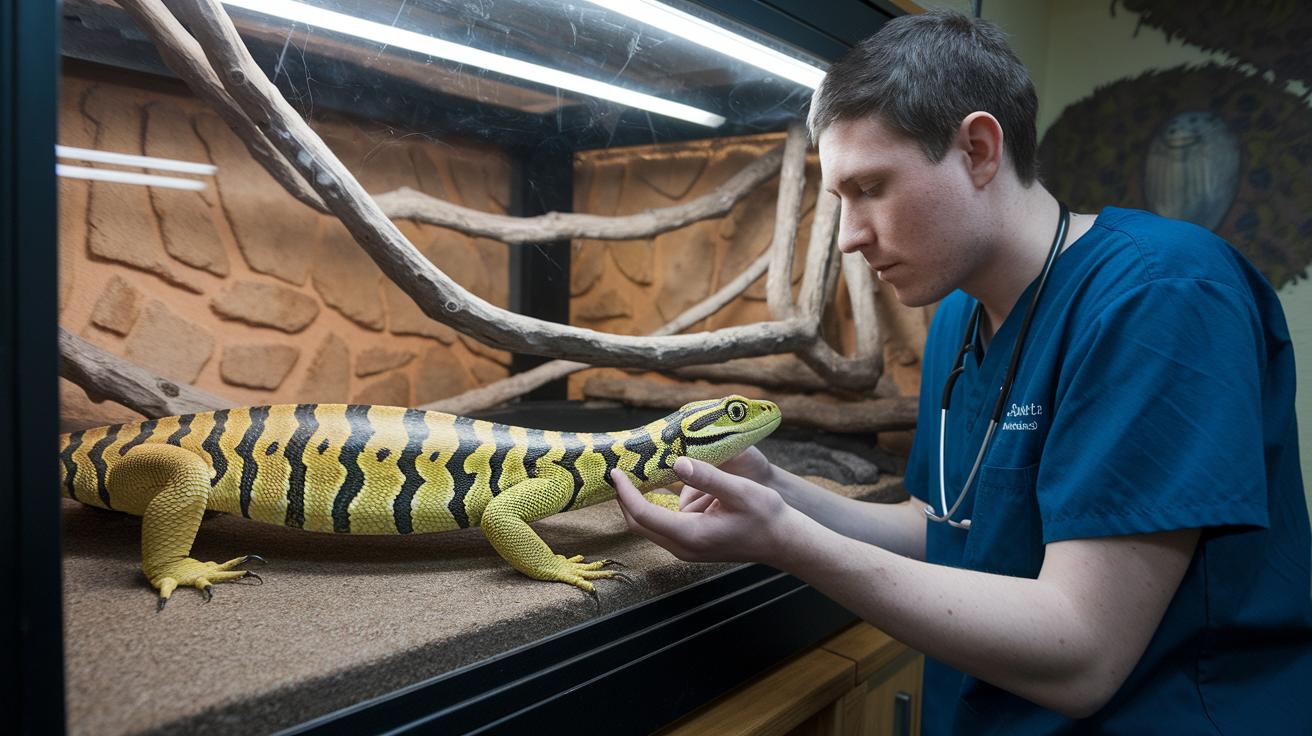
Exotic animal specialists work with unique pets like lizards, colorful birds, and tiny mammals. They handle everything from meal plans to the right kind of home for these pets. Imagine a vet checking a reptile’s diet while making sure its terrarium feels cozy. They mix solid science with a gentle touch to keep these animals happy and healthy.
Laboratory animal medicine experts take care of research critters such as mice, rabbits, and even some primates. They watch over living spaces carefully to support research in a kind way, making sure each animal stays calm and well. Their attentive care helps scientists learn new things that make life better for both animals and people.
Poultry veterinarians focus on keeping birds in large flocks safe and sound, which is key to food safety. Picture a vet strolling through a barn, gently inspecting chickens’ feathers and beaks to catch any signs of disease. Their careful work means the birds stay healthy and our food supply stays strong.
Wildlife and conservation veterinarians help out endangered animals in places like zoos, sanctuaries, and rehab centers. They treat a wide mix of animals, from big mammals to rare birds, with care that addresses both quick fixes and long-term needs. Their special skills are all about protecting our planet’s diverse creatures.
Then there are companion animal specialists who care for dogs and cats at home, and large animal veterinarians who look after livestock and horses. Whether you’re talking about a playful pup or a hardworking farm animal, these vets blend practical know-how with big heart to make sure every pet gets just what it needs.
Veterinary Specialty Career Paths, Salary Insights, and Job Market Trends
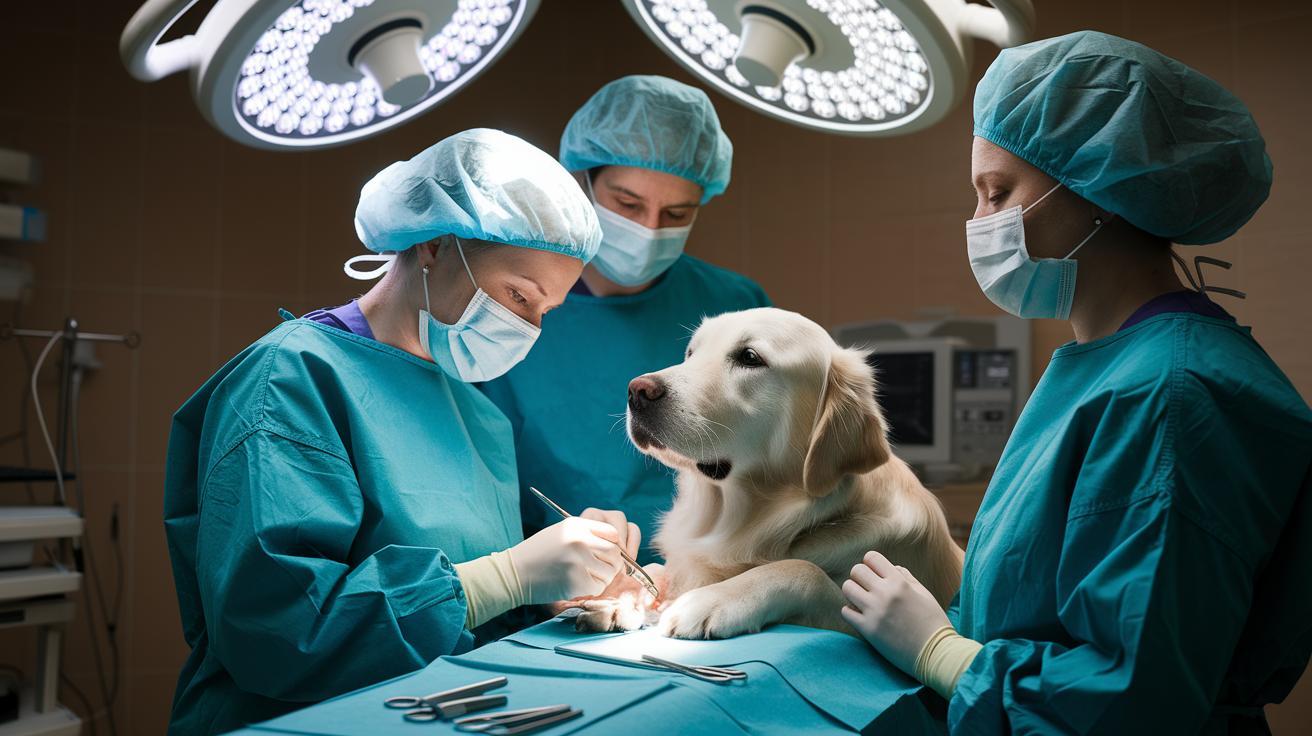
Veterinary specialties open up many rewarding career paths. Vets can choose to work in classrooms, research labs, business settings, or focused clinical practices. As more people welcome pets into their homes, the need for high-level pet care keeps growing, giving skilled professionals steady work and plenty of chances to try new challenges.
Take veterinary surgeons, for example. These experts perform detailed orthopedic and soft tissue procedures that demand a lot of precision and extra training (advanced training means learning more complex skills). Alongside them, diagnostic imaging pros use tools like X-rays, CT scans, and MRIs to spot problems that aren’t obvious at first glance. It’s often these specialists, surgeons and radiologists, who top the salary charts. In many cases, even cardiologists earn similar figures because they use tests like echocardiograms to manage heart issues.
There’s also a rising need for experts in exotic animal care and telemedicine. With more pet owners caring for non-traditional companions and opting for remote consultations, new opportunities are emerging. Vets who develop skills in these areas get to blend practical clinical expertise with modern tech tools, meeting the diverse needs of today’s pet families.
Beyond helping pets every day, these specialties can also lead to roles in teaching and research. For many, further certification in areas like surgery, oncology, or cardiology paves the way to a rewarding and high-paying career. As the veterinary field continues to expand, professionals who mix classic techniques with innovative care are sure to find success.
Innovations and Future Trends in Veterinary Specialties
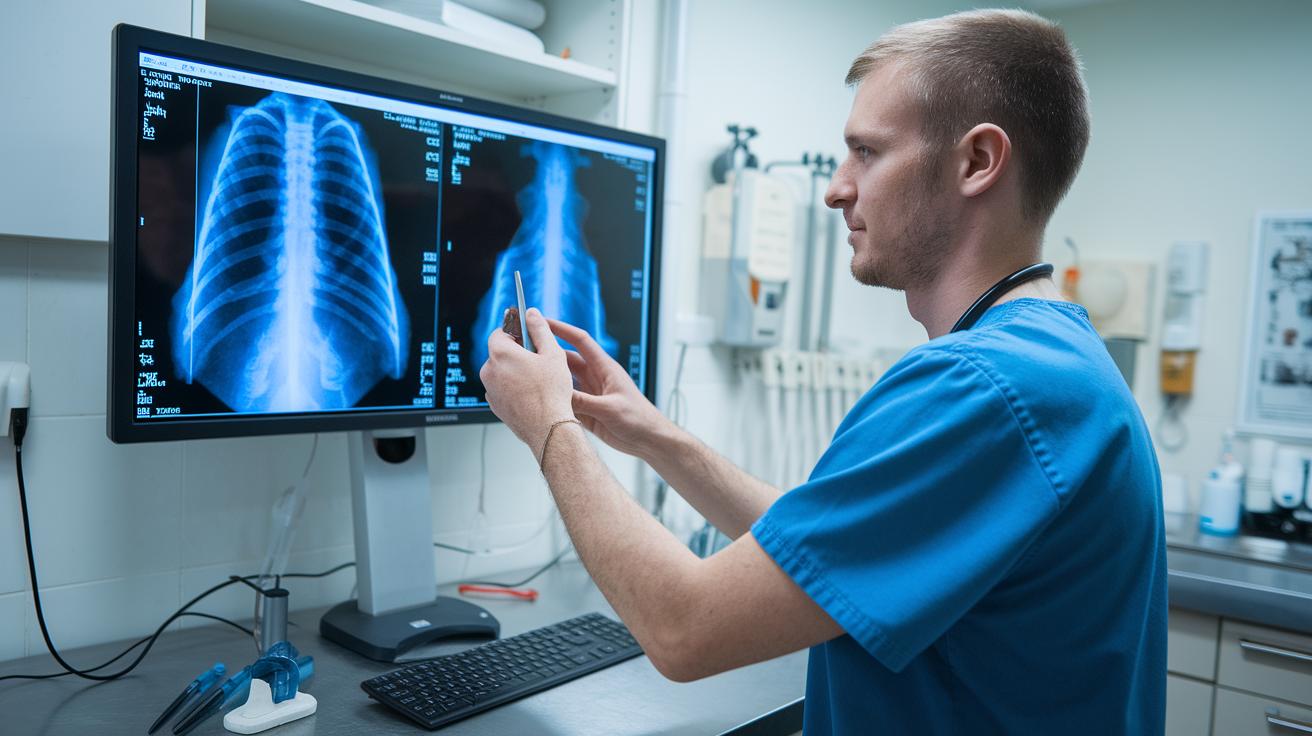
Digital radiology is really changing how we care for our pets. Using tools like X-ray, CT, and MRI (fancy imaging that shows inside the body), these scans offer sharp, clear views of what's happening inside. Imagine spotting a hidden break with just a quick digital scan. It helps our vets understand our pet’s issues fast so they can choose the best treatment.
Minimally invasive surgeries are another game changer. With just small cuts and special tools, these procedures help pets recover quicker and with less discomfort. Picture your pet bouncing back sooner after a surgery, back to chasing toys and wagging tails with hardly any downtime.
Telemedicine is opening new doors for pet care too. Now, pet owners can chat with vets over video calls, no matter where they live. This means that even if you’re far from a big city, expert advice is just a call away, turning a worrying moment into a bit more manageable one for both you and your pet.
New research is pushing pet care into exciting directions. Integrative therapies like hydrotherapy (water exercises) and acupuncture (tiny, careful needle treatments) are boosting sports medicine and rehabilitation for pets. Plus, with fresh cancer drugs and advanced heart devices on the horizon, veterinary care is set to get even more precise, gentle, and easy for every pet owner.
Final Words
In the action, we explored a detailed look at veterinary specialties. We discussed training paths, common roles, and the impressive scope covering diagnostic, therapeutic, and species-specific care. The article highlighted key fields like surgery and preventive medicine, while offering insights into certification paths and emerging innovations.
This quick recap shows how each piece fits together. Veterinary specialties offer pet owners and professionals amazing ways to improve care. It’s uplifting to see how advanced insights make pet wellness more accessible every day.
FAQ
List of veterinary specialties
The question about the list of veterinary specialties tells us that areas include diagnostic, therapeutic, preventive care, and species-specific branches like dentistry, dermatology, and exotic medicine. Each requires extra training after a DVM degree.
Veterinary specialties near me
The inquiry about veterinary specialties near you means locating local clinics or hospitals offering expert care in areas such as emergency services, internal medicine, or exotic animal care. Online directories and local listings are good starting points.
Veterinary specialties jobs
The question on veterinary specialties jobs points to a variety of career roles in clinical practice, research, and academic settings. Advanced training through internships and residencies often leads to these rewarding positions.
How many veterinary specialties are there
The question about how many specialties exist explains that there are more than 40 recognized veterinary specialties across several organizations, each demanding specialized training beyond the standard DVM requirements.
American Board of Veterinary Specialties
The query referencing the American Board of Veterinary Specialties indicates it certifies specialists who complete rigorous internships and residencies after earning a DVM, ensuring high standards in animal care.
Highest paid veterinary specialties, veterinary specialists salary, and What veterinary specialty is the highest paid?
The question regarding which specialties are highest paid shows that careers in surgery, oncology, and cardiology typically offer the best salaries, with roles in radiology and specialized surgical areas also earning competitive pay.
Veterinary Technician Specialties
The inquiry about veterinary technician specialties highlights roles where technicians specialize in areas like anesthesia support, emergency care, or diagnostic imaging, complementing the work of board-certified veterinary specialists.
What are the 11 types of vets?
The question about the 11 types of vets refers to common categories including anesthesia, dentistry, dermatology, emergency care, internal medicine, radiology, surgery, oncology, nutrition, exotic, and wildlife medicine, among others.
Which is better, VMD or DVM?
The question comparing VMD and DVM illustrates that both degrees qualify a veterinarian to practice medicine. They are equivalent credentials that lead to similar opportunities in animal health care.
What are the six specialties of the American College of Veterinary Internal Medicine?
The question about the six specialties of the American College of Veterinary Internal Medicine indicates divisions in areas such as cardiology, neurology, oncology, small animal internal medicine, large animal internal medicine, and critical care, each requiring dedicated residency training.