
Ever wonder how little critters can share secrets about your pet's health? Veterinary microbiology is like flipping through your pet’s secret diary. It looks at bacteria, viruses, and other tiny invaders (germs that can make your pet sick), helping us understand their well-being.
Every microbe uncovered feels like a small clue that brings us closer to figuring out what makes our pets tick. This science mixes years of trusted research with simple, practical care tips. And who knows? It might just change the way you care for your furry friend every day.
Fundamental Principles of Veterinary Microbiology
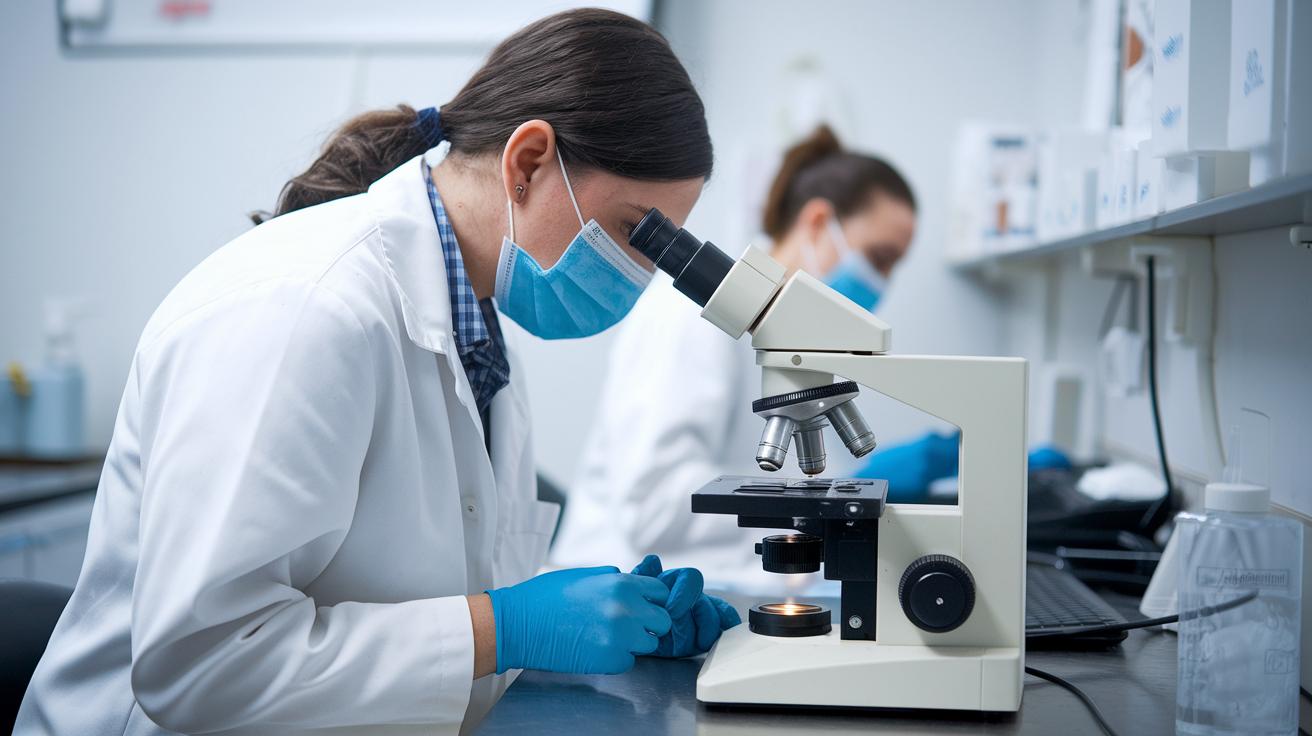
Veterinary microbiology dives into the world of tiny germs like bacteria, viruses, fungi, and parasites that can make our furry friends unwell. Imagine it like reading your pet's secret diary, each little microbe offers clues about why your pet may not be feeling their best.
For over 50 years, the American College of Veterinary Microbiologists (ACVM) has been a trusted name in pet care. They connect research and everyday practice with easy-to-follow updates, training programs, and helpful directories. Their work makes sure that ideas about germs and lab tests are spot on for keeping your pet healthy.
A specialist recently shared that teaming up between animal and human health, often called One Health (this means caring for both pets and people), is key. It’s a bit like solving a puzzle, where every test result is one more piece that shows the full picture of animal health.
Today, modern pet diagnostics start with the basics: knowing how these tiny bugs behave and look. Whether it’s spotting how germs grow on a plate or understanding their family tree, every detail counts. The hard work of groups like ACVM reminds us that careful tests and teamwork are essential in helping our pets live their best lives.
Diagnostic Techniques in Veterinary Microbiology
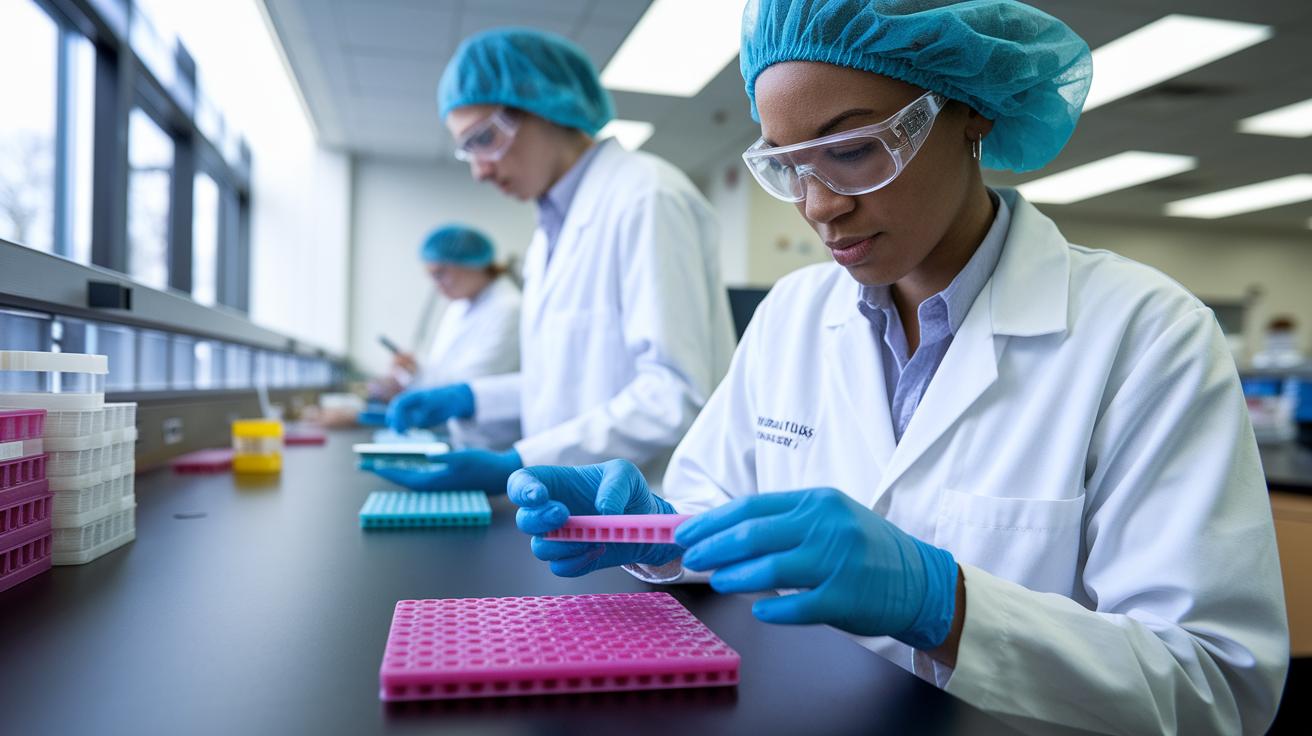
Testing for pet germs is all about getting it right by starting with the best samples. In our pet labs, careful methods and safety rules (as suggested by ACVM guidelines) help ensure every test is done properly.
Traditional Microbial Culture Methods
Many labs use classic techniques by growing germs on a nutrient-rich plate, kind of like giving them the perfect meal. The staff picks special growth media (a type of food for germs) that matches the germ type. They keep the plates at just the right temperature and time so that tiny colonies form. The way these colonies look, from their shape to their color and size, offers clues about which microbe might be causing trouble.
Molecular Diagnostic Methods
Modern labs also lean on molecular tests. They often use PCR assays (tests that make tiny amounts of DNA easier to detect) to spot microbial DNA quickly. Other tests look for proteins unique to germs, and DNA sequencing reads the microbe’s genetic plan to be extra sure of its identity. These methods speed up finding the answer and make the diagnosis more precise.
• Proper specimen labeling and chain-of-custody documentation
• Selection of appropriate transport media
• Temperature control during storage and transport
• Use of aseptic techniques to prevent cross-contamination
• Decontamination and disposal protocols for biohazardous materials
Using both the classic and modern techniques together creates a complete test process that not only finds the germs but also keeps everyone safe. Our experienced lab technicians follow clear steps to protect the samples and maintain a safe lab environment at all times. This warm, careful approach helps vets feel confident in their test results.
Pathogen Identification and Resistance in Veterinary Microbiology
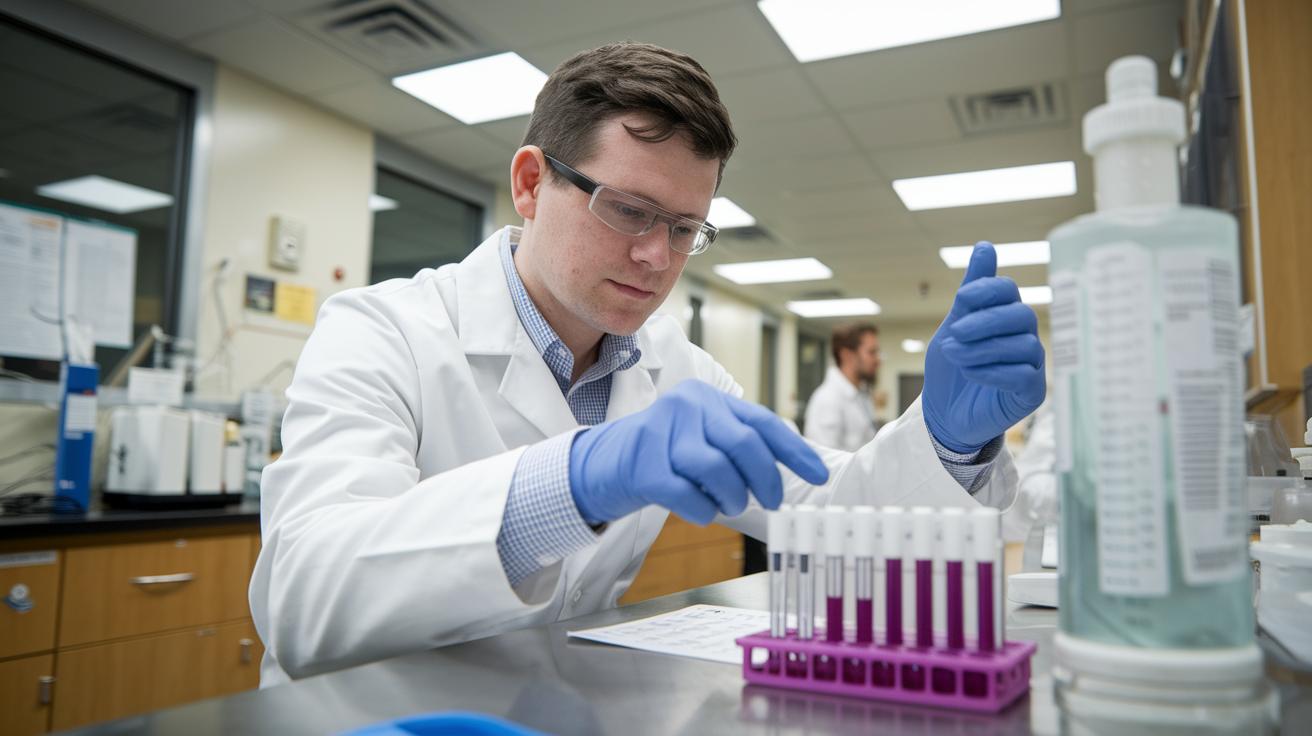
Imagine a detective story where each lab test is a clue. In labs, experts use a mix of tests to figure out what's making our pets sick. They start with biochemical tests (which check how germs react to certain chemicals), then use immunological tests (applying antibodies to spot specific germs), and even molecular tests (reading a germ's DNA to understand its instructions). Each test shows a bit more about the microbe, much like piecing together a puzzle until the culprit is found.
Then, there are tests for antimicrobial resistance. These tests, done the same way every time, measure how well germs survive common drugs. The results come in a standard format, which makes it easy for vets to compare notes. When lab findings line up with what vets see during an exam, everyone works together to pick the right treatment. This teamwork not only helps control resistance but also leads to better care for our furry friends.
Advances and Research in Veterinary Microbiology
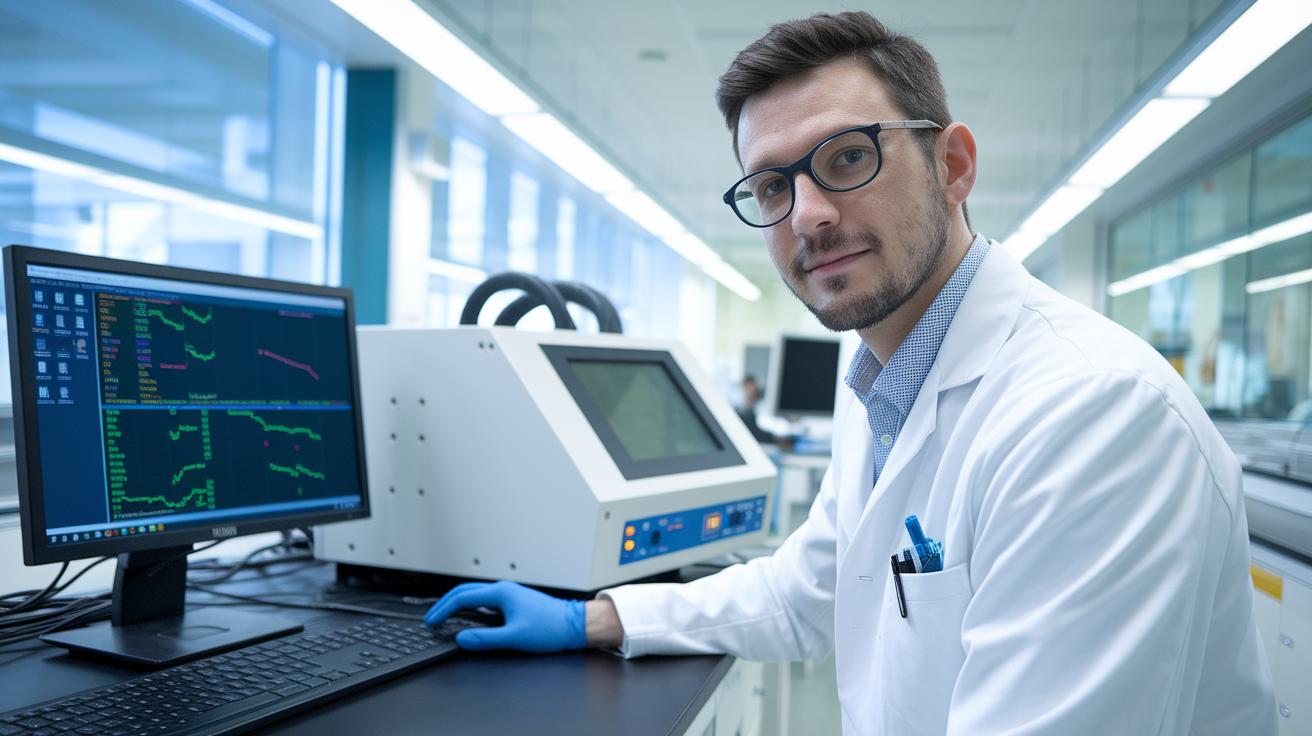
Modern tools like next-generation DNA sequencing (NGS) and bioinformatics are changing the game in veterinary labs. These techniques let scientists explore the tiny world of pet germs in amazing detail. With NGS, labs can quickly read a germ’s genetic code, which helps spot outbreak sources in no time. And bioinformatics (using computers to study biological data) sorts through huge amounts of genetic info so we can understand it all better. This progress speeds up the discovery of new pet bugs and shows us how these germs spread and behave. Researchers and vets are now using these tools to share breakthroughs from top journals and international meetings, pushing pet health care forward.
| Technology | Application | Benefit |
|---|---|---|
| NGS | Outbreak tracing | Quickly pinpoints infection sources |
| Real-time PCR | Rapid screening | Delivers speedy results |
| Metagenomic sequencing | Pathogen discovery | Finds even rare microbes |
| MALDI-TOF | Strain typing | Identifies different pathogen types |
These breakthroughs really boost diagnostic precision and help teams respond fast to outbreaks. By mixing solid genetic data with smart analysis, pet health care stays ahead of emerging infections.
Surveillance and Disease Management in Veterinary Microbiology
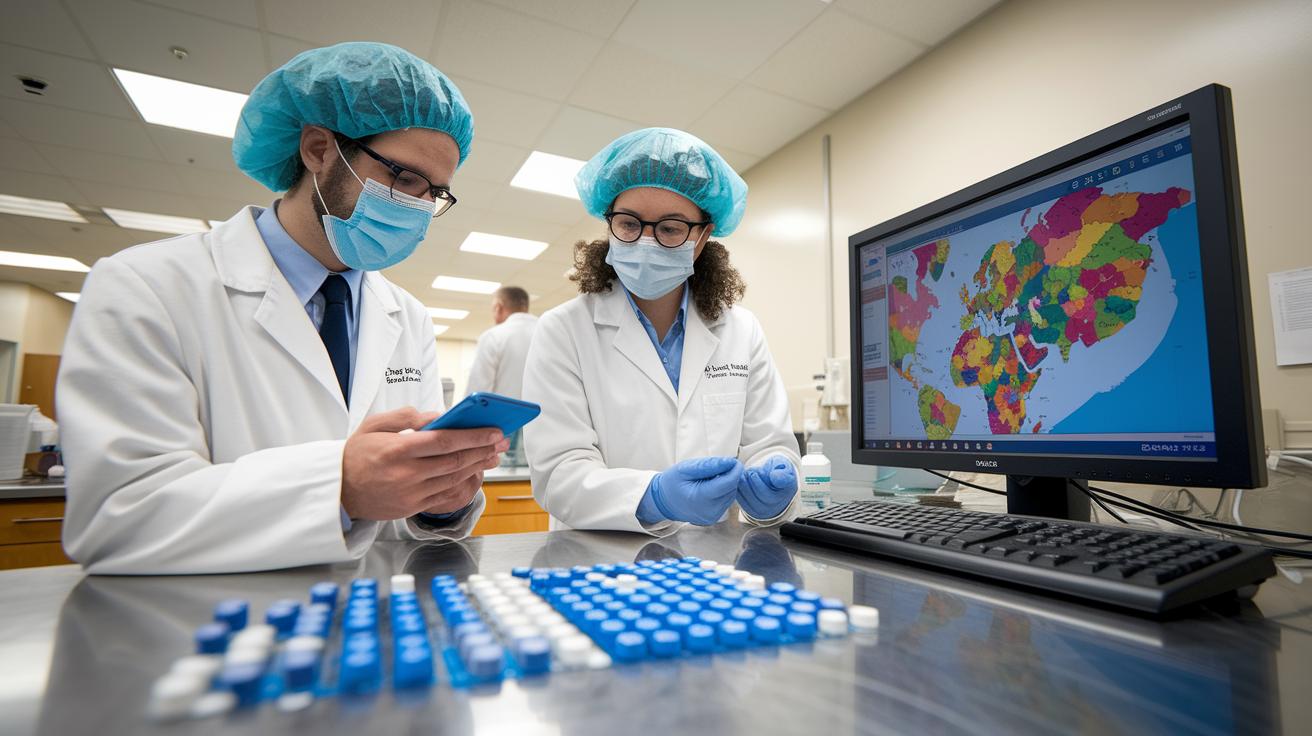
National programs keep an eye on animal diseases by gathering info from clinics, labs, and on-the-ground reports. These systems work a bit like a neighborhood watch, spotting shifts in how diseases affect both farm animals and our furry companions. With clear reporting steps in place, vet clinics and public health teams quickly share important updates. The ACVM (Animal Care and Veterinary Management group) provides easy-to-follow outbreak guidelines that blend all the data together, which helps catch surprises early and lets us act fast to protect our animal pals.
Prevention goes hand in hand with these smart monitoring systems. Vets put in place vaccination plans, strict cleaning and safety measures (that means keeping germs out), and quarantine rules to stop infections before they spread. They even train every team member so that even tiny signs of trouble get noticed right away. With ACVM’s handy recommendations, everyone knows exactly what to do. In the end, mixing sharp tracking with smart prevention creates a safer environment for both our livestock and our beloved pets.
Professional Development in Veterinary Microbiology
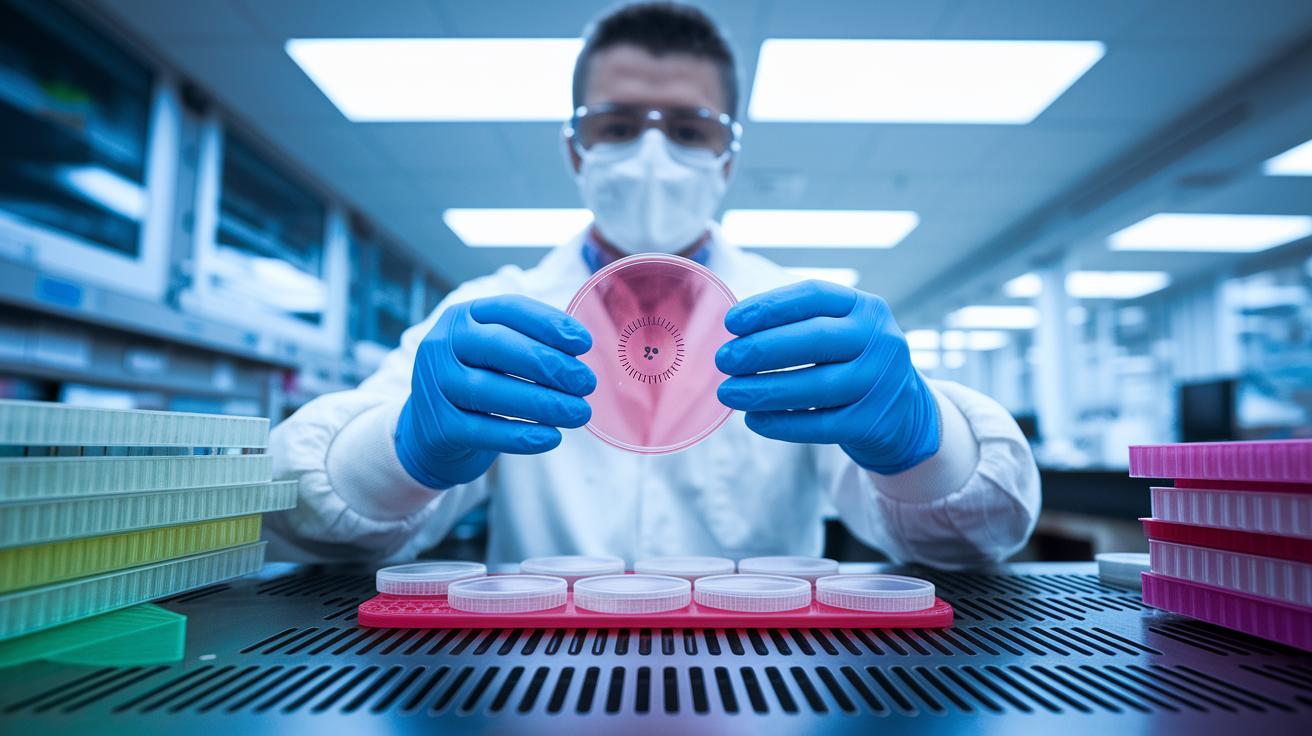
Starting out in veterinary microbiology usually means getting hands-on work as a lab technician, joining externships, or enrolling in graduate programs focused on bacteriology (the study of bacteria) and microbial diagnostics (tests to find germs). Working as a lab technician lets you dive into everyday tasks like running tests and handling samples with care. Externships give you the chance to learn straight from seasoned pros, while advanced studies help sharpen your skills in checking diseases and researching germs. It’s a solid way to kick off your journey if you’re passionate about keeping our animal friends healthy.
If you’re ready to take your career to the next level, ongoing learning is key. ACVM offers workshops, residency training sessions, and certification updates. These resources keep you in the loop on new lab techniques and safety tips. Attending recognized residency programs, going to conferences, and even publishing articles can really boost your professional profile. With guidance on disability support and tips for research or academic careers, every pet care enthusiast finds a clear path to grow in the field.
Final Words
In the action of exploring veterinary microbiology, we covered core principles, diagnostic methods, and advanced research trends. We discussed how proper culture techniques, molecular testing, and careful sample processing lead to accurate animal pathogen diagnostics. The post also highlighted strategies for screening antimicrobial resistance and the latest DNA sequencing tools.
By merging classic lab work with modern AI insights, veterinary microbiology continues to boost pet care and wellness. Keep pushing for smarter, healthier decisions for our furry friends.
FAQ
Q: What is veterinary microbiology, and what does a veterinary microbiologist do?
A: Veterinary microbiology means studying bacteria, viruses, fungi, and parasites that affect animals. Veterinary microbiologists diagnose infections, suggest control strategies, and guide research to keep pets and livestock healthy.
Q: What is a veterinary microbiology book?
A: A veterinary microbiology book is a textbook covering key topics like animal pathogens, lab techniques, and diagnostic methods. It helps students and professionals review critical concepts for diagnosing animal diseases.
Q: What does the veterinary microbiology impact factor mean?
A: The veterinary microbiology impact factor shows how often articles in a journal are cited. It reflects the journal’s influence and the relevance of its published research in the field.
Q: What career opportunities and education paths are available in veterinary microbiology?
A: Careers include lab technician roles, research scientist positions, or academic posts. Completing a PhD or taking courses in veterinary microbiology enhances skills in diagnostic methods and research, opening up broader career options.
Q: What is the typical salary for veterinary microbiologists?
A: Veterinary microbiologists earn competitive wages that vary by experience, location, and specific role. Their salaries reflect the expertise and critical skills they apply in diagnosing and managing animal diseases.
Q: What should I know from veterinary microbiology notes?
A: Veterinary microbiology notes cover important ideas and techniques regarding animal pathogens and lab procedures. They help learners review core concepts and keep up with best practices in diagnosing microbial diseases.
Q: Which veterinary microbiology journals are influential?
A: Influential journals publish peer-reviewed research on animal pathogens, lab diagnostics, and treatment methods. They shape how the field evolves by sharing the latest findings and innovations in veterinary microbiology.
Q: What are the benefits of taking veterinary microbiology courses?
A: Veterinary microbiology courses provide hands-on lab experience, practical diagnostic skills, and a solid understanding of animal infectious diseases. These courses prepare students for careers in animal health and disease management.
Q: Why is it important to study veterinary microbiology?
A: Studying veterinary microbiology is important because it helps diagnose, manage, and prevent infections in animals, protecting their health and contributing to public health by controlling diseases that can cross species.