
Ever wonder how a little test can solve your pet’s puzzling symptoms? Vet labs work like friendly detectives, checking blood, tissues, and even genes (tiny bits of info found in every cell) to uncover the mystery behind a pet’s health.
They help vets, pet lovers, and even health experts get answers quickly and clearly. With easy online guides and simple steps, finding the right care for your furry friend feels almost effortless. Keep reading to see how these labs light up the path to better pet health.
Veterinary Diagnostic Laboratories: Comprehensive Overview of Services and Capabilities
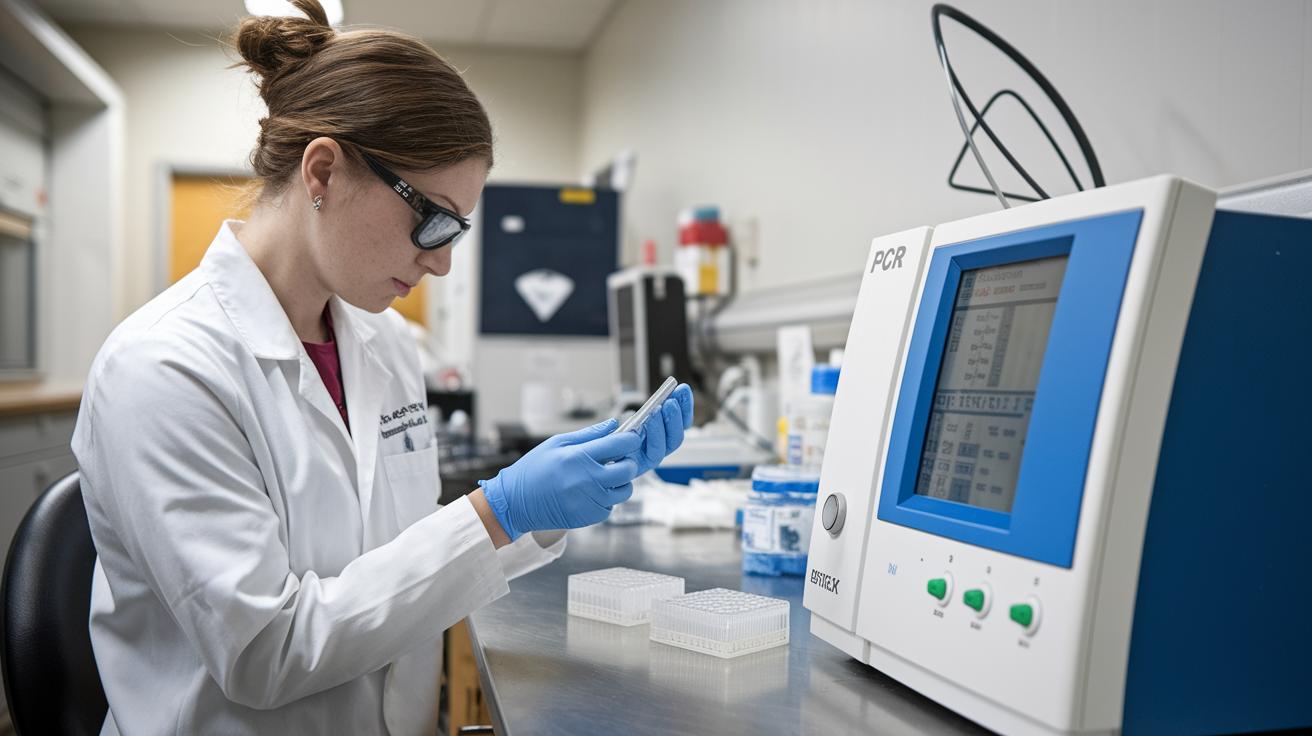
Veterinary diagnostic labs help vets, animal lovers, and public health officials get fast, accurate test results for many animal diseases. They use tests like clinical analysis, tissue study, molecular diagnostics (methods to detect small details in genes), and even next-generation sequencing (Illumina is a modern tool to decipher genetic information). Imagine your pet's puzzling symptom cleared up by a precise blood test, just like finding the missing piece of a puzzle.
These labs also offer an online test and price directory where you can explore diagnostic panels for pets, farm animals, fish, and zoo collections. You can send your sample via FedEx or UPS, drop it off locally, or use a courier service. Clear instructions help you collect and package samples correctly every time.
There are two accredited facilities in Athens and Tifton that meet strict ISO 17025 standards. Board-certified pathologists and infectious disease experts work hard to make sure you feel confident about every result. Picture a pet owner logging into a simple client portal with step-by-step submission guidelines and live updates, all to get the best care for their furry friend.
This reliable diagnostic network stands out as a trusted lab locator and directory. With clear contact details, easy payment options, and regular news updates, veterinary diagnostics have never been more accessible and user-friendly for every pet care professional.
Diagnostic Testing Services in Veterinary Diagnostic Laboratories
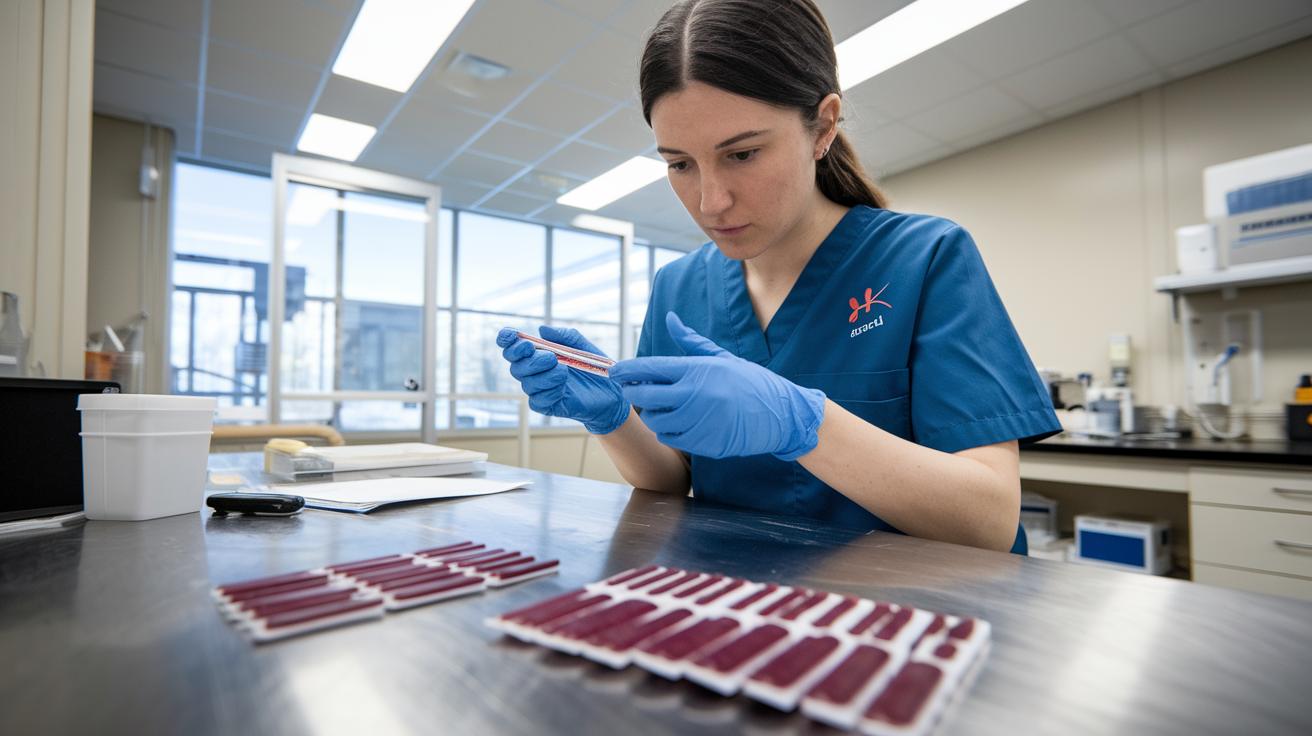
Veterinary diagnostic labs are like special detective spots that help vets and pet owners learn more about a pet’s health. They run tests that check your pet’s blood and body fluids, look at tissues under a microscope, and even hunt for genetic clues of illnesses. Using clinical pathology, which means tests like blood cell counts and checking blood chemicals, experts find out what’s going on inside your pet. And with anatomic pathology, they examine tissue samples to uncover hidden signs of disease, almost like reading a secret story in your pet’s body.
Then there’s molecular diagnostics. These tests use smart methods like PCR panels (a way to make tiny pieces of DNA easier to spot) and next-generation sequencing (a process to look at many genes at once) to catch even the smallest genetic changes. Other tests in serology and immunology check for antibodies and antigens, which are helpful in identifying conditions in animals. And don’t forget microbiology services, which look at how bacteria and fungi grow to give vets extra clues about infections and the best way to treat them.
| Service Type | Description | Example Tests |
|---|---|---|
| Clinical Pathology | Examining blood and fluids | CBC, chemistry panel |
| Anatomic Pathology | Studying tissue samples | Histopathology, necropsy |
| Molecular Diagnostics | Detecting genes and germs | PCR panels, NGS |
| Serology & Immunology | Looking for antibodies and antigens | Brucella ELISA, HPAI HI test |
| Microbiology | Studying bacterial and fungal growth | Bacterial culture, fungal isolate |
Veterinary Diagnostic Laboratories Shine With Promise
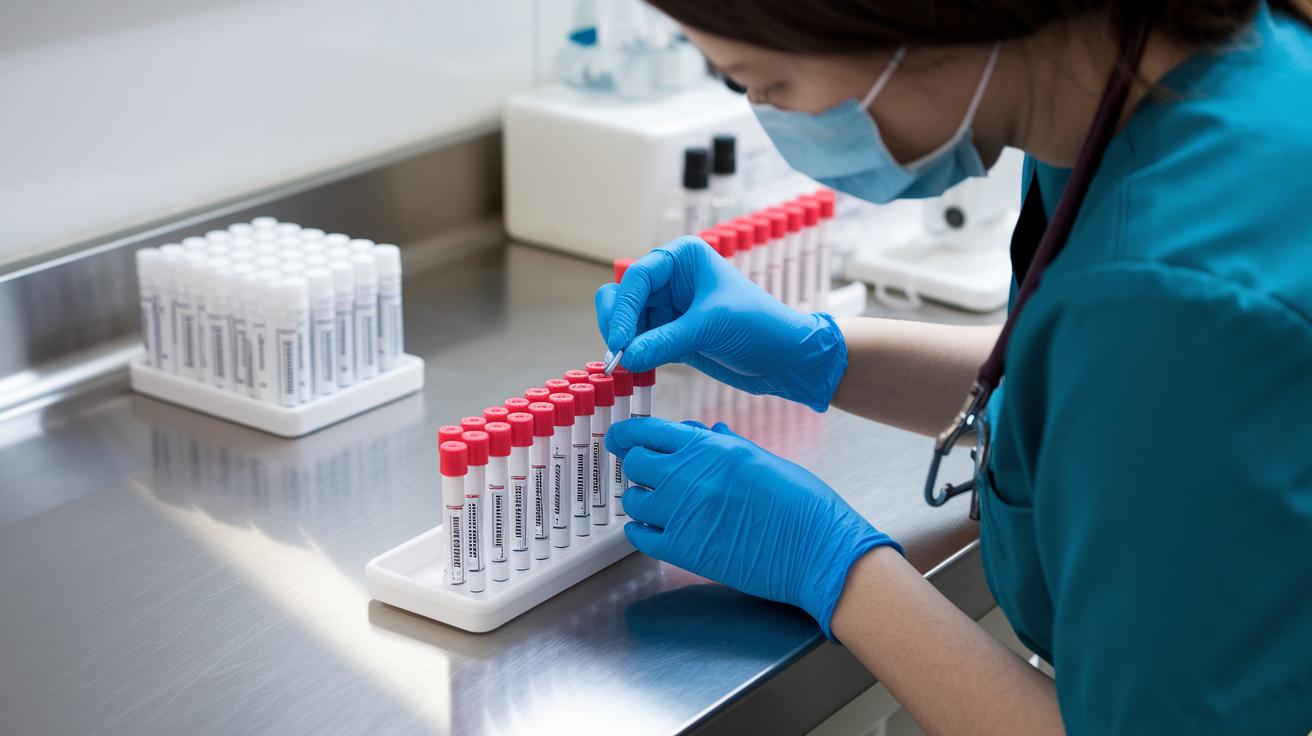
Keeping specimens safe is super important for getting results you can trust. When you follow clear steps for collecting and handling samples, pet care pros know every test is spot-on. Using the right tools and methods is a bit like planning a calm, caring vet visit for your furry friend, it makes everything go smoothly.
To keep your sample in top shape and meet quality standards, follow these six simple steps:
-
First, make sure you're using the correct type of sample and label it well. Check that each sample has its own unique name or number, the species name, and the date and time you took it. This helps you track everything without any mix-ups.
-
Next, gather your specimen with the proper tools. Use items like blood tubes, swabs, or clean containers that are designed for your pet’s needs so the sample stays pure.
-
Then, pack the sample carefully in a leak-proof container with some absorbent material. Put it in a primary container that stops spills, and add a second layer of packaging to be extra safe.
-
Fill out the paperwork completely. Include details about your pet’s health and the reasons behind the test. This info guides the lab to run the most accurate tests.
-
Now, ship your sample using an approved carrier. Use trusted services like FedEx or UPS and follow the temperature control instructions to keep it at the right coolness along the way.
-
Finally, track your sample from start to finish. Write down each handoff and check the temperature logs once it arrives to confirm it stayed in perfect shape.
Accreditation and Quality Standards in Veterinary Diagnostic Laboratories

Veterinary diagnostic labs pass strict reviews to ensure top-notch quality. They’re checked by trusted groups like the American Association of Veterinary Laboratory Diagnosticians (AAVLD), which shows they follow clear, strict rules. They even use ISO 17025 practices (a quality control process that reviews every step, from testing samples to reading the results) to guarantee every detail meets high standards.
These labs take great care of their equipment by keeping it in perfect shape and controlling the lab’s environment closely. Each lab follows clear, written procedures to make sure tests are done the same way every time. The staff also need to prove they have the right skills and are regularly rechecked, so you can feel confident about every result. They abide by guidelines from well-known groups like the FDA, USDA, and state veterinary authorities, and they stick to careful biosecurity protocols.
All of these efforts mean you get results you can really trust. By using scientific methods and following strict rules, these labs help ensure that animal health insights are accurate and dependable. Their ongoing commitment to quality makes each test valuable and reinforces the trust pet owners have in their work.
Technological Innovations and Future Trends in Veterinary Diagnostic Laboratories
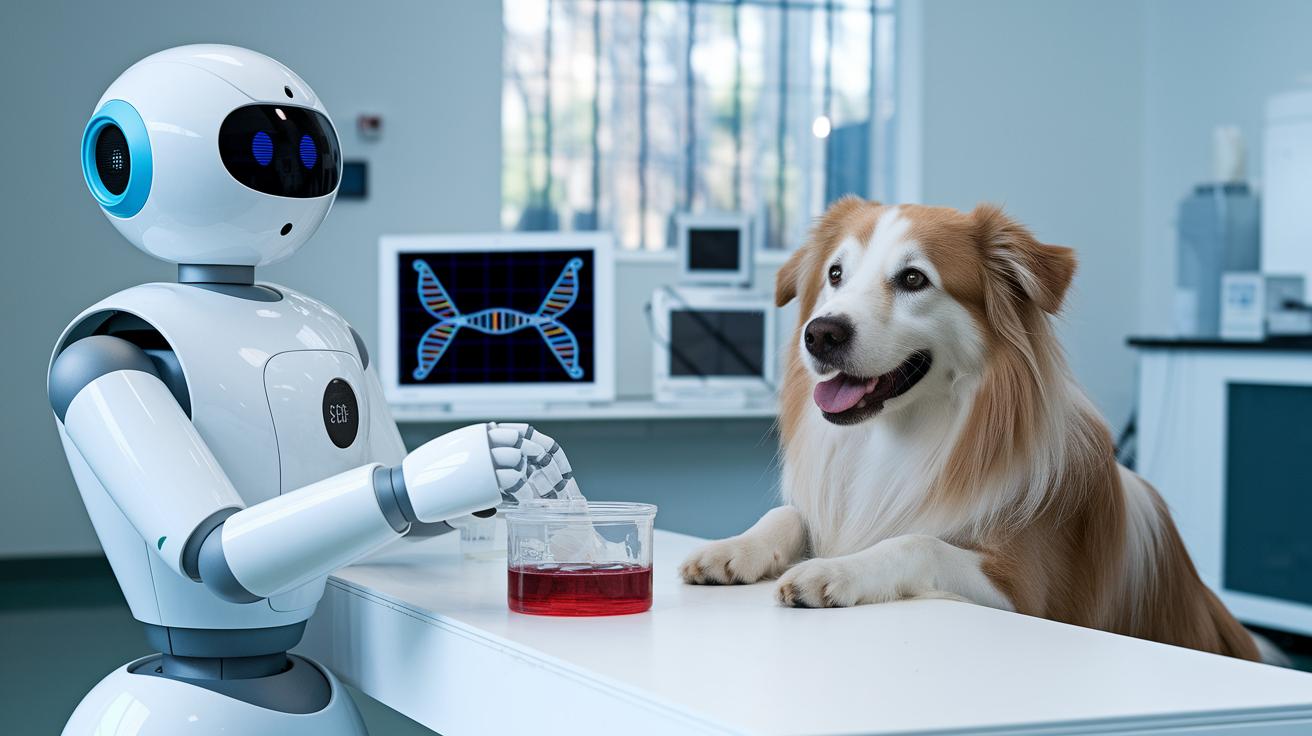
Today, innovative gene sequencing tools, like the Illumina system, are changing the way labs spot genetic shifts in our furry friends. They pick up tiny mutations just as quickly as reading a pet’s unique story hidden in its genes. And now, smart robotics help handle samples and run loads of tests, almost like a gentle vet carefully checking each pet one by one.
Digital record-keeping is another exciting change. Labs are now using secure cloud systems to organize and store test results, simple and as familiar as saving your favorite pet photo. Plus, telemedicine is on the rise, letting experts connect with pet owners from afar, so our pet’s health gets checked in real time without making extra trips.
Artificial intelligence (AI, which means machines learning to make sense of data) is also leaving its mark. These smart tools quickly interpret complex test outcomes, guiding decisions much like a trusted, caring companion. At the same time, new molecular tests are becoming more advanced, detecting tiny germs or gene changes with great accuracy. And by using barcodes and RFID tags (small electronic chips for tracking), every sample is closely monitored, just like a pet’s microchip gives you peace of mind.
Looking ahead, labs are set to blend smart technology with everyday pet care. This forward-thinking approach makes vital diagnostic testing more accessible, promising a future where our pets receive the best care possible.
Accessing Veterinary Diagnostic Laboratories: Locations, Client Support, and Online Portals
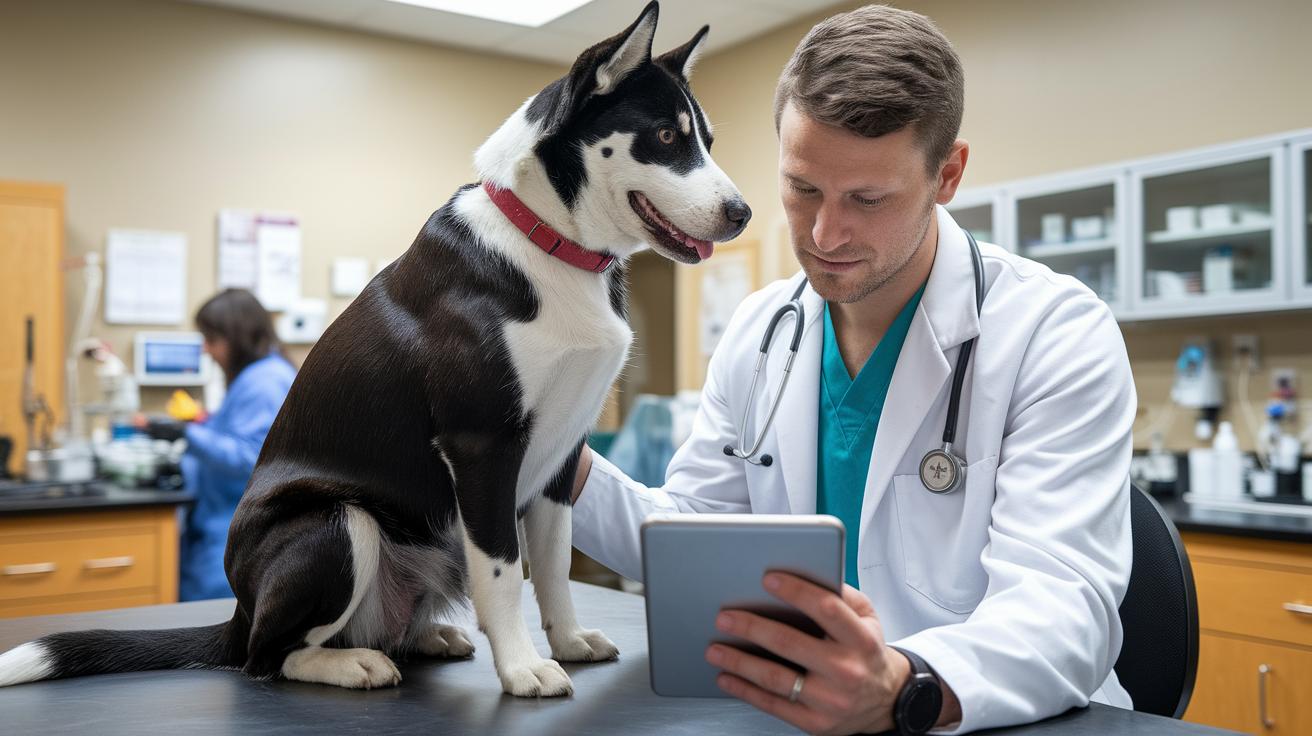
Veterinary diagnostic labs make life simpler with easy-to-use online portals. These sites let you search for tests, check pricing, customize sample panels, and order diagnostic plans with only a few clicks. It’s like having a handy tool right at your fingertips, one that even shows you the latest rabbit papillomavirus case studies or expert opinions on pet care.
Big names such as Antech Diagnostics, Cornell Animal Health, and Midwest university systems have built trusted networks to support you. Need a test for your beloved pet or a special assay for livestock? They’ve got you covered. One great example is the Fort Collins Lab (2450 Gillette Drive, Fort Collins, CO 80526), known for its smooth shipping and efficient operations.
These labs don't just stop at tests; they also share important details like hours, holiday schedules, and updates from their diagnostic services coordinator. With clear information on payment options and employee support, placing orders and getting help is fast and straightforward. It’s all designed to give you a stress-free experience, making it easier to care for your furry friends.
Final Words
In the action, we explored how veterinary diagnostic laboratories boost pet care with detailed clinical tests, sample submission steps, and strict quality standards. The article illustrated services from clinical pathology to molecular diagnostics alongside hands-on guidelines for quick and safe sample handling. It highlighted accreditation and smart tech trends that make results both fast and reliable. With veterinary diagnostic laboratories leading the way, every pet owner can feel secure knowing their furry friend’s health is cared for with precision and compassion.
FAQ
Frequently Asked Questions
What is a list of veterinary diagnostic laboratories?
A list of veterinary diagnostic laboratories includes centers that offer services like blood tests, tissue examinations, and molecular analytics to help veterinarians quickly identify animal diseases.
How can I find a veterinary diagnostic lab near me?
Finding a lab near you means checking local lab locators or online directories from accredited networks, which provide submission forms, addresses, and contact details for easy access.
What is the Michigan State Veterinary Diagnostic Lab submission form?
The Michigan State Veterinary Diagnostic Lab submission form is a document that lets you record clinical details and test requests, guiding you through proper sample submission for testing.
What services does the Cornell Veterinary Diagnostic Lab offer?
Cornell Veterinary Diagnostic Lab offers a variety of tests, including tissue examinations, bacterial cultures, and genetic analyses, all aimed at accurately identifying health issues in animals.
What does the MSU Veterinary Diagnostic Lab offer and where is it located?
MSU Veterinary Diagnostic Lab provides diagnostic tests and client support via an online submission system, making it a key resource for veterinarians seeking reliable laboratory services.
How does Texas A&M Veterinary Diagnostic Lab support veterinarians?
Texas A&M Veterinary Diagnostic Lab supports veterinarians through rapid testing services, clear submission procedures, and reliable testing protocols that help speed up animal health decisions.
What can I learn from the Minnesota Veterinary Diagnostic Lab?
The Minnesota Veterinary Diagnostic Lab details a range of tests, proper submission instructions, and contact information, making it easier for pet owners and vets to access precise diagnostic services.
How do I get the Iowa State Veterinary Diagnostic Lab submission form?
You can access the Iowa State Veterinary Diagnostic Lab submission form online, where you can record clinical history and sample details so your specimens are correctly prepared for testing.