
Ever wonder if one little click can change how you and your kitten connect? Clicker training turns everyday moments into mini celebrations. One quick sound paired with a tasty treat makes learning fun and brings you closer.
It’s like sharing a secret that builds trust and warmth. You’ll see your kitten perk up with each click, as if saying, “I’m learning from you!” It’s a simple way to make playtime joyful and full of smiles.
Stick around and give it a try. These little clicks might just unlock a world of clever tricks and happy moments for both of you.
Achieve Effective Clicker Training for Kittens: Step-by-Step Process
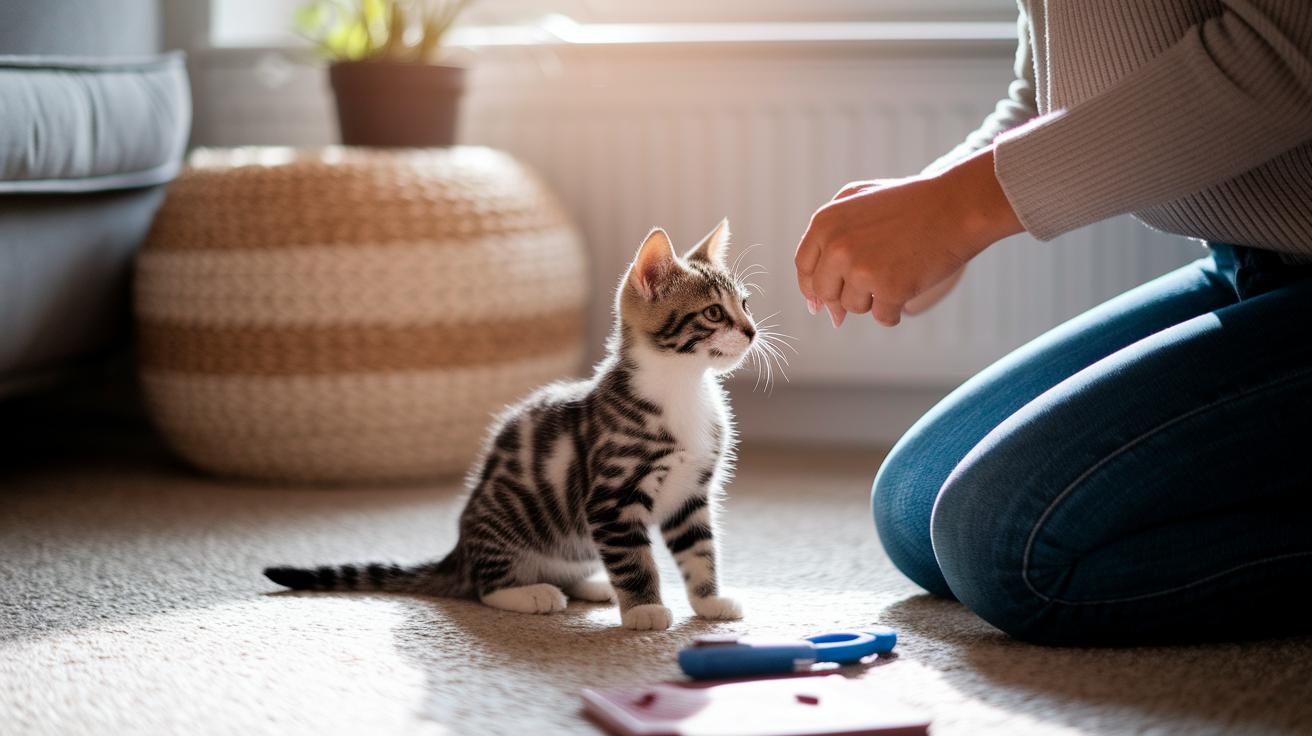
Clicker training for kittens is a fun way to teach your little buddy tricks using a click sound and tasty treats. It creates a warm bond between you and your kitten, keeps their brain busy, and guides them to do things like sit or come when you call. Every click is like a high-five that shows your kitten they did something great.
Start by setting up some regular, short sessions in a quiet spot where there aren’t any distractions. Grab a portable clicker and be ready with a treat. Click and then quickly, within one second, give them their snack. Keeping each session to about five minutes works best to keep their attention without overdoing it.
Here’s how to get started, step by step:
- Introduce the clicker: Press the clicker and hand over a treat right away. This helps your kitten learn that the click means a reward is coming.
- Repeat the pairing: Do this several times in quick bursts so that your kitten starts to expect a treat every time they hear the click.
- Add a simple command: While your kitten is alert and happy, try saying a basic word like “sit” and click as soon as they do it right.
- Gradually make it trickier: When they’ve mastered one trick, introduce another like “come when called.” Use the same click-and-treat approach to encourage them.
- Adjust the rewards: For tougher tricks, use extra special treats, and for easier ones, regular treats work just fine. Match the treat to how challenging the task is.
This friendly method of using positive reinforcement makes training a playful game. Every click is a little celebration that deepens your connection with your kitten. With a bit of patience and regular practice, your kitten will quickly learn that each click means something wonderful is coming, laying the groundwork for even more impressive tricks later on.
Introducing Clicker Training for Kittens: Sound Cue Association

Clicker training is a playful way to bond with your kitten. You use a clicker and a yummy treat to create a joyful connection. Every time you press the clicker, quickly give your kitten a treat, within two seconds. This helps your little friend learn that the click means something good is happening.
If your kitten seems startled by the sound, try clicking from a little farther away or even wrapping the clicker in a sock to soften the noise. And if treats vanish too quickly, you can use a target stick to slow things down and keep your kitten focused.
Follow these five essential steps:
- Pick a clicker and choose tasty, high-value treats.
- Click and offer a treat immediately, make sure it's within two seconds.
- Keep repeating this until your kitten starts understanding that a click means a treat is coming.
- If the click seems too loud for your kitten, adjust by clicking from a distance or softening the sound.
- Use a target stick if your kitten eats the treats too fast; it helps manage treats and guides their attention.
Advanced Techniques for Clicker Training Kittens
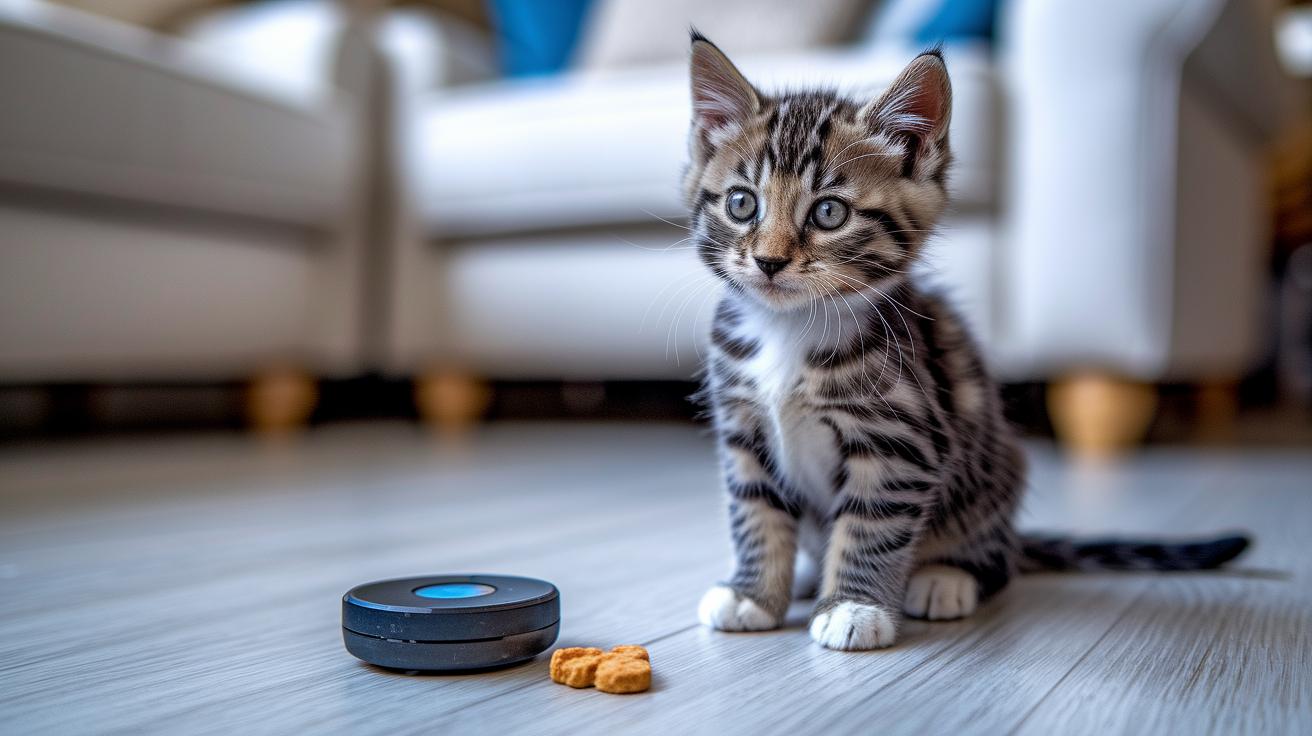
Adjust your training speed based on how your kitten reacts. If they pick up a behavior quickly, try giving a little extra pause between the click and the treat. For example, if your kitten sits every time you click, click, wait for about one second, then offer the treat. Imagine a playful kitten with twinkling eyes, pausing just a moment before happily accepting its reward.
-
Troubleshooting behavior:
- If your kitten looks puzzled, try a quieter spot or swap in a different treat. Sometimes a change in the setting or reward makes all the difference.
-
Modifying teaching speed:
- Once your kitten reliably follows a command, slowly extend the time between the click and the treat. This extra pause helps build their confidence and understanding.
-
Alternative reward strategies:
- Mix things up with a bit of playtime or some gentle petting as rewards now and then. This keeps training fresh and fun for both of you.
These friendly techniques give you extra tools to smooth out bumps in training while keeping the process simple and enjoyable.
Precision Reward Timing in Clicker Training for Kittens

Click timing is super important when training your kitten. Even a split-second delay can confuse them. You really want to click exactly when the trick peaks. For instance, if your kitten leaps, click right at its highest point. Did you know some kittens quickly make the connection when the click sounds just at the right moment?
New ways to boost your timing skills can make a big difference. Here are some fun techniques to try:
| Technique | Explanation | Example |
|---|---|---|
| Real-Time Click Association | Click right when your kitten does the desired action. | Click at the top of a jump. |
| Consistency Drills | Practice quick, repeated clicks to reinforce the behavior. | Click each time your kitten makes a successful move during play. |
| Contextual Timing | Adjust your clicking based on the setting and distractions. | If your kitten plays in a room, click as soon as the movement happens. |
Using these techniques builds a strong, clear link in your kitten’s mind. This accurate reward marking boosts their confidence and speeds up their learning during training sessions.
Troubleshooting Clicker Training for Kittens: Common Challenges

It’s common to run into issues during training, and most of them are covered in the Sound Cue Association and Step-by-Step Process sections. This part deals with the less frequent problems.
If your little kitten still seems worried even though you've followed the usual advice, try these extra ideas:
- Adjust the training space. A quiet, familiar room can make all the difference. For instance, if your kitten jumps or freezes at unexpected sounds, move to a room with less noise.
- Keep an eye on those tiny body signals. A quick ear shift, a blink, or a whisker twitch might be your kitten’s way of saying it needs a moment to settle.
- If things still feel off, experiment with the time between the click and giving a treat. Sometimes a split-second earlier for the reward can help your kitten understand the link better.
These tweaks focus on those rare challenges that might not be fully fixed by standard methods.
Advanced Clicker Training for Kittens: Beyond Basic Behaviors

Once your kitten has mastered the basic commands, it's time to move on to clicker shaping for everyday routines. Advanced training helps your furry friend feel comfortable with grooming and safety tools. Use the clicker whenever your kitten makes a tiny bit of progress. For example, when you’re starting nail trims, click when your kitten allows you to touch their paws. Then, click after you trim even one nail. Each click turns a small step into a reward that’s easy to follow.
Now, imagine brushing your kitten's teeth. First, click when your kitten lets you come near their mouth, like hearing a soft purr of approval. Next, click when you gently touch their teeth. Every little win builds their confidence and obedience. Introducing a harness follows the same idea. Click as soon as your kitten relaxes with the new item on their body. Then click again when they keep calm with the leash attached. By breaking the process into bite-sized pieces, you make something that once felt scary become safe and even fun.
Here are the five simple steps to shape advanced skills:
| Step | Description |
|---|---|
| 1 | Click when your kitten notices and tolerates a new tool. |
| 2 | Click when they willingly let you touch or use that tool. |
| 3 | Reward each tiny behavior until the whole task is learned. |
| 4 | Slowly combine the steps to eventually create a routine. |
| 5 | Keep training sessions short and always positive. |
Each gentle click is like a spark that deepens the bond between you and your kitten. It turns everyday care into a fun and trusting game, filled with treats and tail wags.
Home Setup Essentials for Clicker Training for Kittens
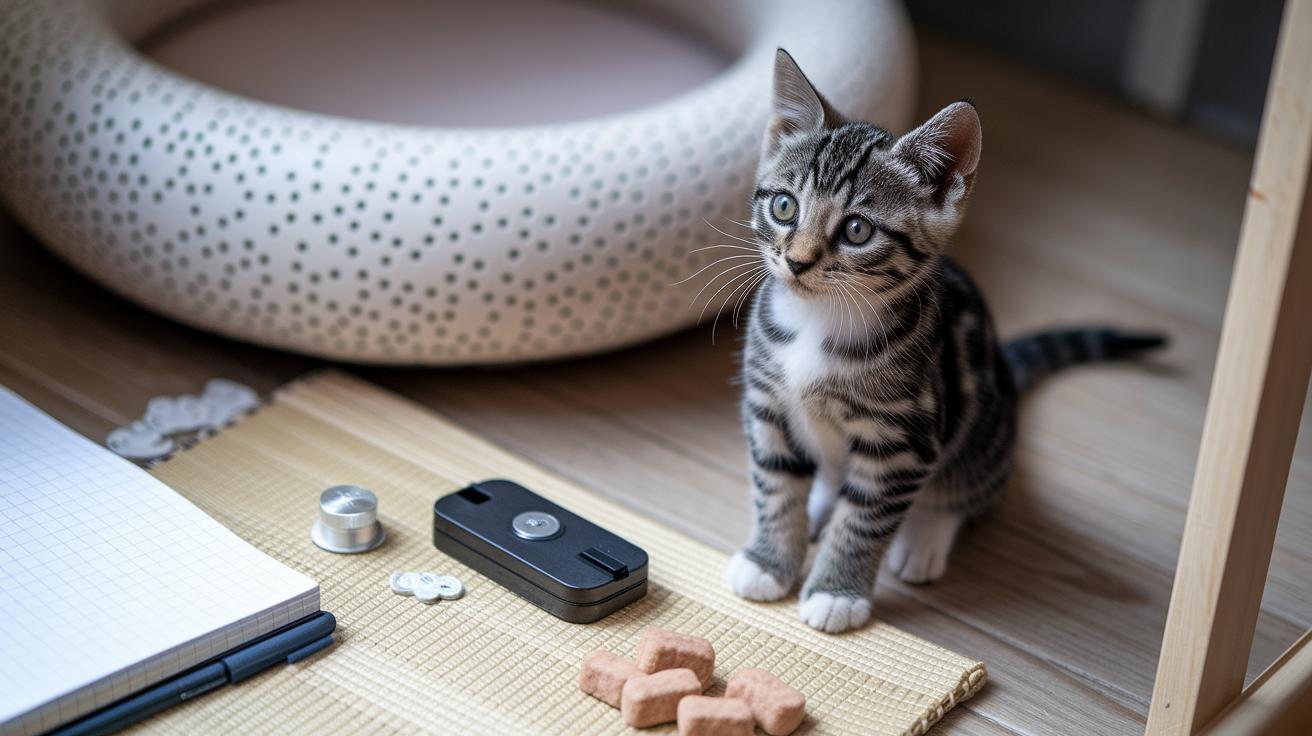
Choose a quiet, cozy corner in your home where your kitten can relax without distractions. Pick a spot away from noisy areas and other pets so your little one feels safe and focused. A calm environment makes it easier for your kitten to connect with the clicker and get ready to learn.
Try doing two short sessions every day, each lasting about five minutes. This keeps things light and fun and helps your kitten stay engaged. It also creates a clear link between the click sound and a yummy treat. I like to keep a small log where I note the trick, session length, and which treat worked best. For example, I might write, "Today: taught 'sit' in 5 minutes with a crunchy treat."
Set up a daily routine for these sessions to help your kitten understand what to expect. Bring in familiar toys and favorite treats so everything feels friendly and fun. Always click at the exact moment your kitten shows the behavior you want and immediately give a reward. This step-by-step approach helps make the lesson really clear.
Finally, end each session on a happy note. A positive finish leaves your kitten excited for the next training session and helps build a joyful bond between the two of you.
Final Words
In the action, the article walked through the step-by-step process of using a clicker paired with treats. It outlined how to shape kitten behaviors, from teaching basic commands to troubleshooting common challenges. It even touched on advanced tips for care routines and creating a calm home setup for short training sessions.
Each section builds on the idea that accurate, consistent cues make all the difference in clicker training for kittens. Every small step leads to a happier, more confident pet. Enjoy the process and celebrate each success.
FAQ
Clicker training cat to stop bad behaviour
Clicker training helps stop bad behavior by using a distinct sound paired with treats. This teaches your cat to replace unwanted habits with positive actions, making corrections fun and stress-free.
Clicker training for kittens reddit & cat clicker training reddit
Clicker training discussions on Reddit reveal practical tips and shared experiences. Cat owners exchange insights on start-up challenges, timing precision, and favorite rewards, making the process more accessible and engaging.
Cat School clicker training Kit
The Cat School clicker training kit provides a set of tools designed to improve your cat’s behavior. It includes a clicker device and treats, which help structure training sessions and build confidence.
How to clicker train a cat to stay off counters
Clicker training to keep your cat off counters involves clicking and rewarding when your cat avoids the area. This method reinforces the idea of staying away from counters through immediate, positive rewards.
When to start clicker training cat
You can start clicker training as early as a kitten’s first few weeks for best results. Even older cats can learn, but early training often builds a stronger trust and clearer communication.
Cat Clicker app
A Cat Clicker app mimics the sound of a traditional clicker, offering a convenient tool for training on the go. It helps maintain consistency in marking correct behaviors paired with treat rewards.
Cat training treats
Cat training treats are small, appetizing rewards that support clear communication during clicker training. They motivate your kitten to repeat positive behaviors and make the training process enjoyable.
Can kittens be clicker trained?
Kittens can indeed be clicker trained. Early sessions with clear clicks and immediate treats build a strong bond and encourage your kitten to learn positive actions with ease.
How long does it take to clicker train a kitten?
Clicker training a kitten usually shows progress in just a few focused, five-minute sessions. Consistent practice helps your kitten learn commands and form positive behavior patterns quickly.
What are the downsides of clicker training?
One downside of clicker training is that some kittens might initially fear the click sound. Additionally, the method requires consistent timing, meaning careful attention is needed during every session.
What’s the best way to discipline your kitten?
The best way to discipline a kitten is by guiding them towards good behavior, rather than using punishment. Use redirection and reward positive actions with clicks and treats instead of harsh corrections.