
Have you ever noticed how a tiny sound can completely change your dog's behavior? A clicker is a small tool that uses a clear noise to mark a job well done. It teams that sound up with a yummy treat (a reward that shows your dog they did something right), so your furry friend quickly learns what earns a pat on the head.
Many pet owners love how fun and speedy clicker training can be. It almost feels like sharing a secret trick with a buddy, a little sound means big rewards. Stay tuned, and you'll see how this simple tool makes training a joy for both you and your dog.
Essential Guide to Using a Clicker for Dog Training
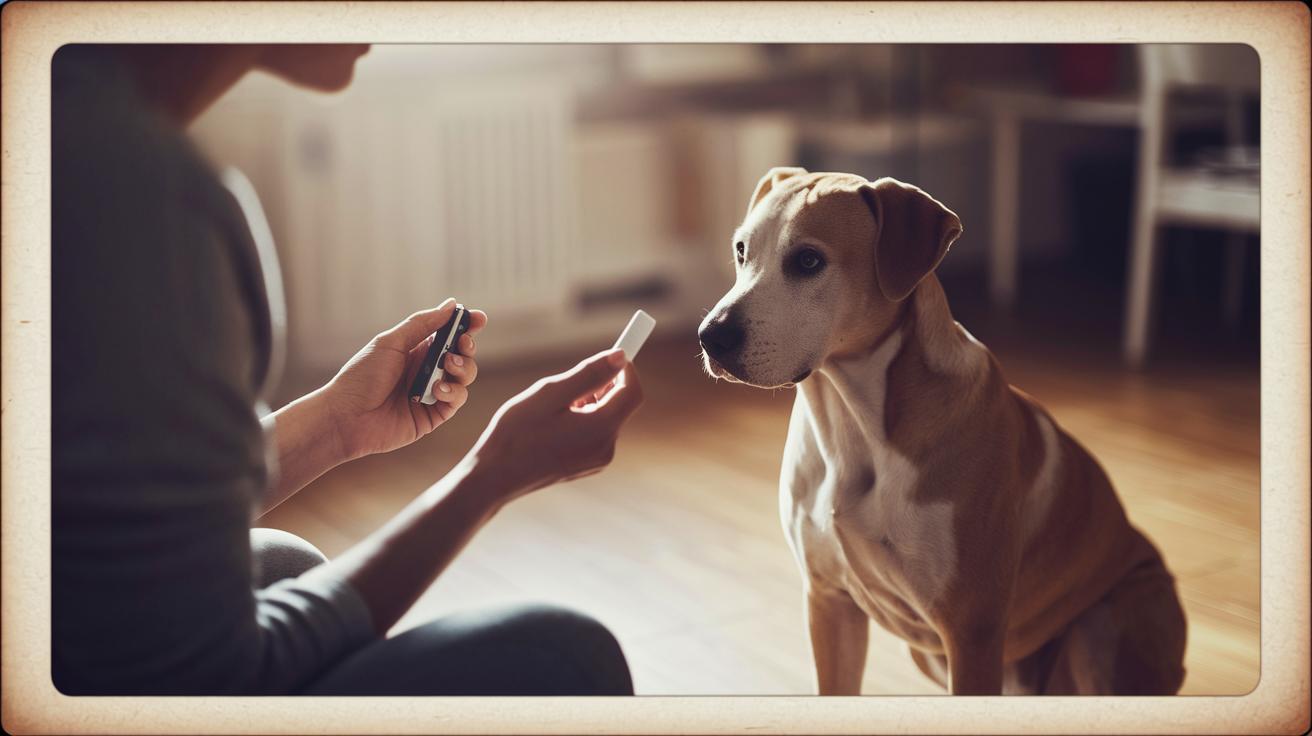
A clicker is a tiny tool that makes a special sound right when your dog does the right thing. This sound tells your furry friend that a treat or some kind words is on its way. It’s rooted in a simple idea: pairing a sound with a reward. When you click as your dog sits, the sound tells your pet that its action earned a treat.
This method makes it easy to show your dog the exact moment it gets things right. The click signal speeds up learning and helps your dog feel relaxed and sure of what comes next. Over time, the click can even feel a bit like a reward itself. Many first-time dog owners love it because it gives clear, immediate feedback with a simple sound.
To begin, get a clicker, about 20–30 bite-sized treats, and pick a quiet, calm spot. Start by clicking once and giving your dog a treat straight away. Do this about 20–30 times so your dog starts to connect the click with a tasty reward. Soon, you’ll notice your dog paying closer attention when it hears the click and knowing that something good is coming.
Choosing the Right Clicker and Supplies for Dog Training
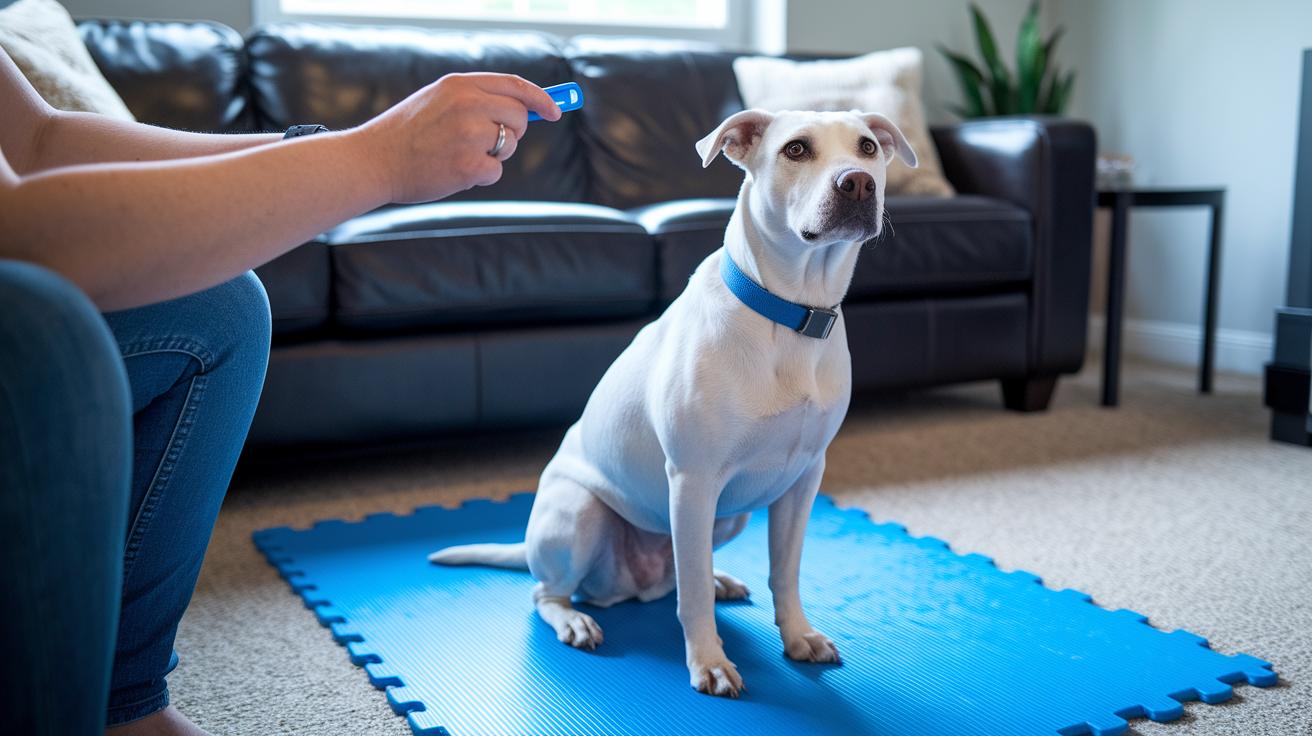
When it comes to training your dog, choosing the right clicker makes all the difference. A clicker is like a tiny signal that tells your pet, “Great job!” It marks good behavior clearly and keeps training fun and predictable. Picking one that fits your training style and meets your dog’s needs can really brighten up your sessions.
Think about what works best for you and your furry friend. Some pups respond best to a sharp, clear click, while others might prefer a softer sound. The clicker’s volume matters too, especially when you switch between different training spots. And a clicker that fits nicely in your hand can help keep your focus on your dog. Reliable sound and easy handling go a long way, making every session smoother. If you’re on the hunt for trusted gear, check out some great pet training supplies online.
| Model | Tone | Volume Level | Approximate Price |
|---|---|---|---|
| Basic Clicker | Sharp | Low | $3 |
| Quiet Clicker | Soft | Low | $4 |
| Pro Clicker | Adjustable | Medium | $6 |
Conditioning Your Dog to Recognize the Click as a Reward

Using a clicker can be a fun way to help your dog learn new tricks. It builds on the well-known click-and-treat routine, giving you tips to fix issues and move to more advanced cues.
- Start in your usual quiet spot and have about 20–30 small treats ready. If your pup doesn't connect the click with a reward right away, try a calmer space with fewer distractions.
- Mix up the treats once in a while. For example, offer a favorite snack sometimes to keep your dog excited, especially if you notice a bit of boredom creeping in.
- Slowly extend the time between the click and the treat. Begin with an instant reward and then let your dog wait a second before getting the treat; this helps boost their focus.
- Once your dog responds well to the click, add a gentle cue like a hand signal or soft word. This builds on the simple click-treat combo and leads to more complex commands.
- Keep a close eye on how your dog reacts. When you see perked ears or bright, expectant eyes after the click, you'll know that the sound has become a clear signal, and you can start using it in fun training sessions.
When your dog begins to look for the treat after the click in different surroundings and responds to new cues, it shows you’ve built a solid foundation for expanding their skills.
Clicker Training Basic Commands: Sit, Down, and Stay
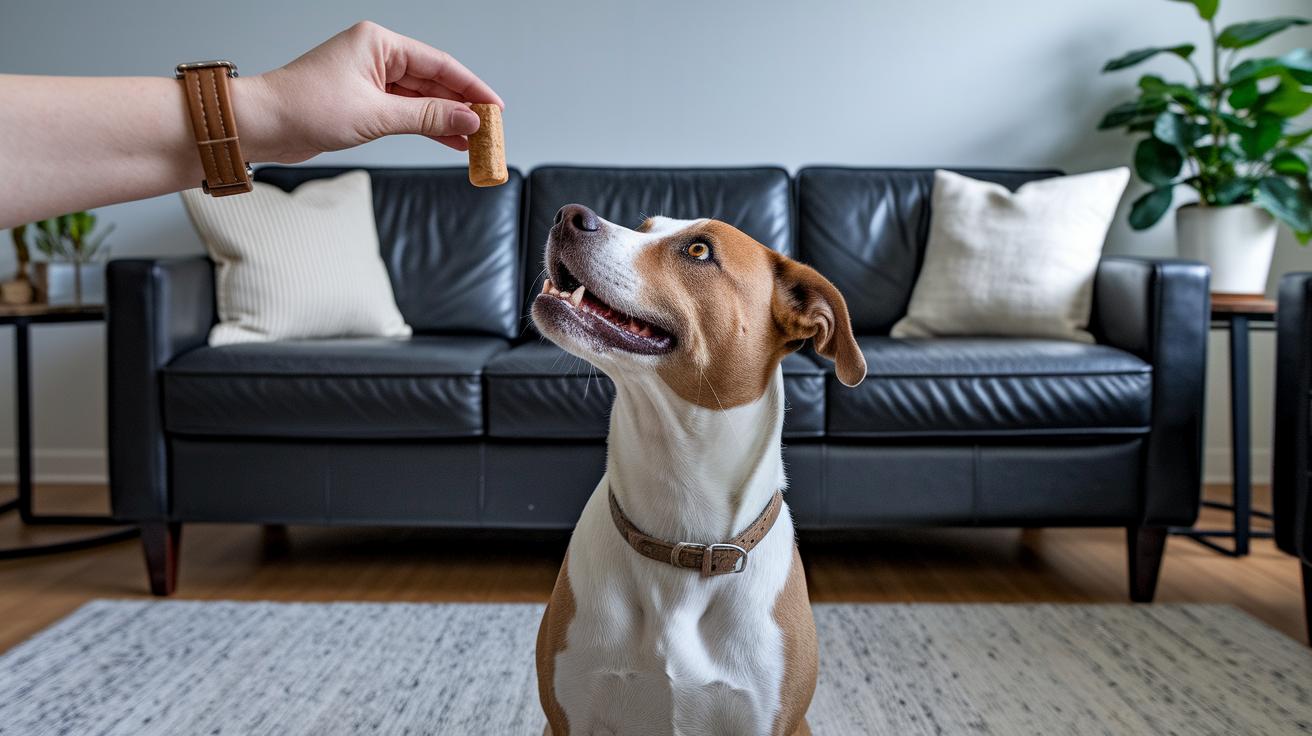
Clicker training is a simple and fun way to teach your dog new tricks. You use a little clicker (a tool that makes a quick sound) to mark when your pet does something right. After that, you reward your dog with praise or a tasty treat. This helps your dog understand what you expect, making training feel like a friendly chat.
Sit Command Sequence
For the sit command, start by holding a treat above your dog's head. This makes your dog naturally follow the treat upward, and before you know it, the dog’s bottom will gently lower into a seat. The moment you see your dog sitting, click right away to mark the good behavior and then give the treat. Once your dog sits still for a moment, say a release word to let your pet know the command is finished.
Down Command Sequence
When you want your dog to lie down, gently guide its head and back using a treat as a lure. As soon as your dog’s body touches the ground, click at that exact moment and offer the treat. This quick and clear feedback helps your dog link the action of lying down with the sound of the clicker. It makes the training clear, so you both know what to expect.
Stay Command Sequence
To work on the stay command, ask your dog to sit still for about 10 seconds. While your dog holds the position, click every 2–3 seconds to mark each small success. Gradually, as your dog understands what you mean, increase the time, up to five minutes if you can! Those frequent clicks help your dog stay focused and feel confident that it is doing the right thing.
Combining these commands lays a strong base for more training, like teaching your dog to come when called or walk by your side. As your dog gets used to sitting, lying down, and staying with clear, timed clicks, adding new commands will feel natural and fun.
Mastering Timing and Consistency in Clicker Training Sessions

When you're training your dog, hitting that perfect moment with your click is everything. Imagine your pup just sits, and you click right then, instantly, your dog connects the dot between the action and the treat coming. It’s that quick sound that makes learning fun and fast.
Short, regular sessions work wonders too. Try to have a few brief practices each day, in a calm, distraction-free spot. This routine helps your dog feel secure and know what to expect. When you keep your clicks steady, say, every couple of seconds during a hold, your dog starts to eagerly anticipate that rewarding sound.
Plan your sessions by carving out a few minutes several times a day. Over a week, that adds up to plenty of practice. And always remember to use the same release word when the behavior is over. This simple structure makes it easier for your pup to link the click to success, making training a natural, happy routine.
Integrating Verbal Cues and Hand Signals with Clicker Training
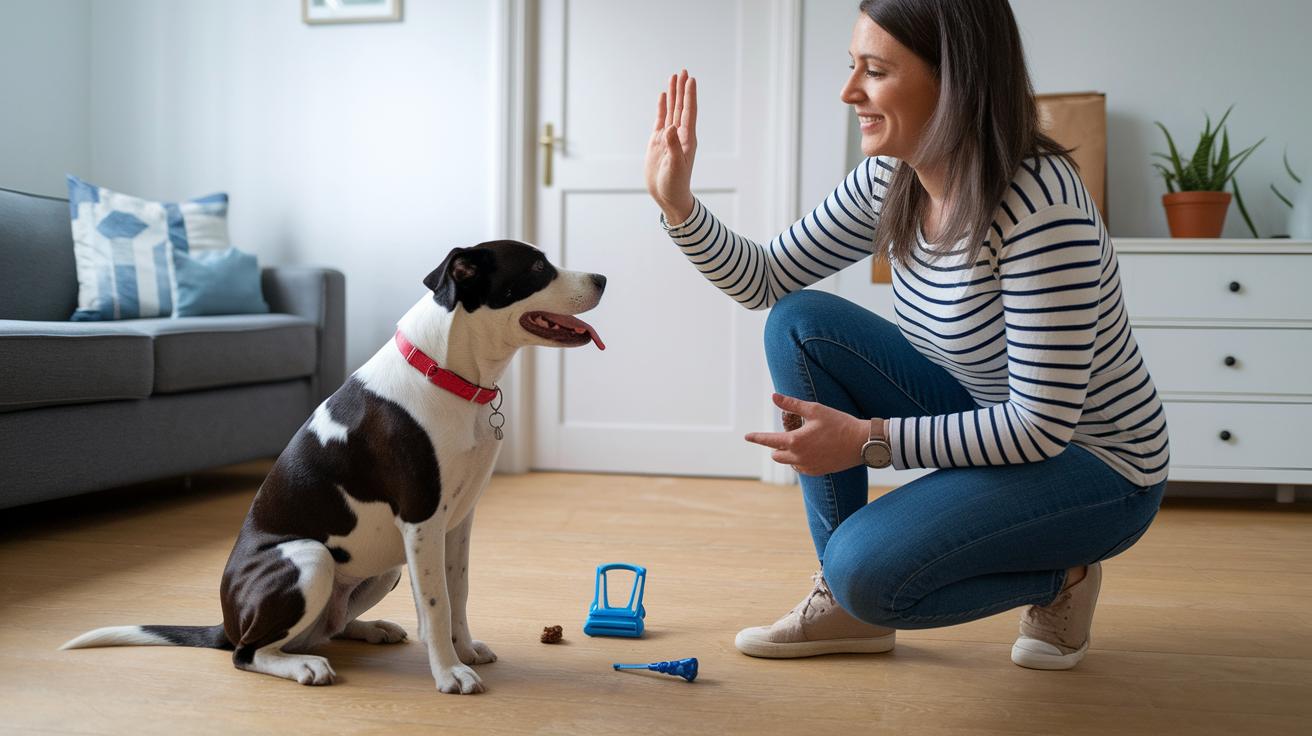
When your dog begins to respond to your click on its own, it's time to add a simple word into the mix. Say a word like "sit" just before your furry friend naturally does the behavior. Then click at the exact moment it happens and treat your pup. This builds a clear link in your dog's mind between the word, the click, and the reward, almost like a little bridge connecting everything.
Hand Signal Integration
Next, add a unique hand gesture along with the word and click. For example, as you say "sit," make a small hand movement that you've saved just for that command. This extra visual hint helps your dog learn by watching you, especially when your voice might not carry well.
As your training continues, try to give fewer treats. Instead, use the click paired with a warm word or a gentle pat. This shift shows your dog that every well-done command is rewarding because of your praise and attention, not just the treat.
Troubleshooting Common Clicker Training Mistakes
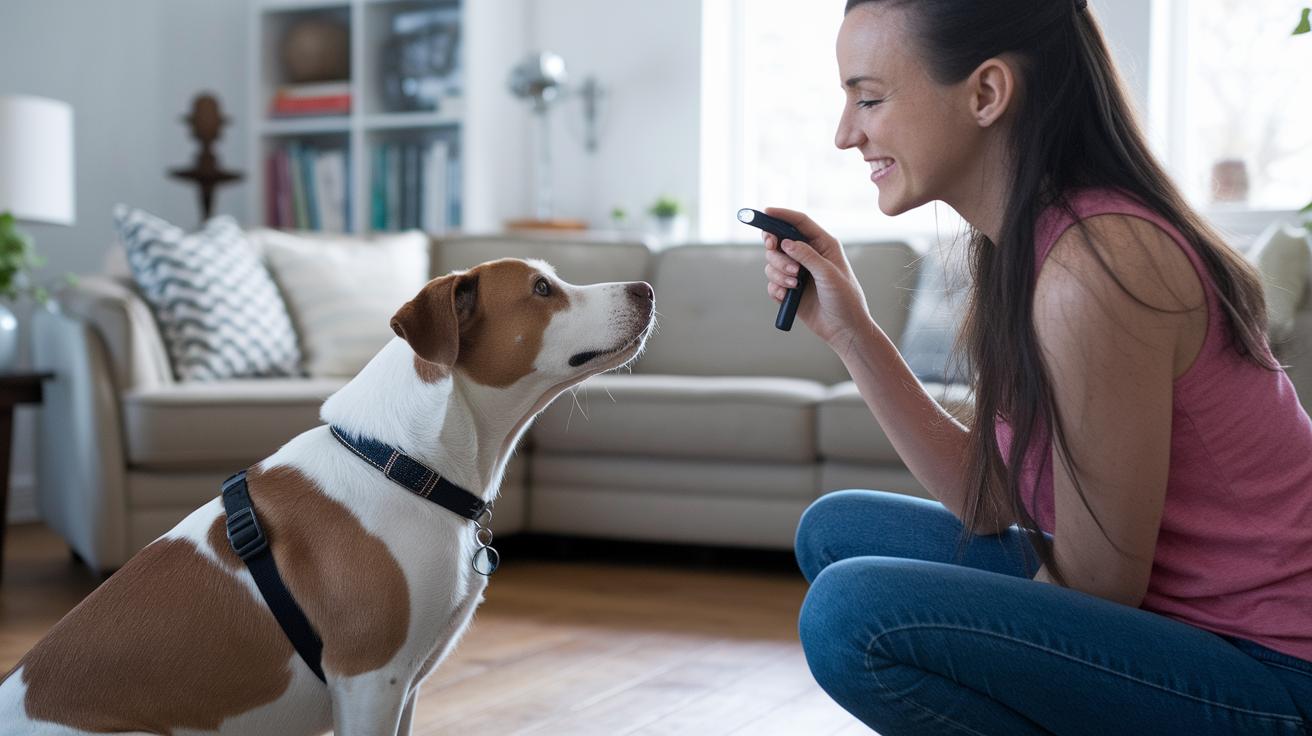
Troubleshooting is key to smooth clicker training. When you spot a mistake early, your dog figures out what to do, and the session stays fun. Changing your approach when things go wrong helps keep both you and your furry friend calm.
Sometimes the click comes a bit too early or too late, leaving your dog puzzled about what got the treat. Try practicing your click-to-treat timing away from your pet so you trust your clicker's sound completely. Keep your sessions short so your pup remains excited and not overwhelmed. And if you feel your energy drooping, it’s a clear sign to pause and regroup.
If your clicks or rewards aren’t consistent, it can muddle up the training. Always have your treats ready and pick a quiet spot to train. This way, distractions are kept to a minimum, and your clicker marks the right actions every time. When your timing slips, your dog might not understand which behavior earned the click, so take a moment to reset your focus.
Treats aren’t magic forever. Gradually swap some treats with kind words or gentle pats so your dog learns to celebrate success even without constant snacks. Adapt your training to fit your dog’s special personality, and be patient as you both sharpen your clicker skills.
Advancing Clicker Training: From Tricks to a Training Routine

Once your dog gets comfortable with the basic commands, it’s a great time to ease up on constant treats. Start rewarding only every few successes instead of every single one. This way, a quick click or a word of praise tells your furry friend that progress matters, even if there isn’t a treat every time.
When you decide to teach fun tricks, break down the behavior into small, clear steps. For example, if you’re showing your dog how to spin, click for each little turn and reward when the spin looks just right. This method helps your pet understand that every tiny move counts, building up both confidence and skill bit by bit.
Keeping training sessions fun and effective is all about balance. Try mixing in basic commands with new tricks and revisiting old ones too. Short, regular sessions spread out during the week can really keep your dog engaged and prevent them from getting tired of training.
If you want some extra guidance, you might look into helpful dog training resources or even consider dog obedience classes. There are loads of options out there to help you refine your techniques and share more happy moments with your pet.
Final Words
In the action, this guide took you through clicker training basics, from using a clicker as a marker to choosing the right supplies and conditioning your dog with treats. It also covered building basic commands, mastering precise timing, and blending verbal and hand signals. Every step builds your confidence on how to use a clicker for dog training while keeping your pet happy and engaged. Enjoy incorporating these simple, effective techniques into your daily practice and watch your furry friend thrive.
FAQ
How to use a clicker for dog training?
Using a clicker for dog training means pairing its quick sound with a treat immediately when the dog performs the desired action. It clearly marks the behavior you’re reinforcing.
How do you clicker train a dog for beginners?
Beginners clicker train by associating the click sound with a treat reward. Start in a quiet space, click when the dog does the behavior, and immediately offer a treat to build clear communication.
What is a dog clicker?
A dog clicker is a small, handheld device that produces a sharp sound. It signals correct behavior and helps your dog understand when they’ve earned a reward during training.
How does clicker training help stop bad behavior?
Clicker training helps stop bad behavior by marking good actions instantly. The clear, positive signal encourages your dog to choose the right behavior over unwanted ones.
What is the best clicker for dog training?
The best clicker produces a clear, distinct sound and feels comfortable for you to hold. It works well with consistent timing and promptly delivered rewards for effective training.
Does clicker training for dogs really work?
Clicker training really works by providing immediate feedback. The precise click marks the desired behavior, and repeating this with a treat helps your dog learn in a simple, effective manner.
What is the 3 3 3 rule for dog training?
The 3 3 3 rule breaks a session into three parts: practice the command for 3 seconds, repeat it 3 times, and complete 3 sets per session. This method keeps training brief and engaging.
What are the disadvantages of using a clicker in dog training?
Using a clicker may have downsides like relying too heavily on treats and timing challenges if the click isn’t perfectly synced with the behavior. It might not suit every dog’s learning style.