
Have you ever noticed how a tiny click can brighten your pet's day? Clicker training uses a simple sound to mark the exact moment your furry friend does something right. It's like giving them a gentle high-five when they earn a yummy treat.
This method turns everyday actions into clear signals that your pet can understand. And when your pet understands you, they feel more happy and confident. So, why not give it a try and see how a small click can lead to big, positive changes?
what is clicker training: Pet Positivity Gains

Clicker training is a fun way to show your pet when they do something right. It all starts with a little click sound that marks the exact moment your pet earns a reward. First, you pair that click with tasty treats so your pet quickly learns, “Click means treat!”
Imagine your dog sitting down. As soon as its bottom touches the floor, you click, almost like saying, “Sit! Click! Treat!” Before long, your dog understands that sitting means a yummy reward is on its way.
This method comes from early experiments where dogs learned to connect a sound with food. The click is simple and clear, making it easy for your pet to know exactly which action you’re praising. Soon, that little click alone can spark excitement and help your pet learn happy, confident behaviors.
Clicker training isn’t just for basic commands. It works for all sorts of tricks, whether it’s a simple sit or a more complicated move. And the best part? It works with many animals, from dogs and cats to even horses!
Fundamentals of Clicker Training: Core Principles
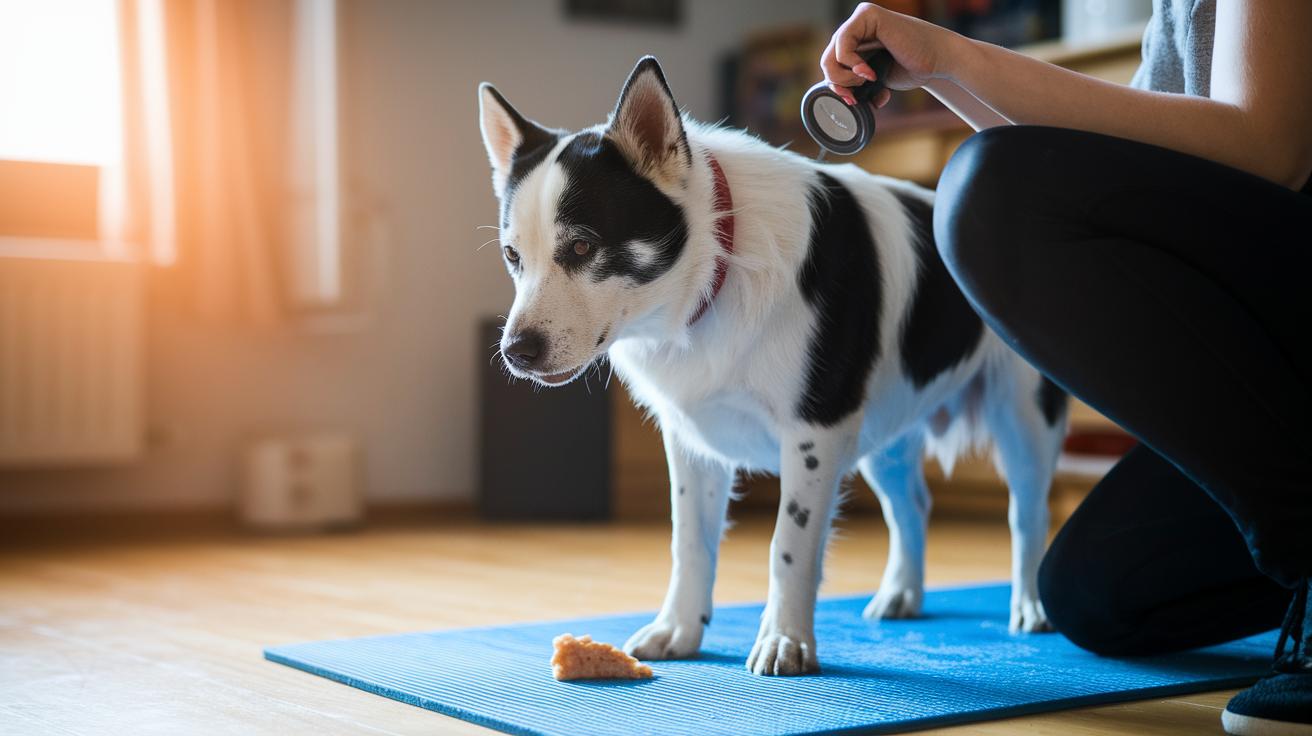
Clicker training depends on getting the timing just right. You need to make that click happen immediately when your pet does the trick so they understand which action you love. For example, a quick click helps your pet instantly connect the sound with what they just did. A slow click, on the other hand, might leave them scratching their head.
Using extra special treats plays a big part too. When your pet nails the exact behavior you’re looking for, reward them with a treat that’s different from the usual snacks. Imagine if your pet sits perfectly on cue, try using a small piece of chicken to celebrate their effort.
Sometimes you might notice that things aren’t quite clear. If your pet seems confused or loses focus, check your click timing. You could also try offering even smaller, extra enticing treats, or adjust your timing just a little bit. A handy tip is to reduce distractions around them and always click right when they do the right thing.
- Practice each trick with a firm, clear click.
- Use treat sizes and types that really catch your pet’s attention.
- Watch out for any delays that could send mixed signals.
By fine-tuning these steps, you build on the basics and fix common issues. This way, every session becomes clearer and more fun for both you and your pet.
Step-by-Step Guide to Using a Clicker in Training
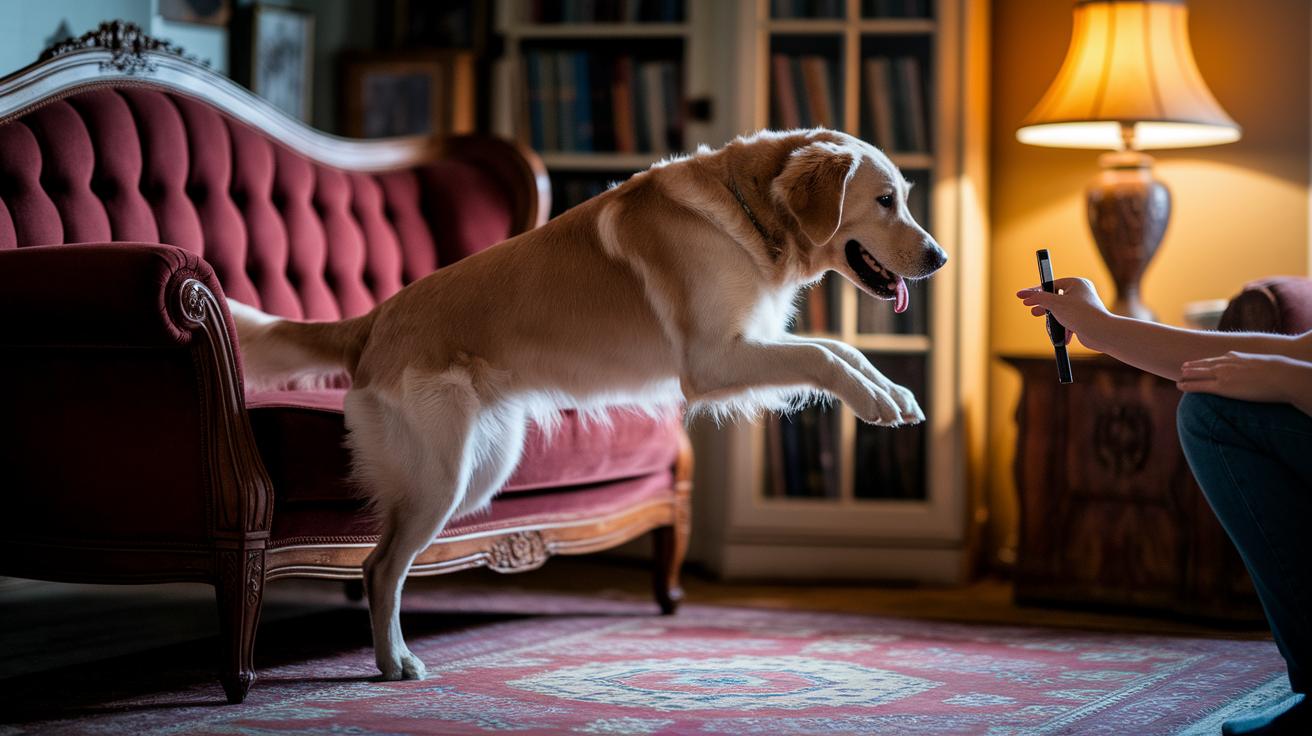
Start by giving your clicker a workout. Click and immediately reward your pet with a treat until they begin to look for that yummy bite every time they hear the click. Picture it like this: click, treat, and watch your pet light up with excitement, knowing a tasty surprise is coming.
Next, work on teaching your pet to sit. When you notice their bottom gently hitting the floor, click right away, offer some loving praise, and treat them. It’s like catching a perfect snapshot of a happy moment, your quick click tells them, “Nice work!”
Then, start adding other commands like “down,” “stay,” “heel,” and “come.” For example, when your pet holds a steady “stay,” click every two or three seconds to remind them of their good behavior. This steady rhythm of clicks really helps nail down the right responses over time.
After that, mix in some simple hand signals with each click so your pet learns to follow non-verbal cues too. This extra sign can be a real lifesaver on those busy days when your voice might be a bit soft or distracted.
Gradually, work on making “stay” a longer game. Begin with a short 10-second hold time and slowly stretch it out to five minutes. With patience and practice, your pet will get the hang of it.
Finally, once your pet reliably follows all the commands, start to replace the click with warm verbal praise. This gentle transition helps your furry friend understand that great behavior deserves kind words, too.
Expanding Clicker Training Across Species
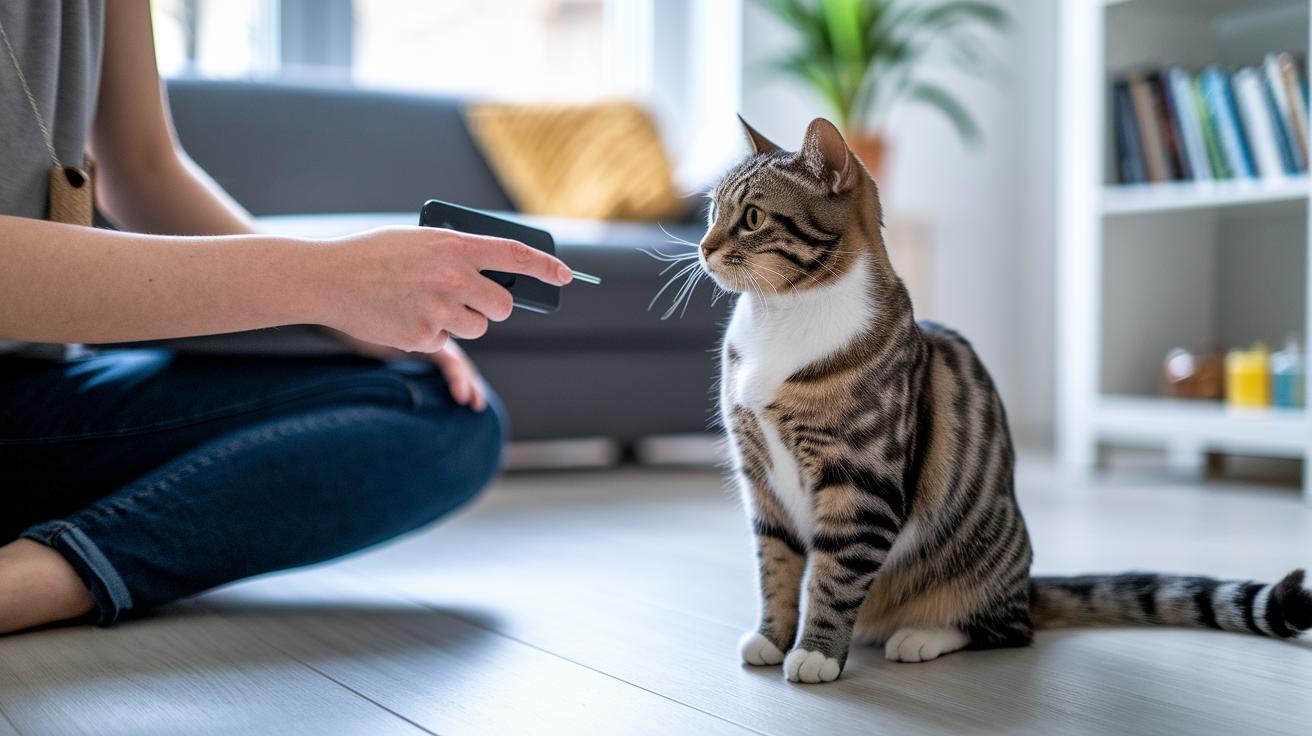
Clicker training isn't just for dogs. It works wonderfully for many animals, from playful puppies to curious cats, even horses and birds. When you use a click to mark a good behavior, your pet quickly learns that the sound means a reward is coming. Imagine a cat that hears the click, sits down, and then gets a little piece of kibble. Or think of a horse that responds to a short cue during training and earns a sweet carrot or pellet. Even tiny birds can learn simple tricks when given a small treat.
Keep sessions short, about 5 to 10 minutes works best. This helps your pet stay focused without feeling overwhelmed. Here’s how different pets can benefit:
| Pet | Benefit |
|---|---|
| Dogs and Puppies | Learn both basic and advanced commands with ease. |
| Cats | Can learn to jump to a target or sit on cue. |
| Horses | Respond well to clear, short audio signals. |
| Birds | Pick up simple tricks quickly when paired with treats. |
This flexible approach shows that clicker training can be adapted for any pet, making learning a fun and engaging experience for every animal.
Advantages of Clicker Training Compared to Other Methods

Clicker training shines because it uses a quick sound to mark a pet’s correct behavior, making it super clear what earns a reward. It’s much easier to understand than just giving treats or using punishments, which can sometimes leave your pet baffled. Research shows that this marker method helps lower a pet’s stress and makes them more eager to learn. Imagine your pet hearing a clear click right when they do something right, it's like the sound is cheering them on.
As time goes by, the benefits really stack up. Pets trained this way start to behave more reliably and focus better because they understand the connection between their actions and the click. That steady sound not only builds a stronger bond between you and your pet but also keeps the mood light and fun during training. Over time, every session becomes more efficient and enjoyable, making life happier for both you and your furry friend.
Troubleshooting Clicker Training: Common Pitfalls and Solutions
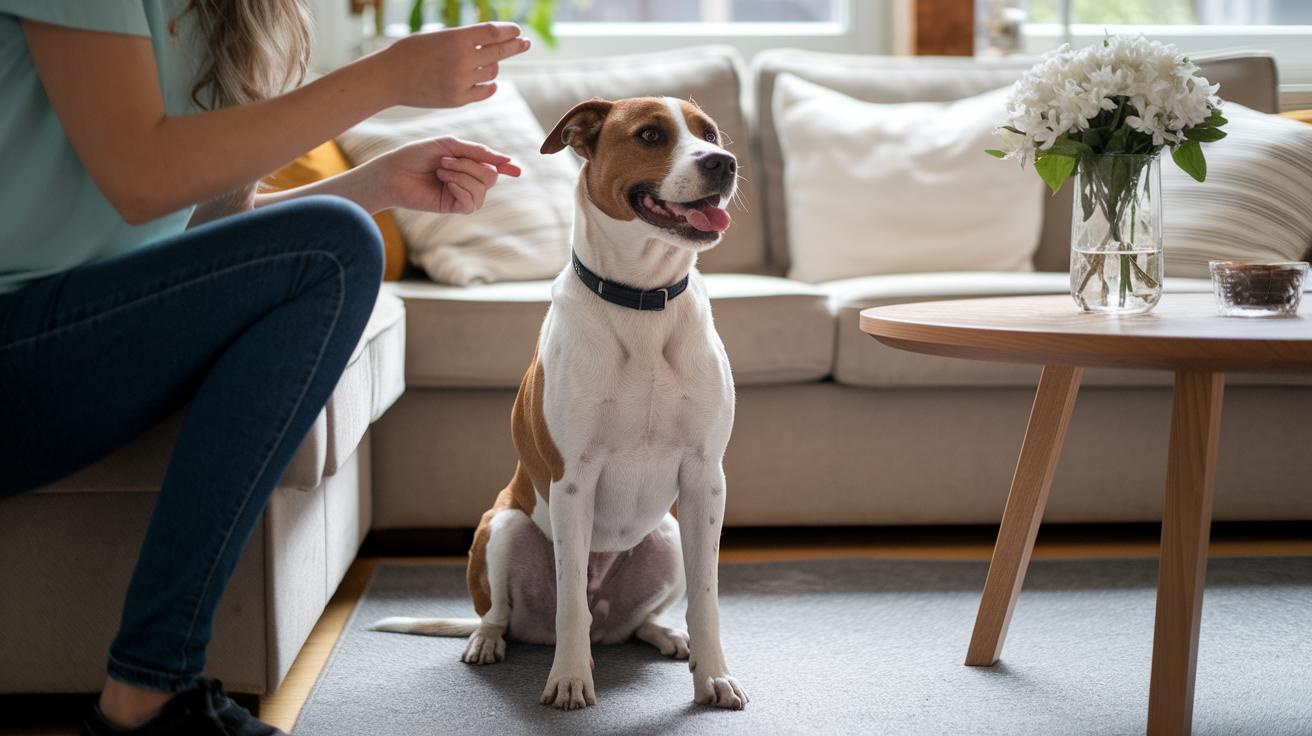
Sometimes, a mistimed click can confuse your pet. Clicking too soon or too late might accidentally reward the wrong behavior. Try to click exactly when your pet does the trick you want, like clicking right when your dog’s bottom touches the floor when they sit. It’s all about hitting that perfect moment, almost like catching a little flash of brilliance.
If your pet seems to ignore the click, it might be time to go back to basics. Refresh the stage where you connect the click with a really tasty treat (a high-value treat is one that your pet loves). Use especially delicious treats so your pet starts looking forward to that clever click sound.
Keep your sessions short and sweet, about 5 to 10 minutes, to keep your furry friend interested and not overwhelmed. And don’t worry if you need to change up the treats or adjust the session length a bit; every pet is unique, and figuring out what works best for them is part of the learning process.
When you hit a plateau, mix things up a little. Try out new cues or fine-tune your click timing gradually. This step-by-step approach can really help your pet understand and respond as desired, making your training journey smoother and more fun.
Final Words
In the action, we explored the key ideas of clicker training, from its definition as a precise marker training method to step-by-step instructions and adapting techniques for different pets. Each section built on clear, simple principles that show how a click can bring a reward and a wag or purr in return.
This blog highlights what is clicker training and why this sound-based approach works wonders. It all adds up to a friendly, fun, and effective way to help our pets learn reliably.
FAQ
Q: Why are some people concerned about clicker training and what disadvantages does it have?
A: Clicker training may face challenges if the click is mistimed or if treats are overused. This can lead to confusion or reduced engagement, making it less effective without careful practice and variety in rewards.
Q: How does clicker training work for humans and can it be used for human behaviors?
A: Clicker training for humans uses a sound cue to mark correct actions, similar to pet training. It fosters habit formation by pairing the click with a reward like praise or a treat, though it’s less common than in pets.
Q: What is clicker training used for and how does it work?
A: Clicker training uses a distinct sound to signal the precise moment of a correct behavior, reinforcing learning with a reward. It helps pets and even people develop new skills or improve existing ones.
Q: How is clicker training used for dogs, especially for beginners?
A: Dogs use clicker training to learn commands by hearing a clear sound when they perform a desired behavior. Beginners benefit from its straightforward, step-by-step feedback that builds a strong, positive connection.
Q: What is clicker training for cats and how does it benefit them?
A: Clicker training helps cats learn tricks or commands by marking correct actions with a click, followed by a treat. This method keeps training fun, engaging, and clear for the feline mind.
Q: What is clicker training according to urban dictionary terms?
A: Urban dictionary describes clicker training as a fun and simple sound-based method to teach behaviors. It involves pairing a click sound with a reward to reinforce positive actions in a clear, engaging way.
Q: What age should you start clicker training for your pet?
A: Starting clicker training when your pet is a puppy or kitten works best. Early training uses brief, engaging sessions that match their short attention spans and helps build good habits from the start.