
Ever thought that one little click could change the way your pet learns? With clicker training, every command turns into a tiny celebration. When you make that short sound, it tells your furry friend that a big reward is waiting.
Imagine your dog's eyes lighting up with joy after nailing a trick, or your cat finding a new, fun way to play. This method not only speeds up learning but also builds confidence while strengthening the bond you share.
It’s a simple, fun way to encourage good behavior and add a bit of extra cheer to every day with your pet.
Core Benefits of Clicker Training for Pets
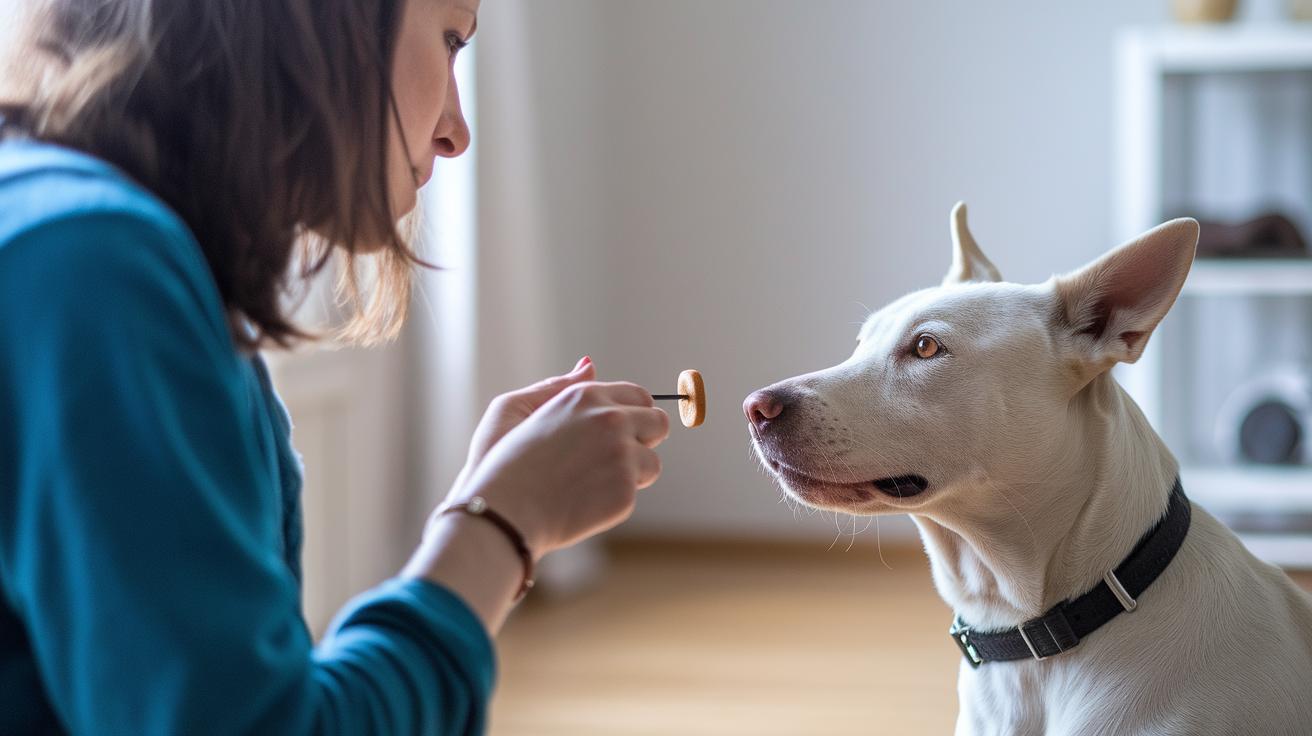
Clicker training is a fun, simple way to guide your pet. You use a small gadget that makes a distinct click right when your furry friend does something right. When you follow that click with a treat quickly, your pet instantly understands that they just earned a reward. Think of the joy when your dog sits perfectly at your command, the quick click and treat are a little celebration of a job well done.
This method speeds up learning because the clear sound tells your pet exactly which behavior is being rewarded. Research shows that a well-timed click cuts down confusion and helps your pet understand what you expect much faster. Each sound triggers a burst of dopamine (a “feel-good” brain chemical), so your pet gets excited to repeat the behavior.
It’s all about positive reinforcement. With every click paired with a treat, your pet’s confidence grows and they become more curious about learning new commands. Plus, every training session feels like a fun discovery time, where you learn more about your pet’s unique personality while deepening your bond.
| Advantage | Description |
|---|---|
| Rapid Learning | The clear click helps your pet pick up new tricks quickly. |
| Clear Communication | The sound directly shows which behavior you’re praising. |
| Boosted Confidence | Reward-only training builds self-assurance without any scolding. |
| Fun Sessions | Engaging, short command sessions keep training enjoyable. |
| Trust Building | Positive reinforcement strengthens the bond between you and your pet. |
Each of these benefits not only helps your pet behave better but also turns training into a heartwarming, shared experience for both of you.
Accelerated Learning through Precise Audio Cues

There’s nothing quite like hearing a clean click right when your pet does something special. A well-timed click can speed up learning by up to 50%. When you click exactly when your pet sits, jumps, or shows another behavior, they quickly link that sound to a reward. Even a small delay, just a few milliseconds, can make that connection less clear. Try it: the moment your dog sits, click immediately so they know exactly why the treat is coming.
That clear sound sparks a quick burst of dopamine (a feel-good chemical) in your pet. This little surge boosts their confidence and makes the reward even more exciting. It also means fewer repeated commands because your pet understands right away what earned them the treat.
Strengthening Pet-Owner Bond with Click Signals
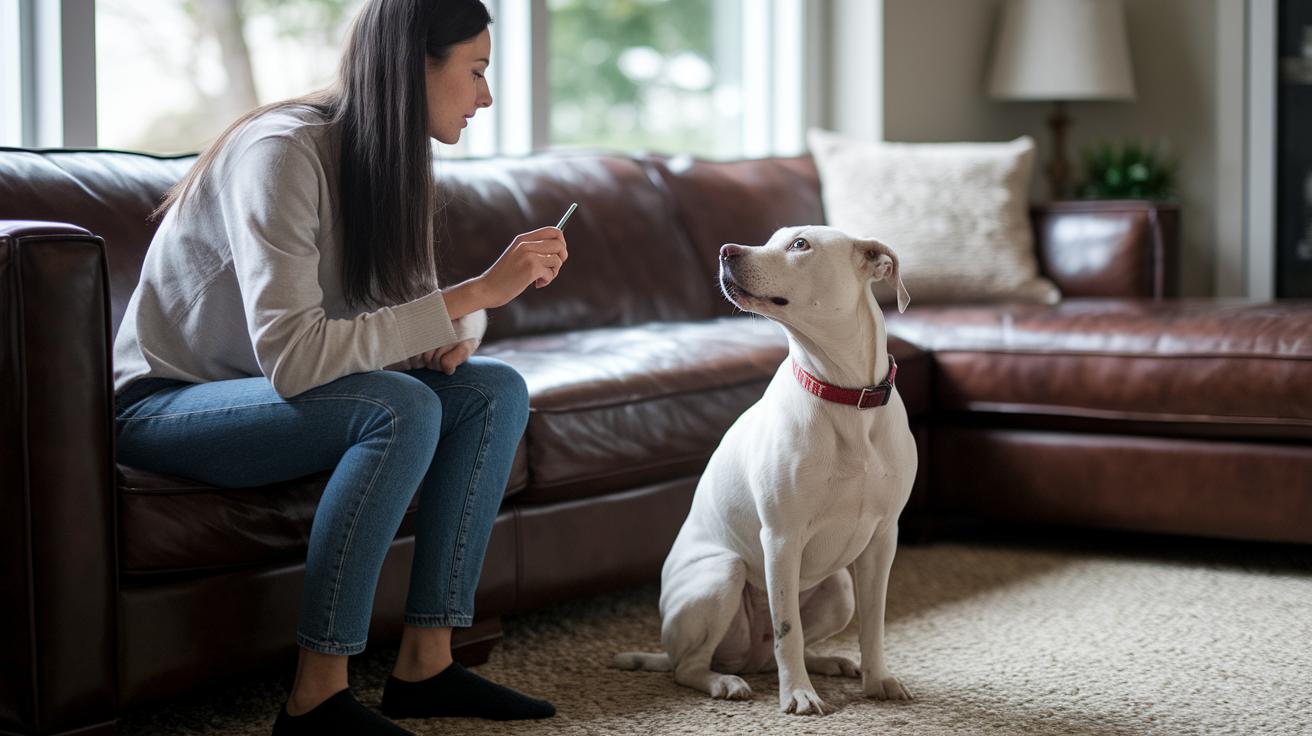
Clicker training is all about a fun back-and-forth with your pet. Each click shows them they did something right and gives you a peek into their mood. When you click at the right time, you start to notice little hints your pet gives before, during, and after their actions. It’s like you two are sharing a quiet, special language.
Regular training with only positive rewards makes everyone feel more relaxed. There’s no scolding, just a calm feel-good moment. Imagine the soft reassurance in that little click when your dog sits on command. This simple, predictable sound not only helps shape behavior but also eases stress, making your pet feel safe and loved.
Over time, these daily sessions become a string of smile-worthy moments. Many pet owners share their joy online, marveling at how one clear sound can brighten an ordinary day. Here’s what you might notice:
- You learn more about your pet’s way of understanding.
- Your pet feels more confident with each consistent reward.
- The trust between you grows deeper, strengthening your bond.
Using clear click signals turns everyday training into a heartwarming conversation that lifts the mood for both you and your pet.
Step-by-Step Guide to Effective Clicker Training Practice

Start by clicking and then giving a treat right away. This first step is all about linking that clear click sound with a tasty reward. Imagine it's like telling your pet, "Hey, this sound means something yummy is coming!" It's the perfect way to lay the groundwork without expecting any specific behavior.
Next, keep an eye out for small actions from your pet. Whether it's a quick glance or a tiny movement, click at that moment. Every little blink of attention deserves recognition. That simple click is like a gentle nod saying, "Good job, buddy!" and helps build the basic skills for bigger actions later on.
Once your pet gets used to the click, start adding in a word. For example, if your dog sits after a click, say "sit" so that he begins to connect the sound, the word, and the reward. Slowly, it all comes together, making it clear that both the click and the command lead to a treat.
Then, try practicing in different parts of your house, and even outside. Changing the setting helps your pet learn that the click-and-treat rule works everywhere, not just in one spot. This mix-up of locations keeps the training strong and flexible.
Finally, when your pet is following commands well, begin giving treats less often. Even as you click to mark correct actions, you can start to rely on rewards only occasionally. This gradual change keeps your pet sharp while transitioning smoothly to fewer treats, all the while keeping the behavior strong.
Comparing Clicker Training and Traditional Methods

Clicker training gives you instant feedback that helps your pet learn quickly. When you click at just the right moment, your pet knows exactly what it did well. Even a tiny delay of one or two seconds with treats can sometimes confuse them. Studies show that using a clear sound can lower the number of times you need to repeat commands by about 30–40%.
Traditional methods often use praise or gentle leash corrections, which can sometimes send mixed signals. With a clicker, the sound is steady and clear, so your pet quickly connects it with a fun treat. One study even found that pets trained this way remembered new cues about 15% better after one week. And yes, while there's a small chance your pet might depend on the clicker or treats, you can easily manage that by slowly fading them out.
Clicker training also builds your pet's basic skills with a simple, clear way to communicate. A quick click leaves no room for guesswork, unlike some traditional rewards that might be unclear or inconsistent. Next, look at the table below to see the differences side-by-side:
| Aspect | Clicker Training | Traditional Methods |
|---|---|---|
| Timing Precision | Instant feedback marks behavior | 1–2 second reward delay |
| Learning Speed | 30–40% fewer repeated commands | Slower learning curve |
| Communication Clarity | Clear audio signals link behavior and reward | Mixed signals from praise or corrections |
| Dependency Risk | Manageable with gradual treat fading | Generally minimal, but less precise |
Addressing Common Clicker Training Challenges
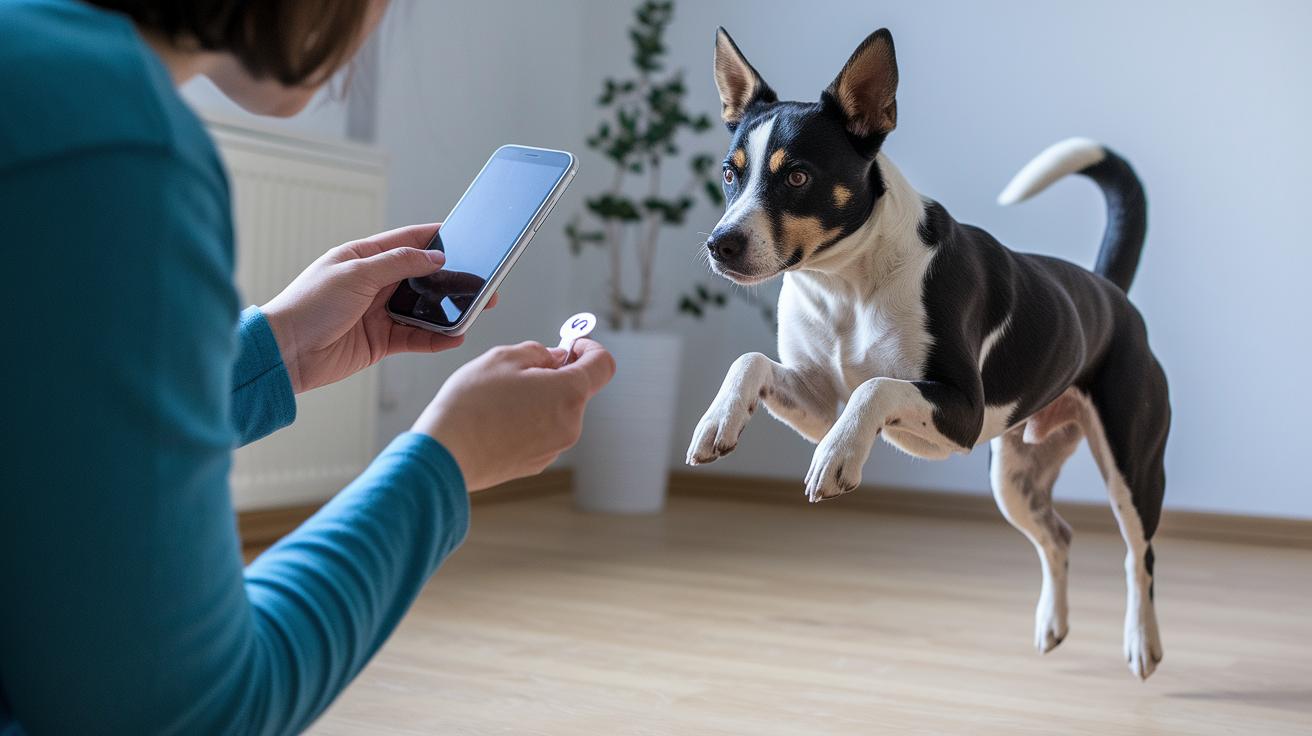
Getting your timing right is key. If you wait too long, more than 250 milliseconds, your pet might get mixed up. Picture this: your dog leaps, and you click just a tiny bit later. That perfect, quick sound tells your dog exactly which move was right. Even a tiny delay can fog up that clear message.
Sometimes, your pet might not be excited by treats or toys alone. In those moments, try a quick play session or give a few extra pats. Think about a cat, its soft purr filling the room during a fun game. That playful reward can work just as well as a treat to remind your pet of a job well done.
Another thing to watch out for is leaning too hard on the clicker sound. To help your pet learn, you can slowly mix in word cues instead. This helps them understand that doing the right thing is what matters, not just the sound from the clicker. A good tip is to jot down notes during your training sessions. That way, you can easily see if you’re missing clicks or if there’s a delay in your responses.
Here are a few friendly pointers:
| Tip | Description |
|---|---|
| Quick Click | Click within 250 ms to mark the exact moment of correct behavior |
| Alternate Rewards | If treats or toys don’t work, try playtime or extra pats |
| Verbal Cues | Slowly replace the clicker sound with a word cue to prevent overreliance |
Regularly check in on your training sessions. This keeps the excitement alive and helps you and your pet understand each other better. Happy training!
Final Words
In the action, we explored how precise clicks guide pets to learn fast and communicate clearly. We broke down the click-and-treat method that builds confidence and deepens the pet-owner bond. Each section showed clear steps, from marking behavior to generalizing commands in different settings, all while keeping training fun and stress-free. Enjoy the many benefits of clicker training for pets and keep celebrating every small win with your furry friend.
FAQ
Q: Why is clicker training sometimes seen as bad?
A: The idea that clicker training is bad comes from concerns over timing mistakes and a pet not being food motivated. It marks behavior quickly, but if not done right, it might not work well.
Q: What are the benefits of clicker training for dogs, puppies, and beginners?
A: The benefits of clicker training for dogs include clear communication, faster learning, and increased confidence. This method gently marks correct behaviors, making training fun and building a strong bond.
Q: What is clicker training for humans and does it really work?
A: Clicker training for humans is a way to shape behavior using precise audio cues and rewards. Although it’s more common with pets, some people use similar techniques to help form new habits.
Q: How does clicker training help stop bad behavior?
A: Clicker training helps stop bad behavior by clearly marking when a pet does something right, which gently encourages them to choose the good action over repeating unwanted habits.
Q: What are the disadvantages of clicker training?
A: The disadvantages of clicker training include potential timing issues that may confuse a pet and less success if the pet isn’t motivated by treats. It works best when used with care and consistency.
Q: What is the science behind clicker training?
A: The science behind clicker training shows that the clear sound cue can trigger a dopamine release in your pet’s brain. This reward feeling enhances learning and helps your pet remember commands.