
Ever wonder why some dog trainers keep getting more referrals and bigger roles? Maybe it’s because they earned a dog training certification. This simple step shows pet owners that you meet national standards and can handle all kinds of breeds.
In this guide, we’ll explore different course options and the basic requirements. You’ll also learn about the many benefits that come with boosting your pet care skills.
Imagine how a simple certification could light up your career, setting you apart in a field where your passion for dogs truly counts.
Dog Training Certification Overview: Accredited Options, Requirements & Advantages

Certification builds trust with pet owners and helps you stand out in pet care. When you earn your dog training certification online, it shows that you meet a national standard and can handle different breeds and behaviors. You can choose from online courses, in-home classes, and even specialized service or therapy programs approved by trusted groups like CCPDT, APDT, IAABC, NADOI, Karen Pryor Academy, and Victoria Stilwell Academy.
Most programs ask for a high school diploma, a background check, and roughly 100–200 hours of real-life experience or an apprenticeship. Some courses take just 3 months if you work at your own pace, while others offer a 12-month program with live workshops and on-demand videos. Prices can range from $500 to $3,000 based on things like the course’s accreditation, mentor support, and training materials provided. These courses cover basic ideas like operant and classical conditioning (a way to teach through rewards and reminders) and even advanced topics to boost your career.
Getting certified opens many doors. With your new credentials, you might work as a private or behavior consultant, a service dog trainer, or even join an AKC accredited program. This certification builds your professional image and often leads to referrals through exclusive trainer directories.
If you’re looking for a learning experience that fits your busy life, check out different class formats and schedules. Visit dog training classes to find options that match your lifestyle and career ambitions.
Accredited Dog Trainer Programs: A Comparison of Leading Certification Bodies

Getting accredited can really boost your trust with pet owners and employers. It shows that you've learned solid techniques and met national standards. Whether you pick an online course for dog educators or a highly rated trainer certification, a respected credential tells everyone you’re serious about your work.
Below is a simple table that shows some of the top organizations offering accredited dog training programs. Think of these as different paths to prove your skills, whether you’re focusing on akc accredited courses, canine instruction, or online professional training.
| Certification Body | Program Highlights | Requirements |
|---|---|---|
| Certification Council for Professional Dog Trainers | 42 hours of coursework plus 140 hands-on training hours | Finish all coursework and complete practical training |
| Grisha Stewart’s Behavior Adjustment Training | Focus on behavior adjustment methods | Pass practical evaluations and master specific techniques |
| International Association of Canine Professionals | Stresses professional growth | Show proven experience and complete ongoing practical training |
| National Association of Dog Obedience Instructors | Offers both group classes and private lessons | Complete 104 group-training hours or 288 private lesson hours |
| Association of Animal Behavior Professionals | Emphasizes the biological side of behavior | Understand animal biology and behavior basics |
| Karen Pryor Academy | Focus on clicker training and technical skills | Show proven training skills and complete the coursework |
| Victoria Stilwell Academy | Deals with concept training and positive reinforcement | Master positive training methods |
| Top Tier K9 Pet Trainers | Covers basic to advanced handling techniques | Gain hands-on handling experience and complete thorough coursework |
When you’re choosing a program, think about where you are now, how you learn best, and what you want to do next in pet care. Pick the option that fits your needs, and you’ll set yourself up for a rewarding future teaching and caring for pets.
Prerequisites & Curriculum Details for Dog Training Certification

Before you jump into these dog training courses, you'll need a high school diploma, a background check, and some hands-on experience (like practical hours or an apprenticeship). These steps help you get ready for both pet obedience classes and specialized in-home dog behavior studies. This base sets you up nicely for the mix of skills needed in today’s dog training world.
Foundations & Behavior Science
In the core classes, you’ll explore the basics of operant and classical conditioning (teaching with rewards and reminders) and canine ethology (learning how dogs behave naturally). You’ll cover simple learning theories alongside important guidelines like animal welfare and legal standards. This way, every trainer builds a solid understanding of dog behavior science and treats every pet with compassion.
Specialized & Niche Courses
After you master the basics, you’ll dive into courses that hone your skills even more. For example, you can try Therapy Dog Team Training, available via service dog training online, or sign up for Puppy Start Right for Instructors and PSRI Online Puppy Preschool. There are also modules on Canine Freestyle, Dog Sports Essentials, Smart Reinforcement, and making vet visits easier. And if you’re eager to learn advanced techniques, options like Ken Ramirez’s Concept Training and Click to Calm (using modifier cues) will help you go beyond standard training methods.
Cost & Duration of Dog Training Certification Programs

Many dog training programs now come in options that fit different budgets and learning styles. Basic certificates usually cost between $500 and $1,000 and are designed as self-paced online courses you can finish in about 3 to 6 months. For those wanting a deeper, hands-on experience with live mentorship and education credits, look at professional diplomas that cost between $1,500 and $3,000 and last around 9 to 12 months. It helps to compare these choices and check out the dog training cost page to find the one that fits both your career goals and your wallet.
Remember, your expenses don’t stop at the first payment. Renewal fees, usually ranging from $75 to $200 a year, keep you updated with extra support materials like articles and videos. Other important factors include accreditation costs, the amount of mentor time you get, access to live workshops, and the quality of the training kits. By looking over these details carefully, you can choose a program that not only works with your budget but also gives you a solid foundation in dog training techniques and industry standards.
Dog Training Certification: Spark Career Growth
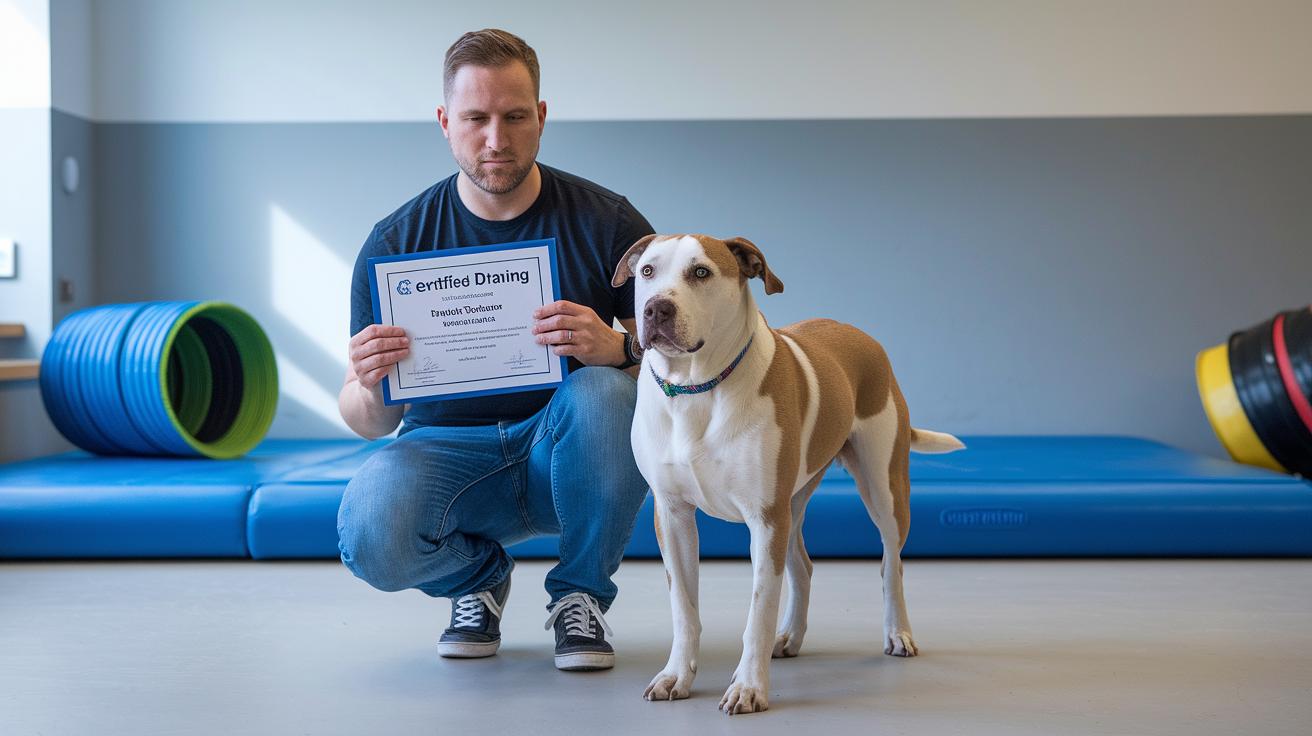
If you become a certified dog trainer, you might earn between $30,000 and $60,000 a year. That range shows there’s a strong need for trainers who meet a national standard in pet care, whether you work in private sessions, corporate settings, or shelters. Getting certified tells pet owners and employers that you can handle different breeds and behavior styles. Think of it like having a trusted guide, your skills help you connect easily with those looking for service dog program training or therapy dog handling.
Certification also opens up many fun and fulfilling roles. Here are a few ideas:
- Private Consultant: Offer one-on-one advice and personalized training tips.
- Group Obedience Instructor: Lead classes that encourage teamwork and good pet behavior.
- Service Dog Program Developer: Create training plans tailored for assistance dogs.
- Therapy Dog Handler: Work with dogs that bring comfort to hospitals or care homes.
- Canine Sports Coach: Help dogs and their owners excel in competitive sports.
- Pet Store Trainer: Combine retail and training to meet a wide range of pet needs.
Certification isn’t just about showing off what you know, it also helps expand your professional world. You’ll get listed in special directories so clients can find you easily and gain access to exclusive courses that keep your training methods fresh. Adding details like your accrediting body, total training hours, and special modules on your resume shows just how expert you are. Imagine a client reading your resume and instantly trusting your abilities, much like a catchy slogan that draws you right in: “From playtime to professional prowess, every pet deserves expert care.”
Reviews & Community Feedback on Dog Training Certification Programs

Amanda took the Certification Council for Professional Dog Trainers program. She mentioned that earning her credential made working with clients much smoother and led to more repeat bookings. She especially loved the monthly emails that delivered handy tips and updates, keeping her ahead in her field.
Marcus finished the National Association of Dog Obedience Instructors certification. Now, he gets steady referrals thanks to the "Find a Trainer" feature. He shared that the program sharpened his skills and boosted his credibility, making pet owners feel confident in his training methods.
Liam graduated from Grisha Stewart’s Behavior Adjustment Training and was thrilled by the practical learning. He noted that the caring support from experts like Ken Ramirez really helped refine his techniques. This boost in confidence has not only improved his work but also made his clients happier with his approach.
Next Steps to Achieve Your Dog Training Certification

Ready to dive in and earn your certification? Here’s a simple, step-by-step guide to help you from start to finish.
First, find a training program that’s approved. Look for a provider you trust, check the basic requirements, and decide if you’d like to learn on your own or with a group.
Next, enroll in a course that breaks down dog training fundamentals in clear, everyday language. Think of it as learning the basics of a fun game with your furry friend.
Then, start studying the material and explore your online lessons, sort of like watching fun videos of dogs in action. Record every supervised training session you complete so you can track your progress.
After that, get involved in live or online discussion groups. Chatting with others can reinforce what you’ve learned and might even remind you of a funny pet story or two.
Prepare well for your exam and, when you feel confident, take the test. Once you pass, submit all your training records.
Finally, join the trainer registry and set up your annual renewal reminders or schedule additional training sessions to keep your skills sharp.
Happy training, and enjoy every step of the journey with your loyal companion by your side!
Final Words
In the action of your pet care adventure, you’ve learned how dog training certification opens new doors for skill building and career growth.
The outline showed various program options, stepping from basic principles to specialized courses, and explained what to expect with costs and timelines.
Each section helped clear up what to do next and emphasized building real confidence through practical experience.
Keep moving forward with this path, and let every step bring brighter days for you and your furry friend.
FAQ
Frequently Asked Questions
Q: What does dog training certification online mean?
A: Dog training certification online means you can earn your trainer credentials through web-based classes paired with practical assignments, meeting set prerequisites while offering flexibility and accessibility for busy pet owners.
Q: What are the best dog training certification programs available online?
A: The best programs are those approved by respected bodies like CCPDT and AKC. They feature structured coursework, hands-on training hours, and clear prerequisites, helping pet lovers gain credibility and confidence.
Q: What costs are involved in dog training certification?
A: Dog training certification cost usually ranges between $500 and $3,000 depending on course format, mentorship, and materials. Renewal fees typically add $75 to $200 per year, reflecting ongoing support and updates.
Q: How much does the CCPDT certification cost?
A: The CCPDT certification cost varies with program specifics, such as extra training and mentorship hours, but generally it falls in a mid-range price similar to many accredited dog training courses.
Q: What is the 3-3-3 rule for dog training?
A: The 3-3-3 rule for dog training suggests keeping sessions short—around three minutes each—three times daily, using three varied techniques to maintain your dog’s focus and ease overall learning.
Q: How many years of schooling are needed to be a dog trainer?
A: Becoming a dog trainer doesn’t demand years of formal schooling. A high school diploma combined with dedicated hands-on training and practical experience usually prepares you well for certification.
Q: Can I get dog training certification online for free?
A: Dog training certification online free options are limited since accredited programs require fees for quality instruction and resources. Occasionally, scholarships or special promotions may help reduce these costs.
Q: Where can I find dog training certification near me?
A: Finding dog training certification near you involves checking local classes or centers offering accredited programs. Many recognized bodies provide directories to help you locate quality, hands-on training in your area.
Q: What is the most respected dog training certification?
A: The most respected certification often depends on your goals, but credentials from organizations like CCPDT and AKC are widely recognized for their rigorous standards, comprehensive curriculum, and industry trust.