
Have you ever noticed your dog trembling when you say goodbye? It can be a startling sight and shows that many dogs feel uneasy when left alone.
Just like a kid starting at a new school, your furry friend might feel overwhelmed when the usual routine suddenly changes. Sometimes even the smallest change can make a big difference in how they feel.
In this chat, we’re sharing some gentle tips to help ease your dog's worry and boost their confidence during those moments of separation. By taking small, steady steps, you can help your pet feel safe, even when you're not right there. This means less stress for both of you and a calmer, happier home.
Effective Steps to Help Your Dog with Separation Anxiety
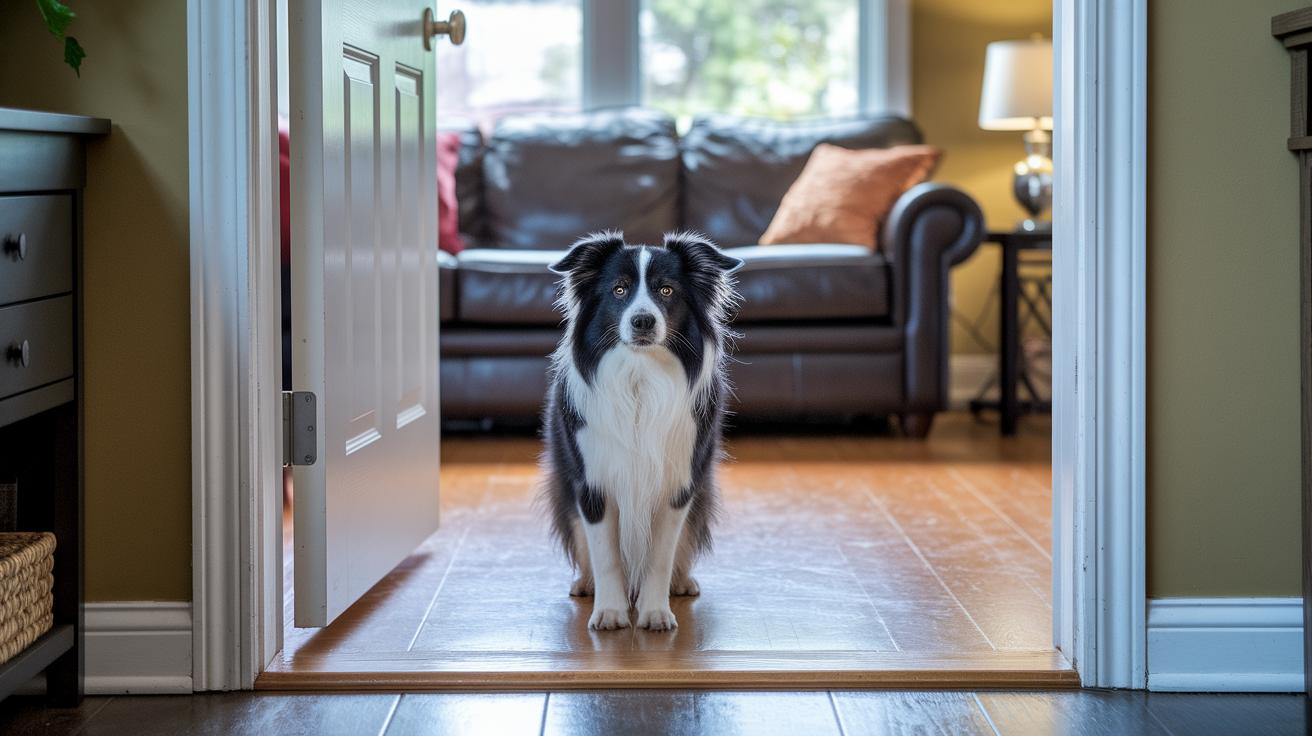
Sometimes, dogs get really scared when left on their own, much like a child feeling nervous on the first day of school. Their worry can build up fast, especially for pups that love being part of a pack and following a set routine. You might see your dog pacing, whining, or even doing things like chewing on a door frame. I once heard about a calm dog that suddenly began destroying its crate after a move, a clear sign of how quickly a familiar routine can turn into stress.
To help ease your dog's worries, try taking it slow. Start by leaving your pet alone for just 5 to 10 minutes and then gradually increase that time with the same dependable schedule. It's a good idea to keep a simple log of your dog's behavior. For instance, note if your furry friend refuses food when you're not there or shows signs of restless energy.
Keeping the daily routine steady is key, even on weekends. Imagine jotting down in your log, "Today I stepped out for 10 minutes, and my dog sat quietly until I returned." Little by little, your pet will learn that being alone is okay and only lasts for a short time.
Following this plan not only helps reduce your dog's anxiety, but it also makes it easier for you to share clear information with your vet if more support is needed. Staying calm during departures, skipping dramatic goodbyes, and practicing these short intervals can create a more relaxed experience for both you and your four-legged friend.
Recognizing Dog Separation Anxiety Signs Early
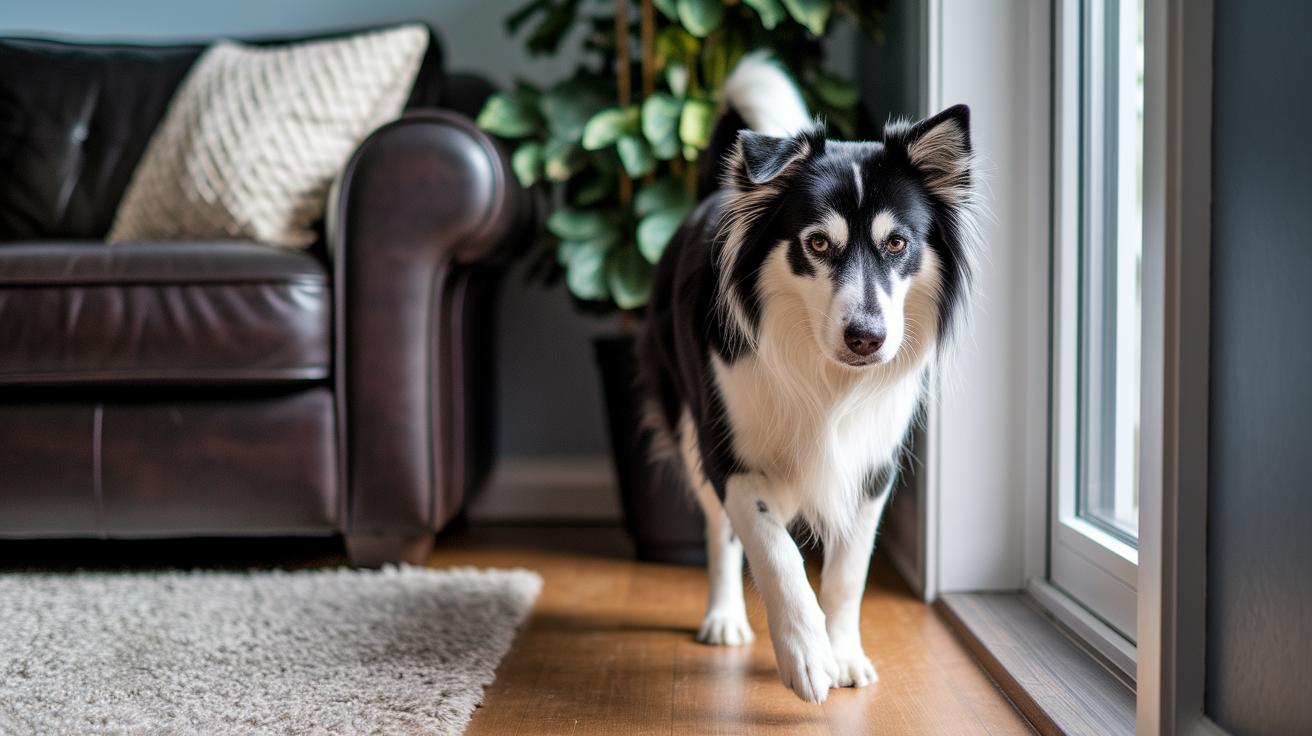
When you're about to leave, take a moment to check how your dog is acting. Sometimes, little hints like pacing or soft whining might mean your furry friend is a bit uneasy. And other times, stronger signs, like chewing on door frames, can show more serious anxiety.
For lighter signs, look for:
- Pacing around the room.
- Soft whining or a nervous restlessness by the door.
- Not eating unless you’re nearby (you might notice your dog suddenly stops munching when you step away).
For tougher signs, watch out for:
- Chewing on door frames.
- Scratching at windows soon after you leave.
Jotting down these behaviors can really help you tell if your dog’s upset a little or if it might need a bit more comfort.
Gradual Desensitization Techniques for Separation Stress in Dogs
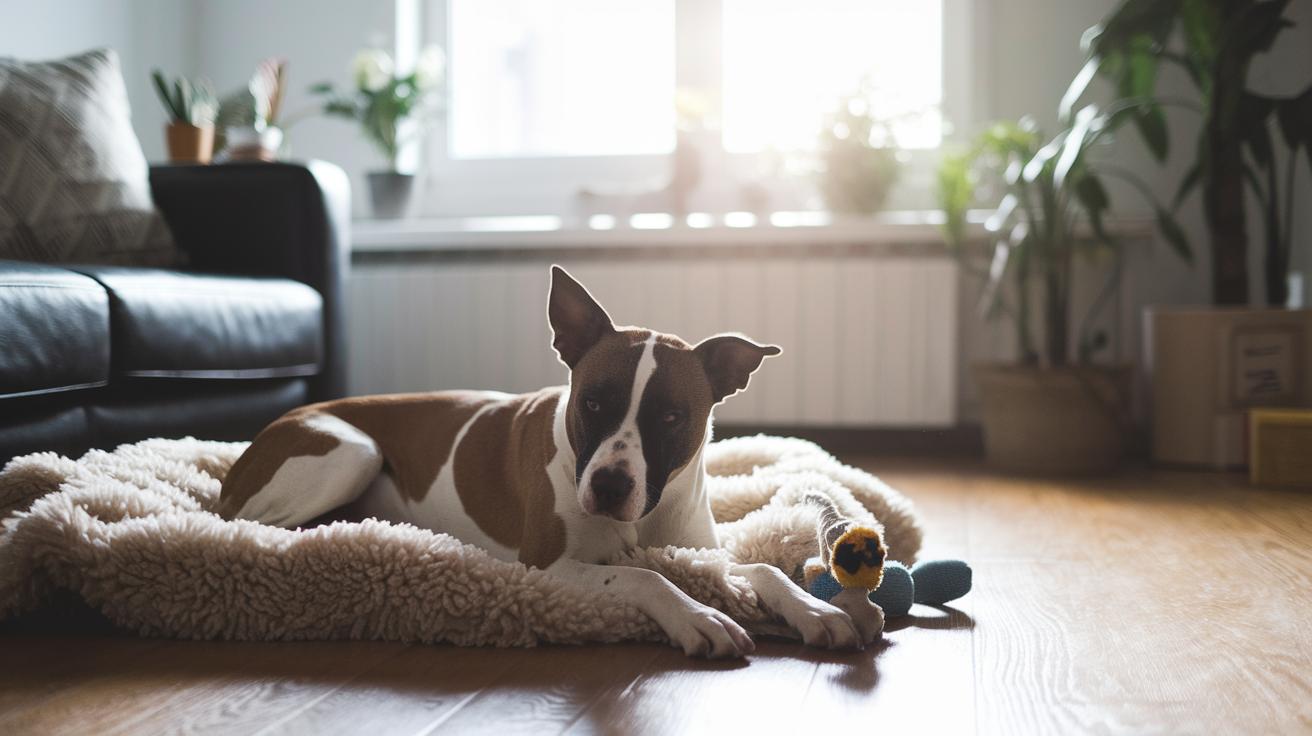
Start with really short times apart and keep a simple notebook log of your dog's reactions. This helps you see little steps of change day by day, like writing, "Left for 5 minutes; my dog was calm by the door."
Then, tweak your method to match your dog's age and personality. For little pups, a fun toy can make a short goodbye feel safe, while older dogs might do better with a quiet spot and a familiar toy. For example, you could say, "For a playful pup, try a treat-dispensing toy during a 10-minute break."
If your dog seems upset during these tries, try cutting the time back a bit or adding more comfort, such as a favorite blanket or soothing words. A soft phrase like "I'll be back soon" can ease the nerves when you leave.
If things don’t seem to be moving forward or your dog looks more stressed, consider mixing it up. Maybe try another room, a different time of day, or slowly extend the break just when your dog is ready. These small changes can help make the process easier for both of you.
Creating a Calming Environment to Ease Dog Anxiety

Make a special spot where your dog can feel safe and cozy. It might be a quiet room or a snug crate filled with soft bedding and even some worn clothes that carry that familiar home scent. That comforting smell helps your pup relax and feel at ease.
Set up the space so it feels really soothing. Try playing soft classical music or white noise at a low volume to cover any harsh sounds. I remember when I first played a gentle tune in my living room, my dog finally settled down and curled up on his bed instead of pacing around. Little changes like this can really help your furry friend when they’re on their own.
Crate training is another helpful trick. Make the crate a happy retreat by placing a few treats or a favorite toy inside. Soon enough, your dog will see the crate not as a place of confinement but as a personal resting spot. If you need more ideas, there are lots of dog crate training tips out there to help make the space inviting.
Keeping your dog's safe spot the same every day builds a reassuring routine. A steady environment means fewer surprises, which helps your pet feel calmer. With these simple ideas, you can create a warm, secure area where your dog feels happy and relaxed even when you're not around.
Activity and Engagement Strategies to Manage Separation Anxiety
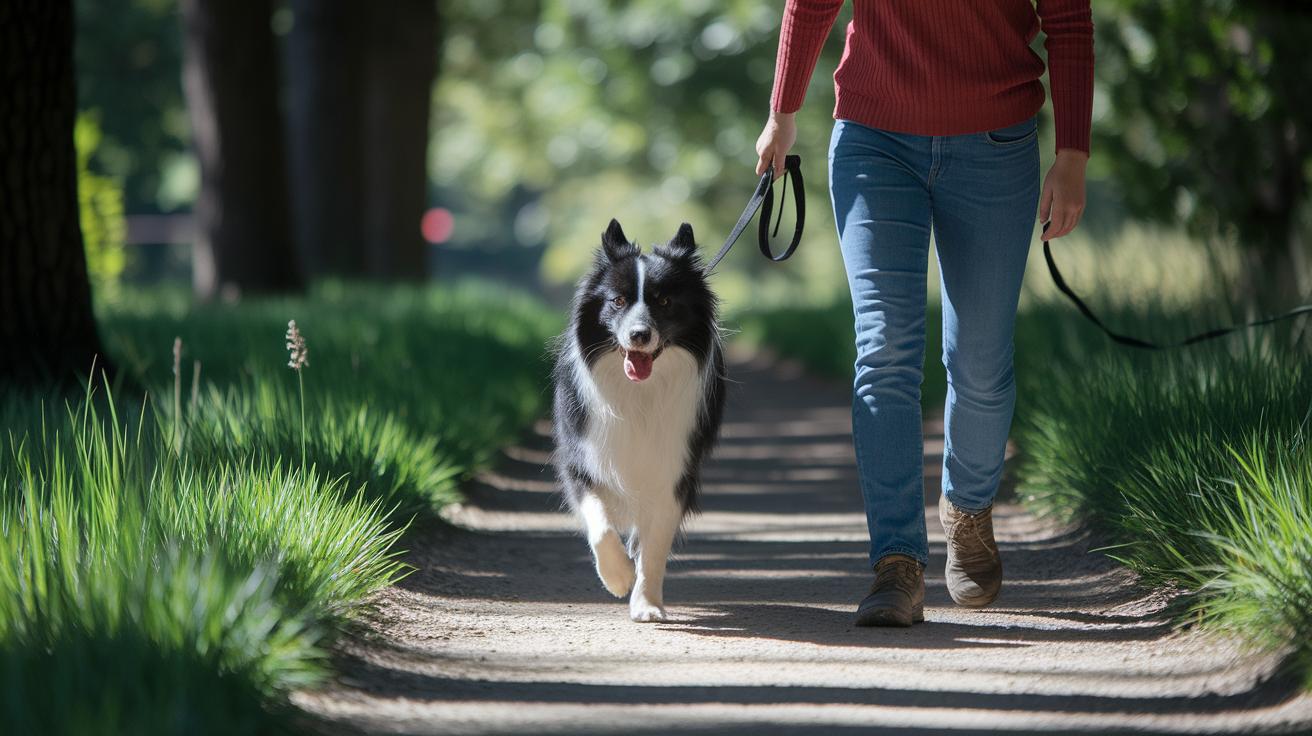
A brisk walk lasting about 15 to 20 minutes can really help your dog settle down before you head out. This quick burst of exercise makes your pup feel happily tired in body and mind. Picture saying, "Let's go for a walk," and watching your dog trot along, getting calmer with every step.
After the walk, try some fun activities that tickle their brain. Use a snuffle mat so your pet can sniff out hidden treats. You can also try simple obedience drills like sit or stay. And sometimes, interactive toys or little puzzles can turn alone time into a playful challenge.
A gentle massage works wonders too. A soft, comforting touch can ease your dog's worries and relax their muscles. Plus, you might consider joining a dog training class where your pet can learn new tricks and build confidence. This extra support can make departures less stressful and homecomings even more joyful.
Keep these fun sessions part of your daily routine. Consistent exercise and playful moments help your dog feel more at ease when they’re on their own.
Using Treat-Filled Toys for Distraction During Alone Time
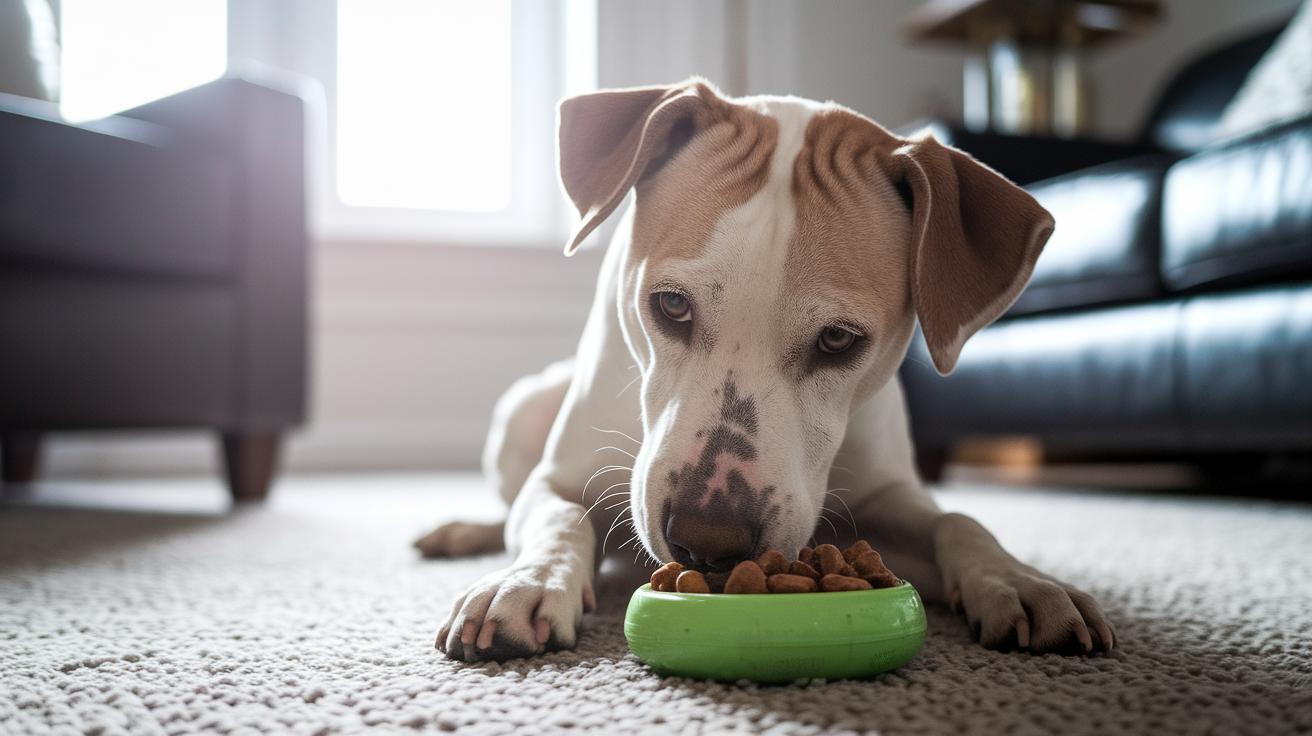
When you're away, treat-filled toys are a fantastic way to keep your dog happily busy. You can fill an interactive toy with treats, try a frozen KONG stuffed with canned pumpkin puree, peanut butter (a smooth, tasty spread), or sweet potatoes, and soon you'll see your pup eagerly nibbling and playing. This little treat surprise helps ease any anxious feelings he might have when you’re not there.
Over time, as your dog enjoys these treat breaks, he begins to see your departures as moments filled with rewards rather than stress. The key is to start with short alone periods and use these toys every day, gradually increasing the time apart. It’s amazing how a simple routine can build his confidence and make him feel safe.
Not only do these toys provide a delicious distraction, they also offer a bit of mental exercise that keeps your pet engaged while you’re out. And isn’t it comforting to know that a happy, well-stimulated dog is less likely to get destructive? It really works wonders, every single time.
When to Seek Professional or Veterinary Support for Separation Anxiety
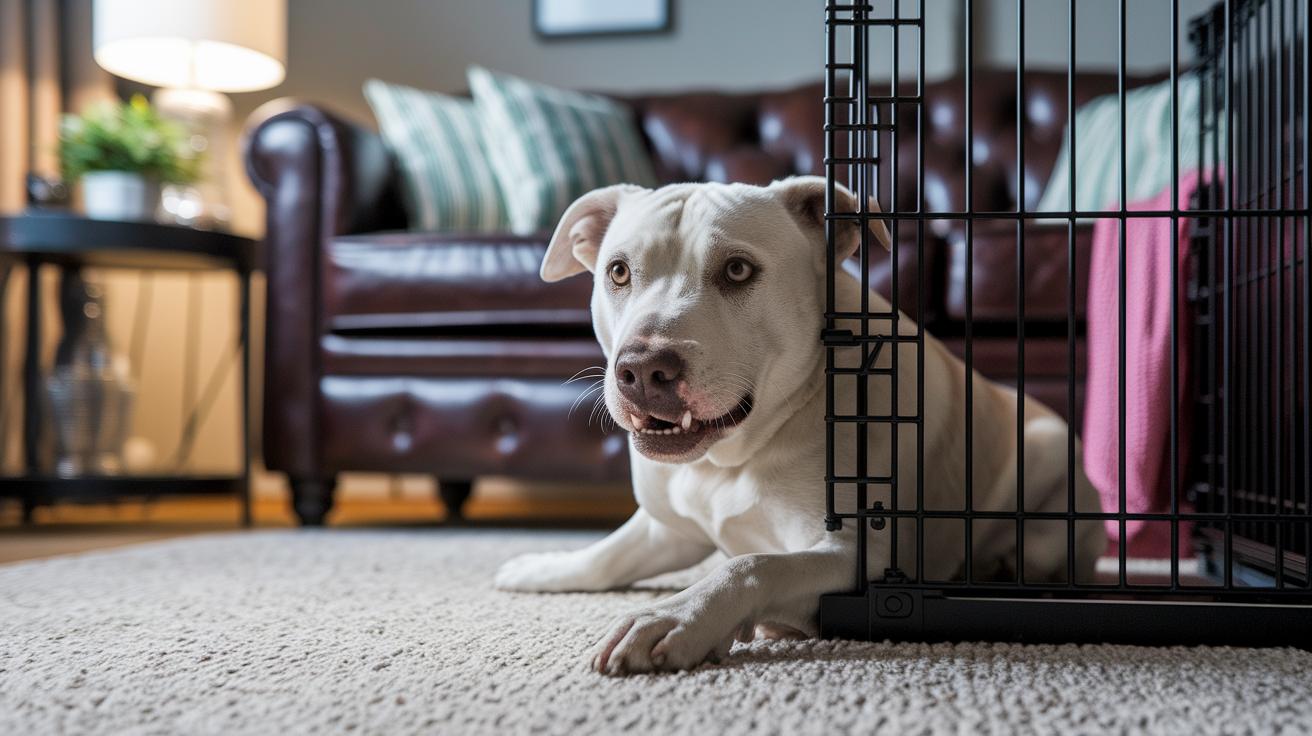
Sometimes, your dog's worry can grow so big that home remedies just don’t cut it. When you see signs like crate breakouts or even self-harm, maybe your pup starts chewing on the door frame over and over, it’s a clear signal. At that point, chatting with a pet behavior expert is a smart step.
A vet or certified behaviorist can check if your dog's stress might need a bit of help with medication (medicine to help calm nerves) or some more advanced training techniques. They’ll work with you to set up a plan and track your pet’s progress along the way.
It helps a lot to jot down when you notice extreme anxiety, like severe pacing or destructive behavior. These notes make it easier to explain what’s happening. If your dog’s anxiety sticks around or even gets worse, expert guidance can really help your furry friend feel safe and supported.
Final Words
In the action of caring for our dogs, we explored steps from recognizing early signs to easing stress with gradual practice. We talked about setting up calm, safe spaces and using fun, active distractions before departures. Even a few minutes of focused engagement or a treat-filled toy can shift focus and boost confidence. When signs grow stronger, a quick call to a professional can help. Every tip here is meant to make your pet's alone time easier and more positive, showing you exactly how to help dog with separation anxiety.