
Have you ever noticed that home tricks might not do the trick for your pup? Many pet lovers feel stuck trying to teach commands by themselves. A professional trainer can offer clear, step-by-step methods that fit your dog's unique personality.
With an expert by your side, the chaos of everyday training turns into calm, steady routines. Imagine those moments when a once unruly pup sits quietly, its tail wagging with contentment. This approach not only improves behavior but also deepens the bond between you and your furry friend.
If you’re looking for a positive change that makes both you and your pet happier, professional dog training might be just what your buddy needs.
Achieving Effective Behavior Change with Professional Dog Training
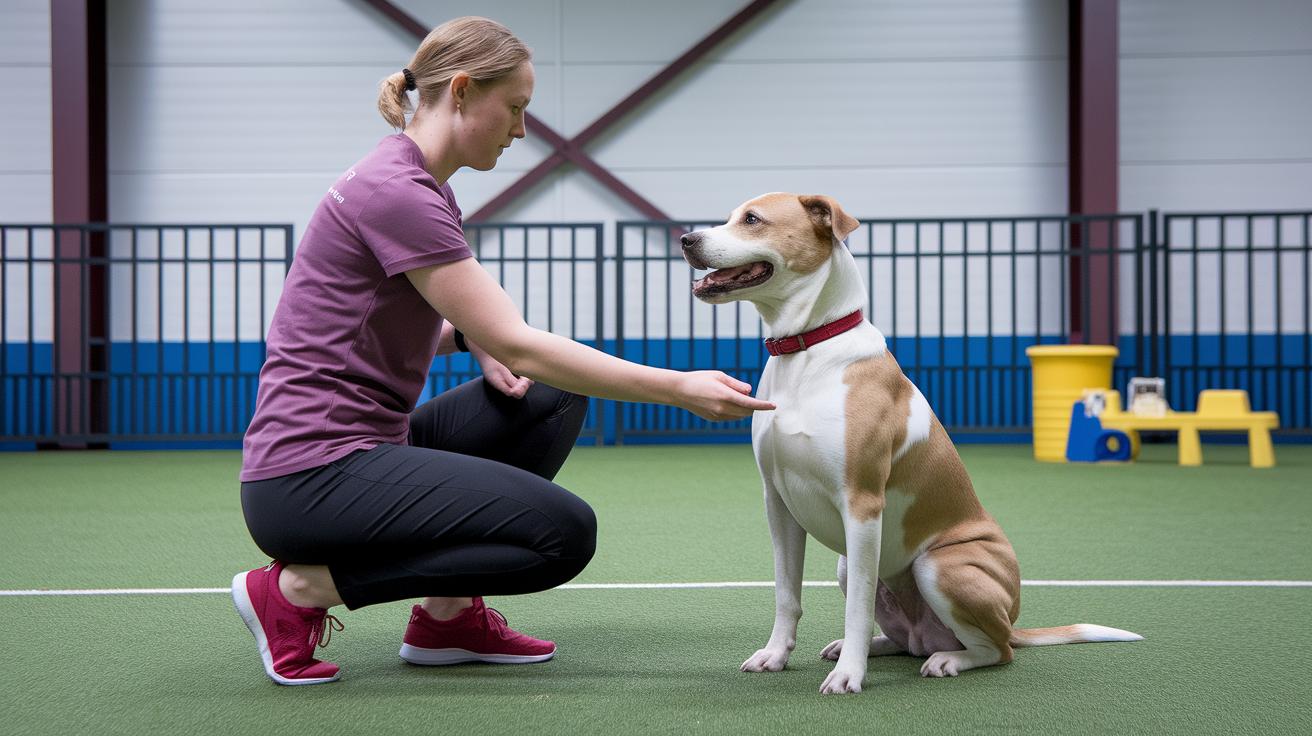
Many pet owners try teaching their dogs at home, only to get frustrated when results are all over the place. Professional dog training uses clear, focused steps that match the unique personality of your pup. Trainers help build obedience (learning commands and manners) and work on behavior modification (changing unwanted habits with positive rewards). Every lesson is made just for your dog so that every minute counts toward a happier, well-behaved buddy.
Skilled trainers work in many settings, offering private lessons and lively group classes. This way, each training plan fits your dog's special needs perfectly. Many owners have seen their clumsy puppy turn into a confident friend who follows commands eagerly. These thoughtful methods also help build a stronger bond between you and your furry pal.
Here’s a fun fact: many dog owners have seen their pet respond much better to commands once they stopped using DIY methods. Professional training helps your dog progress steadily, which cuts down on frustration and builds trust between you and your pet. When you choose expert guidance, you’re setting up lasting changes that make every training session really count.
Comparing Professional Dog Training Programs and Methods
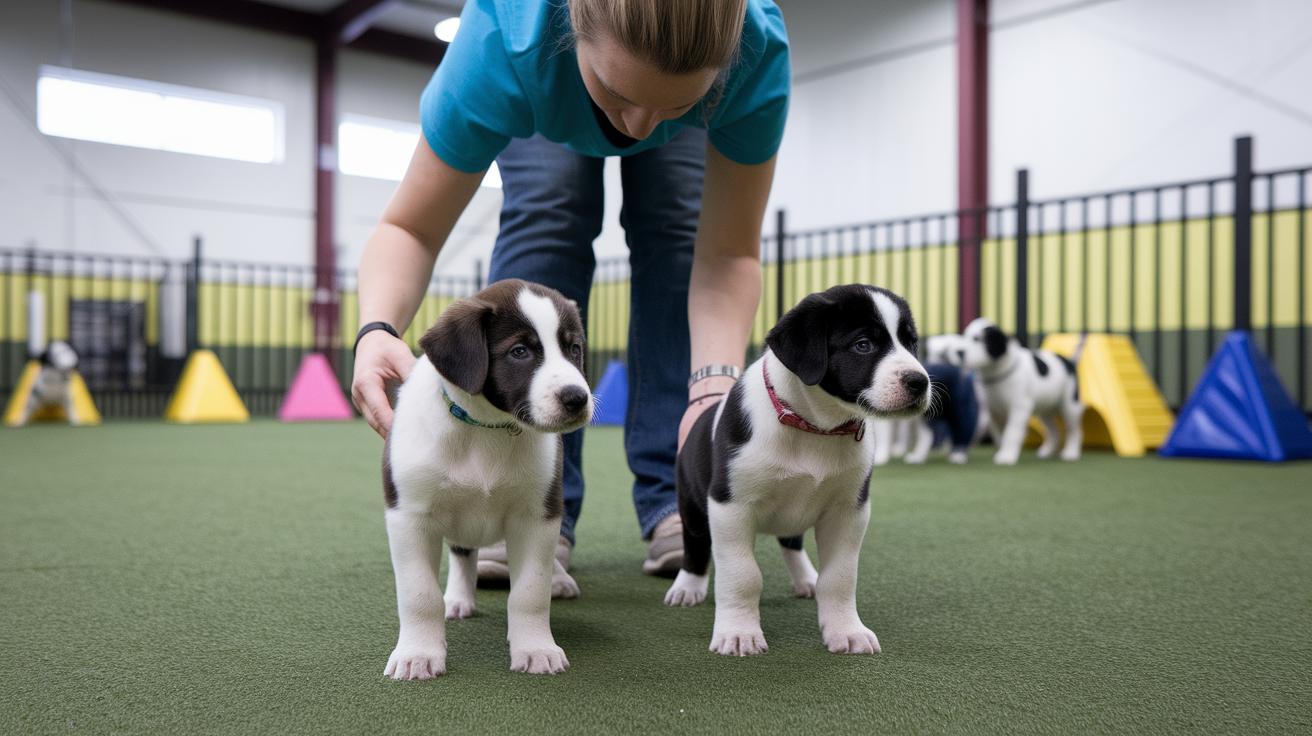
Puppy Preschool is perfect for the youngest pups, usually between a few months and about one year old. This program focuses on early socialization and builds a strong foundation in basic obedience. It helps your pup have fun and feel safe with other dogs and friendly people.
Board & Train offers an intensive two-week boarding experience. Every day, your dog gets focused training with both on-leash and off-leash exercises. And there’s a special Boarding With Benefits part that keeps good manners intact, even when you’re off on vacation.
Private Coaching Sessions give you one-on-one time with a professional trainer. These sessions allow you to set personal goals and work closely on any behavior issues. It’s a relaxed and tailored approach that boosts confidence for both you and your furry friend.
Group Instructional Classes bring small groups of 6-8 dogs together. In a structured yet fun curriculum, dogs get a chance to learn from each other while enjoying shared playtime. It’s a lively environment that naturally encourages social skills and positive obedience practices, like nosework and Treibball Pawzibilities.
Online Certification Courses let you learn at your own pace from home. With clear video demonstrations and feedback from virtual instructors, you can watch your dog’s progress through regular video reviews. It’s an easy and interactive way to continue training.
| Program Type | Format | Duration | Key Benefit |
|---|---|---|---|
| Puppy Preschool | In-person | Weeks to Months | Early socialization |
| Board & Train | Boarding | 2 Weeks | Intensive daily training |
| Private Coaching Sessions | One-on-One | Flexible | Customized goals |
| Group Instructional Classes | Small Group | Ongoing | Peer socialization |
| Online Certification Courses | Virtual | Self-Paced | Interactive video feedback |
Credentials and Certification in Professional Dog Training
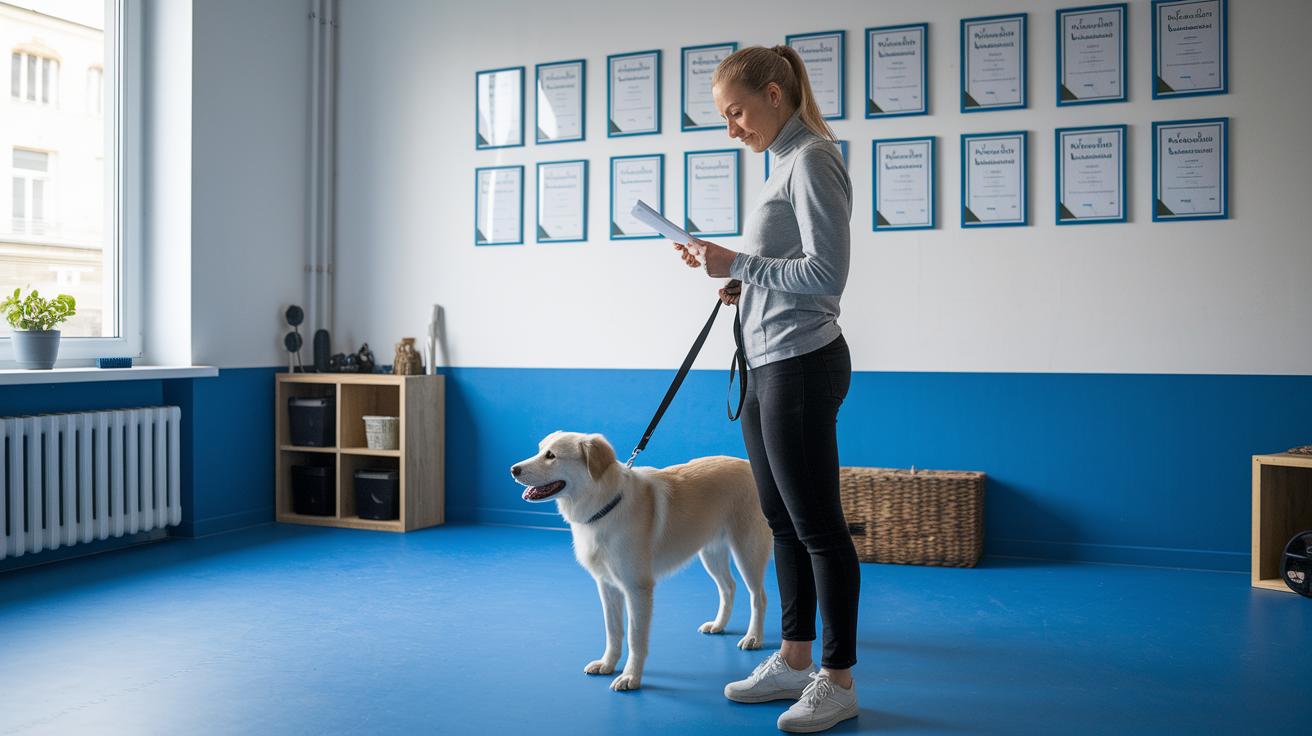
When you’re searching for a dog trainer, it’s smart to check their credentials first. Many trainers share their backgrounds in easy-to-read bios. They list their certificates, training experiences, and awards. For instance, one might say, "After passing both classroom tests and hands-on sessions, I earned my evaluator title." This kind of detail helps you see just how skilled they are.
A lot of training programs are accredited by well-known councils. In other words, they meet strict standards. The trainer usually takes a written exam and completes practical tests, which adds to your peace of mind that they’re ready to help your pet. When you read about their journey, look for hints about certified instructor programs and accredited courses.
It also helps to know if the trainer is recognized in the local community, like through awards or glowing reviews. These details show that they care about using proven techniques to improve your dog’s behavior. All this careful information can guide you in choosing the best trainer for your furry friend.
Pricing and Cost Analysis for Professional Dog Training Services
Dog training prices can really vary. Some programs give you a board and train package, where you pay one fee for about two weeks of intensive training. With these, you often get lifetime access to group classes after your dog finishes the board stay. This way, your pup can keep getting support with regular pack walks and refresher sessions.
If you need a more customized option, private coaching might be the way to go. These one-on-one lessons are billed by the hour and work best for tackling specific behavior issues while fitting into a busy schedule. And there are also subscription plans for group classes, just sign up monthly to enjoy regular training, fun social meet-ups with other dogs, and themed group walks.
Some training centers even offer financing or different membership levels to help keep the cost in check. For example, one center might break its pricing into various plans that match different budgets while still giving you thorough training.
When you’re weighing your options, be sure to look over all the details, like what’s included in each package and any financing plans available. For a detailed fee breakdown, check out this resource: dog training cost. Clear cost comparisons can really help you pick a plan that works for both your budget and your dog’s needs.
Success Stories and Case Studies in Professional Dog Training
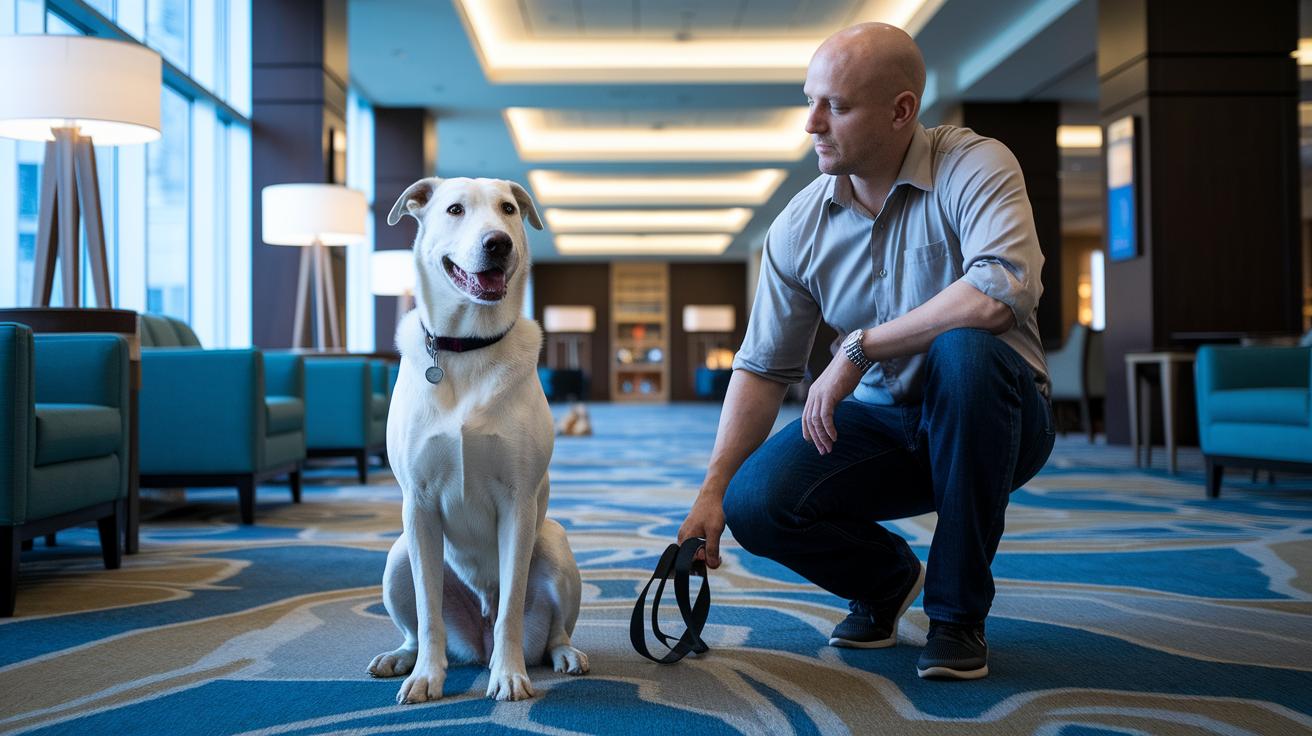
Real-life stories prove that smart dog training can make a lasting difference. For example, dogs who go through board and train programs learn to keep their good manners, even when they're away with their owners. One pet parent said, "My dog now waits patiently at the hotel lobby while I'm away," something they really struggled with before. It's amazing how focused training can change behavior.
Puppy preschool also works wonders. Even a shy little pup started greeting other dogs confidently and learning simple commands after just a few classes. These fun training techniques help build the good habits that last into adulthood.
Daily socialization groups held three times a day add even more magic to the mix. Many owners share that their furry friends bark less and no longer pull on the leash like before. One happy pet parent mentioned, "My dog's transformation is unbelievable, he stays focused and calm during walks now." These real-life examples show that the care and attention from professional training can lead to happier, well-behaved dogs.
Selecting the Right Professional Dog Training Provider
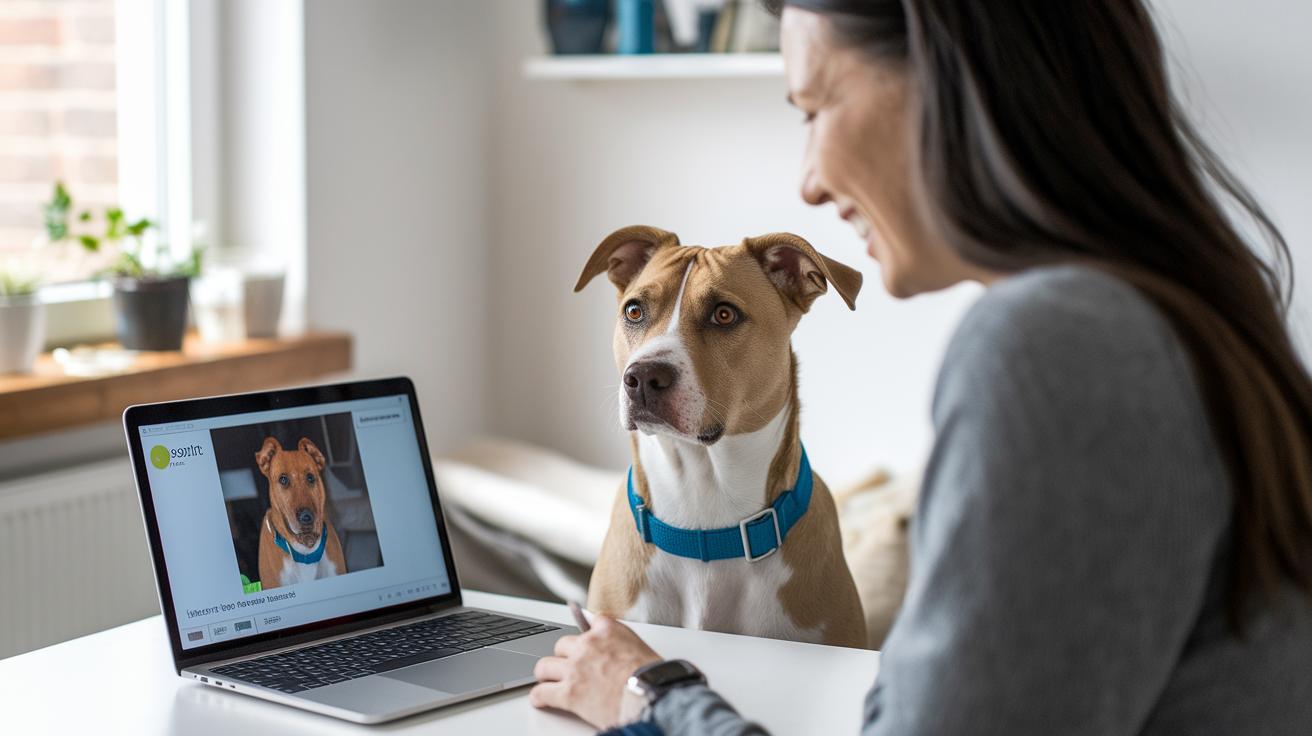
Finding the right dog trainer means choosing a service that fits both your dog's needs and your busy schedule. A good trainer will offer one-on-one sessions to work on your pup’s behavior challenges. Their website should list easy-to-read trainer profiles and qualifications so you know exactly who is guiding your furry friend.
It helps when a provider has awards like Denver A-List because that shows they meet high standards. They often offer different ways to train your dog, in person, at a studio drop-off, or even online, which makes scheduling easier.
Here’s a quick checklist to guide you:
- Look for trainer profiles with clear details and credentials that prove their experience.
- Read client reviews and stories to see if other pet parents had a good experience.
- Make sure they offer flexible scheduling, including private sessions for special behavior needs.
- Check out the class options – whether in person, via drop-off, or online – to find what fits your day.
- Visit their facility, if you can, and see if it feels safe and comfortable for your pet.
- Look for awards or local coaching recognition that show they’re truly excellent.
Modern Professional Dog Training Tools and Equipment Essentials
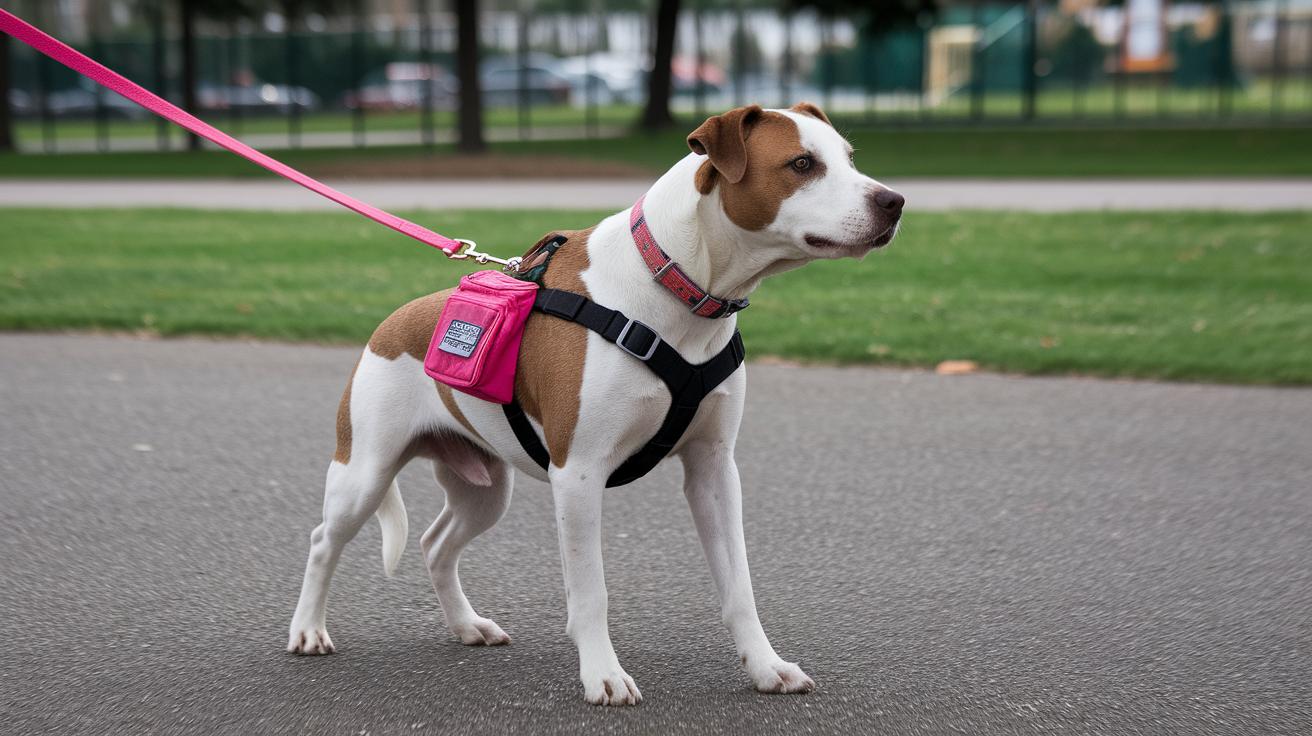
Cool gear can make training sessions a lot smoother and more enjoyable for both you and your furry friend. Trainers often choose sturdy collars, strong leashes, handy treat pouches, clickers, and soft harnesses to help dogs learn new tricks effortlessly. For example, a reliable collar paired with a secure leash keeps your pup safe, while a treat pouch sparks a little extra excitement when your dog follows a command.
Many pet trainers now use smart training tech that tracks behavior and progress in real time. They rely on devices that monitor actions and apps that offer instant feedback. And when you need to guide your pet from afar, e-collar dog training systems provide clear, friendly signals that act like gentle reminders.
Outdoor training becomes easier too, thanks to advanced accessories like portable water bottles and reflective collars. Whether you’re using simple harnesses or the latest tech, each tool turns every lesson into a positive, structured experience that builds better habits and a strong bond between you and your pet.
Every piece of equipment not only helps reinforce good behavior but also brings safety and a bit of fun to your training sessions. Simple tools can really make a big difference in how enjoyable training time feels.
Frequently Asked Questions on Professional Dog Training
Q: What are some practical tips for planning a professional program?
Start by setting simple, clear goals each day and break them into small, manageable steps. For instance, try writing down a list of behaviors to work on and give yourself a little cheer for every tiny breakthrough. You can find more ideas about daily goals in the training section.
Q: How can one overcome common training challenges?
When you hit a snag, like your dog getting distracted or feeling unsure, try to spot exactly what’s going on and tweak your approach slowly. For example, if your dog loses focus, shorten the session at first and then gently build up the concentration time. This gradual change helps you discover which methods click best.
Q: What signs indicate that group classes are effective?
Pay attention to your dog’s body language and behavior. When you see your dog growing more confident, playing well with others, and following commands quickly, it’s a good sign. Imagine your dog chilling with other pups while responding to a command; that’s a clear win in social learning. More details can be found in the social training section.
Q: What quick steps can boost in-session progress?
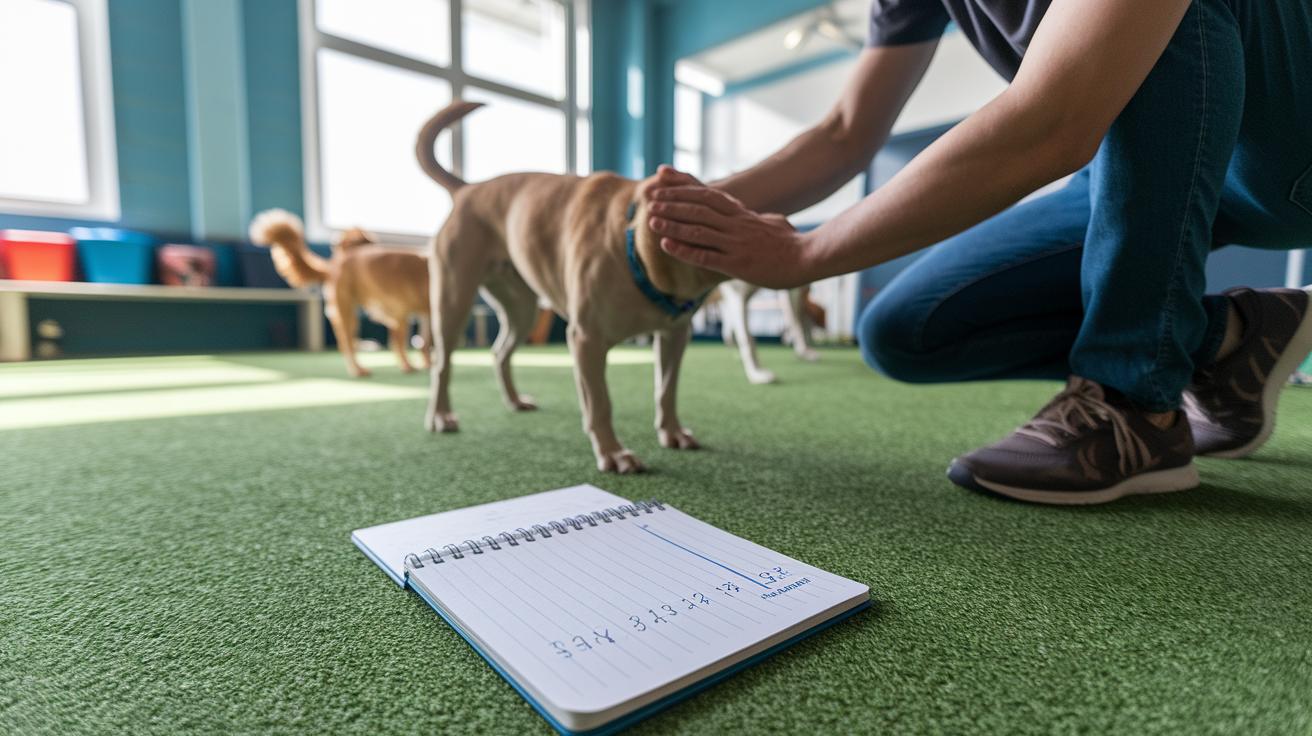
Keep a little notebook handy to jot down small wins and noticeable changes after each session. For example, mark every time your dog follows a command right the first time. Over weeks, these notes show you the progress in real time. There’s more discussion about this method in the progress tracking section.
Final Words
In the action, this guide walks you through a variety of options, puppy preschool, board & train sessions, private coaching, and group classes, that shape lasting behavior change. We touched on the benefits of expert credentials, clear cost analysis, and the latest in training gear. Each section offers real insights to boost pet care confidence and strengthen bonds with your buddy. Embrace professional dog training to enjoy rewarding progress for your furry friend every day.
FAQ
Where can I find professional dog training near me?
The phrase “professional dog training near me” refers to locating local centers that provide expert dog classes. Local trainers offer group or private sessions to help your dog learn obedience and good manners.
Which professional dog training courses and certifications are available?
This inquiry covers a range of courses and certifications such as AKC accredited programs, CCPDT recognized certifications, and online training courses. These programs help both trainers and pet parents ensure quality instruction and lasting behavior change.
How much does it cost to train my dog?
The question about cost includes various pricing models like board and train packages, private lessons, or group classes. Costs depend on location, program type, and session length, so contacting local providers is the best way to get accurate fees.
Is professional dog training worth it?
The query about professional dog training’s worth signifies that expert trainers offer tailored programs and consistent techniques. These methods often lead to reliable behavior changes and better socialization, making the investment beneficial for your pet’s well-being.
What is the 3-3-3 rule for dog training?
The question regarding the 3-3-3 rule describes a guideline where three minutes, three repetitions, and three successful responses are used during training sessions. This method helps maintain short, focused lessons that enhance learning efficiency.
Is it okay to send your dog away for training?
The inquiry about sending your dog away for training indicates that many owners use boarding programs for intensive, immersive learning. These programs provide structured, continuous training that often improves your dog’s behavior and overall responsiveness.