
Have you ever noticed how a calm dog can make a tough day a little better? Many hospitals and schools use pet therapy dog training to show how our furry pals can bring comfort. This type of training teaches dogs to be calm, kind, and ready no matter what happens. Research even shows that these pups can help ease anxiety (feeling nervous or uneasy) and boost our happy hormones (chemicals that make us feel good).
Think about it: with the right training, a playful pet turns into a true companion who spreads calm and joy wherever they go.
Understanding Pet Therapy Dog Training: Key Concepts
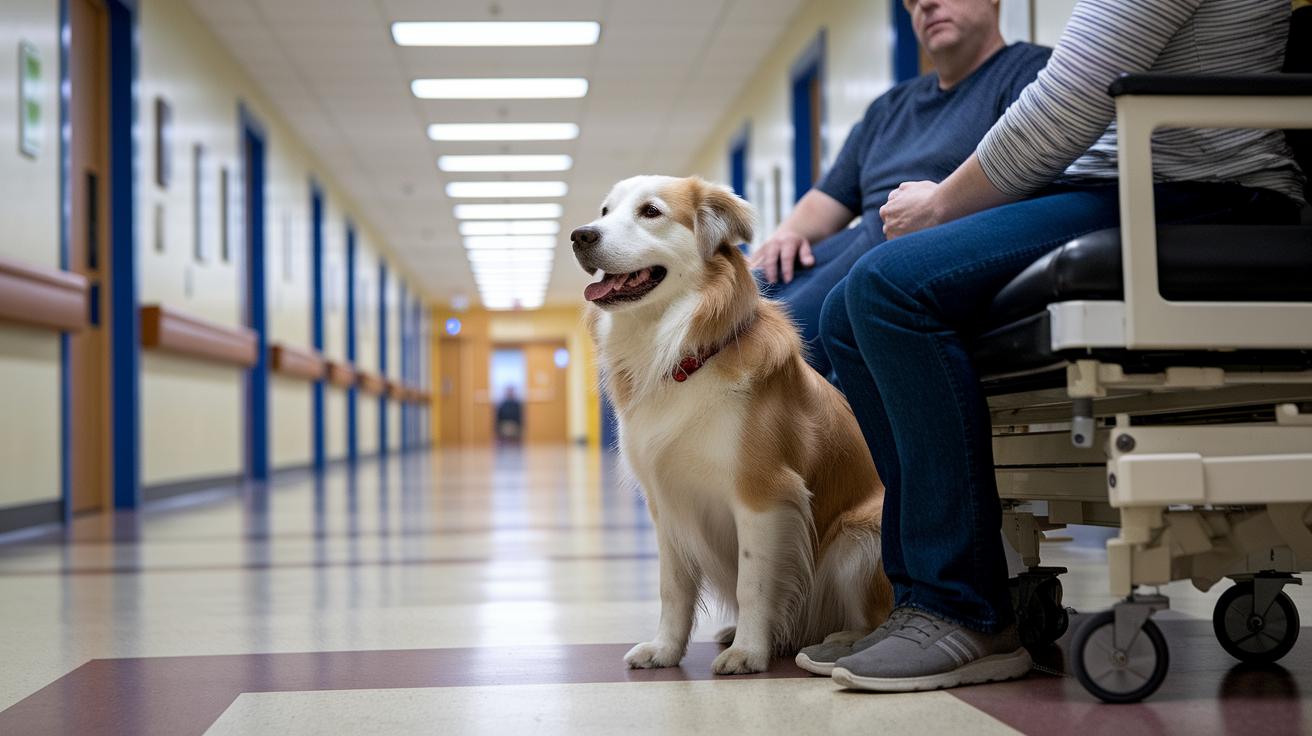
Pet therapy dog training is all about getting dogs ready to comfort people in places like hospitals, nursing homes, and schools. These pups aren’t the same as ADA service dogs or untrained emotional support animals. Instead, they work hard to lower stress for both people and themselves. Studies show that this training can help ease anxiety, bring down blood pressure and heart rate, and even boost your mood by encouraging a little extra release of feel-good hormones (endorphins and oxytocin).
This training can happen at home or through formal programs. Many pet owners begin with classes that lay out basic tricks and caring tips, making the whole process feel clear and friendly.
One big part of this training is making sure the dog is gentle, patient, confident, and really friendly. Therapy dogs should love meeting new folks and handle a bit of rough-and-tumble behavior, which is common in busy spots. A good training plan focuses on keeping the dog calm, rewarding happy behavior, and practicing patience. Handlers pay close attention to see if their pet enjoys being around people outside the family. Simple exercises in places like quiet hospital corridors or bustling schoolrooms help dogs get used to different settings, setting them up perfectly to offer loving support.
Core Therapy Dog Training Techniques and Methods
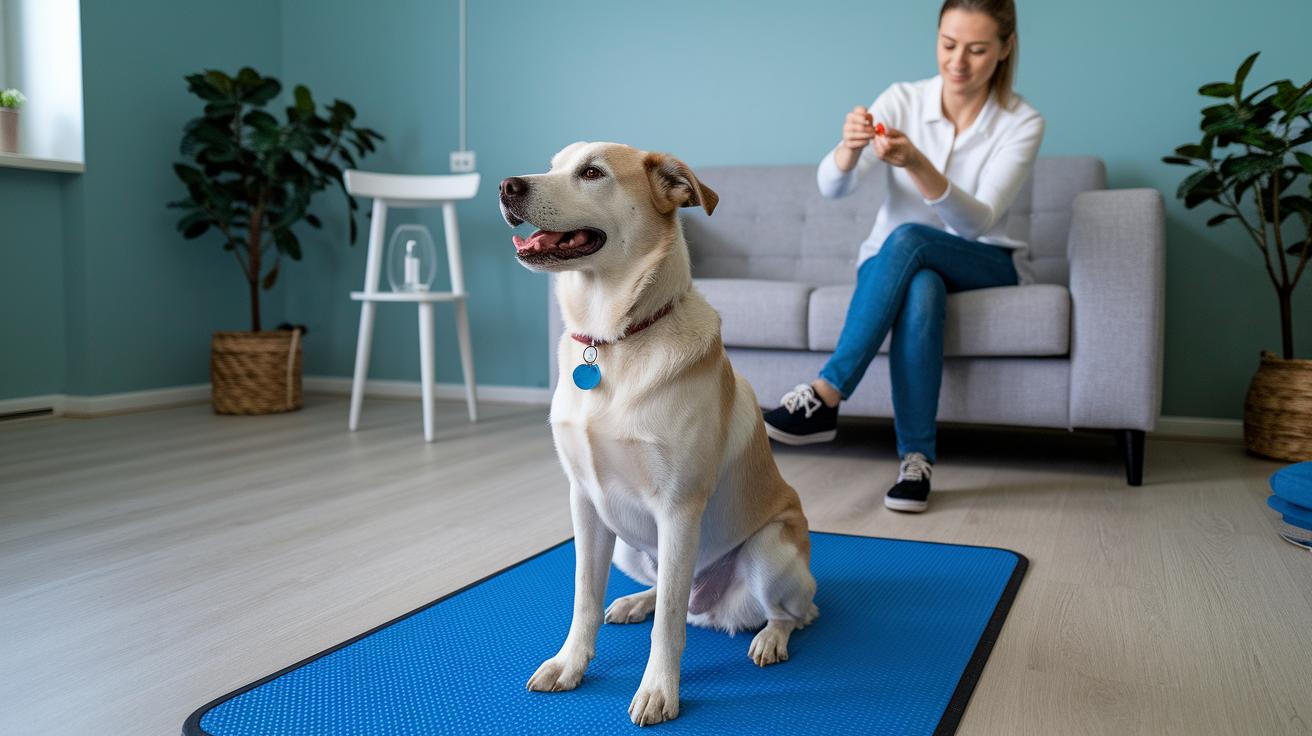
Starting with the Canine Good Citizen (CGC) program is like laying the first brick for a strong therapy training foundation. This course builds a base with tried-and-true pet therapy lessons. Trainers use treats, kind words, and a clicker (a tool that marks the right move with a distinct sound) to show your dog what to do. For example, a trainer might say, "treat time" right after your dog sits. It’s a great way to make sure your pup learns good habits and develops a calm, confident spirit for therapy work.
Obedience drills are the next step to getting your dog ready for a therapy role. Your furry friend practices simple yet important commands like sit, stay, and calm on a mat, even when the environment gets busy. Imagine your dog resting peacefully on a mat while people pass by, showing that focus and calmness come first. These exercises help dogs feel at ease around strangers and in unpredictable settings, which is a must for advanced therapy training.
Handler-dog teamwork sessions bring it all together. These exercises focus on walking closely on a leash and responding to cues in sync. Picture a gentle walk down a narrow hall where both you and your dog move as one. These interactive sessions build a special kind of trust and communication, making therapy visits feel natural and heartwarming.
Behavior Modification Strategies for Pet Therapy Dog Training
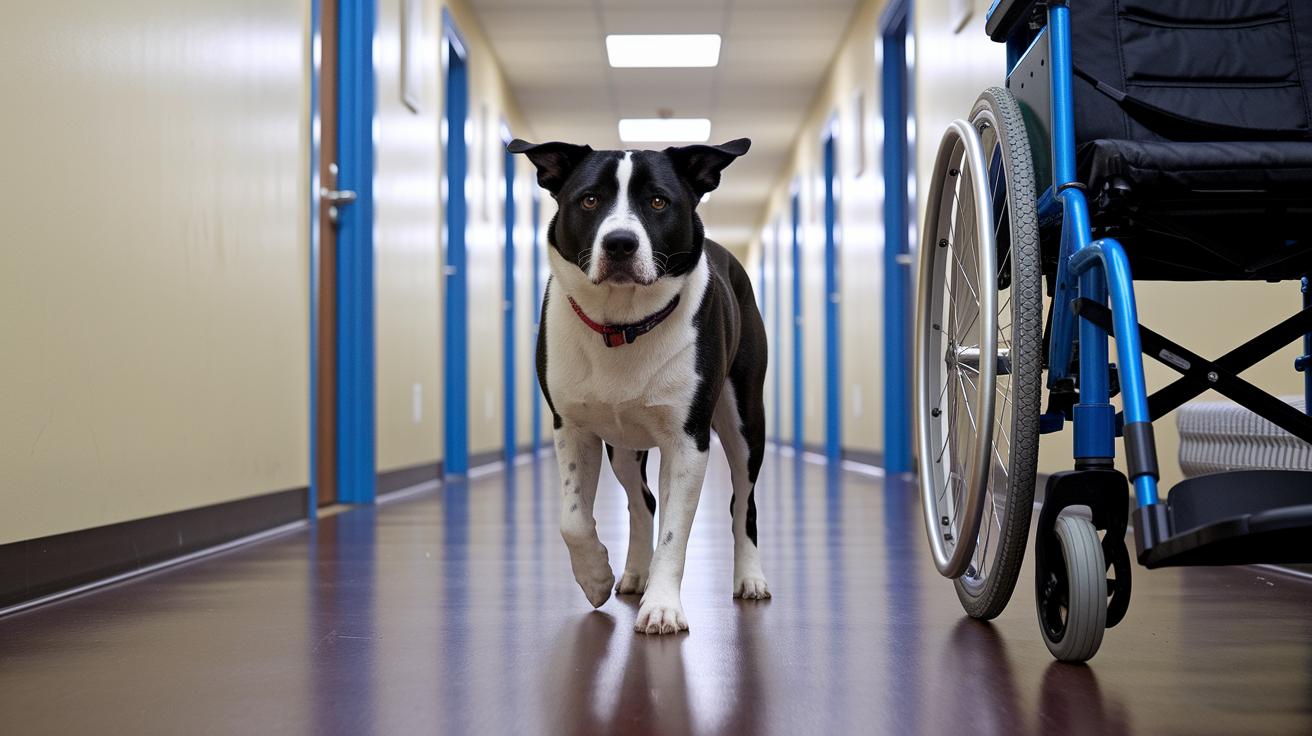
When you help your dog learn behavior modification, you guide it to stay calm even when weird sounds or surprises pop up. In training, desensitization means slowly letting your dog get used to things like wheelchairs, IV poles, or busy school events. Imagine a quiet hallway where a wheelchair slowly nears your dog. Little by little, it learns not to be startled but to relax instead.
Then comes counter-conditioning. This simple trick swaps out fear or over-excitement for a calm, confident vibe. Trainers use gentle, positive actions so that when your dog meets a once-stressful thing, it naturally settles into a relaxed mood.
Calming drills are another big part of the training. For example, mat-based relaxation gets your dog to lie on a comfy mat while receiving light deep-pressure touches, kind of like a warm, reassuring hug. Slow petting sessions add to the calm by giving steady, comforting strokes. Plus, the training covers what to do when someone handles your dog roughly or unexpectedly, making sure every therapy visit feels safe and secure.
Certification Pathway for Pet Therapy Dog Training
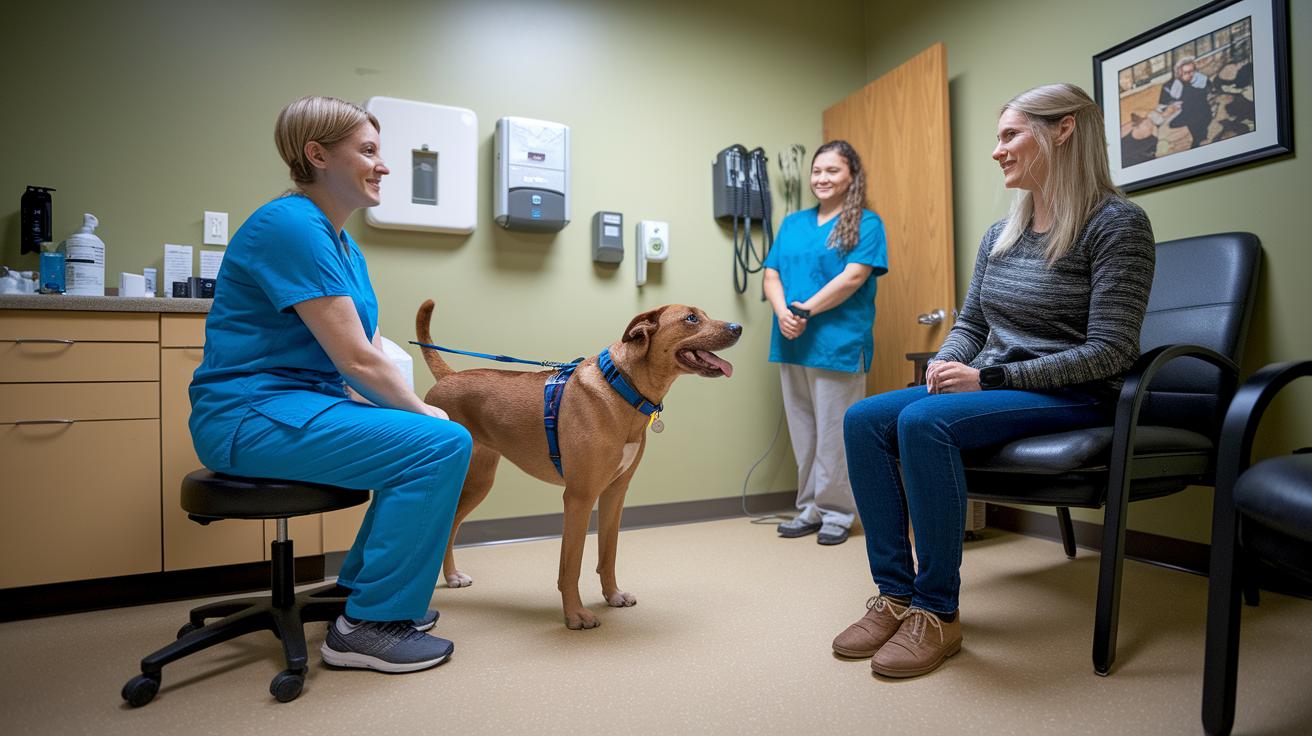
The first step in this journey is making sure your dog shows top-notch behavior, much like when a well-trained family pet masters basic manners. Starting with the Canine Good Citizen (CGC) certification is a great way to build a solid foundation for therapy work. Picture your furry friend on test day, calmly greeting friendly strangers with a wagging tail and a happy smile.
Then, your dog needs to pass a special therapy-dog evaluation with trusted groups. This test looks for important traits like friendliness, patience, confidence, and a gentle nature. It also checks if your dog really enjoys human attention, yes, even with a bit of rough handling sometimes. Some pet owners even try out roles like tester or junior handler to help their pup get extra social time. Imagine a handler remembering her pup calmly welcoming a crowd of visitors on a busy day, it's these moments that show the true spirit of a therapy dog.
Preparing for the exam means showing that your dog can be calm and positive no matter where they are. The evaluation cares less about size or breed and more about the real qualities that make a perfect therapy partner. Picture a quiet exam room where every little nudge and gentle pause is noticed. This whole process is about proving that your pet naturally brings comfort and joy to others, making every step a rewarding part of your journey in pet care.
Benefits and Impact of Pet Therapy Dog Training
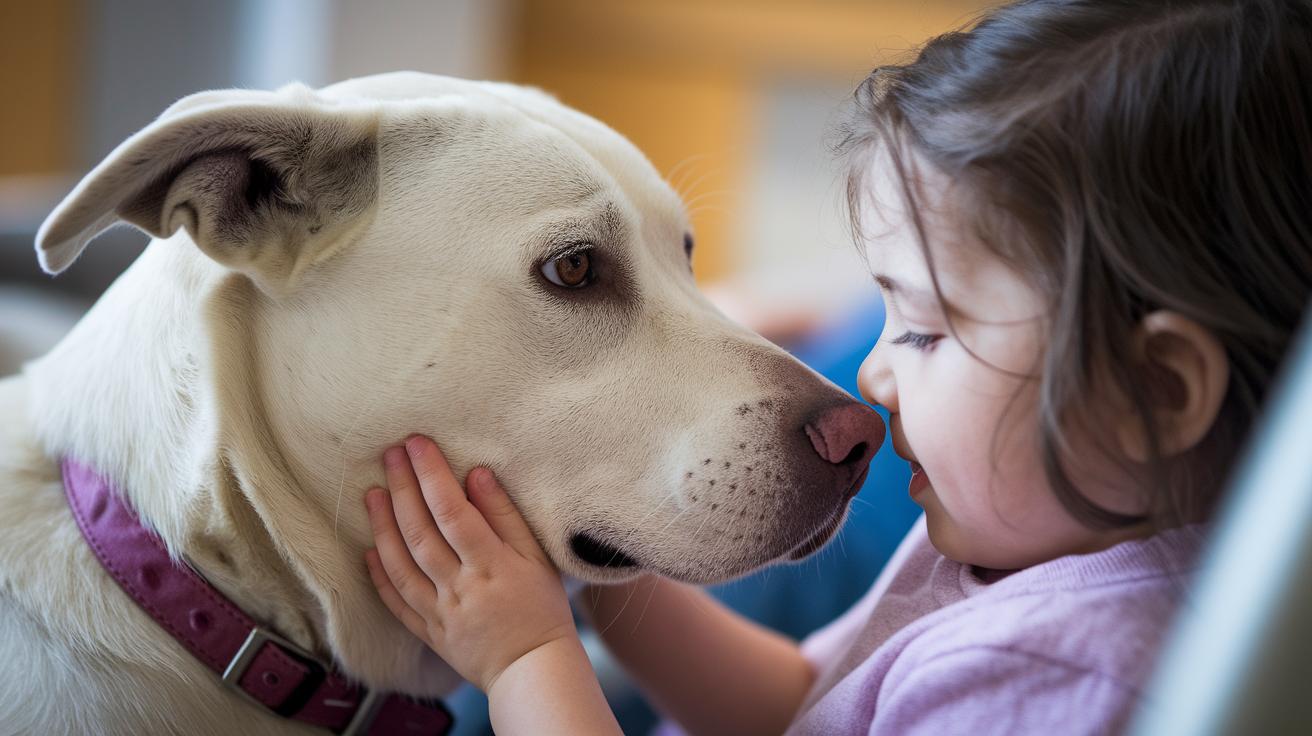
Recent studies in hospitals share some amazing news. Patients who spend time with therapy dogs report feeling around 30% less stressed, and their blood pressure drops by about 20%. Imagine a hospital room where a friendly dog trots in, calming fears with its gentle eyes and soft nuzzles.
One study in a pediatric ward found that a 45-minute visit with a trained pet boosted children’s happiness by 25%. You can picture little ones smiling wide as they cuddle their furry friend. Sometimes, a quick therapy session can ease not just physical aches, but also lift spirits in a big way.
In schools, therapy dogs work their own quiet magic. Teachers have noticed a 15% improvement in how well students behave after a visit from a calm, loving dog. Even a short moment with a gentle pet can turn a noisy class into one of focus and warmth. These real-life examples show how pet therapy can spread comfort and joy in many settings.
pet therapy dog training: Uplifting Canine Care
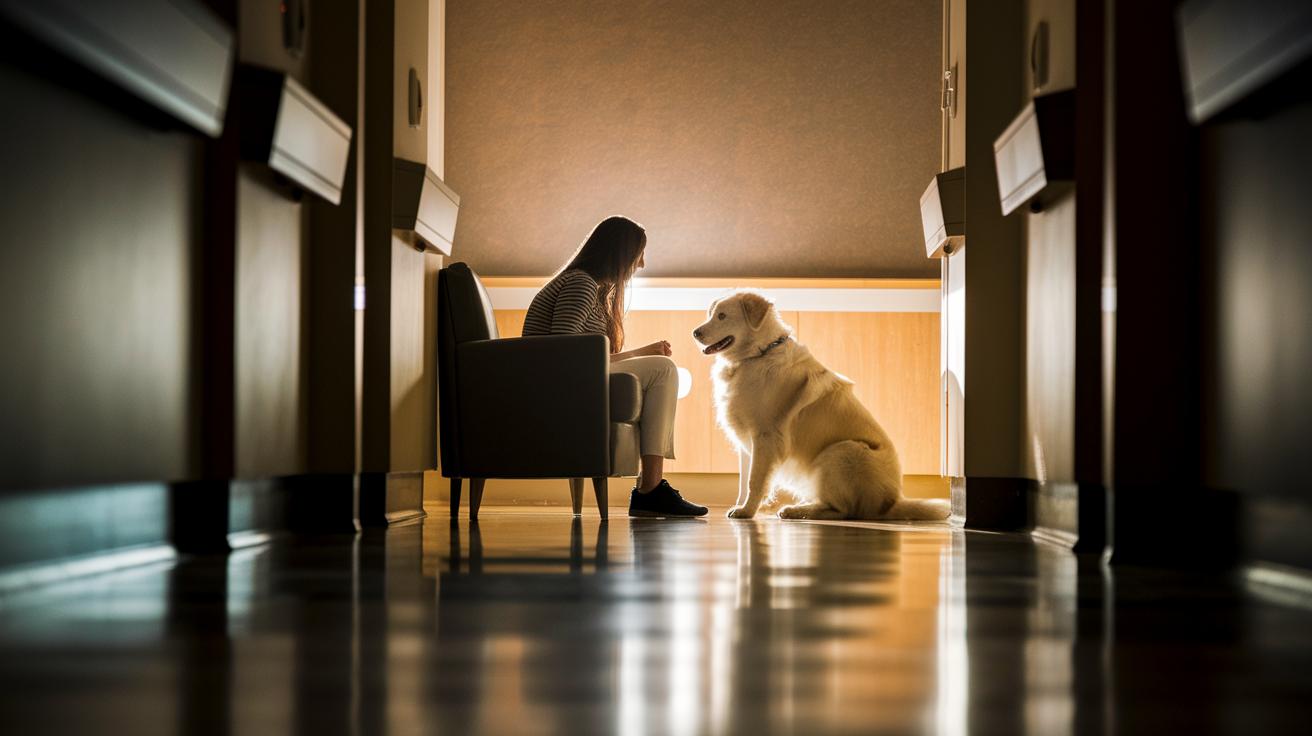
Pet therapy dog training can truly change the way people feel. Imagine a quiet hospital corridor where a friendly dog strolls by, a simple gesture that can bring comfort and ease anxiety. For example, one hospital program saw a 45% drop in patient anxiety when therapy dogs visited and spread gentle cheer with every wag of their tails.
At the Mayo Clinic, senior patients felt lighter and more social when they saw these kind pups. Their friendly presence boosted moods by 30% and sparked warm interactions during visits. And in local community centers, picture children gathered around calm dogs during reading sessions, with engagement rising by 50%. These examples show that a caring dog isn’t just a pet; it’s a bridge to connection and comfort.
Each session becomes a small moment of joy and healing, proving that a simple, loving glance can brighten someone's day.
| Institution | Program Type | Key Outcomes |
|---|---|---|
| STL Healthcare System | Hospital Visits | 45% reduction in patient anxiety |
| Mayo Clinic | Senior Care Visits | 30% uplift in mood and social interaction |
| Local Community Center | Reading Sessions | 50% increase in student engagement |
Final Words
In the action, this article explained how pet therapy dog training works, from the basics and hands-on techniques to behavior modification strategies that help dogs stay calm, and even the steps for certification. The post shared practical approaches, certification details, and real case successes.
It also highlighted the many benefits of training, showing how pet therapy dog training not only eases anxiety but also brings joy to both people and pups. Keep smiling and enjoy every tail wag along the way.
FAQ
Where can I find pet therapy dog training in California, Texas, or near my area, including options like AKC programs?
Pet therapy dog training is available in many communities, including California and Texas. Local training centers often offer options like AKC therapy dog training. A quick local search helps you pinpoint nearby classes.
What is the cost of pet therapy dog training and are free options available?
Pet therapy dog training costs can vary by provider and program type. Some groups offer free introductory sessions, while others charge for certification and advanced training classes to build comprehensive skills.
Can you train your dog to be a therapy dog?
Training your dog to be a therapy dog includes teaching basic obedience, social skills, and calming techniques. This helps them provide comfort and support in places like hospitals, schools, and nursing homes.
Is therapy dog certification available online?
Therapy dog certification online offers study materials and guidelines to help prepare your dog for evaluation. However, hands-on assessments with local programs are usually required to confirm your dog’s friendly and calm nature.
What does a pet therapy dog do?
A pet therapy dog helps lower anxiety and brighten moods by offering gentle comfort in settings such as hospitals, schools, and care centers. They use trained obedience and a calm demeanor to ease stress.