
Ever wonder if your pet’s food might be the secret to a healthier, happier life? I mean, think about how exciting it is to see your pup’s tail wag or your cat’s soft purr when they enjoy a meal made just for them.
Veterinary nutrition experts spend lots of time crafting meal plans that cut through all the confusing pet food talk. They mix proteins, fats, and carbohydrates (the energy your pet gets from food) in just the right way. Working hand in hand with pet owners and vets, these caring pros add a boost of love and health to every bowl.
So, take a minute and read on to find out how a smart pet meal can lead to more joyful, healthy days together.
Defining the Role of a Veterinary Nutritionist
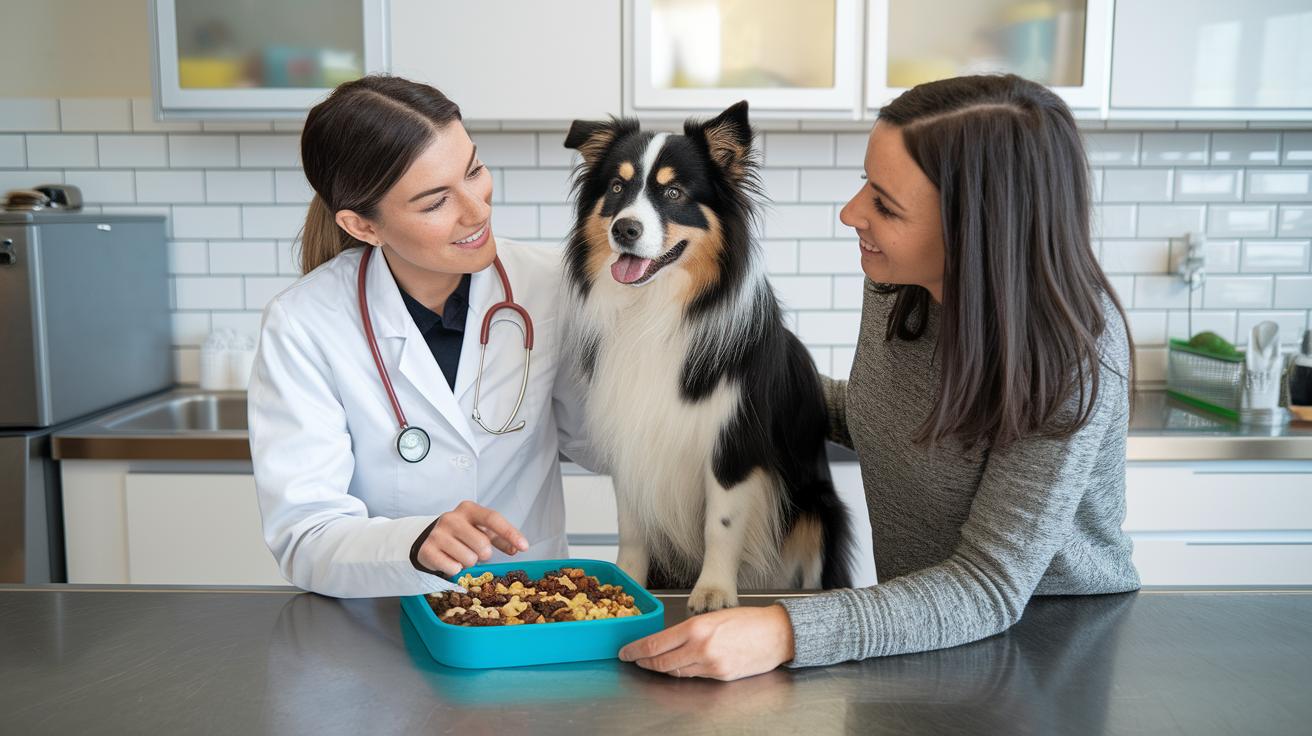
A veterinary nutritionist is a friendly expert who designs balanced meals for your pet using both special training and hands-on experience. They work hard to create meal plans packed with the right protein, fats, and carbohydrates (the energy your pet gets from food). Their guidance clears up the mix-up that can happen when too much conflicting pet nutrition info is around.
These specialists team up with pet owners and vets to make sure every pet’s food plan fits their unique needs, even if your pet has a special medical condition. They craft feeding plans that help keep your pet’s tummy happy, manage weight, and boost overall well-being. By sticking to proven nutrient guidelines, they offer safe advice that really works.
Pet owners count on these nutrition experts to get clear, easy-to-follow advice that looks after their furry friends. Their tips help catch problems early and keep pets in tip-top shape, letting families enjoy peace of mind and happier days together.
Always on the lookout for new research, veterinary nutritionists keep updating their advice to make sure your pet’s diet is just right for long-lasting health.
Qualifications and Certification Path for Veterinary Nutritionists
Board-certified nutrition experts learn through a mix of solid schoolwork and hands-on practice. They start by taking pet nutrition programs at approved schools where they study the basics of keeping pets healthy and making balanced diets.
Many soon take extra courses in animal nutrition that show them how to create safe and correct recipes. Then, they often join internships in veterinary dietary settings. In these internships, they work with experienced professionals in facilities that follow strict rules (like FDA standards). There, they learn to mix research with practical work while testing diets against guidelines from groups like AAFCO and WSAVA.
Once they finish residency programs and earn ACVN certification, their expertise is confirmed. With these credentials, they can confidently share science-backed diet advice with both pet owners and veterinarians, ensuring every recipe helps pets stay healthy.
Each step builds their understanding of animal nutrition and makes sure that every pet gets a diet that meets the highest safety standards.
Key Services and Dietary Solutions Offered by Veterinary Nutritionists
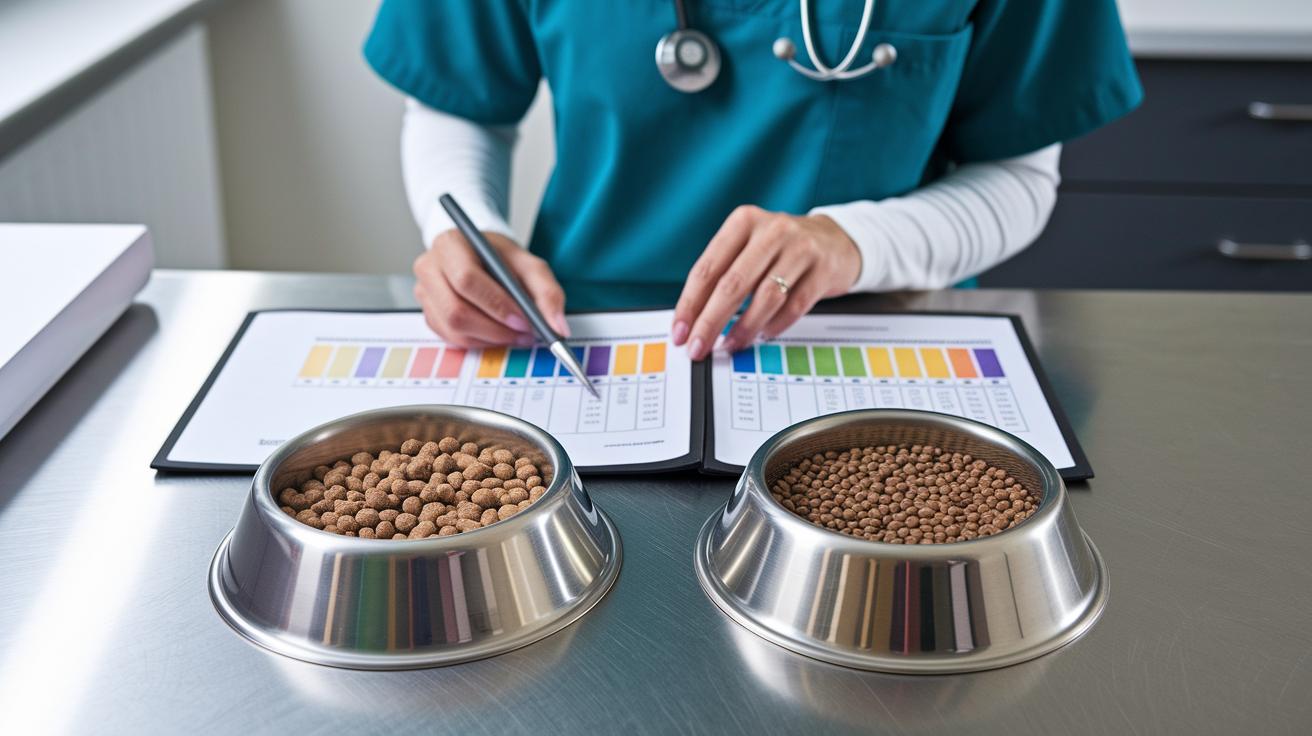
Veterinary nutritionists are experts who create custom pet food recipes using science (carefully studied methods) to match your pet's needs. They mix everyday clinical work with strict nutrient guidelines, making sure every recipe meets AAFCO profiles (the pet food nutrition standards) and WSAVA rules (international guidelines for pet care). For example, when they craft balanced meals, they rely on digestibility studies showing protein can be digested up to 93%, a pretty impressive rate compared to many common options.
These professionals also offer friendly pet dietary advice. They kick things off by calculating the perfect calories (the energy your pet gets from food) based on your pet’s breed, age, and activity level. It’s like planning a meal that’s just right to keep your pet moving and playing. Fun fact: a well-planned pet diet can boost your pet's energy almost as quickly as a brisk morning walk lifts your mood.
They also design diets to help manage weight, support urinary health, and even address issues like kidney disease or food allergies. Therapeutic diets can be a game changer for conditions such as obesity or other health concerns. For balanced meal standards, you might check out Fresh Dog Food, and for specialized diet options, Prescription Dog Food is a great resource.
Plus, these nutritionists stick by your side with ongoing advice to tweak meal plans and watch for improvements in skin, coat, and digestion.
- Custom pet food recipes
- Detailed nutritional evaluations
- Guidelines for urinary health
- Special diet plans for both dogs and cats
- Friendly consultation pricing options
Veterinary Nutritionist-Driven Impact on Pet Health Outcomes
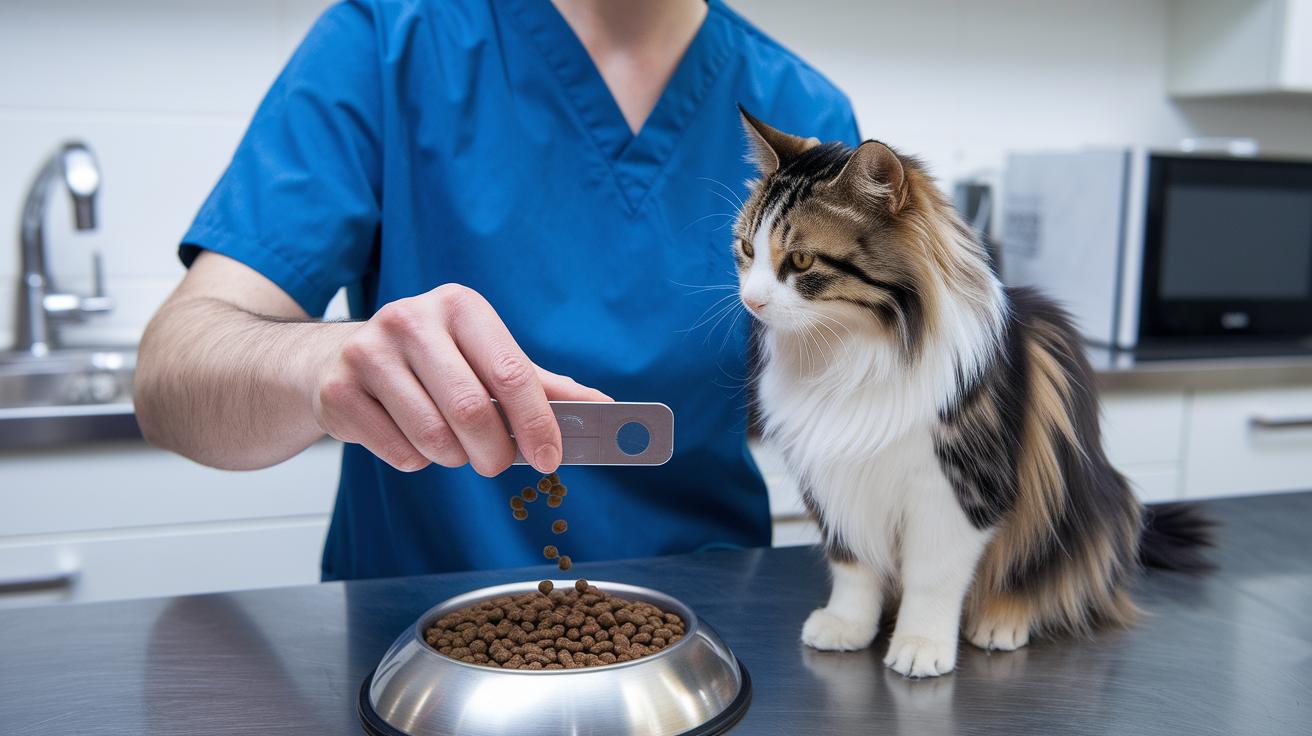
Veterinary nutritionists are true pet lovers who mix solid research with caring hands. They conduct long feeding studies and clinical tests (official checks by a vet) to design balanced meals that help manage pet obesity and provide the right amount of calories. Their thoughtfully created diets help pets maintain a healthy weight and boost energy, much like giving a playful puppy the right snack to keep its tail wagging all day.
These experts also share easy-to-follow feeding guides for both healthy pets and those with special dietary needs. You might see improvements like happier tummies and better nutrient absorption, think of it as your pet enjoying a feast that makes its body work smoothly, inside and out.
Balanced recipes work wonders beyond the belly. Many pet owners have noticed better urinary health from these diets, which can lessen the risk of discomfort caused by an unbalanced meal plan. Plus, these carefully tailored diets help keep nutritional gaps at bay, leading to softer skin and even a shinier coat. Imagine your pet feeling more comfortable and looking even more vibrant!
There’s also a handy professional portal that includes FAQs and useful tools for making smart feeding choices. This lets both pet owners and veterinarians track progress and tweak meal plans when needed. With clinical evaluations done by independent experts, the results keep getting better, proving that science-backed feeding plans can truly enhance your pet’s nutrient absorption, weight control, and overall vitality.
In truth, these outcomes do more than simply look good on paper. They turn everyday pet care into a reliable, science-based routine that enriches the lives of our furry friends.
Practical Homemade Meal Planning Tips from a Veterinary Nutritionist

Start by gathering your ideas with simple tools like a vet referral form or an owner diet history sheet. These handy guides help you list all the ingredients your pet might need. Whether you have a playful puppy, a gentle cat, or even a pet with special care needs, these notes are great for planning the right mix and portion sizes. For instance, you might write down something like, "Combine a lean protein with a few veggies and a touch of whole grain for a balanced meal."
Try these easy steps for planning homemade meals for your pet:
- Measure proteins, carbohydrates, and fats with care to keep meals balanced.
- Look at sample recipes like "Vet Approved Homemade Dog Food Recipes" to inspire you.
- For our feline friends, check out guides that focus on cat nutrition.
- Keep an eye on portion sizes and notice how your pet reacts so you can adjust the recipe as needed.
Watching how your pet responds is really important. Use your notes to tweak the meal plan over time, and don’t hesitate to explore resources like "Holistic Pet Nutrition" when you need a little extra guidance.
Career Path and Trends for Aspiring Veterinary Nutritionists
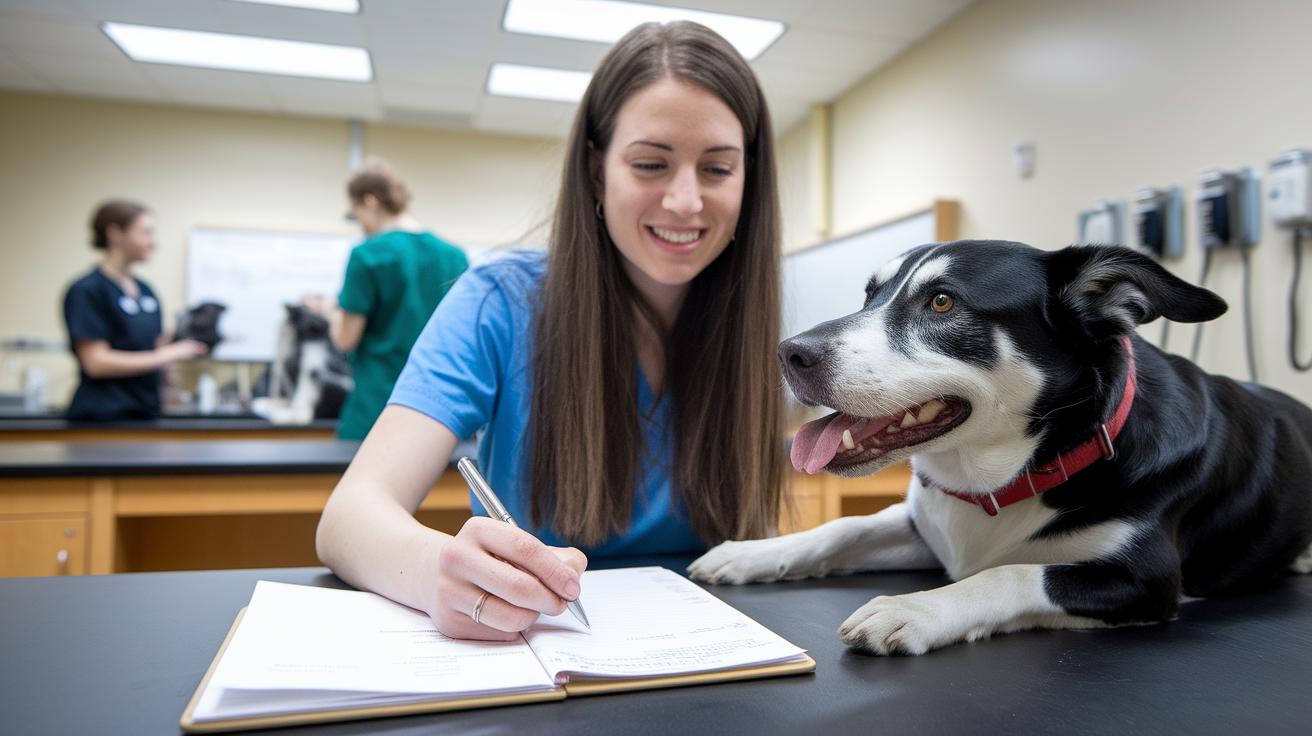
If you dream of helping pets feel their best, starting with a pet nutrition degree is a great idea. These programs build a solid base in nutritional science (that’s the study of food and its benefits) and animal care. Many students even join internships where they work closely with experts in real veterinary settings, it’s like stepping right into the heart of pet care!
Getting certified in animal nutrition is a big milestone. It shows your real commitment to designing balanced diets for our furry friends. I remember a fellow pet lover saying that earning that certification felt like finally unlocking a door to a world dedicated to pet health.
For career advice, it’s wise to connect with professionals. Attending talks and workshops hosted by leaders like Hill’s Pet Nutrition, Nestlé Purina PetCare, and Royal Canin can open up many doors. Some internships, such as those at Foster Hospital for Small Animals, give you the chance to see how clinical care and food planning work hand in hand.
Today, the demand for experts in pet nutrition is growing fast. With competitive salary trends, the field looks inviting for new graduates and experienced veterinarians alike. It really is a rewarding path for anyone passionate about making pets healthier every day.
Final Words
In the action, this article explored the vital work of a veterinary nutritionist. We looked at what these experts do, from creating science-based diets to guiding homemade meal plans and even carving out career paths in pet care. The piece broke down how custom nutrition builds confidence in managing pet health, while emphasizing clear, evidence-based advice that benefits every pet. Enjoy putting these insights into practice and watch your furry friend thrive every day.
FAQ
What is a veterinary nutritionist?
A veterinary nutritionist is an expert who develops balanced diets for pets using proven scientific methods and custom recipes. They help ensure your pet eats safe, healthy meals to support overall well-being.
Is an animal nutritionist a thing?
An animal nutritionist really does exist. They work with pet owners and veterinarians to create safe, nutritious feeding plans that meet each pet’s unique dietary needs.
Do you have to go to college to be an animal nutritionist?
Yes, becoming one typically requires a college degree coupled with specialized training. This academic and practical background equips professionals to offer trustworthy pet diet advice.
What is a veterinary nutritionist online consult?
A veterinary nutritionist online consult lets you get expert diet advice from home. It connects you with professionals who tailor meal plans and recipes to boost your pet’s health.
How do I find a veterinary nutritionist near me?
You can locate local experts by checking online directories, asking your veterinarian, or visiting pet clinics. These trusted professionals provide personalized nutrition tips for healthy pets.
How can I find a board certified veterinary nutritionist near me or a certified list?
Using online directories or requesting recommendations from your vet can help you find board certified experts. These resources offer verified lists of nutritionists committed to safe, science-based pet diets.
What does veterinary nutritionist certification involve?
Certification involves completing a veterinary degree, specialized nutritional courses, and passing board exams. This process ensures nutritionists provide reliable, research-backed dietary guidance for pets.
What degree does a veterinary nutritionist need?
A veterinary nutritionist usually earns a veterinary degree plus additional training in nutritional science. This education grounds them in creating balanced, health-focused meal plans for pets.
What are veterinary nutritionist recipes?
Veterinary nutritionist recipes are carefully designed meal plans that consider your pet’s age, breed, and health conditions. They aim to meet nutritional needs for optimal energy and vitality.
What is the salary for a veterinary nutritionist?
Veterinary nutritionist salaries vary by experience and location, but experienced professionals often earn competitive wages that reflect their extensive training and specialist role in pet care.