
Have you ever wondered if your kitty is getting the best food? Imagine serving a perfect cat meal, warm and inviting like a freshly baked cookie, where every ingredient shines. Here are 8 simple tips to keep your cat feeling energetic and healthy. When you mix just the right amounts of protein (which helps build muscles), fats (that give energy), carbs (quick fuel), vitamins, minerals, and water, you create a meal that boosts both strength and playfulness. Enjoy turning everyday feeding into a loving, happy recipe for your furry friend.
Designing a Balanced Diet Plan for Cats
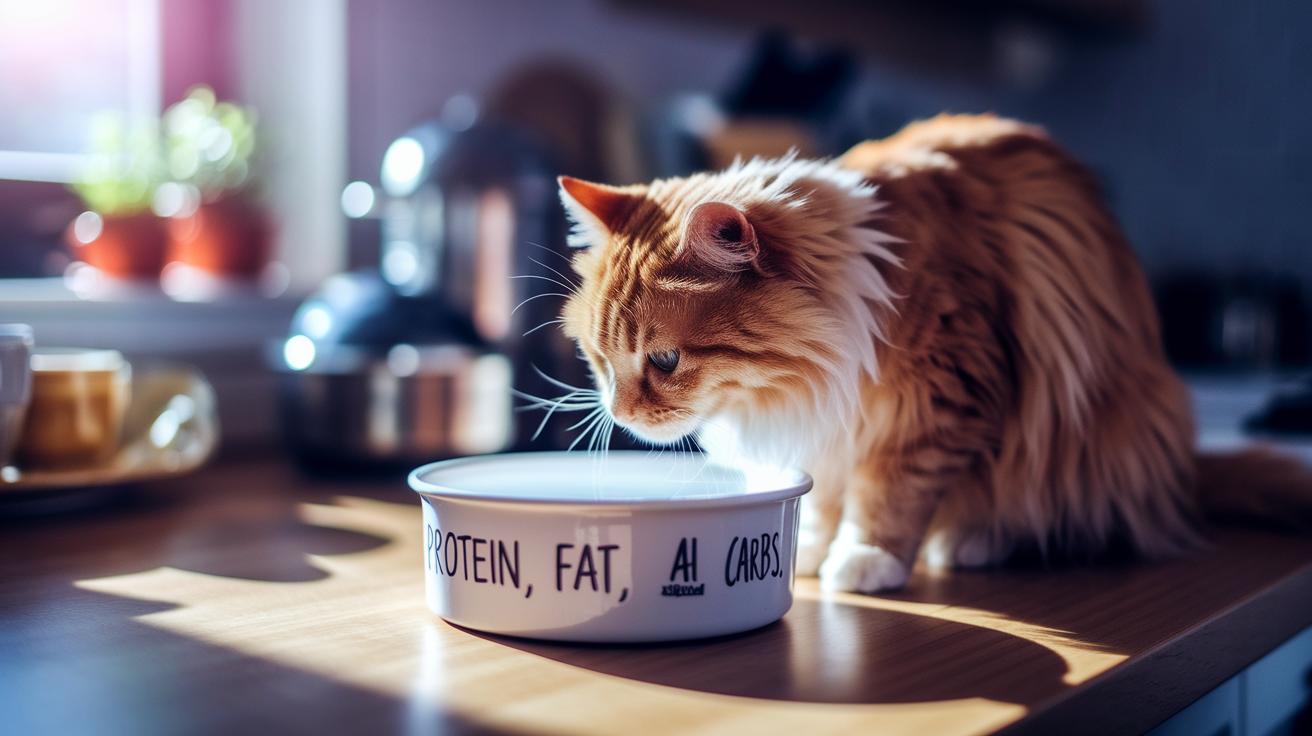
A balanced cat diet gives your pet the right mix of proteins, fats, carbs, vitamins, minerals, and water. This mix helps your kitty grow strong, stay playful, and bounce back after a long day of fun or a minor bump. Think of it like a perfect cookie recipe, each ingredient has its own important part.
High-quality cat foods come with a nutritional statement that shows they meet safe guidelines. For example, imagine your cat enjoying a meal where every bite is carefully measured, just like a batch of perfectly baked cookies.
For adult cats, AAFCO-approved foods provide at least 26% crude protein (this means the protein amount after removing water) and 30% for kittens or pregnant cats. This careful balance makes sure your pet gets exactly what they need to thrive.
Here's a quick look at the key ingredients:
| Ingredient | Role |
|---|---|
| Protein | Helps build muscles and repair tissues |
| Fat | Provides energy and helps move nutrients around |
| Carbs | Gives a little extra energy (kept under 10% of total calories) |
| Vitamins/Minerals | Keeps body functions running smoothly |
| Water | Essential for hydration (about 4–5 oz per 5 lb of body weight) |
Choosing a high-quality commercial diet means you’re not left guessing about your pet’s meals. It takes out the stress of planning, helps keep weight in check, and makes sure your cat stays healthy, just like giving your best friend the good stuff every day.
Essential Nutrient Components in a Balanced Cat Diet
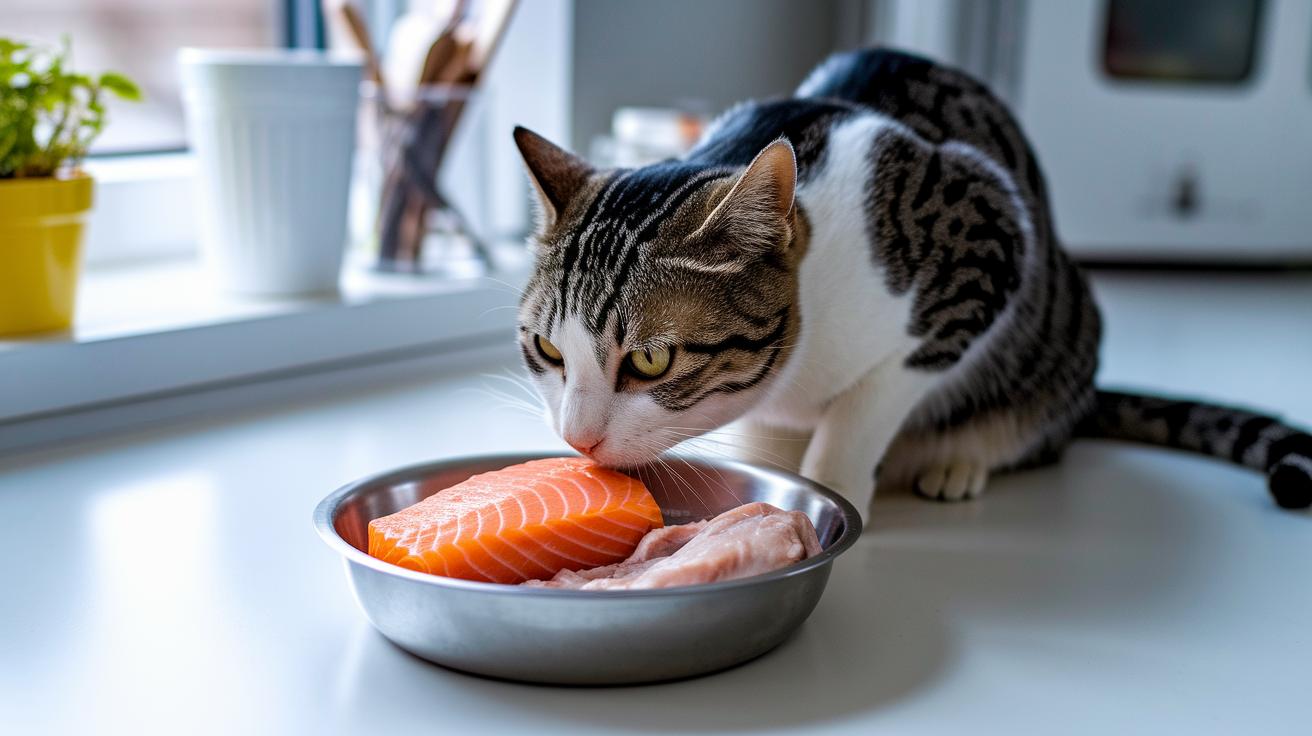
Eating a balanced meal is key to keeping your cat happy and full of energy. Every ingredient plays a role in boosting your feline friend’s health.
- Protein: Aim for at least 26% protein for adult cats and 30% for kittens or pregnant cats. This nutrient helps build muscle and provides important heart-healthy amino acids from quality meats and fish.
- Fat: Look for a minimum of 9% fat. It gives energy and supports smooth nerve function. Omega fatty acids from salmon and chicken can also help make your cat’s coat look shiny.
- Carbohydrates: Keep these under 10% of the total calories. They offer energy but should be limited to prevent extra weight gain.
- Vitamins: These come naturally from fresh meats and vegetables and are essential for helping enzymes (the tiny workers that keep body processes moving) do their jobs.
- Minerals: Often added in special forms (chelated forms, which help your cat absorb them better) to support overall body functions.
- Water: Make sure your cat gets about 4–5 ounces of water per 5 pounds of body weight, especially if their diet includes wet food.
| Nutrient | Recommended % (DMB) | Key Source |
|---|---|---|
| Protein | 26% (adult), 30% (kitten/gestation) | High-quality meat and fish for essential amino acids and taurine |
| Fat | ≥9% | Salmon, chicken, and liver for omega fatty acids and energy |
| Carbs | <10% | Limited grains and vegetables to control calorie intake |
| Water | N/A | Wet foods and fresh water for optimal hydration |
When choosing food for your cat, focusing on quality ingredients can really boost their natural energy and overall well-being. It’s all about supporting your furry pal’s health one meal at a time.
Portion Sizes and Feeding Schedule Recommendations for Cats
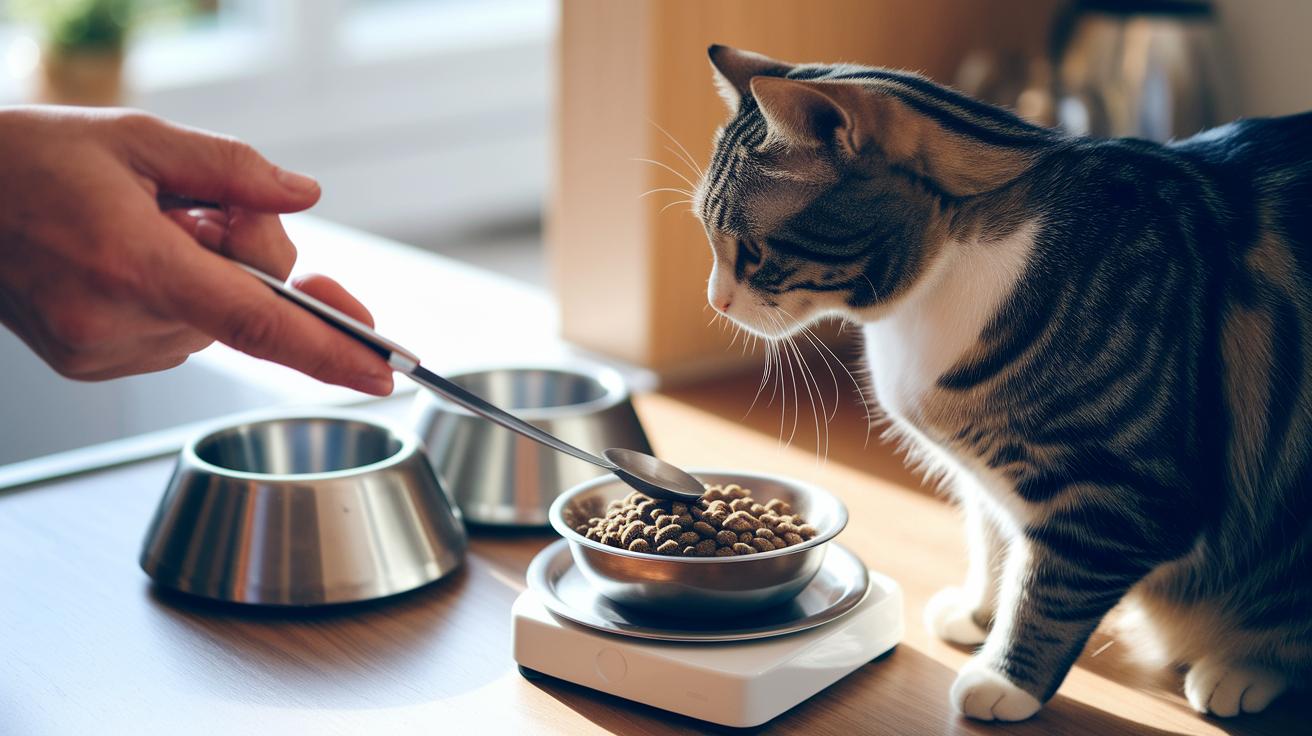
Figuring out how much to feed your cat isn't too hard once you know their basic needs. An adult cat usually needs about 200–300 calories each day. You might want to tweak this if your kitty is really active or mostly lounging indoors. Kittens, with all their energy and playful bursts, typically enjoy around four meals a day to keep up with their growing bodies. And for our senior pals, one or two smaller meals often work best since their metabolism slows down as they age.
| Life Stage | Meals/Day | Approx. Daily Calories |
|---|---|---|
| Kitten | 4 | Varies (higher energy needs) |
| Adult | 2–3 | 200–300 kcal |
| Senior | 1–2 | Lower calories to suit slower metabolism |
To keep things simple and steady, try splitting your cat's daily food into even meals. Using a small scale to measure their portions can really help you stay on track with calorie counts. And don’t forget to watch your pet’s energy levels and body shape, a happy, lively cat is a sign you’re on the right track, while a sluggish or overly thin kitty might need a little adjustment in their meal sizes.
Incorporating Homemade and Raw Feeding in Your Cat Diet Plan
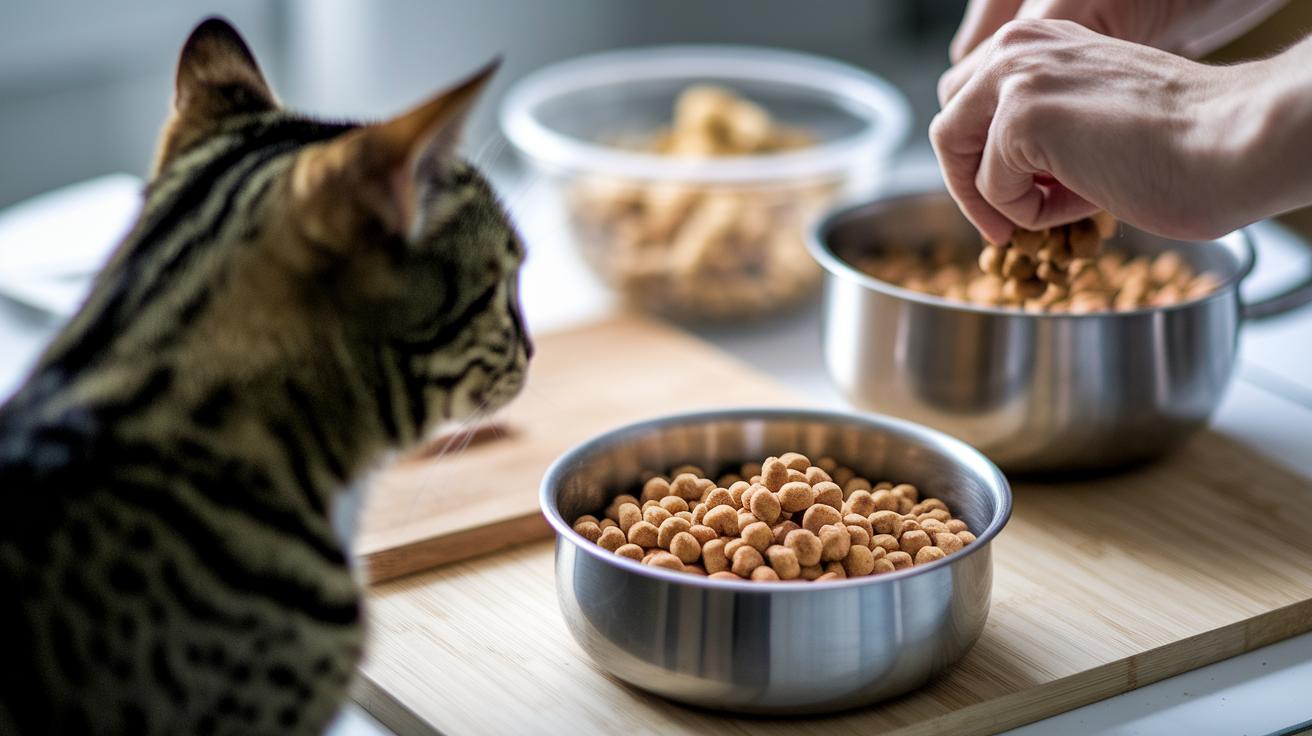
Homemade Recipe Essentials
Cooking for your cat at home can be a fun way to show you care. When you plan these meals, pick each ingredient like you’re making a special recipe. Use proteins, fats, and carbs in the right mix, and don’t forget taurine (a vital nutrient that helps your cat’s heart) and a good multivitamin to keep your cat healthy. It’s best to lightly cook the meat so it keeps its vitamins while also making sure any bad germs are gone. Imagine mixing well-cooked chicken with mashed veggies and just a pinch of supplement powder to make a meal that’s as good as what you’d get in a pet store.
Safe Raw Feeding Practices
Feeding your cat raw meals can be great because it adds extra moisture and helps keep your cat hydrated, which might even give them a shinier coat. But you have to be careful. Always use meat that is safe for human eating to lower the chances of germs, and remember to freeze it first (freezing helps kill harmful bacteria). Make sure you clean every surface and tool you use to avoid spreading germs. Start with small amounts of raw food so your cat’s belly can get used to it. This way, you get the benefits of natural ingredients while keeping your pet’s meals safe and balanced.
Adjusting Your Cat’s Balanced Diet Plan for Life Stages and Health Needs
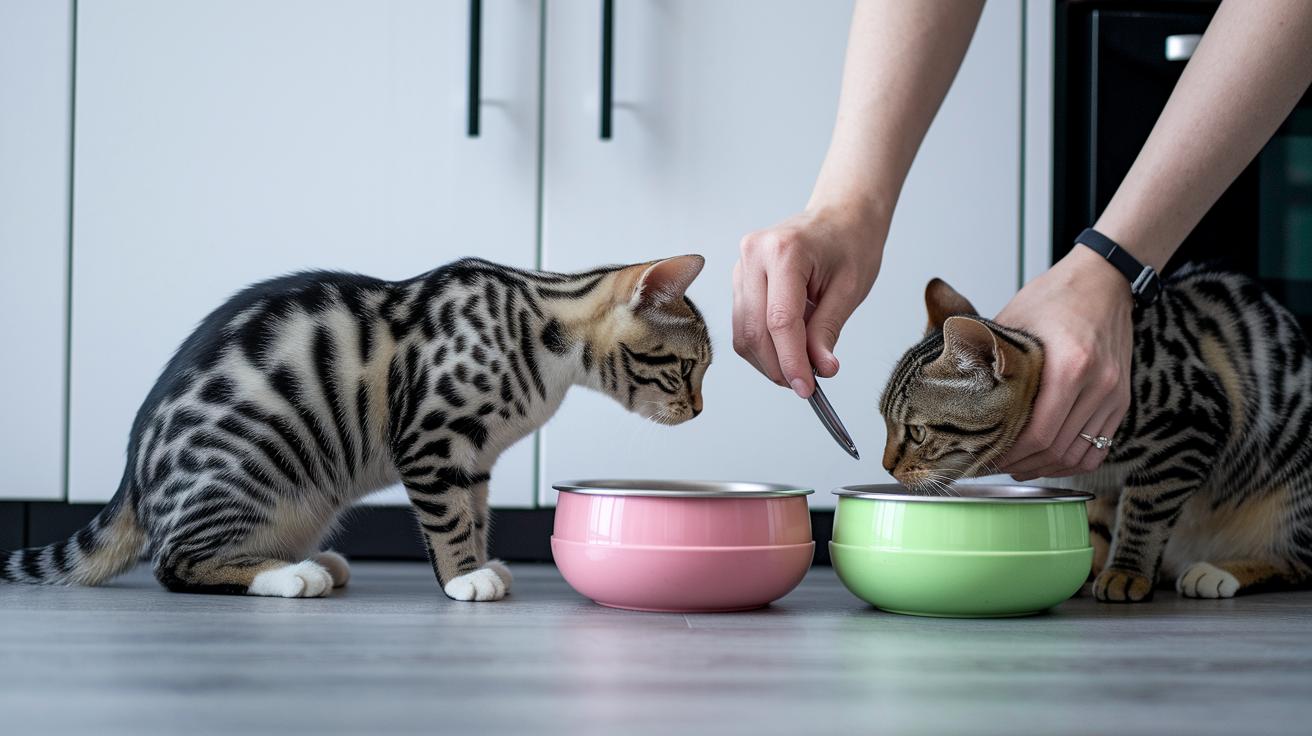
When planning meals for your furry friend, it's good to keep in mind that their needs change as they grow or if they have any health issues. Each phase, whether kitten, adult, or senior, calls for small tweaks so your cat gets the right mix of nutrients to stay bouncy and comfy. Think of it like this: you want the perfect blend of protein, energy, and easy-to-digest ingredients, all while keeping an eye on their weight and tummy comfort.
- Kittens: For your little ball of fur, aim for a diet with about 30% protein. Serve up four small meals a day to spark that rapid growth. They also need extra calcium and DHA (a type of healthy fat for bone and brain development) to build strong bodies and curious minds.
- Adults: For a well-adjusted adult cat, keep things steady with at least 26% protein. It’s important to balance the calories to avoid extra pounds and keep their metabolism humming along smoothly.
- Seniors: As cats get older, they naturally need less energy. Cutting calories by about 10% helps match their slower pace. Focus on foods that are easier on their digestion, and you might even consider joint supplements to keep them hopping around happily.
- Weight Management: If your cat is carrying a few extra pounds or has a sensitive stomach, trimming daily calories by 10–20% can help. Adding a bit more fiber can keep them feeling full. Offering small, frequent meals along with a touch of probiotics (friendly bacteria for gut health) can ease any tummy troubles.
It’s always a great idea to work side-by-side with your veterinarian. They can help fine-tune these meal plans, monitor your cat’s progress, and suggest any extra supplements needed to keep your furry companion feeling their best at every stage of life.
Monitoring and Fine-Tuning Your Cat’s Balanced Diet Plan
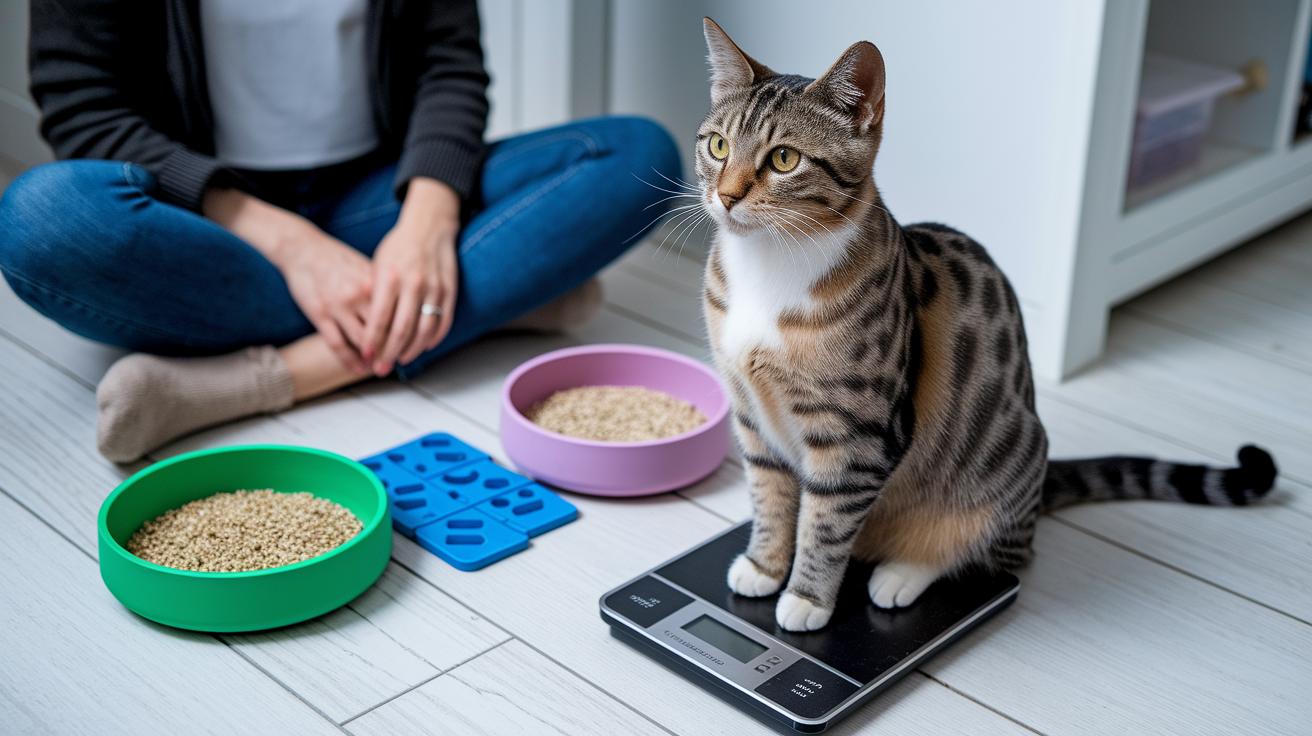
Keep an eye on your kitty’s weight and overall body feel each month. It’s like watching the soft purr of a sleeping cat, you notice little things such as the brightness of her coat, the bounce in her step, and even how often she visits her litter box.
When you’re switching up her meals, do it slowly over 7 to 10 days. This gentle change helps her stomach adjust without any surprise upset.
- Use a digital scale every month to check her weight.
- Notice if her fur stays shiny and smooth.
- Observe her energy during playtime and quiet naps.
- Watch how often she uses her litter box.
- Try out puzzle feeders to encourage natural foraging behaviors.
- Transition to new foods gradually over 7–10 days.
If you see signs like a dull coat, fewer bursts of play, or weight changes that seem off, consider chatting with your veterinarian. Their advice can help adjust her diet so she stays happy and healthy.
Final Words
In the action, this article showed how designing a balanced pet diet plan for cats covers everything from essential nutrients and proper feeding schedules to safe homemade and raw meal preparations. We explored AAFCO standards, portion sizes, and tweaks for different life stages. Regular monitoring helps spot changes in energy, coat, and overall health. With clear guidance and trustworthy insights, every pet owner can feel confident in making informed decisions and keeping their cat happy and healthy. Keep enjoying each moment with your furry friend.
FAQ
How can I create a balanced, homemade pet diet plan for my cat?
A balanced, homemade pet diet plan means designing a recipe with adequate protein, fat, and controlled carbs while adding vitamins and water to meet nutritional guidelines for cats.
What does a balanced diet and nutrition chart for cats include?
A balanced diet and nutrition chart for cats shows proper protein, fat, carbohydrates, vitamins, and water amounts, adjusted by age and activity, to support healthy growth and maintenance.
What can I feed a cat if I’m avoiding commercial cat food?
Feeding a cat without commercial food means preparing safe meals using high-quality meats, minimal carbohydrates, and necessary supplements so your pet receives full nutritional support.
What are the top five healthiest cat foods?
The top five healthiest cat foods usually include high-protein wet foods, premium dry formulas, and options that meet nutritional standards with balanced nutrients for optimal feline well-being.
What is the healthiest diet for indoor cats?
The healthiest indoor cat diet is one that focuses on lean proteins, moisture-rich options, and proper portion sizes to help manage weight while fitting the pet’s indoor lifestyle.
Is two cans of wet food a day enough for my cat?
Two cans of wet food can be enough if they meet your cat’s calorie and nutrition needs; monitor your pet’s body condition and adjust portions based on weight and activity level.
Do veterinarians recommend natural balance cat food?
Veterinarians often recommend natural balance cat food when it conforms to nutritional guidelines and fits your cat’s health needs; always discuss choices with your pet’s doctor for personalized advice.