
Ever wonder if cooking at home can make your pet shine? Picture using simple, natural foods to create meals that taste great and keep your furry friend healthy.
In this post, you'll learn how dishes like Chicken and Veggie Rice Bowl and Rainbow Blend with Noodles turn cooking into a fun, creative adventure for pet lovers. Every recipe uses everyday ingredients so you can easily whip up a nutritious meal that feels as warm and caring as a big hug.
Core Homemade Pet Diet Recipes for All Pets
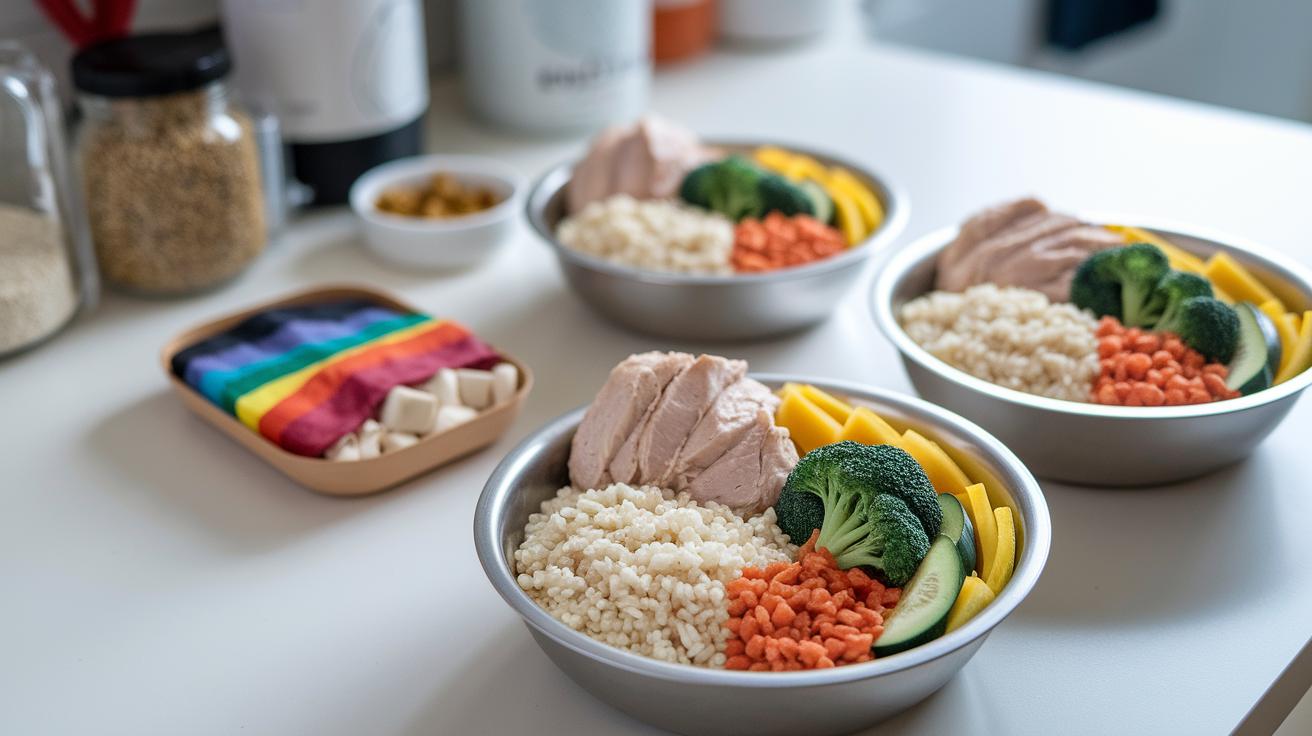
Our recipes show you how to make pet meals out of real, whole foods without any confusing extras. Begin with the Chicken and Veggie Rice Bowl, a tasty mix of boiled chicken, fresh veggies, and brown rice. For example, you can chop up some crisp vegetables, mix in tender chicken pieces, and stir in aromatic brown rice to create a dish that’s both filling and fun for your pet.
Then try the Rainbow Blend with Noodles. This recipe features low‐fat turkey, sweet potatoes, carrots, zucchini, broccoli, and macaroni. It’s loaded with colorful ingredients to help keep your pet lively and balanced. Imagine a bowl bursting with vibrant veggies and turkey, almost like a cheerful little rainbow on your pet’s plate!
If your pet needs a protein boost, try the Diet-Friendly Liver Biscuits. With just wheat flour, eggs, and beef liver, these biscuits are simple to make and delightful to eat. It’s like having a quick, playful kitchen experiment where a dash of creativity and loads of love make your pet’s day brighter.
Next up are the Apple and Sweet Potato Treats. They blend unsweetened applesauce, eggs, and sweet potato into naturally sweet, easy-to-digest treats that even the most sensitive tummy will enjoy.
Finally, there are the Simple and Healthy Tuna Bites. These combine tuna rich in omega-3 (healthy fats your pet needs) with a crunchy breadcrumb coating, giving your pet a satisfying bite without any unnecessary extras.
Together, these five recipes create a balanced menu that’s a perfect start for any pet owner. They offer a heartfelt, homemade approach to pet nutrition for dogs, cats, and other cherished companions.
Homemade Pet Diet Recipes for Dogs, Cats, Birds & Small Creatures
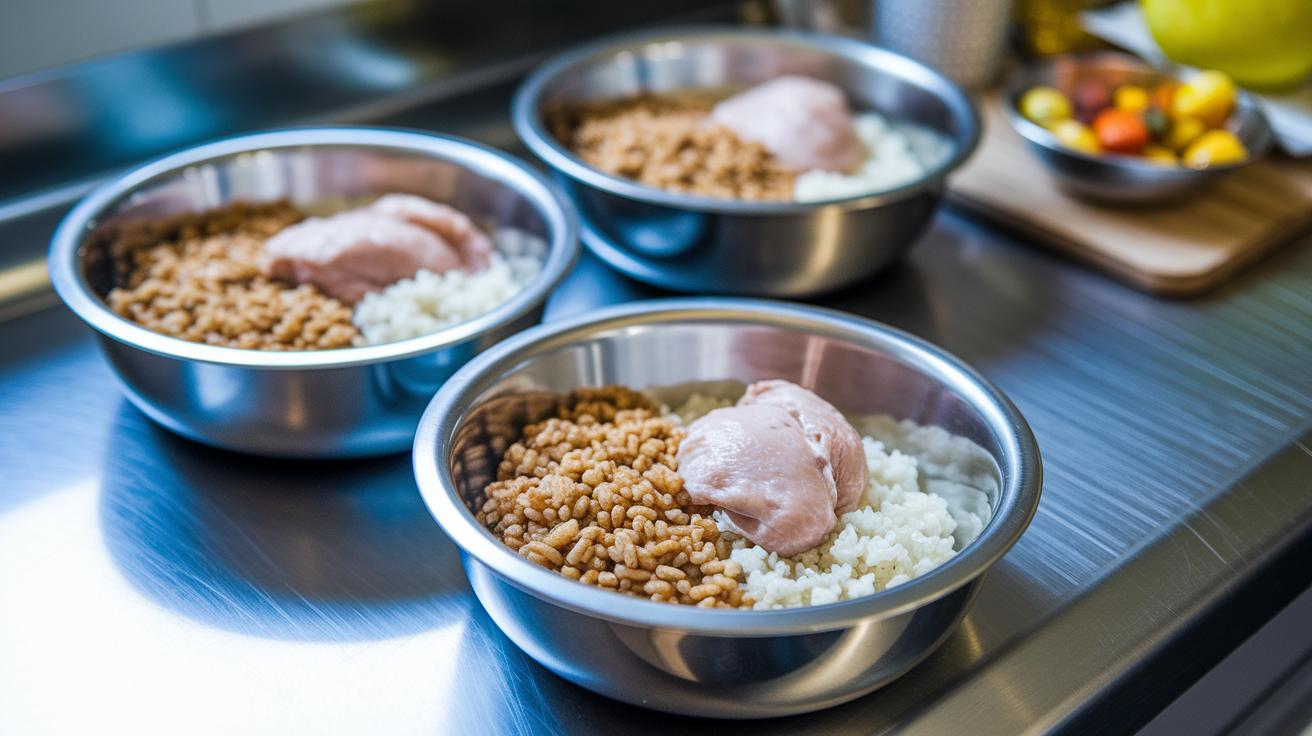
Feeding your pet at home can be a fun and heartfelt way to share healthy meals. For dogs, you could try a mix of 790 grams of cooked brown rice (that’s about 3 cups uncooked), lean protein like boiled chicken or sirloin, some chopped carrots, a little parsley, and a few tablespoons of omega-3 oil (olive or safflower). For a big dog over 80 lbs, serve 4 cups twice a day. For a 40 lb dog, 2 cups twice a day works just right. Think of it like this: a large dog enjoys 4 cups in the morning and 4 cups in the evening.
When it comes to cats, a tasty tuna treat with a little crunch and extra omega-3 is perfect. Stick to the right serving sizes based on your kitty’s weight, and adjust ingredients as needed, just as you would for a special snack.
For our bird and small mammal friends, it’s important to tweak the recipe. Use a bit less protein, chop the veggies into very small pieces, and steer clear of ingredients like onion that can be harmful. For small birds, a bit less protein and finely cut veggies help keep their meals safe and tasty.
- Measure each ingredient carefully based on your pet’s weight and needs.
- Switch recipes slowly if you’re moving between different kinds of pets.
- Keep an eye on how your pet reacts to the new food.
Ingredient Selection & Substitutions for Homemade Pet Diet Recipes
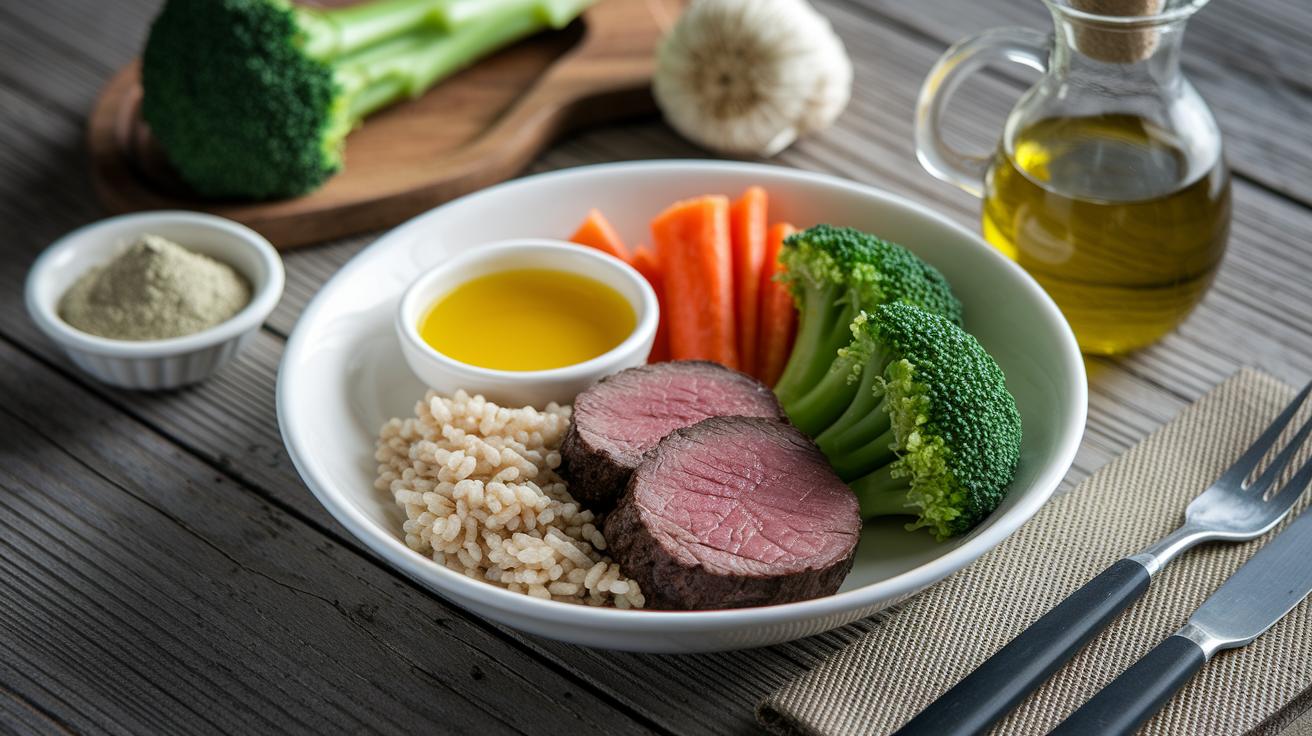
Start your pet's meal plan with quality proteins that keep their energy high. Lean ground sirloin and chicken work wonderfully. Eggs can be a nice boost too, but use them in moderation because of their high phosphorus (a mineral that can add up if too much is served). A little hard-boiled egg, chopped up and sprinkled on their bowl, feels like a mini protein treat.
Next, carbs and fiber are key players in a balanced meal. Brown rice is easy on your pet's tummy while giving them steady energy. Sweet potato is soft, naturally sweet, and especially good for pets with sensitive stomachs. A spoonful of unsweetened applesauce adds moisture and a gentle flavor. Imagine a warm bowl of steamed rice with a small dollop of applesauce; it is both nourishing and delightful.
Vegetables bring essential vitamins and fiber to the mix. Crunchy carrots add a satisfying snap, zucchini gives a light taste, and broccoli packs a nutritious punch. Together, they fit like puzzle pieces on your pet's plate to support overall health.
Healthy fats are important as well. A light drizzle of omega-3 rich oils like olive or safflower oil can help keep your pet's coat shiny and their heart happy. These oils work great on a fresh veggie salad and make a real difference.
A few herbs can also boost your pet's meal. Parsley, for example, can help with digestion and add antioxidants. Just a little sprinkle is like adding that perfect pinch of salt to your favorite dish.
Finally, using local organic produce helps lock in essential nutrients. As the seasons change, think about swapping ingredients too. In the fall, you might choose pumpkin instead of squash to keep the menu fresh and friendly for pets with allergies.
Portion Guidelines, Recipe Measurements & Feeding Schedules for Homemade Pet Diets
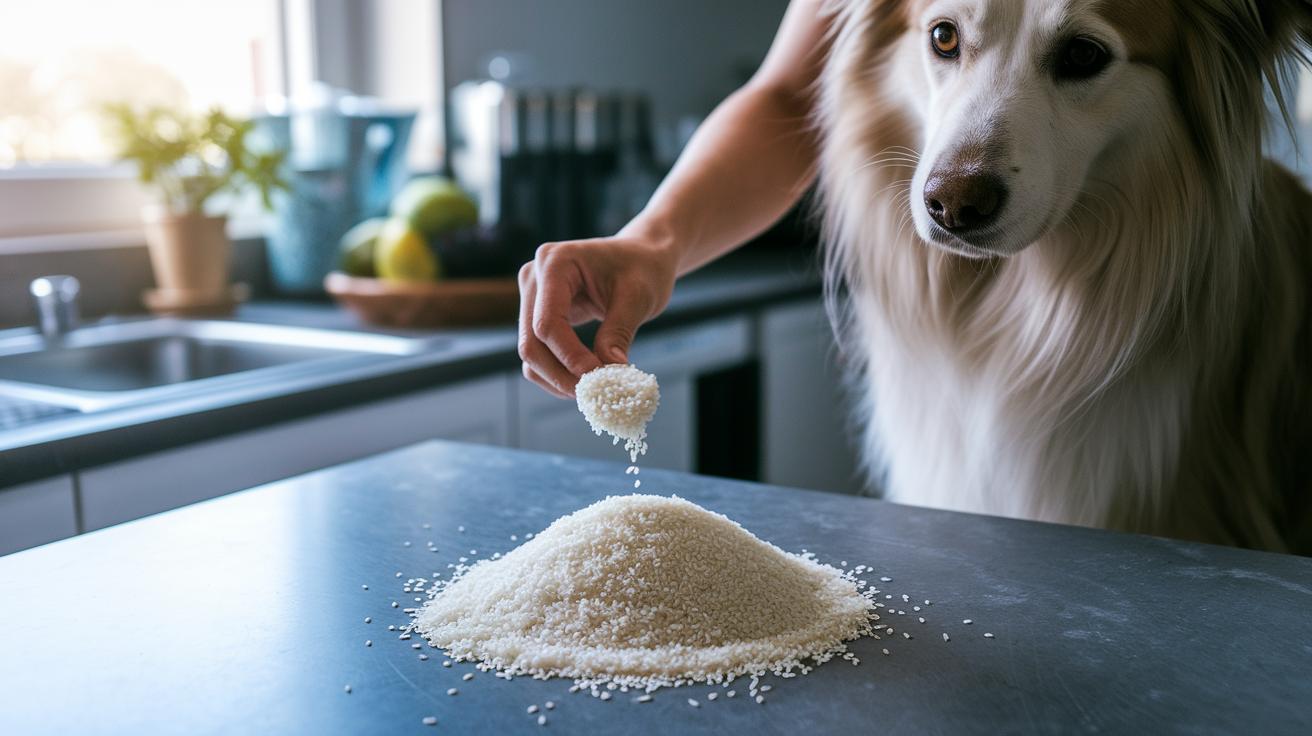
Every batch starts with 6 cups of cooked organic brown rice (about 790 grams) as your meal base. For a pet over 80 pounds, dish out 4 cups in the morning and another 4 cups in the evening. If your pet weighs around 40 pounds, give them 2 cups twice a day. Adjust the amounts based on your pet’s weight and how active they are. So if your furry friend is extra playful, they might need just a bit more energy.
For small mammals, it can help to split their meals into four even portions throughout the day.
- 6 cups of rice per batch forms a solid base for balanced energy.
- For larger pets (80+ lbs), serve 4 cups each meal; for a 40 lb pet, 2 cups per meal works well.
- If your pet’s always on the move, consider offering a little extra without overfeeding.
| Pet Weight | Morning Serving | Evening Serving | Meal Frequency |
|---|---|---|---|
| 80+ lb pet | 4 cups | 4 cups | 2/day |
| 40 lb pet | 2 cups | 2 cups | 2/day |
Think of it like following a simple recipe: 6 cups of brown rice creates a sturdy foundation for a meal that’s balanced and easy to whip up for your pet.
Veterinary Consultation & Safety Warnings for Homemade Pet Diet Recipes
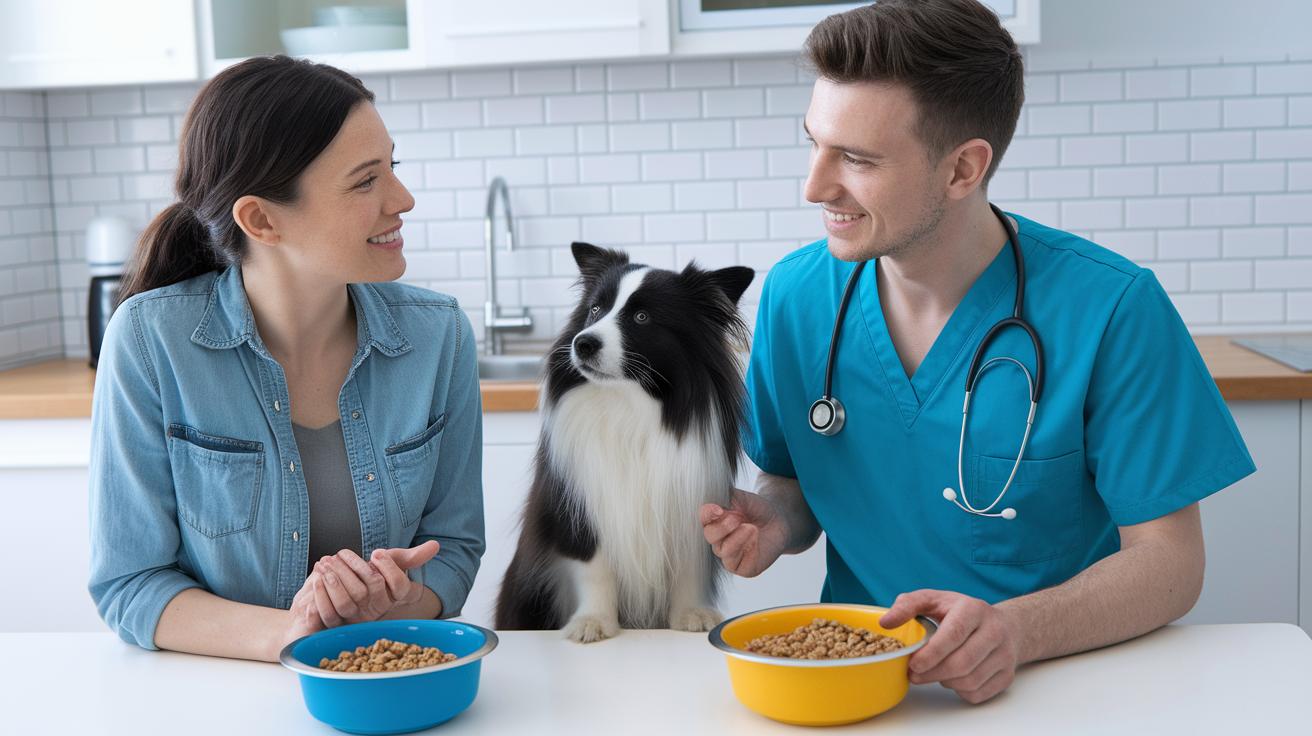
Before giving your pet homemade meals, always have a quick chat with your veterinarian or pet nutritionist. They can help tailor recipes to fit your pet’s needs, whether it’s allergies, diabetes, or kidney issues. A professional will also suggest safe ingredient swaps if you notice any sensitivities. For instance, if your pet has kidney troubles, keeping them well-hydrated is key, so a vet might recommend more water-rich foods and close monitoring of fluid intake.
When you're in the kitchen whipping up meals, stick to simple safety steps. Keep your surfaces clean, measure ingredients carefully, and cook foods to the right temperature to keep them safe. Avoid toxic foods like onions, garlic, and grapes completely. And while eggs are a great protein source, it’s best to use them sparingly because they contain high phosphorus levels, especially if your pet’s diet already includes other high-phosphorus foods.
- Always ask for professional advice before making big changes to your pet’s diet.
- Follow safe food preparation and storage practices closely.
- Watch for any unusual reactions and tweak recipes with professional guidance.
Also, running lab tests before and after changing your pet's meals can really help. These tests make it easier to craft recipes that support your pet’s overall health perfectly.
Specialized Homemade Pet Diet Recipes: Grain-Free, Low-Allergen & Health-Specific Menus
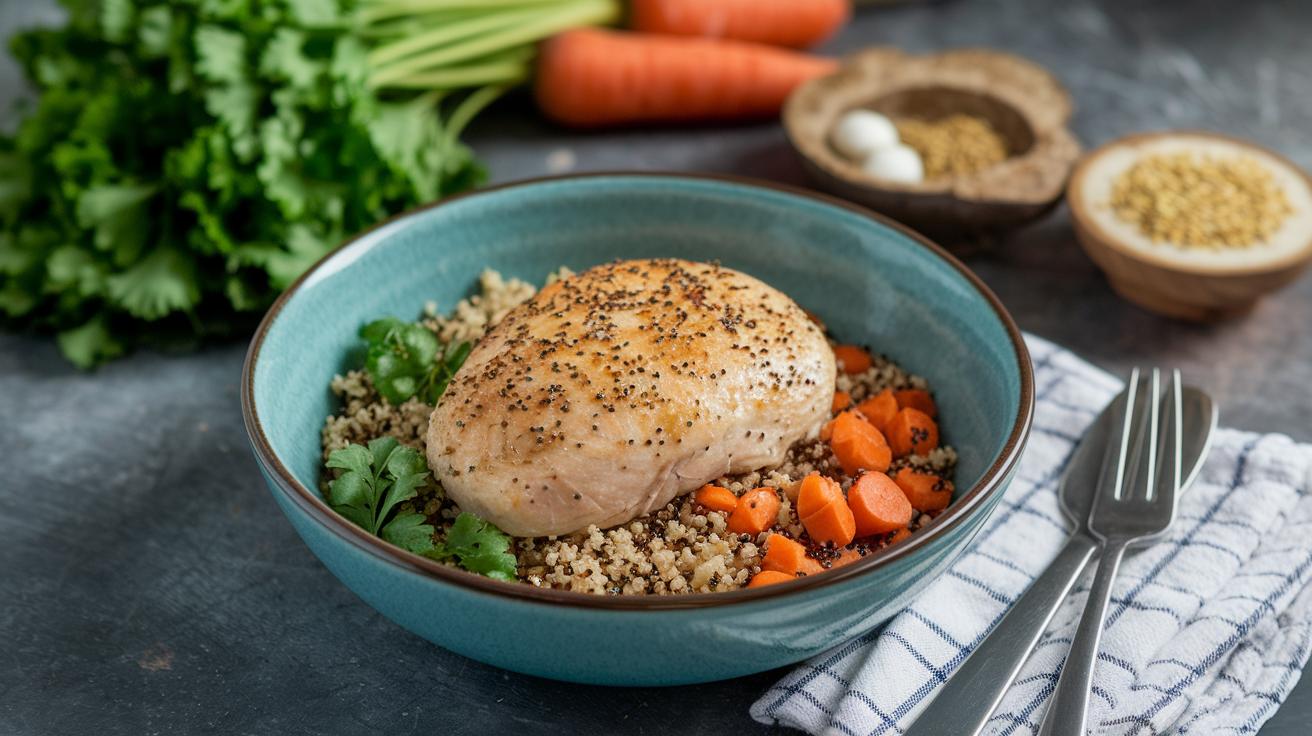
For pet lovers eager to serve special meals, try swapping out regular grains for fun alternatives like quinoa or sweet potato. Quinoa brings a gentle nutty flavor that works well as a rice substitute, and sweet potato’s natural creaminess is perfect for pets with sensitive tummies. Picture a bowl filled with lean chicken, quinoa, and steamed carrots that feels both nourishing and playful.
You can also try low-allergen treats that are just as tasty. Make liver biscuits using almond flour instead of wheat. Mix fresh beef liver with an egg and a bit of almond flour to form a dough, then cut it into small shapes and bake into treats. These biscuits pack in protein while lowering the chance of an allergic reaction, a clever switch for pets with special needs.
If you're preparing meals for diabetic pets, focus on lean proteins like turkey or chicken paired with low-glycemic veggies such as green beans and zucchini. This combo helps keep blood sugar in check while offering a balanced meal. And when weight management is a priority, adding extra fiber from pumpkin puree or oats can help your pet feel full for longer and manage their calorie (energy) intake more easily.
You can also tailor meals to fit each life stage. Senior pets may benefit from dishes enriched with extra calcium for strong bones, while puppies and kittens thrive on meals boosted with DHA (a nutrient good for brain and eye development) and essential vitamins. Try making a bone broth too, use safe bones and let them simmer slowly to release collagen (a protein that supports joint comfort). Just be sure to leave out the onions. Finally, stir in a spoonful of plain yogurt for probiotics and a dash of oregano for a mild antimicrobial boost, rounding out a collection of recipes that honor the unique nutritional needs of every pet in your family.
Final Words
in the action, we explored five creative recipes that bring balanced nutrition right into your kitchen. You learned how to choose fresh ingredients and swap options for seasonal needs, plus precise serving sizes and feeding tips for different pets. We even covered the importance of vet advice and safe kitchen tips. Each recipe is designed with your pet's well-being in mind, offering simple style and care. Homemade pet diet recipes for all pets can bring joy and health to every bowl. Enjoy making every meal a moment of care.
FAQ
What are some simple, easy homemade pet diet recipes for all pets?
The simple homemade pet diet recipes use whole, natural ingredients like lean proteins, veggies, and whole grains, making them friendly for all species and easy to whip up with everyday items you already have.
What are vet approved homemade dog food recipes and can they help with health issues?
Vet approved homemade dog food recipes are created under professional guidance and include special recipes for pets with specific health concerns, ensuring balanced nutrition and meeting tailored needs.
What do nutritionally complete homemade dog food recipes include, and is there a PDF guide for them?
Nutritionally complete homemade dog food recipes balance proteins, carbs, and healthy fats, often backed by PDF guides that offer easy, step-by-step instructions to help you prepare a proper meal.
What are the best ingredients to put in homemade dog food and how do I make sure all nutrients are included?
The best ingredients include lean proteins like chicken, brown rice, fresh veggies, and a drizzle of omega oils. These choices help cover all nutrients when used in the right portions, ensuring a complete meal.
Can I feed my dog homemade food every day?
Feeding your dog homemade meals daily can be safe when the recipes deliver balanced nutrients. Always check with your vet to confirm the diet meets your pet’s specific nutritional needs.
What is the healthiest food to cook for your dog?
The healthiest dog food usually involves lean proteins, mixed vegetables, and whole grains, all prepared without additives. This balanced meal supports overall health and a happy, energetic pet.