
Have you ever noticed how your pet's food can boost their energy and mood? A handy checklist for a new pet diet might be just what your furry friend needs to feel more lively and happy.
In our friendly guide, we share clear steps, like reading food labels and planning balanced meals (meals that give your pet the right mix of nutrients), to help you start a healthy eating routine for your pet. Imagine your pet prancing around with joy, excited for each meal. This simple plan makes pet nutrition both fun and easy to follow.
Step-by-Step Pet Diet Checklist for Beginners
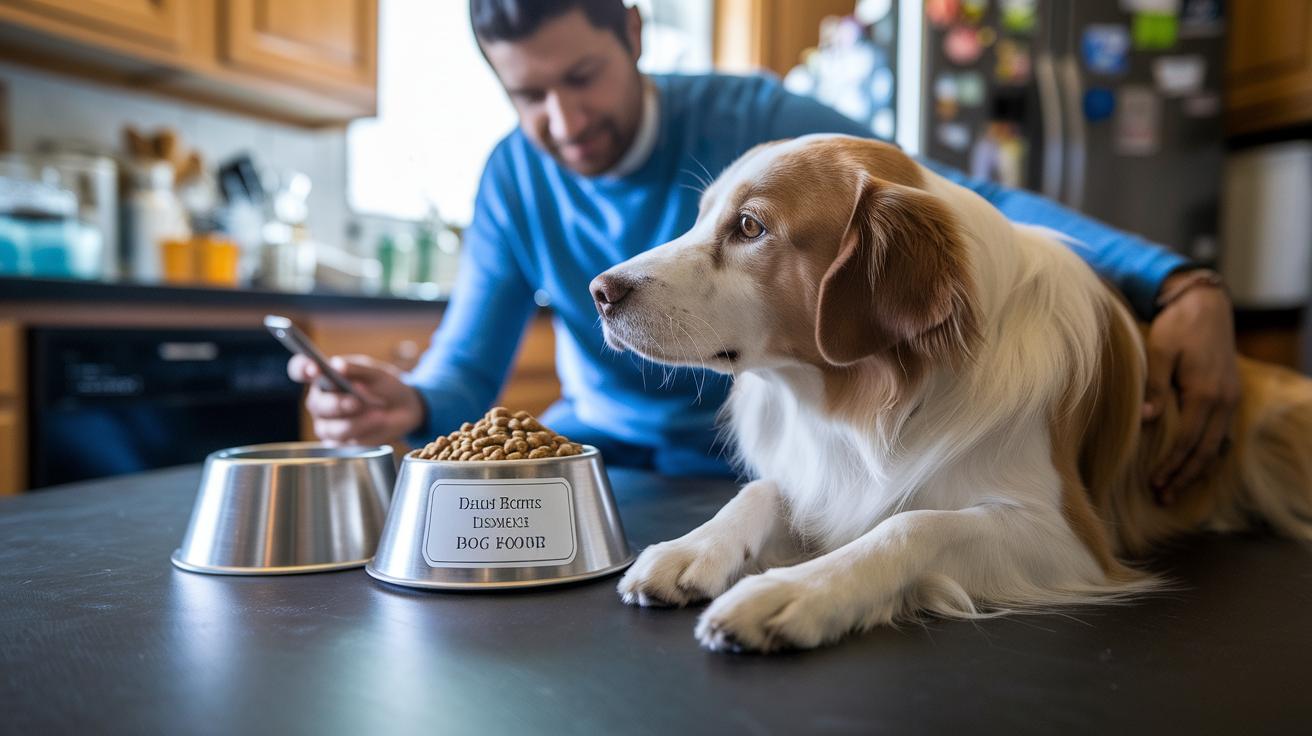
Building a healthy diet for your pet can boost their growth, keep their energy steady, and help manage their weight. It all starts with always having fresh, clean water on hand. A simple nutrition plan is the first step to making sure your pet feels great.
Using a pet diet starter guide can really ease the meal planning process. Take a close look at food labels to be sure they list quality ingredients, like a specific protein such as fresh chicken. Here’s a basic checklist any pet owner can use:
- Arrange an initial vet visit to review your pet’s health and diet needs
- Check current food labels for named protein sources
- Look into any allergies or food sensitivities your pet might have
- Plan meals that mix protein, fat, carbs, vitamins, and minerals
- Set portion sizes based on your pet’s weight and age
- Create a consistent feeding schedule with the same meal times daily
Following these simple steps helps lay the groundwork for a good meal plan. With careful nutrition planning, your pet can enjoy steady energy and sound health. A regular feeding routine, combined with quality ingredients and expert advice, makes for a meal plan that nurtures healthy eating habits and overall well-being. Stick with these tips and soon you’ll see your pet become more energetic and happy at every meal.
Assessing Nutritional Requirements for Your Pet’s Diet
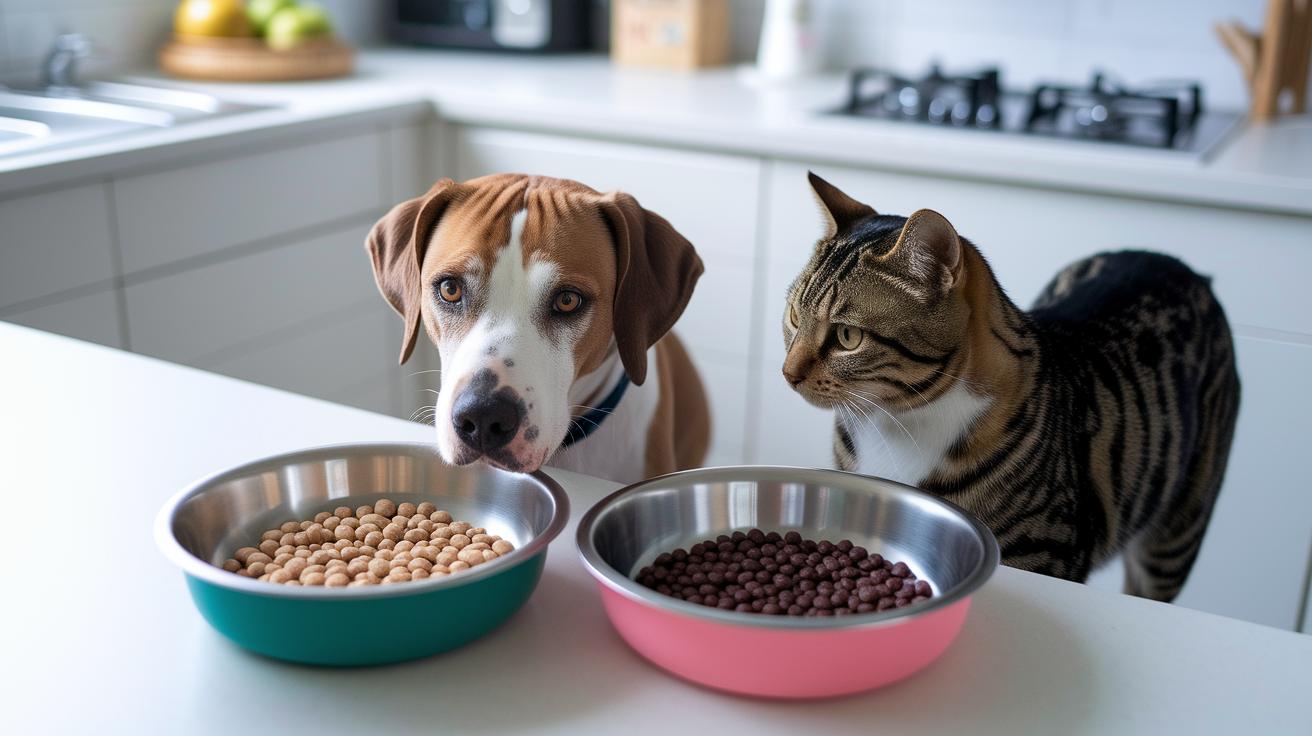
When you start planning your pet’s meals, think about what makes them special. Every pet is different, depending on their species, breed, age, and how active they are. Puppies and kittens usually need extra protein (the building blocks that help them grow strong), while older pets or those that move more slowly might need food that supports their joints and a slower metabolism. Even pets of the same kind can have different needs. For example, a lively dog uses more energy than a calm cat, so it's important to look at these differences from the very beginning.
A well-rounded diet gives your pet the right amounts of protein, fat, carbohydrates, vitamins, and minerals. These help prevent weight gain, tummy troubles, and weak immunity. Many experts, like those from the pet nutrition alliance (a group that studies what pets need from their food), offer advice on the right mix of nutrients. Keep an eye on your pet’s appetite and daily behavior, and be ready to tweak their meals as needed. Taking these little steps makes it easier to keep your pet healthy and happy.
Selecting Quality Ingredients for Your Pet’s Diet

First, take a good look at your pet food’s ingredient list. You want to see a clear protein source right at the top, like “fresh chicken” or “salmon meal.” If you spot vague terms such as “meat & animal derivatives” or “animal by-products,” it might mean the food is made with lower-quality ingredients. I often think, “Hey, there’s ‘fresh chicken’ right here, which is a good sign!” This simple check helps ensure you’re giving your pet the nutrition they need from the very start.
Next, have a peek at the macronutrient breakdown on the package. A balanced mix of protein, carbohydrates, and fats is key, kind of like the ingredients in a well-made snack for your pet. Cats, for example, really need a boost of protein for energy and muscle support. So, if the label shows a high protein percentage and a moderate amount of carbs, you’re on the right track, imagine it as a perfect sports drink for your furry friend!
Finally, don’t forget to review the fiber content and allergen details. Dry foods usually have between 2.5% and 4.5% fiber, which is just right for most pets. But if your pet has a sensitive tummy, a little extra fiber might help. Also, take a moment to look for any common allergens like certain grains. This careful review can help prevent any unwanted reactions and keeps your companion happy and healthy.
Portion Control and Balanced Pet Diet Meals
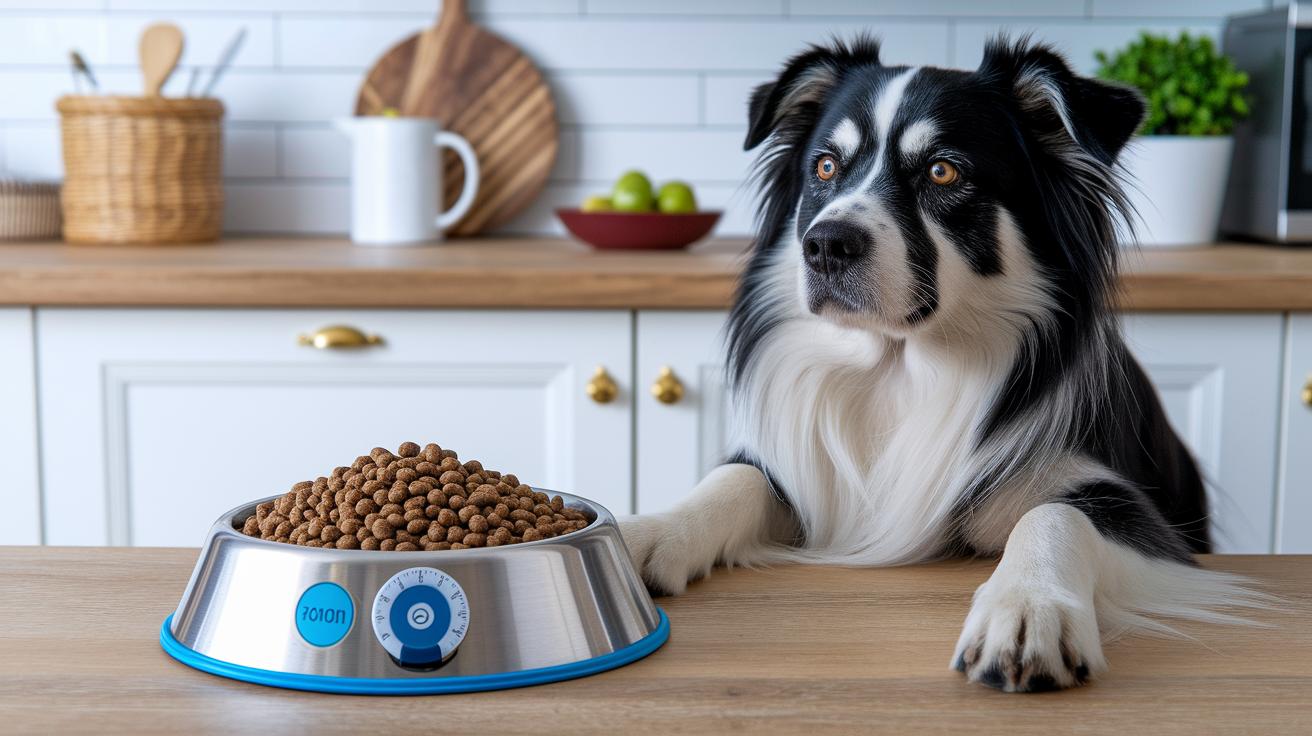
Our furry friends need meals that pack proteins, fats, carbs, vitamins, and minerals. This balanced blend is like a perfect snack that keeps them lively and ready for play. Too much food can lead to extra pounds, and too little might leave them feeling down. It’s all about finding that just-right portion every time.
Remember, your pet’s age plays a big role in how much they need to eat. Puppies and kittens need extra fuel for all that growing, while adult and senior pets do better with measured meals to keep them active without becoming sluggish. Think of it as tuning a radio, adjusting the dial until you hit the perfect volume. Keeping a close eye on their diet helps avoid obesity for energetic pups and low energy in calm cats. Check out the guide below for simple portion size tips tailored to your pet’s needs:
| Pet Type | Portion Size per Meal | Meals per Day |
|---|---|---|
| Small Dog (up to 25 lb) | ½–1 cup | 2 |
| Large Dog (over 50 lb) | 2–3 cups | 2 |
| Adult Cat | ¼–⅓ cup | 2–3 |
| Kitten | ⅓–½ cup | 3–4 |
Creating a Feeding Schedule for Your Pet Diet
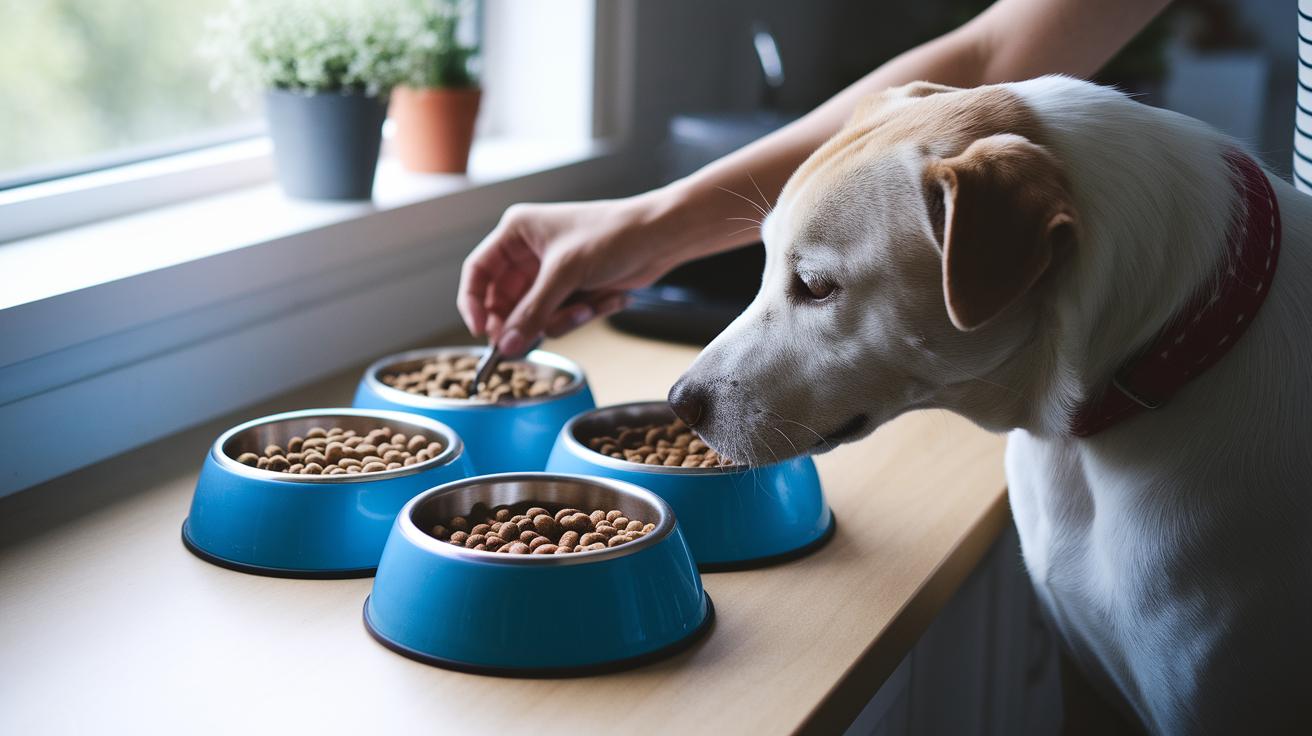
Creating a daily feeding plan makes mealtime a natural, worry-free part of your pet’s day. It helps their tummy work smoothly and keeps their energy just right. Adult pets usually do great with two meals a day, while puppies and kittens often do best with three or four smaller meals. Whether your friend is a bouncy pup or a mellow kitty, a set schedule makes it easy to notice little changes in how much they eat or play.
When you want to add a new food, take it slow. Start by mixing a small bit of the new food into their regular meal and gradually change the mix over a week or so. This gentle shift can help avoid upset tummies and makes the transition feel just right. Over time, you can tweak the portions and timetables, keeping their diet steady and mealtime smooth.
Monitoring Progress and Adjustments in Your Pet Diet

Watching your pet’s health feels a bit like keeping score during a fun game. It’s a good idea to note down things like their weight, how their body looks, appetite, and energy. Maybe you’ve noticed your playful pup isn’t bouncing around like usual, or your cat seems a little heavier these days. I use a small journal or a pet diary app that even tracks mood shifts, making it easy to see small changes over time.
It’s also key to keep an eye on little behavioral hints that might mean it's time for a diet tweak. If you suddenly see extra weight, a drop in energy, or changes in how much your pet eats, jot it down. These handy notes help you and your vet decide on small, smart adjustments that keep your furry friend feeling their best every day.
When to Seek Veterinary Advice for Your Pet Diet
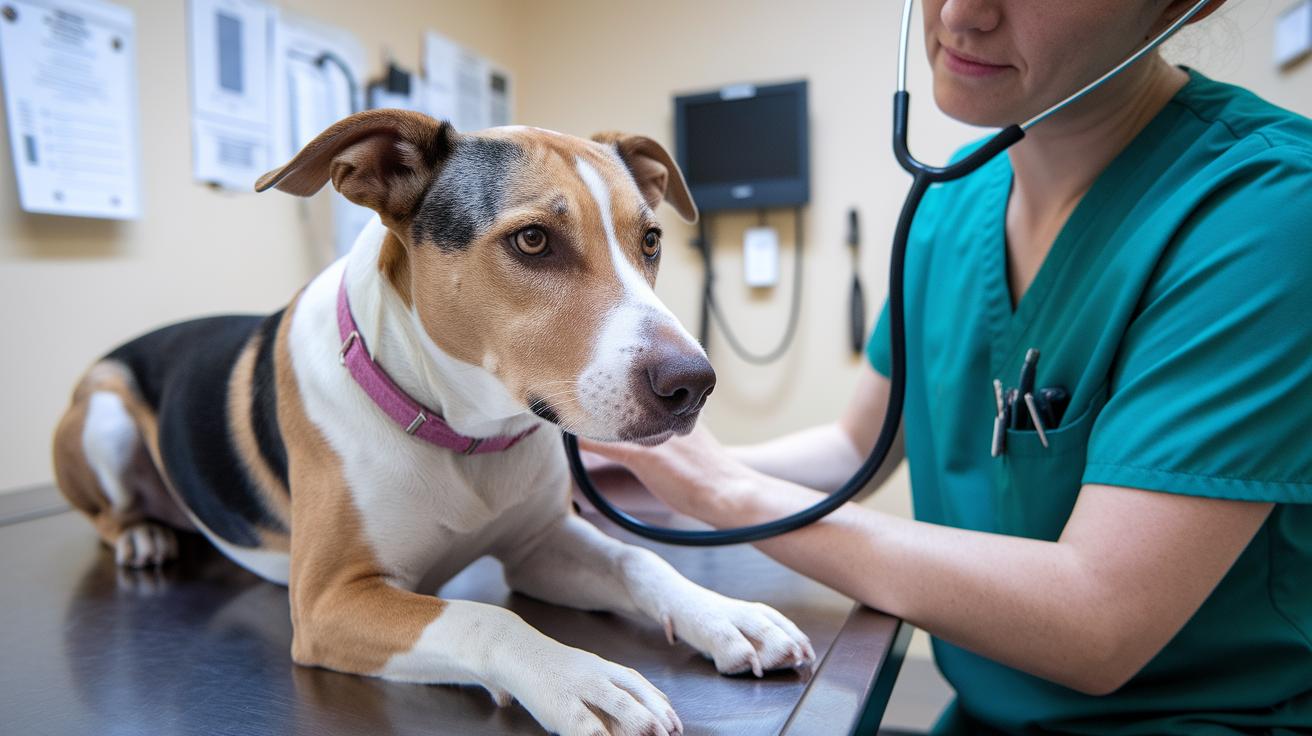
Make it a rule to schedule an annual check-up for your furry friend. This visit usually includes a physical exam, vaccinations, and simple blood tests. Regular vet visits help you spot small changes in your pet’s appetite, weight, or digestion. For example, if your typically bouncy pup suddenly starts eating less or seems more sleepy than usual, it might be time to give your vet a call.
Vets can adjust your pet’s meals based on how they’re doing. They’ll help you decide between commercial pet food and home-cooked treats, suggest helpful supplements (extra nutrients to support your pet’s well-being), and set the right portion sizes. In short, talking with your vet creates a tailor-made plan that keeps your pet both happy and healthy.
Safety Tips and DIY Meal Prep for Your Pet Diet
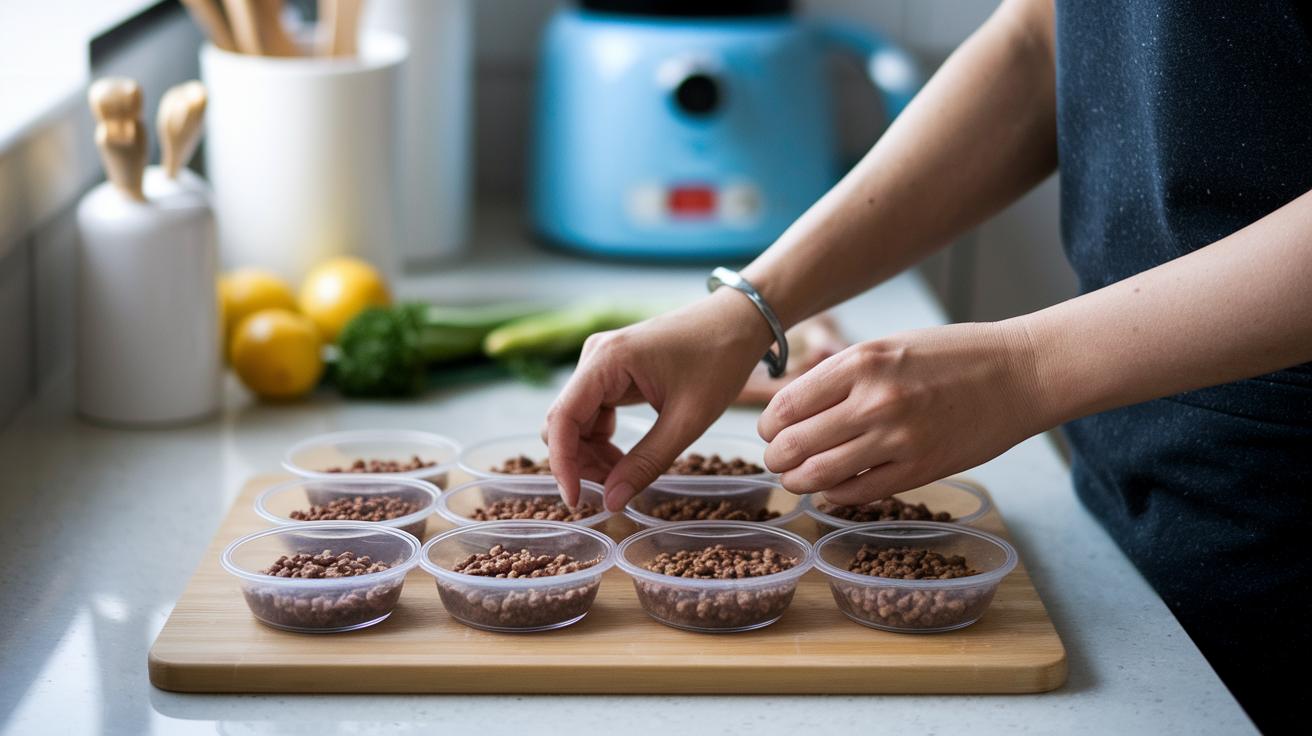
When you whip up homemade meals for your pet, always check that your recipe has a good balance of all the nutrients. Stick with safe ingredients and skip anything harmful, like onion, garlic, or grapes. It helps to use a trusted recipe, maybe one approved by a vet, so you know you're including the right amounts of protein, fats, carbohydrates, vitamins, and minerals. Think of it like making a wholesome snack for yourself, just one that keeps your furry friend happy and playful.
It’s also important to keep your kitchen tidy and your meals fresh. Label and date each meal, and store portions in the fridge or freezer to avoid spoilage. I even have a special shelf in my fridge just for pet meals, so I can grab one on a busy morning. You might also add joint-support supplements like glucosamine, chondroitin, or green-lipped mussel (natural help for joint health) to keep your pet moving easily. Following these steps can turn meal prep into a fun and safe part of caring for your best friend.
Final Words
In the action of laying out each step, this guide walked through everything from vet consultations and reviewing food labels to planning balanced meals and tracking progress. It touched on quality ingredient checks, portion control, feeding schedules, and even shared practical DIY meal tips. All of these tips combine into a solid beginner’s checklist for starting a pet diet. Enjoy applying these ideas to help your furry friend thrive, one mealtime at a time.
FAQ
Beginner’s checklist for starting a pet diet free
The beginner’s checklist for a pet diet includes a vet check, reading labels for proper protein, spotting any allergies, planning balanced meals, setting portion sizes, and a steady feeding schedule.
PET scan diet
A PET scan diet usually means adjusting your pet’s meals before a scan per your vet’s instructions. This often involves a short fast to help get a clear scan image.
What is the 95 rule for pet food?
The 95 rule for pet food means that about 95% of the ingredients should be high-quality and come from clear protein sources instead of fillers or additives.
What is the 25 rule for pet food?
The 25 rule for pet food means no more than 25% of your pet’s total calorie intake should come from treats or extra items, keeping meals well balanced.
How do I start a diet for my dog?
Starting a diet for your dog means having a vet check, reading labels for main proteins, planning balanced meals, choosing portion sizes, and setting regular meal times.
Is 2 cups of food a day enough for a 60 pound dog?
For a 60-pound dog, 2 cups daily might be too little. Portion sizes vary with age, activity, and condition, so talk with your vet to get the correct amount.