
Have you ever thought a few changes to your pet’s food might help your older friend feel a bit spryer? As our furry pals get on in years and slow down, even a tiny shift in their diet can spark extra energy and comfort. For senior cats and dogs, simple diet tweaks can aid digestion, support achy joints, and lift their spirits. Picking the right proteins and healthy fats could really brighten up their day. Keep reading for easy, practical tips that might just make mealtime a new, joyful adventure for your aging companion.
Essential Nutrition Strategies for Senior Dogs and Cats

As our furry companions age, their bodies slow down and need a different kind of fuel than when they were young. Their metabolism isn’t as speedy, and they don’t play around like they used to, which can lead to extra weight, arthritis, kidney problems, or tummy troubles. Using top-notch protein from sources like chicken, turkey, or fish (protein that helps build and repair muscles) is key to keeping them strong and vibrant. Ever notice how your pet's tail doesn’t wag quite as energetically as before? A nutritious meal might just bring back that spark.
Older pets also benefit from diets that are lower in calories and fats. Since they’re not burning off energy like they once did, cutting back on fats helps prevent those extra pounds that can put a strain on joints and hearts. It also helps to add joint-support nutrients such as omega-3s (good fats for your pet’s joints), glucosamine, and chondroitin to ease any discomfort. Antioxidants like vitamins E and C protect their cells, and extra fiber makes digestion smoother, keeping mealtime gentle on their aging bodies.
Keeping a regular feeding schedule and slowly transitioning to a new diet over 7–10 days helps avoid digestive upsets and stress. Plus, foods with a softer texture can be a relief if your pet has dental issues, making meals easier and more enjoyable. Here are some key tips for feeding senior pets:
- Provide high-quality, easily digestible protein sources.
- Control calories and fat to help prevent weight gain.
- Add joint-support nutrients like omega-3s, glucosamine, and chondroitin.
- Include antioxidants such as vitamins E and C.
- Increase dietary fiber for better digestion.
- Ensure adequate hydration with moist, wet food options.
- Offer soft-textured meals for easier chewing.
- Transition diets gradually over a 7–10 day period.
Protein and Calorie Management for Senior Dogs and Cats

When your older dog or cat slows down a bit, they still need a good amount of protein that is easy on their tummy. Foods like chicken, turkey, or fish (easy to digest and great for muscle) should make up about 15 to 25% of their meals. Since they are not as active anymore, reducing extra calories by lowering fat can help keep their joints and heart happy.
Daily calorie needs depend on your pet's breed, size, and how much they move. Big breeds usually become seniors around age 7, while smaller pets might not reach that stage until they are 11 or 12. Splitting their food into smaller portions throughout the day makes it easier to balance their diet and prevent weight gain.
- Check your pet's weight, age, and how active they are.
- Look at the food packaging to see the standard portion sizes.
- Adjust the serving size to match their breed and activity.
- Divide the daily meals into two or more servings.
- Use the pet nutrition alliance calorie calculator (https://goodkaws.com?p=1007) to fine-tune the calorie intake.
Keeping the right balance of protein and calories helps your furry friend maintain muscle and feel great overall. And remember, stick with formulas for older pets unless your pet is underweight.
Joint Support Meals for Senior Dogs and Cats

Older pets can sometimes struggle with stiff, achy joints as they age. Adding extra nutrients to their meals can ease discomfort and help them move more freely. It’s a gentle way to turn mealtime into a mini healing session.
Special ingredients in their food can lower inflammation and support strong bones and tissues. That means every bite can be both delicious and helpful for your pet’s joints.
Omega-3 Fatty Acids
These healthy fats from fish oil and flaxseed help calm joint swelling and support smoother movement.
Glucosamine & Chondroitin
They work together to give your pet’s joints a little extra cushion, making each step a wee bit easier.
Mineral Balance
A careful mix of calcium and phosphorus helps build and keep strong bones, supporting the ligaments and tissues in a balanced way.
Vet-Approved Supplements
These are specially made products designed for senior pets. They include gentle proteins that are easy to digest and work to improve joint flexibility.
| Nutrient | Source | Daily Recommendation (g) | Benefit |
|---|---|---|---|
| Omega-3 Fatty Acids | Fish Oil, Flaxseed | 0.1 – 0.2 | Reduces inflammation |
| Glucosamine & Chondroitin | Cartilage Extract | 500/400 | Supports joint cushioning |
| Mineral Balance | Calcium/Phosphorus Mix | 1.0 | Promotes strong bones |
| Vet-Approved Supplements | Special Formulations | 0.05 | Enhances joint flexibility |
Digestive Wellness and Hydration Strategies for Senior Dogs and Cats
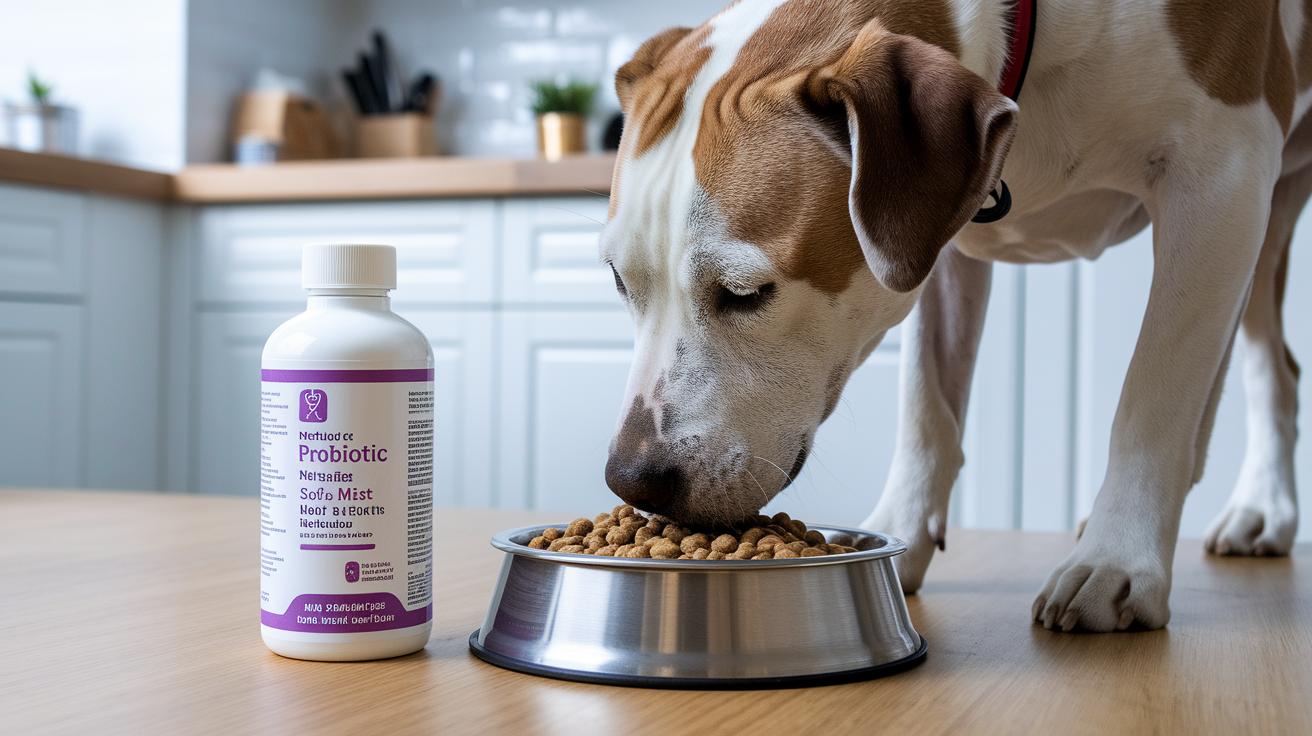
For pets growing older, adding a little extra fiber, about 2 to 4%, can help keep their bathroom routine regular. A small boost of probiotics (those friendly bacteria that help your pet’s tummy work well) also supports healthy digestion.
You can help your furry friend stay hydrated by offering wet or raw food that is 75 to 80% moisture. Plus, a bit of low-sodium broth can encourage them to drink more water without being too harsh on their system.
Making these food changes slowly ensures mealtime stays comfortable and avoids upsetting their stomach. This thoughtful approach mixes the right fiber and probiotics into your pet’s diet, keeping meals both nourishing and gentle on their digestive system.
- Introduce an extra 2–4% fiber gradually.
- Mix in a small amount of probiotics with every meal.
- Serve food that contains 75–80% moisture.
- Use low-sodium broths to encourage extra water intake.
- Keep feeding times consistent.
- Transition slowly to new foods.
Dental Health and Soft-Food Options for Senior Dogs and Cats

Many older pets deal with common dental troubles like tooth decay or missing teeth, which can make biting hard kibble a real struggle. You might catch your senior dog or cat having a tough time during meals because chewing is painful for them.
Switching to softer food options can really help. Think about offering wet food, semi-moist treats, pureed meals, or even raw diets that are easier on their teeth. There are also special dental foods that work to reduce plaque while being gentle on aging gums.
| Soft Food Option | Description |
|---|---|
| Wet diets for seniors | Smooth, easy-to-chew meals made just for older pets |
| Semi-moist treats | Soft offerings like canned tuna in water that are kind to sensitive mouths |
| Pureed pumpkin | A silky option that’s gentle on the teeth and easy to swallow |
| Cooked sweet potato | Soft and packed with nutrients to soothe dental discomfort |
| Grain-free small-piece kibble | Tiny bits that are easier to chew for pets with dental issues |
These changes can really boost your pet’s comfort and overall meal enjoyment. With softer food choices, they won’t have to work as hard to eat, which helps keep their teeth healthier and makes each meal a bit more joyful.
Diet Adjustments for Common Health Conditions in Senior Dogs and Cats

Older dogs and cats sometimes face ongoing health issues that need special meals. Changing their food routine can help ease symptoms, support important organs, and boost overall comfort. For instance, if your pet has kidney trouble, they may need food low in phosphorus and made with top-notch protein to give their kidneys a break. If they have heart concerns, meals with less salt and added nutrients like taurine (an amino acid that supports heart health) and L-carnitine (helps convert fat into energy) can make a difference. Some pets do well on foods packed with antioxidants (nutrients that protect cells), while others benefit from ingredients that help with thyroid or urinary health. In truth, a diet tailored to your pet’s needs might even lessen the need for extra medications.
Renal Support
Meals for kidney health focus on keeping phosphorus levels low and using high-quality protein. If you enjoy making homemade pet food, look for vet-approved recipes that let you pick the best ingredients to keep those kidneys happy.
Cardiac Support
For pets with heart issues, try a diet with less salt and extra nutrients like taurine and L-carnitine. This kind of food can ease the heart’s work and help your pet keep a steady burst of energy throughout the day.
Cancer Prevention
Some meals are designed to help fight cell damage. By including antioxidant-rich ingredients such as berries and green beans, these diets give your pet a little extra help to protect their cells and keep sickness at bay.
Thyroid Support
If your pet needs help balancing hormones, a thyroid-friendly diet usually includes minerals like selenium and iodine. These ingredients can aid in hormone regulation and keep your pet’s energy levels up.
Urinary Health
Diets aimed at supporting urinary health typically provide extra moisture and balanced minerals. This careful mix helps prevent crystal formation and keeps the urinary tract comfortable for senior cats and dogs.
Transitioning Senior Dogs and Cats to New Diets

Changing your senior pet’s food is a big step, so it’s best to do it slowly. Mixing the new food with the old over a period of 7 to 10 days helps keep their tummy calm and happy.
I like to think of it like a gentle conversation with your furry friend, you’re gradually introducing a new idea without overwhelming them. This smooth change helps avoid any upset stomach and keeps mealtime familiar and stress-free for our older dogs and cats.
Here’s a simple, four-step plan to follow:
- Days 1–2: Mix 25% new food with 75% old food.
- Days 3–4: Blend 50% new food with 50% old food.
- Days 5–7: Use 75% new food and 25% old food.
- Day 8 onward: Serve only the new food.
Keep a close eye on your pet’s stool and overall behavior during this period. If something seems off, feel free to adjust the schedule a bit. And of course, stick to regular feeding times so your senior companion always feels secure and cared for.
Final Words
In the action, we've explored key nutrition strategies for senior pets. Each section offered simple tips, from calorie control to joint support and dental care, that help you build a balanced routine.
We also covered practical steps to adjust diets for common health conditions and provided a clear plan for diet transitions. Simple and smart pet diet tips for senior dogs and cats can truly boost your pet’s overall wellness. Keep loving, keep caring, and enjoy each wag and purr along the way.