
Ever thought a simple walk might give your pet a burst of energy? Regular walks help them burn calories, build a strong heart, and keep their muscles moving.
Imagine your furry friend happily trotting along, each step like a little celebration. As they take in fresh air and new scents, their mind stays sharp and their body grows stronger. This daily routine is not just exercise, it’s a delightful way to help your pet thrive while deepening the special bond you share.
Snapshot: Core Vitality Outcomes from Regular Pet Walks
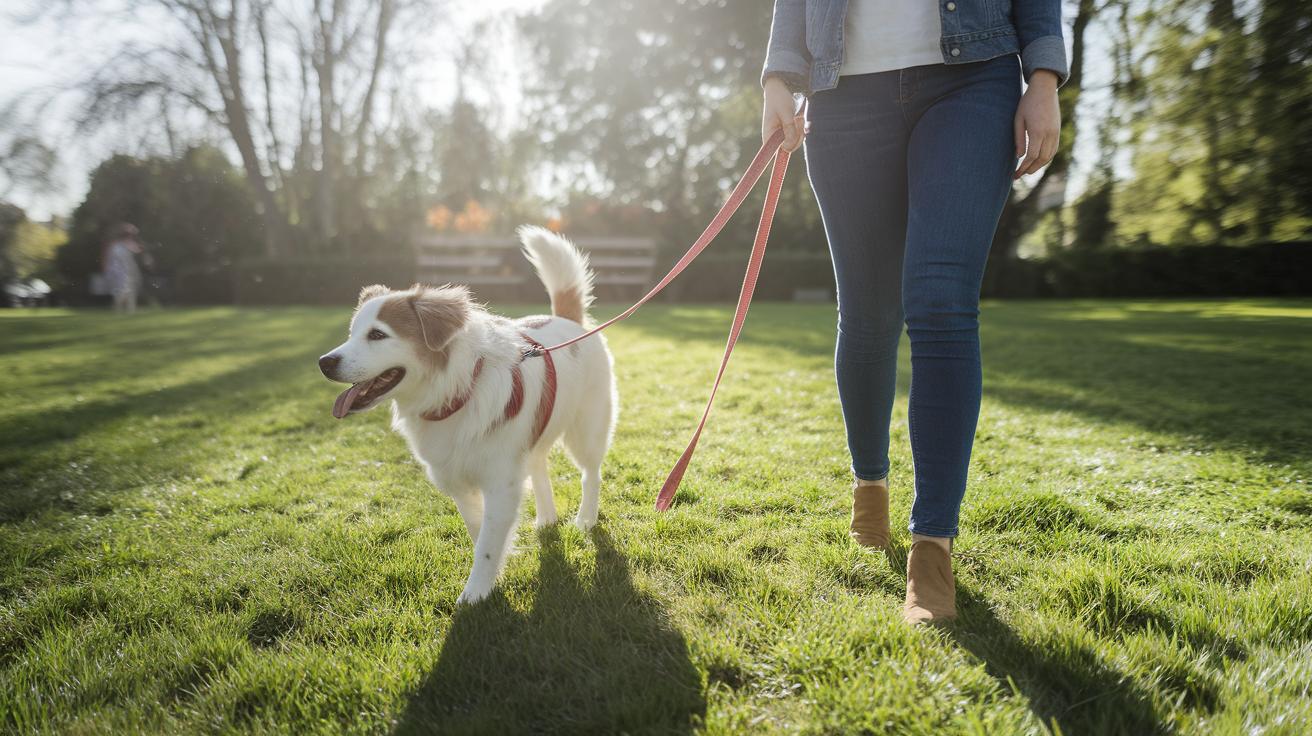
Regular walks offer a world of benefits for our furry friends. They help keep pets at a healthy weight since every mile burns around 0.8 calories per pound (calories are the energy pets get from food). A brisk stroll isn’t just fun, it also powers up their heart, strengthening its rhythm and boosting blood flow.
Walking plays a big role in keeping muscles and joints strong and flexible too. Imagine your pet stretching out with every step, building more endurance with each adventure. And as they wander through parks or down familiar streets, new sights, sounds, and scents spark their curiosity and keep their minds sharp.
Every day’s walk also supports smooth digestion and helps with proper bladder function, making those essential bodily processes easier. Most of all, sharing this time creates a special bond, enhancing both their behavior and your training efforts.
All these little miracles together give your pet a full dose of happiness and health.
Structuring Daily Exercise Routines for Enhanced Pet Vitality
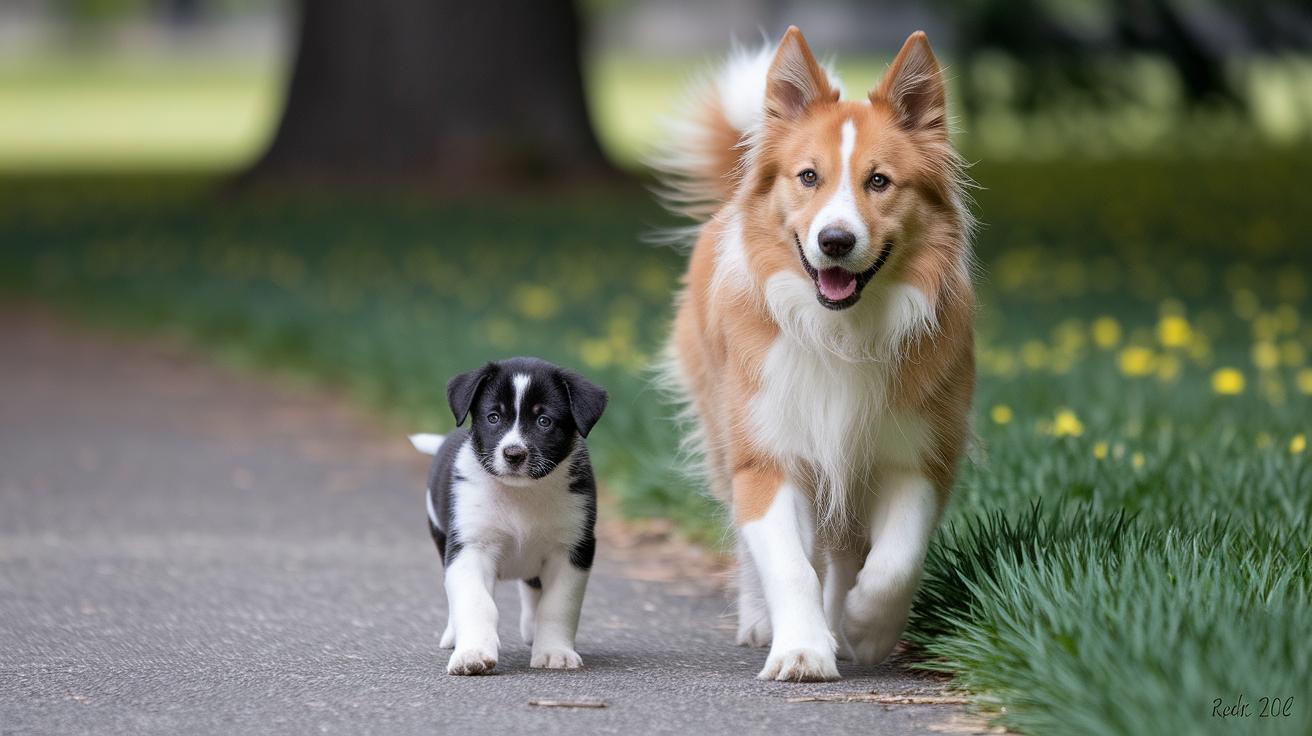
When planning your pet's daily exercise, it helps to match the routine to their age and energy. For puppies, short walks are the way to go. Think of a four-month-old pup taking two gentle 20-minute strolls a day, each step sparking curiosity and building confidence without tiring them out too quickly.
For adult dogs (between one and seven years old), it's time to ramp things up. Longer outings that mix brisk walking with bursts of playful running work wonders. Imagine a cheerful dog trotting along a quiet street, pausing to savor a fresh breeze and happily greet anyone passing by.
Older pets, around eight years and above, do best with gentle, slower walks. These shorter strolls, with plenty of stops to sniff the grass or admire nature, keep joints safe and muscles active while ensuring a calm, comfortable pace.
- Puppies: About five minutes of walking per month of age, twice daily (so a four-month-old gets roughly 20 minutes per walk).
- Adults: Roughly 60 minutes or more per outing, mixing brisk walks with playful breaks.
- Seniors: Short, gentle walks with frequent pauses to sniff around and enjoy the outdoors.
Walking Your Pet to Boost Cardiovascular Health and Manage Weight
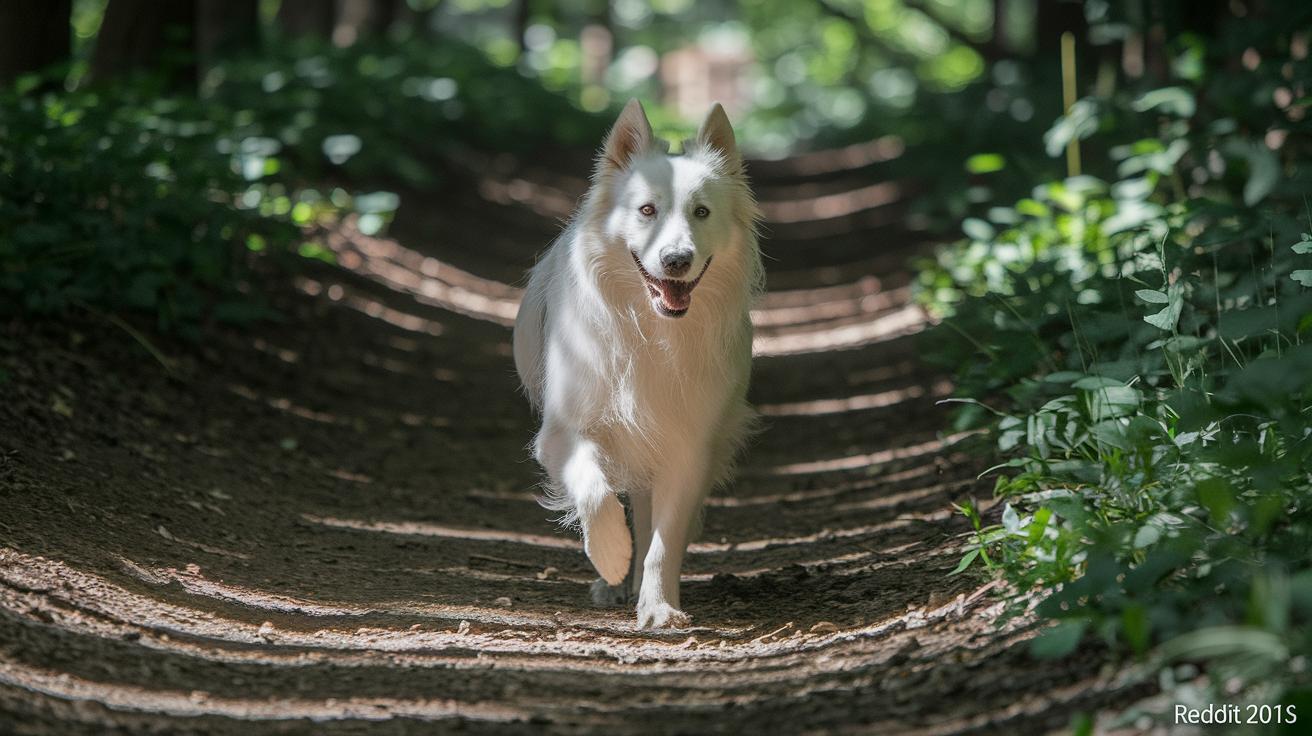
Taking your pet for a walk is like giving both of you a mini workout. It strengthens the heart and helps move oxygen and nutrients to the muscles and organs. Imagine a happy dog prancing along a shady trail, each step lighting up its body with energy.
Every mile your pet walks burns about 0.8 calories per pound (calories are the energy pets get from food). Of course, the exact amount can change with a faster pace or a bumpy path. If you're curious about the numbers, you can always check the pet nutrition alliance calorie calculator at https://goodkaws.com?p=1007.
Plus, those walks give your pet a boost in blood flow, helping the heart work better and the muscles recover nicely. Isn't it amazing how a simple walk makes such a big difference?
Enhancing Mental Stimulation and Stress Reduction with Walks
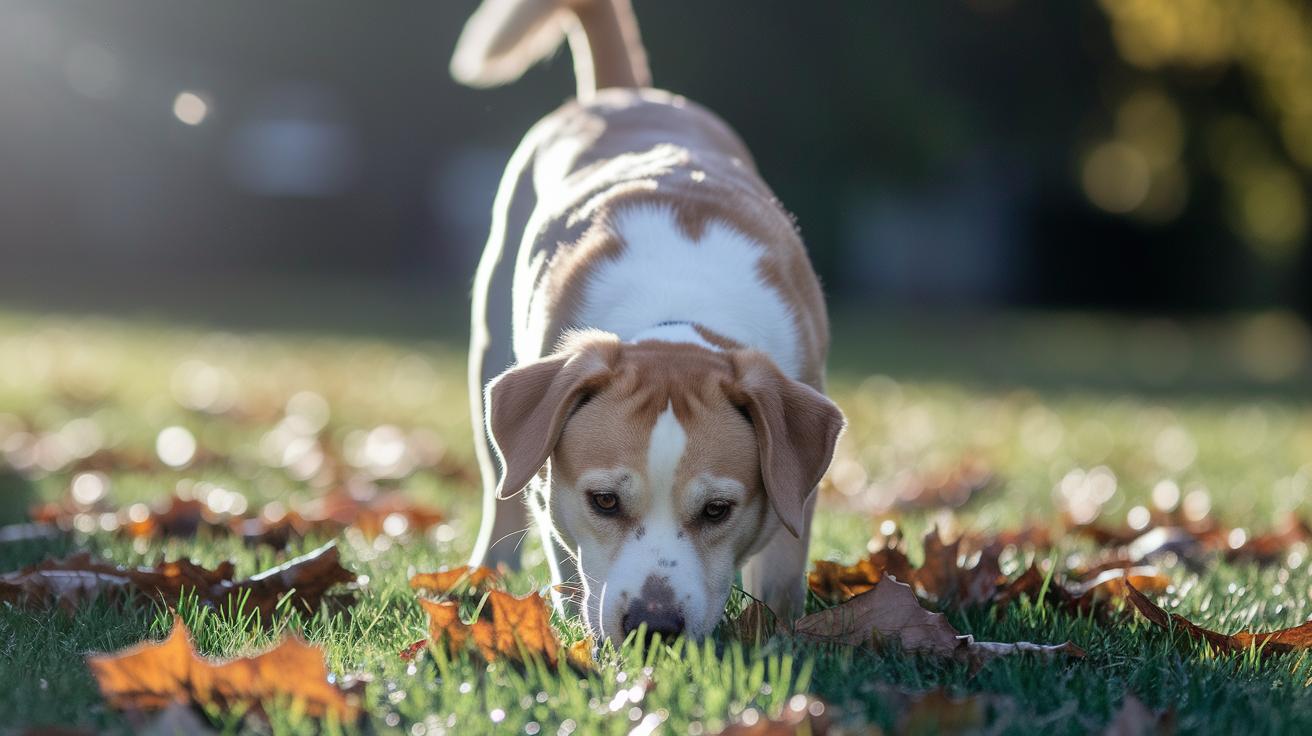
A brisk walk treats your pet to bright sights, lively sounds, and enticing smells that spark curiosity. Each stroll feels like a little adventure, keeping boredom at bay and their mind alert.
- Fresh views and new scents work like a fun puzzle, helping your furry friend think and stay sharp.
- Spending time outdoors gently lowers stress; a calm walk soothes both dogs and cats, easing their worries.
- Leaving the indoors relieves the strain of sitting too long and lifts their mood with the joy of the outdoors.
Picture a happy dog pausing in a sunlit park, ears perked up to the rustle of leaves and soft murmurs nearby. These gentle walks break up daily routines, easing restless energy with every step. Moving away from screens and quiet rooms gives your pet a refreshing change that brightens their mood and lowers tension. Over time, these outings help keep your pet balanced and alert, nurturing both body and mind.
Improving Digestion and Metabolic Health Through Daily Walks
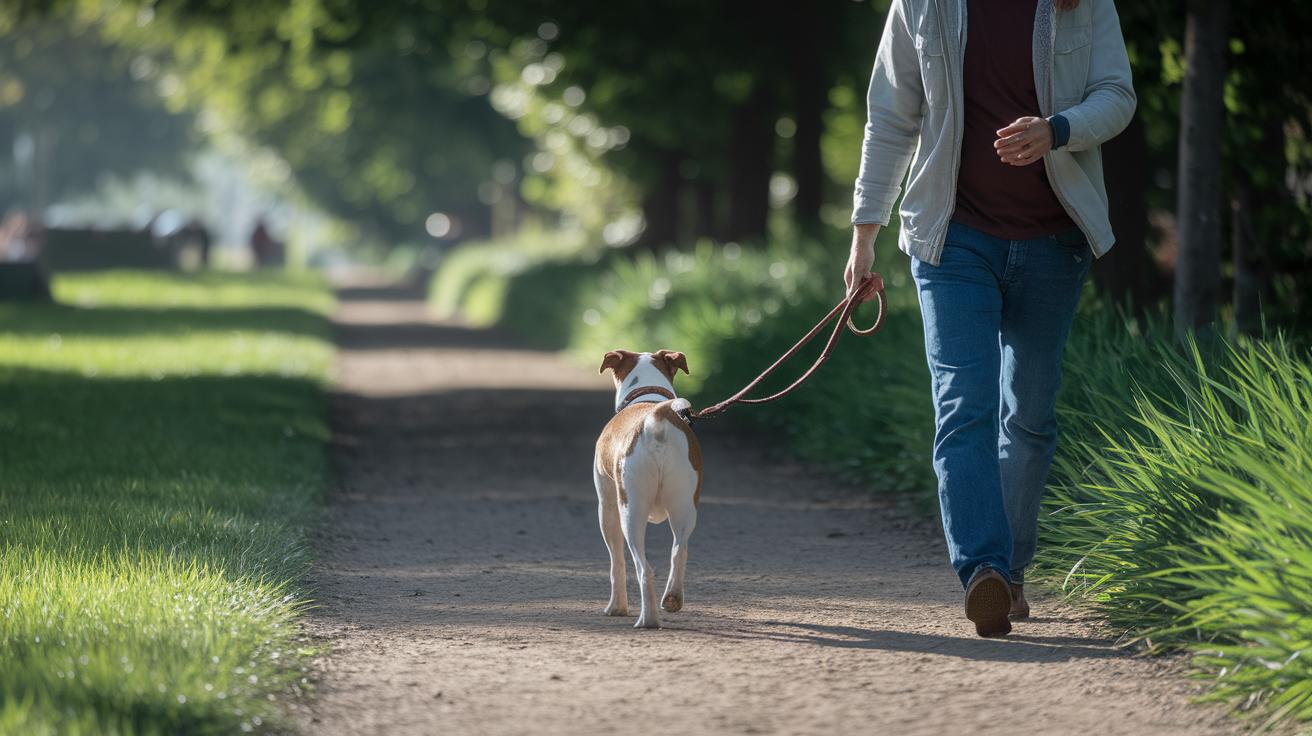
A daily walk is like a gentle nudge to start your pet's day, much like a refreshing stretch for you. Every step helps their tummy work, easing the flow of food and lowering the chance of constipation. Picture your pet enjoying a calm stroll, with each step encouraging their belly to keep things moving.
- Daily walks can lead to more regular bathroom breaks, easing any discomfort.
- Steady movement helps your pet absorb important nutrients well, keeping their blood sugar in check.
- A brisk walk makes sure the bladder empties completely, which may cut down the risk of urinary problems.
Regular walks do more than spark a bit of adventure; they keep your pet's metabolism in great shape. When your pet moves daily, their body works more smoothly, think of it like oiling gears so everything runs with less strain, saving energy for play and fun.
Plus, a consistent routine of activity helps your furry friend maintain a healthy weight. Those regular strolls not only fuel steady energy but also keep life full of joy and vitality.
Strengthening the Owner-Pet Bond and Behavioral Benefits of Walks
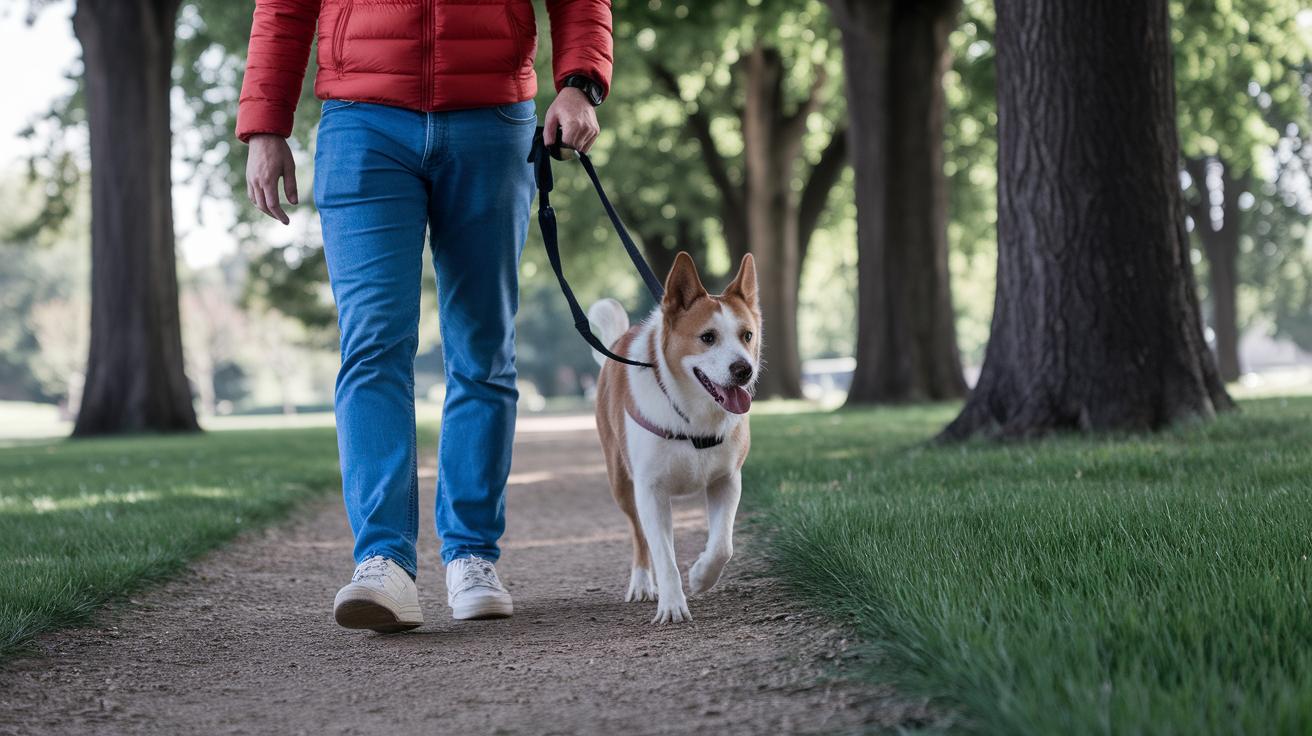
Regular walks are a wonderful chance for you and your pet to enjoy quality time together. Imagine taking a sunny stroll with your furry buddy, where every step builds trust and a real sense of closeness. These everyday outings turn into special moments that strengthen your connection.
Out on these walks, you can also practice simple commands like “sit,” “stay,” and “heel” in real life. Trying these commands in the park, even with all the distractions of nature, helps sharpen your pet’s focus and builds good habits. For example, while out in a busy park, you might say, “Let’s work on your heel, just like in dog training classes” (which means learning these skills in a fun, practical way). This hands-on practice is a great way to improve training and deepen the trust between you.
Your pet gets to experience different people, animals, and surroundings during these outings. This variety boosts their confidence and helps decrease fear or aggression, making them more relaxed around others. Regular walks also serve as a fun mental workout and a natural way to burn off extra energy, which can help lessen issues like excessive barking, chewing, or hyperactivity.
- Enjoying time together outside creates a comforting routine.
- Practicing commands amidst everyday distractions boosts obedience.
- Meeting new friends and pets builds confidence and eases anxiety.
- Regular walks provide a natural outlet for energy, reducing disruptive behaviors.
Tailoring Walk Frequency and Duration for Lasting Pet Vitality

Veterinarians say adjusting your pet's walk can really help keep them happy and healthy. Active pups like border collies might need a fast pace, while others with breathing troubles do better on a gentle, cool stroll. Imagine a poodle enjoying a shady path on a warm afternoon, simple changes can make a big difference.
Even small tweaks in your daily walk can boost your pet's long-term health. Switching things up, like mixing paved sidewalks with soft grassy routes, can help keep their joints (how easily they move) and muscles strong. It’s like adding a little extra fun to their day, a change in scenery helps them feel lighter and more relaxed.
Here are a few extra tips to consider:
- High-energy breeds may need faster bursts to burn off all that energy.
- Weather matters too; on a sunny day, try shorter bursts with extra rests.
- If your pet seems uncomfortable, slow down for a bit during the walk.
By keeping an eye on your pet's unique needs and the environment around you, you can tailor their walks to keep them feeling their best.
Safety Considerations to Maximize Walk Benefits for Pet Vitality

Planning ahead makes every walk safer and more fun for both you and your pet. I always check the weather first, because a really hot day can cause heatstroke and very cold weather might lead to hypothermia. Choosing a cooler time to walk and being ready to change your route keeps your furry friend happier and safer.
It helps a lot to use the right gear. A reflective collar, a secure harness, and a sturdy leash keep your pet visible when it's dim outside. On your walk, take a moment to check your pet's paw pads for little cuts or any signs of irritation, and offer some water on longer outings. If your pet seems tired or uncomfortable, it’s a good idea to slow down or switch paths.
| Tip | Why It Helps |
|---|---|
| Check the Weather | Avoids dangerous heat or cold. |
| Wear Reflective Gear | Keeps your pet seen during low light. |
| Inspect Paws and Hydrate | Prevents minor injuries and dehydration. |
| Adjust Your Route | Ensures comfort and safety if your pet tires. |
For more everyday safety tips, check out preventative pet health at https://bonsiaai.com?p=356 to make sure your outdoor adventures are always both enjoyable and safe.
Final Words
In the action, we saw that a simple walk can do wonders for your pet’s health. Regular walks boost heart and joint strength, support healthy digestion, and even sharpen your pet’s mind through new sights and smells. Each outing becomes a special time to bond and practice commands while keeping your furry friend active and safe. All these show the benefits of regular walks for pet vitality, leaving your pet feeling happier and more energetic every day. Enjoy the fun and health benefits with every step you share together.
FAQ
What are the benefits of regular dog walks?
Regular dog walks help maintain a healthy weight, build stronger muscles, and improve heart health. They also offer quality time for bonding and training, ensuring your pet stays active and joyful.
What mental benefits do dogs get from their walks?
Walking your dog boosts their mental well-being by offering new smells, sounds, and sights that reduce boredom and stress, making them happier and more relaxed.
How do the timing and consistency of dog walks benefit their overall well-being?
Consistent walks—whether in the morning, at night, or daily—kick-start your dog’s energy, improve mood, and help regulate routines, enhancing their physical and emotional vitality.
What happens if I don’t walk my dog regularly?
Without regular walks, dogs can suffer from boredom, weight gain, and increased stress. Insufficient exercise may also lead to behavioral issues due to built-up excess energy.
What is the five-second rule for walking dogs?
The five-second rule means quickly correcting behavior distractions during a walk. It helps keep your dog focused and safe while reinforcing basic command responses.
Is a 30-minute walk enough for my dog?
A 30-minute walk can be sufficient for many dogs, especially if combined with some play and mental stimulation. Adjust duration based on your pet’s age, breed, and energy needs.