
Ever notice when your pet bounces slowly or purrs a bit softer? It might mean more than just a chill day. Each wag, jump, or gentle stroll tells its own little story, like finding a favorite toy hidden away.
By jotting down what you see or using a simple tracker, you can catch any small changes early. This simple habit helps you understand your pet’s feelings and health, so you can keep them feeling their best.
Core Vitality Indicators for Monitoring Pet Energy and Health

Watching your pet’s energy every day gives you little clues about how they’re feeling. Notice if they eat differently, seem less playful, or even if their bathroom habits change. When your usually lively friend grows quiet or acts off, it’s a gentle hint to take a closer look. Think of it like discovering a favorite toy misplaced, small changes matter.
Jotting down these little details can really help. Keeping a simple journal or using a health tracking app lets you see patterns over time. You might record when your dog’s tail wags a bit slower or when your cat seems less keen on their usual treats. This record becomes a handy snapshot to share with your vet, helping create a care plan that fits your pet perfectly.
Everyday observations aren’t just about big changes. They’re about understanding your pet’s unique rhythms, from the joyful bounce in their step to the soft purr when they rest. Paying attention to these everyday moments keeps you tuned in to your companion’s well-being. And if you notice any shifts, a quick chat with your vet could make all the difference in keeping your furry friend happy and healthy.
Monitoring Activity Levels and Motion Patterns in Pets
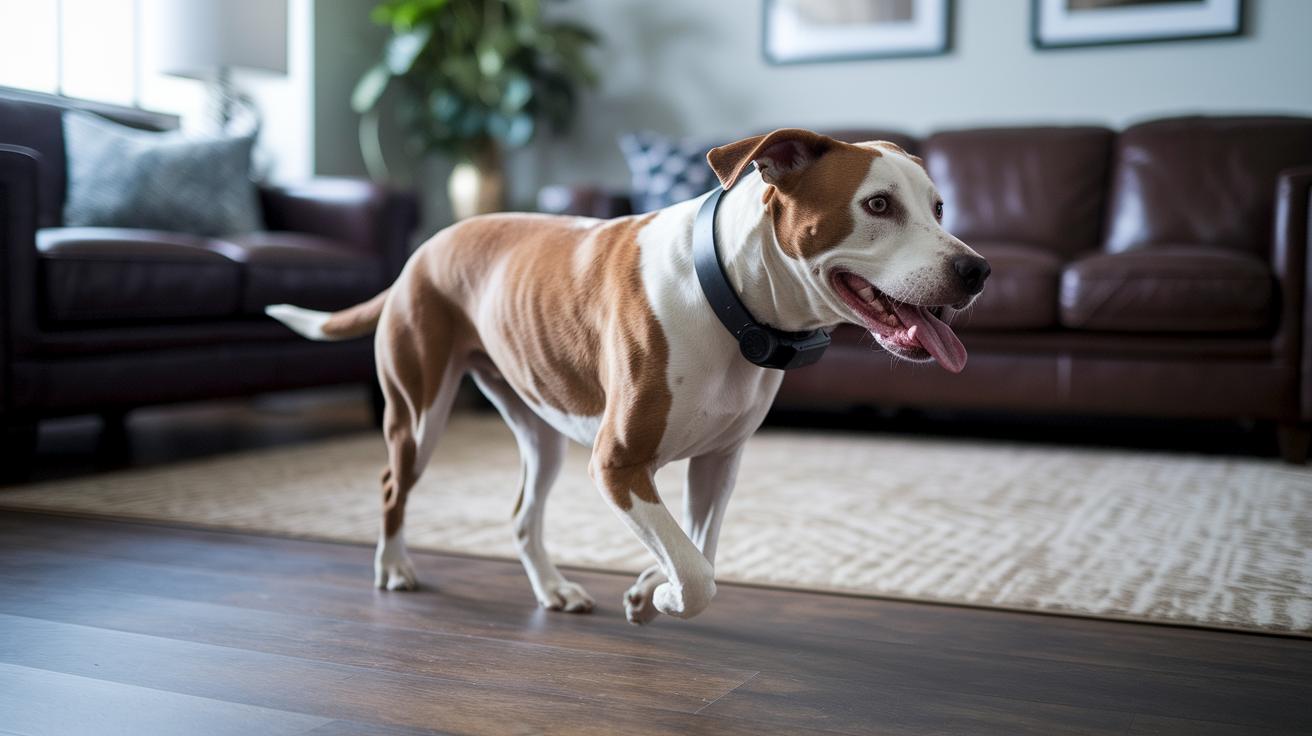
Watching your pet move throughout the day is a friendly way to keep tabs on their health. Some days, you'll see them bounding around excitedly, while other days they might take it a bit slower. Tracking daily walks, play sessions, or even casual roaming helps you understand what’s normal for your furry friend. Every pet is different, age, breed, and size all play a role in how active they are. If you’re into gadgets, there are sensor-based trackers (simple devices that measure movement) you can try to make monitoring even easier.
Here are a few simple ways to keep an eye on your pet’s activity:
- A collar tracker that moves with them.
- Smartphone apps that let you log their adventures.
- A good old-fashioned diary where you note observations.
- Home video monitoring to catch every playful moment.
Noticing a big change in your pet’s usual behavior can be an early sign that something isn’t quite right. Whether they’re suddenly more energetic or seem less playful than usual, these little clues help you decide if it might be time to call the vet for a check-up.
Core Vitality Indicators for Monitoring Pet Energy and Health

Watch your pet’s little cues, a wagging tail, bright eyes, and eagerness to play are clear signs it’s feeling good. When your pet jumps up excitedly at the sound of its name, it’s almost like saying, “I’m ready for fun!”
Also, be on the lookout for small changes. A shift from a crisp, happy bark to a softer sound or fewer tail wags might mean something’s off. A quieter bark during play can be a gentle hint that your pet’s energy or mood is changing.
And don’t forget to notice when your pet seems to hide or rest more than usual. Longer naps or skipping favorite activities could mean it’s not feeling like its usual lively self. When you see these signs, check in on your pet’s behavior and learn more about keeping them feeling their best at understanding pet behavior for better health.
Tracking Physiological Vital Signs for Pet Health Monitoring
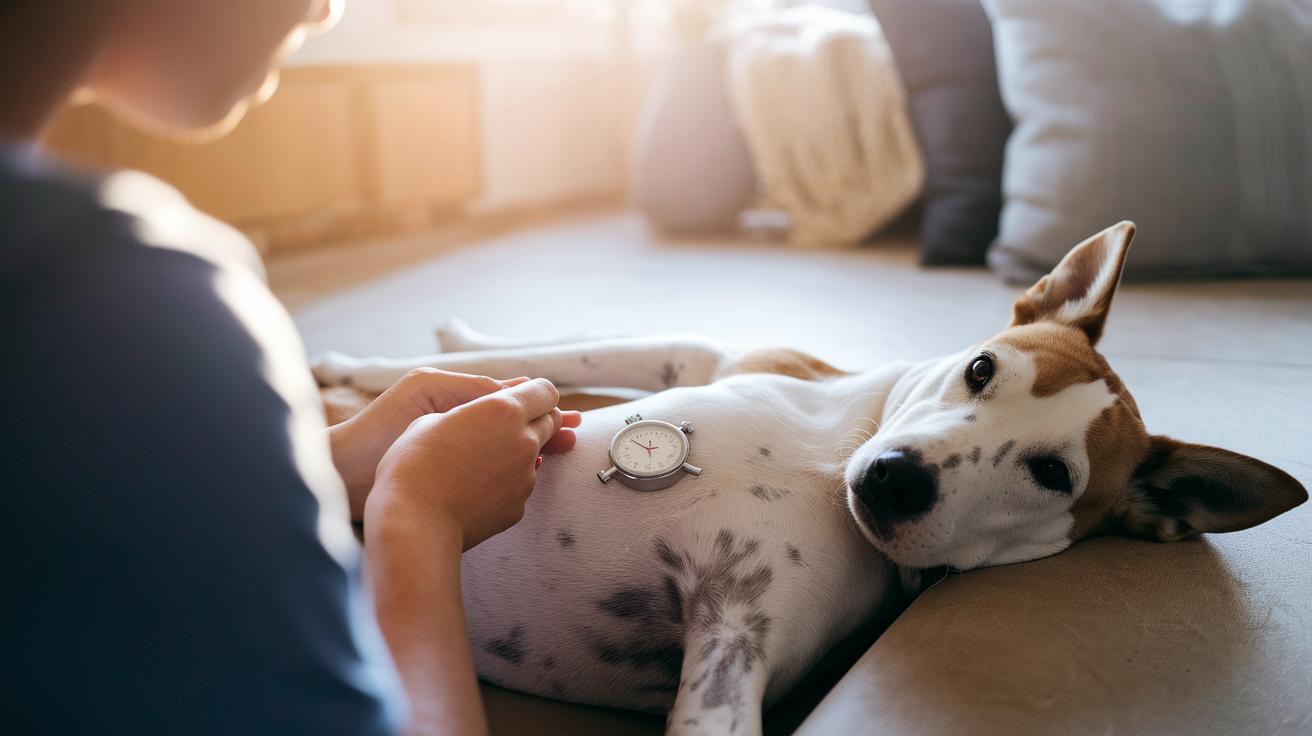
Measuring your pet’s vital signs at home is a smart way to catch early hints of health changes. You don’t need fancy gear, a simple stopwatch can help you count heartbeats by placing it on your pet’s chest. This little check lets you know if their heart rate stays steady over time.
Next, pay close attention to how your pet breathes. For both dogs and cats, a normal resting breathing rate is usually between 15 and 32 breaths per minute. Then, take a moment to gently examine your pet’s gums. They should be pink, moist, and smooth when you press lightly.
Temperature checks are important too. A rectal measurement gives you the most dependable reading compared to ear or mouth methods.
- Measure heart rate (beats per minute)
- Count respiratory rate (breaths per minute)
- Check gum color and capillary refill time
- Record body temperature using a rectal or auricular thermometer
Following these steps helps you build a simple routine to keep a close eye on your pet’s vital signs. Regular checks can reveal unusual increases in heart rate or changes in breathing that might mean your pet is not feeling well. Similarly, any shift in gum color or slower capillary refill can signal circulation issues. Keeping an accurate temperature record helps you catch hidden fevers. Over time, this steady care gives you a clear picture of your pet’s well-being and helps you share useful details with your veterinarian if needed.
Evaluating Diet and Hydration as Vitality Contributors

Keeping your pet’s meals balanced is key to letting them shine every day. The right mix of food tailored to their age and energy offers a natural boost, much like a gentle pat on the back after a playful romp. Foods that are high in fiber and low in extra calories support a smooth metabolism, ensuring your furry friend gets the energy they need without any extra weight. Adjusting the portions based on reliable nutrition tips helps pack each meal with the goodness that keeps your pet thriving. Many pet lovers turn to resources like holistic pet nutrition (advice based on natural, whole ingredients) to make sure every bite counts and mealtime remains as delightful as a wagging tail.
Hydration plays an equally important role in your pet’s happiness. Simple checks, like the skin test, where you gently pinch to see how quickly the skin bounces back, offer clear clues about their hydration levels. If you notice the water bowl empties too fast or not quickly enough, it might be time to adjust their water intake. Even a small change in their drinking habits can signal a need to recheck their diet and water intake, keeping those playful moments and restful naps just as lively as ever.
Logging Progress and Analyzing Vitality Trends for Pets

Start by jotting down your pet’s daily energy, appetite, and any small changes in behavior. Whether you prefer a simple journal or a handy health tracking app, write down even the little things, like a day when you noticed your cat’s purr was a bit softer or your dog’s tail didn’t wag as much. For instance, you might note, “Today, Bella napped a bit more than usual,” hinting that she might have been low on energy. This simple record helps you capture both regular habits and tiny mood shifts.
Then, take a moment each week or month to review your notes. Look for trends that might not stand out from one day alone. Maybe you’ll see a slow dip in playful moments or a change in eating habits over time. This easy routine gives you a fresh way to understand shifts in your pet’s behavior and helps you keep their overall vitality in check.
Recognizing Warning Signs and Knowing When to Consult a Veterinarian

Keep an eye on your pet’s everyday habits. If your furry friend starts meowing or barking more, skips meals, moves slowly, or hides in their favorite corner, it might be a sign something isn't right. Even changes like gums that look a bit pale or take on a blue hue should not be ignored.
If you notice these behaviors sticking around for more than 24 hours or getting worse, it's time to call your vet. A quick pet wellness exam can help clear up any worries. Over time, you’ll start seeing the difference between a little off day and something that needs extra care, just like when your playful pup isn’t as bouncy as usual.
Older pets especially need some extra love. Try to schedule check-ups twice a year to catch any issues early. This way, you’re keeping your pet cozy and feeling their best every single day.
Final Words
In the action, we explored core vitality indicators, tracking daily activity, and catching behavioral signals to help you stay on top of your pet’s energy levels. We talked about measuring key physiological signs and keeping detailed logs to spot any shifts in your pet’s well-being. Observing your furry friend closely and using these tips creates clearer insights for better care. Keep focusing on monitoring pet vitality: signs of energy and health, and enjoy the bright moments your pet brings every day.
FAQ
Frequently Asked Questions
How to monitor dog vitals?
Monitoring dog vitals means checking key health markers such as heart rate, breaths per minute, gum color, and temperature using a stopwatch and thermometer. Regular checks help you notice any changes early.
What are the vital signs of a pet?
The vital signs of a pet include measuring heart rate, respiratory rate, gum color with capillary refill time, rectal temperature, and noting behavior. These signs give a clear picture of your pet’s overall health.
Why is it important to correctly and accurately take vital signs when assessing animal health?
Correctly measuring vital signs lets you track subtle changes in your pet’s condition. Accurate readings help detect early signs of distress, making it easier to decide if a vet visit may be needed.
What is your first step to recognizing when your pet may be having a health issue?
Recognizing health issues starts by observing your pet for changes in behavior, energy, or appetite. Noticing signs like lethargy or hiding signals that it may be time to check with a veterinarian.