
Ever thought that your pet’s love for treats might be the reason they're carrying a bit of extra weight? It happens to the best of us. When our furry friends put on a few extra pounds, even small tweaks can make a big difference.
A diet with fewer calories (that means less energy coming from food) can help them shed excess weight while still enjoying every bite. Picture each meal as a special moment of care, a treat served with love that fills them with joy and energy.
In our chat today, we’ll look at easy ways to adjust both food and playtime, so your pet can feel lighter, happier, and more bouncy than ever.
How a Low Calorie Pet Diet Helps Overweight Pets Lose Weight
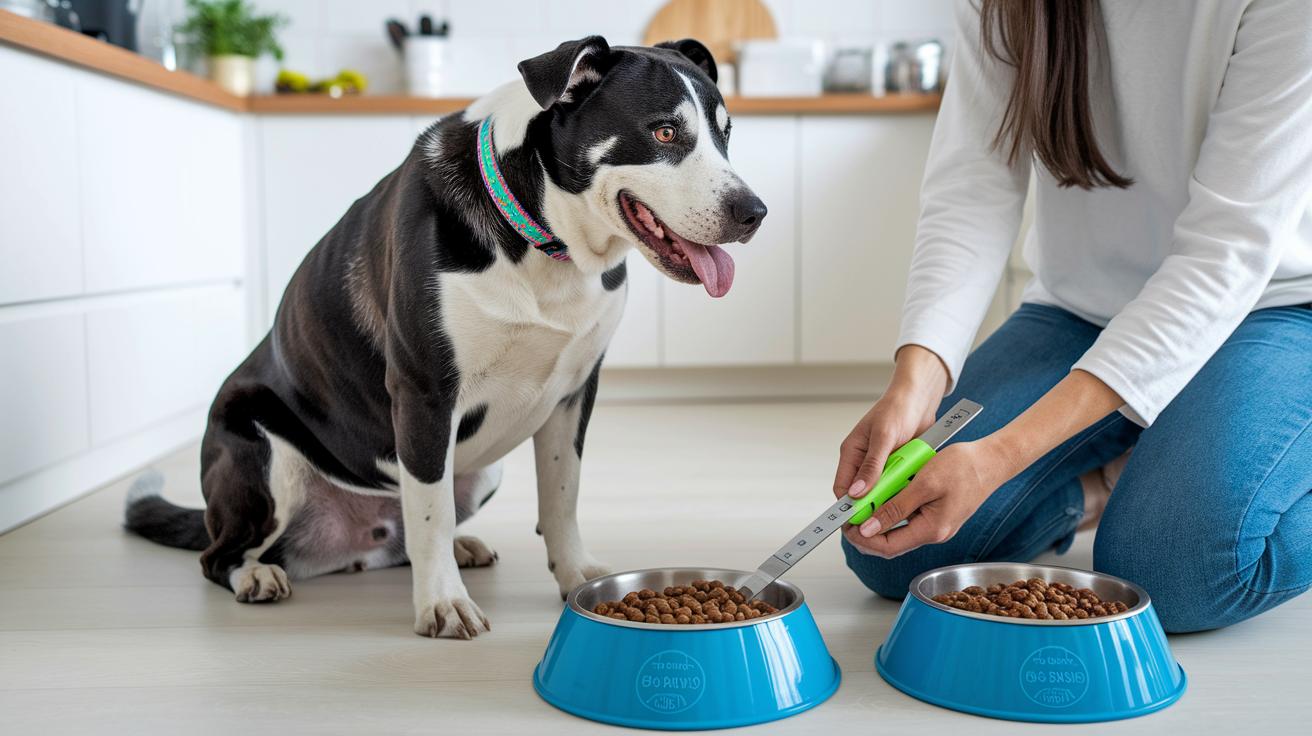
More than half of our furry pals, especially dogs, are a bit on the chubby side. This extra weight can lead to problems like arthritis, diabetes, and heart issues. Many vets suggest trimming back on kibble and treats while adding more playtime or a brisk walk to your pet’s day. Imagine just a 20% cut in treats and one extra short walk daily, it might seem small, but it really adds up!
A 28-day study found that dogs eating a diet richer in protein and fat ended up eating less overall than those on a high-fiber, low-fat diet. They call it the "rule of compromise" in simple terms: a richer diet helps your pet feel fuller faster.
Fresh, whole-food recipes are another big help. Not only do these recipes help your furry friend shed pounds, but they also keep muscle strong and energy high. It’s like turning a regular dinner into a heartwarming family meal. For example, exploring vet-approved homemade dog food recipes can be a delightful way to boost your pet’s health without sacrificing flavor.
One key thing to remember is that the food must be appealing. If your pet isn’t excited to eat a low-calorie meal, they might not consume enough, which could lead to low energy or missing nutrients. A balanced diet paired with regular exercise is the perfect combo to keep your pet healthy, happy, and full of life.
Setting Calorie Goals for a Reduced Calorie Pet Diet
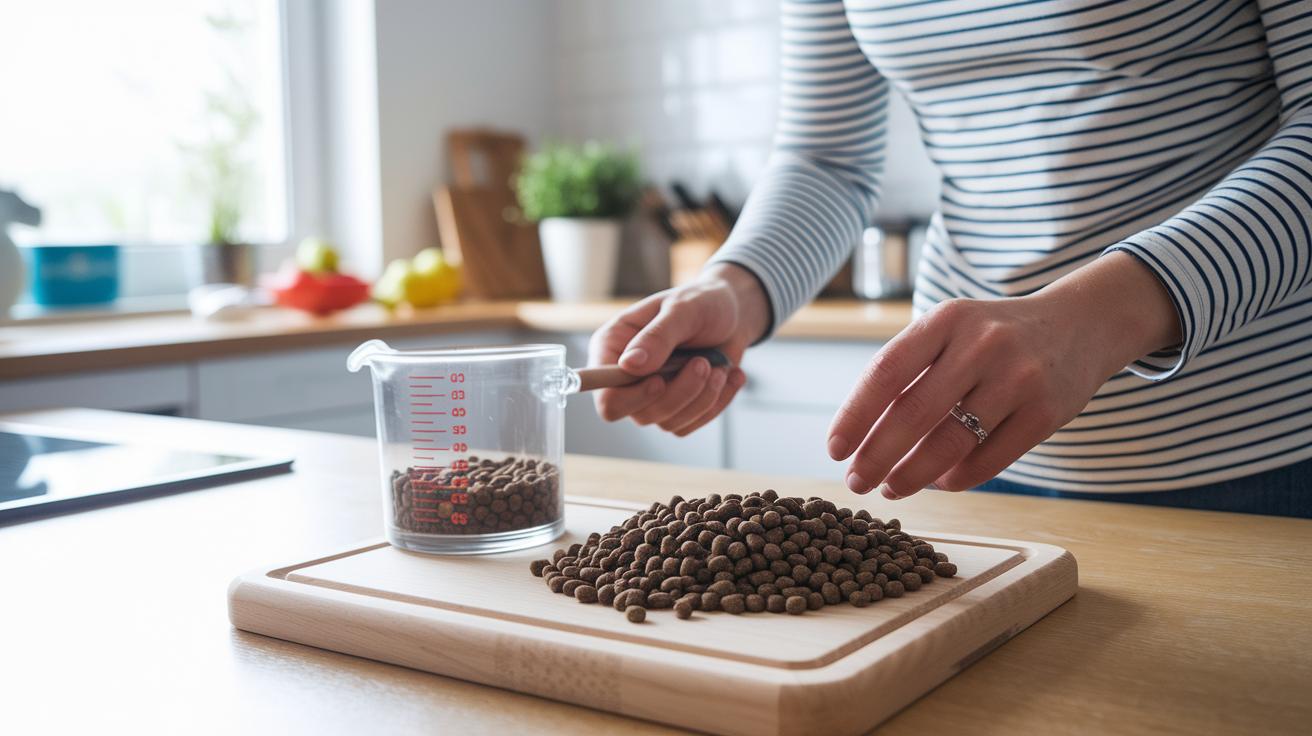
When you're planning a lower-calorie diet for your furry friend, start by figuring out their Resting Energy Requirement. You do this by multiplying 70 with their body weight (in kg) raised to the power of 0.75. Think of it as a starting point for counting calories the safe way.
Next, cut that number down to about 80–90% to set a goal that gently helps your pet shed extra pounds without a sudden change. And remember, treats should only count for about 10% of their daily calories so that every meal fits a balanced, slimming plan that meets your pet's needs and keeps them energized.
If crunching numbers isn't your favorite activity, check out the pet nutrition alliance calorie calculator. This handy tool makes tracking your pet’s calorie, protein, and fat intake a breeze. Try mixing up a recipe that uses quality ingredients in the right portions; a well-planned meal can support steady weight loss while keeping your pet happy and full of life.
Portion Control Feeding Strategies for Overweight Pets
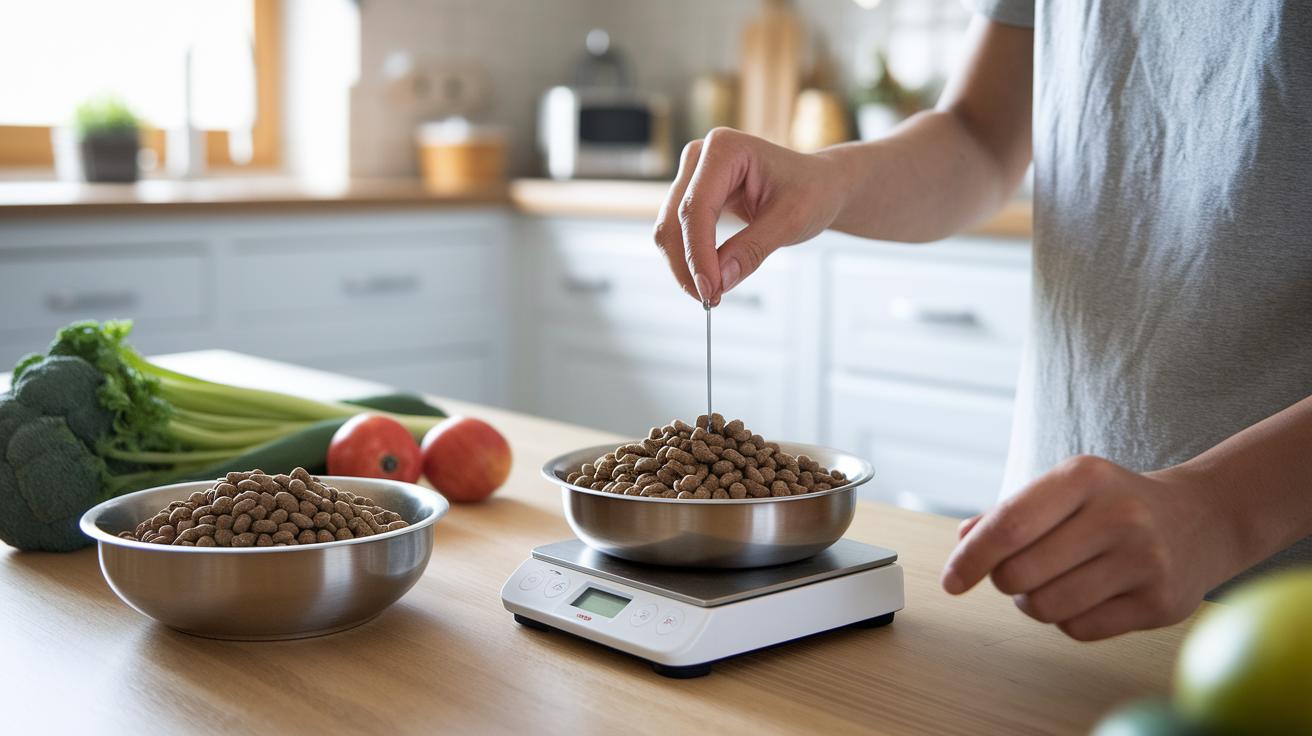
Measuring your pet's food carefully can really help when they're on a low-calorie diet. When you serve controlled portions, your furry friend gets just the right amount of food to keep them satisfied and active without extra calories. It’s all about serving just enough to help them stay healthy.
- Use a kitchen scale or a special measuring scoop for every meal.
- Stick to two or three meals a day instead of leaving food out all day.
- Try mixing in high-fiber veggies, like green beans or pumpkin with extra water, to add bulk without extra calories.
- Avoid table scraps and treats that aren’t part of their daily plan.
- Keep a regular meal schedule to cut down on constant snacking.
Using these simple habits day in and day out can make a huge difference for your pet. A steady routine with measured meals helps curb overeating and eases your pet into smaller, healthier portions. This not only supports their weight management but also boosts their overall well-being.
Nutrient-Balanced Low Calorie Meal Plans for Dogs and Cats

When planning a well-rounded meal for your pet, it helps to focus on lean protein and ingredients that are low in calories yet high in flavor. One smart idea is to use whole-food recipes. Think fresh veggies like zucchini and carrots that add natural fiber and water, keeping your pet full without piling on extra calories. For example, a Fish & Sweet Potato dish is a great choice for dogs. It’s low in fat, free from grains, and packed with antioxidants that help keep them active and support lean muscle. And if you need more inspiration, check out our fresh dog food ideas. Gradually switching to new ingredients over 7–10 days can help your pet adjust without any tummy troubles.
The same idea works for our cat meal plans. A Chicken & Pumpkin recipe is a tasty, high-protein option that doesn’t add too many extra carbs. This meal not only satisfies your cat but also helps maintain a healthy weight. The balance of protein with natural ingredients makes sure your cat gets all the nutrients they need. Adding veggies that are high in water is another trick that makes meals more filling and provides a steady boost of energy throughout the day.
Remember, when you’re moving from a standard diet to these balanced meals, take it slow. Start with 25% new food mixed with 75% of the old, and then add another 25% every few days until you’re at 100%. This gradual change helps avoid digestive issues while letting your pet enjoy all the benefits of the improved recipe. Here’s a quick look at some sample recipes:
| Recipe Name | Main Ingredients | Calories per Serving |
|---|---|---|
| Fish & Sweet Potato | Fish, Sweet Potato, Zucchini | 280 kcal |
| Chicken & Pumpkin | Chicken, Pumpkin, Carrots | 200 kcal |
| Veggie Medley Delight | Mixed Veggies, Lean Protein, Herbs | 220 kcal |
Incorporating Low Calorie Treats into Pet Diets

When you add treats to your pet’s meals, aim for snacks that bring joy without packing on too many calories. Keep treats to about 10% of their daily calorie intake so that each bite boosts their happiness and health. Think of it like tossing a tiny treat during a playful game of fetch, short, sweet, and full of flavor.
There are three main types of treats you can consider:
- Natural treats: Try plain carrot sticks or crisp green beans. These crunchy snacks are full of fiber and low in calories. Imagine your dog crunching on a carrot that feels like a mini, fresh veggie salad.
- Commercial treats: Look for options like Blue Buffalo Health Bars or Zuke’s Mini Naturals. They come in perfect bite-size portions and are crafted with tasty ingredients that stick to a strict calorie plan.
- Homemade treats: When you make treats at home, you control every ingredient. For instance, use fully cooked, unseasoned lean meat cut into small pieces. It’s just like serving up bite-size delights during treat time.
By picking from these treat options and reading labels closely, you can stick to your calorie goals while still treating your pet to something extra special. This balance helps your furry friend maintain a healthy weight and keeps treat time as fun as ever.
Transitioning Safely to a Calorie-Restricted Pet Meal Plan
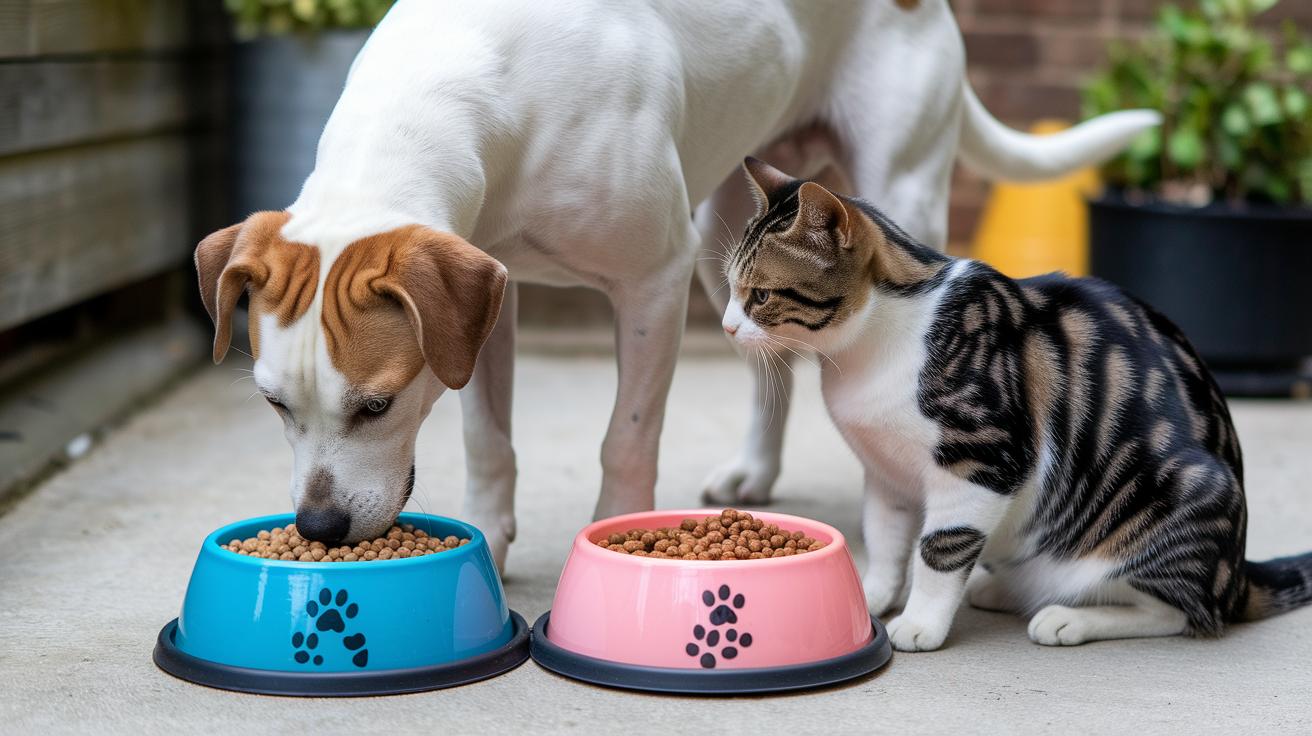
Switching your pet to a lower-calorie meal plan takes a little patience and care. To help you out, check out our Nutrient-Balanced Low Calorie Meal Plans for Dogs and Cats for the daily food ratios. Begin by mixing about 25% of the new food with 75% of the old food. After a few days, move to a 50/50 blend, then 75% new food, and finally make a full switch, provided your pet seems to be handling it well.
Watch your pet closely. If you see signs like vomiting, diarrhea, or a loss of appetite, take a break in the transition. For instance, if your pet turns its head away from the bowl, note that reaction and stick with the current mix for a few extra days before trying to change it up again.
Here are a few friendly reminders:
- Keep tabs on your pet’s eating habits and energy levels every day.
- If your pet seems hesitant or leaves food behind, it might be best to slow the change and check in with your veterinarian.
Veterinary Guidelines and Progress Monitoring in Low Calorie Diets

Working with your vet is super important when you’re helping your pet lose weight on a low calorie diet. Regular check-ins, like monthly weigh-ins and simple body shape checks (that’s a quick way to see how fit your pet is), help catch any changes early. Keeping a small weight journal where you note daily food amounts, playtime, and body condition is a really practical way to see progress and adjust little things along the way. It’s hard to believe, but fewer than half of pet owners chat with their vet about weight issues, even though expert advice can really cut health risks. With your vet’s guidance, even a small tweak of about 5% to 10% in calories can make a big difference when your pet’s weight seems stuck for a couple of weeks.
Having your vet create a wellness plan gives you that extra sense of comfort. With regular progress checks, your vet can notice trends and suggest changes if your pet isn’t meeting its weight-loss goals. This hands-on approach not only builds healthier eating habits but also helps avoid extra complications from being overweight. By keeping a consistent log, both you and your vet can see what’s working and what might need a little adjustment. Rely on these veterinary guidelines and regular check-ups to keep your pet on a balanced, low calorie diet that supports steady weight loss and overall well-being.
Combining Exercise with a Low Calorie Pet Diet
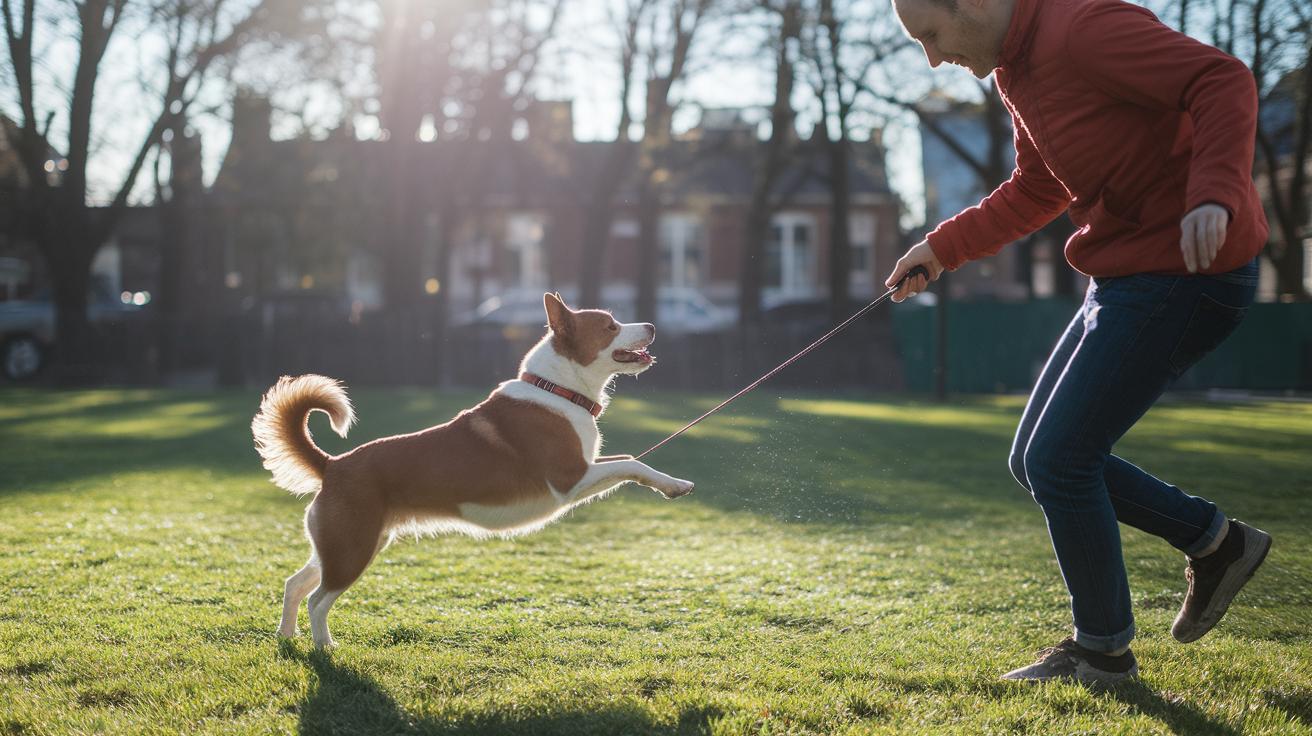
Keeping your pet active is super important when you're cutting back on calories. A daily walk or a 30- to 60-minute play session can help fire up their metabolism and keep their muscles strong. Whether you're strolling through the park or tossing a ball in the backyard, a fun burst of exercise not only burns extra calories but also lifts your pet's mood. Make sure you pick activities that suit your pet's age, breed, and joint health. For instance, why not turn a simple stair climb into a playful game? It’s a delightful twist on normal play.
Matching meal times with play sessions sets a steady rhythm that makes the most of your pet's energy. Feed your pet at the same time every day and then let them enjoy a bit of playful exercise soon after. This helps keep their eating habits regular and makes sure they have enough pep for both exercise and a good recovery. It’s a simple, effective way to boost overall health and help your pet shed pounds gradually.
Success Stories: Real-World Results of Low Calorie Pet Diets

One friendly Labrador retriever shed 15% of its body weight in just 12 weeks. Its diet was packed with protein and kept fat levels moderate, perfectly paired with daily bursts of fun like quick games and leisurely walks. The pup’s owner was super careful with food portions and only gave a few low-calorie treats. Over time, the Labrador not only dropped the extra pounds but also became more lively and ready for play. One owner even said, "Seeing my dog's improved energy and healthier look made every step of the plan worth it." Small changes here and there helped the dog feel fuller sooner, so it didn’t overeat.
A domestic short-haired cat also made great strides, losing 2 lbs over 8 weeks. Its new Fish & Sweet Potato meal plan was low in fat and had no grains, keeping the kitty both satisfied and well-fed. The transition was smooth; the cat started with a mix of its old food and the new meals, and soon settled into the routine with a good appetite. Its owner noticed the cat was more active and vibrant overall. This story shows how careful calorie control and wholesome meals can really help manage your pet's weight.
Final Words
In the action, we looked at how careful portion control, balanced meal plans, and gradual diet changes help our furry friends lose weight safely. The post shared warm pet success stories and practical tips on keeping meals fresh and appealing.
Try a low calorie pet diet for overweight pets to keep your companion healthy and active. Small changes at home, like adjusting treats and mixing in playtime, can mean a happier, lighter pet. Keep moving forward with care and confidence.
FAQ
How can I create a homemade low-calorie diet for overweight pets?
The homemade low-calorie diet for overweight pets uses lean proteins and low-calorie vegetables. It helps reduce overall calories while keeping meals tasty and nutritionally balanced for steady weight loss.
Which dog food is best for weight loss and recommended by vets?
The dog foods favored for weight loss have a blend of high protein and moderate fat with reduced calories. They promote lean muscle maintenance and a healthier body weight under veterinary guidance.
How do I start putting my dog on a weight loss diet?
Starting a weight loss diet for your dog means measuring meals, reducing treat portions, and choosing low-calorie, nutrient-rich ingredients. Pairing this with regular exercise supports safe and lasting weight loss.
What can I feed my overweight dog to help it lose weight?
Overweight dogs do well with meals that mix lean meats, fiber-packed vegetables, and limited grains. These foods help control calorie intake while preserving muscle and energy levels during weight loss.
What type of diet do most veterinarians recommend for overweight cats?
Veterinarians typically advise low-calorie diets for overweight cats that emphasize high-quality proteins and reduced carbohydrates. This balanced approach aids in gradual weight loss while keeping cats active and healthy.
What is the 90/10 rule for dogs?
The 90/10 rule for dogs means that treats should make up only 10% of the total daily calorie intake, while the remaining 90% comes from balanced, measured meals to support weight management.
What are some options for low-calorie dog treats, including homemade and human food choices?
Low-calorie dog treats may involve plain vegetables like carrot sticks or green beans, simple human food options, or homemade bites using lean meat, all while keeping treat calories within safe daily limits.