
Ever wondered if a little extra protein might really boost your pet’s day? A protein-rich meal is like premium fuel for building muscles and repairing tissues, helping your furry friend stay strong and full of energy. Picture your playful pup chasing its tail or your wise cat padding around with a shiny coat. Protein gives those tiny amino acids (the little helpers that build and fix body parts) your pet needs for a quick recovery and a happy, active life. In this post, we'll share why a high protein diet could be just what your pet needs to feel their very best.
Core Advantages of a High Protein Pet Diet
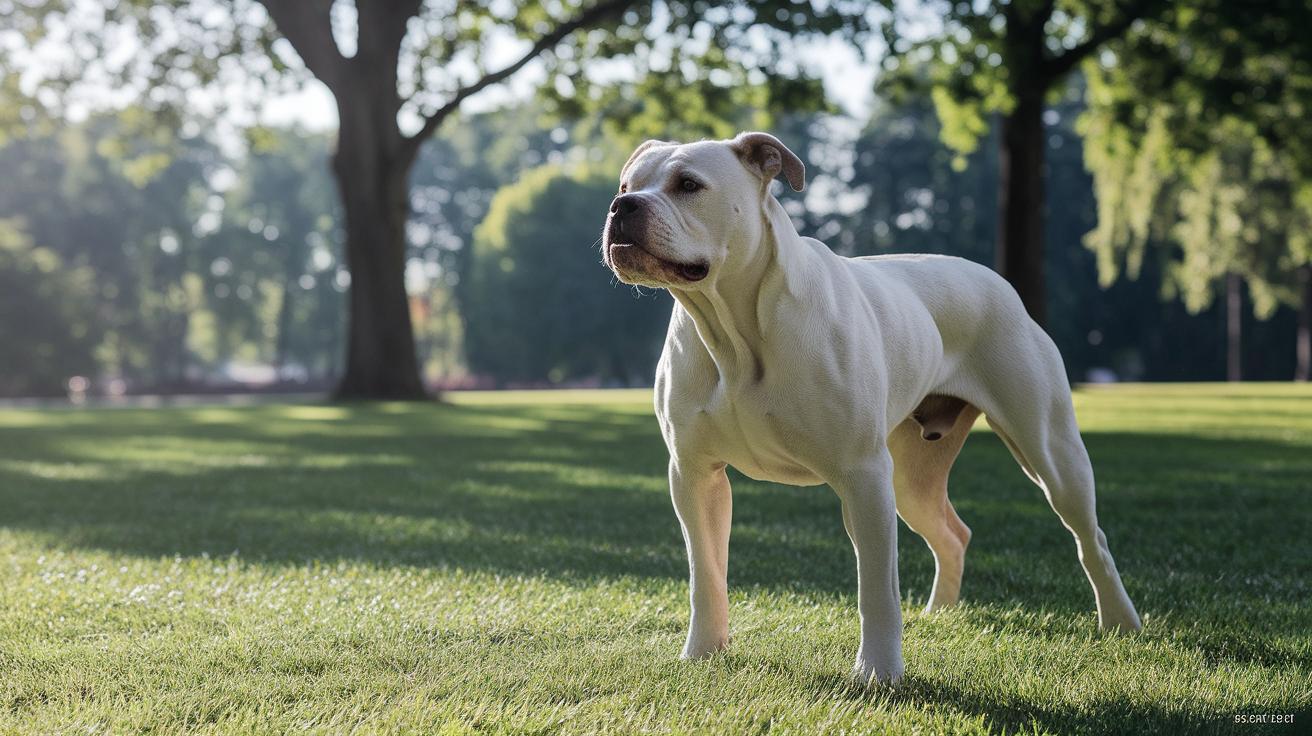
Protein is like the essential building block that keeps your pet strong and healthy. It helps build muscles, repair worn-out tissues, and even supports their natural defenses. Whether you have a playful puppy or a wise old cat, the amino acids (the tiny pieces needed for building and repairing tissues) in protein play a key role in their overall health.
High-protein meals offer several benefits that can really boost your pet's zest for life. They help develop and maintain strong muscles, letting your pet jump, run, and play with energy. Plus, protein gives your pet the raw materials needed for a strong immune system, so they’re better able to fight off germs. You might even notice a shinier coat and steadier energy throughout the day, as protein helps them feel full and satisfied while supporting quick recovery from minor injuries.
All these benefits work together to give your furry friend a well-rounded boost in health. With stronger muscles, a resilient immune system, and steady energy, your pet can enjoy a more active and joyful life. It's a nutrition plan designed to help them absorb vital nutrients and thrive every day.
High Protein Pet Diet Benefits for Muscle Development

Protein acts like a little energy boost that helps build strong muscles by fueling your pet’s muscle-building process (that means it helps them grow and repair muscles). Foods like chicken, beef, fish, venison, and goat pack in all the essential amino acids needed for quick muscle repair after lots of play. Think of these proteins like handy tools that fix your pet's muscles after a busy, fun-filled day.
Young pets, such as puppies and kittens, need protein to rapidly build new muscles and support their growing little bodies. And for adult animals, protein helps repair tired muscles after active play, keeping them lively and ready for more adventures. Picture a playful pup with boundless energy or a cat bouncing back after a spirited play session.
Older or recovering pets also gain a lot from protein. It helps slow down muscle loss and supports healing when they’re recovering from minor injuries. So, even if your senior dog or cat isn’t as quick as before, a good dose of protein can help keep their muscles strong and steady.
Enhanced Energy and Metabolic Effects of a High Protein Pet Diet
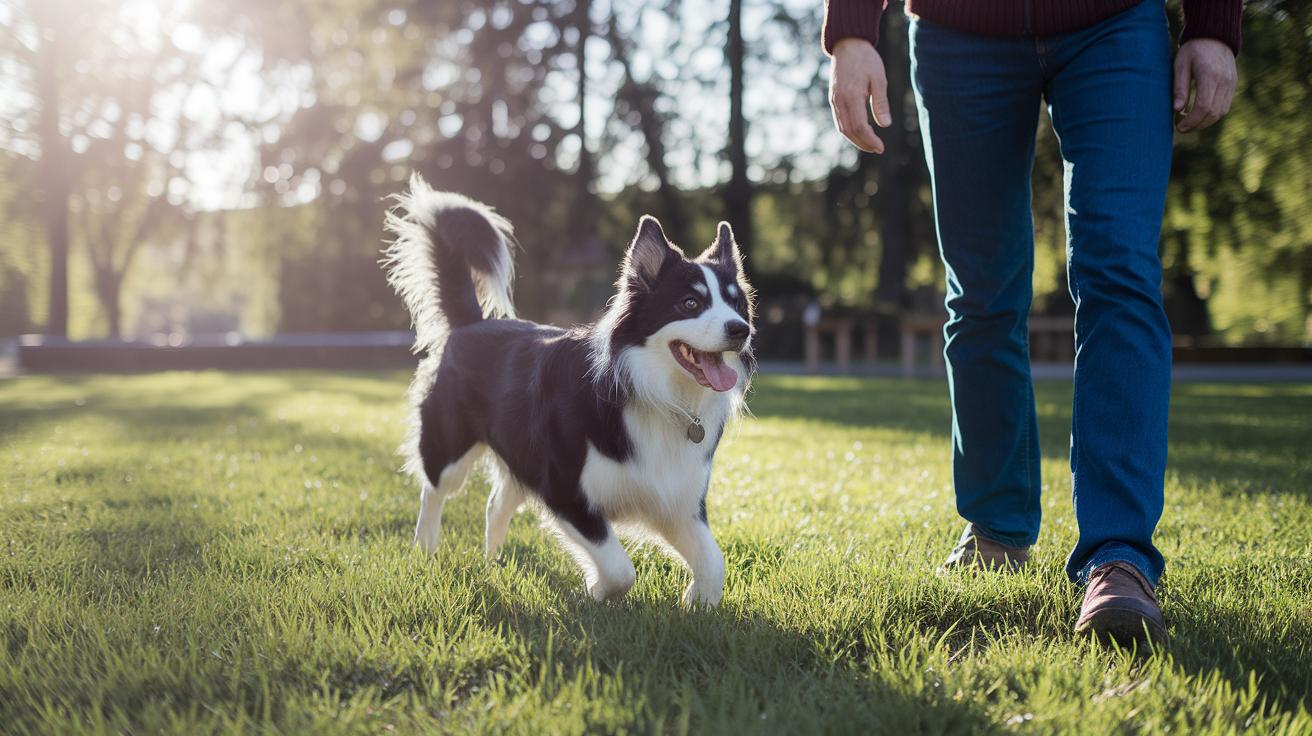
Protein gives your pet the energy to play and explore. It helps change how their body uses fuel by letting them burn amino acids (the building blocks of proteins) instead of relying on carbs. This natural switch powers everything from a slow stroll in the park to a lively play session with friends.
High protein meals even help your pet’s body burn energy faster when they’re resting. That means every bite makes a difference, so food turns into the kind of energy that lasts. With steady energy release, your pet can play or work without sudden tired spells.
The steady flow of energy also keeps blood sugar more balanced, which means fewer dips in energy during the day. It’s a bit like using a rechargeable battery that keeps a playful pup or curious cat active well into the evening. With this energy plan, your pet stays alert, lively, and ready for fun from morning to night.
Weight Management and Body Condition Benefits of High Protein Diets
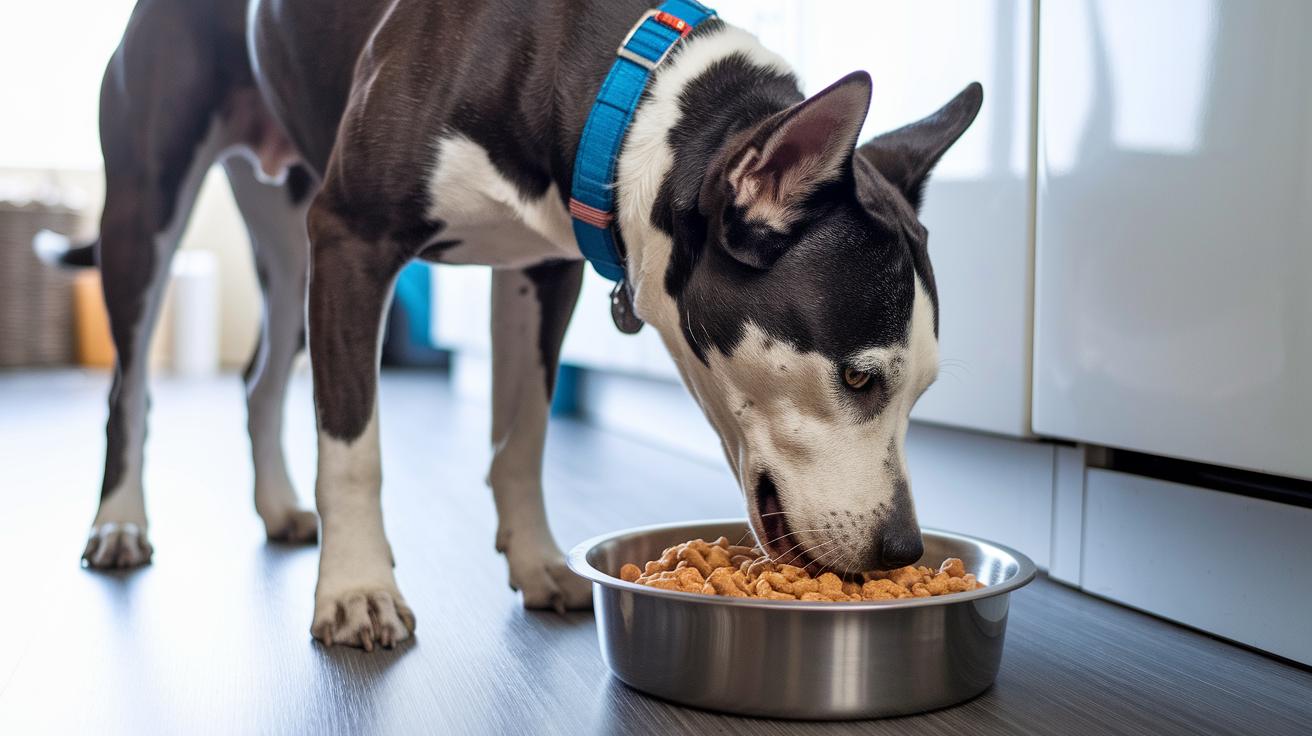
When your pet enjoys a meal full of protein, they feel full and happy. This means they eat less, helping control their calories while still keeping their muscles strong. Protein meals spark natural full-feeling hormones that help curb hunger. And those amino acids (tiny building blocks that help build muscle) work hard to keep muscles in shape even as extra fat disappears.
High-protein diets can also make a big difference in how your pet feels and moves. With less extra weight, there's less pressure on their joints, letting them frolic around with ease and fun.
- Targeted fat reduction – Extra protein nudges the body to burn unwanted fat using energy.
- Lean tissue retention – Amino acids help keep muscle strength, even when your pet loses weight.
- Improved joint comfort – A lighter body means their joints don’t have to work so hard, letting them move more freely.
- Controlled caloric intake – A protein-rich meal keeps your pet full for longer, helping prevent overeating.
This balanced way of feeding rewards your pet with a steady, healthy body over time. With less hunger and strong muscles, your furry friend can play more and enjoy life without extra strain.
Immune Support and Recovery Advantages of a High Protein Pet Diet
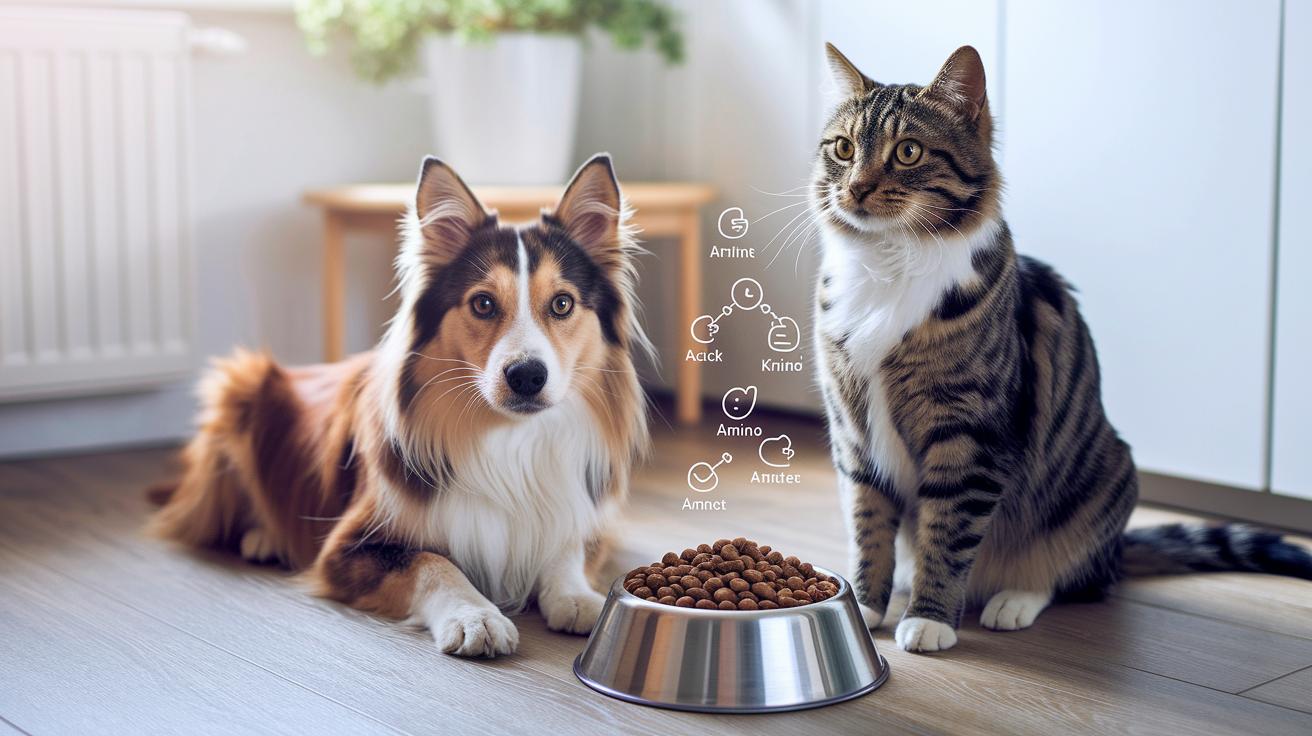
Protein gives your pet's immune system a boost by helping to create more antibodies and white blood cells. It’s like rallying a team of tiny defenders, always ready to jump in and protect your buddy.
Amino acids work like your pet’s very own repair crew when injuries occur. They speed up tissue healing and encourage immune cells to work faster, so your pet can get back to their playful self sooner, just think of a little pup bouncing back after a minor cut.
A diet rich in protein also helps keep your pet’s organs running smoothly, meaning they can enjoy a long, active, and energetic life.
Implementing High Protein Pet Diet Benefits: Guidelines and Risks

When planning your pet's meals, start by figuring out just how much protein they need. Check food labels closely. Look for diets that list real animal proteins like chicken, turkey, beef, fish, or lamb right at the top. This helps you pick foods that meet AAFCO standards of at least 30% protein (the energy your pet gets from food) on a dry matter basis. Also, remember that puppies, adults, and seniors each need their own perfect amount of protein.
Assessing Protein Requirements
Every pet is unique when it comes to protein. For example, puppies need around 22–32% protein to support their fast growth and boundless energy. Active adults usually do well with 18–25% protein to keep their muscles strong, while older pets benefit from 20–30% to help slow muscle loss. So, if you’re shopping for your lively puppy, check that the product reliably shows these protein numbers.
Selecting Quality Sources
Choosing good protein sources matters a lot. Always read the ingredient list to ensure the food names a specific animal protein as its first ingredient. When you see this, you can be more confident that your pet is getting quality nutrition, not just protein, but the right fats, vitamins, and minerals too. It’s like making a favorite treat where every ingredient matters.
Monitoring Health
Keep an eye on your pet for signs that they might be getting too much protein. If you notice changes in how often they pee or shifts in their energy, it might be a hint to adjust their diet, especially if they have kidney or liver issues. Regular check-ups with your vet can really help fine-tune the best meal plan for your furry friend.
| Life Stage | Recommended Protein % DM | Key Considerations |
|---|---|---|
| Puppy | 22–32% | Supports fast growth and high energy |
| Adult | 18–25% | Keeps muscles strong and energy steady |
| Senior | 20–30% | Helps slow muscle loss and sustain energy |
Final Words
In the action, we explored how a high protein pet diet boosts muscle strength, supports a robust immune system, and fuels energy with steady metabolism. We also looked at how this diet helps manage weight while keeping pets active and joyful. Each section showed how essential amino acids pave the way for enhanced tissue repair and overall wellness. High protein pet diet benefits make a real difference in health and vitality, leaving your furry friend ready for every playful moment ahead.
FAQ
What are the benefits of a high protein pet diet and the main purpose of protein in pets?
A high protein pet diet supports muscle growth, boosts immune function, improves skin and coat health, and aids in tissue repair. Protein provides essential amino acids that help build lean mass and maintain steady energy, benefiting dogs and puppies alike.
What are the symptoms of too much protein in a dog’s diet?
The symptoms of too much protein in a dog’s diet may include digestive upset, extra thirst, and more frequent urination. Changes in energy levels or stool consistency can also signal that protein intake is higher than needed.
How can I prepare homemade protein-rich dog food?
Preparing homemade protein food for dogs involves using high-quality meats like chicken or beef with safe vegetables. Using well-tested recipes that cover balanced nutrients is key, so checking with a veterinarian or reliable source is a smart idea.
What foods are best for dogs needing extra protein to gain weight?
High protein foods for dogs gaining weight often feature rich meats such as beef, lamb, or salmon. These foods build lean muscle and add healthy calories, helping a dog develop better body condition without excess fat.
How much protein is typically found in dog food per 100g?
Typically, quality dog food contains about 20 to 30 grams of protein per 100 grams, though it can vary by brand. Always read the nutrition label to match your pet’s dietary needs accurately.
Which protein source is best for dogs to build muscle?
The best protein sources for muscle building in dogs include high-quality animal proteins like chicken, beef, or fish. These proteins offer complete amino acid profiles, which support muscle development and aid in recovery after activity.