
Ever wonder if what you feed your pet could boost their overall health?
Imagine a meal plan that helps keep their blood sugar steady while making mealtime more enjoyable, especially for pets with diabetes (a condition where blood sugar levels are too high).
A mix of foods low in carbs and rich in fiber can help keep their energy steady and support strong, lean muscles.
In our chat today, we'll explore smart, tasty choices that can truly brighten your pet’s day.
It’s all about a well-planned pet diet that brings a little extra pep to their step.
Fundamentals of a Pet Diet for Diabetic Pets

Diabetes in our furry friends happens when their bodies don’t make enough insulin (the hormone that helps use sugar) or can’t use it properly. This means that both cats and dogs can have trouble keeping their blood sugar steady, and that imbalance can affect their overall health.
A special diet really makes a difference. Meals packed with fiber help slow down the sugar entering the blood, keeping things more even. Low-carb foods matter, too, because they cut back on extra sugars after a meal. And by reducing unhealthy fats, you avoid extra calories that might lead to weight gain, a common worry for diabetic pets. Fun fact: One diabetic dog, switched to a high-fiber, low-carb diet, started to feel more energetic and playful thanks to steadier sugar levels.
Sticking to a regular feeding schedule is also key. Feeding your pet at the same time every day, usually about 10 to 12 hours apart, not only helps with smooth digestion but also makes insulin treatments work better. A steady mealtime routine means your pet ends up with more predictable energy all day. It turns meal time into a cozy, stable part of your pet’s day, making diabetes care a bit easier to manage.
Core Nutritional Components in Diabetic Pet Diets
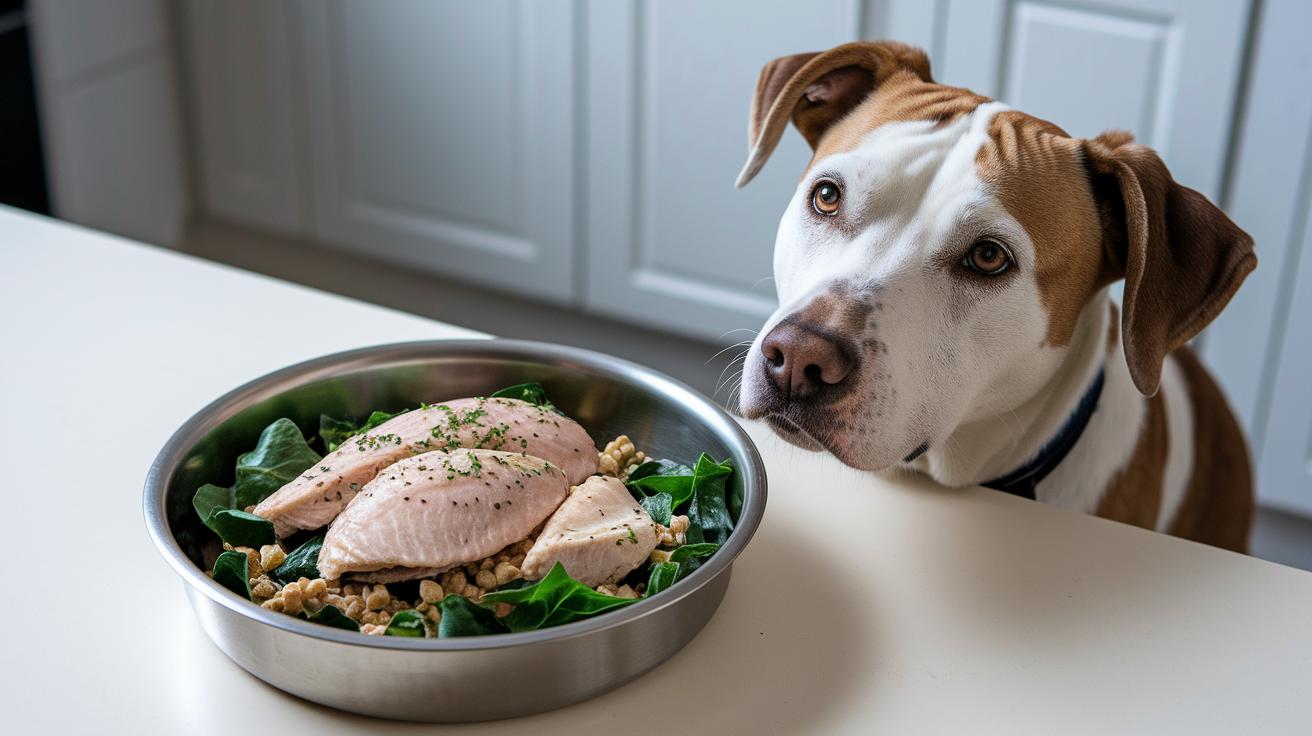
If your pet has diabetes, crafting meals with more lean protein and fewer carbohydrates can make a big difference. Lean proteins help keep your pet’s blood sugar steady after meals, which means fewer sudden spikes and a smoother energy level throughout the day. It’s like giving your furry friend a gentle nudge toward balanced health.
When planning meals, it’s smart to focus on ingredients that pack protein while cutting back on carbs. Every little bit counts in keeping your pet feeling good and their blood sugar in check. Think of it as putting together your pet’s favorite puzzle, each piece works together for a better, healthier meal.
Below is a simple breakdown of the main nutrients and what they do:
| Macronutrient | Role |
|---|---|
| Protein | Builds and repairs body tissues and helps lower the need for too many carbs |
| Fiber | Slows sugar absorption, aids tummy health, and keeps your pet feeling full |
| Fats | Provides essential fatty acids for a healthy coat and skin while controlling calories |
| Micronutrients | Small amounts of vitamins and minerals that boost overall health and metabolism |
Always check nutrition labels to make sure each meal is balanced. Reading labels is a simple way to ensure every bite supports steady blood sugar and keeps your pet happy and healthy.
Building Low-Carb, High-Fiber Regimens for Diabetic Pets
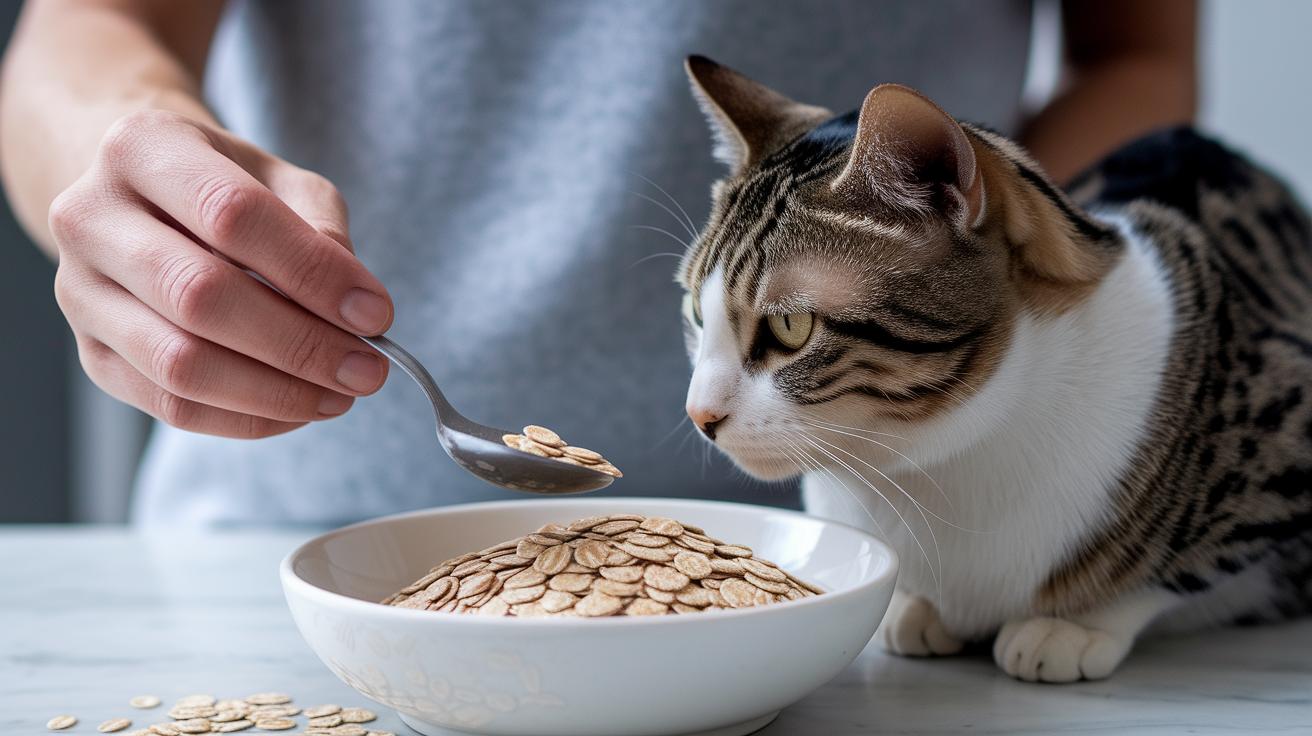
When you plan meals without added sugar, it's important to pick foods with a low glycemic index (this means they cause a slower rise in blood sugar). Using grains or veggies that break down slowly can help keep your pet's blood sugar steady after meals. This is especially true for cats since every ingredient must suit their unique needs. Low-glycemic recipes let your pet enjoy tasty food while keeping energy levels even.
Switching to a low-carb way of feeding means swapping out foods that turn into sugar quickly for smarter choices. When you replace high-carb items with alternatives, you support steadier energy and a calm tummy. It’s a simple change that can make a big difference day to day.
- Try pumpkin instead of potatoes
- Choose quinoa instead of rice
- Use zucchini instead of pasta
- Pick lentils in place of high-carb beans
- Opt for cauliflower instead of starchy veggies
Start the change slowly. Mix a bit of the new low-carb, high-fiber food with what your pet already eats. Then, gradually increase the new food. This gentle switch helps avoid sudden blood sugar changes and keeps the tummy happy as your pet embraces a healthier meal plan.
Insulin-Friendly Ingredients and Meal Timing for Diabetic Pet Diets
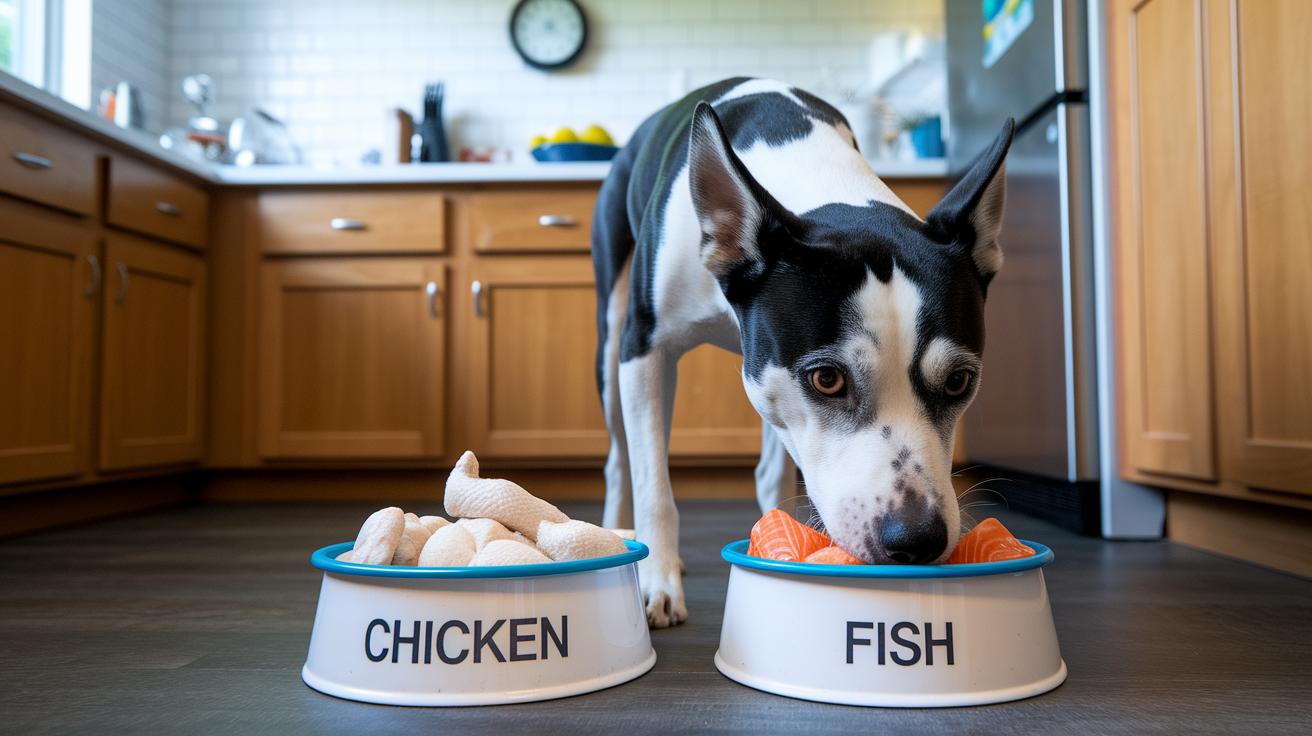
Choosing the right foods can really help your pet keep their blood sugar steady. Lean proteins like chicken or fish give them essential building blocks without extra sugars. Healthy fats, such as omega-3 from fish oil, keep their metabolism humming and make their coat shine. And simple fibers in whole grains and veggies help slow sugar absorption so your pet gets a steady burst of energy throughout the day.
- Feed your pet right after their insulin shot. This timing helps the medicine do its job better by keeping blood sugar levels in check.
- Space meals about 10 to 12 hours apart to support smooth digestion and balanced sugar levels throughout the day.
- Watch portion sizes and adjust them as your pet’s energy needs change, ensuring their sugar levels stay stable and match the insulin dosing.
Don’t forget treats! A diabetic-friendly treat should be low in calories and free of added sugars to avoid sudden spikes in blood sugar. Giving these treats right after an insulin dose can be a nice little reward while keeping levels steady. With careful choices of ingredients and a regular feeding routine, you help your pet’s insulin work well and make managing diabetes feel more natural every day.
Veterinary Diet Recommendations and Portion Control for Diabetic Pets
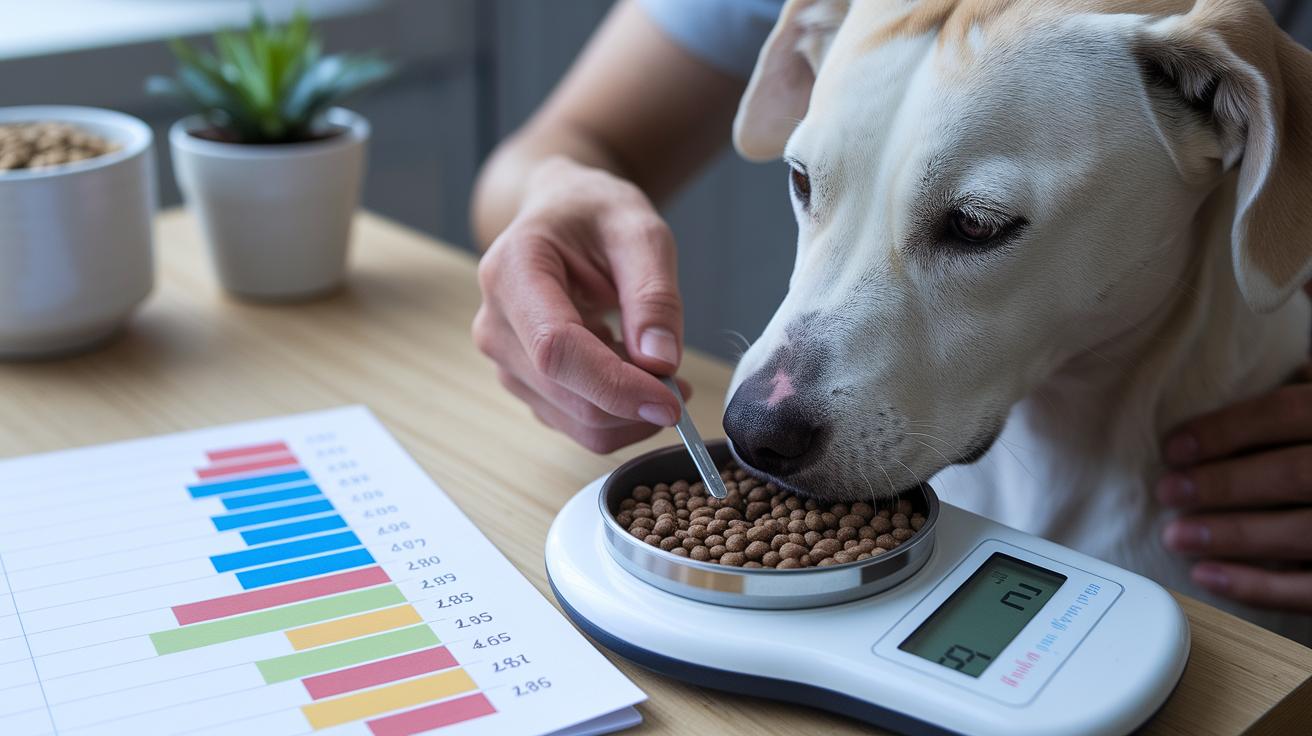
Veterinary diets for diabetic pets are crafted with care so your furry friend gets the same balanced meal every time. These meals come pre-measured with a set number of calories, which helps keep your pet’s blood sugar steady and avoids any surprise calorie bumps. It’s a simple, controlled way to make sure every bite counts, letting the insulin work as it should.
Here are a few tips to keep it easy:
- Use measuring cups to serve the exact amount
- Follow feeding charts to track what your pet eats each day
- Try using digital scales for super precise portions
- Consider pre-packaged meals made just for diabetic pets
Regular monitoring and watching portion sizes are key when caring for a diabetic pet. Even small adjustments in meal size can make a big difference, especially when your pet is on a weight-loss journey. Working side by side with your veterinarian helps you get the right portions and, if needed, tweak the insulin doses. With a little guidance from a pet professional, you can confidently choose diets that are vet-approved and perfectly suited to your pet’s needs, even when trying out vet-approved homemade recipes.
Monitoring and Adjusting a Pet Diet for Long-Term Diabetes Management
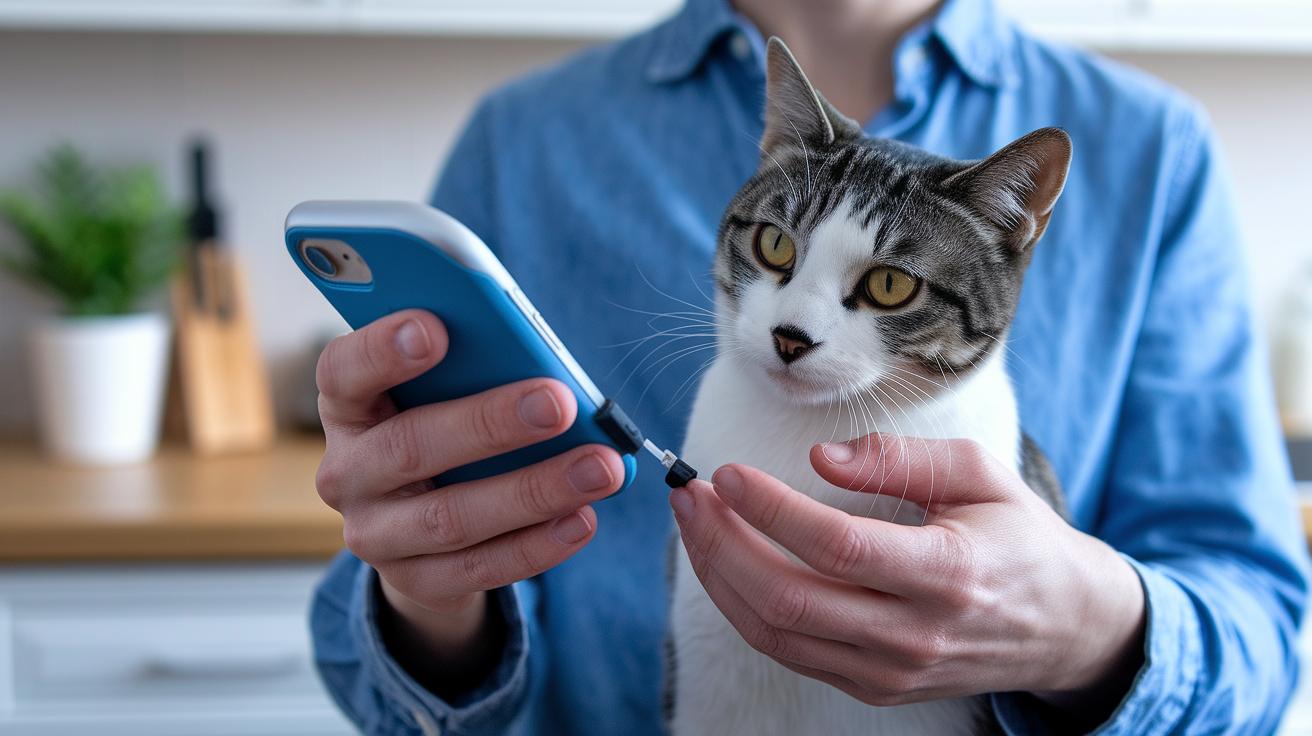
Regularly checking your pet's blood sugar is a must for keeping diabetes under control. It’s like watching how your furry friend reacts after a meal, which helps you know when to tweak their food or insulin.
Helping your pet reach a healthy weight is super important too. A lot of diabetic pets arrive with a bit of extra weight, which can make insulin (the hormone that helps turn food into energy) work less well. By slowly changing portion sizes and trying different foods, you can help your pet shed those extra pounds, little by little.
Sometimes, a few extra nutrients can make a big difference. With advice from your vet, you might add vitamins or omega fatty acids (good fats that help keep your pet’s skin and joints healthy) to their meals. These extras, along with a balanced diet, can boost your pet’s overall well-being.
And don’t forget those regular vet visits! They’re a great time to check progress, fine-tune their diet, and make sure any extra supplements are still a good fit.
Final Words
In the action, we explored how diabetes in pets calls for careful meal planning. We covered the basics of a pet’s nutritional needs, explained which ingredients help manage blood sugar, and shared tips on meal timing and portion control. We also looked at the benefits of vet-approved diets and the importance of regular checkups to adjust food plans. These steps make pet care easier and more effective for managing diabetes, all while keeping feeding routines simple and safe. Embrace a pet diet for diabetic pets that supports your furry friend’s long-term wellness.
FAQ
What homemade diabetic dog food recipes are recommended for diabetic pets?
Homemade diabetic dog food recipes involve using lean proteins, high-fiber vegetables, and low-fat ingredients. They are often vet-approved to help maintain steady blood sugar and support your pet’s health.
What kind of meal plan is best for diabetic pets?
A proper diabetic pet meal plan means choosing foods that are low in carbohydrates and high in fiber. This balanced approach helps stabilize blood sugar and supports overall health.
What foods should I avoid for my diabetic dog?
What not to feed diabetic dogs involves skipping sugary treats, refined carbohydrates, and processed snacks. These foods can spike blood sugar levels and disrupt insulin control.
Are scrambled eggs good for diabetic dogs?
Scrambled eggs can be a good protein source for diabetic dogs when served plain without extra fats. They provide essential nutrients but should always be given in moderation.
What food is considered the number one enemy of diabetes?
The number one enemy of diabetes in pets is high-sugar food, which causes rapid blood sugar spikes. Steering clear of sweet and processed treats helps keep glucose levels more stable.