
Ever noticed that sometimes, even with lots of love and cuddles, your pet can seem a bit grouchy? It might be because of what’s on their plate.
This guide explains how simple ingredients like lean meats, colorful veggies, and whole grains can boost energy and help keep your pet strong and happy. We talk about protein (the building block for strong muscles), fats (the fuel that gives energy), and carbs (the quick energy boost) in a way that’s easy to understand.
Follow these tips to whip up meals that not only fill their tummy but also keep that tail wagging with joy every day.
Getting Started with Pet Diet Nutrition

When it comes to feeding your pet, a balanced diet is really important. Not only does it give them energy and help them grow, but it also makes life more joyful for them. This guide, updated on March 13, 2024, shows how key nutrients like protein, fats, carbs, vitamins, and minerals work together to keep your furry friend happy and healthy.
Dogs, for example, do well with both animal and plant foods because they eat all kinds of things. Think about serving lean meat with a side of veggies and a bit of whole grains, simple and tasty. Cats, on the other hand, rely mainly on meat-based proteins because they’re naturally carnivores. So when you’re planning a meal for a cat, high-quality meat is essential.
Different life stages mean your pet’s diet needs to change. Puppies and kittens have lots of energy and need extra protein to grow, while adult and senior pets might need a bit less fat and special vitamins to help keep their skin smooth, bones strong, and organs working well. When you switch from a diet for a young pet to one for an older companion, doing it slowly helps keep their tummy happy.
There are also many trusted commercial options available. For instance, brands like Hill's Pet Nutrition (https://reipet.com?p=249) offer balanced meal plans that take the guesswork out of feeding time. Understanding these basics empowers you to set up healthy, stress-free routines that make mealtime both nutritious and enjoyable for everyone involved.
Pet Diet Nutrition Guide for Beginners: Happy Pets
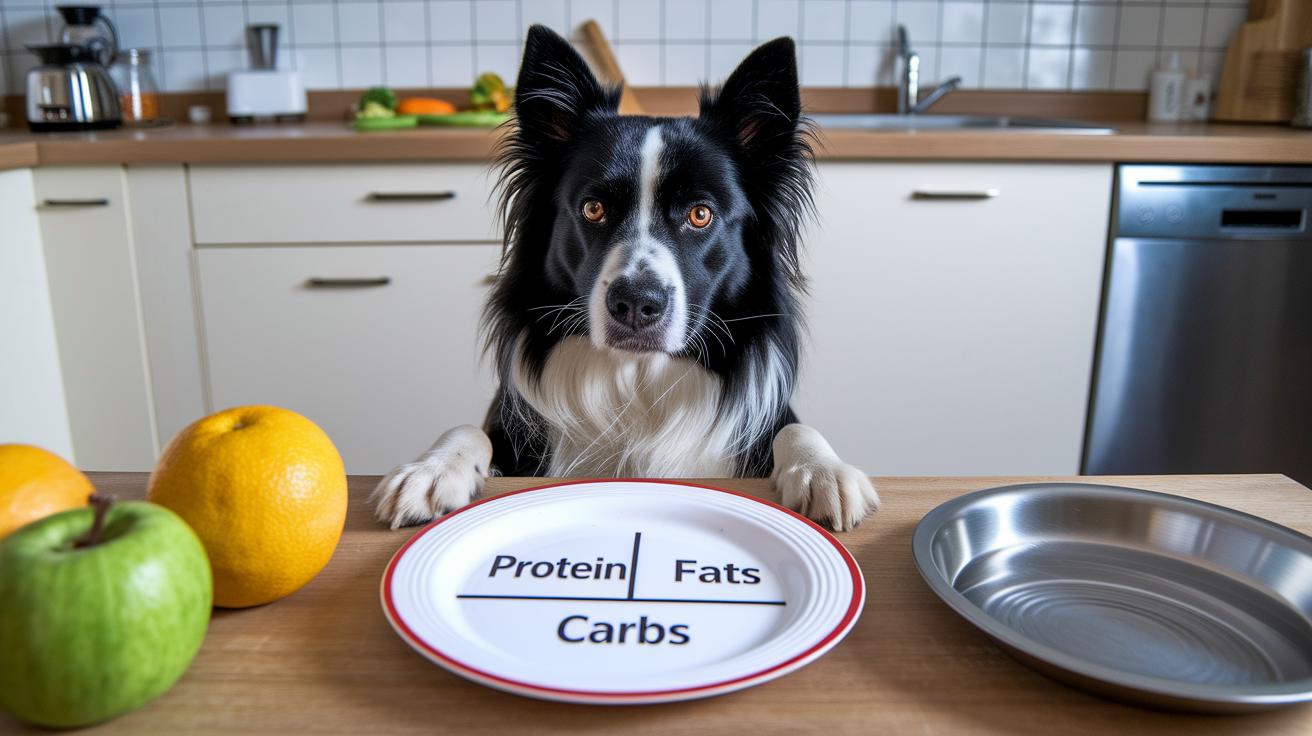
When it comes to feeding your furry friend, a good pet diet is all about balance. A meal full of protein builds muscles and repairs tissues, while fats give a burst of energy and help keep their coat shiny. Carbs, like fibers from veggies and whole grains, offer steady energy for playtime and help with smooth digestion. Vitamins and minerals keep bones strong, support healthy organs, and boost their immune system. And don’t forget water, it helps move nutrients around and keeps the kidneys happy.
Below is a table that breaks down the key nutrients, what they do, and where you can find them:
| Nutrient | Role | Food Sources |
|---|---|---|
| Protein | Helps repair tissues and build muscle | Lean meats, poultry, eggs |
| Fats | Provides energy and helps keep the coat shiny | Fish oils, chicken fat, vegetable oils |
| Carbohydrates | Gives energy and supports healthy digestion | Whole grains, sweet potatoes, legumes |
| Vitamins & Minerals | Strengthen bones and boost immunity | Fruits, vegetables, fortified cereals |
| Hydration | Helps carry nutrients and maintains kidney health | Clean water, broth |
Mixing these essentials makes every meal both tasty and healthy for your pet.
Pet Diet Nutrition Guide: Commercial and Homemade Meal Options
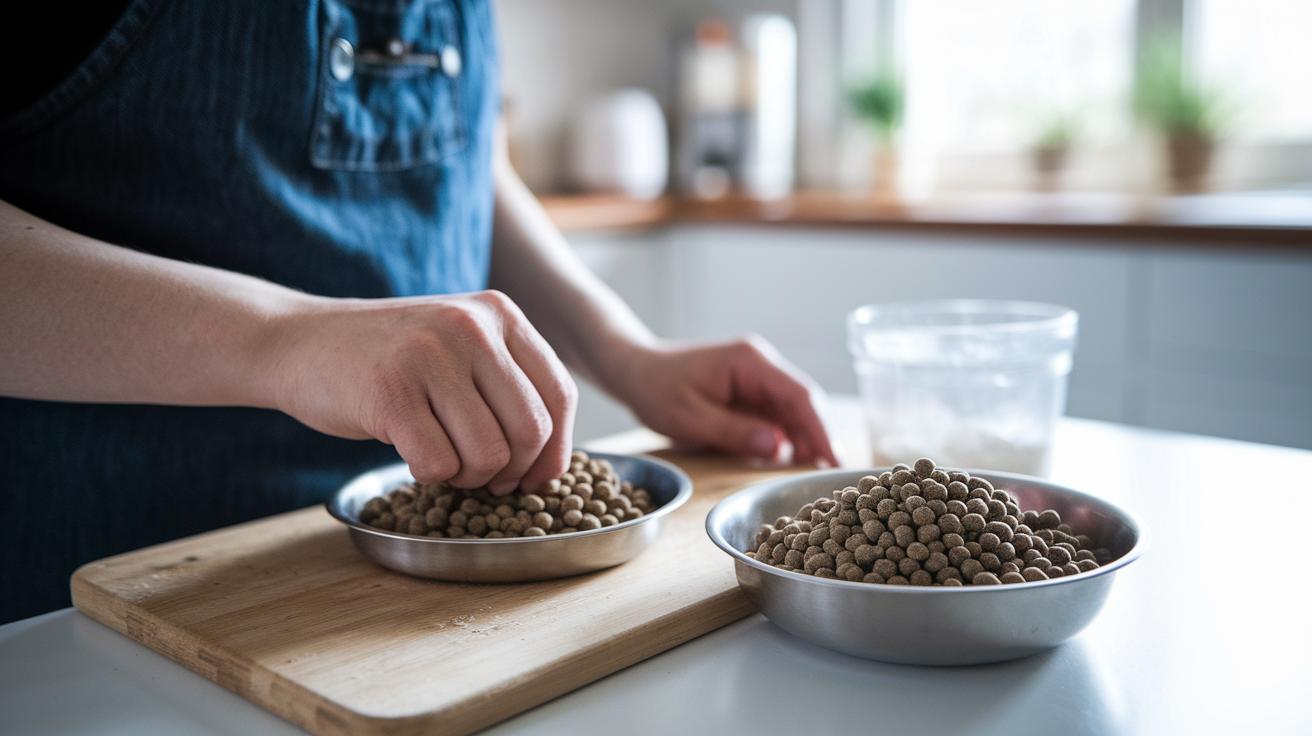
When it comes to feeding your pet, you have two main choices: commercial foods and meals made at home. Commercial options like kibble and canned food are created by experts who ensure every bite is packed with the nutrients your pet needs. They come with clear ingredient lists and have been tested to provide a balanced mix of protein, fats, carbs, vitamins, and minerals.
On the other hand, cooking at home gives you the freedom to adjust recipes to your pet’s unique tastes and needs. With recipes approved by your veterinarian, you can pick the best ingredients, sometimes even choosing organic ones. Just be careful with raw food; if it isn’t handled properly under professional guidance, it might carry harmful germs.
Here’s a quick look at the strengths of each approach:
Commercial Foods:
- They offer consistent nutrient levels, making daily feeding simple.
- Strict quality checks mean you can trust the source of every ingredient.
- Tested formulas help avoid nutritional gaps and reduce risks from contaminants.
Homemade Meals:
- Recipes can be tailored to fit your pet’s specific dietary needs.
- You get the chance to choose fresh, organic ingredients for a healthier meal.
- Using vet-reviewed recipes (check out Vet Approved Homemade Dog Food Recipes – https://bonsiaai.com?p=139) ensures a safer way to prepare meals at home.
Each method has its own benefits and challenges. For those just starting out, commercial diets offer a straightforward, reliable option with balanced nutrition already taken care of by trusted brands. Homemade meals let you be creative and control what goes into your pet’s bowl, although they do require careful planning and regular chats with your vet.
Taking a moment to weigh these pros and cons can help you decide which feeding style matches your pet’s health needs, your daily routine, and how confident you feel in the kitchen. In the end, choosing the right approach can make every meal both nutritious and enjoyable.
Pet Diet Nutrition Guide: Portion Control and Feeding Schedules

Figuring out the right amount of food for your pet is key to keeping them happy and healthy. It all starts with knowing your pet’s weight, age, and how active they are. Here’s how you can easily plan meals and even switch food types without any fuss.
-
First, weigh your pet. Once you have this number, use your vet’s advice along with details like your pet’s age and energy to work out how much food they need each day.
-
Next, split up the daily food into meals. For little puppies and kittens, three or four small meals work best. Adult dogs and cats usually do well with two meals spaced out during the day to help maintain steady energy.
-
Then, stick to a set schedule. Pick specific times for meals that work for you. A regular routine can help with digestion and make mealtimes something your pet can look forward to every day.
-
Finally, if you need to change food, do it slowly. Start by mixing about 10% of the new food with your pet’s usual food, and then gradually increase the new food each day. This gentle switch over a week to ten days helps avoid tummy troubles.
Following these steps makes it easier to keep your pet’s diet on track and ensures that any changes in food are smooth and safe.
Pet Diet Nutrition Guide: Supplements and Safe Treat Choices

When you decide to add supplements to your pet's food, it's best to take it slow and follow your vet's advice. Joint-support supplements (they help your pet's joints feel better), skin and coat nutrients for a shiny fur, and digestive aids can all help your pet stay active and comfy. Many vets even suggest products like those found at Pet Health Supplement to make sure you’re not giving too much. If you lean toward natural options, Holistic Pet Nutrition gives a friendly guide for a more natural approach.
Remember, use supplements only when they’re really needed and always check with your vet to avoid giving too many. Along with these supplements, picking safe and healthy treats is a big part of a balanced diet for your furry friend. Here are some vet-approved treat options to try:
- Freeze-dried liver bites
- Dehydrated sweet potato strips
- Low-fat dental chews
- Air-dried chicken strips
- Crunchy apple slices
Pet Diet Nutrition Guide: Tracking Progress and Overcoming Challenges

Watching your pet’s progress closely is really important for keeping their diet healthy. Regular weigh-ins, whether on a home scale or at the vet, show if the plan is working. Try using body-condition scoring (a simple way to tell if your pet is too thin or a bit overweight) because it gives clear clues about their overall health. Keeping a feeding log to track meals and any changes in behavior helps you spot patterns early, like picky eating or mild allergies.
If you notice your pet isn’t as interested in their food or shows small signs like scratching or a slight upset tummy, it might be time to tweak the food plan. A careful record not only prevents feeding mistakes but also helps manage their weight. Little adjustments like these can stop extra pounds while keeping your pet active and feeling great. So, pay close attention to your pet’s daily cues and keep that feeding log handy for a happier, healthier companion.
Final Words
In the action, this guide explained how to balance key nutrients for pets, shared options for commercial meals versus safe homemade recipes, and broke down portion control and feeding schedules. We also looked at smart tips for supplements and healthy treats to support your pet's overall health.
This pet diet nutrition guide for beginners offers simple, clear steps that keep pet care both fun and effective. Keep experimenting, stay positive, and enjoy watching your pet thrive.
FAQ
Q: How can I create a balanced, homemade dog diet using a nutrition chart?
A: The balanced homemade dog diet chart shows key nutrients like protein, fats, carbs, vitamins, and minerals. Following such a chart helps you combine natural ingredients in proper percentages to support your dog’s growth and vitality.
Q: What are the recommended nutrient percentages for a dog’s diet?
A: The recommended nutrient percentages guide you in balancing meals. For example, some diets aim for around 25%-30% protein and 10%-15% fat while using carbohydrates and fiber to fill the rest. Always check with your vet.
Q: How can I naturally add fat to my dog’s diet?
A: The advice for naturally boosting fat intake means using healthy oils like fish or flaxseed oil. These options add calorie content and support skin and coat health in your dog’s balanced meal plan.
Q: Which vitamins are important for dogs in homemade food?
A: The vitamins needed in homemade dog food include ones like A, D, E, K, and the B group. These vitamins support healthy skin, coat, and immune function, grounding your recipes in essential nutrients.
Q: What does the 25 rule for pet food mean?
A: The 25 rule for pet food means that about 25% of a pet’s diet should come from key nutrient sources. This guideline helps maintain balanced energy levels and supports overall well-being, though your vet can offer guidance.
Q: How do I create a balanced diet for my pet and what are the six basic nutrients needed?
A: A balanced pet diet includes proteins, fats, carbohydrates, vitamins, minerals, and water. Combining these six nutrients properly supports overall health, and using a vet-approved recipe simplifies meal planning for your pet.