
Ever notice how a few simple moves can brighten your pet's day? A little exercise helps burn off extra energy, lifts their mood, and even eases stiff joints. It’s like giving them a little burst of happiness.
Imagine your furry friend taking a brisk walk or playing lightly in the backyard. With each step and playful jump, they feel more spirited, as if they're thanking you with every wag of their tail.
In this post, you’re going to find easy routines to boost your pet's vitality and keep them strong and cheerful. So why not make movement a fun, everyday part of your pet’s life? Trust me, you and your pet will enjoy every moment together.
Pet Exercise Routines to Boost Energy and Vitality
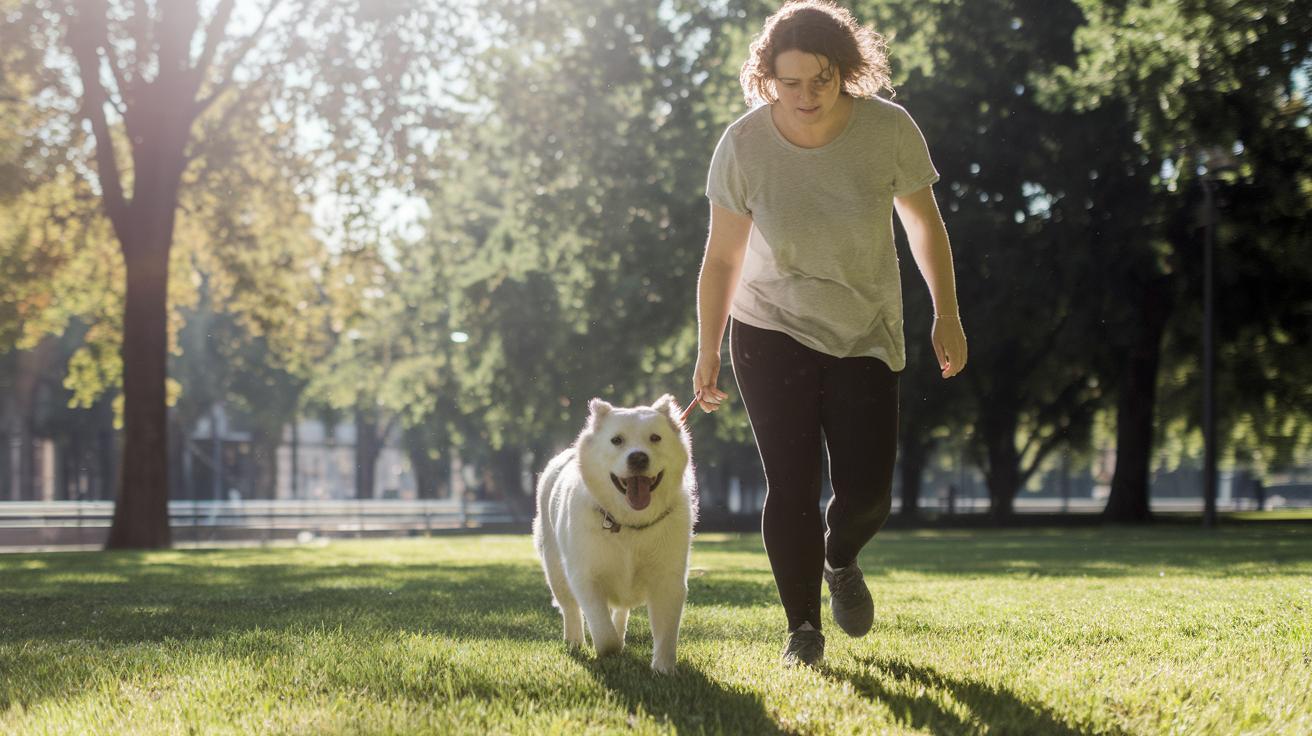
Regular exercise is like a little gift to your pet’s body and mood. Moving around helps with keeping a healthy weight, easing joint stiffness, and even calms any extra jitters they might have. It’s a simple way to help your furry buddy feel balanced and full of life.
Every day, a bit of movement makes a big difference. Imagine the joy of a playful romp that clears their mind and fills the day with a burst of energy. It’s fun, refreshing, and can even help reduce behaviors that might bother them.
- Brisk walks for about 20–30 minutes daily.
- Play sessions that last around 15–20 minutes, twice a day.
- A swim session for 15–30 minutes, two times a week.
- Little agility drills on a mini course for 10–15 minutes.
- Strength games like tug or some light weight lifting for 10–15 minutes.
Different pets have their own energy levels. High-spirited pals might need up to 60–90 minutes of active fun each day, while a quieter pet can do well with a couple of shorter walks or gentle play. Adjust the exercise based on your pet’s breed, age, and mood. And if your furry friend ever feels extra bouncy or a bit tired, ease into it and keep things safe.
Custom Canine Workout Plans for Vitality
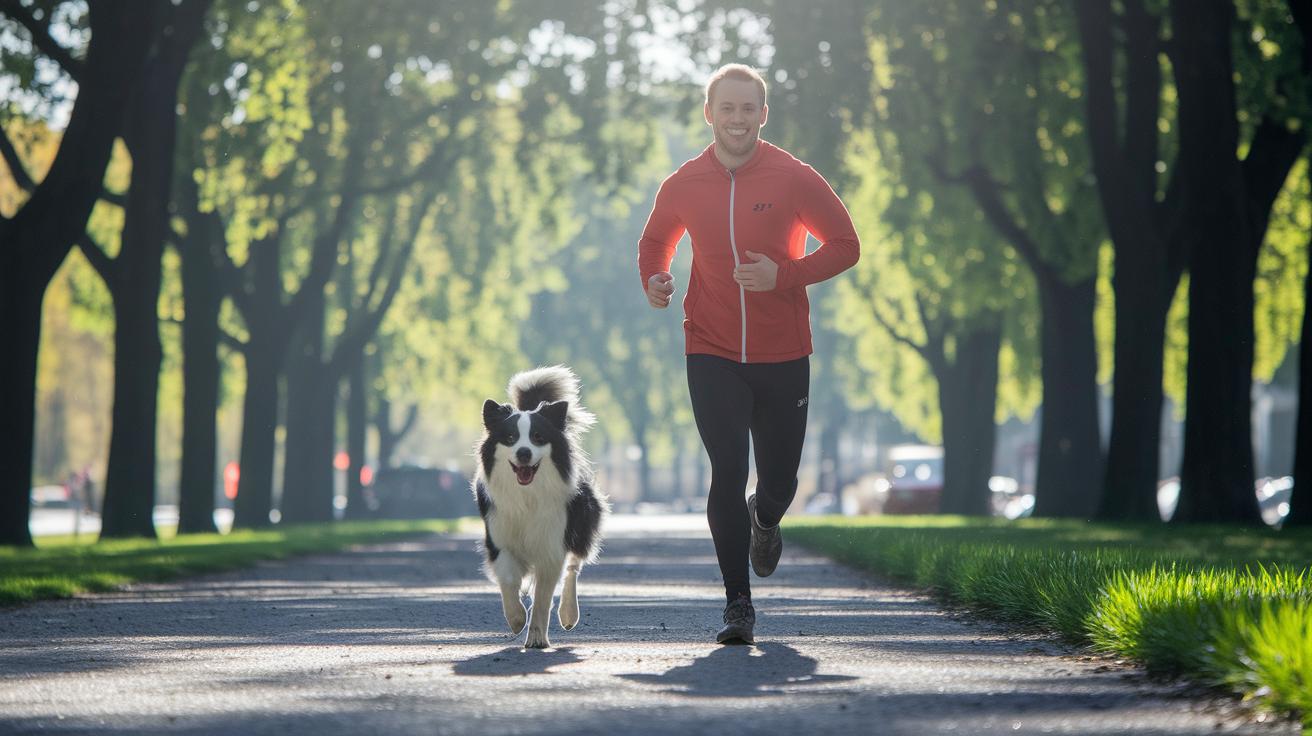
Keeping your dog moving is a wonderful way to help them feel cheerful and strong. Regular exercise lifts their mood, builds muscle, and can even help reduce little misbehaviors. High-energy dogs might enjoy longer mixed activities, while moderate breeds and puppies do best with a few short, playful bursts. This guide makes it easy to match a workout with your dog’s age and energy level.
| Breed/Life Stage | Session Length | Frequency | Exercise Type |
|---|---|---|---|
| High-energy Adults | 60–90 min | Daily | Mixed cardio and strength |
| Moderate Breeds | 45–60 min | Daily | Brisk walk + 15 min fetch |
| Senior Dogs | 10–15 min | 1–2 times daily | Gentle walks or swimming |
| Puppies | 5–10 min | 3 times daily | Play sessions |
Remember, adjust these plans based on your dog's unique energy. If your pup feels extra bouncy, you can add fun agility drills (short training exercises to boost skill and fitness) or extend playtime a little. But if they seem a bit tired, shorter, gentler outings may work best. Always pay attention to your pet's cues and tweak the workout so it stays safe and full of joy.
Feline Activity Schedules to Improve Cat Vitality
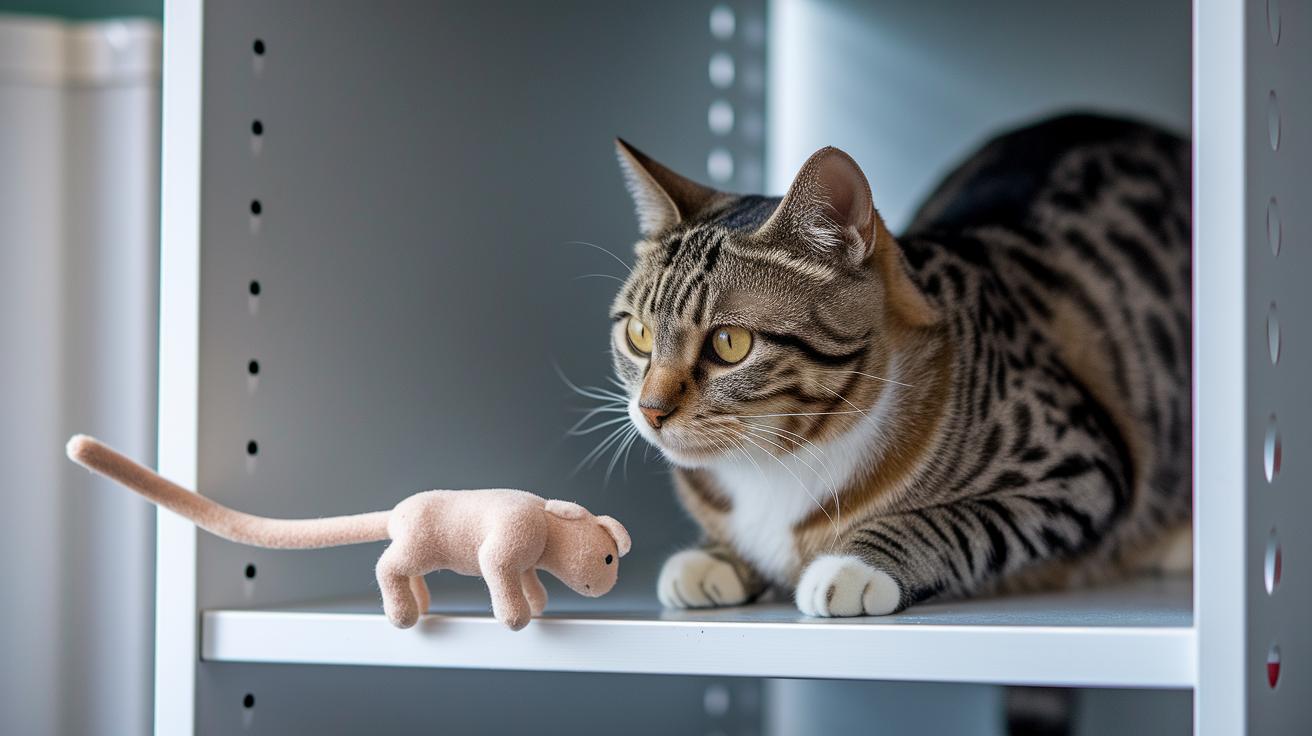
Having a steady routine really makes your cat feel alive. Regular play not only keeps them moving but also sparks their curiosity and lifts their mood. It’s like a little burst of energy and joy that turns playtime into something truly special.
Start your day with a 10–15 minute play session that uses toys mimicking small prey. This helps kickstart their natural hunting instincts in a fun, engaging way. Then, mix in three quick bursts of play, each lasting 30–60 seconds, to get your kitty’s heart pumping (cardio means activities that get the heart beat going).
Next, offer vertical play by encouraging them to jump onto shelves or perches. This not only builds core strength but also sharpens their flexibility. And after all that excitement, wind down with some gentle stretches to ease any muscle tension and keep their joints comfy.
Spread these lively sessions out during the day. This way, your cat enjoys steady energy and balanced relaxation, making every moment as joyful as watching a playful pounce.
Low-Impact Routines and Senior Pet Exercise for Safe Vitality Boosts
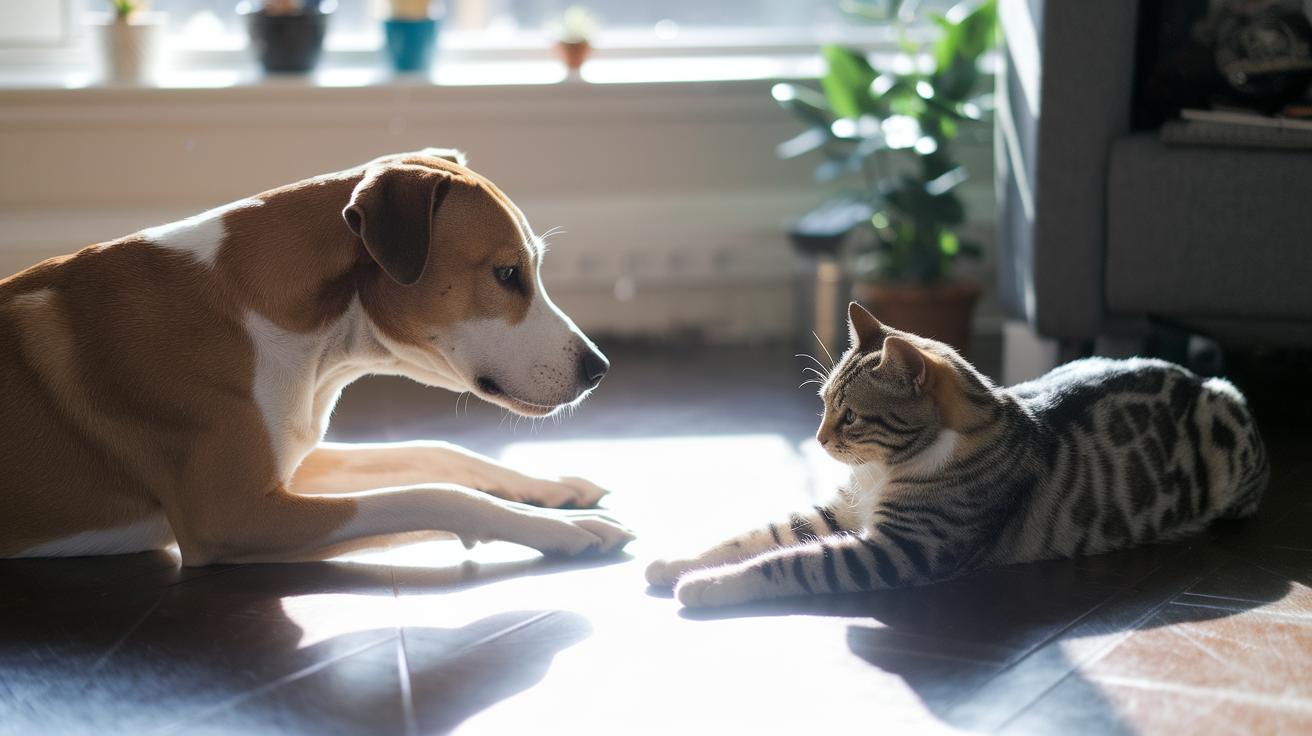
Low-impact activities are a kind way to help your older pet or one recovering from surgery stay active. They ease joint tension, reduce stiffness, and gently keep muscles strong. Imagine those soft steps of a beloved dog or cat as they enjoy a little exercise that keeps their spirit light, even when times are tough.
Tailoring exercise to your pet’s unique needs is key. Slower-paced routines let them build strength slowly without feeling overworked. And when you add in these gentle moves every day, you help prevent sudden strains and support a smooth recovery. It’s about keeping your furry friend comfortable, mobile, and happy day by day.
For example, try a 15- to 20-minute swim or hydrotherapy session two times a week. This can really ease joint stress. Then, go for a slow leash walk for about 10 to 15 minutes one or two times daily to help maintain muscle tone. You could also do a few gentle drills like toe lifts or a sit-to-stand routine, just five minutes per limb, to help boost their range of motion. After surgery, a light massage along with some controlled movement (always following your vet’s guidance) can be a true relief.
| Activity | Details |
|---|---|
| Swimming/Hydrotherapy | 15-20 minutes, twice weekly to ease joint stress |
| Leash Walks | 10-15 minutes, once or twice daily to maintain muscle tone |
| Mobility Drills | Toe lifts and sit-to-stand routines for 5 minutes per limb |
| Post-Surgery Care | Light massage and controlled movement under veterinary care |
Indoor Interactive Workout Games for Pet Energy Stimulation
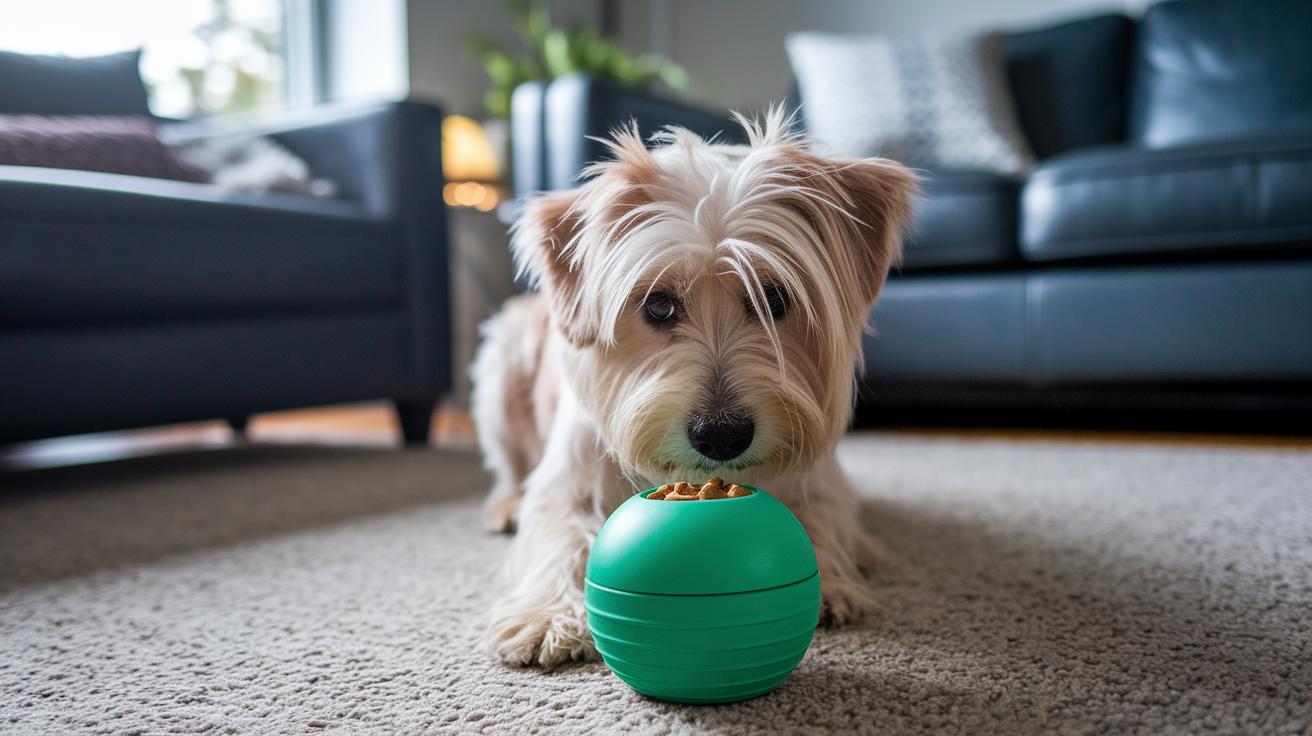
When the weather won't cooperate or you find yourself stuck indoors, indoor games can really come to the rescue for pet parents. These fun activities mix a bit of exercise with playful challenges that both work your pet's body and tickle their mind.
Puzzle feeders and treat-dispensing balls are a great way to get your pet moving and thinking. Try letting your furry friend play with one for about 10–15 minutes, and enjoy watching them solve little puzzles for a tasty bite. It's like watching a mini detective at work, so fun to see!
Hide-and-seek with treats or toys turns your living room into a playful treasure hunt. Hide a favorite chew or toy in a surprising spot for about 15–20 minutes and watch your pet sniff around with excitement, as if they’re on a little adventure.
You can even set up a DIY obstacle course using furniture or tunnels to create a mini gym right at home. Spend 10–20 minutes mixing quick sprints with gentle pauses, and switch up the course regularly to keep things fresh and exciting. Your pet will be eager for the next fun challenge every time!
Safety Guidelines and Planning for Pet Exercise Routines
Start each session with a gentle warm-up. Spend about 5–10 minutes on a relaxing walk or some easy play to get your pet moving and ready. Then, when you're finishing up, slow things down with a cool-down routine. Think about 5 minutes of a slow walk and a few stretches to help ease your pet’s muscles, making the exercise both safe and enjoyable.
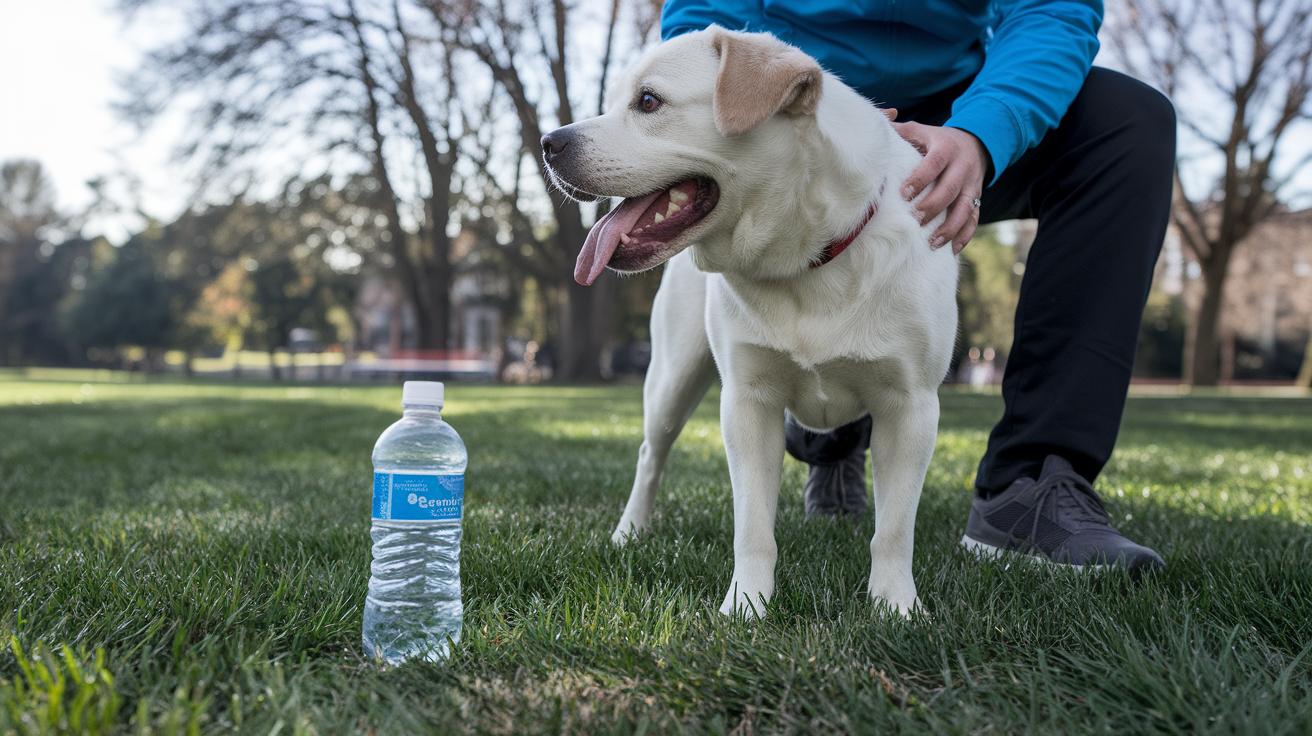
During the workout, pause every 10–15 minutes for a quick water break. This helps your pet stay refreshed. It’s also smart to check their paw pads and joints before and after the session. A quick look will help you catch any signs of discomfort early, so you can easily adjust the activity if needed.
You might want to track your progress by using a pet health app (a digital tool for monitoring workout details). This nifty app lets you log session lengths and intensity, making it simple to tailor workouts to your pet’s energy levels and overall well-being.
Final Words
In the action, we explored practical ways to improve pet wellness and energy. We talked about exercise tips for dogs, cats, seniors, and even indoor game ideas that mix fun with fitness.
You learned how to adapt exercises to suit different pet needs. The routines, from brisk walks to agility drills, offer the best exercise routines to boost pet vitality.
Keep working these routines and enjoy every playful moment with your furry friend.
FAQ
What are the best exercise routines to boost pet vitality at home, for beginners, and in 2022?
The best routines for boosting pet vitality include brisk walks, interactive play, and gentle strength drills at home. These activities work well for beginners and adapt over time, supporting both physical and mental well-being.
What are lazy ways to exercise your dog and what exercises can you do with your dog at home?
Lazy ways to exercise your dog include easy indoor games like fetch or tug-of-war, which keep dogs active in a fun, relaxed way without needing long walks or high-energy sessions.
What are common dog fitness exercises and do exercise needs vary by breed?
Common dog fitness activities include brisk walks, light agility drills, and gentle strength routines. Exercise needs do vary by breed, with high-energy dogs requiring more vigorous movement and smaller breeds needing milder routines.
What are effective ways to exercise your dog without walking?
To exercise your dog without walking, try indoor play with interactive toys, simple agility drills, or mind-stimulating games that encourage movement while keeping your pup engaged and active.
What is the best exercise for overall pet vitality?
Combining moderate activities like brisk walks with playful interactions is the best way to boost overall pet vitality. This mix supports a healthy balance of cardiovascular strength, muscle tone, and mental stimulation.
Can you increase a dog’s stamina through exercise?
Increasing a dog’s stamina is possible with regular, varied workouts that include brisk walks, engaging play sessions, and light strength training. These exercises help build endurance and improve overall fitness.
Is 2:30 minutes of walking enough for dogs?
A 2:30 minute walk is generally too short for most dogs. Most pets benefit from at least 15–30 minutes of walking to support adequate exercise and to keep them mentally stimulated.
What exercises effectively strengthen a dog’s back?
Effective back-strengthening exercises for dogs include controlled tug-of-war games and gentle agility drills. These activities support core muscles and improve back strength while keeping your dog safe and engaged.