
Ever thought fresh veggies could be an exciting treat for your pet? Imagine crunching into a bite of carrot or broccoli, it's not just tasty, it can actually boost your pet's health.
These treats help support digestion and even keep their coat shiny while giving a little natural clean to their teeth. Next, we'll share some simple tips on safely mixing these crunchy delights into your pet's meals.
It’s amazing how a few select veggies can add a burst of flavor and healthy benefits to your pet’s everyday diet.
Core Best Vegetables for a Balanced Pet Diet
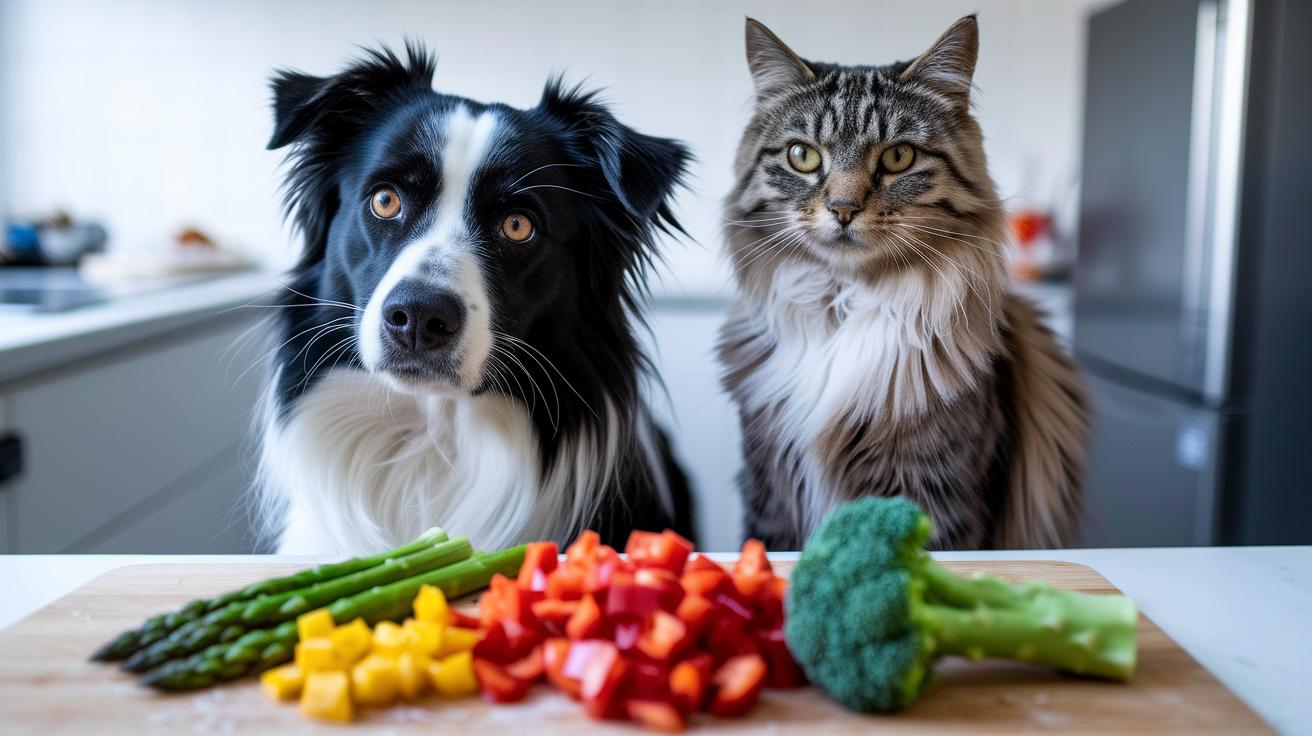
If you care about your pet’s health, fresh vegetables can be a great treat. They can boost your dog’s energy and support your cat’s coat and digestion. Always check with your vet before new foods, and slowly introduce these veggies over 7–10 days. This way, you can watch for any funny reactions.
Cooked asparagus cut into small pieces helps lower the risk of choking and offers vitamins for overall health. Bell peppers, when you remove the stem and dice them, can help give a boost to your pet’s immune system. Broccoli, served in little bits without the thick stem, is a good source of vitamins C and K but should be given in moderation. And those tender, cooked Brussels sprouts? They not only pack vitamins C and K but also help keep digestion running smoothly.
Cabbage is another veggie that can support digestion and even improve coat quality, especially when it’s shredded and cooked. Crunchy carrots bring along beta-carotene and help clean teeth while offering a fun snack texture. Cauliflower, whether you serve it raw in tiny bites or give it a light steam, is gentle on sensitive tummies. Celery and cucumber provide low-calorie hydration, with cucumber also helping to balance blood pressure, and they leave your pet with fresher breath. Green beans in any form can help your furry friend maintain a healthy weight, while thinly sliced lettuce adds extra water and fiber to keep them content. Peas bring along essential B vitamins and potassium that support energy and strong bones.
Pumpkin is famous for its fiber that helps even out digestion, and a little bit of spinach gives antioxidants plus vitamins A, C, and K, just don’t overdo it. Sweet potato is full of fiber, thiamine, niacin, and copper, making it a treat for skin and bone health. Finally, zucchini, with its boost of vitamin C, magnesium, and potassium, is a great finish to this veggie mix, helping to keep your pet’s digestion running gently.
Nutritional Profiles of Top Vegetables for Pet Health
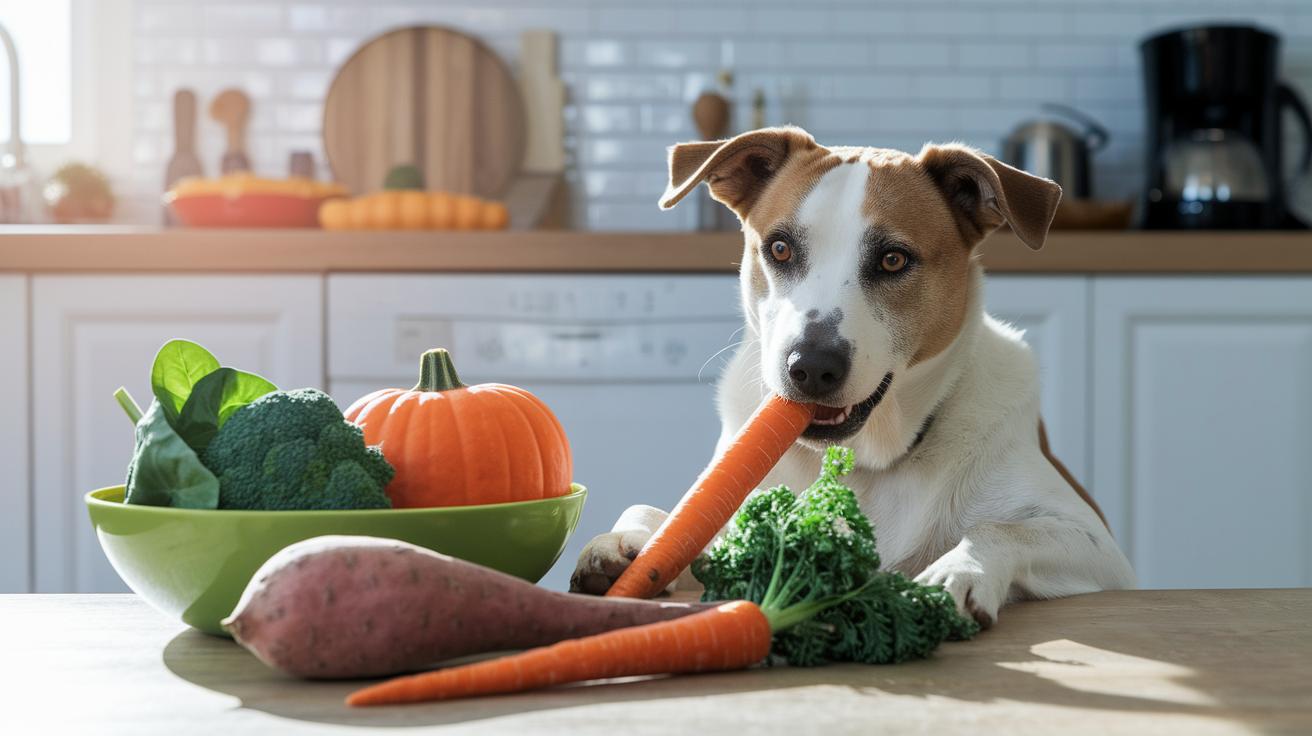
Carrots are delightfully crunchy and help clean your pet's teeth while offering beta-carotene (a nutrient that supports healthy eyes). Spinach is packed with vitamins A, C, and K, plus iron for natural energy and healthy blood, but just a little bit is best because of its oxalate. Broccoli florets are bite-sized powerhouses, giving vitamin C, K, and fiber to support your pet's immune system and strong bones. Pumpkin is smooth on the tummy and full of soluble fiber and vitamin A, which helps keep your pet’s coat shiny. Sweet potatoes bring along fiber, thiamine, niacin, and copper to nourish the skin and boost energy metabolism.
| Vegetable | Key Nutrients | Health Benefits |
|---|---|---|
| Carrot | Beta-carotene, Fiber | Eye support, Dental cleaning |
| Spinach | Vitamins A, C, K, Iron | Natural energy, Blood health |
| Broccoli | Vitamin C, K, Fiber | Immune boost, Bone strength |
| Pumpkin | Soluble Fiber, Vitamin A | Digestion support, Coat health |
| Sweet Potato | Fiber, Thiamine, Niacin, Copper | Skin support, Energy boost |
Safe Serving and Preparation for Vegetable Integration

When you decide to add veggies to your pet’s meals, it's key to do it safely and with care. Start by chopping raw vegetables into small, bite-sized pieces so your furry friend can enjoy them without any risk of choking. Picture cutting carrots into little cubes, each piece manageable and easy to chew.
Steaming is another great way to prepare veggies. This method keeps their bright color, natural flavor, and important nutrients intact (nutrients are the good stuff that helps your pet stay healthy). For instance, steaming spinach makes it tender and easier on your pet’s tummy while preserving those valuable vitamins. Just be sure not to add any salt, fats, or oils since these can upset a sensitive stomach.
After cooking, let the vegetables cool down to room temperature before you serve them. A good rule is to start with about 1 teaspoon per 10 pounds of your pet’s body weight, and remember, veggies should make up no more than 5% of their daily calories. So, for example, a 20-pound dog could start with around 2 teaspoons as a gentle introduction.
Keep an eye on your pet’s stool and appetite for the next 3 to 5 days. If you notice any changes or if your pet seems uncomfortable, it’s a smart idea to consult your veterinarian. And if you're looking for more fun ways to mix veggies into balanced meals, check out some vet-approved homemade dog food recipes.
Vegetables to Avoid in Your Pet’s Balanced Diet

Onions, garlic, leeks, shallots, and chives can harm your pet’s red blood cells. This condition, known as hemolytic anemia (a problem where the blood loses its strength), can sneak up on you if you ever mix up a nibble of garlic with a treat.
Rhubarb leaves are another worry. They’re full of oxalates (chemicals that can hurt your pet’s kidneys) and could cause kidney damage when eaten. Mushrooms might seem natural and safe, but they sometimes carry toxins that upset your pet’s tummy or lead to more serious symptoms.
Unripe tomatoes and the green parts of the tomato have a substance called solanine. This chemical can cause stomach upset and other health issues. And while giving a few cooked corn kernels might be okay, corn on the cob itself is a big risk, it can choke your pet or block their intestines.
| Food Item | Risk |
|---|---|
| Onions, garlic, leeks, shallots, and chives | Hemolytic anemia |
| Rhubarb leaves | Kidney damage |
| Mushrooms | Toxins that can upset the stomach |
| Unripe tomatoes/green parts of tomatoes | Contain solanine (causing gastrointestinal upset) |
| Corn on the cob | Choking hazard or intestinal blockage |
Instead of these risky options, why not opt for safe greens like spinach or lettuce? They add variety to your pet’s balanced diet without the hidden dangers.
Tailoring Vegetable Choices for Dogs vs Cats

Dog-Specific Vegetable Guidelines
Hey there, pet friend! Dogs can enjoy a little veggie treat, too. In fact, about 10% of their daily calories can come from mixed vegetables. Think of tossing in some chopped green beans, carrot slices, peas, or little bits of pumpkin with their regular kibble or lean protein. Imagine how a few tiny pea pearls can boost their vitamin B and fiber, it’s like a small, healthy celebration in their bowl. Start with roughly one teaspoon per 10 pounds of your dog’s weight and slowly add more if everything feels just right in their tummy. Always chop the veggies into small, bite-sized pieces so it’s super safe and easy to chew.
- Pick fresh greens and crispy carrots.
- Combine veggies with a good protein source for a balanced meal.
- Keep the portions low and watch if your dog’s appetite or stool changes.
Cat-Specific Vegetable Guidelines
Now, when it comes to our feline friends, veggies are just a tiny nibble in their mainly meat-loving diet. Cats, being natural carnivores, should get only about 2–5% of their daily calories from vegetables. Many cat owners love giving pure pumpkin because it helps their smooth digestion. A small serving of steamed green beans can also be an occasional treat, and even a few pea pearls might add a gentle boost of vitamin B and fiber if given very sparingly. Just mix these subtle choices with their main protein meals, and always keep an eye out for any signs like loose stool or a bit of gas.
- Stick to minimal amounts to nicely complement their diet.
- Praise gentle options like pure pumpkin or steamed green beans.
- Always monitor your cat’s reaction when introducing new veggies.
Final Words
In the action, we've explored vegetable options that boost immune support, aid digestion, and keep coats shiny. We highlighted how to serve raw and steamed veggies safely while showing care for both dogs and cats.
Remember to start slowly and always check with your vet before making changes. Using the best vegetables for a balanced pet diet can truly lift your pet’s well-being and add a tasty crunch to their meals. Enjoy the process and watch your furry friends thrive.
FAQ
Which fruits and vegetables are safe for dogs?
The list of safe fruits and veggies for dogs includes apples, blueberries, carrots, green beans, pumpkin, and peas. These choices boost energy, support clear vision, and improve overall digestion.
What veggies can dogs eat daily?
The veggies dogs can eat daily include carrots, green beans, and pumpkin. These options are packed with vitamins and are easy on a dog’s tummy when served in bite-sized pieces.
How should you prepare vegetables for dogs?
The best way to prepare vegetables for dogs is to chop them into small pieces or lightly steam them. This keeps their vitamins intact and ensures they’re cool enough to munch on safely.
What vegetables should dogs avoid?
The vegetables dogs should avoid are onions, garlic, raw green tomato parts, and corn on the cob. These can upset a dog’s stomach or cause more serious health problems.
What is the easiest vegetable for a dog to digest?
The easiest vegetable for a dog to digest is cooked pumpkin. It’s soft on the tummy and high in soluble fiber, making it a friendly choice for smoother digestion.
Can I feed my dog chicken and vegetables every day?
Feeding your dog lean chicken along with pet-safe veggies like carrots or green beans daily can offer balanced nutrition. Always check with your vet to get the portions just right.