
Ever notice your pet might seem like they could use a bit more fiber? It might sound simple, but fiber is as important for their stomach as oil is for a smooth-running engine. It helps your pet absorb nutrients better and can ease tummy troubles, like upset stomachs or irregular bathroom visits. With benefits that include easing constipation and keeping energy levels steady, fiber helps your furry friend feel happy and light on their paws. In this chat, we’ll look at how adding fiber to your pet’s meals can make every day more comfortable and healthy.
Why Fiber Matters in Your Pet’s Diet

Fiber might not be a vitamin or mineral, but it helps your pet’s tummy work just right. It keeps bowel movements steady and helps the digestive system stay on track, which is important for any pet, whether you're caring for a young pup or an older cat.
Adding the right amount of fiber can help your pet absorb nutrients more effectively and ward off issues like constipation and upset stomachs. A balanced dose even helps support friendly gut bacteria that keep your pet’s immune system strong. If you’d like to dive deeper into pet nutrition, check out this link for holistic pet nutrition (https://bonsiaai.com?p=703).
- Helps keep bowel movements regular and reduces constipation.
- Supports good gut bacteria that enhance nutrient absorption and overall immunity.
- Balances stool consistency, easing issues like diarrhea or hard stools.
- Makes your pet feel fuller, which may help maintain a healthy weight.
- Slows digestion a bit, so energy is released more steadily and comfortably.
Adding fiber isn’t just about regular meals, it creates a comfortable digestive rhythm that leaves your pet satisfied. It’s like giving your furry friend a cozy routine inside, making sure their tummy has a calm, happy environment. These fiber benefits are simple yet effective ways to give your pet a healthier gut and a better overall life.
Types of Fiber for Optimal Pet Diets
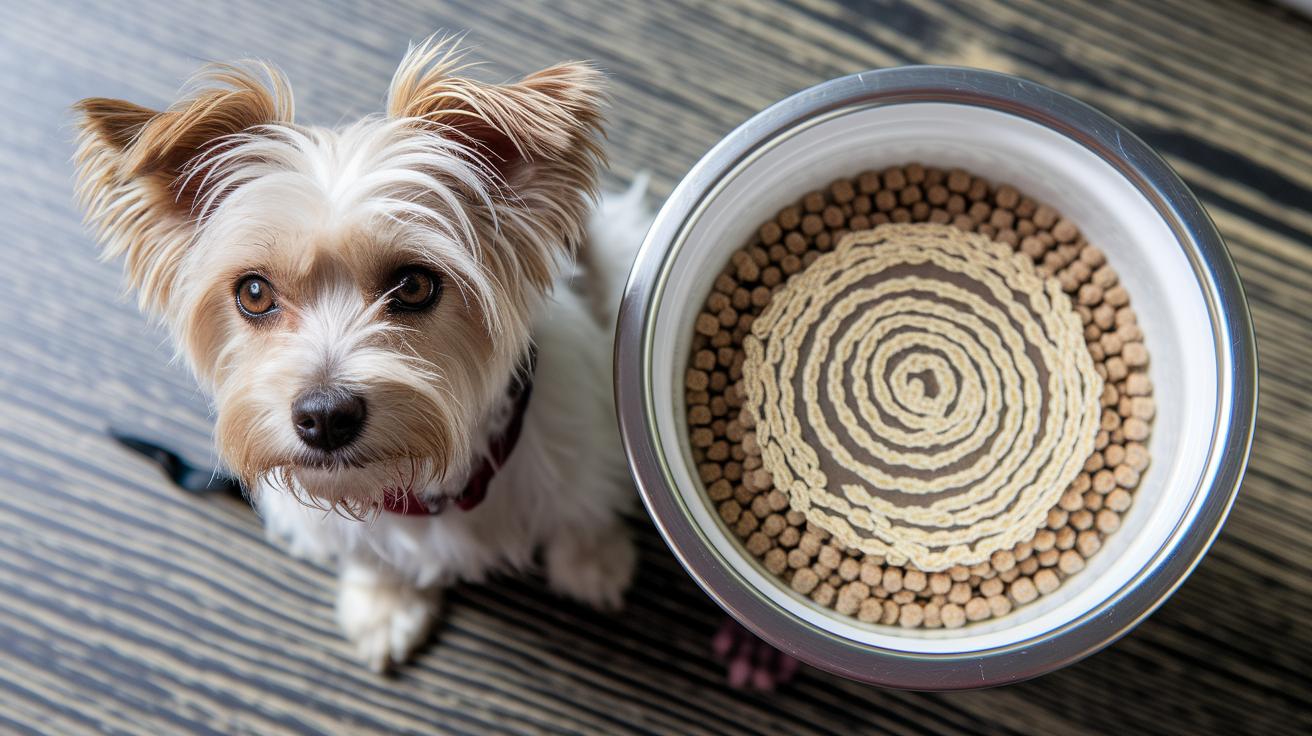
Fiber is a must-have in your pet's diet to keep their tummy working smoothly. There are two main kinds of fiber that support digestion in different ways. When they’re mixed just right, your pet gets all the benefits without issues like loose stools or extra gas. In other words, giving your pet both sugars feeds the good bacteria that help pull nutrients from their food.
Soluble Fiber
Soluble fiber dissolves in water to form a kind of gel in the gut. This gel slows down digestion, so your pet’s food has time to break down slowly. Plus, it nourishes the good bacteria that help keep the digestive system on track. Think of it as a gentle helper that creates a calm, cozy space for your pet’s meal.
Insoluble Fiber
Insoluble fiber, on the other hand, adds bulk to your pet’s stool and helps food move through the intestines faster. It works like a tiny broom that clears out the digestive tract, making sure bowel movements are regular and comfortable. When paired with soluble fiber, it creates a balanced rhythm that keeps your pet happy and healthy.
Recommended Fiber Intake Levels for Dogs and Cats
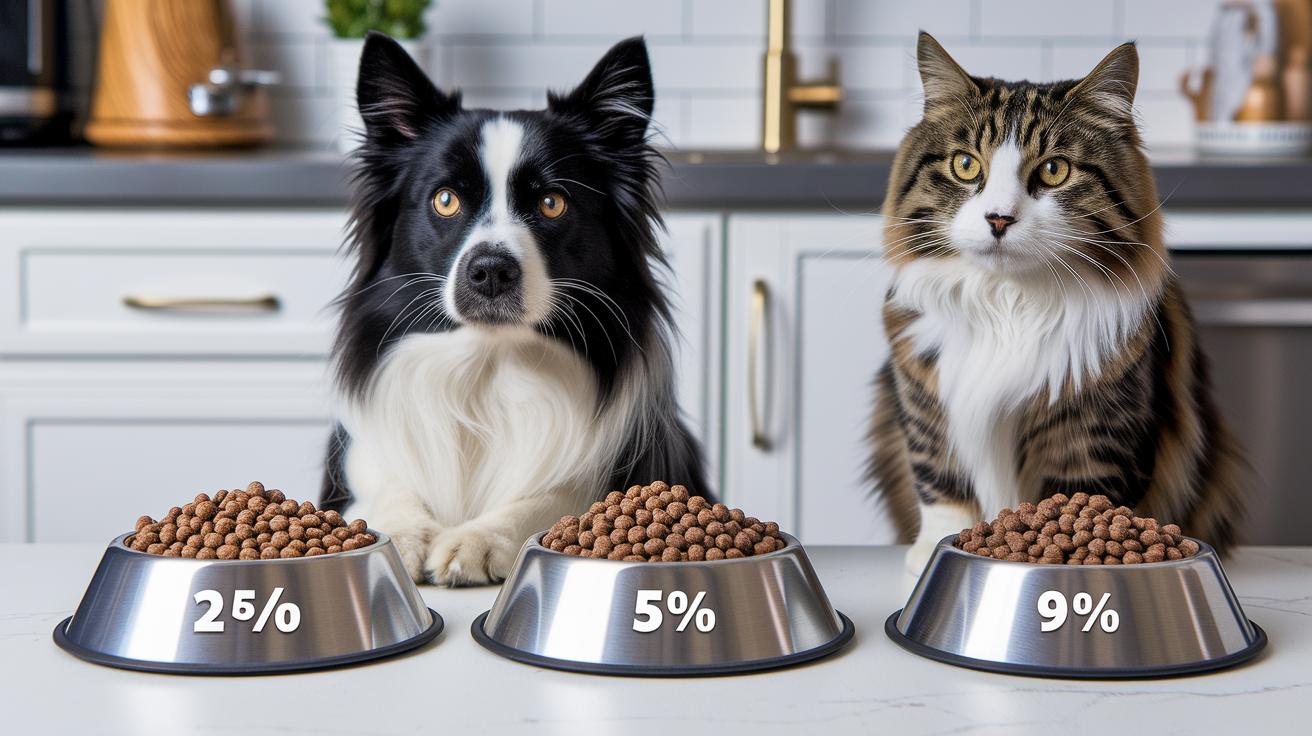
Most pet foods meant for everyday use usually have fiber levels of about 2% to 4%. This helps your dog’s or cat’s tummy work smoothly. When you pick special foods for weight control or extra fiber, the fiber can go up to around 9% or 10%. These higher amounts help keep hunger in check and support a gentle, steady digestion. Many pet owners check advice from the Pet Nutrition Alliance (a trusted source for pet food tips – see https://reipet.com?p=212) to make sure they’re on track.
Both dogs and cats typically do well with a daily fiber (the part of food that helps with digestion) intake of 2% to 5% on a dry food basis. This range helps with regular bowel movements and creates a nice home for the good bacteria in their bellies. Of course, every pet is a bit different. A bouncy little puppy might use fiber in a different way than a quiet, older cat.
It’s always a smart idea to chat with your veterinarian to find the right fiber level for your pet. They can help you think about things like weight, daily activity, and overall health. Adjusting fiber slowly with expert advice makes sure your furry friend gets a balanced diet that feels just right for their digestion.
Top Natural Fiber Ingredients for Pet Meals
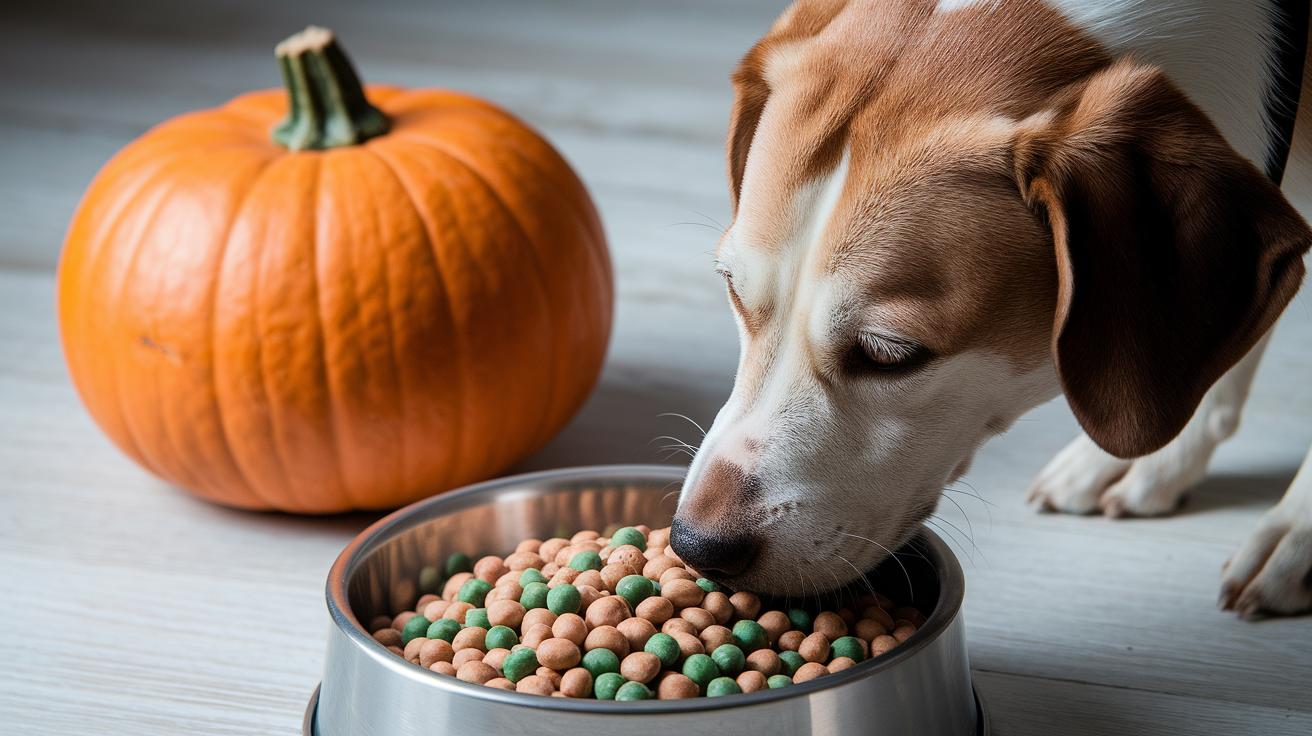
Natural ingredients can make your pet's meal extra special with balanced fiber that supports smooth digestion. Try adding foods like pumpkin, sweet potato, legumes, green beans, peas, and brown rice. These choices not only boost fiber but also deliver extra nutrients your pet will love. For instance, pumpkin and sweet potato are full of soluble fiber (the kind that dissolves in water and forms a gentle gel in your pet’s tummy), while green beans and brown rice give insoluble fiber, which adds bulk and helps keep the digestive system moving.
| Ingredient | Fiber Type | Typical Fiber Content (%) |
|---|---|---|
| Pumpkin | Soluble | 2.7 |
| Sweet Potato | Soluble | 3.3 |
| Green Beans | Insoluble | 2.6 |
| Peas | Soluble + Insoluble | 6.1 |
| Brown Rice | Insoluble | 3.5 |
| Lentils | Soluble + Insoluble | 8.0 |
Figuring out the best mix means thinking about your pet’s unique digestive needs and tastes. Start with a blend of soft, soluble fibers like pumpkin or sweet potato alongside the hearty, insoluble ones such as green beans or brown rice. This gives your pet a balanced meal that helps keep their tummy happy and regular. Experiment a bit with different mixes to see what your pet enjoys most, and soon you'll have every meal feeling wholesome and satisfying.
Fiber’s Role in Weight Management and Blood Sugar Control
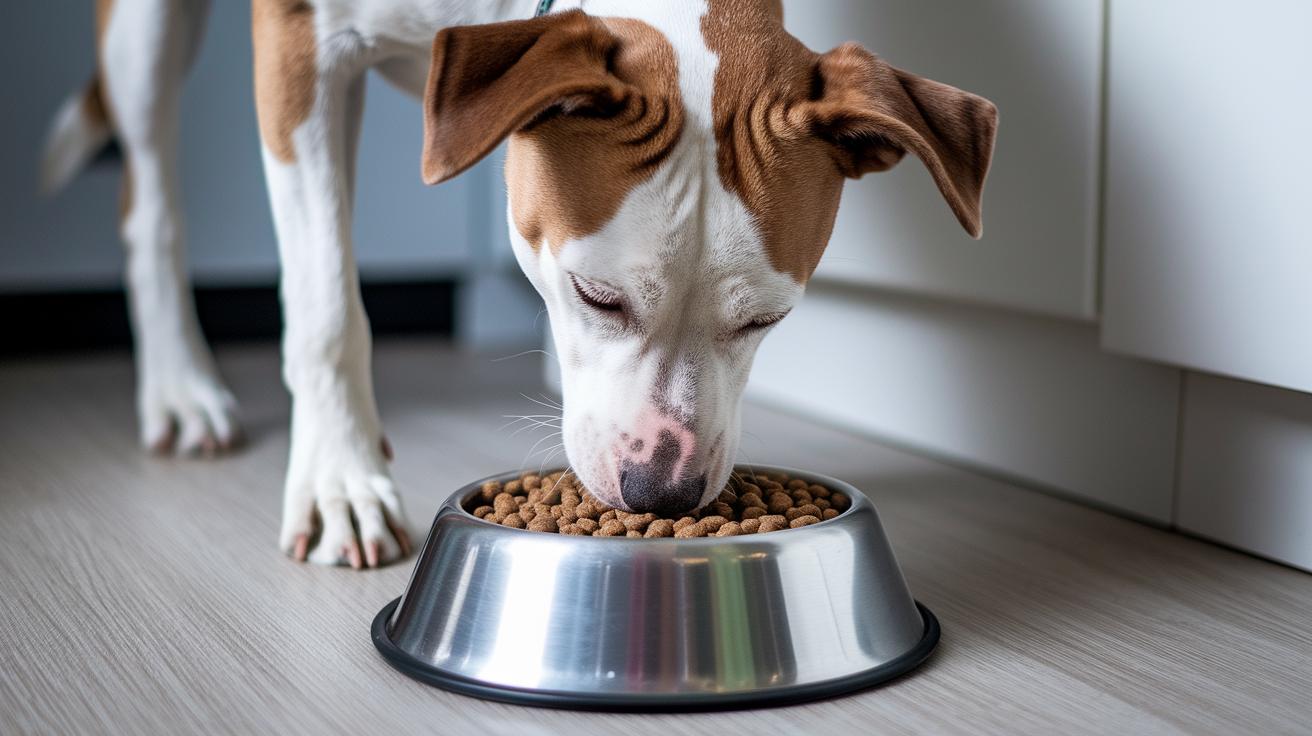
Feeding your pet a meal with lots of fiber, sometimes up to 9 or 10%, helps them feel full for longer. It slows down how fast their stomach empties, so they end up taking in fewer calories, much like when you enjoy a meal that leaves you comfortably satisfied. If you’re interested in more pet weight management ideas, check out these handy tips.
A slower digestion means carbohydrates break down at a gentler pace. This helps avoid sudden spikes in blood sugar, which is especially important for pets with diabetes (a condition where the body struggles to manage sugar levels). With a steadier flow of sugar, your pet can enjoy a more balanced mood and energy throughout the day.
Senior pets often need fewer calories, and adding fiber helps them feel full on a smaller amount of food. This means they get the nutrients they need without excess calories, keeping unwanted weight at bay. In all, the right fiber balance not only helps with weight control but also supports steadier blood sugar levels.
Avoiding Digestive Upsets: Potential Side Effects of Too Much Fiber
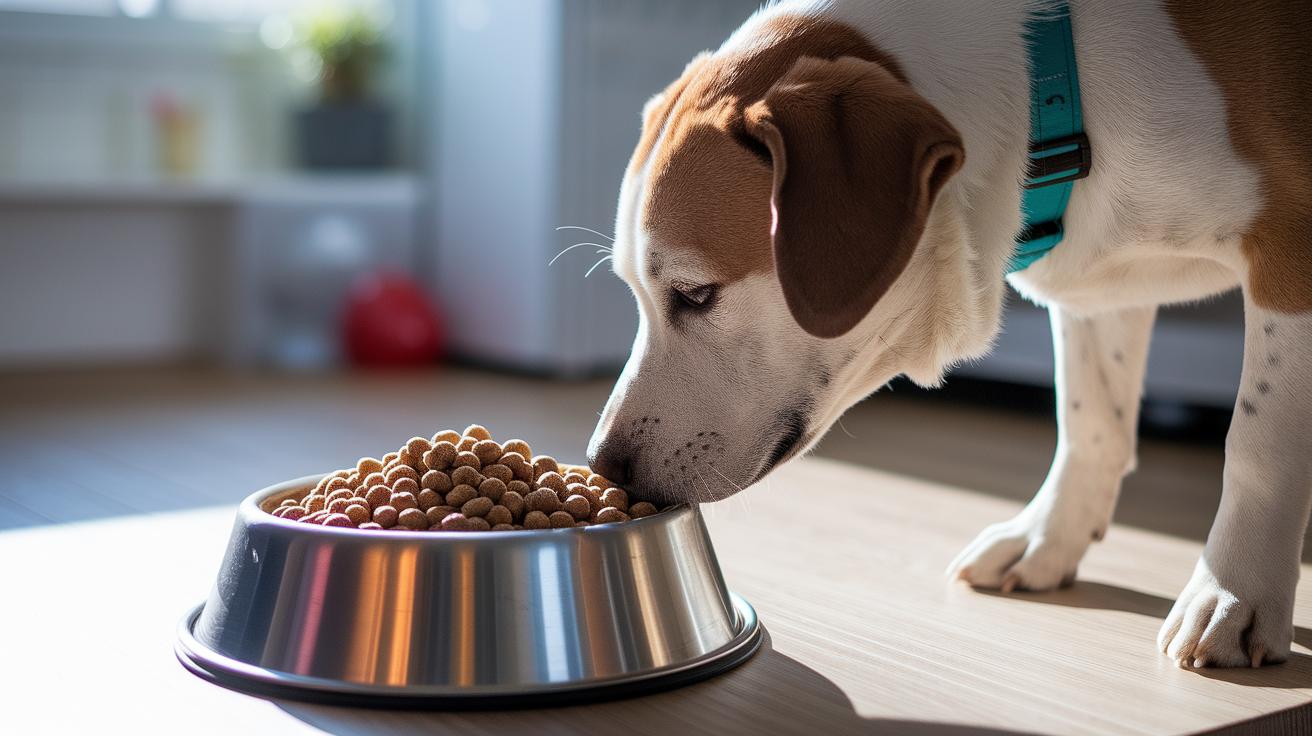
Too much fiber in your pet’s diet can ferment in their tummy, producing extra gas. A little gas is normal, but too much might lead to noticeable flatulence and cause discomfort. If you see these signs, it might be a clue to lower the fiber content. Keep a close eye on your furry friend.
When pets eat a lot of fiber, it can sometimes block the absorption of key minerals (the basic nutrients that keep them strong and healthy). This extra fiber can also cause loose stools or diarrhea, upsetting their digestive balance. Balancing fiber in the diet is really important, so don't hesitate to check in with your vet.
If you're planning to add more fiber, introduce it slowly over several days. This gradual change helps their tummy adjust and cuts down on any discomfort. Regular visits to the vet can also help you find just the right balance for a happy, healthy pet.
Selecting and Preparing High-Fiber Diets for Your Pet
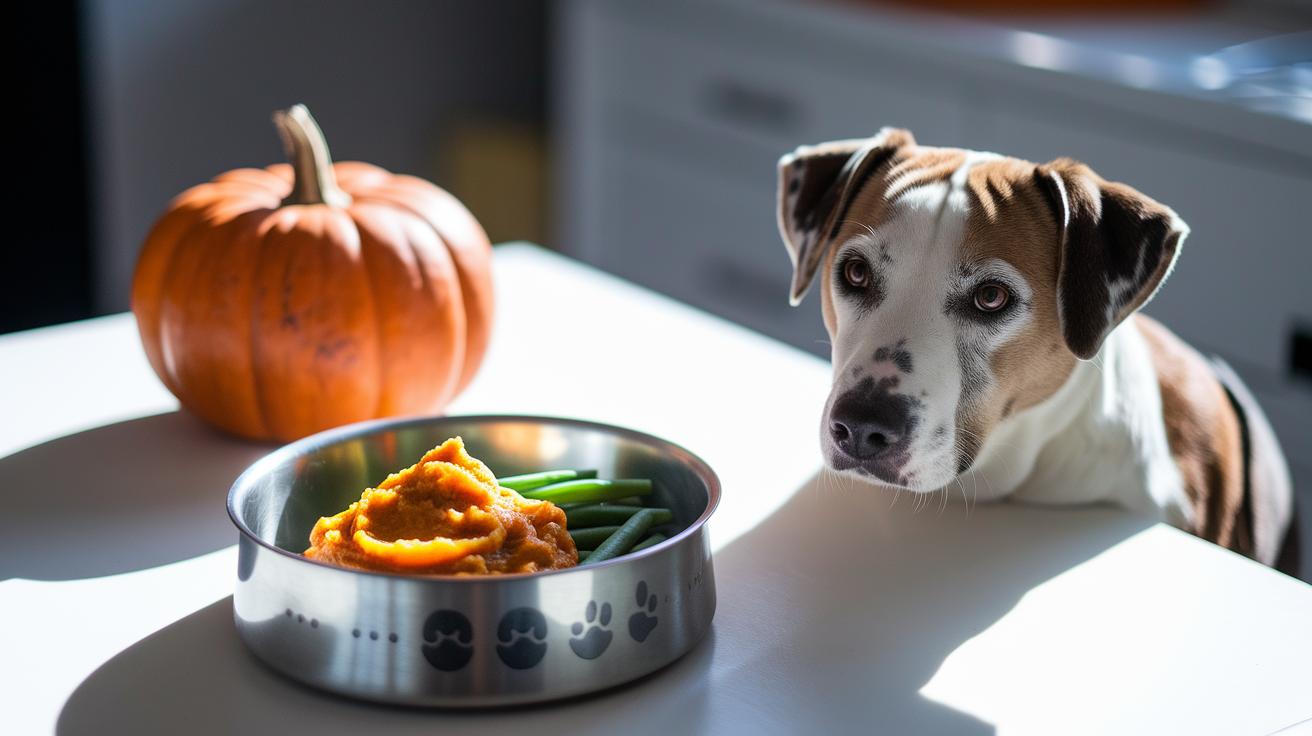
Have you ever thought about jazzing up your pet's meal with some extra fiber? It’s super easy. Try stirring in a spoonful of plain pureed pumpkin, a few steamed green beans, or a bit of plain brown rice into their usual food. These tasty mix-ins not only add fiber to their dish but also help keep their tummy calm and happy.
Remember, when introducing any new food, go slow, about seven to ten days is perfect. This gentle change lets your pet’s stomach get used to the new flavors without any upset. For a bit more guidance, you can check out some vet-approved homemade dog food recipes right here: vet approved homemade dog food recipes. A few extra spoonfuls here and there can give them a nice fiber boost without overwhelming their system.
When you’re looking at commercial pet food, there are formulas made just for boosting digestion and managing weight. Look for options with fiber levels in the 5–10% range. These foods mix the perfect balance of ingredients to release energy slowly while keeping your pet fuller for longer. And, just like with homemade treats, slowly switch to these types of diets over about a week to ten days. Whether you choose a store-bought formula or whip up something at home, both help keep your pet’s digestion smooth and their belly comfy.
Final Words
In the action, this article explored fiber’s role in supporting digestion and maintaining a healthy gut for pets. We unfolded how soluble and insoluble fibers work, showed natural ingredients you can use, and touched on smart eating changes that help with weight control and blood sugar levels.
By embracing the importance of fiber in a pet diet, you can keep your pet feeling fuller and healthier. Simple, mindful adjustments make a big difference, paving the way for a more energetic, well-balanced pet.
FAQ
How to add fiber to a dog’s diet naturally and what foods are high in fiber for dogs?
Adding fiber naturally means using foods like pumpkin, sweet potato, and green beans. These natural ingredients boost healthy digestion while gently aiding in regular bowel movements.
How does fiber help with a dog’s digestion, anal glands, and bowel movements?
Fiber supports digestion by easing stool passage and helping maintain clean anal glands. It regulates bowel movements, reducing pressure on glands and promoting a smoother, more comfortable process for your pet.
What high-fiber options work for small breed dogs and dogs on a raw diet?
For small breeds or dogs on raw diets, offering small amounts of fiber from fruits and veggies like pumpkin or green beans can smoothly supplement their meals and improve digestion without upsetting their stomach.
How does fiber help dogs with diarrhea?
Fiber absorbs excess water in the gut and helps firm up loose stools, which stabilizes the digestive process. It offers a gentle way to soothe diarrhea and support overall gut health in your dog.
What role does fiber play in a pet’s diet and why is it important?
Fiber helps regulate bowel movements and nourishes beneficial gut microbes, leading to better nutrient absorption and immune support. It is vital for maintaining balanced digestion and overall pet health.
What happens if dogs don’t get enough fiber in their diet?
Without enough fiber, dogs may experience irregular bowel movements or constipation. A lack of dietary fiber can also lower the levels of helpful gut bacteria needed for efficient digestion.
Is a high-fiber diet good for dogs?
A well-balanced high-fiber diet can boost satiety, support weight control, and promote regular digestion in dogs. It works best when introduced gradually and with guidance from a veterinarian.