
Ever wonder if changing your pet’s meals could ease their arthritis pain? It might sound too simple, but a few small tweaks to their diet can help ease stiff joints.
Imagine your pet enjoying a bowl full of good stuff, meals with omega-3 fatty acids (the healthy fats found in fish oil), balanced proteins, and antioxidants (nutrients that protect their cells), all working together like a gentle massage on their joints.
In this chat, we’ll explore how these tasty, healthy changes may soothe discomfort and help your furry friend stay active and happy.
Dietary Strategies to Ease Arthritis in Pets

One of the best ways to help your pet’s joints is by adding foods rich in omega-3 fatty acids. These good fats (the ones that help reduce swelling) are like a warm hug for tired joints. Imagine serving your furry friend a bit of salmon that not only tastes great but also eases their discomfort.
Balanced protein is another must. When your pet gets plenty of quality protein, it builds strong muscles that support their joints, much like a runner fueling up with the right snacks before a race. It’s all about giving them that extra boost to help keep them moving smoothly.
Carrying extra weight can really put stress on aching joints. Many pets are a bit over their ideal weight, which can worsen inflammation. That’s where antioxidants come in. Found in fruits and veggies, think crisp apples or leafy greens, these nutrients act like a gentle shield, protecting delicate joint tissues as if they were oil preventing a door from squeaking.
The key is a consistent, balanced daily routine. Measure out food portions carefully and adjust them based on your pet’s energy levels and health needs. Mixing in omega-3 sources, high-quality proteins, and antioxidant-rich produce day by day can make a noticeable difference. And remember, always check with your veterinarian when making changes to your pet’s diet.
Key Anti-Inflammatory Diet Nutrients for Joint Health

Whole foods packed with natural goodness can really soothe your pet's arthritic joints. Research shows that feeding them ingredients with natural anti-inflammatory powers acts like a gentle reset for their body. For example, salmon is bursting with EPA and DHA fatty acids (types of healthy fats that help reduce swelling) and has been linked to less joint discomfort. It’s a simple way to give your pet a boost of natural comfort throughout the day.
Turmeric is a standout ingredient because its curcumin helps block those pesky signals that trigger inflammation, like NF-κB (a protein that can start the inflammation process). Fruits and veggies like cranberries, carrots, and kale bring vitamins A and C along with polyphenols (plant compounds that protect cells) to the mix. Sweet potatoes and quinoa offer fiber to keep the gut happy and help lower inflammation. And leafy greens? They deliver vitamin E to keep tissues strong and joints moving smoothly.
Dietary Supplements and Functional Ingredients to Support Mobility
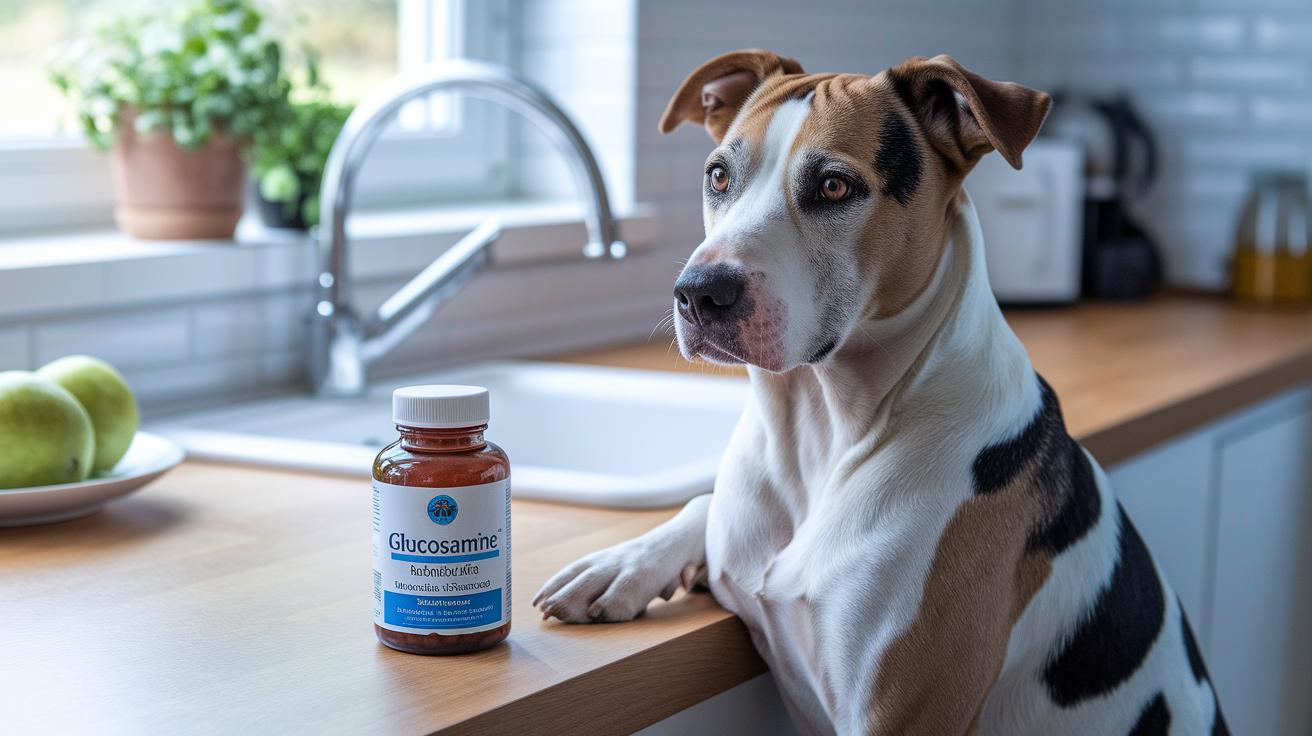
Veterinary experts often suggest adding supplements to your pet’s diet as little helpers that keep their joints feeling good. These special nutrients work together to care for your furry friend’s cartilage and ease joint discomfort. For example, glucosamine and chondroitin rebuild and protect the cushion (cartilage) for smooth movement. And when combined with MSM, which helps make collagen (a key protein in your pet’s body), joint aches might feel less bothersome. Hyaluronic acid keeps that cushioning fluid in the joints silky, while natural extracts like boswellia and devil’s claw work gently to calm inflammation, making every step a bit easier.
These supplements fit into a balanced plan that your veterinarian can guide you through, helping to boost your pet’s overall mobility. The exact amounts depend on your pet’s weight and specific needs. Below is a quick look at some common joint care helpers:
| Supplement | How It Helps |
|---|---|
| Glucosamine | Works to repair cartilage and support joint structure; the dose usually depends on your pet’s weight. |
| Chondroitin | Helps slow down cartilage wear, with dosages adjusted based on weight. |
| MSM | Supports collagen production and may ease joint pain when used with glucosamine; typically measured in mg per kilogram. |
| Hyaluronic Acid | Keeps the liquid in joints smooth and cushioned; dosages vary by pet size. |
| Boswellia | Acts like a natural anti-inflammatory, helping to ease joint stiffness as recommended by your vet. |
| Devil’s Claw | Helps reduce certain inflammation signals; its dosage is carefully tailored to your pet’s weight. |
Always follow your veterinarian’s advice when adding these supplements to your pet’s diet. Adjustments based on your pet’s weight and needs are key to keeping them happy, active, and moving with ease.
Portion Control and Diet Adjustments for Weight Management in Arthritic Pets

Extra pounds can put a lot of pressure on your pet’s joints, making arthritis flare-ups even more painful. Studies say about 52.5% of dogs and cats carry more weight than they should. It’s a bit like overfilling a cup, too much, and things just spill over, causing inflammation and discomfort.
Adjusting your pet's meals based on their body condition and daily play helps keep calories in check while still giving them important nutrients. Using measured bowls and sticking to a regular feeding schedule is like setting a routine that keeps those joints happy and strong.
Try some simple steps: use a measuring cup for each meal and keep a feeding log to track any changes in your pet’s weight and mobility. Pairing just the right amount of food with moderate exercise not only helps build lean muscle but also eases joint pain. And, of course, regular visits with your vet can guide you in fine-tuning these portions as your pet’s needs change. For more ideas on portion control, check out the Pet Weight Management Tips link.
Diet Options: Homemade vs Commercial Meals for Arthritic Pets

Homemade Anti-Inflammatory Recipes
When you whip up meals at home, you get to choose every single ingredient for your pet. For example, one vet suggestion mixes salmon with brown rice and steamed veggies. This dish gives your pet omega-3 (good fats that help soothe joints) and antioxidants that may help calm inflammation. Another idea is to blend lean chicken with sweet potatoes and just a pinch of turmeric. It’s a tasty way to offer natural anti-inflammatory benefits along with essential vitamins. One more recipe uses turkey combined with quinoa, chopped carrots, and kale to keep a balanced protein mix and add fiber for a happy tummy. Always swap in a safe alternative if your pet has allergies, say, using oatmeal instead of brown rice, and steer clear of too much salt or toxic ingredients like onion or garlic. For extra ideas, check out Vet Approved Homemade Dog Food Recipes.
Selecting Joint-Friendly Commercial Diets
Commercial diets are all about convenience and quality. They come packed with carefully tested ingredients that meet veterinary nutrition standards. When choosing these meals, take a close look at the label for a balanced mix of proteins, fats, and carbohydrates. It’s also smart to verify if the ingredients have been third-party tested for safety, especially for pets with arthritis. Look for key joint-supporting nutrients such as omega-3 fatty acids, antioxidants, and high-quality proteins. Many brands, like Rosie’s Beef N’ Rice or Tuxedo’s Chicken & Yams, are designed specifically to ease joint discomfort in pets. Always examine the label to ensure it has low preservative levels, since too many additives might not sit well with a sensitive stomach. If you’re ever in doubt about the best choice, consider exploring Holistic Pet Health Care Approaches for trusted guidance. Finding the right balance between nutritional benefits and potential risks helps you decide if a homemade meal or a commercial diet is the way to go for keeping your pet’s joints steady and comfortable.
Monitoring and Adjusting Your Pet’s Arthritis Diet Plan

Keep a close eye on your pet’s movements and how they carry their body. It’s like noticing the difference between a lively stroll and a sluggish shuffle. Use a simple feeding calculator or jot things down in a log to track what they eat, their weight, and how active they are each day.
Watch for any changes in joint stiffness or pain, kind of like checking if a once-bouncy step becomes hesitant. These little shifts tell you if the diet is helping or if a small change might be needed. Also, don’t skip those vet visits every three to six months. The vet can do a joint check and run blood tests to see if those nutrient levels and inflammation markers look right, just like a routine check-up for you.
Then, based on what you observe, adjust your pet’s meals slowly and safely. Maybe tweak the ingredient ratios or change the supplement amounts bit by bit. Write down each tweak to see if lighter meals help improve their movement. And remember, always work with your veterinarian when changing your pet’s diet. This way, you’re keeping every step safe and effective, helping to avoid tummy troubles from too many pain medicines and making sure their digestive system stays balanced with the right probiotics.
Final Words
In the action from nutrient-rich meals to practical portion control, we explored key dietary tweaks that ease joint discomfort. Focusing on omega-3 fatty acids, antioxidants, and safe supplements, these pet diet modifications for arthritis relief lay the groundwork for happier, more agile pets.
We also compared homemade recipes with quality-tested commercial diets and emphasized the need to monitor progress. Every tip helps brighten pet health one meal at a time. Here's to thriving pets and joyful care.
FAQ
What are the best pet diet modifications for arthritis relief and the best diet for a dog with arthritis?
The best pet diet modifications for arthritis relief include adding omega-3 fatty acids, controlled portions, antioxidants, and balanced protein to support joint health while preventing extra weight that may stress the joints.
How can I help my dog with arthritis naturally and what natural anti-inflammatory options exist for dogs with arthritis?
Helping your dog naturally with arthritis means including ingredients with natural anti-inflammatory properties like turmeric and omega-3 rich foods, which help reduce joint swelling and ease pain.
What is the best dry dog food for arthritis and the best anti-inflammatory dog food?
The best dry dog foods for arthritis focus on high-quality protein, omega-3 enrichment, and antioxidants. They are formulated to support joint health by reducing inflammation and maintaining muscle around the joints.
What can I give my dog for joint pain at home and for arthritis pain?
For joint and arthritis pain management at home, supplements like glucosamine, chondroitin, and MSM can support cartilage health, but always check with your veterinarian for proper dosage based on your dog’s weight and needs.
What dog foods are vet recommended for arthritis and what do vets suggest for dogs with arthritis?
Veterinarians often recommend diets rich in omega-3 fatty acids, antioxidants, and balanced proteins to help manage arthritis in dogs. Such diets aim to reduce joint inflammation and maintain overall joint comfort.
What is the best arthritis medicine for dogs over the counter?
Over-the-counter arthritis medicine for dogs generally includes options like NSAIDs for short-term pain relief; however, it is crucial to consult your veterinarian to determine the right medication and dosage for your pet.