
Ever notice how your pet’s energy might change with the seasons? When the weather shifts, even our furry friends can use a little menu update. Imagine a summer pup enjoying a cool, refreshing meal or a winter pet savoring a warm, hearty bite. These little tweaks can lift their mood and boost their energy. Here, I’ll share some easy ideas to help your pet feel lively and happy with every meal.
Seasonal Nutrition Overhaul: Overview of Adjustments to Your Pet’s Diet

As the weather shifts, our pets need a little extra care to stay happy and healthy. Their basic food stays the same, but a bit of tweaking can make all the difference when it’s hot out or super cold. For example, during the summer, a dog might enjoy foods that are lighter and packed with moisture to keep them refreshed.
Longer days and brighter sunshine can even bring changes in your pet’s energy and mood. Ever notice how a playful pup behaves differently when it’s sunny? That’s why switching up their meals with the seasons can really work wonders. These changes help keep your furry friend lively and satisfied, bite after bite.
Here are a few things to consider when you’re planning their seasonal menu:
| What’s Affected | Why It Matters |
|---|---|
| Temperature and energy use | Helps keep them comfortable and active |
| Hydration needs | Makes sure they’re getting enough water |
| Activity level | Supports energy matching their play or rest |
| Seasonal ingredients | Fresh options change with the market |
| Metabolic changes | Their body might need different calories |
Keep a close watch on your pet’s daily habits. When you notice changes in energy, appetite, or even their body shape, it can be a sign that a little tweak in their food is needed. Adding juicy fruits during a warm summer or offering warm, calorie-rich treats in the winter can help them adjust. By checking in regularly, you’ll keep their energy steady and bellies happy throughout every season.
Summer Seasonal Adjustments to Your Pet Diet: Hydration and Meal Tweaks
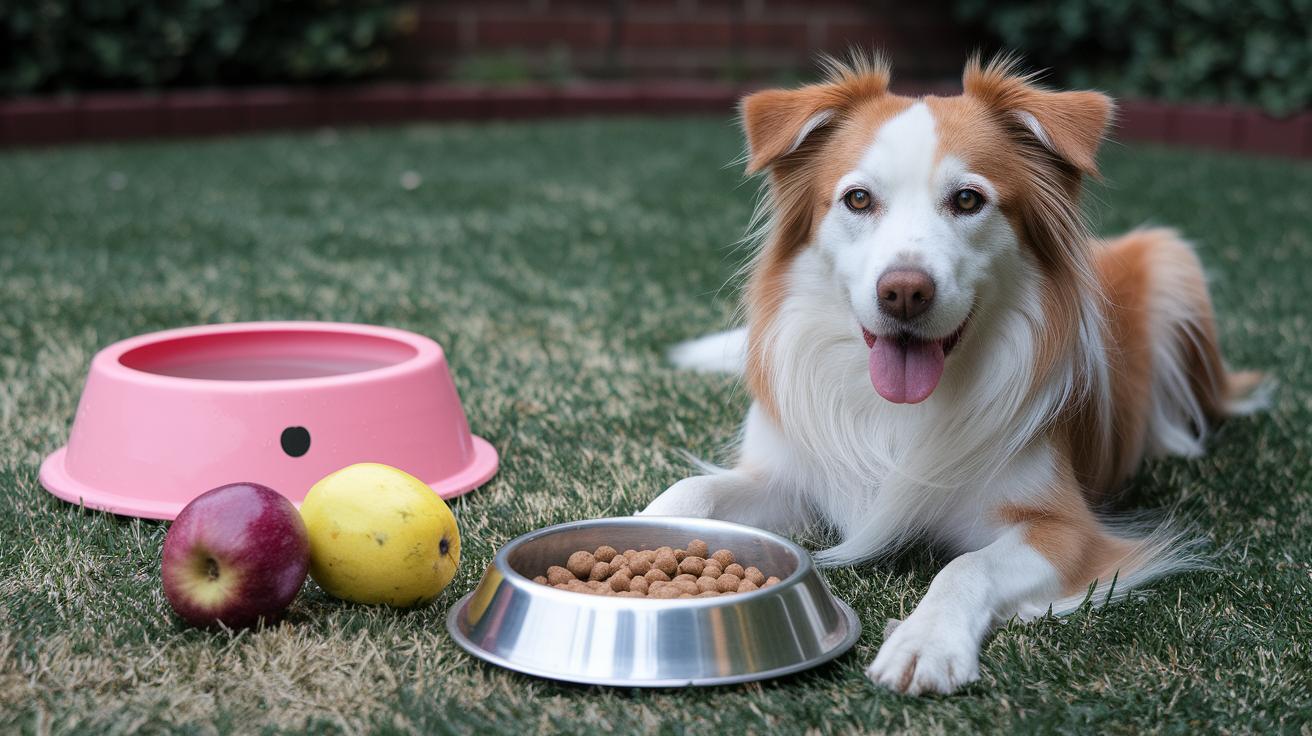
When the sun is strong and the days get warm, our furry friends can really benefit from a lighter, water-packed meal plan. During the heat, pets, whether dogs or cats, often crave food that’s full of moisture instead of heavy meals. This little switch-up keeps their bellies comfortable and their energy levels steady without pushing them to overheat. Try mixing in some wet food with pet-approved fruits and veggies; it’s a simple trick that can work wonders. You might even explore some nutrient-boosting summer recipes (check out "Holistic Pet Nutrition" at https://reipet.com?p=227) and make sure to watch their water intake using easy tools like "Pet Health Tracking Devices" (https://bonsiaai.com?p=1181).
Canine Summer Diet Tweaks
For our loyal canine pals, hydration is the name of the game on hot days. Consider serving a bit of chilled kibble, frozen broth cubes, or even sprinkling water-rich toppers over their food. These small meal changes can help cool them down and keep their energy up, making those sunny afternoons more fun for everyone.
Feline Summer Snack Innovations
Our feline friends can enjoy summer too with some refreshing treats. How about trying tuna ice cubes, chilled pureed blends, or a yummy moisture-packed pâté? These treats not only offer a cool break from the usual food but also help keep your cat happily hydrated while adding a little extra excitement to snack time.
| Ingredient | Hydration Benefit | Serving Suggestion |
|---|---|---|
| Watermelon | High water content | 1–2 small cubes |
| Cucumber | Electrolyte support | Thin slices |
| Wet food | Added moisture | ¼ cup mixed with kibble |
| Coconut water | Natural electrolytes | 1 tbsp per serving |
Keeping an eye on how much your pet eats, using fresh ingredients, and making sure they’re well-hydrated can really boost their energy during summer. With these friendly tips, you can rest easy knowing your pet is comfortable, nourished, and ready to enjoy each sunny, playful day.
Autumn and Winter Seasonal Adjustments to Your Pet Diet
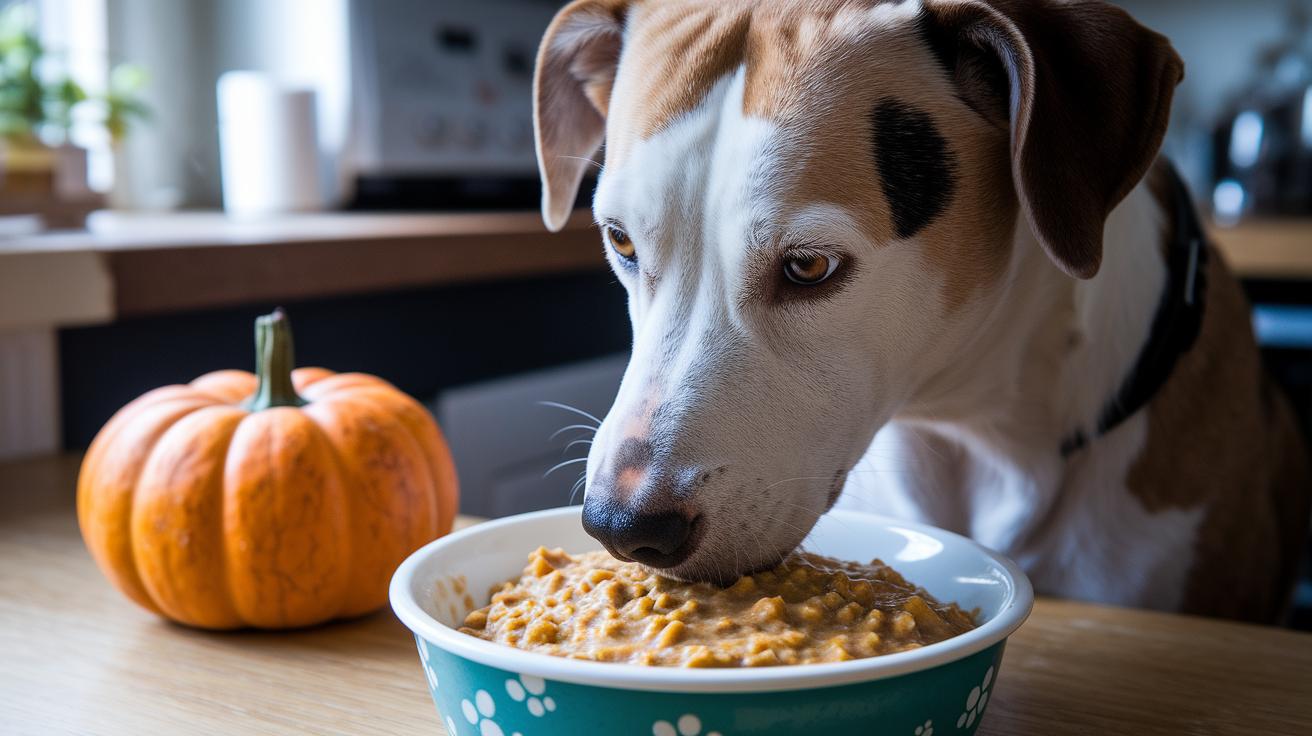
As the days shorten and the air gets a bit chilly, your pet might start burning extra calories just to keep warm or even slow down a bit. A small change in meal timing or size can help keep things balanced. Try spacing out meals a little more or slightly cutting back on portions during these colder months to help maintain a steady weight and energy level.
Adding warm and comforting ingredients to your pet's diet can also make mealtime feel like a cozy treat. Think about mixing in some cooked pumpkin or oatmeal blends (oatmeal: a soft, warm grain that many pets enjoy). These additions not only boost calorie intake just enough to keep your pet fueled in the cold but also add a comforting flavor that feels just right.
When your pet’s activity slows down with the cooler weather, adjusting feeding schedules can be really helpful. Keep a close eye on your pet’s body condition and adjust how often and how much you feed them. Simple check-ins using tips from Pet Weight Management (tips: advice on keeping your pet's weight just right) can ensure your furry friend stays comfortable and happy all through autumn and winter.
Seasonal Adjustments to Your Pet Diet: Boost Vitality

Keeping your pet’s meals exciting isn’t just fun, it also helps them get a mix of important nutrients. By rotating ingredients every 6–8 weeks, you ensure a spread of vitamins and minerals while keeping meals tasty. Switching up proteins and fresh produce is like giving your pet a little nutritional adventure that boosts their energy and overall health.
Spring is the perfect time for a light, colorful meal. Imagine a plate filled with tender poultry, sweet peas, and crisp kale, a blend that feels as refreshing as a sunny morning. This kind of dish is gentle on your pet’s tummy and makes meal time feel extra special with local ingredients adding a touch of nature’s best.
In summer, go for cool and refreshing choices. You might serve fish paired with a few berries and juicy melon chunks. This combination offers a hydrating treat that feels as refreshing as a splash of water on a hot day, keeping your pet lively and happy with every bite.
When autumn and winter arrive, turn to hearty meals that warm your pet from within. Think of a dish featuring beef, roasted squash, and a mix of root vegetables. This filling meal not only delivers rich protein and energy but also comforts your pet during the cooler days, helping them stay active and cheerful.
Balancing Portions and Nutrients in Seasonal Adjustments to Your Pet Diet
Keeping your pet’s diet balanced is the secret to a happy, healthy companion, come rain or shine. When you mix the right amount of protein, carbs, and fats, you’re giving your pet fuel (energy from food) to play, nap, or do anything in between. It’s just like putting together a meal that fits perfectly with your pet’s current lifestyle.
When the weather changes, you might notice your pet moves a little differently. On sunny days, when they love to run and explore, you could find that a slightly bigger meal works best. But when it’s cool or when they’re feeling a bit more laid back, offering a smaller portion enriched with a bit more fat can be just the ticket to keep them cozy and content.
It’s a good idea to check on your pet now and then. Watching for signs like a shiny coat, changes in energy, or how they move around can guide you to adjust their diet just right. By keeping an eye on these little details, you can make sure every meal works in tune with your pet’s seasonal needs, keeping them sprightly and full of life.
Veterinary Guidance and Monitoring for Seasonal Adjustments to Your Pet Diet

When the weather changes, your pet might feel it too. Regular visits to the vet help catch small shifts when seasons change. Your veterinarian can check if your pet is absorbing nutrients (this means how well your pet gets the benefits from food) or if their tummy is having issues. These checkups can also reveal little changes in appetite, energy, or weight that might go unnoticed day-to-day.
Using helpful tools like weight scales or pet activity monitors (gadget that tracks movement) adds to this care. Watching your pet’s daily movement and eating habits gives you a clear picture of what they might need. With regular data, you can quickly decide if a small tweak in their diet is needed to match their current energy levels or any digestive changes that come with the season.
Paying attention to these trends makes it easier to handle common seasonal feeding problems. When you notice your furry friend getting a bit heavier or moving slower than usual, it might be time for a diet adjustment. With routine checkups and some extra care at home, you can help keep your pet balanced and feeling great all year long.
Final Words
In the action, this article served smart tips for matching your pet's meals with each season. From lighter, water-rich summer meals to heartier, warming recipes in the cold, every section shared practical ideas.
We touched on ingredient rotation, balanced portions, and regular monitoring to keep meals just right. Season changes call for seasonal adjustments to your pet diet, helping keep your furry friend both happy and healthy.
Enjoy watching your pet thrive with these simple, caring tweaks.
FAQ
Should you continuously change your pet’s diet or when should a pet’s diet be changed?
Adjusting a pet’s diet should be done gradually based on their seasonal needs, activity level, and health, rather than making constant changes. Regular monitoring lets you know when tweaks are needed.
Do dogs need more food when they are in season?
Dogs may need extra food during seasonal shifts. Their food requirements can change with temperature and activity, so sometimes a bit more nourishment supports their energy levels.
What happens when you change your dog’s diet?
Changing your dog’s diet brings a transition period where digestion and behavior can shift. A slow adjustment and careful observation can help your pet adapt smoothly to the new meal plan.