
Ever wonder if a vegan pet diet can really make your furry friend feel their best? It might sound unusual, but many pet lovers are trying out plant-based meals that pack a healthy punch.
Every meal is mixed with care, just like you’d put together the perfect recipe, to help your pet grow strong and full of energy. Experts say that a balanced vegan diet can be both ethical and smart.
So, why not explore a few simple food swaps that could lead to smart, wholesome nutrition for your beloved companion?
Vegan pet diet considerations and guidelines: Smart nutrition

Looking after your pet’s meals is a bit like planning a special recipe just for them. Dogs need about 37 key nutrients every day, and these needs change as they grow, play, and age. A vegan approach for pets means using plant-based ingredients to cover those needs. Smart plans are made by nutrition experts who design each recipe to fit your pet’s unique life and energy. With research still growing, careful meal planning helps ensure your furry friend gets just the right mix of vitamins, minerals, and proteins. For example, mixing legumes with grains can provide a complete nutrient boost.
Both dogs and cats can enjoy a wholesome diet. Dogs, in particular, can adjust well when their meals include the needed supplements. And since cats are built to eat meat, they require a bit more care with nutrients like taurine (a helper for heart and eye health), arachidonic acid (a type of fat for smooth skin), and preformed vitamin A (good for vision). A balanced, plant-based plan supports overall well-being and even helps with digestion. Next, this way of feeding ties into a broader look at pet health, one where natural and balanced meals really make a difference.
Experts set certain standards for protein too, about 18% for most adult dogs and roughly 22.5% for puppies or breeding dogs. When using plant-based foods, extra supplements are often added to fill any gaps, especially vitamin B12 (needed for healthy cells), taurine, and omega-3 fatty acids (great for a shiny coat and brain support). Following these guidelines lets you choose ethical food options that keep your best friend healthy and happy.
Protein and Amino Acid Strategies in Vegan Pet Diets
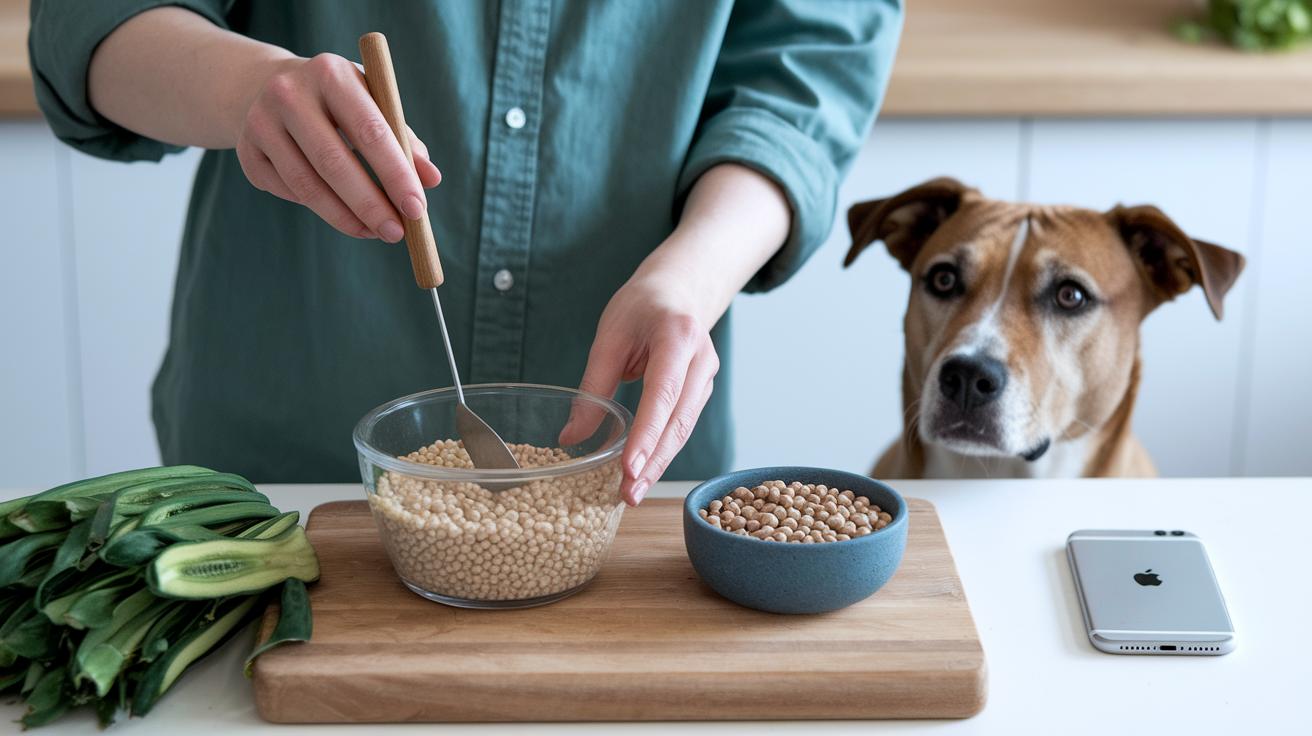
Mixing plant proteins is a clever way to ensure your pet gets all the essential building blocks. When you combine ingredients like soy, lentils, pea protein, quinoa, and chickpeas, it’s like putting together a puzzle where every piece, every amino acid (the tiny parts that help build strong muscles), fits perfectly. Plus, fermenting grains and legumes can make them easier for your pet to digest, so they absorb more of those important nutrients.
For example, adult dogs generally need about an 18% protein diet, whereas puppies and breeding dogs might need closer to 22.5%. This careful balancing act helps tailor the meal to your pet’s needs.
| Source | Protein % | Key Amino Acids | Comments |
|---|---|---|---|
| Soy | 35% | Lysine, Methionine | Provides a well-rounded amino acid set |
| Lentils | 26% | Arginine, Leucine | Rich in fiber and protein |
| Pea Protein | 20% | Arginine, Lysine | Offers easy digestibility |
| Quinoa | 14% | Complete profile | Balances out other proteins |
| Chickpeas | 19% | Lysine, Tryptophan | Adds variety to the protein mix |
By blending these protein sources, you create a complete mix that supports overall pet health. Simple food preparation methods like fermentation can boost nutrient absorption, making your pet’s diet even more efficient. Keep in mind that while dogs can usually meet their protein needs through this balanced mix, cats still need a bit of extra taurine (a nutrient crucial for their heart and eye health). This thoughtful strategy helps make vegan pet diets both balanced and beneficial for your cherished animal companion.
Transition Plans for Vegan Pet Diet Considerations
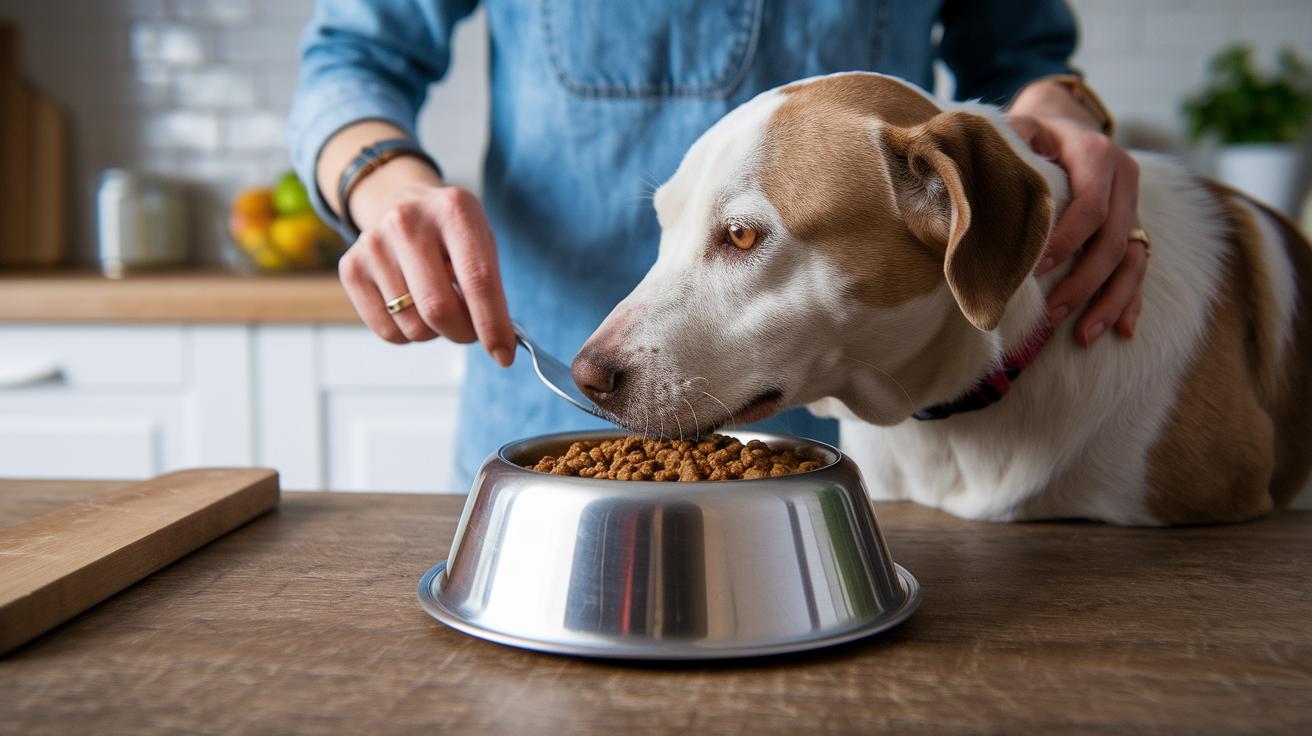
Switching your pet over to a plant-based meal should be done slowly so their tummy doesn’t get upset. Start by mixing just a small bit, about 10%, of vegan food into their regular meals. Whether you choose a balanced commercial vegan diet or try making home-prepared meals (check out these vet-approved homemade dog food recipes: https://reipet.com?p=285), this method helps keep your furry friend comfortable while you watch closely for any changes.
Begin by stirring in 10% vegan food with their usual chow.
Then, each day, boost the vegan part by roughly another 10%.
Keep an eye on how your pet’s body looks and feels.
Notice their stool every day for any signs of discomfort or upset.
Jot down what you see so you can track how well they adjust.
If your pet shows any signs of distress, tweak the mix accordingly.
In about 7–10 days, they should be ready to enjoy a full vegan diet.
After the switch, don’t forget to visit your vet regularly. Also, check out the ultimate pet nutrition guidelines (https://bonsiaai.com?p=885) to help keep your buddy happy and healthy.
Monitoring and Supplement Integration in Vegan Pet Diet Guidelines

Keeping an eye on your pet's health while they enjoy a plant-based diet is super important for their well-being. You know, it’s all about mixing in the right supplements, like vitamin B12 (helps fix cells), vitamin D (keeps bones strong), taurine (important for heart and eye care), L-carnitine (helps turn food into energy), and plant-based omega-3 (good for shiny skin and a soft coat). Following expert advice on how much to give makes all the difference, and regular twice-a-year vet check-ups with blood tests are a great way to catch any missing nutrients early.
Regular check-ups help you spot little signs that might mean your pet isn’t getting enough of what they need. Quick body condition scores and checking their stool can say a lot about how well they're absorbing their food. Sometimes, natural things in plants, like phytates, can stop minerals from being taken up properly. So, it’s smart to tweak the supplement amounts based on those blood test results. This way, you avoid giving too little or too much, keeping your pet comfy and balanced.
Sticking to regular vet visits and keeping a careful diary of your pet’s condition is key when you’re on a vegan diet plan. Checking things like protein levels with blood tests and looking at their overall condition can give you a clear picture of how well they’re doing. When you mix in the right supplements and keep an eye on health, you help secure a balanced diet that cuts down on risks linked to plant-based meals. It’s a thoughtful way to keep your furry friend happy, healthy, and ready for all those joyful, energetic moments.
Ethical Canine Nutrition Strategies for Vegan Pet Diet Planning
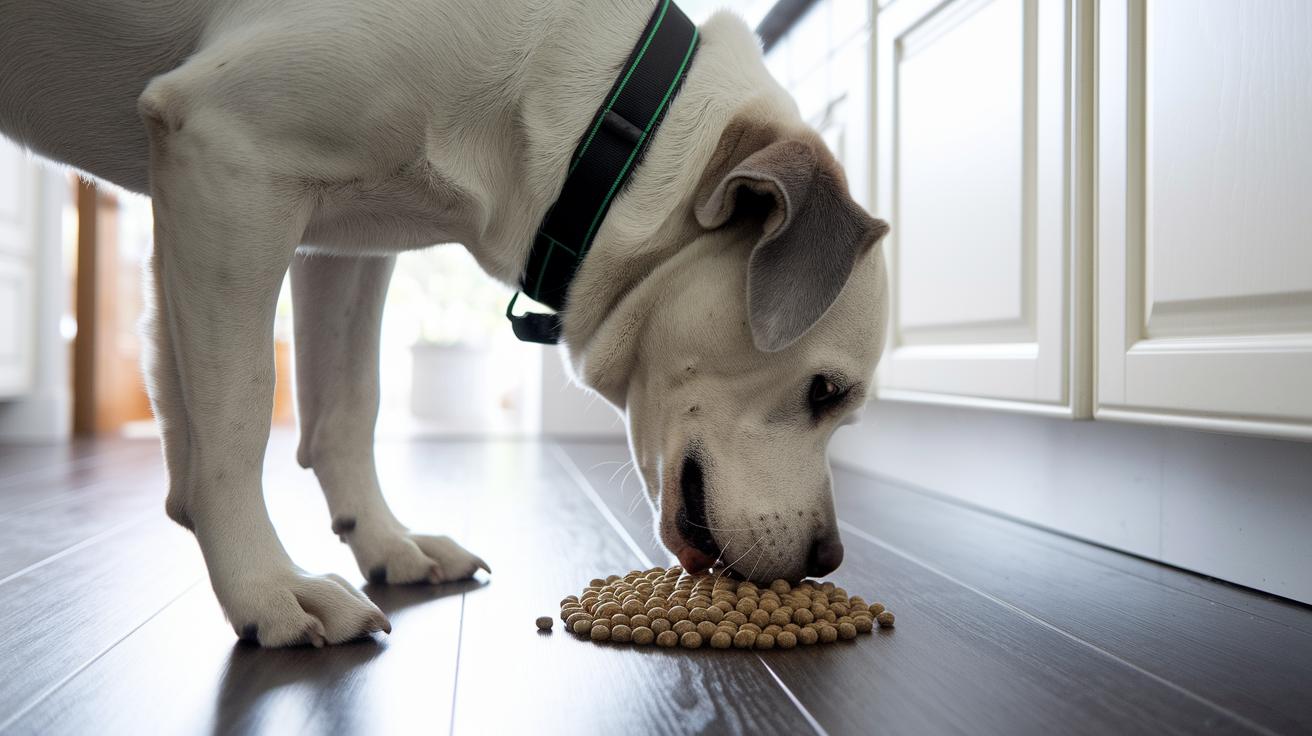
When you care for your pet, choosing food that is kind and healthy really counts. It means picking plant-based proteins grown with care and making meals that match your beliefs. Imagine your dog happily crunching on food made with ingredients that help support sustainable farming.
Big dogs can sometimes have a harder time with joint comfort, so they might need a little extra care. A smart tip is to add joint-friendly supplements like glucosamine (a natural help for your dog’s joints) into their meals. When you prepare food for a large dog, mix in these supplements to keep them feeling active and comfortable.
Feline Vegan Meal Planning Tactics in Pet Diet Guidelines

When you’re planning a cat-friendly vegan meal, remember that cats are natural meat-eaters. Their bodies need special nutrients like taurine (an essential nutrient for heart and vision), arachidonic acid (a fatty acid important for healthy growth), and vitamin A (vital for skin and eye health) that are usually found in meat. So, if you want to create a plant-based meal plan, you must add synthetic taurine and vitamin A supplements to cover those important needs.
It’s also important to pick plant ingredients that are easy on your cat’s digestion while filling in the gaps that plants leave behind. For example, plant proteins do provide some benefits, but they simply can't give the taurine your cat needs for a healthy heart and bright eyes.
Keeping an eye on your cat’s health is super important with this kind of meal plan. Regular checks of things like urinary pH and kidney function help make sure that even small imbalances are caught early before they become bigger issues. And because we don’t have a lot of long-term studies on vegan diets for cats, making careful measurements and having routine vet visits is a must.
By mixing a vegan meal plan with the right synthetic supplements, pet care providers can support a balanced diet that meets the unique needs of our natural meat-loving feline friends.
Pitfalls and Preventative Measures in Vegan Pet Diet Considerations

Relying on just one ingredient is a common trap. It might not give your pet all the amino acids (the building blocks of protein) they need. Using only one source can mean missing out on key nutrients, and some natural compounds in beans or peas may even block mineral absorption. There’s also a worry about heavy metals if strict quality checks aren’t in place. Many pet owners assume every vegan pet food offers a complete array of nutrients, but limited long-term studies show that important gaps can be hidden. Being cautious really pays off.
Using a well-planned formula along with regular check-ups can lower the risk of nutritional mishaps. Routine vet visits, keeping an eye on your pet’s body condition, and rotating different plant protein sources can help nip problems in the bud. Paying close attention to how nutrients mix and work together means your pet’s meals not only boost energy but also keep them strong and healthy.
Final Words
In the action, we reviewed core nutrient demands, plant protein balancing, and safe transition steps to support your pet's health. We highlighted methods to monitor progress while blending practical tips with caring insights.
Our guide on vegan pet diet considerations and guidelines offers clear steps, from gradual menu shifts to regular health screenings, that help keep pets happy and thriving.
Embrace these ideas with confidence, and enjoy watching your furry friend blossom on a carefully planned, plant-based meal plan.
FAQ
What are key considerations and guidelines for a vegan pet diet?
The key vegan pet diet considerations involve balancing all essential nutrients with expert-designed formulas, gradual transitions, and regular vet checks to keep your pet happy and healthy.
Can a dog be vegan and what should be fed to a vegan dog?
A vegan dog diet can work with proper planning, meeting the 37 essential nutrients by using specially formulated commercial or home-prepared recipes that address protein, vitamins, and minerals.
What do studies say when comparing vegan and meat-based dog foods?
Research shows that well-formulated vegan diets may sustain normal health markers, support good digestion, and sometimes lead to lower inflammation than traditional meat-based options.
Do vets recommend vegan diets for dogs and what are the guidelines?
Some veterinarians support vegan diets given that the pet obtains precise protein, vitamin, and mineral levels, and stress careful formulation, gradual transitions, and routine health evaluations.
Can you feed a cat a vegan diet safely?
Feeding a cat a vegan diet is challenging since cats need specific nutrients like taurine and vitamin A; any plant-based cat diet must include synthetic supplements to prevent serious health issues.
What rules define a safe vegan diet for pets?
A safe vegan pet diet means using complete amino acid profiles, transitioning slowly over days, monitoring health, consulting with pet nutrition experts, and ensuring every meal meets strict nutrient standards.