
Ever wonder if one little click can brighten your bird’s day? Clicker training uses a quick sound (a short noise that marks a moment) along with a tasty treat to show your feathered friend what to do.
It turns training into a playful chat, building trust and boosting confidence, one happy moment at a time. Every click guides your bird toward fun new actions, making each session feel light and full of shared joy.
How to Use Clicker Training to Shape Bird Behaviors
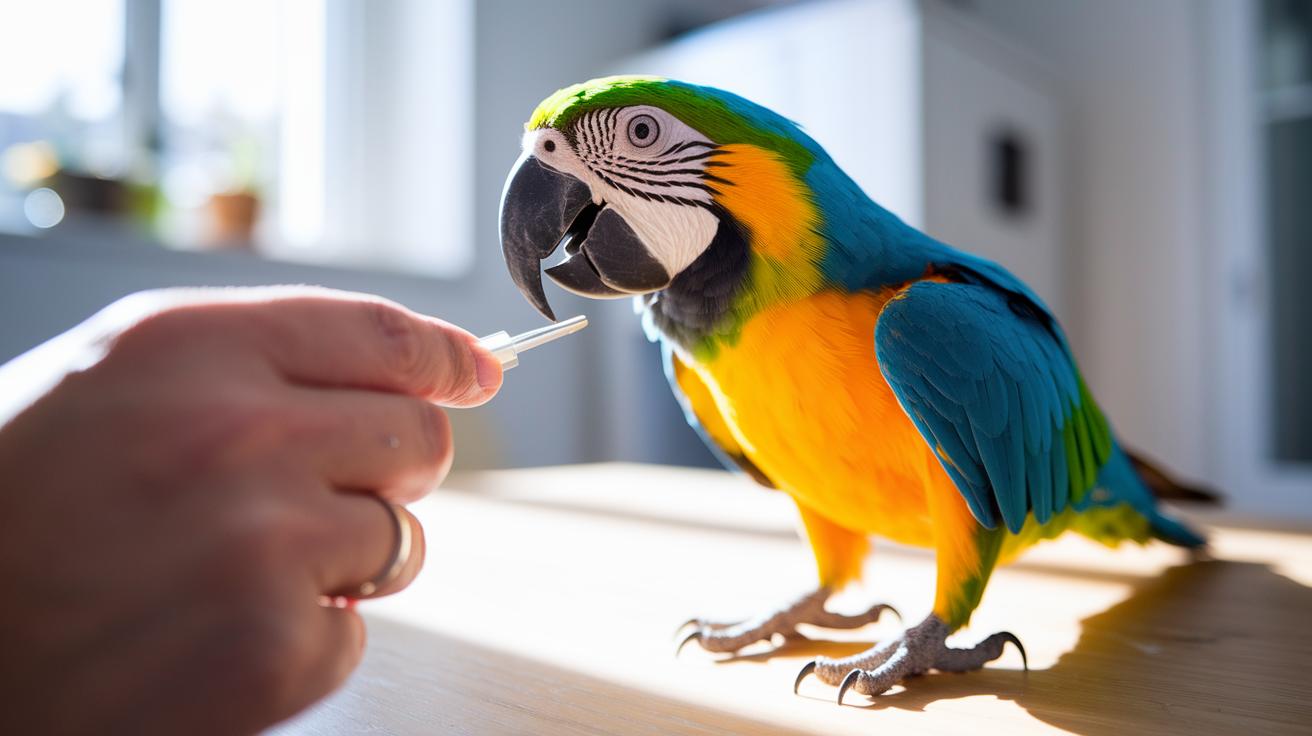
Clicker training is a fun, simple way to help guide your bird into cheerful behavior. It works by pairing a quick click sound with a tasty treat so your feathered friend knows exactly what you like. This method was first introduced in “Clicker and Target Training” on 9/1/2024, and it’s been making training sessions playful ever since.
Over the next few days, try different treats like sunflower seeds, pellets, or tiny nut pieces until you find the one your bird loves most. I usually use a small mechanical clicker from a pet store and run short sessions of about 5 to 10 minutes in the morning. Training in a familiar spot, like sitting at the dining table, can really help your bird feel at ease.
Start by clicking just as your bird does something you enjoy, such as a flutter of its wings or a happy chirp. Then, within 1 or 2 seconds, give a treat. For example, you might say, “Click when your bird touches the target stick, then offer a sunflower seed.” This clear, simple pattern helps your bird quickly understand that the sound means something great is coming.
Before long, your bird will associate the click with a reward. That sound becomes its cue for a tasty treat, and training turns into a delightful, confidence-boosting chat with your pet. With each session, you’ll notice more happy behaviors, making clicker training a warm and effective way to build trust with your winged companion.
Selecting the Ideal Clicker and Rewards for Effective Bird Clicker Training
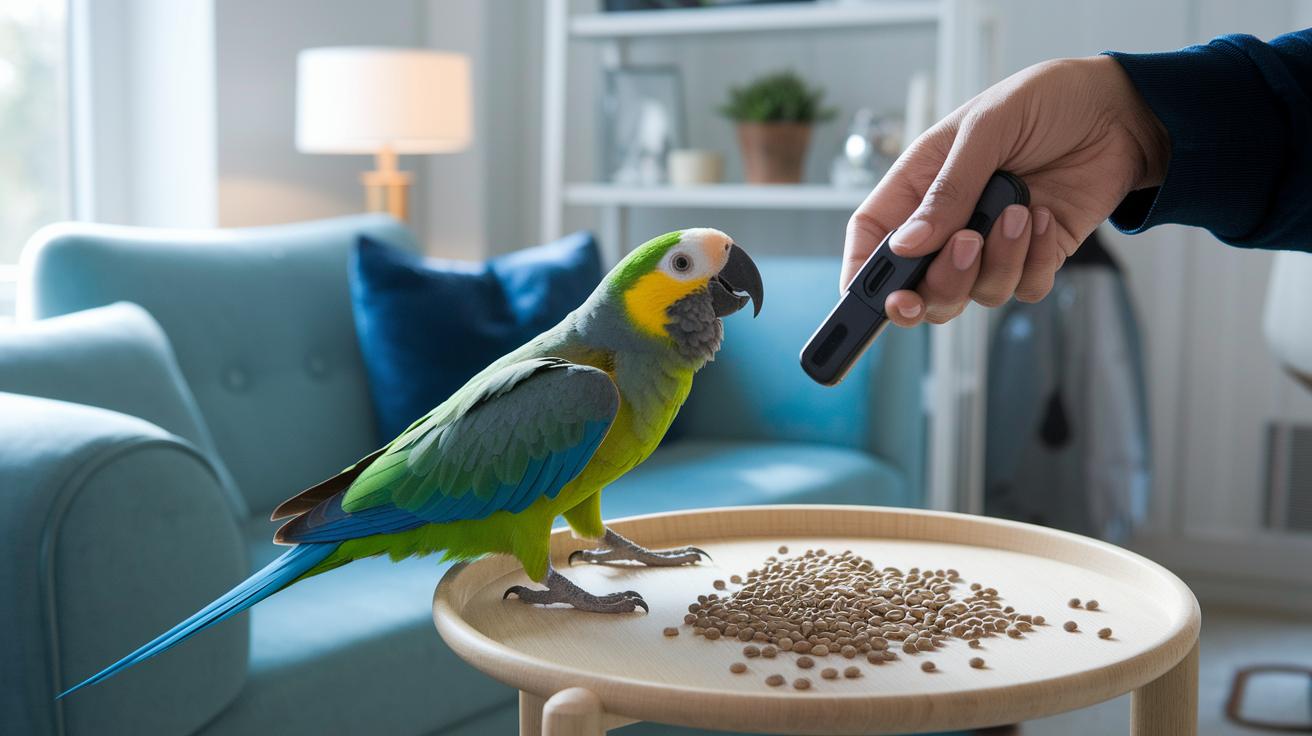
Choosing the right clicker can really change the game for your bird. A clicker is just a small tool that makes a clear, consistent noise (think of it like a tiny bell). For example, you might click when your bird flutters its wings and then give it a sunflower seed. Did you know that a tool once used for calling farm animals now helps pet birds learn fun tricks?
Try out different tasty treats over a few days, like sunflower seeds, pellets, or bits of nut. Use just one treat each day and watch your feathered friend light up. If your bird quickly gobbles a pellet, you might have found a favorite treat!
It’s also good to have a sturdy clicker, one that works just as well in your living room as it does in your backyard. Look for clickers that keep a steady sound whether you're sitting at the kitchen table or outside on a quiet day. If you're ever looking for ideas on which ones to try, check out the trusted training supplies listed by pet experts.
Pairing the right clicker with the best treat helps build a close bond, making training fun and turning even the smallest successes into exciting moments for you and your bird.
A Step-by-Step Guide to Conducting Clicker Training Sessions with Birds
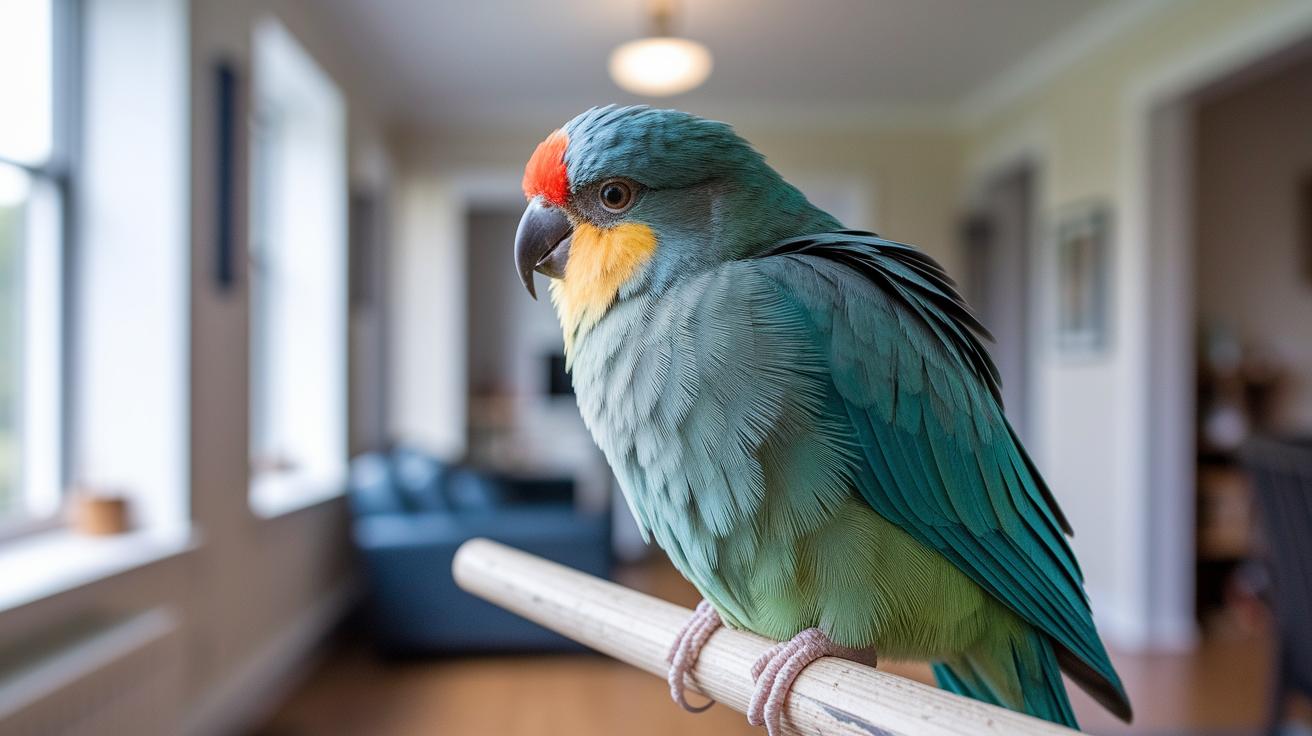
First, find a quiet, familiar spot for your bird, maybe your living room table or a favorite perch. This cozy setting helps your bird feel relaxed and ready to learn.
Start by pairing the click sound with a tasty reward. Every time you see your bird doing something you like, click and then, within one or two seconds, offer a small treat like a sunflower seed or pellet. Do this around 10 to 15 times so your bird starts to link the click with a delicious reward. For instance, if your bird flutters a wing, click right away while cheerfully saying, "Treat time!" and then hand over a treat.
When your bird is getting used to hearing the click with a reward, try adding a target. Hold a small stick or ball in front of your bird and wait until it touches the target. Once it does, click and reward immediately. This simple step will help your feathered friend understand how to follow the target as you slowly move it around.
Keep your sessions short, about 5 to 10 minutes is perfect. Early morning is often best, just before breakfast, when your bird is most eager to learn. Short, fun sessions keep your bird from feeling overwhelmed and let every click mark a small win. As your bird becomes more comfortable, you can introduce new tricks like stepping onto your hand or returning to its cage.
Always click right when you see the behavior you want to encourage. This timing makes it easy for your bird to connect the click with the reward, almost like sharing a quick, exciting story of progress. Soon, with consistent training twice a day, you'll see your bird's cheerful habits grow with every well-timed click.
Adapting Clicker Training Techniques for Different Bird Species

Birds are wonderfully different, each with its own quirky way of learning. So, you might need to tweak your clicker training routine to fit your feathered friend.
Take macaws, for example. These big birds do best with larger target sticks and a slower pace. When you see your macaw gently reaching out with its beak, click and then give a favorite treat. Let the session go on for up to 10 minutes so it doesn’t feel rushed.
Budgerigars, on the other hand, love quick bursts of training. Their small size means they thrive on short, fun click-and-treat sequences, usually in sessions lasting around 3 to 5 minutes. Just imagine your budgie fluttering excitedly at that familiar click; it’s like a little celebration.
Conures sometimes need an extra gentle touch. You can try holding your clicker a bit away from their body to avoid startling them. This simple change can help ease their nerves and make the click feel friendly.
If your cockatiel seems anxious, you might pair the click with a soft head scritch. This little combination helps them feel calm while still linking the sound to a rewarding experience.
Remember, changing your technique a bit, whether that means adjusting session lengths or switching up the target, can really help each bird feel comfy and encouraged. Try different hints until you find what makes your unique pet truly light up with joy.
Troubleshooting Common Challenges in Bird Clicker Training

Sometimes, even with a clear click and a tasty treat, your bird may not cooperate. You might notice your conure nibbling at the clicker, which can make the click seem more like a cue for mischief than a reward signal. In these moments, take a short break to let your bird settle down. Then, try giving the click followed by a favorite treat placed a little away from the bird. This helps rebuild a happy connection between the sound and the reward.
If your timing feels off, you could use a metronome (a simple tool that keeps a steady beat) or simply count about two seconds between the behavior and the click. Sometimes a gentler click sound might ease any anxiety if your pet seems a bit startled. And if your bird stops responding altogether, consider switching up the treat or even moving to another training spot that feels just as cozy. Small changes like these can keep the sessions fun and engaging.
Keep a close eye on what your bird is telling you with its body language. Little signs like hesitant moves or a tilted head might mean it's unsure, and you can adjust your approach accordingly. With a few tweaks and consistent practice, these training challenges can turn into cheerful progress, helping your bird learn while feeling safe and loved.
Planning and Scaling Your Bird Clicker Training Routine
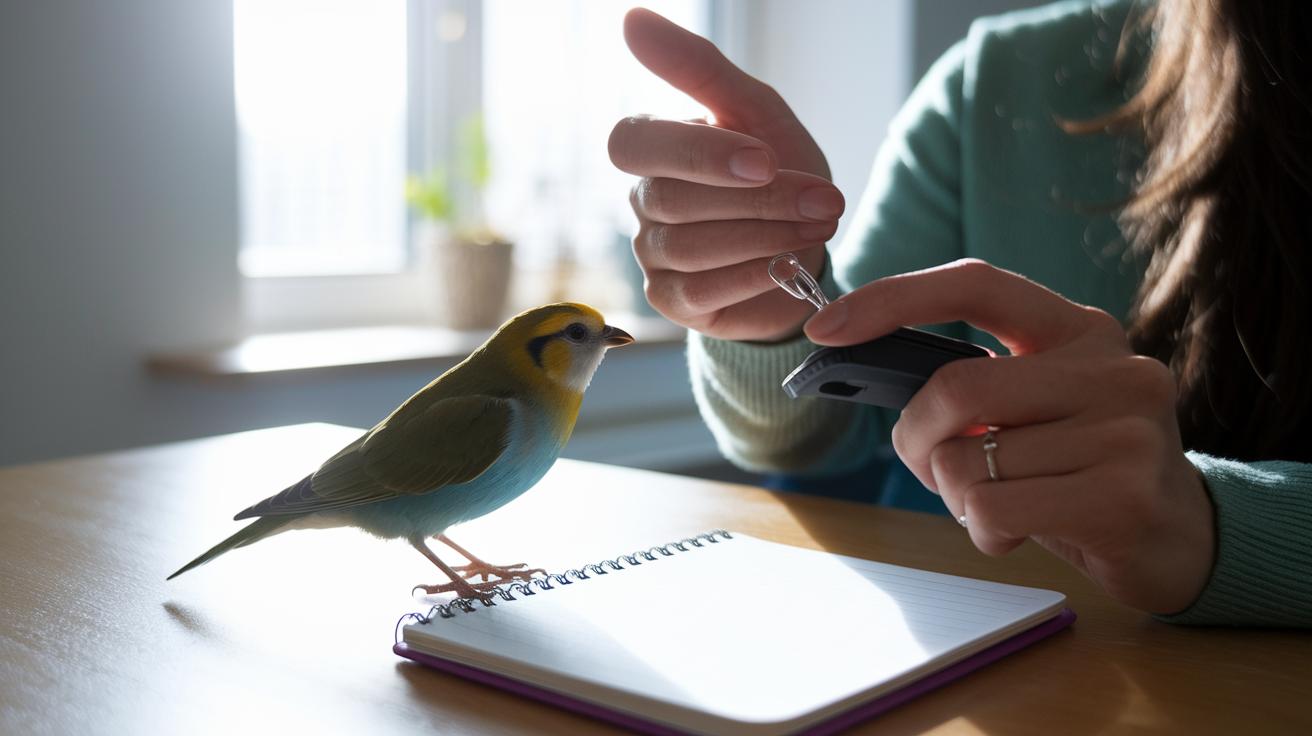
Begin your day with a fun, short training session with your bird. Try to do a 5-10 minute clicker training session twice a day, preferably in the morning before breakfast. This steady routine helps your feathered friend feel safe and know what to expect.
Keep a simple training log to note each session’s details. Jot down the moments when your bird responds happily to the click and when it reaches eagerly for a treat. This little notebook shows you which actions work best and when it might be time to add a new behavior.
As your bird masters the first few cues, gently add more commands. You might start by clicking when it perches or flutters its wings, then work up to more complex moves like stepping onto your hand. Consider using a downloadable PDF template or a mobile app to track the timing of each reward and the session length. Adjust the sessions to fit your bird’s comfort level. Little, consistent steps and regular practice build a happy, growing bond between you and your bird.
Bird Clicker Training Success Stories and Resources

Sam the Macaw learned to step onto a hand in just five sessions by hearing a click and getting a treat right after. His trainer would click exactly when he lifted his foot and then offer a sunflower seed quickly. It’s like saying, "Click now, here comes your treat!" and watching a shy bird grow more confident with each click.
A rescue conure used to bite at the sound of the click. The trainer noticed this and decided to take a short break before reintroducing the click paired with a favorite pellet. Over just three days, gentle steps and tasty rewards helped change the biting into a calmer response.
Some trainers even share video tutorials of quick one-minute target training moves. These clips capture that simple magic when a click and a treat work together, inspiring other pet lovers to try the same with their feathered friends.
Online communities are full of support too. They host workshops and offer downloadable guides filled with case studies, handy tips, and more success stories. Everyone can learn and try new ideas to make bird training a fun and positive experience.
Final Words
In the action, we explored how to use clicker training for birds to shape behavior through sound cues and rewards. Each section offered real, hands-on tips, from picking the ideal clicker and reward pairing to tackling common challenges.
Step-by-step sessions and adjustments for various bird species keep training engaging. Every tip shared here aims to boost confidence and create happy moments with your feathered friend. Enjoy watching your bird thrive!