
Ever notice how your horse lights up when learning something new? I learned that even a tiny click can make a world of difference while training my own horse. In clicker training (a method that uses a small sound to show that your horse did something right), that quick click means good behavior followed by a tasty treat, almost like a friendly nod of approval. Experts say this approach helps keep your horse happy and balanced. With a bit of patience, you and your horse can build a joyful bond that makes training fun and rewarding. Let’s explore how this simple click can spark a love of learning in your equine friend.
How Clicker Training for Horses Works
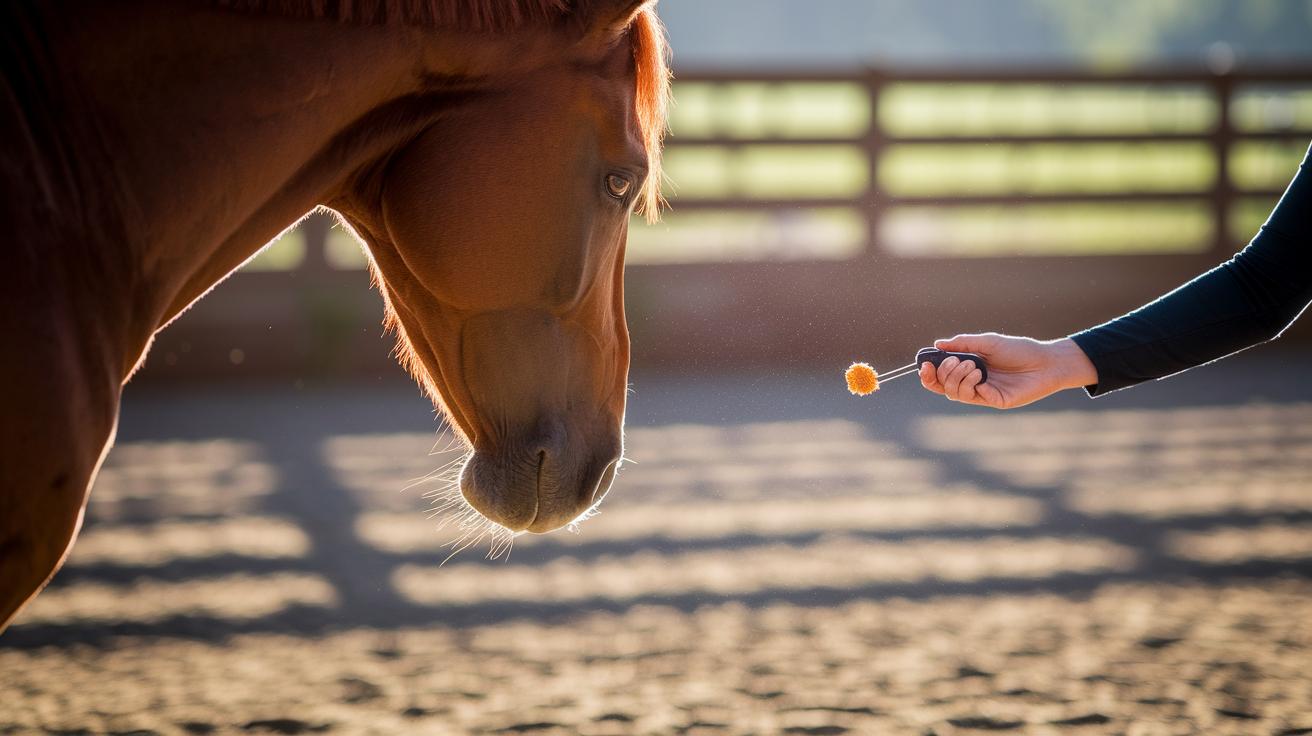
Clicker training uses a simple sound, a click, to show your horse when it does something you like. It's like giving a thumbs-up, where the click is quickly followed by a tasty treat. Think of it as saying, "That's it!" just like you’d smile at a friend when they do something kind. This clear signal helps your horse connect a good action with a reward, making learning fun and effective.
The magic behind the click is all about positive feedback. When the click sounds, your horse knows it just did something right, similar to how we feel encouraged when we get praise at school. By pairing the sound with rewards every time, you build an easy-to-understand conversation with your horse. Experts say this method supports both your horse's physical and emotional balance, which is really important for its overall well-being.
In the beginning, you want to focus on making sure your horse understands the click in a calm setting with little distraction. You do this by repeatedly playing the click and then giving a treat, so your horse starts to look forward to the reward every time it hears the sound. Picture a moment when your horse hears the click and eagerly searches for its treat, just like a kid waiting for their favorite snack after a job well done.
Preparing Equipment and Environment for Effective Clicker Training
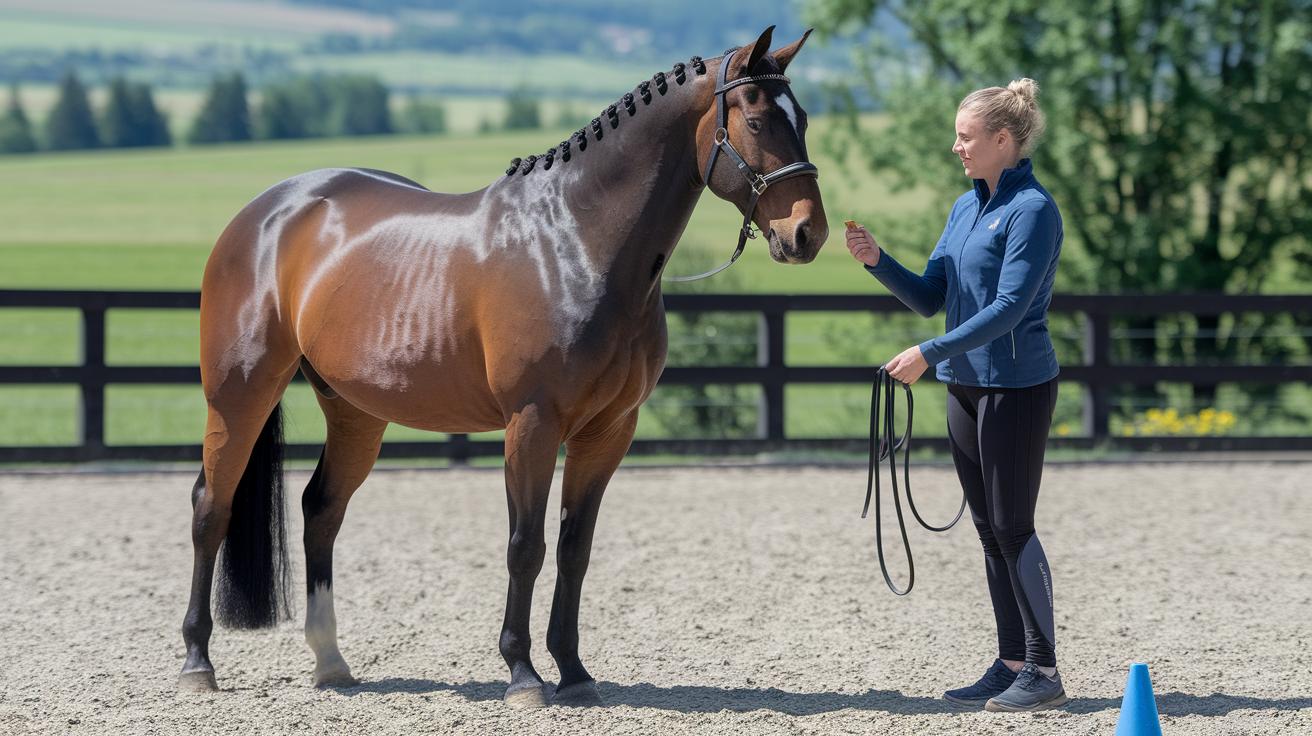
Setting up your training area just right can make learning fun and clear for your horse. A calm, safe spot helps your horse quickly see that the click means a treat is coming. When the area is quiet and free from distractions, you both enjoy better communication. Experts say that clicking at the perfect moment, along with a steady treat reward, makes a strong click-and-treat bond. Creating a peaceful and secure space keeps your horse focused and excited during each session.
- Handheld clicker
- High-value soft treats
- Treat pouch or bucket
- Secure, enclosed arena or round pen
- Non-slip footing
A good space is key for practicing sound signal training. This setup, centered on treat rewards, also makes it easier to use basic methods that encourage great behavior in your horse. Short, focused sessions, just a few minutes long, help your horse stay alert without getting tired. Keeping each session upbeat reinforces the sound mark and makes training feel like fun play. It's these little routines that build a strong and enjoyable training experience for both of you.
Clicker Training for Horses Sparks Joyful Learning

Start with a simple cue, like a gentle nose touch. It’s an easy behavior for your horse to understand. When your horse softly nudges your hand with its nose, think of it as a warm smile that says, “I’m ready to learn!”
Next, stand right in front of your horse so you can see its face clearly. The moment your horse gives that delicate touch, click your clicker right then and there. Follow up immediately with a tasty treat. This quick, clear sequence helps your horse connect the click with its action. Keep each session to just a few minutes so your horse doesn’t get overwhelmed. As you repeat this fun exercise, ask for a slightly firmer touch or a longer pause before clicking to keep the learning exciting yet simple.
Practice a few short sessions every day. Watch for signs, like a steady, eager response, to know your horse has got the hang of it. Once your horse consistently shows the behavior, it’s time to add more movement-based cues.
Developing Advanced Auditory Marker Exercises

Once your horse gets comfortable with the basic clicks, it's a great time to mix it up with a few more steps. These new drills keep training fun and make your bond even stronger. You’re also setting up a better way to chat with your horse by mixing in trickier tasks with clear sound signals. This stage helps sharpen your horse's skills while building on what it already knows.
Gait Change Signals
Think of gait change signals like a friendly guide that helps your horse switch speeds smoothly, from a chill walk to a quick trot or a gentle canter. Click right when you see your horse start to change pace. For example, as your horse shifts from a walk to a trot, that perfectly timed click tells it, “Yes, that’s it!” This little cue builds your horse’s confidence and teaches it that every sound has its own meaning.
Lateral Movement Markers
Lateral movement markers break a move down into two clear steps. First, click when your horse moves forward, then click again as it makes a small side step, like a shoulder-in or leg-yield. Here’s a tip: when your horse starts the side shift, click at that moment. This helps your horse understand the cues step by step, making more complex moves easier and a lot more enjoyable.
Overcoming Common Clicker Training Challenges

When your horse looks confused by the click, try to really notice its body language. A low head, ears pinned back, or a slight turn away can be little hints that your horse isn’t sure what the click means. Sometimes, the look in your horse's eyes right after a click tells you the pace might be too fast or the signal wasn’t clear.
You can try a few simple fixes. Maybe offer a treat that’s extra tasty, shorten your training sessions so your horse isn’t overwhelmed, or move to a quieter area with fewer distractions. And if these changes don’t help, consider getting advice from an equine behavior specialist (someone who understands horse behavior really well).
Tracking Progress and Maintaining Clicker Training Results
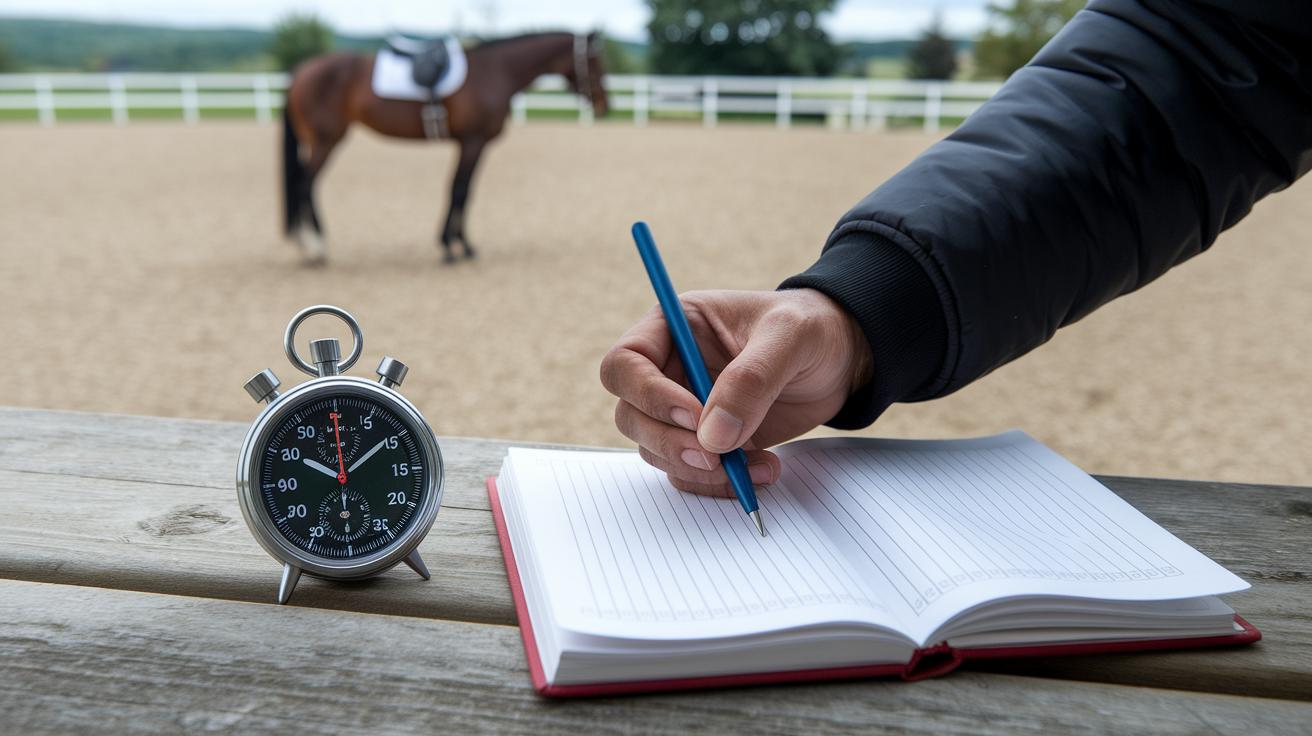
When you train your horse, setting clear goals is super important. Try aiming for five correct responses in under three seconds. These little milestones, like how fast your horse reacts and how accurately it follows your cue, let you see progress and enjoy every small win. Every tiny step builds a solid foundation for a confident, well-trained horse.
Keeping a training journal works wonders. Write down the date, how long you trained, and what happened during the session. Note details like how quickly your horse reacted or how smoothly it repeated a behavior. Sometimes, even a quick video of your session reveals little cues from your horse (like the soft rustling of its mane) that you might miss in the moment.
As your horse reaches these goals, it’s a good idea to gently bump up the challenge. When your horse nails a milestone, tweak the session a bit or tighten the time limit. This slow, steady increase keeps your horse engaged and makes every training moment feel like a fresh adventure.
Essential Tools and Resources for Clicker Training for Horses

When you pick the right gear and learn from trusted tutorials, your training sessions feel smoother and more fun. Using well-tested tools and clear, step-by-step videos helps you build a great bond with your horse, making every click count.
Working with equipment that others swear by gives you the guts to try new tricks and fine-tune your training. This list brings together the must-have items for both beginners and seasoned trainers. Quality tools not only add joy to your sessions but also help you notice even the tiniest improvements in your horse’s behavior, so you both communicate better.
Mixing these digital resources with in-person clinics offers a balanced training plan. And if you need extra help, check out our resource on pet training supplies for trusted clickers, treat pouches, and audible marker devices. This blend of online guides and hands-on practice creates a fun and steady learning adventure for you and your horse.
| Tool/Resource | Purpose | Notes |
|---|---|---|
| Handheld Clicker | Marker signal | Ergonomic design |
| Treat Pouch | Easy access | Adjustable clip |
| Online Video Tutorials | Step-by-step demos | Free & paid options |
| Downloadable Guides | Reference charts | Printable PDFs |
| Training App | Session logging | Video upload feature |
Final Words
In the action, this article walked through how a clear clicker signal, combined with a safe training setup, can shape a horse's behavior. It explained basic cues, advanced exercises, and ways to troubleshoot common issues. Each section offered easy-to-follow tips and reliable methods to see real improvements. It feels great knowing that even small, consistent sessions can make a big difference. Keep your training light and fun, and enjoy the progress that comes with clicker training for horses.
FAQ
Free clicker training for horses
Free clicker training for horses means you can access online guides and video tutorials without cost, allowing you to learn the basics of positive reinforcement and clear communication with your horse.
Clicker training for horses pros and cons
Clicker training for horses pros mean improved communication and gentle reinforcement, while cons include potential confusion if the click timing or treat value isn’t consistent, which may slow learning.
Clicker training for horses reviews
Clicker training for horses reviews show many owners praise the clear communication and improved responsiveness, although some note that initial conditioning and precise timing can be challenging for beginners.
Clicker training for horses near me
Clicker training for horses near you means finding local equine centers or trainers who host hands-on sessions, allowing you and your horse to learn in a supportive, practical setting.
Horse clicker training supplies
Horse clicker training supplies include handheld clickers, high-value soft treats, treat pouches, and secure training arenas. These items help mark desired behaviors and reinforce them with immediate rewards.
Disadvantages of clicker training horses and What are the negatives of clicker training?
The negatives of clicker training horses refer to issues like mistimed clicks or inconsistent treat rewards that can confuse your horse, making it harder to build the right response during training sessions.
Clicker training for horses benefits
Clicker training for horses benefits include clear cue marking, positive reinforcement, and a stronger bond between you and your horse, making training sessions more enjoyable and effective for both.
Does clicker training work for horses?
Clicker training works for horses by using a distinct sound to mark desired behaviors, which is quickly followed by a treat. This method builds a clear, positive connection that speeds up learning.
How to start clicker training your horse?
To start clicker training your horse, begin by associating the click sound with a treat in a calm, distraction-free space. Use simple cues like a nose touch and reward immediately for early success.
What are the 3 F’s for horses?
The 3 F’s for horses refer to focusing on feelings, fun, and focus during training. These elements help create a warm, clear, and enjoyable training environment that strengthens your horse’s responsiveness.