
Ever wonder if one little click could brighten your pet’s day? Clicker training turns regular sessions into moments of playful connection. Every cheerful click, like a mini high-five, reminds your pet that good behavior brings tasty treats and warm praise.
This fun, interactive method makes training feel like a game and helps keep your pet focused while you both share small wins. Next time you click, imagine the soft pat of a friendly “good job” echoing in your home, sparking joy in every simple moment with your furry friend.
Interactive Clicker Training Games for Pet Engagement and Obedience
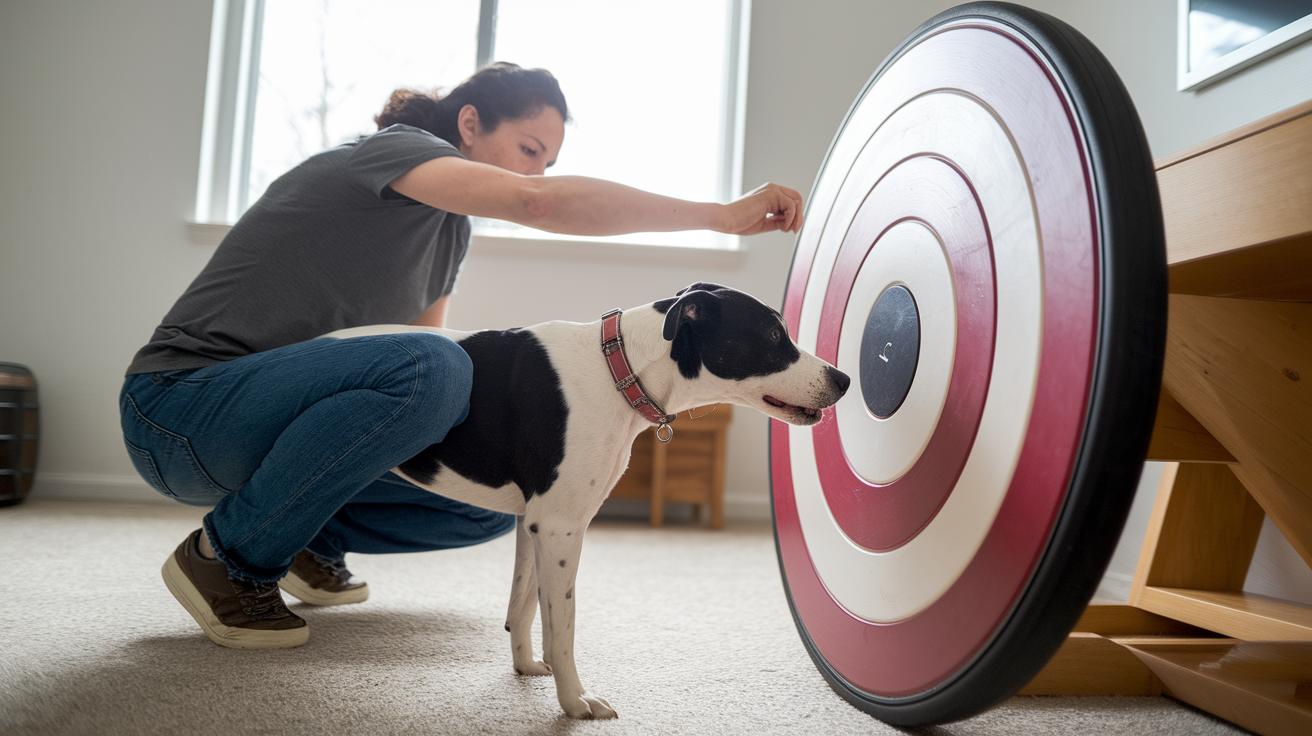
Using clicker training games turns every session into a playful adventure. The quick click of the tool is like a small high-five, showing your pet they did well. Every click helps your dog see that this sound means a treat is coming, making them feel brave and alert. For instance, you might say, “When your dog touches the target, click and cheer, ‘Great job!’” This fun repetition not only boosts obedience but also makes learning feel like a game, keeping your pet focused and cheerful through training.
Clicker training has a long history, it started back in the 1940s when animal trainers used sounds to guide behavior in performance shows. Early trainers found that a clear, steady click made it easier for animals to know when they did something right. This method really caught on during a big workshop in 1999, where experts showed off techniques that perfected using a clicker. Imagine a room filled with trainers, all sharing the excitement of nailing that perfect timing, it was a real game changer for modern pet care.
The beauty of clicker games is that they work for many different animals. While our dogs love these interactive drills, similar methods have helped train chickens, fish, and even been used in classrooms to reward good actions. Think of a teacher using a clicker-like sound when a student does something great, or a pet owner teaching a curious cat to follow a scent trail. These stories remind us that connecting a simple sound with positive rewards can bring fun and success to many types of animals.
Designing Your Clicker Training Game Plan: Step-by-Step Setup
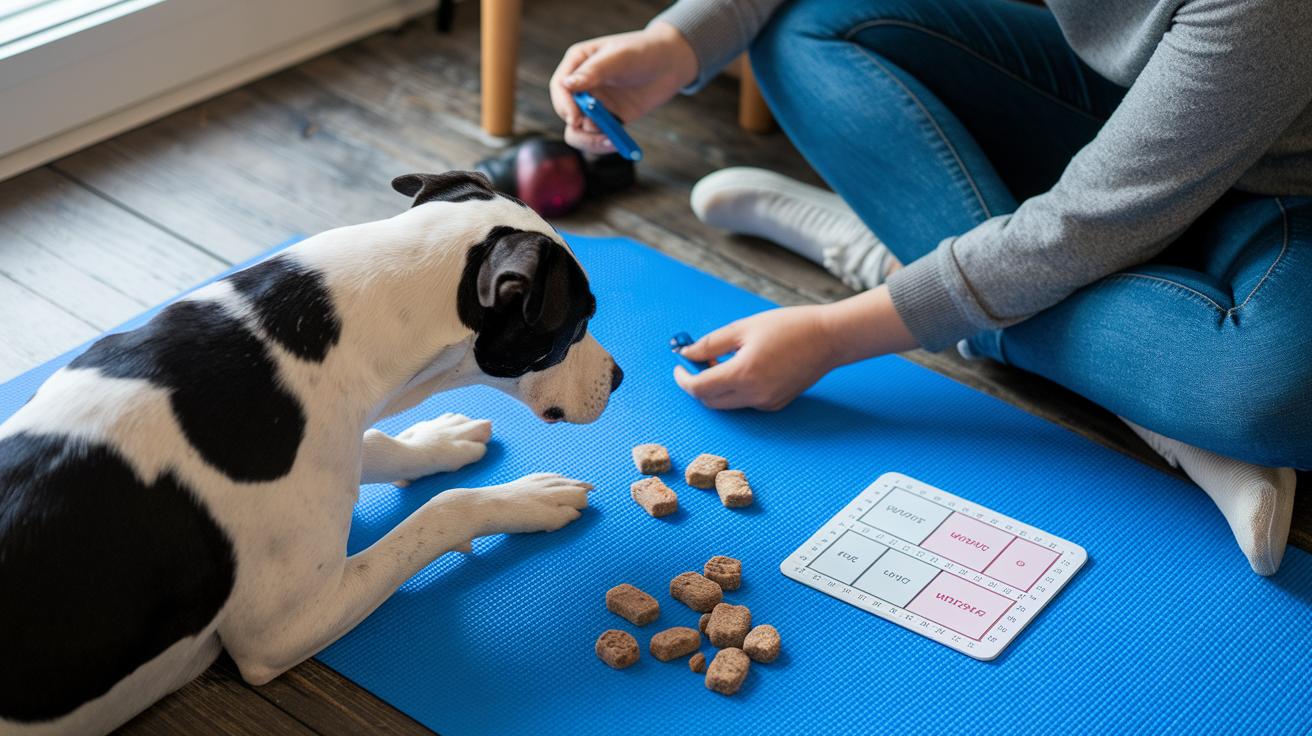
Begin by picking out the right gear and a comfy spot so your pet can learn happily. A clear plan turns every click into a little victory, much like laying out a fun treasure hunt with treats. For example, you might say, "Find a clicker that feels just right, and see your pet light up with curiosity!"
- choose clicker model
- select reward type
- prepare training area
- define session timing
- map game progression
- log performance
Keeping track of your progress is super important. Jot down what works and note any little missteps during each session. This way, you can gently tweak things as you go. Whether you’re just starting out or trying new stuff inspired by fun games like Dog Clicker Games: 101 Things to Do With a Box, each bit you record is a small celebration of your pet’s excitement. Reviewing these notes can even help you pick up extra ideas from Dog Training Resources when needed. The more you observe and fine-tune, the more glowing your pet's happy success becomes with every click.
Fun Reward Sound Exercises and Timing-Based Clicker Drills
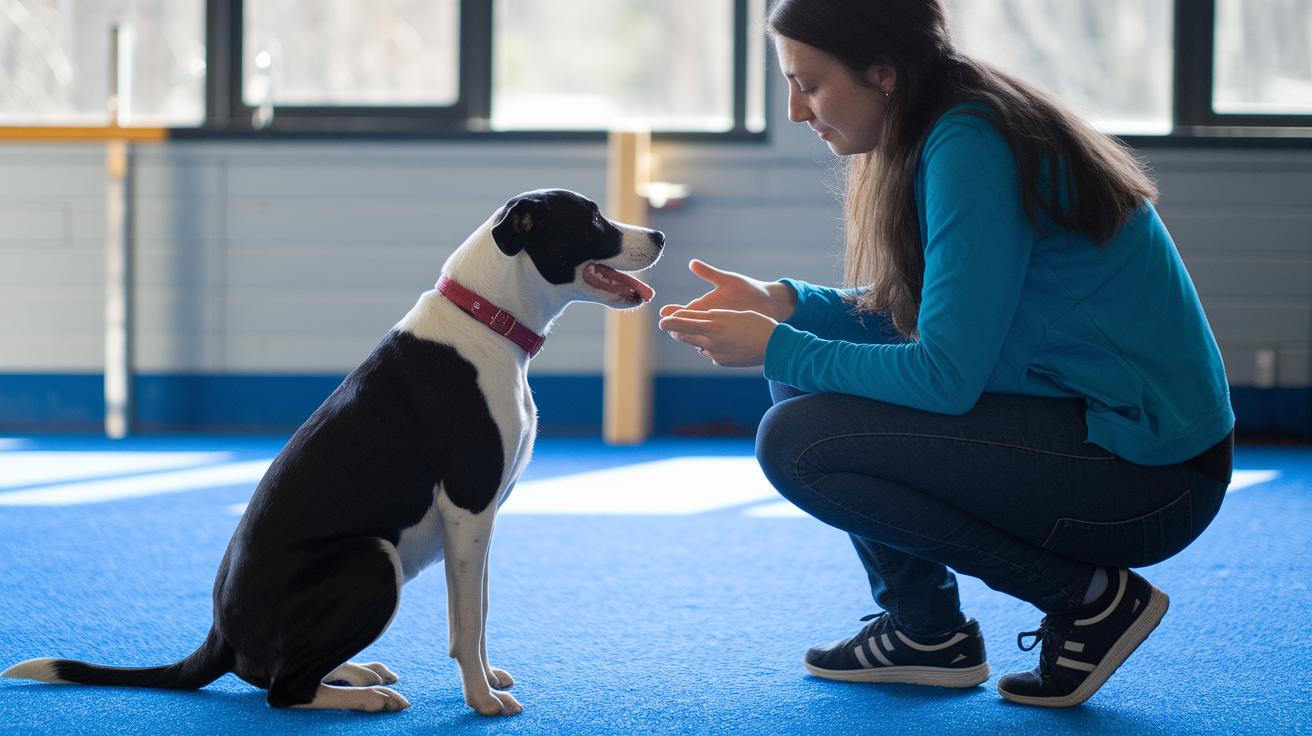
When you practice on your own, you have the freedom to experiment with each click marker at your pace. It’s a great chance to fine-tune your timing and build trust in the sound that signals a reward. This kind of one-on-one practice lets you make mistakes that soon turn into valuable learning moments.
Dry-run drills, where you play out a full training session without your pet, are key to nailing your click timing. They give you a chance to try echo-click timing and even silent clicks, making each signal feel completely natural. With each repetition, your clicking becomes a steady sign that a reward is coming soon.
By perfecting your technique in this calm setting, you lower the chances of mistakes when you train with your pet. Soon, every click will be clear and timed just right. Your pet will quickly pick up that the sound means something positive is on the way, turning training into a fun, engaging experience.
Keep it up and enjoy the process. A confident clicker not only builds a joyful training routine but also sparks a deeper connection with your furry friend.
Indoor and Outdoor Clicker Training Games for Dogs and Cats
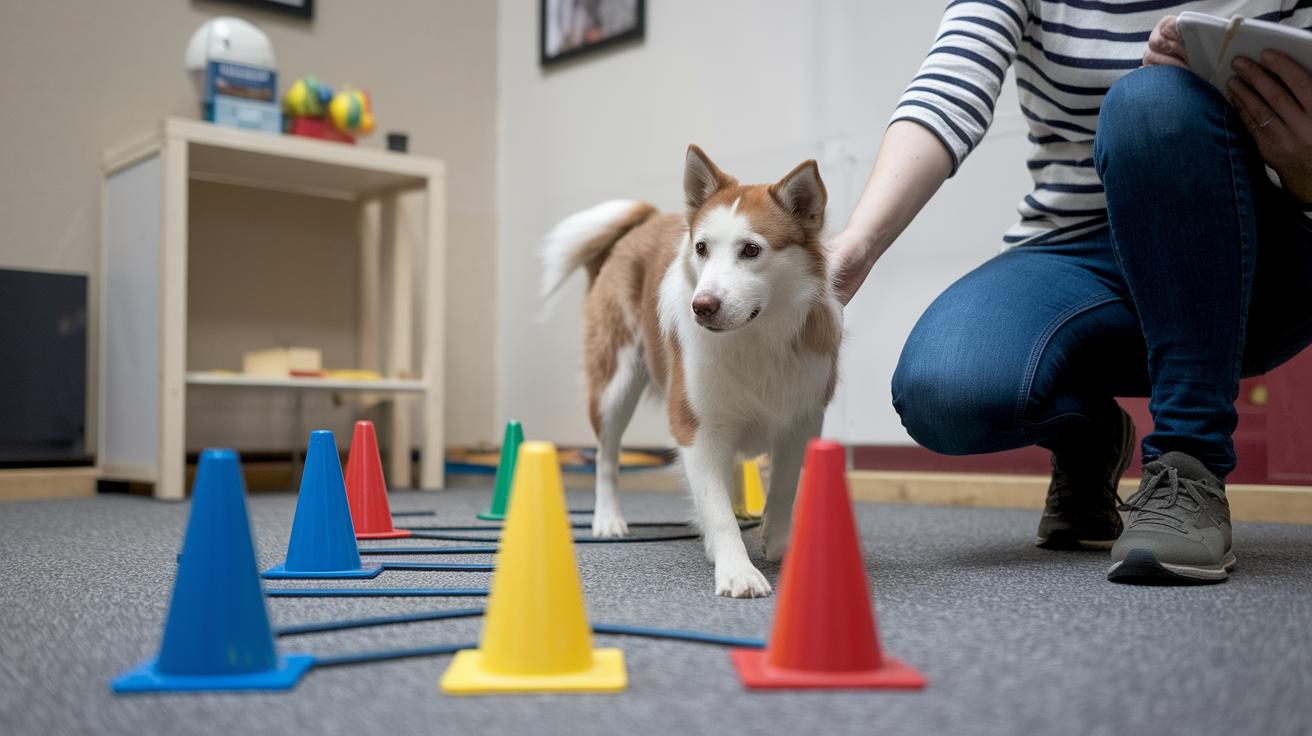
When you think about playing and training with your pet, indoor and outdoor settings each offer something special. Indoors, you can create a cozy, quiet space that helps your pet focus on little cues without many distractions. Outdoors, the fresh air and open space spark energetic games that boost agility and endurance. In both places, the clicker becomes a friendly helper that marks a job well done, making training fun and rewarding.
Indoor Clicker Challenges
- Try a target-touch maze using simple cones or markers to build strong focus.
- Have a hallway recall game where a quick click means a tasty reward is coming.
- Experiment with crate-based exercises to boost your pet's confidence and independence.
- Set up a mini obstacle path around furniture or rugs for gentle movement and mental play.
Outdoor Clicker Adventures
- Create a scent trail by placing treats along a path and click when your pet follows the right direction.
- Organize a fun hoop race where your dog jumps through one or more hoops, clicking after each success.
- Set up a timed fetch game, using the clicker to celebrate a perfect catch or a speedy return.
- Build an outdoor obstacle course with trees, benches, or garden features, using the clicker to mark each successful turn.
Owner-Led Challenge Sessions and Progressive Learning with Clicker Games
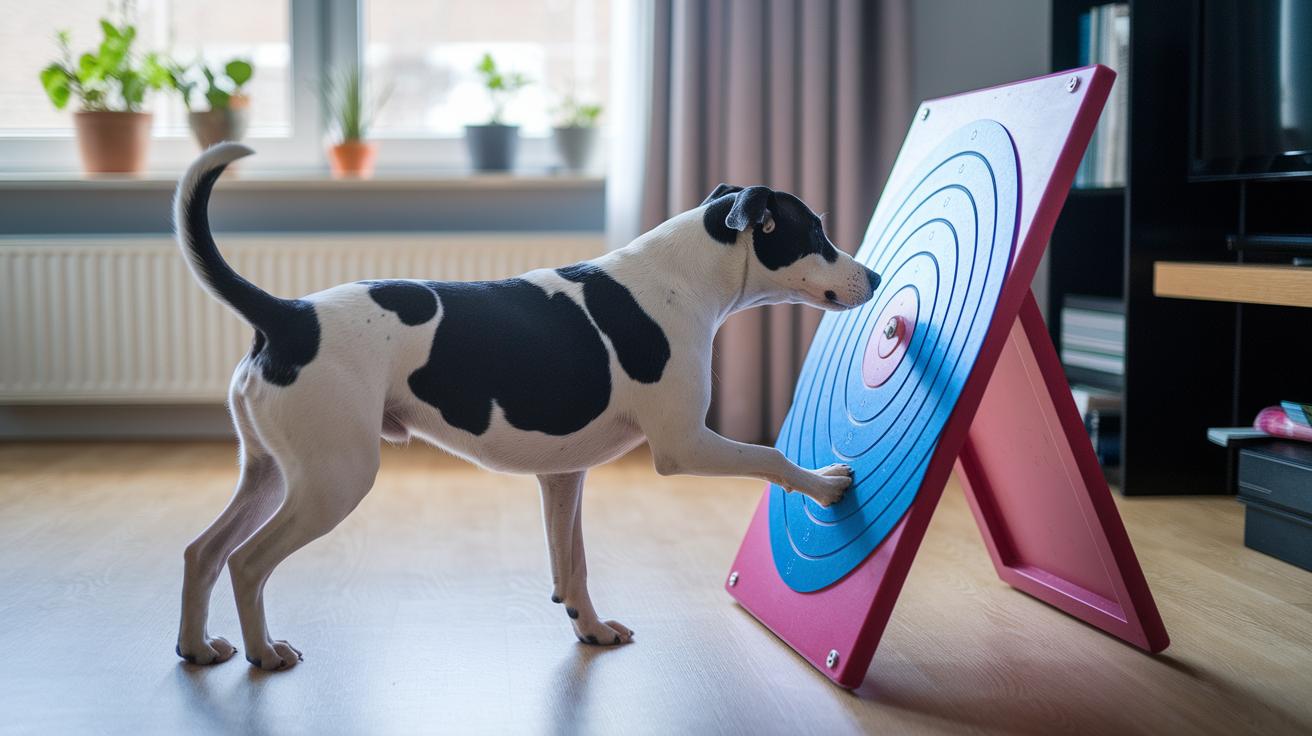
Planning fun steps that move from easy to a bit tricky can really help your pet learn new tricks. Start with a little challenge like touching a target and then add extra cues as your pet gets comfortable. This method shows what success looks like while giving your furry friend room to explore and grow.
Mapping out a steady climb from simple tasks to more advanced ones makes every training session a joy. Begin with basics like a simple sit or stay and then mix in actions together or extend the sequence a little longer. It’s like taking a gentle stroll up a hill, where every step helps build and reinforce your pet’s skills.
Keep an eye on your pet’s reactions and listen to what fellow pet lovers say. If your pet seems puzzled or lights up with excitement, let that guide you in changing the challenge a bit. These small tweaks can lead to big jumps in your pet’s understanding, turning each session into a warm, rewarding learning adventure.
Game Tactics for Pet Learning: Troubleshooting and Reinforcement Drills
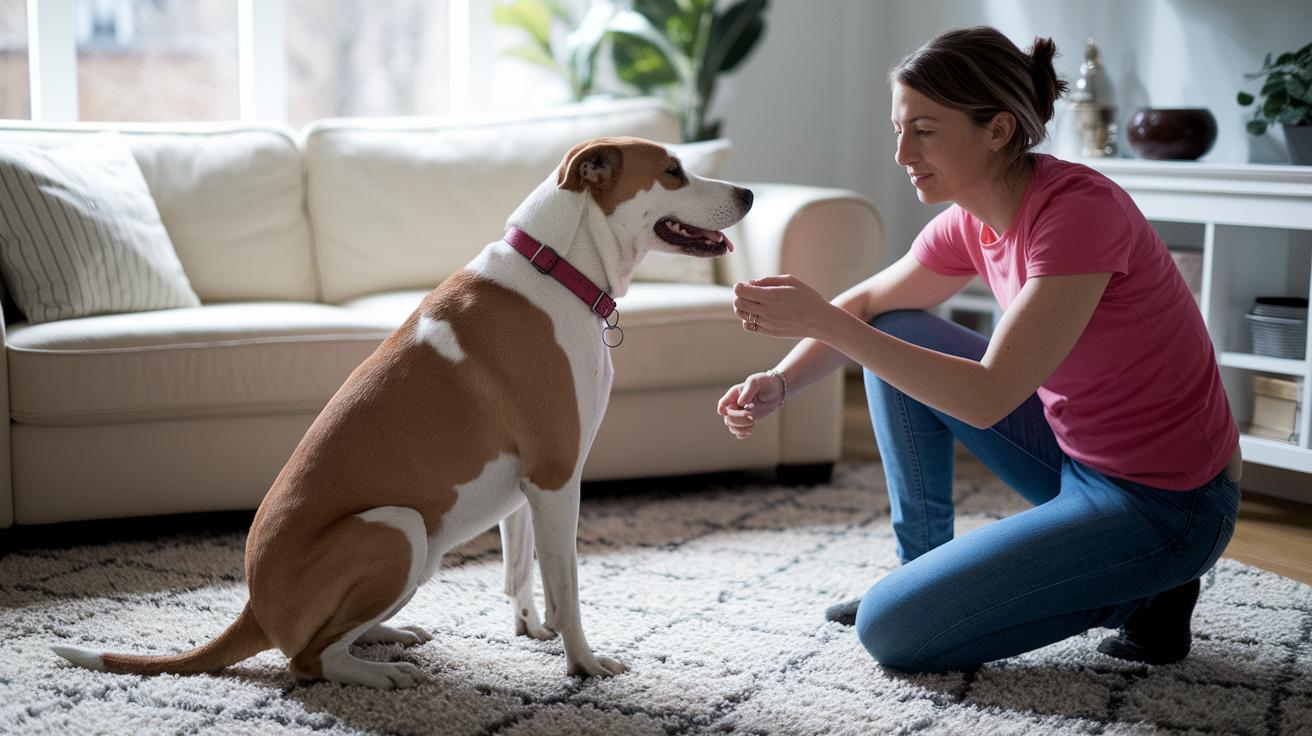
When you’re playing clicker games with your pet, even the tiniest missteps are moments to learn from. A small delay in your click or a change in the reward lets you know where a little adjustment can go a long way. Think of it as fine-tuning a fun, playful tune, each off beat brings you closer to that perfect rhythm. I once heard a trainer say, "My dog almost caught the click but missed it by a fraction of a second. I changed my timing and saw a big difference right away."
You can tackle these challenges with three simple tricks. First, practice your timing by doing short solo sessions where every click matches your pet’s success. Just repeat until the sound and the action line up perfectly. Next, make sure the rewards stay the same every time, a treat or a kind word helps your pet learn what to expect. Finally, start in a quiet room and slowly add in background sounds to manage distractions, much like easing into a busy park.
Video Training Guides and Digital Tools for Clicker Training Games
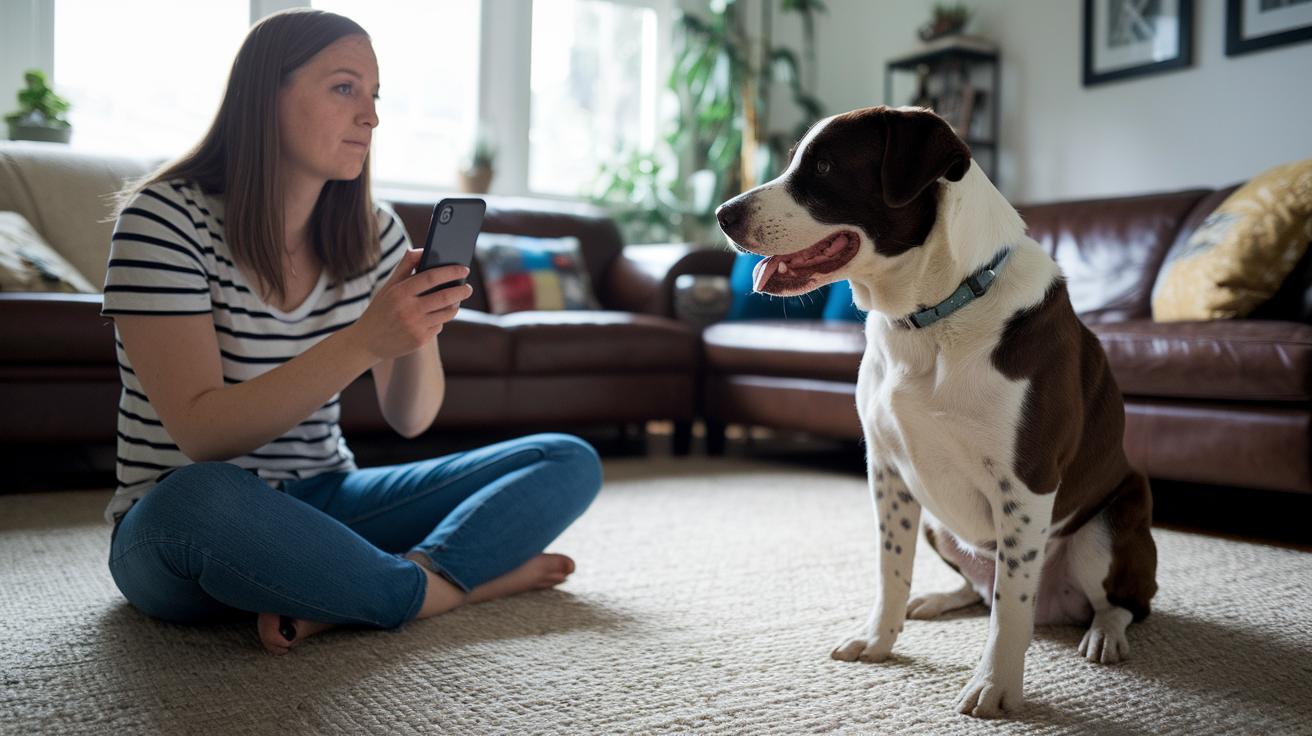
Video training guides are a great way to learn clicker training techniques. They show you each step, almost like having a friendly coach right next to you. Imagine watching a video where a clear, sharp click brings a reward, this helps build your confidence and shows you that your signal matches your pet’s behavior. You can hit pause, rewind, and replay until everything clicks just right.
Digital training apps add another fun twist. They often track your clicks, rewards, and even progress during your sessions. Some apps let you adjust challenges as your pet gets better, while others even let you record your training sessions to see how you’re improving over time. With these handy tools, every practice session becomes a little win, making it easier to enjoy learning together with your furry friend.
Final Words
In the action, we saw how playful sound markers and fun drills boost a pet’s focus and obedience. The article walked through essential benefits, step-by-step game plans, and creative ways to mix indoor play with outdoor fun.
Every strategy shared shows how even simple routines can turn training into a joyful moment. Using clicker training games makes each session full of promise and positive energy. Enjoy watching your pet shine and grow, one fun, rewarding step at a time.
FAQ
What are clicker training games online and are there free versions?
Clicker training games online offer interactive activities using sound markers to shape pet behavior. Many platforms provide free games that let you try fun, engaging clicks to reward good habits.
What are clicker training games for dogs, and how do devices like Dog Clickers or Capybara Clickers work?
Clicker training games for dogs use a small device to mark correct actions with a distinct sound. Similar devices, even for animals like capybaras, help build focus and trust between pet and owner.
Does clicker training actually work?
Clicker training works by clearly marking desired behaviors with a sound, then immediately rewarding the pet. This clear cue reinforces good habits and helps pets learn faster in a fun, positive way.
What are those clicker games called?
Clicker games are interactive training sessions where a sound marker signals correct actions. They’re often known as positive reinforcement drills that blend play with clear cues to shape pet behavior.
What age should you start clicker training?
Starting clicker training can begin when pets are a few weeks old. Early sessions help build simple behaviors and good habits, setting the stage for a lifetime of positive interactions.
Can a human get clicker trained?
Humans can use clicker training methods too. This approach uses a sound cue to mark a correct action—similar to pet training—to encourage new habits and skill-building exercises.