
Have you ever noticed how one tiny click can brighten your pet's day? Clicker training rewards a simple good behavior with a fun sound, kind of like giving your furry buddy a high-five.
Imagine that little click as a signal that turns an everyday move into a moment of praise. It feels like a mini celebration that builds trust and teaches new tricks.
In this post, we’ll share some easy clicker training tips to help you bond with your pet while having fun. Ready to see how one small click can spark joyful pet behavior?
Quick Start Guide to Clicker Training Tips
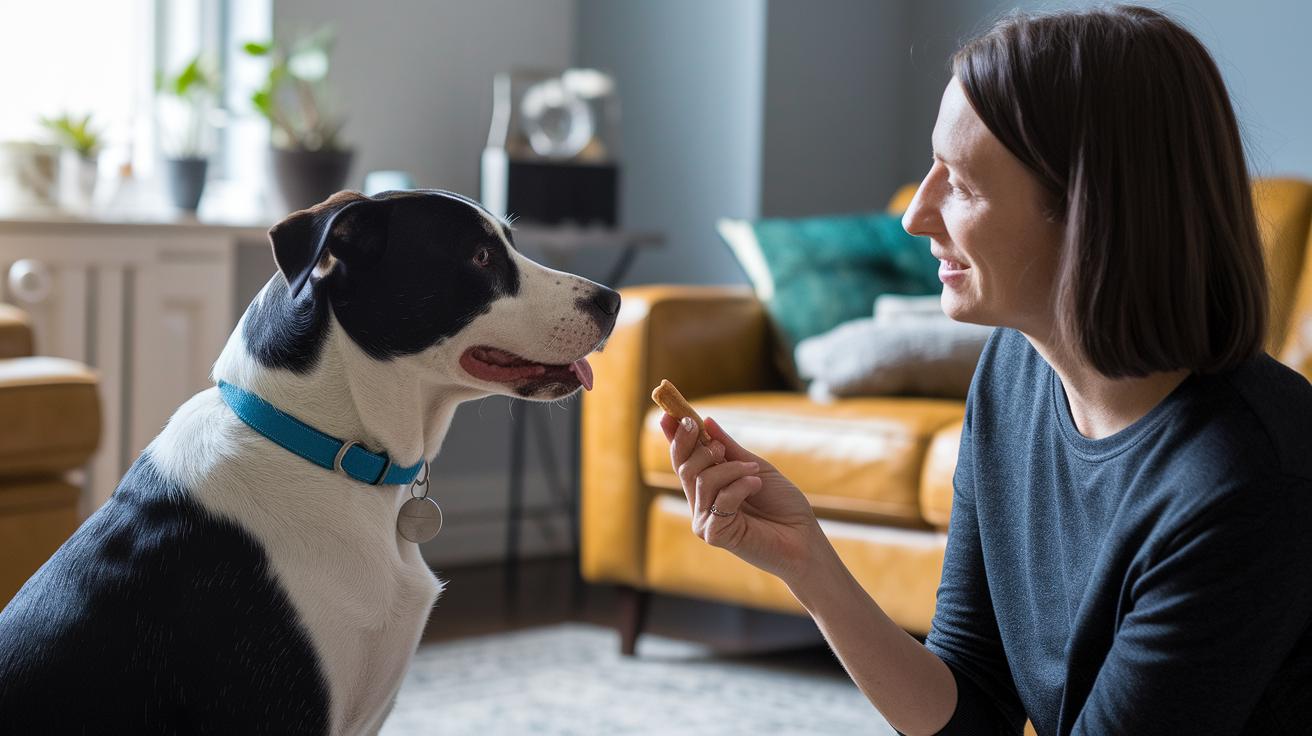
Clicker training is a fun, reward-based way to teach your pet new tricks. When you make that little click sound right after a good behavior, it tells your pet, "Good job!" Then, you follow up with a tasty treat. This clear connection turns a simple click into a powerful signal that rewards your pet for doing well.
Start with simple tricks like "touch" or "sit." Each time your pet gets it right, click and then offer a bite immediately. It’s like celebrating a tiny victory, each click and treat builds your pet’s confidence, much like giving a high-five for every great step.
Timing is everything. Click within half a second of your pet’s correct action so the link is crystal clear. Studies have shown that while using treats alone works well, many pet owners love the extra precision a clicker offers. This quick timing not only builds trust but also makes each training moment more fun.
Understanding Clicker Training Basics
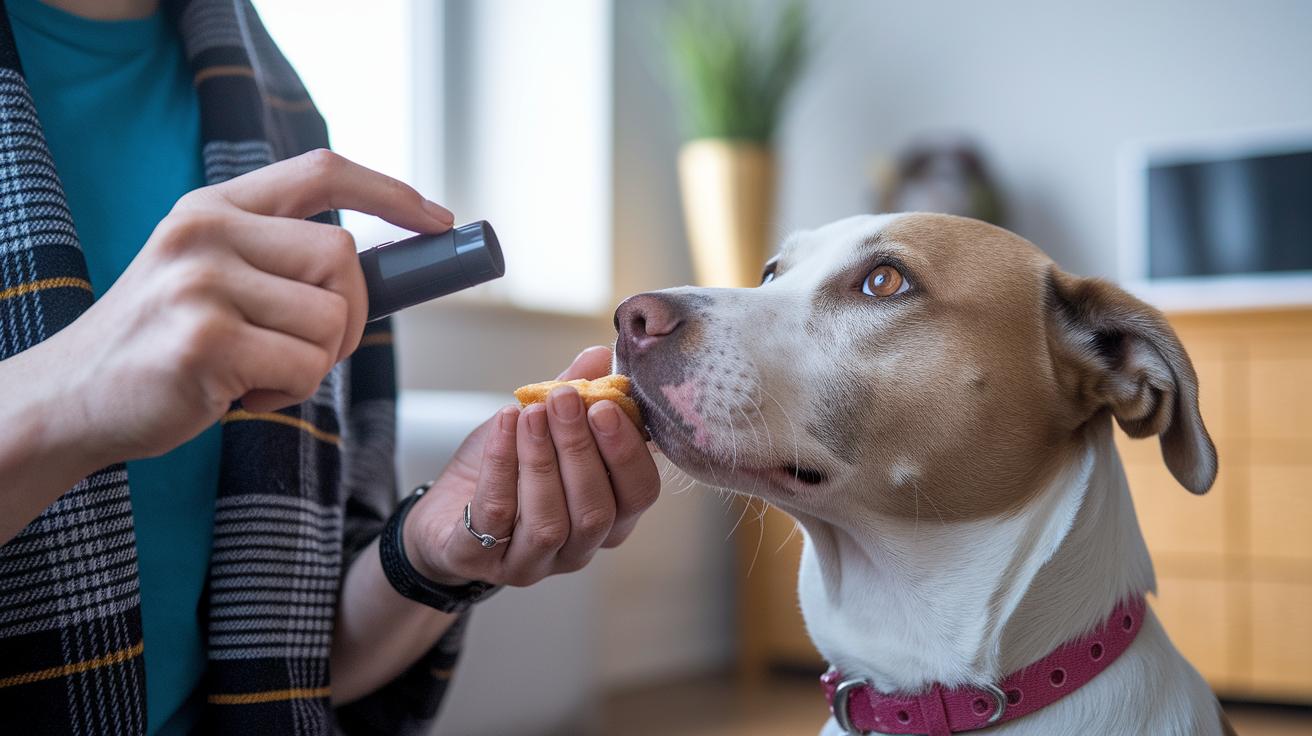
Clicker training works on the idea that pets learn best when they get rewards. Long ago, B.F. Skinner (a famous behavior scientist from the 1930s) showed us that when you reward a pet right after it does something good, they learn quickly. When you click right after your pet acts nicely, it’s like saying, "Good job!" and lets your pet know a treat is coming.
Over time, that click becomes more than just a noise. Each time you pair the click with a yummy treat, it turns into a clear signal for the behavior you want. Your pet starts to connect that sound with a moment of happy praise and reward.
Staying consistent is key. Click as soon as your pet does the right thing, usually within a split second, to build a strong link between the sound and the reward. Using simple, clear cues along with the click builds a friendly bond, making training a fun and trusting process.
Step-by-Step Behavior Conditioning with Clicker Training
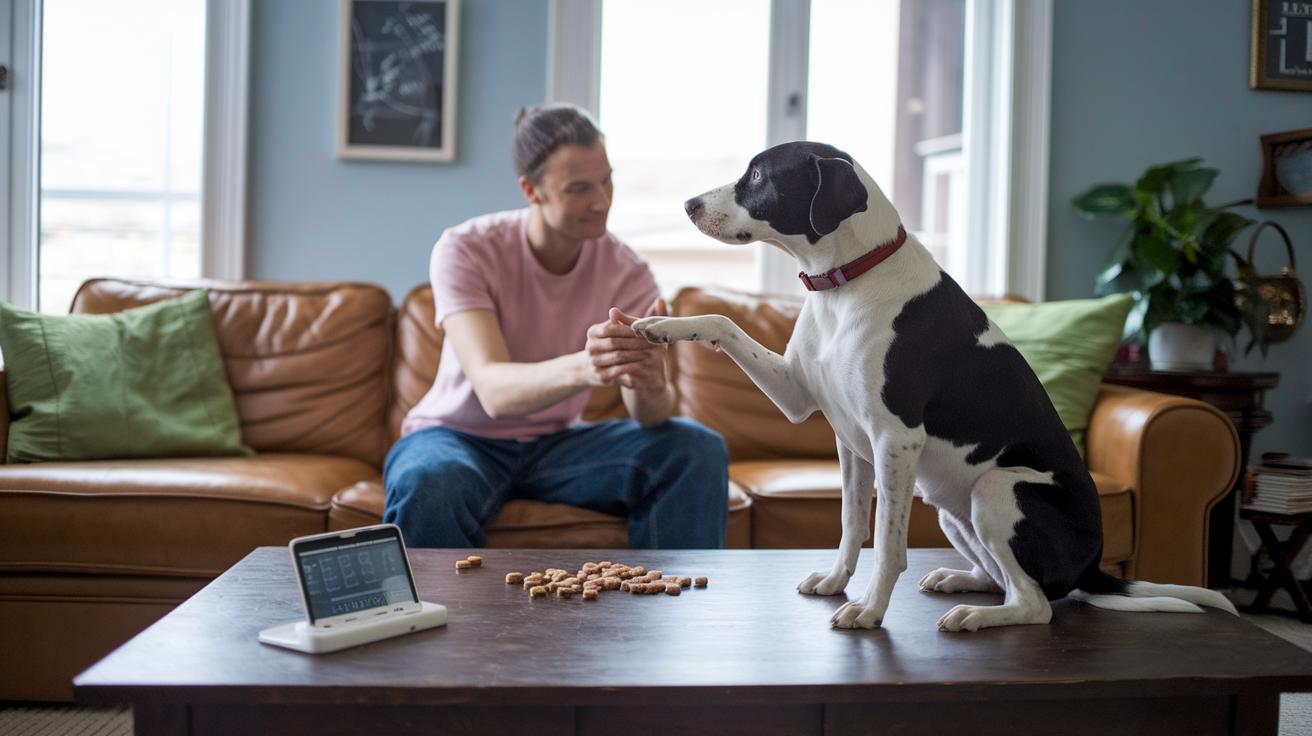
A well-planned training session can be a blast for you and your pet. Keep your sessions under 10 minutes so your buddy stays focused and doesn’t get too tired. Have your cues ready and a mix of treats – think cheese, kibble, and freeze-dried snacks – to keep things fun. Rotating these rewards makes your pet excited for each new trick, turning every session into a small celebration.
Start by giving a clear cue so your pet knows what to do. Then, wait patiently for a little response. When your pet does something right, click at that perfect moment. Finally, offer a treat right away and take a short pause before moving on. This step-by-step signal helps your pet connect the sound of the click with something positive, making it easier to learn even tricky commands like breaking the “down” command into smaller parts.
| Behavior | Click Timing | Reward | Session Length |
|---|---|---|---|
| sit | Right away | Cheese | 10 minutes |
| down | After finishing | Kibble | 10 minutes |
| touch | When they make contact | Freeze-dried | 10 minutes |
| recall | Right when they respond | Cheese | 10 minutes |
Troubleshooting Clicker Training Pitfalls
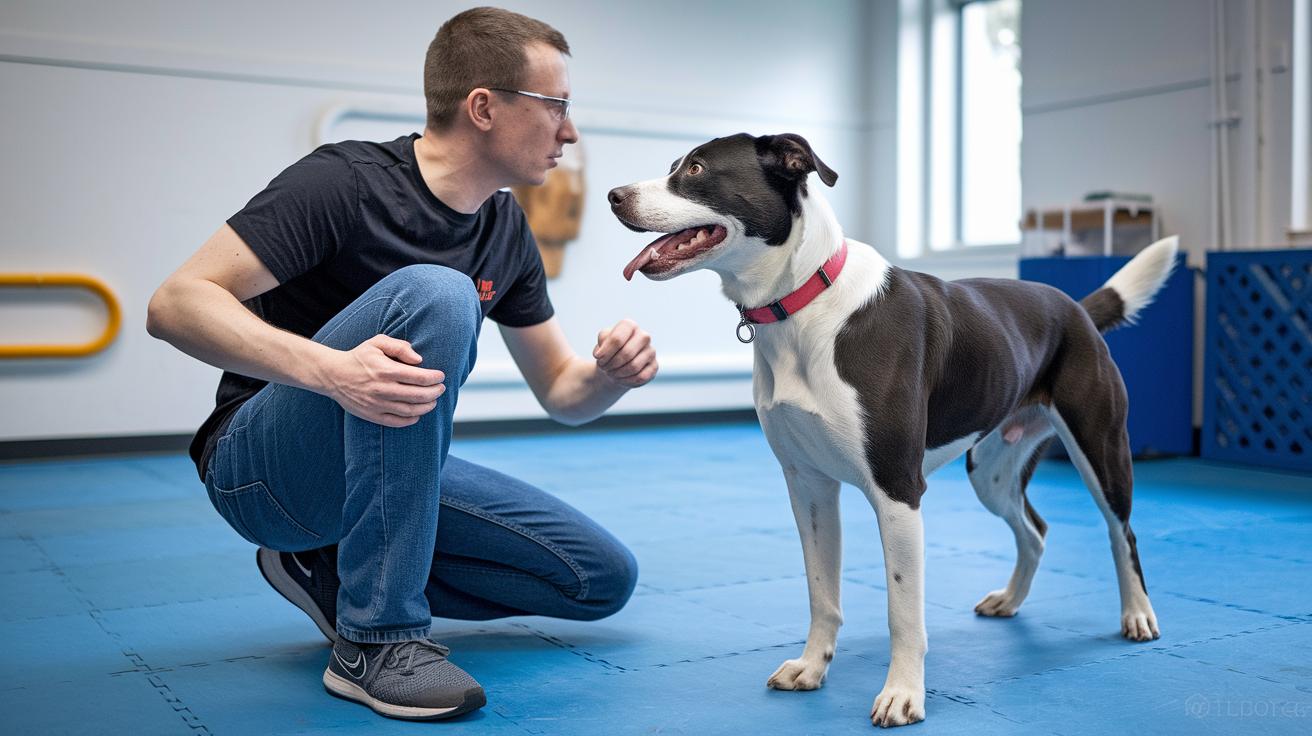
Sometimes clicker training just doesn't stick, and that's okay. When things go sideways, spotting mistakes early, like a missed click or a forgotten treat, can really help you get back on track. It’s like catching a little slip before it turns into a big tumble.
Timing is super important. If you click too slowly or don't follow up the click with a treat right away, your pet might not make the link between the sound and the treat. Quick, steady clicks work best, keeping your pet excited for every correct move.
Other times, the world around you can be a bit too noisy. A loud room or other animals can distract your pet, making it hard for them to focus. Picking a quiet, calm spot can really make a difference, letting your pet zero in on you without extra commotion.
And don’t forget, keeping the click-treat routine consistent is key. If your pet starts to ignore the clicks, try clicking only when you have a treat ready. This helps rebuild that important bond between the sound and the reward, and makes training fun again.
clicker training tips for joyful pet behavior
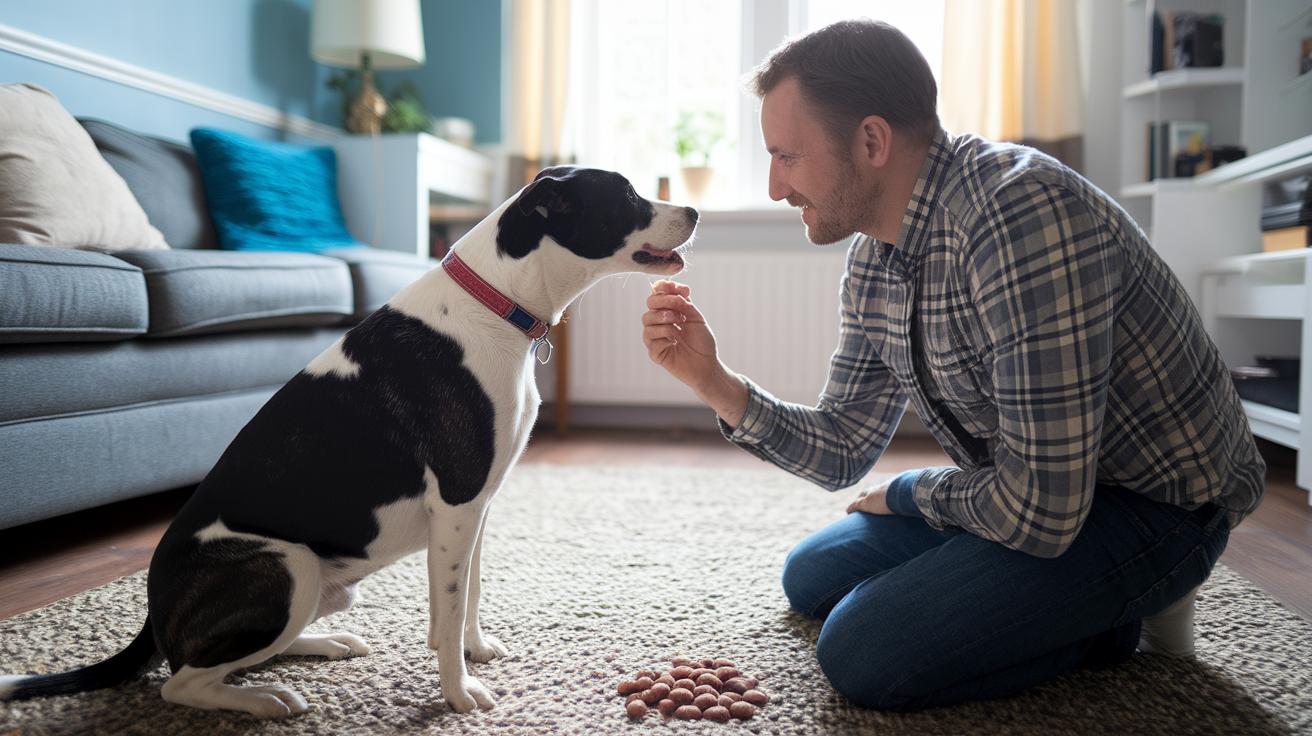
Start by changing how you give treats. Instead of always giving them right away, mix it up. Sometimes your pet gets a treat immediately and other times after a short wait. This mix makes each treat feel extra special.
Then, try putting cues together like a little routine, say “sit,” “down,” and “stay.” This simple chain helps your pet understand what you want and builds their confidence step by step.
Every now and again, surprise your pet with a big reward when they do something really well. That bonus treat boosts their excitement and makes the good behavior stick.
Also, work on impulse control by slowly making your pet wait a bit longer between the click and the treat. This challenge helps them learn to be patient and stay focused, building trust over time.
Finally, mix simple steps with a few tougher ones as your pet learns more. Combining careful treat timing with different cues creates a balanced training routine. In this way, training stays fun and your pet learns to perform consistently.
Resources to Enhance Your Clicker Training Tips
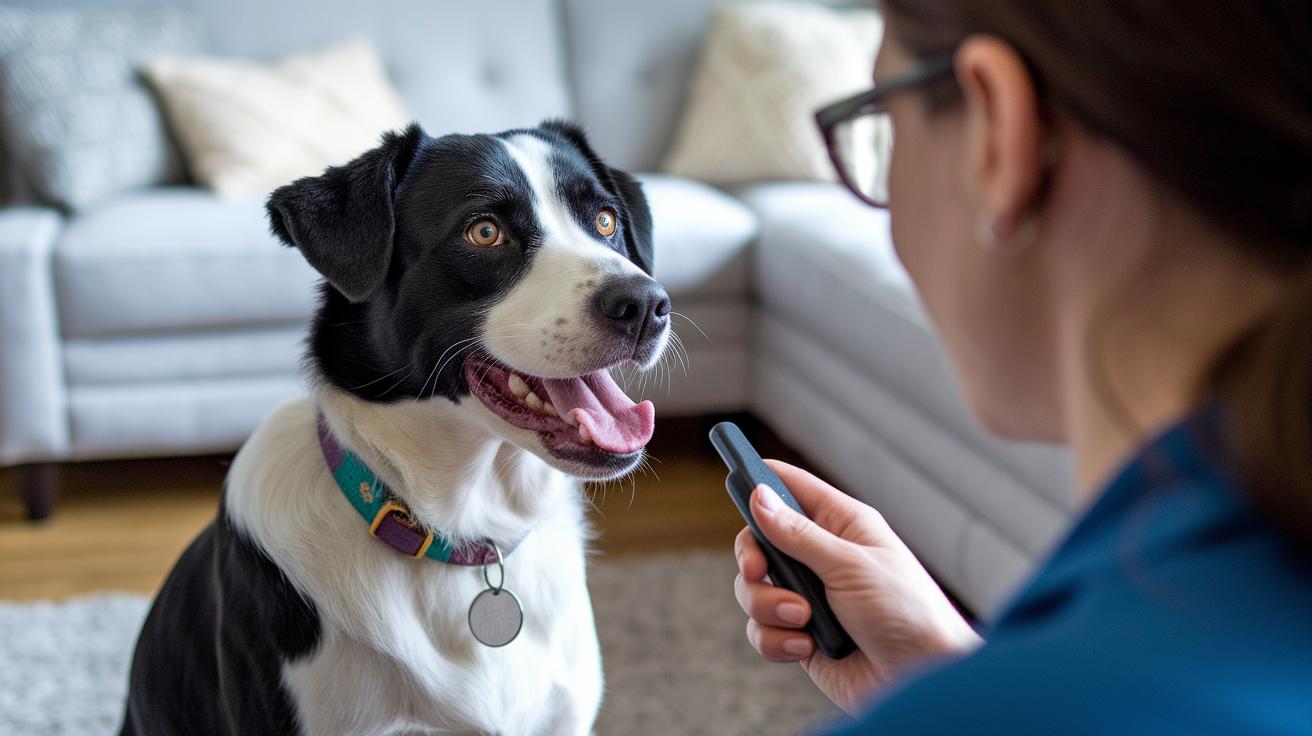
If you're curious about clicker training, try reading guides like "Fifteen Tips for Getting Started with the Clicker" by Karen Pryor. It explains the basics in a clear way and even clears up some common misunderstandings. There are also great instructional videos that show you the exact timing to click, talk about shaping methods (how to guide your pet's behavior gradually), and offer tips for fixing any issues. Every click in these videos serves as a clear little cheer for your dog, gently nudging them toward positive behavior.
If you like learning hands-on, you might want to sign up for a dog training class. Here, friendly and experienced trainers give you live tips that match your pet's unique strengths. Whether you choose local workshops or online sessions, you'll get plenty of chances to practice with expert advice by your side. For even more ideas, check out dog training resources at https://bonsiaai.com?p=1359 and dog training classes at https://reipet.com?p=126. These extra supports make sure that both you and your furry friend enjoy the whole training journey.
Final Words
In the action steps, we tackled clicker training tips that emphasize immediate treat rewards and clear, step-by-step guidance. You learned how a simple click can mark desired behaviors when paired with a treat right away. The post walked through foundational basics, troubleshooting common missteps, and even exploring advanced methods with hands-on reward-based learning. A little patience and fun can go a long way in turning everyday training into joyful moments with your pet.