
Have you ever thought that one little click could help calm your dog? Clicker training uses a tiny sound that tells your pet when they're doing something good, kind of like an instant "good job!" That click, followed by a treat, shows your dog that staying calm can lead to a nice reward.
It's a simple way to build trust and ease those stressful moments that can get your pup all anxious. With each click and treat, your furry friend learns that a calm approach brings something positive. And soon enough, even unexpected noises or busy days won't seem so scary.
Try it out for yourself and see how a little sound can make a big difference in your dog's day.
Alleviating Anxiety Through Clicker Training

Clicker training is a kind, steady way to help your dog feel at ease. You use a small device that makes a clear click right after your dog shows calm behavior. This click tells your pet that something good is coming, usually a yummy treat. Soon, your furry friend learns that the sound means a happy reward, which helps ease anxiety when they face loud noises or unfamiliar people.
Short, regular sessions can really build trust between you and your dog. Whether your pup gets nervous during a storm or around other dogs, that consistent click helps smooth out their worries. It’s not just about learning tricks; it gently teaches your dog how to handle stressful moments, making everyday surprises a bit less scary.
- It clearly rewards calm behavior, which lowers fear.
- It helps dogs feel safe around loud sounds and busy places.
- It builds a steady routine that comforts them during unexpected events.
- It encourages focus by rewarding each good action.
- It strengthens the bond between you and your pet through fun, predictable training.
Step by step, the constant click builds confidence in your dog. As they start to expect a treat from the click, their anxiety fades into the background, replaced by trust and calm. Every click is a little reminder that they’re doing well, making tough moments easier to face.
Clicker Training Fundamentals for Nervous Dogs

When your dog does something calm, hit the clicker within half a second to give a clear signal. It’s like saying, "Great job!" For example, if you ask your dog to "sit" or "look" and they obey, the quick click shows them that the right behavior has earned a treat right away.
The clicker always makes the same sound, which helps your dog understand what you mean without any confusing voices. Every click tells your pet that a reward is coming soon, so your dog learns that staying calm always has a happy ending. Use the click immediately after your pup stays steady with a command to build a strong link between their action and the reward.
Keep your training sessions short, just 3 to 5 minutes, to keep your dog interested and relaxed. With regular, brief sessions and steady clicker cues, your dog will feel more secure and confident each time you practice together.
Step-by-Step Clicker Training Guide for Anxious Dogs
-
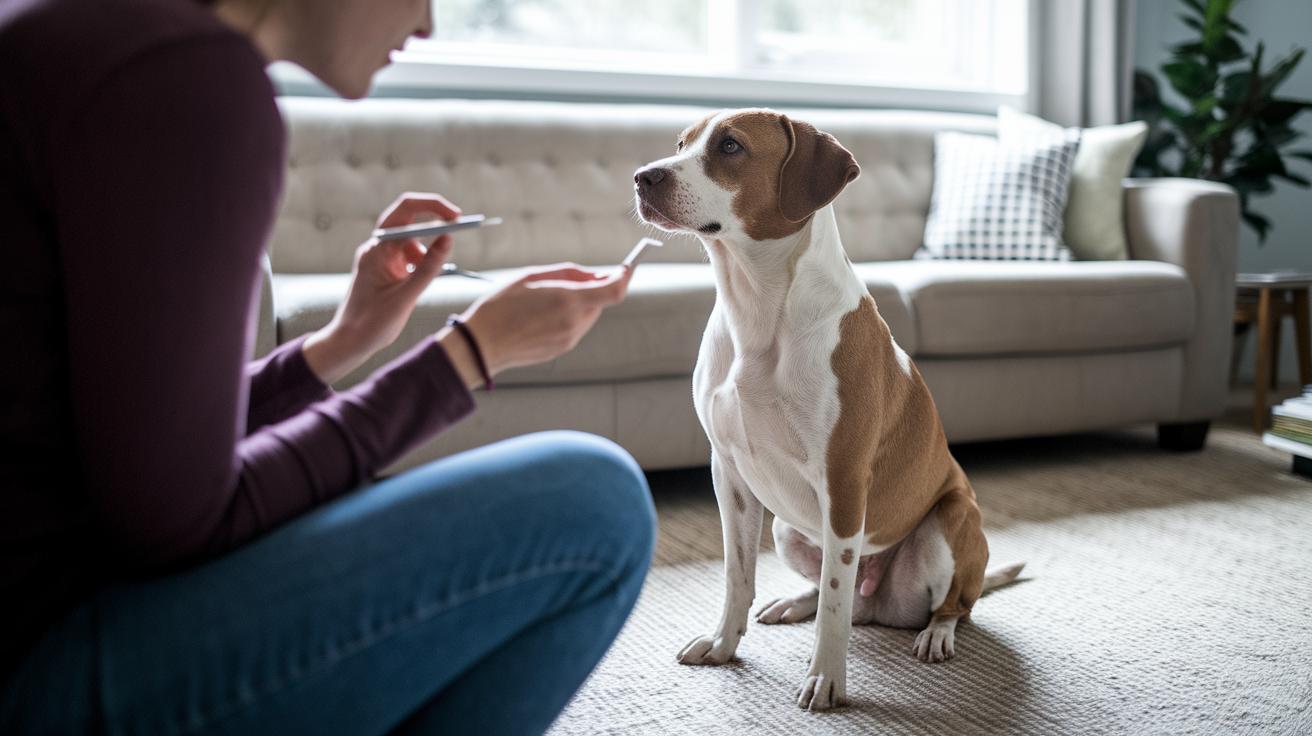
First, get your clicker going by clicking and treating your dog about 20–30 times right away. This quick repeat helps your pup understand that every clear click means a tasty treat is on the way.
-
Next, watch for those quiet, calm moments, like when your dog is sitting peacefully. When you see it, click immediately and hand out a treat. It’s a kind way to show your pet that being relaxed is something to celebrate.
-
Now, begin to shape new behaviors slowly. For example, if you’re teaching your dog to stay, reward even the tiniest pause. Soon, you can work up to longer periods of stillness, one step at a time.
-
After that, try adding small distractions, like a low-volume noise nearby. Keep an eye on your dog; if it stays calm, click right away and treat. Only increase the challenge once your dog has shown repeated calm responses.
-
Then, bring the training into real-life settings. On walks, if your dog starts chewing on something it shouldn’t, offer a chew toy instead. Click when your pet keeps a loose leash. This approach blends steady training with a bit of play, keeping things friendly and fun.
-
Finally, keep each training session short, around 3–5 minutes. Short bursts help your dog stay engaged without feeling overwhelmed. Sticking to brief sessions is a gentle way to build confidence and reduce anxiety step by step.
Stick with these steps each day. Every click becomes a little sign of reassurance, helping your dog learn to manage stress while building a warm, trusting bond between you two.
Integrating Desensitization and Counter-Conditioning with Clicker Training
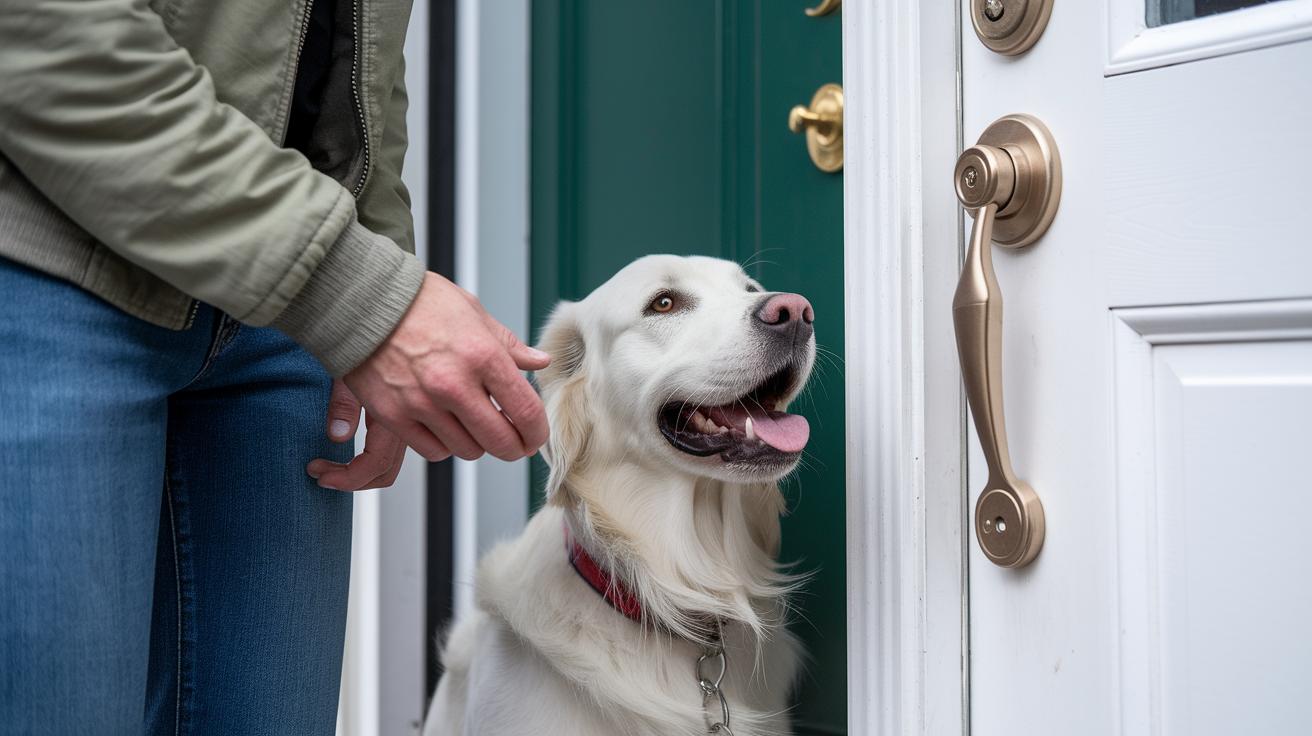
Start by gently introducing your dog to quiet triggers like a soft doorbell ring or far-off traffic. Keep things very calm so your furry friend doesn’t get stressed. Each time your dog stays relaxed, click right away and give a little tasty treat. This simple routine helps your pet learn that these sounds are nothing to worry about. Slowly and steadily, your dog will start to see these once-scary noises as a sign of something good.
Next, mix in a favorite treat or toy with every time your dog meets the mild trigger. When your pup hears the sound, click and reward immediately. Over time, you can make the sound a bit louder or closer but only after many calm responses. With each rewarding moment, your dog builds a new, positive memory. Bit by bit, this approach makes challenging situations feel less scary and helps your pet feel more confident.
Monitoring Progress and Behavior Tracking in Clicker Training

Keeping track of your dog's behavior during training is super important. It helps you notice small wins and any bumps along the way. You might record things like how often your pup barks, paces, or reacts to different triggers. This steady record lets you see your furry friend’s progress over time. For example, one walker shared that two dogs improved their click-to-quiet ratio from 1:5 to 1:1 in just two weeks by jotting down these details regularly.
| Behavior Metric | Starting Point | Sessions Observed | Changes Noted |
|---|---|---|---|
| Quiet Duration | Brief moments | Several sessions | Longer calm times |
| Loose Leash Walks | Tense walking | Regular sessions | More relaxed strides |
| Toy Focus | Distracted attention | Consistent practice | Better concentration |
| Trigger Response | High sensitivity | Step-by-step progress | Less startle response |
Reviewing your notes gives you a clear picture of how training is going. It helps you know when to adjust rewards or modify the session pace. This gradual tweaking builds your dog’s confidence and creates a training routine that feels warm and effective, just like sharing a little secret with a fellow pet lover.
Expert Advice and Precautions for Clicker Training Anxious Dogs

When using a clicker with an anxious pooch, taking extra care can truly help make the training safe and smooth. With a bit of planning and guidance from experts, you can set up a calm space that eases your pet's worries and supports each step of learning.
- Work with a vet or a certified behaviorist (someone who knows animal behavior well). They can offer tips and plans specially made for dogs that feel extra anxious or show signs of aggression.
- Choose professionals with Fear Free certification. These experts use gentle, calming techniques that help lower your dog's stress.
- Train in a quiet, familiar spot. A known and predictable place helps your dog feel secure and more focused.
- Use safety tools like a muzzle only when a professional advises. This careful step helps protect your dog and those around if biting is a concern.
- Put together an owner support kit with your clicker, your dog’s favorite treats, a training journal to jot down progress, and some soothing chews. Having the right tools close by can cut down on uncertainty and keep things moving steadily.
Final Words
In the action, this article broke down clear steps to help calm your furry friend. We talked about using a distinct clicker sound to mark positive behavior and how steady sessions build trust.
We also explored how combining gentle exposure with rewarding cues can ease stress. Balanced routines and careful tracking help your pet feel secure.
Rely on these tips and let your pet enjoy a brighter, more relaxed day with clicker training for anxious dogs.
FAQ
FAQ
Clicker training for anxious dogs reddit
The discussions on clicker training for anxious dogs on Reddit share real-life owner experiences and practical tips to help calm anxious pups using a clear sound cue paired with treats.
Free clicker training for anxious dogs
The free clicker training for anxious dogs approach highlights cost-free resources and community-shared guides, allowing pet owners to use a simple click sound and treats to reduce anxiety in their dogs.
Clicker training for anxious dogs reviews
The reviews for clicker training for anxious dogs reveal that many owners find this method effective for reducing anxiety, with clear sound cues and rewards creating predictable, comforting training sessions.
Clicker training for anxious dogs near me
When searching for clicker training for anxious dogs near me, look for local trainers or classes that offer positive reinforcement techniques, which use a consistent click sound to ease your pet’s stress.
Why clicker training is bad
The idea that clicker training is bad usually emerges from concerns about misuse; however, when done with precise timing and proper treat pairing, it reliably encourages calm, positive behavior without harm.
Clicker training dogs for beginners
Clicker training dogs for beginners means using basic, easy-to-follow steps like marking a behavior immediately with a click and rewarding it, making early training fun and accessible for new pet owners.
Dog training for anxious dogs near me
Dog training for anxious dogs near me refers to seeking local professionals who use sound cues and rewarding techniques to gently guide anxious dogs towards calm behavior while building veterinary-supported trust.
Clicker training to stop bad behavior
Clicker training to stop bad behavior means using a specific click sound to signal when your dog exhibits the right actions, gradually teaching them which behaviors to repeat and which to leave behind.
Is clicker training good for anxious dogs?
Yes, clicker training works well by reducing uncertainty and easing stress through consistent sound marking paired with rewards, making training predictable and comforting.
What is the 3-3-3 rule for dog anxiety?
The 3-3-3 rule for dog anxiety means keeping training sessions short at three minutes, practicing three times a day, and focusing on three calming activities, which helps manage your dog’s anxiety without overwhelm.
What is the 7 7 7 rule for dogs?
The 7-7-7 rule for dogs means engaging in sessions of seven minutes each day, repeated for seven days, and focusing on seven specific behaviors—this consistent format builds stability and confidence in your pet.
What are the negatives of clicker training?
Some challenges include potential confusion if timing isn’t spot-on and over-reliance on treats, making it important to balance clicker methods with broader calming strategies.