
Ever notice your pet's puzzled look when you click? Sometimes we mistime the click or treat, and that can make your furry friend unsure of what’s expected. It’s like the message between the behavior and the reward just gets lost.
But don’t worry. In this chat, we’ll share some tips on how to fix these timing hiccups so your pet can learn happily and with clear signals. Let’s work together to make every click a step toward more joyful pet moments.
How to Identify and Fix Common Mistakes in Clicker Training
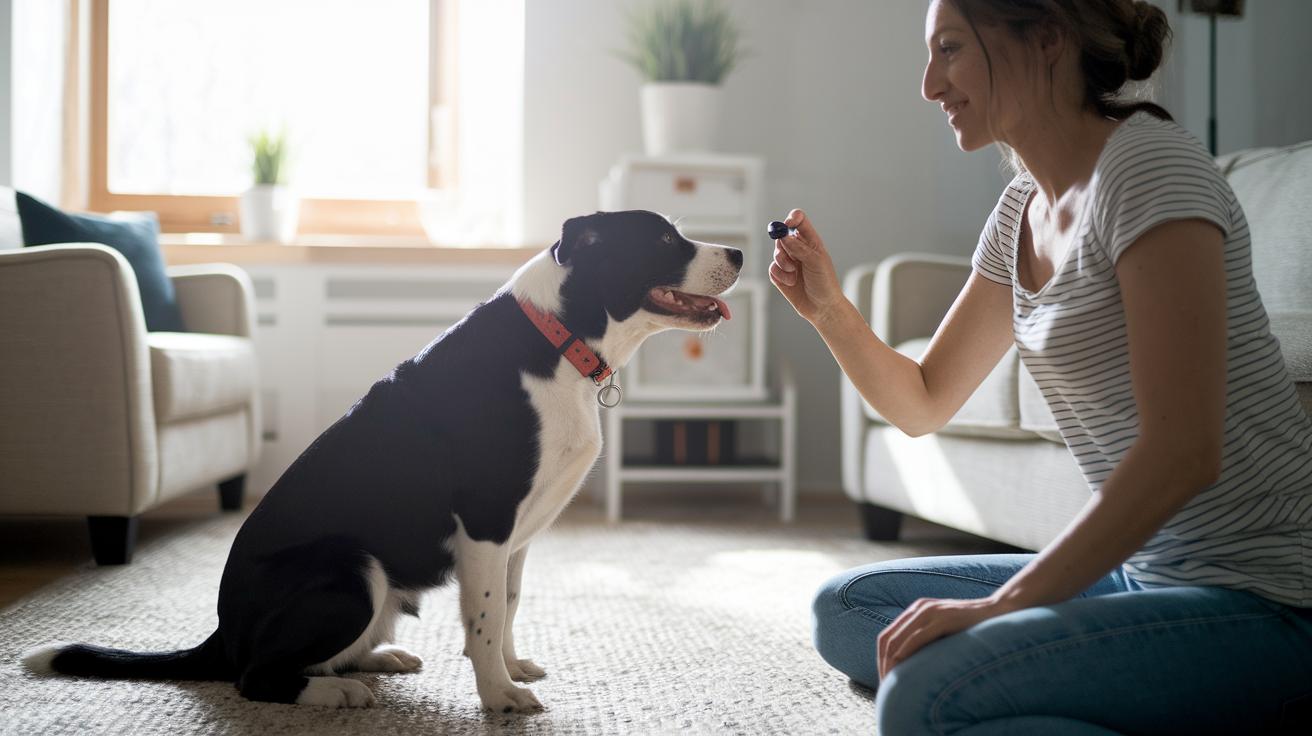
One common pitfall in clicker training is using the clicker just to get your pet’s attention instead of marking the exact moment they do something right. This can leave your pet puzzled about which action earned that important click. Imagine telling your dog, “That click means success!” only to find it looking confused because the sound came when it was simply watching you.
Another mix-up happens when you move the treat hand too soon, before clicking. When the treat appears early, your pet might focus on the treat itself instead of linking that click with the right behavior. It’s like giving away the secret too quickly.
A small delay in giving the treat can break the bond between the click and the good behavior too. Even a pause of a few seconds might make your pet think the reward belongs to a different action.
Other issues include using treats that are too big or slow to eat and rushing through the session simply because you’re in a hurry. Remember:
| Tip | Why It Matters |
|---|---|
| Hold the treat until after the click | Makes the connection clear |
| Use small, fast treats or try praise | Helps your pet learn quickly |
| Take it slow and steady | Builds a strong, clear link between the click and action |
Each of these mistakes can cloud the message your clicker is meant to send. So next, let’s explore some easy ways to fix these issues and help your pet learn with clarity and confidence.
Avoiding Audio Marker Missteps in Clicker Training
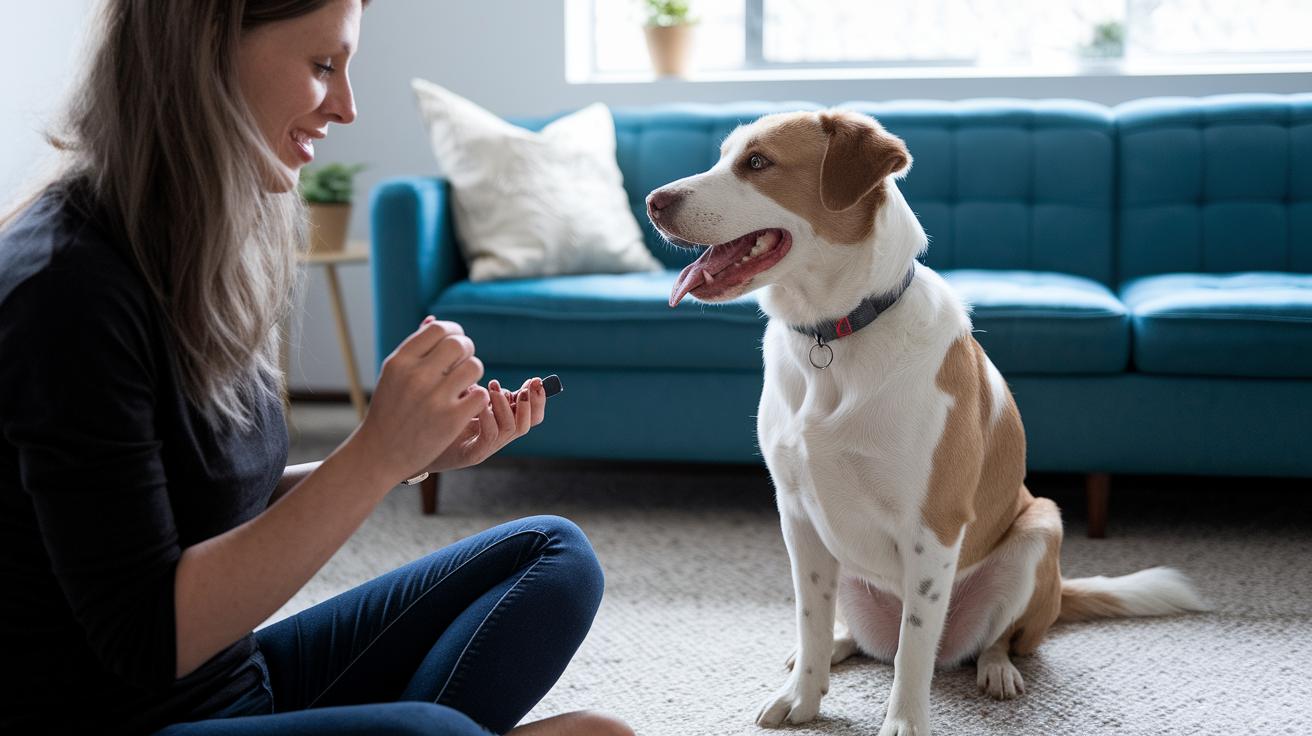
Every time you click, make sure to give a treat right away so your pet learns that the sound means a reward. If you click too early or too late, your pet can get confused. For instance, if you click as your dog is just starting to sit instead of waiting for the complete sit, it might think any little movement earns a treat.
When the clicker is not used consistently, the clear message gets lost. Imagine clicking several times without offering a treat after each sound. Your pet might hesitate or wonder what you really want, and the signal becomes mixed up.
A weak or quiet clicker can also cause problems because your pet might not hear it. Keeping the clicker close by, perhaps on a wrist strap or a keychain, ensures you're always ready to mark that perfect moment when your pet does something right.
Think of your clicker as a trusty sidekick that never misses a chance to celebrate your pet’s success!
If you’re looking for more tips on perfecting the timing, check out a dog training class for some expert advice.
Overcoming Reinforcement Timing Faults in Clicker Training
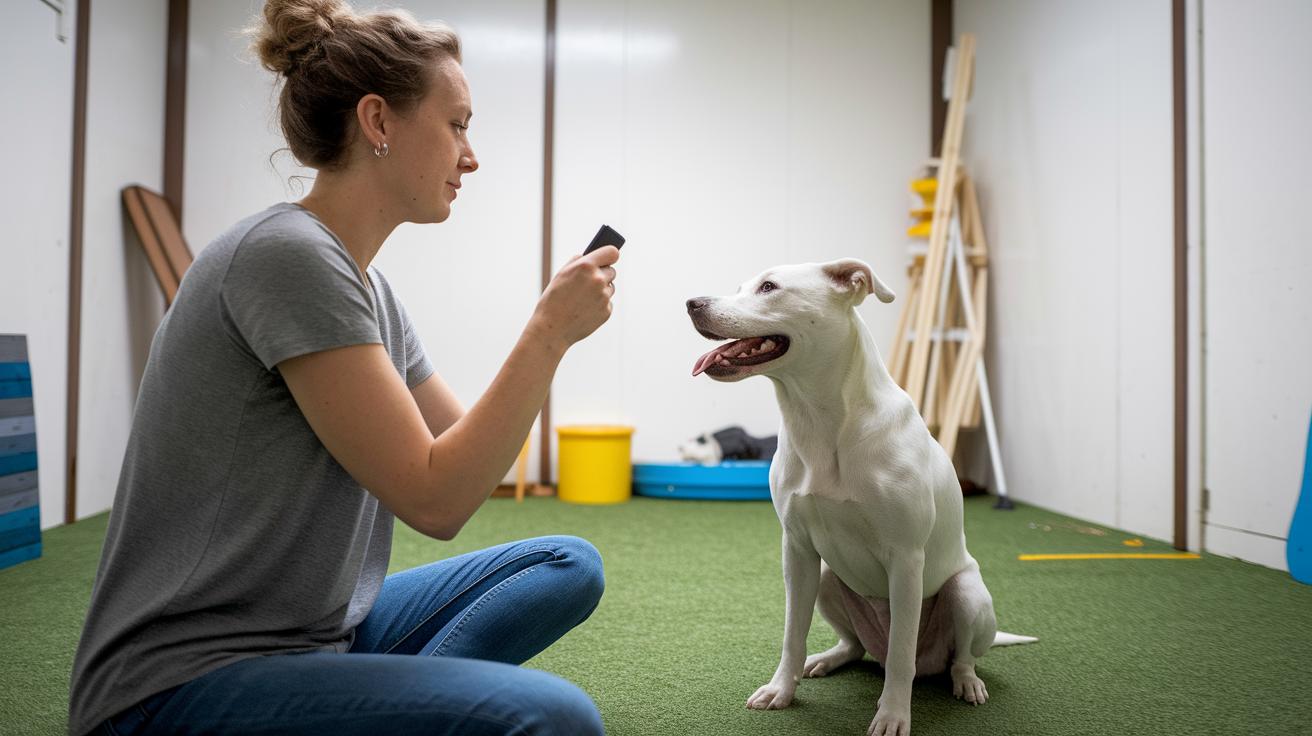
Timing is everything when using a clicker with your pet. One day, I reached for a treat too soon, and my dog got so confused that he ended up spinning in circles instead of sitting. I learned that holding off on moving your treat-hand until after the click is the best way to link the behavior with the reward.
- Wait until you hear the click before moving your treat-hand.
- Hand over the treat right after the click so your pet knows exactly what they did.
- Let that clear click mark the exact moment of the good behavior.
Correcting Cue Association Errors and Inconsistent Reward Delivery

If you click too early during training, your pet might get mixed up. Imagine clicking while your dog is just starting to sit instead of after it has fully settled. This can make the pet wonder which part of the action matters. Breaking the behavior into small, clear steps helps a lot. Try clicking and then giving a quick reward when your pet does a tiny bit right, like waiting for your dog's tail to slow its wiggle before you click.
Another common hitch is handing out rewards at the wrong moment. When praise or treats come too late, your pet might not link the click with what it just did. To keep things clear, click only when the full action is finished and reward immediately. It also helps if you break trickier actions into bite-sized parts and always use rewards your pet really enjoys, be it a yummy treat, a fun toy, or an enthusiastic pat.
These simple steps can smooth out the bumps in your clicker training. For more tips and tricks, check out our dog training resources at dog training resources.
Steering Clear of Beginner Cue Mistakes in Clicker Training
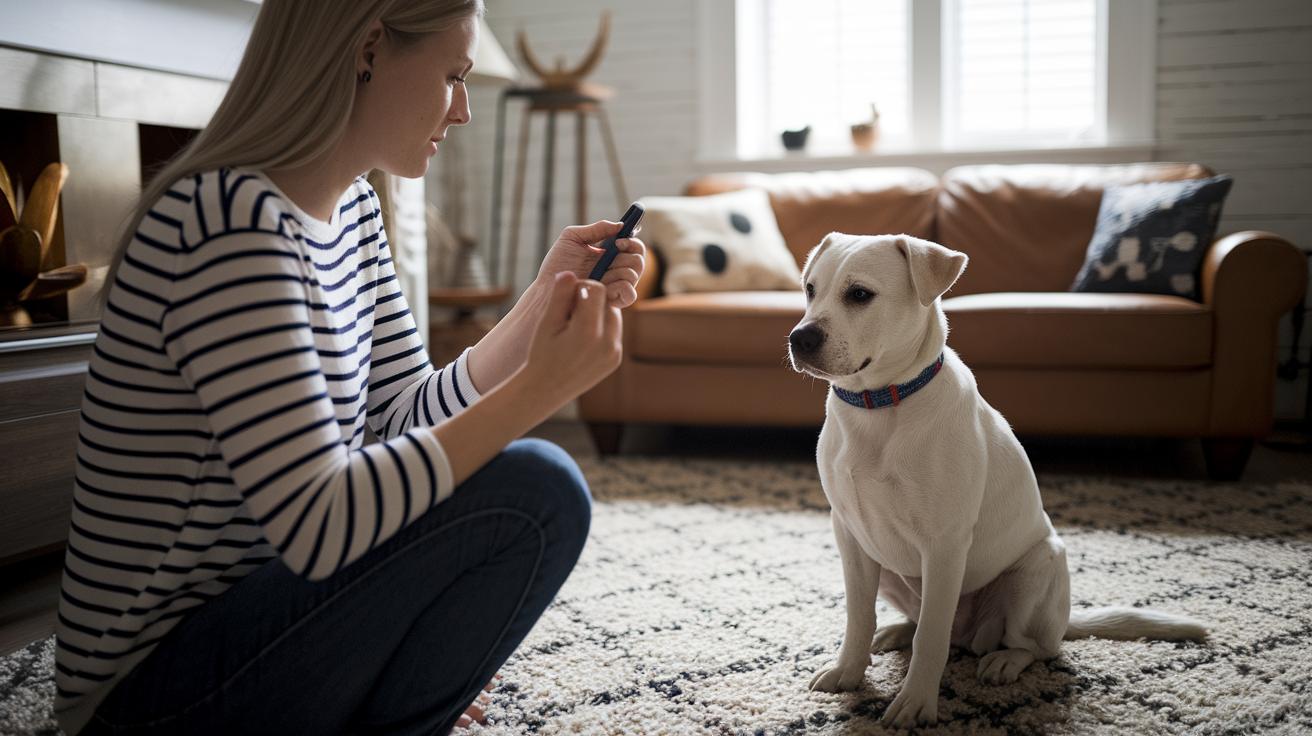
New trainers can sometimes mix up their signals. They might use vague or inconsistent cues that leave your pet puzzled. Over-clicking, using the clicker too often without a clear reason, dulls the power of that perfect sound. When the signal isn’t clear, your furry friend might not understand which behavior earns a reward. It’s a bit like handing over a puzzle with missing pieces, confusing and discouraging.
When it comes to training cats, a common hiccup is not syncing the clicker sound with an immediate treat. This means the click doesn’t connect to a reward. Also, if your cat has treats available all the time (free feeding), it might not work as hard during training. And if you choose treats that aren’t exciting or valuable enough, your cat’s interest can quickly drop.
If you notice your pet drifting off during a session, try pausing for a little burst of play to regain their focus before picking up where you left off. For more friendly advice on setting up clear and consistent cues, check out a guide on pet behavior for better health.
By keeping your signals crisp and the rewards steady, you build a strong foundation for fun, successful training. Patience really pays off in the end.
Final Words
in the action, we’ve seen how misusing the clicker can confuse even the most eager pup. We looked at issues like audio marker missteps and mistakes in reinforcement timing, which upset clear behavior signals.
We also dug into cue association errors and beginner cues that weaken training outcomes. By spotting common mistakes in clicker training, we can fine-tune our steps and boost our pets' learning with warmth and focus. Happy training!
FAQ
Why is clicker training bad?
The clicker training raises concerns when the clicker is used as an attention-getter rather than marking exact behaviors. Mis-timed clicks or premature treat delivery can confuse your pet, weakening the intended behavior link.
What is the hardest command to teach a dog?
Teaching commands like a solid recall or leaving distractions can be the hardest. These commands demand precision in timing and consistency, challenging even for patient trainers and adaptable dogs.
What are common mistakes in socializing reactive dogs?
Socializing reactive dogs can go awry if exposure is rushed or cues are inconsistent. Skipping gradual, controlled introductions can heighten anxiety, making it vital to focus on clear signals and calm spacing.
What are the 5 D’s of dog training?
The 5 D’s focus on key training elements: Discipline, Duration, Determination, Direction, and Data. Each D emphasizes consistent practice, clear cues, and measured progress to build strong, reliable behavior links.