
Ever notice how a little tool can transform your pet’s training time? Imagine the satisfying click that tells your pet they did a great job. In this guide, we’ll chat about what to look for in a clicker, from its clear sound to a sturdy design, plus the best way to hold it during your sessions. Trust me, these small details can make training feel fun and rewarding, helping your pet learn faster. Ready to make every training moment count?
Essential Steps to Choose a Clicker for Training

When picking a clicker, you're marking that very moment when your pet does something fantastic. A clear sound helps your furry friend connect the click with a treat or praise, making training simple and fun.
-
Identify your training environment
Think about where you'll be working with your pet. Indoors, a softer click might be better, while outdoors, say, in a bustling park, a louder click could be easier to hear. Imagine sharing cozy moments in a quiet living room versus the energy of a busy park. -
Evaluate click volume and tone
Test out the sound first. Press the button and listen closely. You want a crisp, clear click that grabs your pet's attention every time, without any surprises. -
Test build quality
Hold the clicker and notice its weight and feel. A well-made clicker should be sturdy enough for many training sessions, so you don’t have to worry about it breaking. -
Check ergonomics and ease of activation
Make sure the button is comfortable to press during longer training sessions. An ergonomic design ensures your finger doesn’t get tired, letting you focus on your pet's progress. -
Review accessory options
Look for cool extras like wrist straps or key-ring attachments. These handy features can make your training sessions even smoother by keeping the clicker secure and easy to access.
A little extra tip: Pair that clear click with a treat right away. It lets your pet know exactly what they did right, making learning a joyful, rewarding experience. For more ideas, check out Dog training resources.
Key Criteria for Comparing Clicker Options
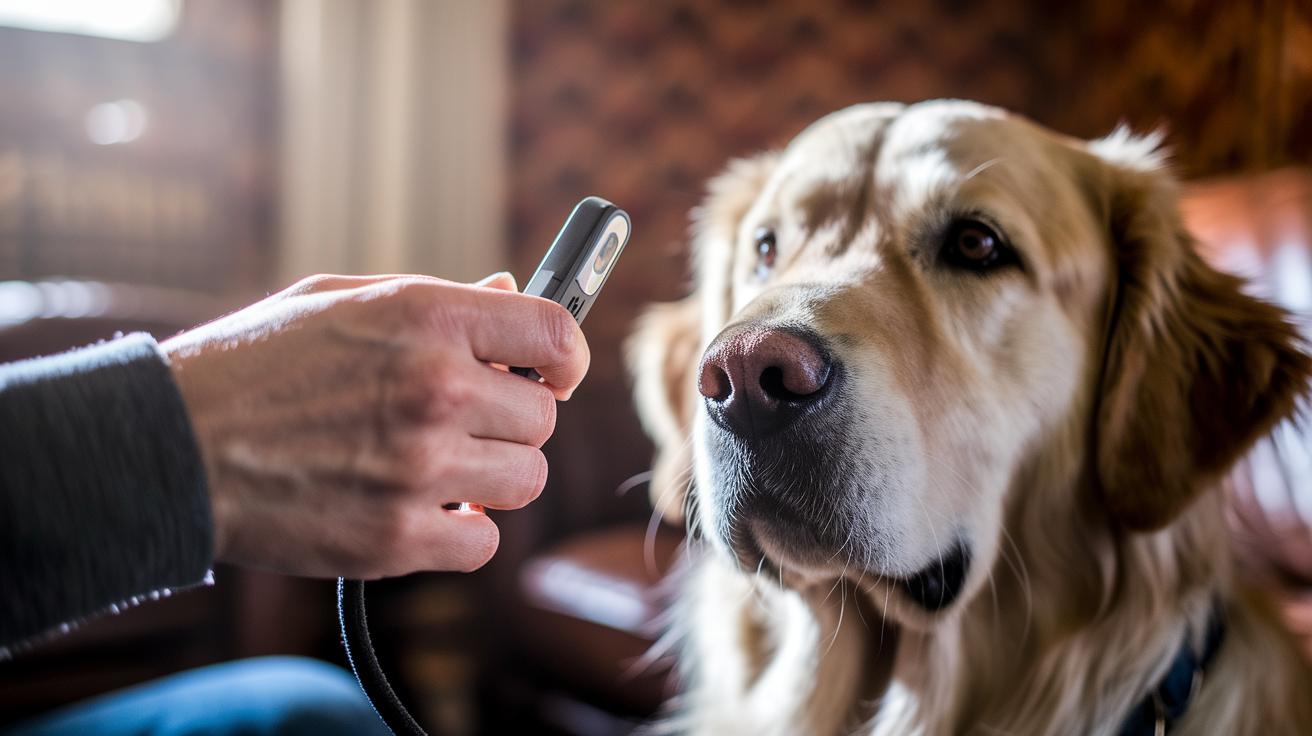
When you pick a clicker for training your pet, look for one that makes a clear, sharp click (like the sound of a camera snapping). It should be sturdy and fit snugly in your hand so you don’t get tired.
We’ve put together some key things to check:
| Feature | What to Look For | Why It Matters |
|---|---|---|
| Sound Quality | Clear, adjustable clicks with a steady tone | Makes it easy for your pet to recognize the signal |
| Durability | Strong materials like ABS plastic or metal | Stands up to lots of training sessions |
| Ergonomics | A comfy button size and a natural grip | Keeps your hand relaxed when you’re using it |
| Size & Weight | A compact design that’s easy to handle | Helps prevent fatigue during long training sessions |
| Accessory Options | Extras like wrist straps, lanyards, or personalized features | Ensures your clicker is always within reach |
Check that the size and weight feel just right for fatigue-free handling. And don't forget to see if the extra accessories, like wrist straps or key rings, match your training style.
Reviewing Popular Clicker Models for Training
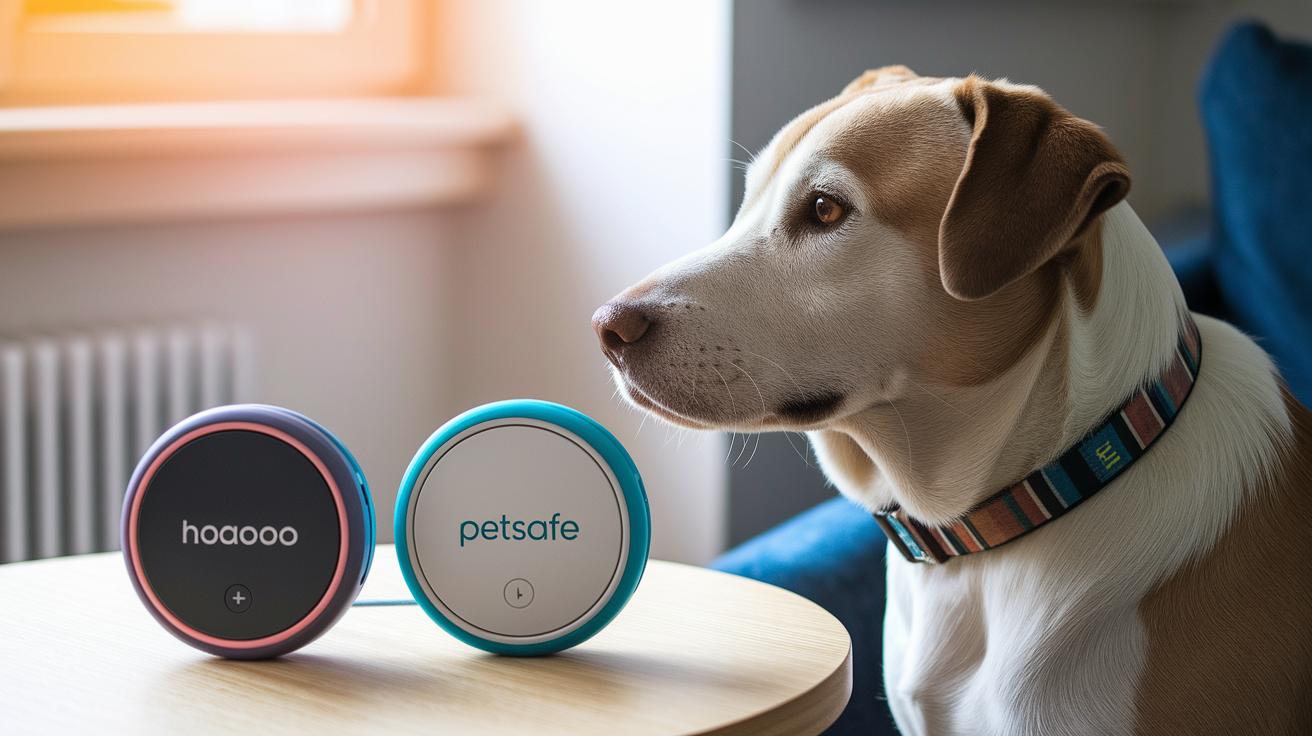
When you're looking for the right clicker to train your pet, it's great to compare a few simple pros and cons. This makes it easier to pick the one that fits your style and your pet's needs.
HoAoOo Pet Training Clicker
Pros: It gives a clear, steady sound that your pet will quickly recognize, almost like the crisp snap of a camera shutter right when you need it.
Cons: It costs a bit more, so if you're on a tight budget, you might want to check out other options.
PetSafe Clik-R Dog Training Clicker
Pros: This clicker makes a gentle click that's perfect if your pet has sensitive ears or if you prefer a softer sound for calm training sessions.
Cons: Because its sound is quite soft, it might not cut through well in noisy outdoor settings.
EcoCity 2-Pack Dog Training Clicker
Pros: This one is great for busy or loud environments. It produces a loud click that stands out against background noises, and it comes with a handy bungee-cord strap to keep it within reach.
Cons: Some users mention that its design is a bit bulkier, which might be a drawback if you like a sleeker, more compact tool.
Coolrunner Universal Clicker
Pros: If you’re looking for an affordable option, this model is a solid pick. It features a raised button for easy pressing and an elastic wrist cord to keep it secure during long training sessions.
Cons: Over time, a few users have noticed that its build quality may drop a bit, which could affect its performance with heavy use.
Top Paw® Training Clicker
Pros: This clicker is lightweight and comes with an adjustable lanyard, making it especially friendly for puppies or anyone with smaller hands.
Cons: Its click doesn’t travel as far as some others, so it might not be the best fit for large or very noisy spaces.
These straightforward points should help guide you as you choose the clicker that best fits your training sessions and brings more wagging tails and happy barks into your day.
Tips for Integrating Clickers into Training Routines
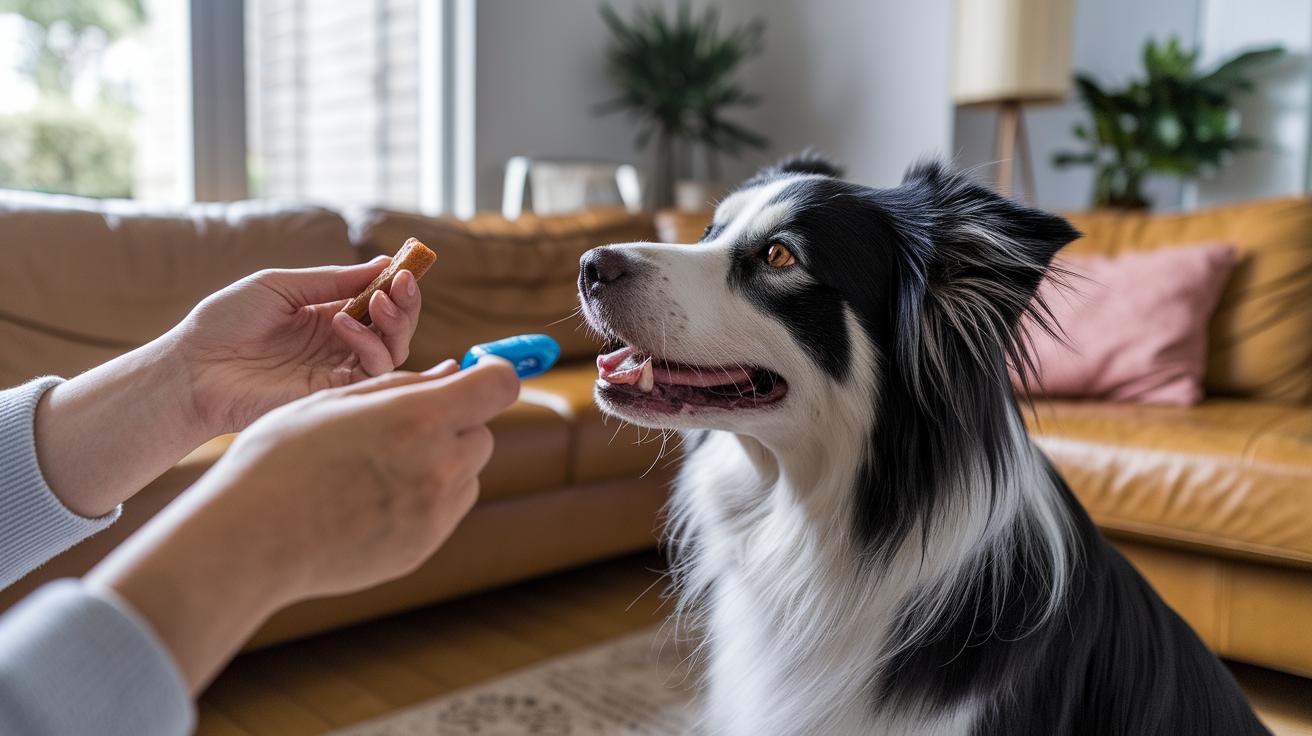
When your pet does something right, click immediately. Press the clicker as soon as you see that good behavior. That quick click (about 0.5 seconds before giving a treat) helps your pet connect the sound with a reward, it’s like saying, “Great job!”
Stick with a clear, steady click every time. Use a short, consistent signal without any changes in tone or delay. This helps your furry friend know exactly what action deserves the click. Pair it right away with a tasty treat for the best results. Then, as your pet becomes more confident, you can gradually stretch the time between the click and the treat. It’s a friendly way to teach them that sometimes the reward might take a little longer.
Adjust the click volume to match where you’re training. Indoors, a softer click might do the trick, while outside in a noisy area, a louder click can stand out better. And if you don’t have a clicker, no worries, try a whistle or a short marker word to signal your pet clearly.
For even more training ideas, check out Dog obedience training.
Final Words
In the action, you learned key steps for choosing a clicker that fits your pet’s training needs. The post broke down checking sound quality, build strength, ergonomics, and accessory options. You now have a clear view of popular models and smart tips for linking treats to clicks. When searching for guidance on how to choose a clicker for training, remember these simple steps. Your pet training toolbox is richer, and every click brings you closer to building a fun and effective training routine. Enjoy the bright days ahead with your furry friend!
FAQ
How do I choose the right clicker for training my dog?
Choosing the right clicker involves checking for a clear sound, good durability, and an ergonomic design that fits your hand. Look for models known for consistency and ease of use.
Is clicker training effective for dogs, including puppies and pitbulls?
Clicker training proves effective for dogs of all breeds. It uses a simple sound marker to show desired actions, making it ideal for beginners, puppies, and even higher-energy breeds.
Why do some say clicker training is bad?
The idea that clicker training is bad may come from inconsistent use or delayed rewards. When the click isn’t paired immediately with a treat, it can confuse your pet, reducing effectiveness.
Can clicker training help stop bad behavior?
Clicker training helps curb unwanted actions by rewarding the positive behaviors instead. This method clearly signals to your pet which actions lead to rewards, supporting better behavior.
Do clickers really work for dog training?
Clickers work by marking the exact moment a desired behavior occurs. By immediately following with a treat, a strong link between the action and reward is formed, improving training outcomes.
What is the rule of 3 in dog training?
The rule of 3 means repeating a command three times to help a dog recognize what is expected. This repetition builds a strong connection between the command and the behavior.
How should I properly use a clicker for training?
Use the clicker by pressing it at the precise moment your pet shows the target behavior, then quickly give a treat. This timing helps your pet build a clear link between the click and the reward.
Where can I buy a training clicker?
Training clickers are available at pet stores like PetSmart, Petco, Chewy, and even at major retailers such as Target and Kohl’s, offering various options to match your training style.
Can clicker training be used for humans?
Clicker training for humans uses similar reinforcement cues to those for pets. It marks actions for habit building, although people more often use verbal or written feedback in their routines.