
Have you ever thought about turning your love for dogs into a real career? Dog training isn’t just about teaching fun tricks; it’s about creating special bonds that light up your day.
Imagine spending time with a kind mentor who shows you easy commands, and watching a pup’s tail wag happily as you both learn together. In this blog, you’ll find simple steps to become a confident dog trainer and build a rewarding new path for yourself.
You’ll also enjoy heartwarming stories, clear tips, and practical advice to make every training session fun and effective.
Getting Started on the Path to Dog Training Success
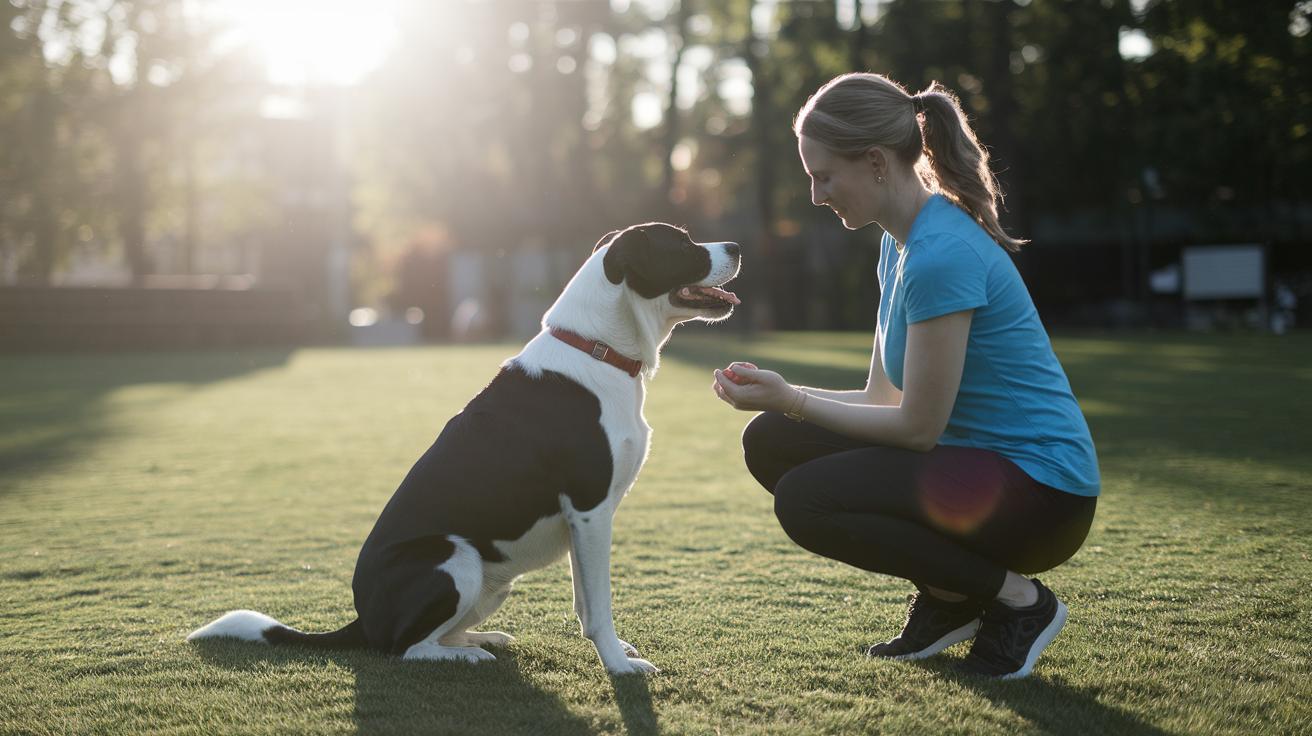
Start by teaching your dog simple commands. Try using commands like "sit," "down," and calling them over. Imagine saying "sit" and watching your dog settle down, tail softly thumping as they listen.
Next, think about teaming up with an experienced trainer. A mentor can show you real-life tricks for handling different types of dogs. You might even jot down tips like how to adjust commands when there's lots of distraction, notice little changes in behavior, or change your approach for each unique pet.
Also, spend some time learning about how dogs think. For example, understanding that rewarding good behavior (operant conditioning, which means giving a treat when your dog does well) and pairing sounds with actions (classical conditioning, meaning linking a command with what you want them to do) are really important. A mentor might share a story about a shy pup who grew more confident from a simple reward.
Finally, create a plan for your future by mixing self-training, mentorship, and ongoing study. This balanced mix will help you move towards formal certification and show everyone your skills as a canine trainer.
Education and Certification Pathways for Aspiring Dog Trainers
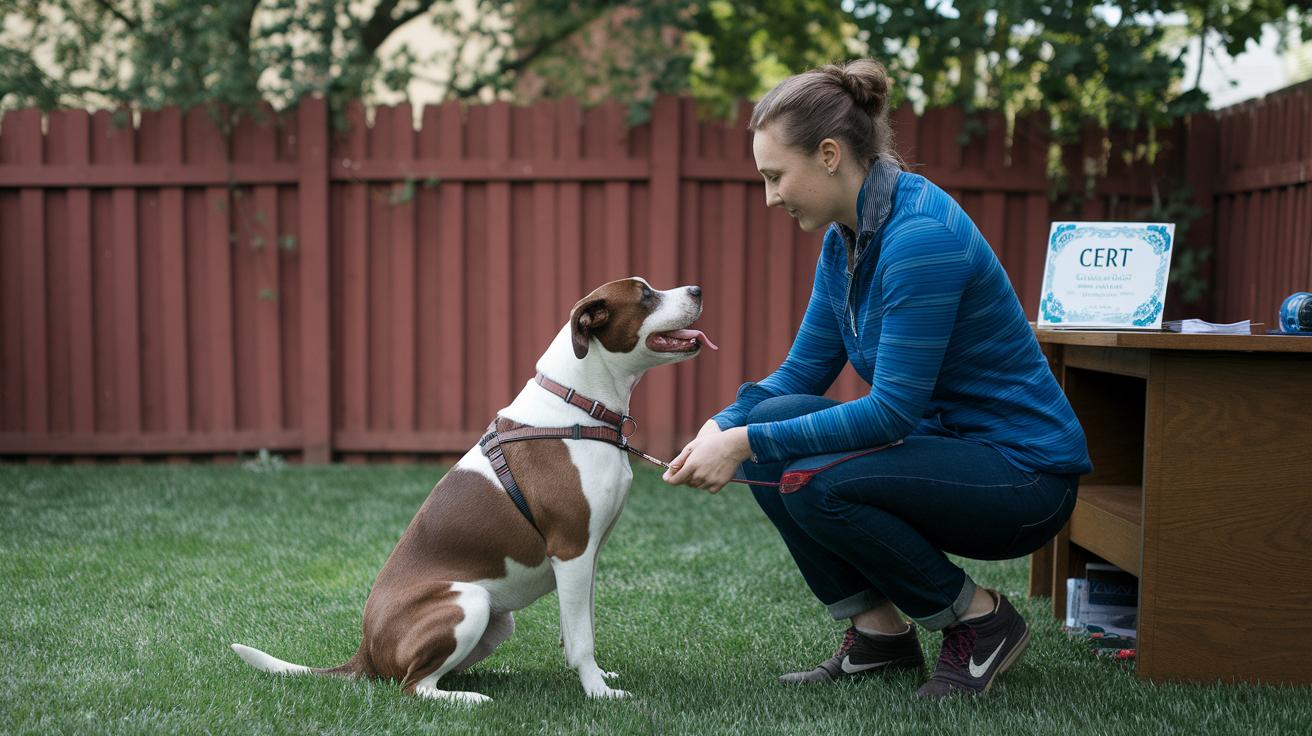
Certification courses for dog trainers teach you the basics in a friendly, hands-on way. You'll learn about a dog’s body, how they learn (which means understanding how dogs pick up new tricks), and ways to change behaviors that aren’t so great. You can find these programs through accredited courses, online classes, local academies, or even distance learning. Some are short workshops lasting 2-4 weeks while others are longer apprenticeships that stretch from 6 to 12 months or more. It’s like taking a fun class where you get to see a pup’s happy reaction when a treat is earned, these moments really make the lessons stick.
The cost of these programs can vary a lot, from about $300 to over $12,000, and you might pay extra for books, travel, or exam fees. Spending on a training certification shows that you care and can boost your trustworthiness with pet owners. Some courses let you work on your own time with online lessons, while others bring you together in person for interactive sessions and one-on-one mentoring. Your choice depends on what fits best with your schedule, budget, and learning style. You really get a mix of theory and practice, which makes the training a smart investment if you’re ready to help pet owners and their dogs live their best lives.
| Program Type | Duration | Estimated Cost | Training Hours |
|---|---|---|---|
| Basic Online Course | 2-4 Weeks | $300 – $1,000 | 20-40 Hours |
| Intensive In-Person | 4-8 Weeks | $1,000 – $5,000 | 40-80 Hours |
| Year-Long Apprenticeship | 6-12+ Months | $5,000 – $12,000+ | 100+ Hours |
Practical Experience: Apprenticeships and Hands-On Dog Training
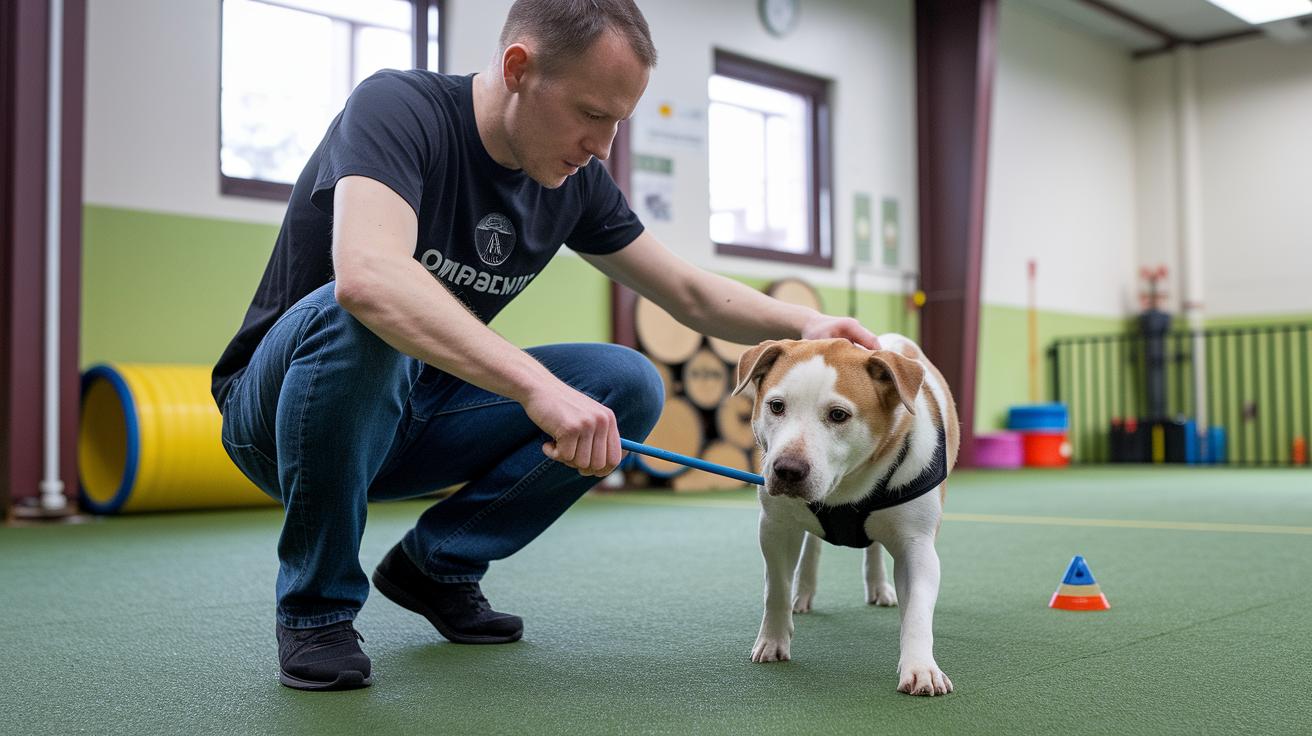
After you’ve taught your own dog basic commands, an apprenticeship offers a chance to work with different breeds and charming personalities. In these sessions, you practice fun skills like leash work and handling distractions. I remember one mentor saying, "Watch how each dog reacts to a simple lure and reward trick; a treat at the right moment can change everything." This kind of advice turns everyday training into delightful learning moments.
Apprenticeships let you take part in lively training sessions where real-life experiences guide your progress. In a small group, like those in dog training classes, you get to see many handling techniques in action. This hands-on experience not only sharpens your skills but also builds your confidence when you later help other pet owners.
During these sessions, you work on:
| Focus Area | Description |
|---|---|
| Handling Skills | Practicing new commands with your pet |
| Adaptive Techniques | Matching training methods to different dog temperaments |
| Mentor Feedback | Using advice to overcome distractions |
| Client Interaction | Learning how to guide pet owners effectively |
Being part of a K9 apprentice program fills your training portfolio with real-world techniques. It transforms basic theory into practical skills that shine through. This journey not only boosts your abilities but also sets you up for a truly rewarding career in pet care.
Essential Canine Behavior and Core Dog Training Techniques

You might remember from our "Getting Started on the Path to Dog Training Success" section that we talked about basic methods like operant conditioning (rewarding good behavior) and classical conditioning (pairing signals with responses). Now, we’re taking things further with some advanced tips and fresh insights.
Trainers are now trying out small shifts in the timing of rewards. One trainer shared that by giving a gentle hand signal just before the clicker sound, their dog started to look forward to the reward even more quickly. Did you know that in one case study, dogs on a staggered reward schedule reacted 20% faster to commands than those on a set schedule? Cool, right?
Also, mixing up when the treat comes, what experts call a variable reinforcement schedule, can help keep your pup’s focus during longer training sessions. Trainers watch for little hints like an ear twitch or a slight head tilt to see how a dog is feeling. This way, they can adjust the reward timing on the spot.
Many trainers say that switching between rewards, like a small treat, a bit of praise, or even a favorite toy, keeps training fun and helps your dog stay consistent.
- A gentle hand signal before the clicker builds excitement.
- A mix of reward timings keeps training fresh and engaging.
- Noticing tiny changes in body language helps fine-tune when to give a reward.
Building Your Dog Training Business and Client Relationships

Start with a simple, clear plan that covers a few different pet care services. Try adding dog walking, day care, boarding, pet sitting, or even grooming. Picture it: a bright morning walk with an energetic pup followed by a calm, quiet day care session for a reserved dog. This mix not only helps you earn more but also makes your name known in the neighborhood.
Great customer service goes a long way. Think of it as sharing useful pet care tips with fellow pet owners. When you say something like, "Make time for your dog even on busy days," you can really spark a connection. That friendly, personal note turns everyday training into special moments between you and the client.
Don’t forget to get out there and meet people. Go to local pet care events or networking gatherings to meet new clients and learn from others. Offering service dog training online can be a smart, flexible idea. And you might also point pet owners toward organized programs like dog training courses that show easy techniques for daily practice.
- Talk clearly and kindly with pet owners.
- Build trust through regular, friendly chats.
- Offer various services to connect with more people in your community.
Continuing Education and Career Advancement in Dog Training
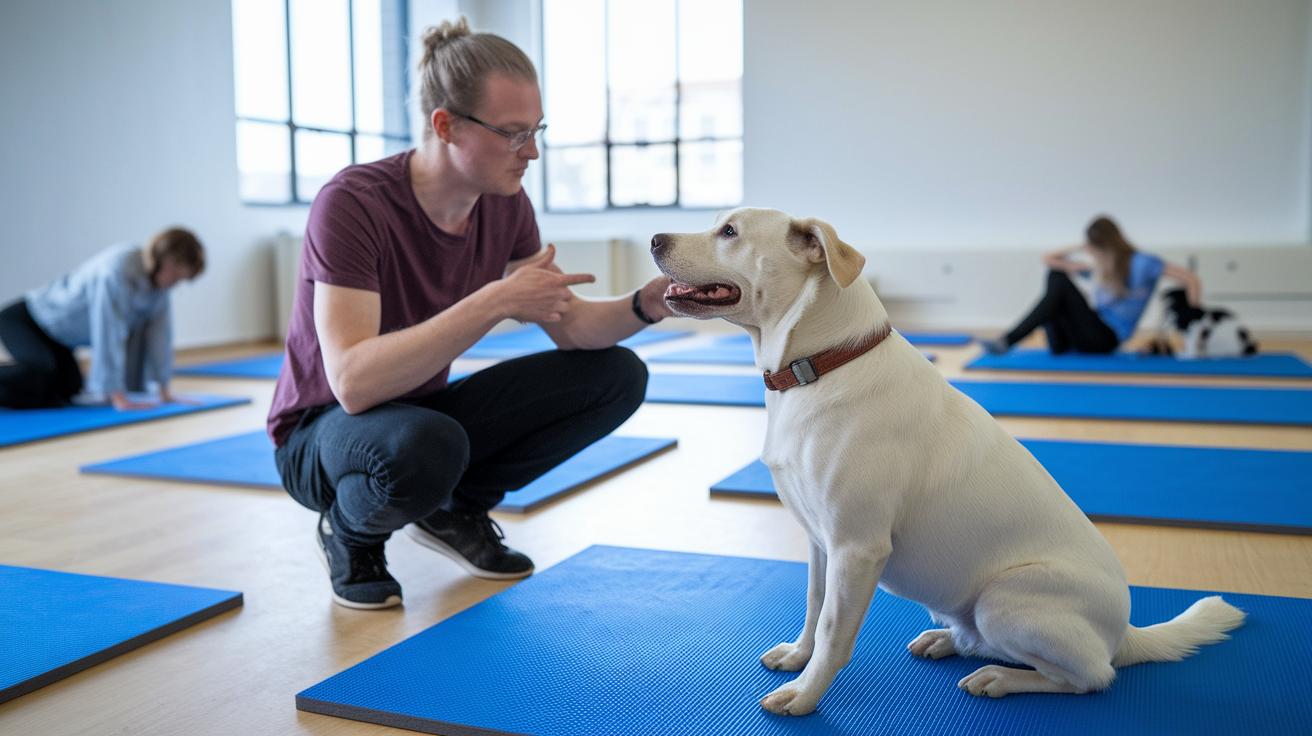
Staying curious and always learning is one of the best ways to be a great dog trainer. Joining groups like the Association of Professional Dog Trainers can get you into engaging seminars and workshops. I remember one trainer sharing, "I learned a new method that improved my pup’s response by 15%!" Moments like these show how community learning really pays off.
Advancing your training skills with courses in agility, therapy, and behavior modification is a smart move. These classes not only sharpen your abilities but also stick to national guidelines (ways to prove your training works). It’s like adding new tricks to your training bag, making every session both efficient and enjoyable.
Regular professional development also opens the door to fun networking events and directories that connect you with other passionate trainers. Sharing ideas and learning from each other means you’re always ready to tackle fresh challenges and keep up with new trends.
Every class or workshop you attend adds a new tool to your toolkit. This ongoing learning journey paves the way to long-term career growth and even deeper success with pets and their owners.
Final Words
In the action, this chat walked you through starting with basic training and moving on to working with experienced mentors while exploring the science behind canine behavior. You got a glimpse into practical experiences and business tips that build confidence and skill.
Before wrapping up, remember that learning how to become a dog trainer means blending hands-on practice with continuous education. Keep your passion alive and let every step light your path ahead.
FAQ
What does dog trainer certification mean?
The dog trainer certification means you’ve proven your grasp of canine behavior and training techniques through coursework and hands-on practice. It builds credibility and signals your skills to clients.
How can I become a dog trainer for free?
The path to becoming a dog trainer for free starts with training your own dog, volunteering at local shelters, and using online resources and community advice to gain experience without high costs.
What do dog trainers typically earn?
The dog trainer salary varies with location and experience. Full-time trainers often earn between about $25,000 and over $50,000 a year, depending on whether they’re self-employed or working for a facility.
How do I start training online, near me, or through forums like Reddit?
The path to dog training can begin online or locally by taking community classes, exploring online courses, and reading forum advice like on Reddit. Both options offer hands-on practice and real-life mentorship.
How do I become a dog trainer in California?
Becoming a dog trainer in California means meeting local requirements, gaining experience through apprenticeships, and earning a recognized certification. Local groups and online courses help guide you through state-specific steps.
How much does it cost to become a dog trainer?
The cost to become a dog trainer depends on the program you choose. Certification programs can range from about $300 to $12,000, plus extra fees for books, travel, and exam expenses.
How many years of school does it take to be a dog trainer?
The schooling for a dog trainer isn’t like a traditional degree. Most training is through workshops, short courses, and apprenticeships that typically last weeks to a year, not several years of school.
Is it hard to become a dog trainer?
Becoming a dog trainer can be challenging because it involves hands-on practice and careful learning of canine behavior. However, with mentoring and consistent study, many pet lovers find it a rewarding career.
What qualifications are needed to work as a service dog trainer?
To work as a service dog trainer, you need solid training in basic dog behavior, specialized certification in service dog techniques, and hands-on experience through apprenticeships or focused courses.
How do I learn to train service dogs specifically?
The path to training service dogs includes studying dog behavior, learning targeted obedience and public behavior skills, and completing specific courses focused on service dog tasks and guidance.
Which online dog training certification programs are considered the best?
The best online certification programs offer a mix of clear theory modules and practical exercises. They include detailed lessons on behavior science and are well-reviewed by new trainers in pet communities.
How can I become a Master dog trainer?
Becoming a Master dog trainer requires advanced study in canine behavior, gaining extensive hands-on experience, and learning from seasoned experts. Continuous education and mentorship are key to reaching this level.