
Ever wonder if your little pup is getting the boost they need with every meal? For dogs under 20 pounds, every single bite counts. Good dry food fuels playful energy while keeping their coat shiny and tummy happy. In this friendly guide, we share our top choices made just for tiny, sensitive tummies and packed with vital nutrients. Read on to discover how Elite dry dog food can make your little buddy’s day brighter, one crunchy bite at a time.
Top Picks for Best Dry Dog Food for Small Dogs
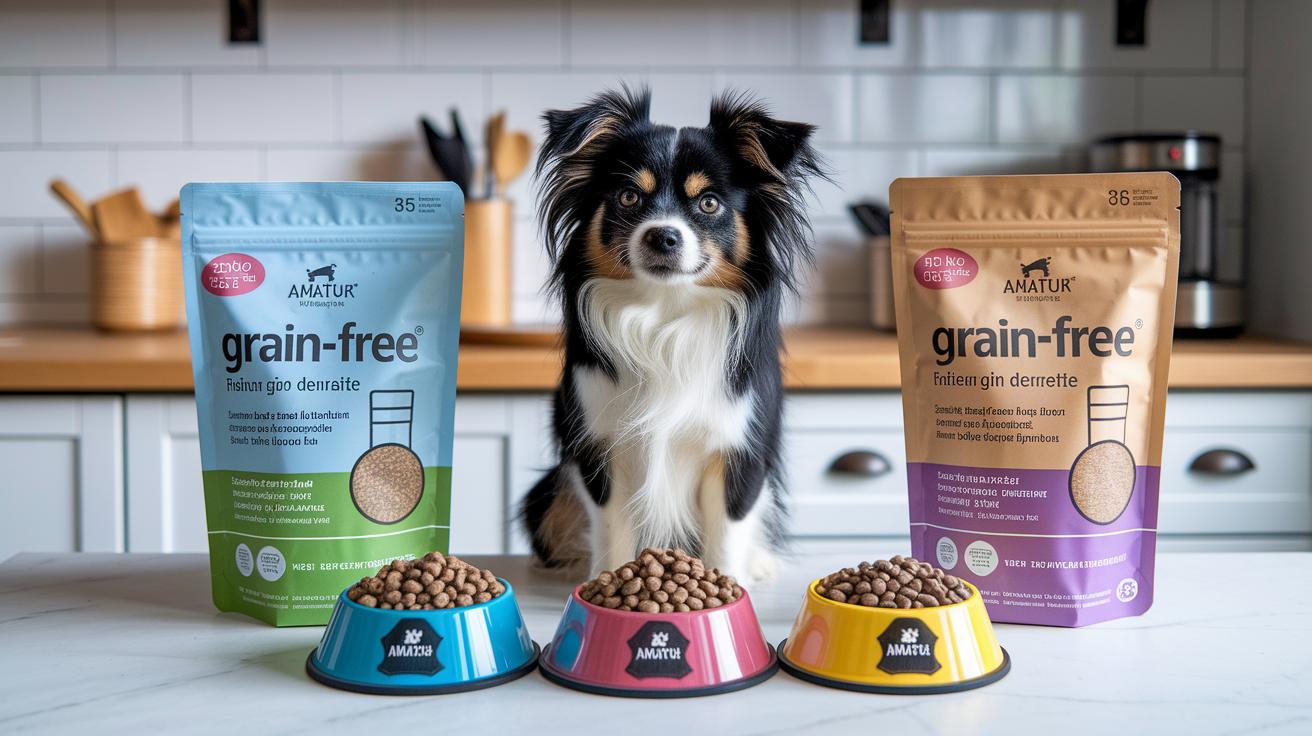
If you have a little dog weighing under 20 pounds, you know that every bite counts. These pups need meals with about 350–450 kilocalories (that’s the energy your pet gets from food) per cup. This way, they get the fuel they need without eating too much at once. Royal Canin Small Adult Formula is one great choice. It meets the nutrition guidelines set by AAFCO (the Association of American Feed Control Officials) and has tiny kibble that's just right for small mouths, making it a hit with breeds like Chihuahuas.
Hill’s Science Diet Small Paws Adult Chicken Recipe is another favorite. It uses gentle, easy-to-digest ingredients that are kind to a sensitive tummy. Imagine your pup munching happily on a crunchy snack that feels just right. Blue Buffalo Life Protection Small Breed Formula focuses on real meat as the first ingredient and includes special LifeSource Bits filled with antioxidants, vitamins, and minerals to support overall health.
Merrick Lil’ Plates Small Breed Recipe skips the grains and packs in lots of protein and healthy fats for extra energy, yet keeps the meal light. Nutro Wholesome Essentials Small Breed also impresses by using organic ingredients and the perfect calorie mix to help keep your little friend’s coat shiny and muscles strong.
| Brand | Key Feature |
|---|---|
| Royal Canin Small Adult Formula | Balanced nutrients and small kibble |
| Hill’s Science Diet Small Paws | Chicken-based and gentle on digestive systems |
| Blue Buffalo Life Protection | Real meat with antioxidant-rich LifeSource Bits |
| Merrick Lil’ Plates | Grain-free and protein-packed |
| Nutro Wholesome Essentials | Organic ingredients that support coat and muscle |
Key Nutritional Needs in Dry Dog Food for Petite Canines

Small pups pack a mighty punch even in a little body. Breeds like Chihuahuas might need about 300 calories (that’s the energy your pet gets from food) daily, while Dachshunds might need closer to 400. That’s why their kibble should start with top-quality protein like chicken, lamb, or fish to help build muscle and recover after a playful romp.
Imagine your little friend happily munching on food that tastes yummy and fuels their busy day. Whole grains like brown rice or oats provide steady energy, and healthy fats from salmon oil or flaxseed help keep their coat shiny and soft, just like a gentle caress.
Fiber sources such as pea fiber or beet pulp work like a natural broom in their tummy, keeping their digestion smooth and regular. Also, antioxidants, those little warriors that protect against daily stress, and digestive helpers like prebiotics and probiotics work together to support a calm belly.
Every ingredient is chosen to boost energy, nourish their coat, and keep their tummy happy. In truth, each meal is a balanced mix made especially for the unique needs of our cherished petite canines.
Essential Ingredients in Dry Kibble for Petite Pups
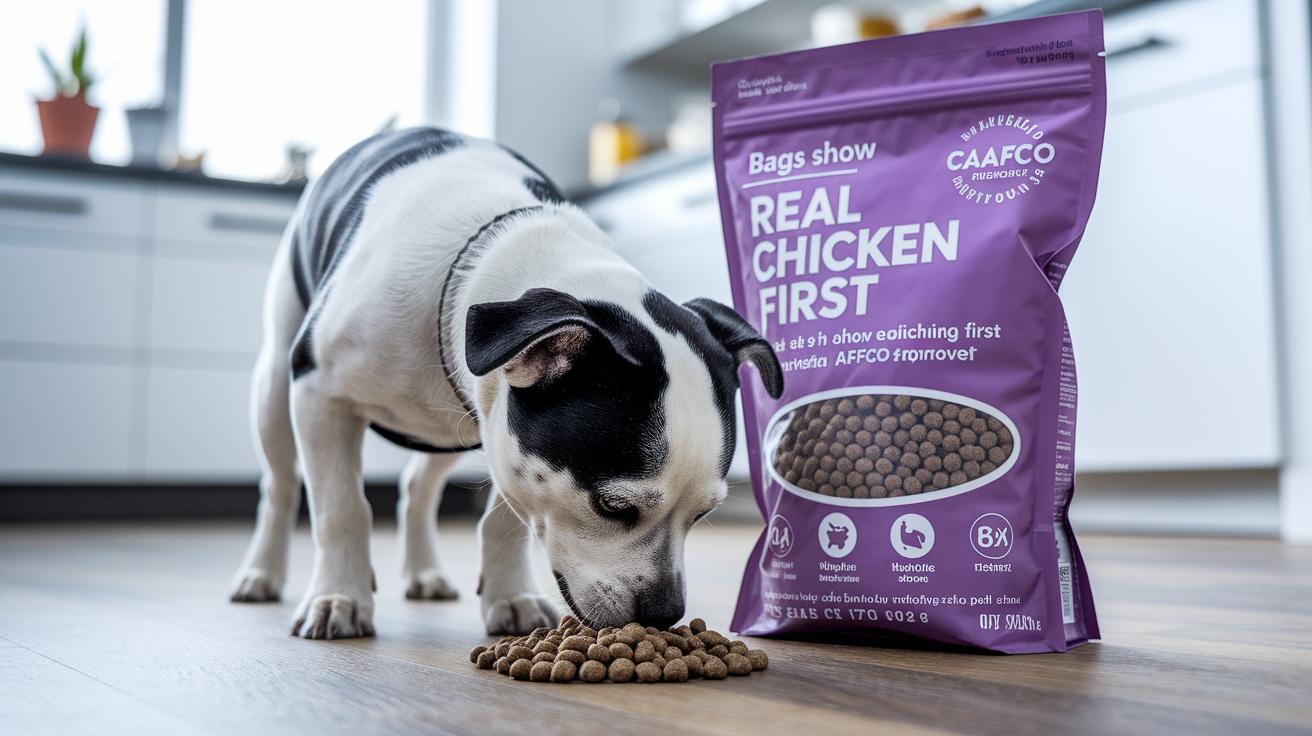
Premium small-breed foods begin with real meat like chicken, turkey, or fish. This hearty protein supports muscle growth and keeps their energy up. Ever notice a label that says, "Real chicken first!"? It’s a clear sign that quality protein takes center stage.
Next, look for whole-food goodies such as pumpkin, blueberries, or spinach. These natural treats are packed with fiber and vitamins A, C, and E to help your pup stay healthy and sport a shiny coat. You might see a note saying, "Packed with natural pumpkin for extra fiber," which shows that every ingredient was selected with care.
Good recipes also add healthy fats from salmon oil or flaxseed, which bring in omega-3s to support skin and coat health. They steer clear of fillers like corn, soy, wheat, and artificial preservatives. Check the label for mentions of real ingredients and balanced nutrient ratios, it makes a big difference.
Lastly, when you see "AAFCO approved" on the package, you can rest easy knowing your pet is getting nutrition that’s balanced for every stage of life.
Life Stage Formulas for Small Dogs in Dry Kibble Choices
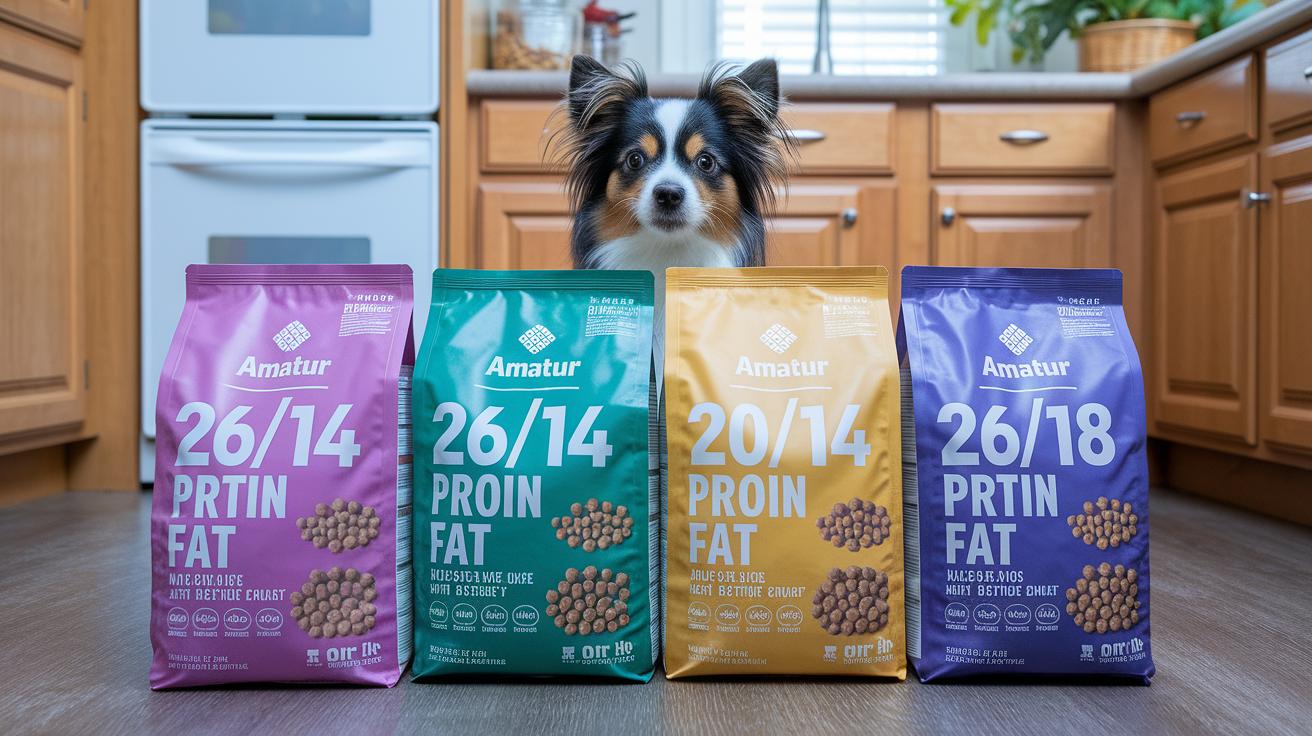
When you watch your little dog grow, their food needs change too. As a puppy, your furry friend needs lots of energy to play, so their food usually has about 26% protein and 14% fat. These extra nutrients help build strong muscles and fuel endless fun. Picture a food bag that proudly says "26% protein and 14% fat", it’s a little roadmap to keeping your pup active and happy.
As your dog grows into an adult, the mix shifts to roughly 20% protein and 10% fat. This change gives steady energy and helps maintain a healthy weight while being gentle on their small frame. The kibble is made in sizes and textures just right for tiny mouths, so chewing is easy and enjoyable.
When your best buddy reaches their golden years, the food adjusts once more. The protein drops to about 15% and fat to 8%, and special ingredients like glucosamine (a natural supplement that supports joint health) and chondroitin are added to help keep joints smooth and comfy. Often, the kibble becomes softer to make chewing simpler and to help protect their teeth. Each stage of food is designed to match the special needs of your companion at every step of their journey.
Best Practices for Transitioning Small Dogs to New Dry Food
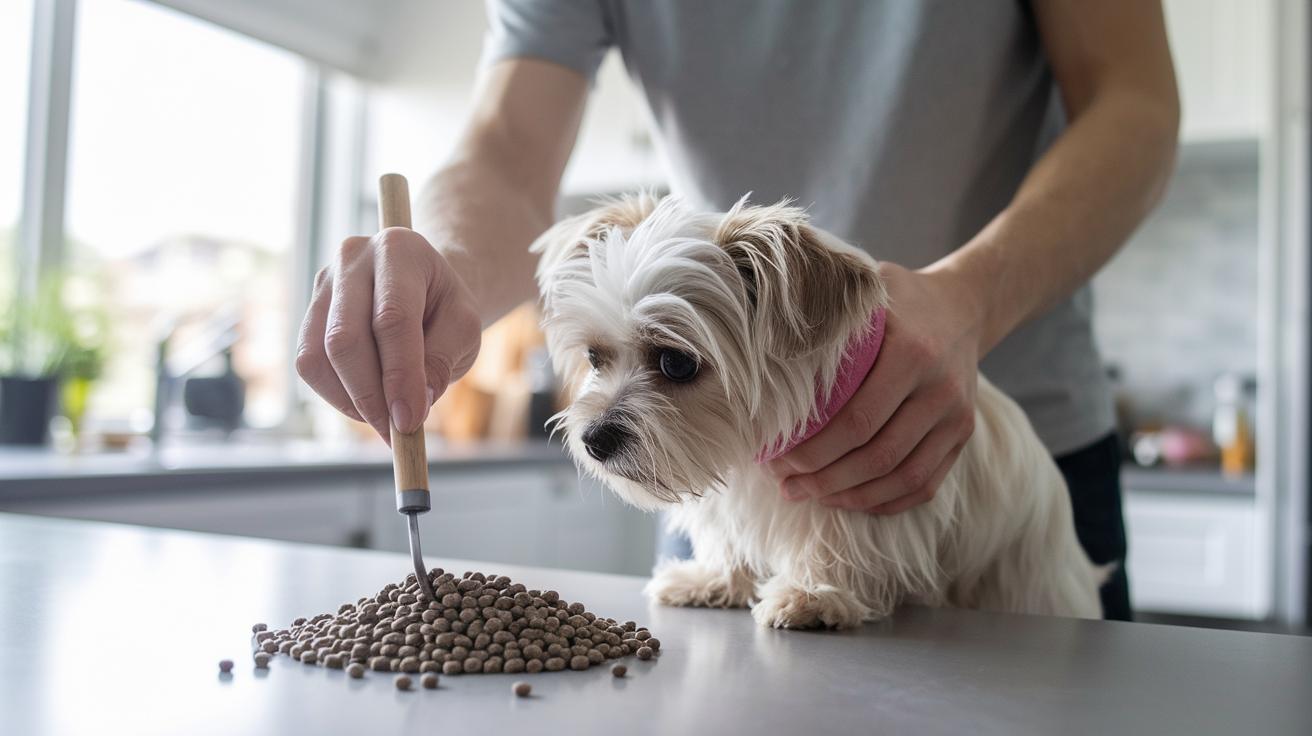
Changing your little pup’s food should feel as gentle as a soft pat on the head. It’s best to give your furry friend time, over 7 to 10 days, to get used to the new taste and avoid any tummy troubles.
Start off by mixing in a bit of the new food with their usual meal. For the first two days, try using about one part new kibble to three parts of the old food. It’s like slowly introducing a new friend to someone you already trust.
Next, around days three and four, mix things up so that half is the new food and half is the old. This way, your pet can get acquainted with the new flavor while still enjoying the familiar taste.
Then, on days five and six, increase the new food to about three parts to one part of the old food. Your pup is almost there, it’s a bit like slowly adding more milk to your coffee until it’s just right.
Finally, by day seven, serve only the new dry food. At this point, your little buddy should be ready for a full switch.
Keep an eye on your pup during this period. Notice if their stool looks a bit off, if they’re drinking enough water, or if their appetite changes. If something doesn’t feel right, you might want to ease back a little and allow more time to adjust. And don’t hesitate to chat with your veterinarian, who can give you pointers tailored to your pet’s weight and energy level.
Expert and User Insights on Dry Food for Small Breeds
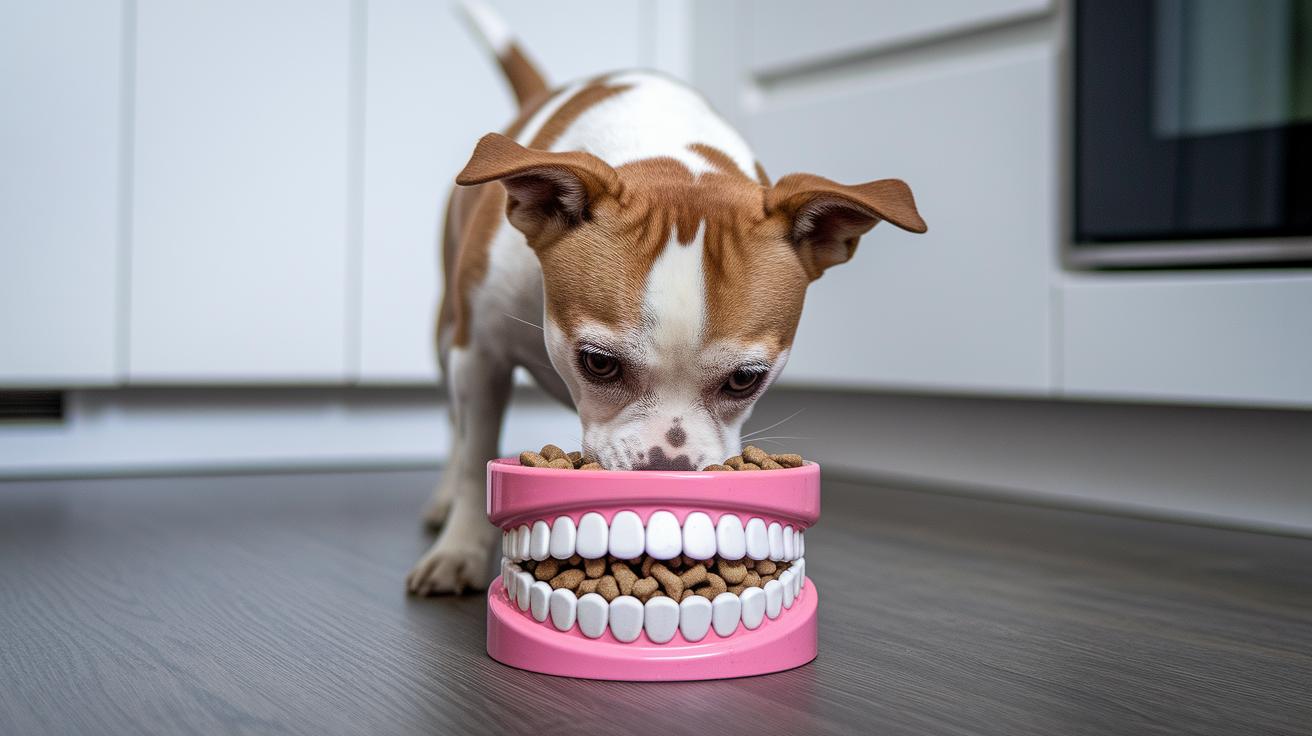
Veterinarians say you should always check for AAFCO approval because it means the food is made to meet all your pet’s nutritional needs (AAFCO stands for the group that sets pet food standards). They also love that many small-breed diets come with specially shaped kibble designed to help clean teeth and support healthy gums. One vet put it simply, "When you see AAFCO approval, you know the food is balanced just for your little buddy."
Pet owners can’t stop talking about how these formulas help with better digestion and give their pets a shinier coat. Many share that formulas containing grains work well for pups with sensitive stomachs, while grain-free options sometimes boost energy if a dog is sensitive to grains.
Real-life reviews show that brands like Royal Canin and Hill’s Science Diet often calm upset tummies, making them favorites for dogs with digestive troubles. At the same time, Blue Buffalo and Merrick get lots of praise for their great taste. One loving owner said, "Ever seen a pup wag its tail just for dinner? That’s exactly what happened when I tried Blue Buffalo for my tiny companion."
This blend of expert advice and heartfelt owner stories explains why these dry foods stand out. They support good digestion, taste great, and work really well for small breeds.
Final Words
In the action, we explored how to pick dry food that fits a small dog's unique needs. We covered ingredients, calorie counts, and the importance of gradual transitions.
These insights make it easier to spot the best dry dog food for small dogs and keep them happy and healthy. Keep these tips in mind as you choose a food plan that feels just right for your little companion.
FAQ
What is the healthiest dry dog food for small dogs?
The healthiest dry dog food for small dogs features quality proteins, balanced calories, and small kibble sizes that support energy and dental health. Options like Blue Buffalo Life Protection and Nutro Wholesome Essentials often fit this need.
What dry dog food do vets recommend for small breeds?
Vets typically recommend formulas that meet AAFCO standards and offer small, easy-to-chew kibble. Royal Canin Small Adult Formula and Hill’s Science Diet Small Paws are popular picks recommended by professionals.
What dog food brands should I avoid?
It is best to avoid brands loaded with fillers such as corn, soy, and wheat or those that include artificial additives. Choosing foods with natural ingredients and real meat ensures cleaner nutrition for your pet.
What is the best dry dog food for small breed seniors?
The best dry dog food for small breed seniors offers softer kibble and joint-support nutrients while adjusting protein and fat levels. These formulas help manage energy needs and support comfortable mobility in older pups.
How do fresh dog food options like Ollie or The Farmer’s Dog compare for small dogs?
Fresh dog foods, like Ollie and The Farmer’s Dog, provide high nutrient density and fewer additives, making them a wholesome alternative to dry kibble when introduced gradually to support improved digestion and coat quality.
How does dry dog food for large dogs differ from that for small dogs?
Dry dog food for large breeds typically offers coarser kibble and different calorie densities. In contrast, small dog formulas prioritize bite-sized pieces and higher calories-per-pound to meet their unique metabolic needs.