
Ever wonder if your pup's food might be causing that upset belly? Many pet lovers have noticed that a gentle diet can help soothe digestion and bring back a dog's playful spirit.
This guide shares some top picks for meals that treat sensitive tummies. By choosing food with soft, easy-to-digest ingredients, you help your furry friend feel comfy and full of energy. Keep reading to see how one simple change can lead to happier, healthier days for your pup.
Essential Guidelines for Dog Food for Sensitive Stomachs

If your dog has a delicate tummy, choosing the right food can truly make a difference. A gentle diet helps ease discomfort and keeps your pup ready for fun and play. Many pet owners notice their dogs feel better when they switch to foods made with mild, easy-to-digest ingredients.
It’s a good idea to start with recipes that slowly introduce new foods while keeping the fat content low. This careful approach helps avoid upsetting your dog’s sensitive digestion. When shopping for dog food, look for meals that include lean white meats like chicken, turkey, or fish while sticking to simple ingredient lists. That way, you can easily spot any foods that might cause issues.
Here are some tips to keep in mind:
- Choose food with less than 25% fat to help your dog digest it better.
- Transition your dog to a new diet gradually over 7 to 10 days.
- Pick lean protein sources like chicken, turkey, or fish.
- Select formulas with only a few ingredients so you can identify any troublemakers.
- Avoid artificial preservatives, such as BHA and BHT, which could irritate your dog’s stomach.
By following these friendly guidelines, you can help keep your dog’s tummy calm while still giving them the energy to enjoy their day. A slow and steady diet change, focused on clean and quality ingredients, is a great way to keep your pup wagging their tail happily.
Identifying Symptoms of a Sensitive Dog Stomach

Ever notice how your dog's happy energy sometimes dims when their tummy feels off? A sensitive stomach can make your furry friend act a bit different around mealtimes. Even the most playful pup might slow down if their belly is upset. Often, you don't realize something's up until the signs get more noticeable.
You may hear a soft gurgling in their belly, see loose stools, or even catch a bout of vomiting. Sometimes, your dog might skip meals or lose interest in treats they normally love. These changes can pop up in puppies, adult dogs, or even seniors, so it’s important to keep a close watch on any shifts in behavior or appetite.
Usually, these signs come from food allergies or intolerances. Your dog might react to certain proteins, grains, or additives in their food. That’s why it’s a good idea to check the ingredients and see if they might be upsetting your pet's tummy. Keeping an eye on these early signs can help ensure your pet stays happy and healthy.
Beneficial Ingredients in Dog Food for Sensitive Stomachs

When it comes to feeding your furry buddy, lean proteins like chicken, turkey, and fish make all the difference. These meats are easy on a sensitive tummy, help build strong muscles, and don’t add unwanted fat. Ever notice how your pup lights up at the sight of a meal with real white meat? It’s all about giving them something gentle yet nourishing.
Fiber is another little hero. Foods such as pumpkin, kale, flaxseed, and apples provide natural fiber that keeps the digestive system moving smoothly. Imagine adding just a bit of pumpkin puree; it’s like tucking in your pet with an extra dose of care, helping them feel full and comfy.
Don’t forget about microbial support. Probiotic and prebiotic blends team up to keep a good balance of bacteria in your dog’s gut. (Probiotics are the good bacteria that help break down food, and prebiotics are the ingredients that feed them.) This combo makes it easier for your pet to soak up all the nutrients from each bite.
When you mix lean proteins, natural fiber, and microbial support, you get a recipe that cares for your pet’s digestion and overall health. It’s all about keeping mealtime tasty, balanced, and gentle on a sensitive stomach.
Ingredients to Avoid in Dog Food for Sensitive Stomachs
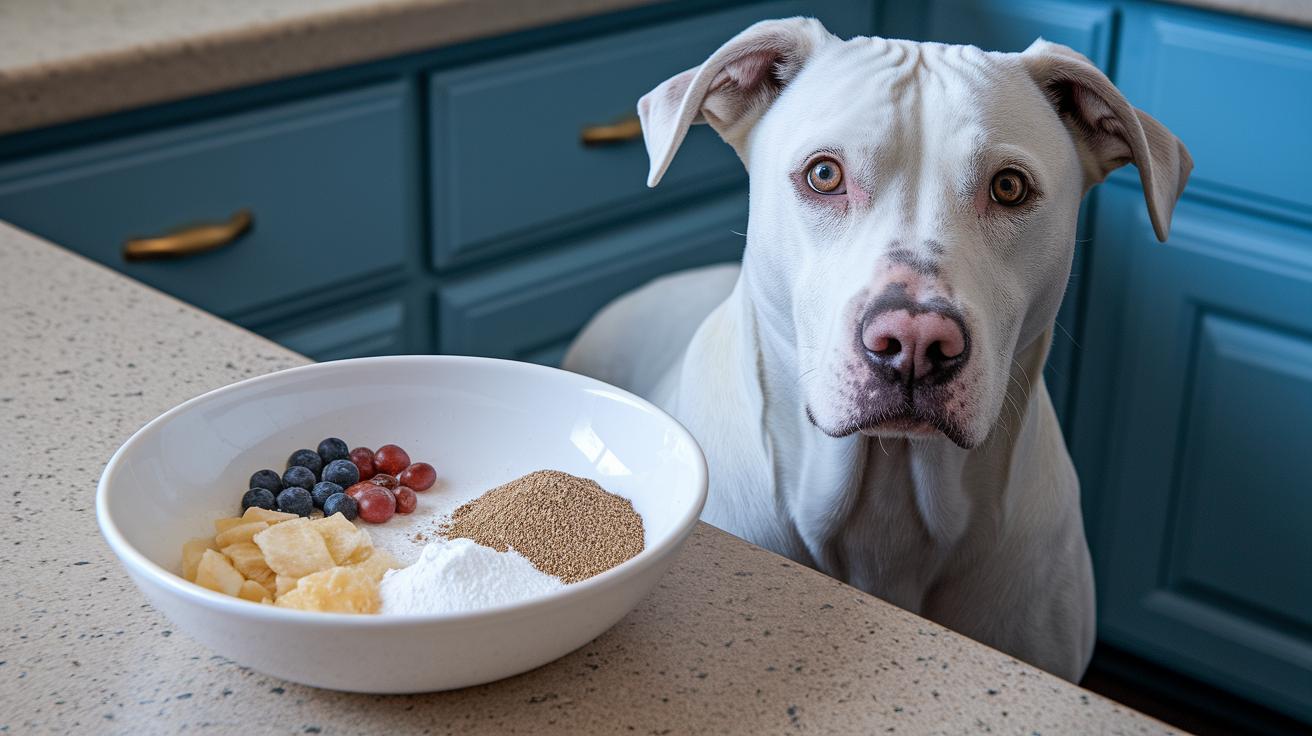
When planning your dog's diet, it's important to watch out for ingredients that might upset their tummy. Some common food parts can bring discomfort, making mealtime a bit of a struggle for pups with sensitive digestion. Keeping a close eye on what goes into their bowl really helps your furry friend feel better and stay healthy.
High-fat foods, especially ones with more than 25% fat, and spicy recipes can stress a delicate stomach. Dairy products like milk, eggs, and butter often lead to lactose problems, while grains like corn, wheat, and soy can be hard for some pups to handle. And if you're looking into allergen-free meals, you might want to check out options that avoid these irritants: https://bonsiaai.com?p=.
Choosing meals with a short list of familiar ingredients is a safe bet for easing tummy troubles. Keeping their food free from these problematic bits supports a smoother, healthier digestion and helps your pet feel their best.
Top Commercial Dog Food for Sensitive Stomachs

If your pet has a sensitive tummy, you want food that is gentle and kind. These commercial diets are made with love, giving your furry friend the nutrition they need while helping their digestion feel better. They use simple, natural ingredients that help soothe delicate bellies. If you’re looking for healthy dog food brands that blend quality with care, check out these options. Each one has been looked at carefully so you can pick the best choice for your pet.
| Brand/Product | Protein Source | Key Benefit | Price Range |
|---|---|---|---|
| Blue Buffalo True Solutions Kibble | Real Chicken | Prebiotic fiber and probiotics to help digestion | $$ |
| Blue Buffalo Basics Limited Ingredient | Real Turkey | Grain-free with omega fatty acids for healthy skin and coat | $$ |
| Wellness Core Digestive Health Puppy | Chicken | Packed with probiotics, DHA, and EPA to support growing pups | $$$ |
| Hill’s Science Diet Sensitive Stomach & Skin | Chicken | Full of prebiotic fiber and omega-6 for balanced nutrition | $$ |
| Purina Pro Plan Sensitive Stomach Canned | Beef/Salmon | A gentle recipe with oatmeal and rice to ease digestion | $$ |
| Nature’s Recipe Easy to Digest | Lamb | Uses sweet potatoes and pumpkin for natural fiber | $$ |
| Stella & Chewy’s Limited Ingredient Raw Blend | Real Meat | Freeze-dried raw blend with coconut flour, pumpkin, and probiotics | $$$ |
| Nutro Limited Ingredient Large Breed | Lamb | Mixed with sweet potatoes and joint support supplements | $$ |
| Natural Balance Limited Ingredients Small Breed | Single Protein (e.g., Duck) | No grains and perfect kibble size for small mouths | $ |
Vet-Approved Homemade Dog Food Recipes for Sensitive Stomachs
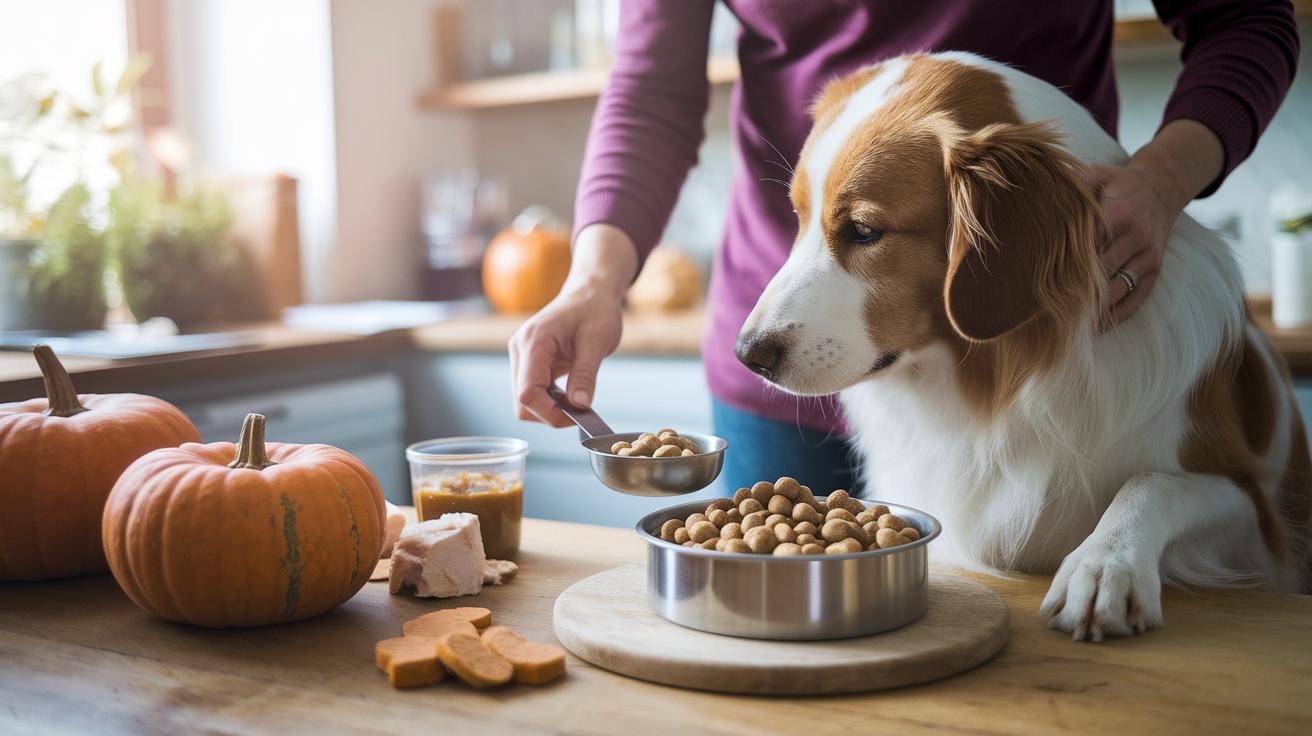
When you cook for your dog at home, safety comes first. Always follow your vet’s advice by slowly introducing new foods and switching protein types every 4 to 6 weeks. This careful routine helps keep your pup’s tummy happy and steady.
Stick to simple recipes that use natural ingredients without any extra additives. Measuring ingredients carefully, keeping the kitchen clean, and watching for any changes in your dog’s appetite or energy can make a big difference. It’s like preparing a meal that feels just as warm and comforting as your pet’s cuddle.
Here are three easy, vet-approved recipes for sensitive dogs. First, try a gentle bone broth pour-over to add moisture and help with digestion. Then, mix up an instant goat’s milk booster that gives your dog about 1.25 billion probiotics (good bacteria that help with digestion) per serving. Finally, whip up a balanced mix with lean turkey, pumpkin, and oats in a 2:1 protein-to-fiber ratio so that every bite is easy on the stomach. For detailed recipes and serving tips, check out the full guide at the vet-approved homemade dog food recipes page.
Safely Transitioning to Dog Food for Sensitive Stomachs

Switching your dog's food is like welcoming a new friend. Begin with a mix of 90% of the current meal and 10% of the new food. Then, each day, boost the new food by about 10% for 7 to 10 days. This gentle switch helps your pet's stomach adjust without any upset, just like slowly introducing a new buddy into their routine.
Keep a close eye on your pup during the change. Notice their stool and appetite, as these little clues tell you if they're doing okay. And if you spot signs of digestive trouble, it's a good idea to slow things down a bit. Sometimes, especially with a special prescription or hypoallergenic food, you might need a trial period of 4 to 12 weeks. Being patient and caring at every step helps your furry friend settle into their new, balanced diet without any unnecessary stress.
Veterinarian Tips and FAQs on Dog Food for Sensitive Stomachs

Taking care of a dog with a sensitive tummy means choosing food that fits just right with your pet’s age, breed, and health. For example, a lively puppy might need a different blend than an older dog with specific needs. Sometimes, a vet even suggests a prescription formula to ease any discomfort. This method uses proven guidelines to ensure every meal is as gentle and healing as possible.
Another idea is to run a 4–12 week elimination trial with your vet’s guidance. This trial helps you see how your dog reacts as you slowly remove or add ingredients. It’s like giving your pet a little taste test to make sure their sensitive stomach only gets what it can handle comfortably.
FAQ: How soon will improvement appear?
Many pet owners start to notice better digestion within 2–4 weeks of sticking with the new food, like feeling a little extra comfort with each meal.
FAQ: When should I contact my vet?
If your dog’s symptoms stick around or get worse after the trial period, it’s a good idea to check in with your veterinarian.
FAQ: Can I add supplements?
Only use probiotics or digestive enzymes if your vet says it’s okay, keeping your pet’s tummy feeling peaceful.
Final Words
In the action, we explored key tips for a gentle canine diet, from picking lean proteins and natural fibers to avoiding unnecessary additives. Our guide covered signs of sensitive tummies, helpful ingredients, and proper diet transitions.
We talked through both commercial options and vet-approved homemade recipes that back a balanced, calm digestive system. Using dog food for sensitive stomach needs ensures your pet gets the care and comfort they deserve. Stay positive and enjoy the little moments with your furry friend.
FAQ
Q: What is the best dog food for sensitive stomachs and diarrhea?
A: The ideal food for a sensitive stomach and diarrhea uses lean proteins and limited ingredients to soothe your pet’s tummy, easing digestion and promoting firmer stools while keeping mealtime enjoyable.
Q: What dog food works well for sensitive stomachs with skin allergies?
A: The perfect food for sensitive stomachs with skin allergies combines hypoallergenic ingredients and gentle proteins, helping to calm the stomach and reduce skin flare-ups for a happier, healthier pet.
Q: Which dry dog food is suited for sensitive stomach issues with diarrhea?
A: Dry food for sensitive stomach issues is made with low-fat, limited ingredients that help soothe digestion and manage diarrhea, offering a crunchy option your pet can enjoy without added upset.
Q: How does wet dog food benefit dogs with a sensitive stomach?
A: Wet dog food helps a sensitive tummy by providing high moisture content and soft ingredients that are easy to digest, which can relieve discomfort and add a bit of variety to your pet’s diet.
Q: What dog food is comparable to Purina Pro Plan Sensitive Skin and Stomach?
A: A comparable food to Purina Pro Plan Sensitive Skin and Stomach includes balanced, easily digestible proteins and prebiotic fibers designed to support both your pet’s digestion and skin health.
Q: What is a good non-prescription option for a sensitive stomach?
A: A non-prescription option for a sensitive stomach focuses on gentle, science-backed ingredients like lean meats and mild fibers to calm digestive issues without the need for prescription formulas.
Q: Is wet or dry food better for my dog’s sensitive stomach?
A: Wet food adds extra hydration and is easier on the tummy, whereas dry food offers a balanced crunch. Your choice should depend on your pet’s specific needs and what makes them feel best.
Q: What food is best for dogs that throw up frequently?
A: For dogs prone to throwing up, the best food includes easily digestible, low-fat ingredients and minimal additives to reduce stomach upset and help keep those vomiting episodes at bay.