
Ever wonder why your pup might see its crate as a little hideaway? Imagine turning that crate into a snack corner where every treat builds trust and adds a touch of magic.
Our guide walks you through easy steps that help your furry friend feel safe and secure. With kind words and tasty rewards (small treats to encourage good behavior), crate training can boost your pet's confidence and bring calm.
A happy dog truly makes a happy home. A cozy crate can be the start of a calm, joyful space where your pup relaxes after a fun day. Ready to turn crate time into a special treat for your best buddy?
Step-by-Step Dog Crate Training Tips for Beginners
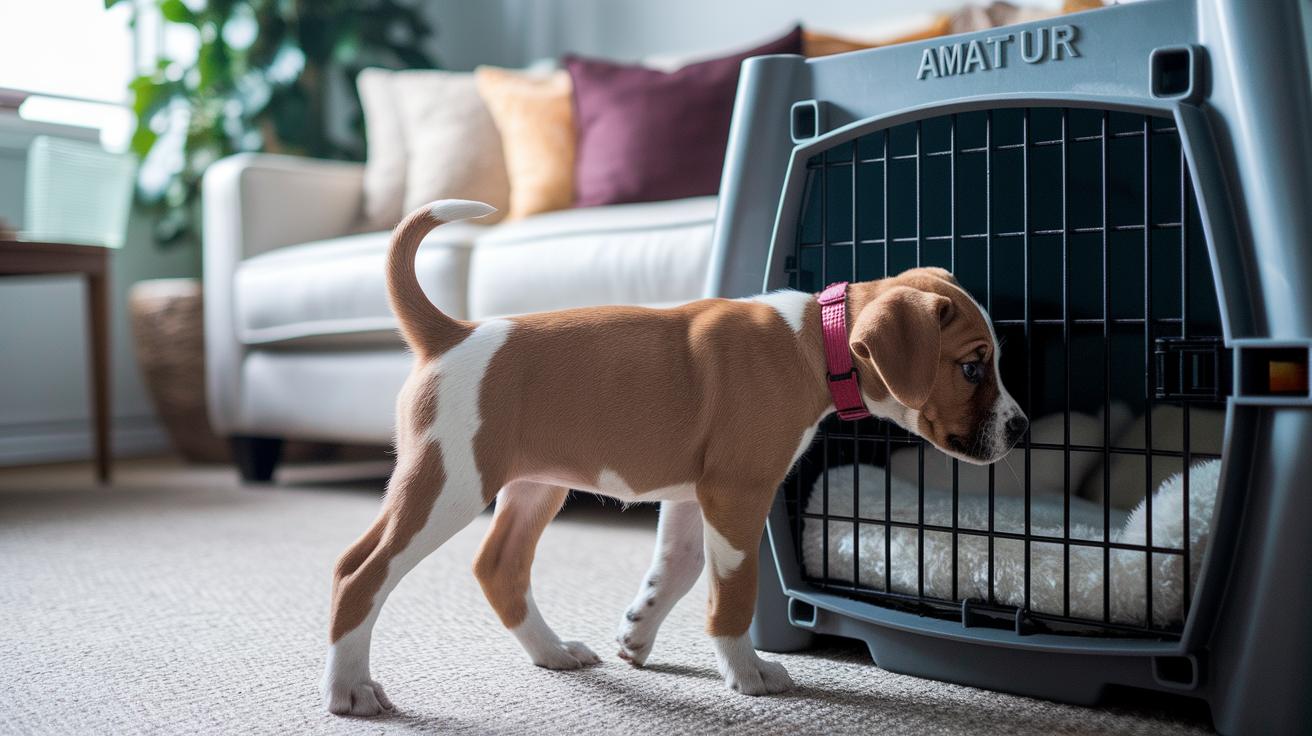
Positive reinforcement makes crate time a fun little adventure. Start by tossing a treat into the crate so your puppy can wander in with no pressure at all. It’s like setting up a cozy snack corner that says, “Come on in and relax.”
At first, keep the door open. This helps your puppy explore on its own time, just like leaving a bowl of kibble out for a timid pup. It builds gentle curiosity and trust, making the crate feel safe and inviting.
- Drop a small treat inside and watch your puppy show interest.
- When your pup steps in by itself, give plenty of praise.
- Try feeding a meal inside the crate to mix snacking with comfort.
- Use a simple command like “go to crate” to guide your pup.
- Shut the door for a brief moment and then open it right away; repeat this step as needed.
In truth, as your puppy gets more comfortable, you can slowly close the door for longer periods. Start with just 30 seconds and gradually extend the time. Before you know it, the crate will feel like a private, safe retreat, a cozy spot where your pet can rest, relax, and recharge much like their favorite quiet nook at home.
Choosing the Right Dog Crate for Effective Training
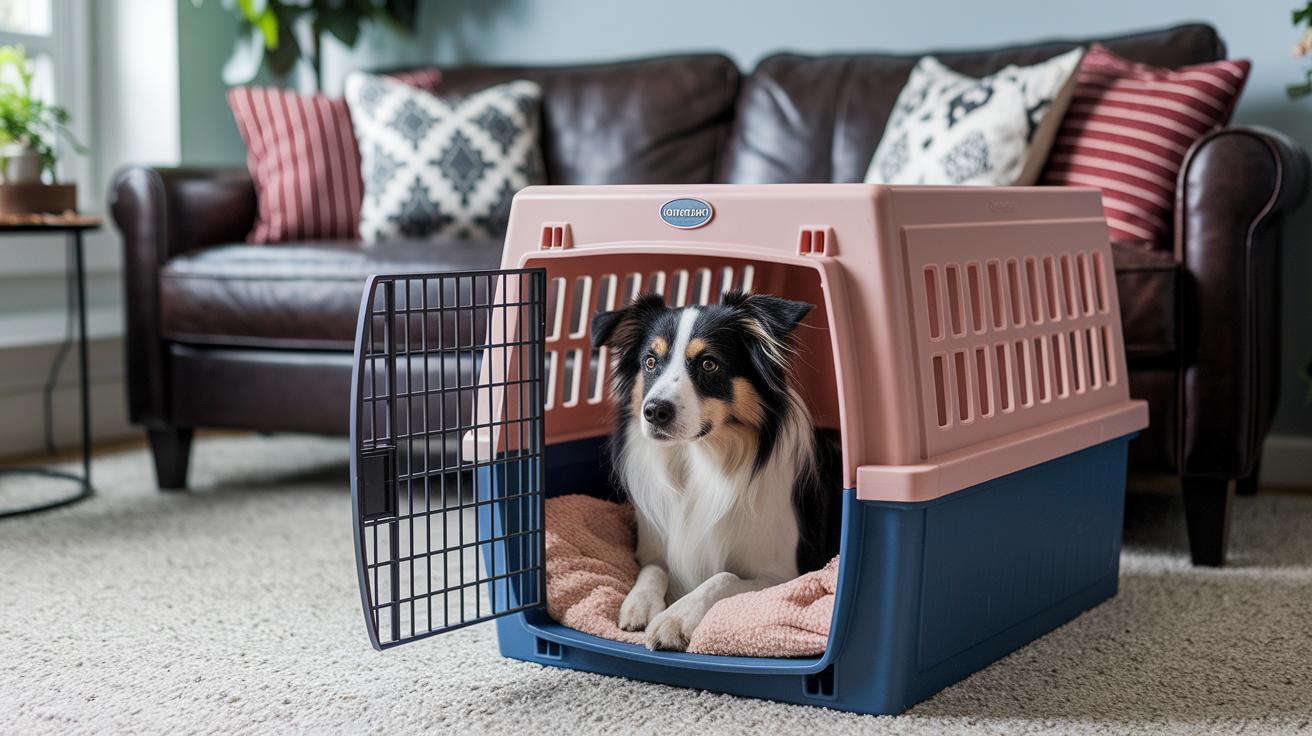
A crate is like your dog’s own little retreat, a cozy spot where they feel safe and relaxed. It should be just big enough so your pup can stand up, turn around, and lie down comfortably without making a mess in one corner. This helps them settle down and keeps any bad habits in check. Puppies especially benefit when the crate is sized with their future size in mind, so you don’t have to keep switching it up.
When you’re picking a crate, think about its size, what it’s made of, and how secure the latch is. For example, plastic crates feel like a private hideout, while wire crates let fresh air rinse through the space. Make sure to add soft, washable bedding that stays away from latches so it’s safe. Imagine tucking your pup in with a warm blanket that invites a peaceful snooze while keeping everything in place.
As your furry friend grows, keep an eye on the crate’s size to make sure it stays comfy. If your dog outgrows their little haven, it may be time to switch to a bigger one so it still feels like a happy, safe retreat.
Introducing and Acclimating Your Dog to the Crate
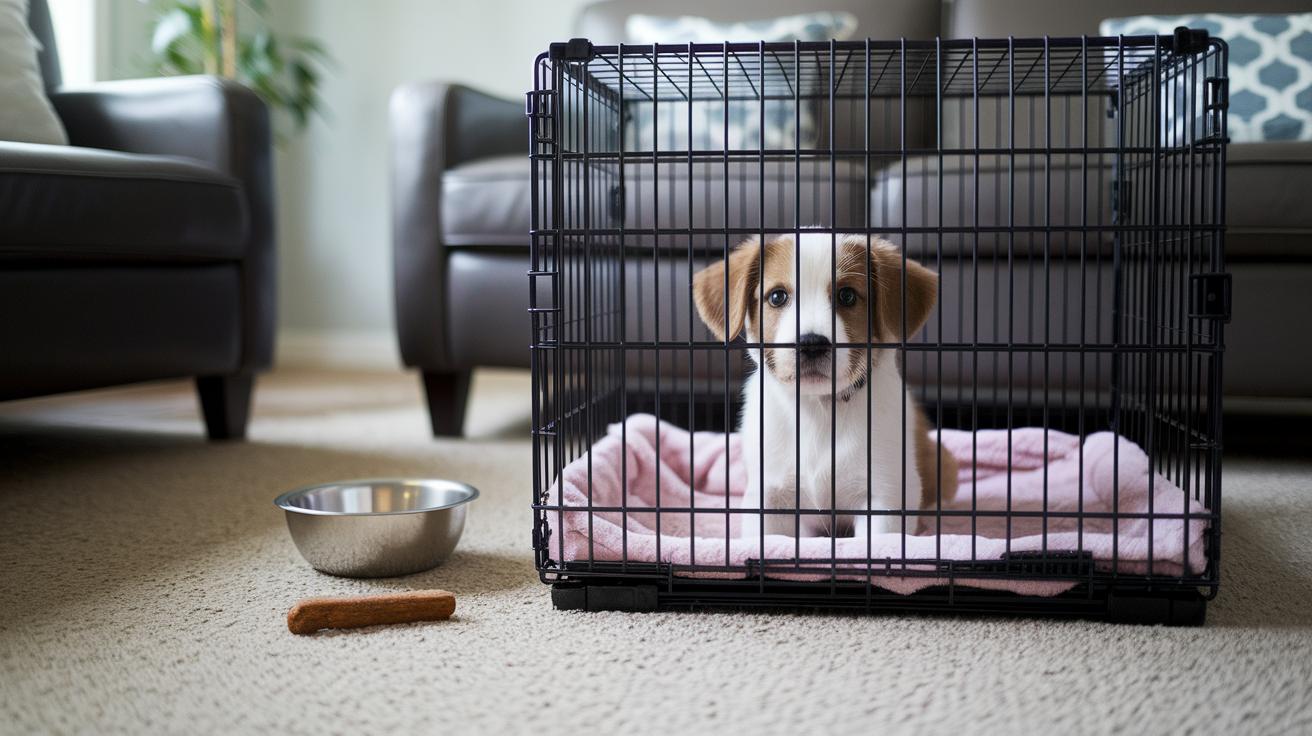
The crate is a little haven for your pup, a fun, cozy spot to relax and feel safe. Start by dropping in a tasty treat during your first visits so your dog learns that the crate is full of good things, without any stress.
Mealtime in the Crate
Put your dog's food bowl right inside the crate. This makes a positive connection between a favorite meal and that snug space. Think of it like serving their top snack in their own comfy hideaway. It turns crate time into a part of the happy routine.
Gradual Door Closure
While your dog is munching or taking a nap, close the crate door for just about 30 seconds. Then, slowly make that time a bit longer. A kind word or a little treat when the door shuts shows your pup that a short pause apart is just fine.
Scheduling Breaks
Right after a crate session, head outside straight away for a potty break to build healthy habits. For a simple routine with an eight-week-old puppy, try a crate session after each nap and again at bedtime. This links mealtime, brief door closures, and immediate outdoor breaks into one easy, comforting schedule.
Dog Crate Training Tips: Happy Hound, Happy Home
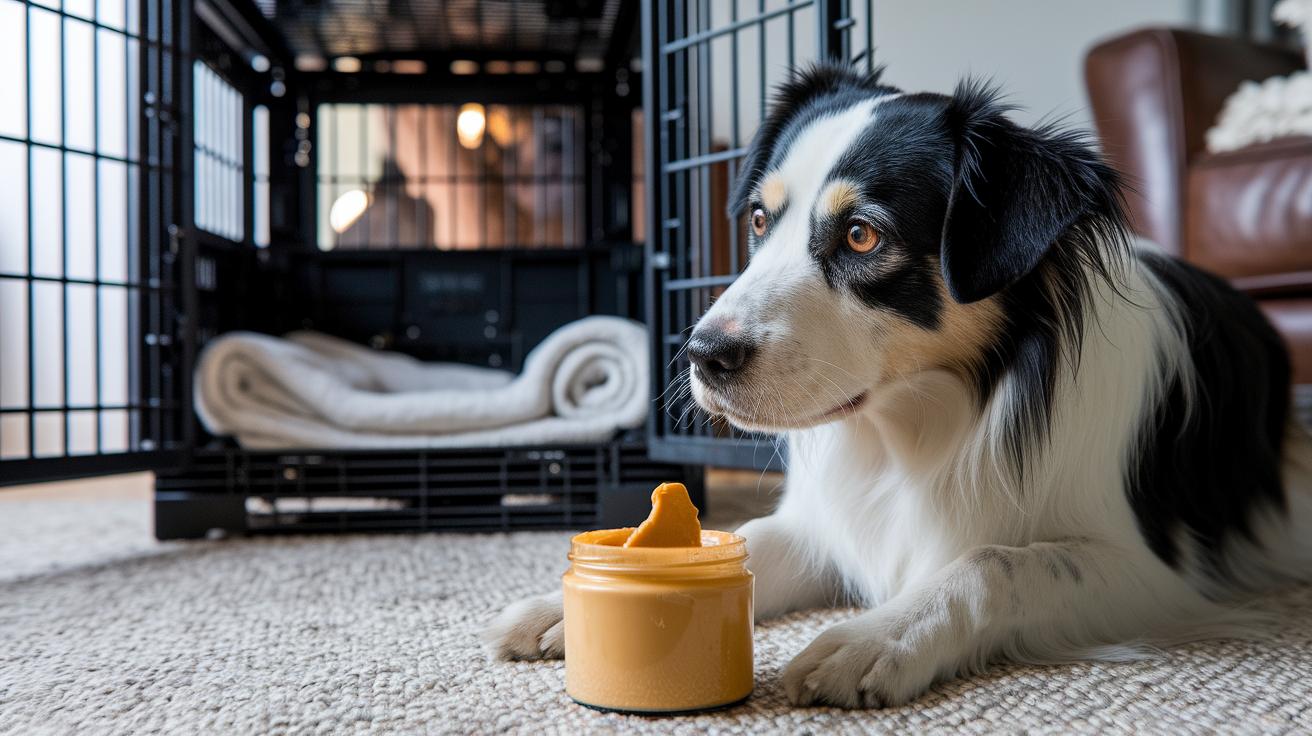
Sometimes, your dog might whine or bark when they first try the crate. It could be that they feel uneasy or are just looking for a bit of extra attention. A little spoonful of peanut butter can even help calm those jitters.
Other times, a dog might simply not want to go in at all, especially if they had a rough time before. Let them wander around the crate with the door left open so they can check it out. Offer tasty treats to make it feel fun, and watch closely for signs of separation worry. This first step is all about taking it slow with gentle exposure and lots of kind reassurances.
• Whining a lot – Give a little peanut butter or a safe chew toy to distract and calm your pup.
• Barking when the crate door is closed – Start with very short sessions and use kind words, slowly increasing the time.
• Hesitating to go in – Keep the crate door open and toss in a few treats so your pet sees it as a fun space.
• Signs of separation worry – Begin with very brief stays and gradually build up the time as your dog grows more comfortable.
Remember, patience is key. Stick to a steady routine, and before long, your dog will see the crate as a cozy, safe spot, a true happy hound, happy home.
Nighttime Dog Crate Training Tips for Restful Sleep
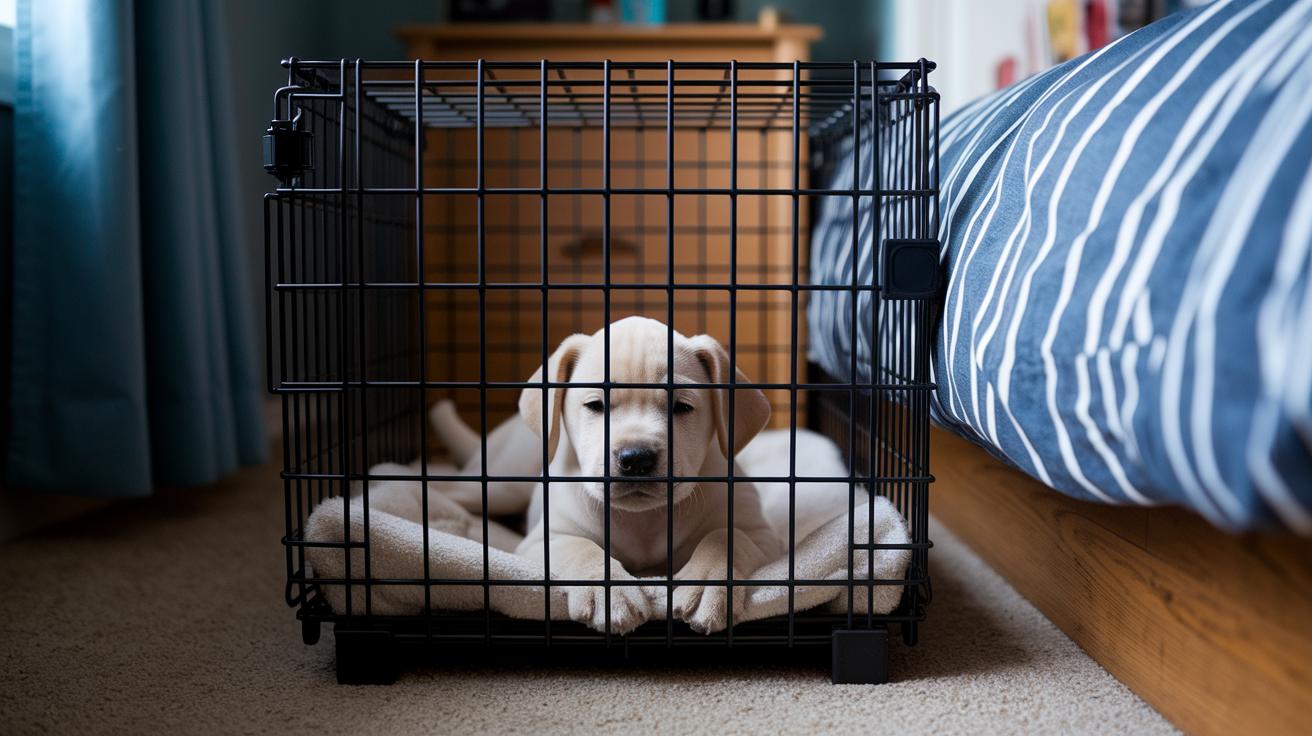
Nighttime routines can be a challenge. In the beginning, your pup might get a little fussy in the crate, and that’s perfectly normal, it's just their way of adjusting to a new sleeping spot.
Try placing the crate close to your bed so your furry friend feels safe, like you're just a heartbeat away. Before settling in, take your dog for a quick potty break to help clear their mind and tummy. As you guide them into their crate, speak in a soft, reassuring tone, think of it as tucking them in with kind words. Once you close the door, trust that your gentle voice will continue to comfort them throughout the night. For very young pups, say around eight weeks old, they might spend up to 20 hours a day in their crate with short, timed breaks to ease them into the routine.
Stick with this routine every night. Before long, your dog will see the crate as their own cozy retreat, a special place for a good night's sleep.
Cleaning and Maintenance of Your Dog Crate Training Areas
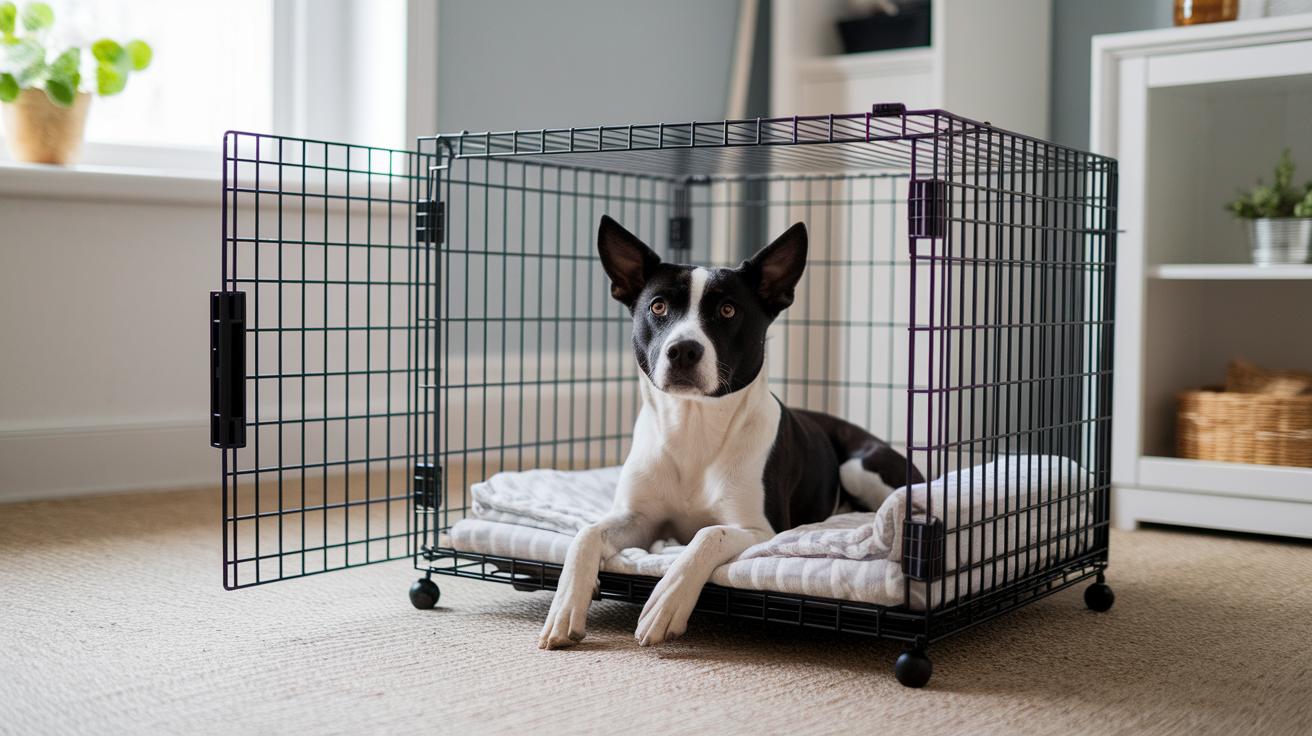
Keeping your dog's crate spot clean is super important for their health. Regular cleaning helps keep those pesky germs away so your furry friend can feel safe and happy.
Every day, scoop out any waste and wash the bedding at least once a week. A quick wipe down of surfaces with a pet-safe cleaner gets rid of any lingering dirt or smells. Also, take a minute each month to check the latches, bars, and panels, fixing even small issues now can prevent safety problems later. Rotating the bedding and toys not only controls odors but also keeps everything in better shape, giving you extra peace of mind.
Good airflow is key, too. Refresh the padding and swap out items regularly to keep the crate feeling fresh and cozy for your pup.
Final Words
In the action, our article has walked through practical dog crate training tips for beginners, covering crate selection, acclimating your pet, managing challenges, setting up nighttime routines, and keeping the area clean. Each section offered simple, clear steps that help build trust and calm for your furry friend.
Using these dog crate training tips makes creating a safe, comfortable space easier. Keep practicing, enjoy the process, and relish every joyful wag and purr.
FAQ
Dog crate training tips reddit
Dog crate training tips on sites like Reddit share hands-on advice using positive reinforcement, gradual introductions, and rewards to help your pet feel secure inside the crate.
How to crate train your puppy in 3 days
Crate training your puppy in 3 days involves starting with short sessions, using treats for rewards, and gradually lengthening the time spent in the crate while keeping the experience positive.
Puppy crate training at night
Puppy crate training at night means placing the crate near your bed, offering a pre-bed potty break, and providing calming praise to help your pup settle down for sleep.
Dog crate training tips at night
Dog crate training tips at night include positioning the crate in a quiet area, using soft verbal reassurance, and scheduling brief, calming sessions to ease nighttime anxiety.
How to crate train an adult dog
Crate training an adult dog focuses on using gentle guidance, brief supervised sessions, and rewards to build trust, slowly transforming the crate into a safe, familiar space.
How to crate train a puppy for potty training
Crate training a puppy for potty training pairs the crate with scheduled breaks, using treats and praise to encourage a routine and help your puppy understand where to go.
Is crate training cruel
The idea that crate training is cruel depends on the method used; when done kindly with rewards and plenty of breaks, it provides a safe space rather than causing distress.
Why crate training is bad
Crate training is seen as bad only when used as punishment or with long isolation periods; a method based on positive reinforcement helps your pet feel secure and happy.
What is the 2 1 rule for crate training?
The 2 1 rule for crate training suggests that the time your dog spends in the crate should be twice its age in months plus one minute for each session to suit its needs.
What should you not do in crate training?
In crate training, you should avoid using the crate as punishment, keeping your pet inside for too long, or making abrupt closures that cause anxiety.
What is the fastest way to crate train?
The fastest way to crate train is to start with an open-door, reward-based approach, gradually increasing closed sessions so your pet builds confidence and trust in the crate.
How long should a dog be in a crate during training?
The time a dog stays in a crate during training depends on its age and comfort; puppies generally need breaks every few hours, while adult dogs can handle longer intervals.